
Reviewed · KILIMANJARO CLIMBS
Kilimanjaro Private Climbing in 6 Days Marangu Route
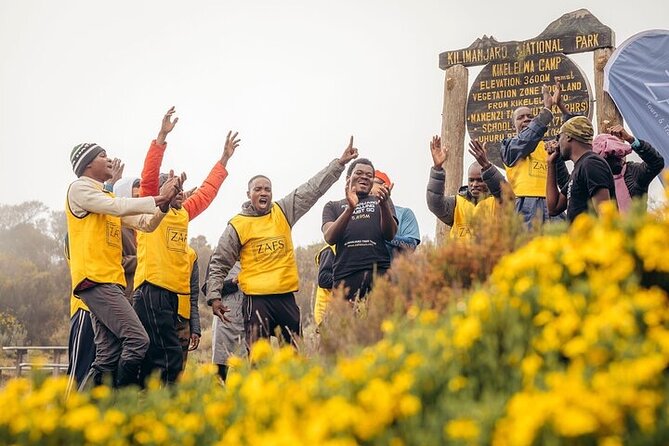
The best feature of this climb is its extra acclimatization day at Horombo Huts. You walk through rainforest, heath, moorland, and high desert before summit night, instead of rushing straight upward. That extra night gives your body more time at altitude and lets you take a short hike toward Mawenzi.
I like the strong safety setup, with guides trained as wilderness first responders, daily health checks, emergency oxygen, and rescue fees included. I also like the generous support crew, with an average ratio of four staff members for each climber. The main drawback is the route itself: Marangu uses huts rather than tents, but its up-and-down trail means you meet more people and retrace part of your path on the descent.
Key points to know before booking
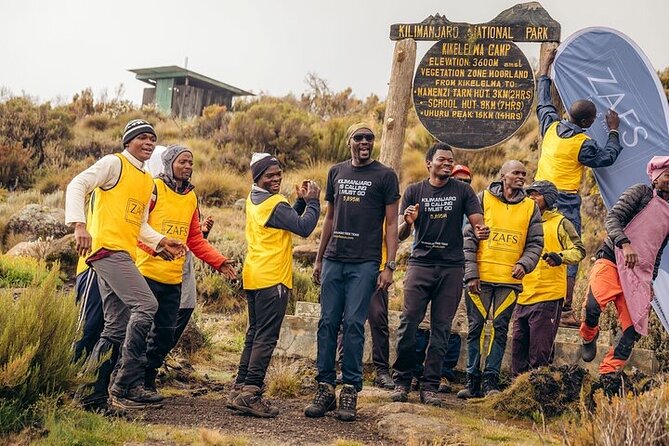
- The Horombo acclimatization day matters: A second night at 3,720 meters gives you a better chance to adjust before moving higher.
- Summit night is the hard part: You begin between midnight and 2 a.m. and may spend up to 14 hours walking.
- You sleep in mountain huts: This is simpler than camping, but hut space can feel basic and shared.
- The support system is substantial: Guides, cooks, and porters carry supplies, prepare meals, and support your climb.
- Safety is treated as part of the service: Daily health checks, first aid, rescue cover, and emergency oxygen are included.
- The $2,000 price covers a lot: Park fees, huts, meals, water, transfers, hotel accommodation, and a summit certificate are included, but gear, insurance, tips, snacks, visas, and international flights are not.
Why the six-day Marangu Route works
The Marangu Route is often called the easier or more comfortable Kilimanjaro route because you sleep in wooden huts rather than tents. That description can mislead you. The walking is still demanding, the altitude is serious, and summit night requires a long climb in darkness and cold.
This six-day version improves the route by adding a full acclimatization day at Horombo Huts. You reach Horombo on Day 2, then spend Day 3 either resting or walking toward Mawenzi Base Camp. I would strongly favor the short hike past Zebra Rocks. It adds work, but it gives you useful time at altitude without forcing you to move your sleeping place higher.
You also get a private trip. Only your group participates, so the guides can adjust the pace and offer more direct support. That matters on summit night, when one person may need a slower rhythm while another still has energy.
ZAFS Tours lists guides with at least eight years of mountain experience and wilderness first responder certification. The company also says its core team has climbed Kilimanjaro more than 100 times. Names connected with the guiding team include Alex and Moshi, but you should confirm who will lead your group before departure.
More Kilimanjaro routes:
- Kilimanjaro climb by Lemosho Route (7-day)
★ 5.0 · 651 reviews - Kilimanjaro climb, Machame Route (7-day)
★ 5.0 · 262 reviews - Kilimanjaro Climbing Lemosho Route 8 Days.
★ 5.0 · 186 reviews
From Moshi to the Marangu Gate on Day 1
Your climb begins with a roughly 60-minute drive from Moshi to Marangu and the Kilimanjaro National Park Gate. Pickup is offered, including airport pickup and drop-off, and transfers to and from the mountain are included.
The gate is where permits are checked and issued. You may spend time watching crews organize food, luggage, and equipment before you begin walking. This is not wasted time. It gives your guide a chance to complete the formalities and lets you see how much work goes into a supported climb.
The first trail section passes through rainforest. Expect wet ground, mud, slippery stretches, and a steady uphill walk. Rain gear is not optional here, even if the weather looks fine in Moshi. Trekking poles are also useful, especially when the trail is slick.
Your first walk takes about four hours and ends at Mandara Huts. These are wooden, A-framed huts in a forest clearing. The setting is pleasant, but do not expect a private hotel room. Ask ZAFS Tours in advance about bedding arrangements and what you should bring for sleeping comfort.
The forest is one of the most rewarding parts of the route. Your guide can point out local plants, wildlife, and the changes in vegetation as you gain height. The route is not only a physical test. It is also a clear lesson in how quickly Kilimanjaro changes with altitude.
Heathland and Mawenzi views on Day 2
After breakfast, you leave the rainforest and enter heathland. The vegetation becomes shorter and more open, with giant lobelias and groundsels adding an unusual shape to the trail.
The walk to Horombo Huts takes about seven hours. You continue upward through open moorland, where small shrubs replace the taller forest plants. Lunch comes during the walk, and the route offers views toward Mawenzi, Kilimanjaro’s jagged secondary peak.
Horombo Huts sit at about 3,720 meters beneath views toward Kibo, the summit cone. Temperatures drop in the afternoon, so keep a warm layer close rather than buried in your bag. You will also want to stay hydrated and pay attention to your body during the daily health check.
This is where the climb starts to feel serious. The walking may not yet be extreme, but the altitude can affect sleep, appetite, breathing, and energy. A good guide will ask direct questions rather than simply accepting a quick I’m fine.
The useful extra night at Horombo on Day 3
Day 3 is the reason I consider this six-day plan more sensible than a rushed Marangu schedule. You sleep a second night at Horombo and use the day to rest or take a gradual acclimatization walk.
The recommended outing goes toward Mawenzi Base Camp and passes Zebra Rocks. You return to Horombo rather than sleeping higher. This follows the useful mountaineering idea of going higher during the day and returning lower to sleep.
You should not treat this as a free sightseeing day with no purpose. The walk helps you learn how your body reacts to altitude and gives the guide more information about your condition. It also lets you test your clothing, boots, poles, water system, and pacing before the summit push.
If you feel unwell, resting may be the better choice. The private format makes that decision easier because your group does not have to follow a large fixed party. Still, you should not expect the extra day to remove all altitude risk. Kilimanjaro remains a high-altitude climb, and good fitness does not guarantee an easy summit.
More six day trips in Moshi & Kilimanjaro:
- Kilimanjaro climb, Lemosho Route (6-day)
★ 5.0 · 129 reviews - Kilimanjaro climb, Marangu route (6-day)
★ 5.0 · 72 reviews - 6 Days 5 Night Safari
★ 5.0 · 57 reviews - 6 Days Tanzania Classic Safari
★ 5.0 · 52 reviews
The high saddle and Kibo Hut on Day 4
On Day 4, the trail leaves the remaining heathland and enters a broad, stark area between Mawenzi and Kibo. The vegetation fades, and the route takes on a bare, almost lunar look.
The walk to Kibo Hut takes about seven hours. Lunch comes along the route, and the guide will point out the summit climb ahead. This view can be both exciting and intimidating because you can see the steep work waiting above.
Water is available only up to about 4,130 meters on this section. Plan your bottles and hydration carefully with the crew. From Kibo Hut, Uhuru Peak is still about 1,195 meters higher, and the summit attempt begins later that night.
You should expect an early bedtime, though sleep may be difficult. The hut is basic, the altitude is high, and excitement can keep your mind active. Organize your headlamp, warm layers, gloves, water, and snacks before lying down. Snacks are not included, so bring your own.
Summit night, Gillman’s Point, and Uhuru Peak
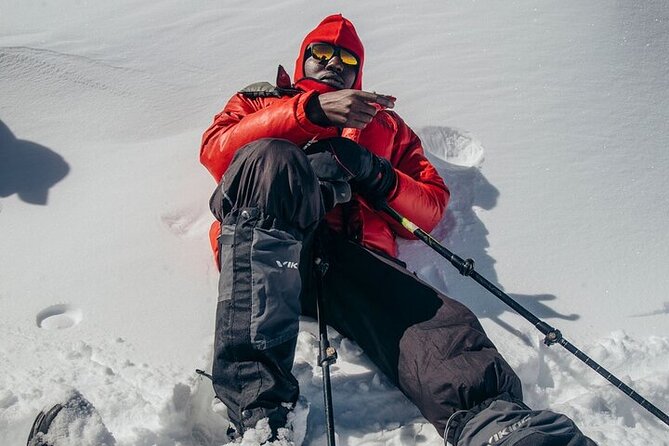
The summit attempt begins between midnight and 2 a.m. This is the toughest part of the climb, both physically and mentally. You walk slowly through switchbacks over heavy scree, with possible snow and cold conditions.
The first major goal is Gillman’s Point on the crater rim. The climb is steep and tiring, and the darkness makes the route feel longer. Your guide’s pacing and encouragement become especially important here. The company describes its summit support as highly personal, and the private format means your group can move at a pace suited to its condition.
At Gillman’s Point, you may see the sunrise during a short rest. Stronger or faster climbers might reach the summit in time for sunrise, but you should not make speed your main goal. Slow, steady movement is the sensible approach at this altitude.
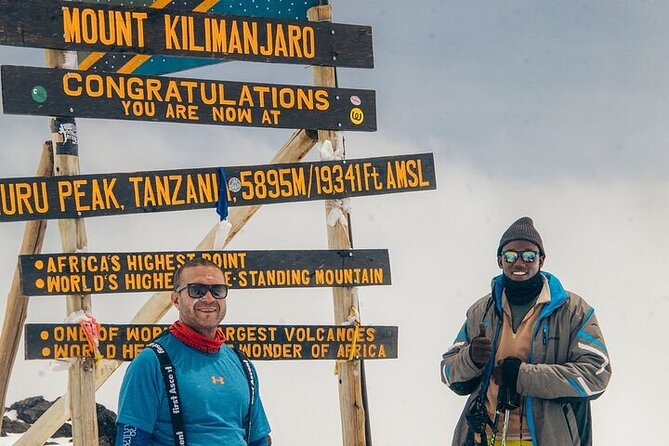
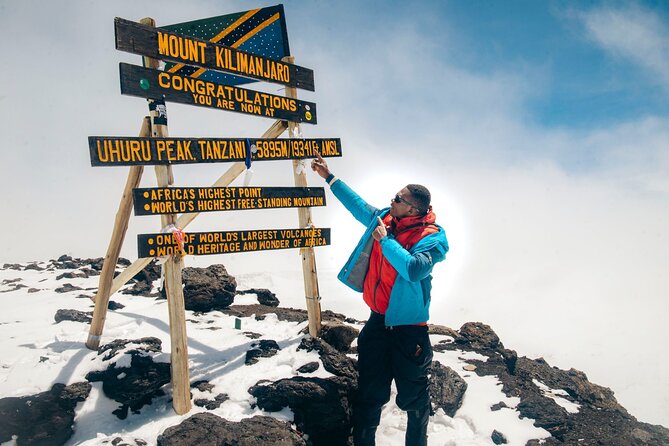
From Gillman’s Point, you continue for roughly another hour toward Uhuru Peak, the highest point on Kilimanjaro. The supplied itinerary is cut off while describing the final section, so you should ask for the exact summit-day schedule and descent plan before you go. The full day is listed at about 14 hours, which includes the summit effort and returning to lower huts.
After reaching Uhuru Peak, you descend toward Kibo Hut and later continue down to Horombo. That return is tiring because the descent comes after an all-night start. The porters carry the group’s equipment, while you still need to manage your own daypack, water, clothing, and personal items.
The muddy return to Marangu Gate on Day 6
After breakfast and a thank-you ceremony with the crew, you begin the final descent. Lunch is scheduled at Mandara Huts, where some of the porters and crew leave the route.
This is also the point to prepare tips for guides, cooks, and porters. Tips are not included in the $2,000 price. Ask ZAFS Tours for its current recommended tipping practice, since the amount should reflect the size of your group, the service provided, and the local norm.
The descent takes about seven hours. Lower down, the air becomes warmer and the trail wet, muddy, and steep. Gaiters and trekking poles are especially helpful here. Many climbers focus so much on reaching the summit that they forget the final downhill can be hard on tired knees and ankles.
At the Marangu Gate, you receive a certificate documenting your summit ascent. A vehicle then returns you to your Moshi hotel in about an hour. The itinerary includes hotel accommodation on a bed-and-breakfast basis before and after the climb, but the wording does not clearly state the exact number of nights included on each side. Confirm those dates when booking.
What the $2,000 price really covers
At $2,000 per person, this is not a bare-bones mountain walk. The fee includes national park entry, hut charges, climbing fees, rescue fees, transfers, airport pickup and drop-off, meals and drinking water on the mountain, first aid access, emergency oxygen, a summit certificate, and hotel accommodation on a bed-and-breakfast basis before and after the climb.
The four-to-one support ratio is important. Your fee supports guides, cooks, and porters, not just one leader walking beside you. The cooking team prepares fresh meals, and food is a repeated strength of this operation. That can make a real difference when you are eating at altitude and need enough energy for long walking days.
You still need to budget for several major items:
- Personal trekking clothing and equipment
- Mountain snacks
- Meals and drinks away from the mountain
- Trekking insurance covering heights up to 6,000 meters
- Guide, cook, and porter tips
- International flights
- Tanzanian visa costs
Insurance is particularly important. Ordinary travel insurance may not cover a climb at this height, so check the wording carefully before you leave home. The included rescue fee is useful, but it does not replace personal insurance.
The price is good value if you need an organized, fully supported climb with private guiding and transport. It is less attractive if you already own all your gear, have your own Moshi arrangements, and are comparing only the mountain permit cost. Compare the full package, not just the headline price.
Food, porters, and the human side of the climb
The crew is central to this experience. Guides Alex and Moshi are named among the people who have led successful climbs, and the wider team includes cooks and porters. The guiding style described for this operation is friendly, patient, and encouraging, with attention to both morale and physical condition.
The food deserves special attention. Meals are prepared on the mountain, and the menu is designed to provide energy during long days. You should still bring familiar snacks, since snacks are excluded and personal favorites can be valuable when appetite drops.
Porters carry the group’s main equipment and deliver duffel bags to the huts. You remain responsible for your daypack and personal essentials. Pack that daypack carefully so you have water, rain gear, warm layers, sun protection, medication, and snacks available without opening your larger bag.
A responsible climb also depends on how the crew is treated. Carry only what is permitted, listen to the guide about packing limits, and set aside a fair tip for the team. The crew’s work continues before you arrive at camp and after you reach the hut.
Safety, fitness, and the limits of the package
The company requires a moderate level of physical fitness. You do not need to be an elite athlete, but you should be ready for several hours of uphill walking, a 14-hour summit day, cold conditions, rough surfaces, and a long descent.
Daily health checks are one of the strongest parts of the arrangement. They give the guides regular chances to ask about symptoms and decide whether your pace or plan needs to change. Emergency oxygen and a first aid kit are carried on the mountain, and the guides are described as wilderness first responder certified.
Those measures reduce risk, but they do not eliminate it. At high altitude, a person who felt strong at home can still become ill. Be honest with the guide about headache, nausea, unusual fatigue, dizziness, or trouble breathing. Reaching the summit is never more important than coming down safely.
The route’s huts may appeal to you if you dislike sleeping in tents. On the other hand, you should be comfortable with basic mountain accommodation and colder nights. Ask about hut arrangements, luggage limits, rental gear, and the exact emergency procedures before paying your balance.
Who should book this private climb
I would choose this trip if I wanted a straightforward Kilimanjaro package with private guiding, hut accommodation, airport transfers, and a built-in acclimatization day. It suits first-time high-altitude climbers who want close support and do not want to organize every permit, meal, transfer, and hotel night alone.
It also works well for a family pair or a small group of friends. One parent and adult child completed the six-day route together, and the private structure can make a shared challenge feel personal rather than crowded.
I would think twice if you want solitude. Marangu is a well-used route, and you may share huts and trail sections with other climbing parties. I would also compare other routes if you prefer camping, quieter paths, or a different ascent and descent arrangement.
The timing deserves care. The listed start time is midnight, but the first walking day begins with a drive from Moshi and park formalities. Confirm whether midnight refers to the activity system, airport arrival, or a particular pickup schedule. Clear timing matters after an international flight.
Should you book ZAFS Tours for six days?
I would book this climb if the strengths match your priorities: a private group, experienced guides, daily health checks, fresh food, a strong support crew, and an extra Horombo night. The cost includes many large expenses that are easy to underestimate when arranging Kilimanjaro independently.
I would not book without confirming the hotel nights, assigned guide names, gear arrangements, summit-day schedule, and current tipping guidance. Also buy insurance that explicitly covers trekking to 6,000 meters and bring proper rain gear, poles, warm clothing, and personal snacks.
For a first Kilimanjaro attempt, this is a sensible package with a useful acclimatization plan. The mountain will still demand patience and stamina, but ZAFS Tours provides the practical support that lets you focus on walking slowly, staying healthy, and making a safe summit decision.
FAQ
How long is the Kilimanjaro climb?
The experience lasts approximately six days, including the ascent, summit attempt, descent, and return to the Marangu Gate.
Which route does this climb use?
It uses the Marangu Route, beginning at Marangu Gate and passing through Mandara Huts, Horombo Huts, and Kibo Hut before the summit attempt.
Is this a private tour?
Yes. Only your group participates in the activity.
Where does the experience begin?
The stated meeting point is Kilimanjaro Airport and Kilimanjaro National Park in Tanzania. Airport pickup and transfers to the mountain are included.
Where does the climb finish?
The activity ends back at the meeting point after transport from the Marangu Park Gate to your Moshi hotel.
What type of accommodation is provided on the mountain?
You stay in mountain huts, including Mandara Huts, Horombo Huts, and Kibo Hut.
Is an acclimatization day included?
Yes. Day 3 is a second night at Horombo Huts. You can rest or take a hike toward Mawenzi Base Camp, with the route past Zebra Rocks recommended for acclimatization.
Is food included?
All meals and drinking water on the mountain are included. Meals and drinks away from the mountain, along with mountain snacks, are not included.
Is trekking insurance included?
No. You must arrange your own insurance, and it must cover trekking at elevations up to 6,000 meters.
Newly listed around Moshi & Kilimanjaro
- Climb Mount Kilimanjaro: 7 Days Machame Route★ 5.0 · 3 reviews
- 6 Days Mount Kilimanjaro Climbing via Rongai Route★ 5.0 · 3 reviews
- Explore 1 day Ngorongoro Crater Budget Group Safari from Arusha★ 5.0 · 3 reviews
- Mt. Kilimanjaro Day Hiking★ 5.0 · 3 reviews
- Chemka (Kikuletwa) Hot Springs, Tanzania★ 5.0 · 3 reviews
- Guided City tour of Moshi★ 4.3 · 3 reviews
- 8 Day Tanzania Family Safari★ 5.0 · 3 reviews
- Serengeti Safari with Sirikwa Travel★ 5.0 · 3 reviews
Kilimanjaro Climbs, compared.








Browse the lists this tour appears in