
Reviewed · KILIMANJARO CLIMBS
6 Days Climb Kilimanjaro Through Marangu Route
Kilimanjaro’s Marangu Route gives you Africa’s highest summit with a clear six-day plan, a rest day for altitude adjustment, and a mountain crew handling the heavy camp work. The scenery changes fast, from monkey-filled rainforest to a bare volcanic moonscape, then to the huge summit push above 5,800 meters.
I like two things right away: the Horombo rest day gives your body extra time before the summit, and the package includes guides, porters, meals, park fees, first-aid supplies, boiled water, and transport from Moshi. The main concern is the pace. Six days is a serious schedule, and summit day is long, cold, and physically demanding.
Key points to know before booking
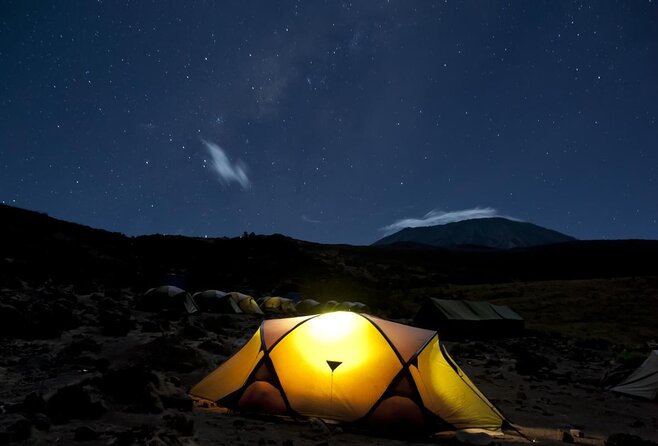
- A rest day at Horombo Hut gives you time to adjust before reaching Kibo Hut and starting the summit climb.
- The route changes habitat every day, moving from montane forest to heathland, alpine desert, and the crater rim.
- The summit attempt begins around midnight to 2 a.m., followed by a descent to Horombo on the same day.
- Guides and porters are provided, with past groups praising team members including Teacher, Temba, Joseph, Goodluck, Tuliza, Patrick, Juma, Sampson, and Julian.
- Meals, boiled water, rescue fees, first-aid gear, park fees, and transport from Moshi are included, but tips and personal climbing gear are not.
- You sleep at mountain stops in huts or camping areas, while the package also lists tents and sleeping mattresses, so confirm the exact sleeping arrangement before departure.
What six days on the Marangu Route feels like
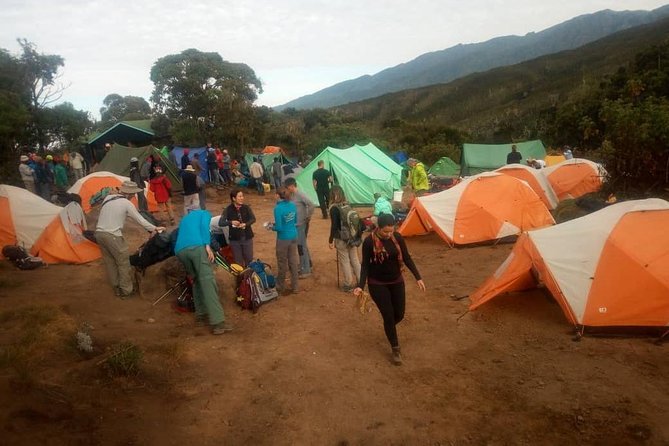
This is the shortest listed version of a Kilimanjaro climb using a built-in rest day. You start from Moshi, climb through several climate zones, spend an extra night at Horombo, make the summit attempt from Kibo, and walk out through the forest on the final day.
The route is often called the easier side of Kilimanjaro because the trail is generally more direct and the sleeping stops use huts or established camping areas. Do not mistake that for easy. The altitude is the real test. You rise from about 1,860 meters to 5,895 meters, and your legs must keep working after a night with little sleep.
The private format means your group participates on its own rather than being placed into a large shared departure. That can make the pace and communication more personal, although the quality of the experience depends heavily on the guide assigned to your group.
Past groups have praised the support of guides such as Edward Teacher Lazaro, Temba, Joseph, Goodluck, Tuliza, Patrick, Juma, Sampson, and Julian. The recurring advice is simple: listen to your guide, move pole pole, or slowly, and treat the crew as part of the climb rather than as background support.
More Kilimanjaro routes:
- Kilimanjaro climb by Lemosho Route (7-day)
★ 5.0 · 651 reviews - Kilimanjaro climb, Machame Route (7-day)
★ 5.0 · 262 reviews - Kilimanjaro Climbing Lemosho Route 8 Days.
★ 5.0 · 186 reviews
Day 1: Moshi to Mandara Hut through the rainforest
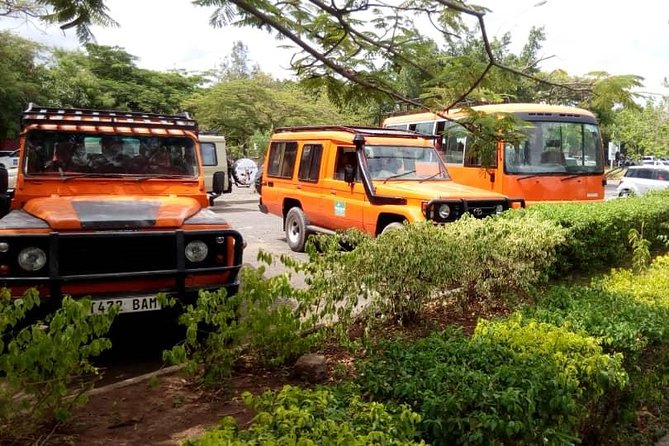
After breakfast and a briefing, you drive for about an hour from Moshi to the Kilimanjaro National Park Gate. Registration takes place there, and then you begin walking through montane forest toward Mandara Hut.
The first day covers about 8 kilometers, rising from 1,860 meters to 2,700 meters. The stated walking time is three to four hours, with lunch and dinner included.
This is a pleasant start because the forest gives you shade and plenty to watch. Look for tall eucalyptus trees, birds, and colobus monkeys. The trail is not just a warm-up walk, though. You are already gaining altitude, so a slow pace is useful from the beginning.
A side trip to Maundi Crater is offered as an optional addition. It gives you wider views toward northern Tanzania and Kenya, making it a worthwhile choice if your guide says conditions and energy levels are suitable.
Mandara is the first real mountain stop. You will have dinner and settle in for the night. The accommodation description allows for huts or a camping area, while the included equipment list mentions tents and sleeping mattresses. Ask before you go which arrangement applies to your departure, since that changes what you need to pack and what sort of night to expect.
Day 2: Mandara to Horombo across the open moorland
Day two leaves the forest behind. The route climbs through heathland toward Horombo Hut, with Mawenzi Peak and Kibo, the summit cone, coming into view.
The distance is about 12 kilometers, the elevation gain is roughly 1,000 meters, and walking takes five to six hours. Breakfast, lunch, and dinner are included.
This is one of the best scenic changes on the route. The trees thin out, the sky opens, and giant lobelias and grounsels give the high moorland an odd, otherworldly look. You will feel the mountain getting more serious here, particularly as the air becomes thinner.
Horombo sits at about 3,700 meters. That makes it an important stop, not simply a bed for the night. Some people begin noticing altitude effects around this point. Headaches, tiredness, and poor sleep can make the next two days harder, so report symptoms to your guide rather than trying to hide them.
The crew provides meals and carries the supplied camping equipment. Your job is to walk steadily, drink the boiled water provided, eat even when you are not very hungry, and keep your clothing easy to adjust as temperatures change.
Day 3: The Horombo rest day
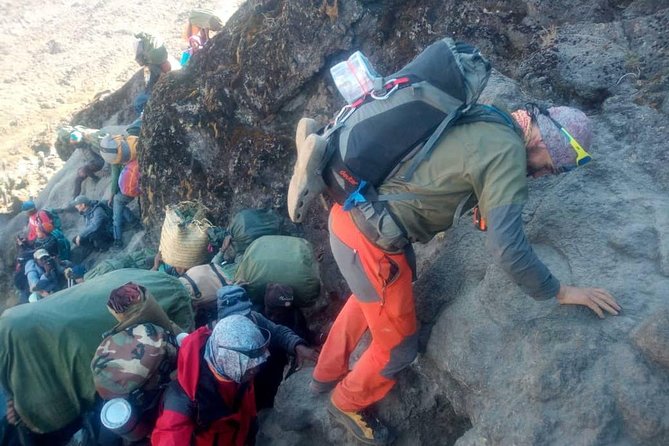
The rest day at Horombo is one of the strongest features of this itinerary. You do not gain elevation or cover distance, and breakfast, lunch, and dinner are included.
You can spend the day resting at the hut or take an optional walk toward Mawenzi Peak. The outing can help you stay active and see more of the high mountain, but rest is a perfectly sensible choice if you are tired or feeling altitude symptoms.
I would not treat this as a wasted day. The purpose is to let your body adjust before you sleep at Kibo Hut and attempt the summit. The six-day plan is still fast, but this pause gives you a better chance than a nonstop ascent would.
Past groups have described the six-day version as fast-paced. Bring practical sleep aids such as eye shades and earplugs if you use them. The mountain schedule may require short naps and early rest, and a good night is never something to take for granted at altitude.
More six day trips in Moshi & Kilimanjaro:
- Kilimanjaro climb, Lemosho Route (6-day)
★ 5.0 · 129 reviews - Kilimanjaro climb, Marangu route (6-day)
★ 5.0 · 72 reviews - 6 Days 5 Night Safari
★ 5.0 · 57 reviews - 6 Days Tanzania Classic Safari
★ 5.0 · 52 reviews
Day 4: Horombo to Kibo across the saddle
The trail climbs from Horombo at 3,700 meters to Kibo Hut at about 4,700 meters. You cover roughly 9 kilometers in five to six hours.
At first, you pass through upper heathland. Then the vegetation fades almost completely, replaced by a broad alpine desert between Mawenzi and Kibo. This is the famous saddle of Kilimanjaro, and it feels stark after the forest and moorland below.
You pass the final listed watering point before crossing this barren stretch. Plan your water needs with the guide, since there is no comfort in discovering that your bottle is empty in the middle of the saddle.
Kibo is the staging point for the summit. Dinner comes early, then you rest and prepare for the midnight to 2 a.m. start. Keep your summit clothing, headlamp if required by your packing plan, water, snacks, and warm layers organized before lying down. You may have only a short time to sleep.
This is also the point where the included first-aid kit, pulse oximeters, rescue fees, guides, and mountain crew matter most. Those services do not make the altitude harmless, but they provide a basic support system while your guide monitors how you are doing.
Day 5: The midnight climb to Uhuru Peak
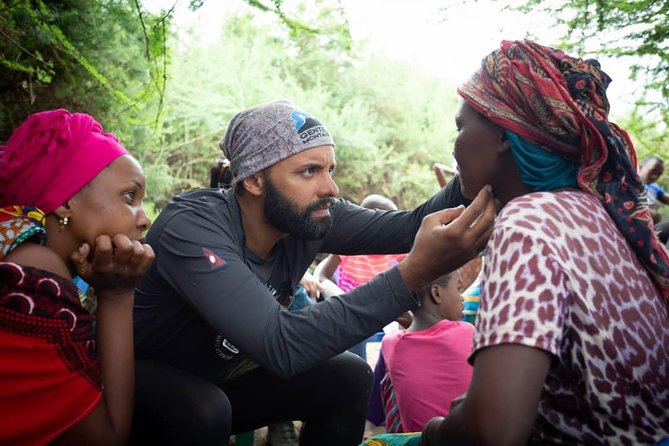
Summit day is the reason to choose this trip, and it is also the part that demands the clearest expectations. You start around midnight to 2 a.m., climbing steep scree or snow toward Gilman’s Point on the crater rim.
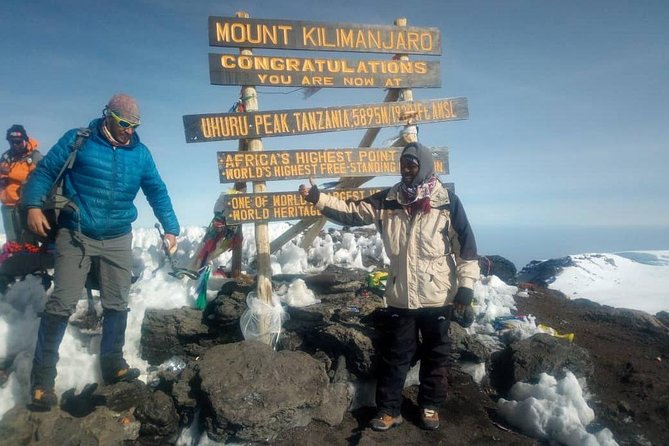
The route rises from 4,700 meters to Uhuru Peak at 5,895 meters, the highest point in Africa. The uphill section is listed at about 6 kilometers and six to eight hours, though the timing can vary with conditions and group pace.
The trail is steep and tiring. At this height, every step takes effort, and the coldest hours come before sunrise. Your guide will set the pace, and the repeated pole pole rhythm is not decoration. Slow movement helps conserve energy and gives your body time to cope with the thin air.
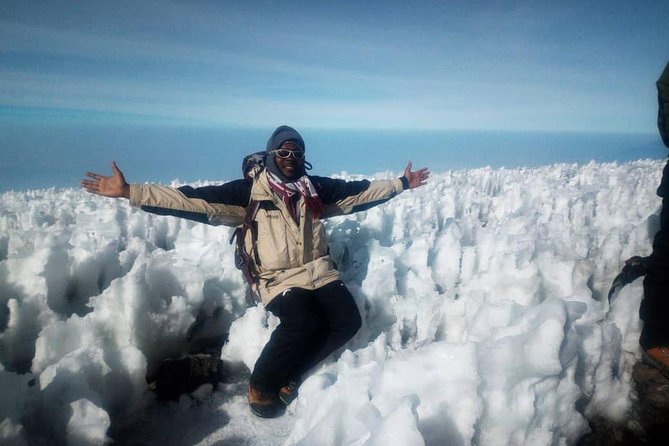
At Gilman’s Point, you reach the crater rim. If you are able to continue, the path leads toward Uhuru Peak, where you can stop for photographs and take in the high views. The summit moment may be brief. Cold, fatigue, and altitude can make standing around difficult, so the goal is to enjoy it without lingering too long.
The descent is a major part of the day. You return toward Kibo, stop for lunch and rest, then continue down to Horombo Hut at 3,700 meters. The itinerary lists about 15 kilometers of downhill walking. It also gives an eight-hour duration, but the uphill time alone is listed as six to eight hours, so you should plan mentally for a very long day rather than relying on the shortest figure.
This is where good crew support can make a large difference. Several past groups singled out the encouragement and steady coaching of their guides, including Teacher, Joseph, Goodluck, Temba, and Tuliza. One large group had 15 of 20 people reach the summit, a useful reminder that summit success is not automatic even with strong support.
Day 6: Horombo to Moshi through wet forest
After breakfast, you descend from Horombo toward Mandara Hut and then continue through the forest to the Marangu gate.
The total distance is about 20 kilometers, with four to five hours of walking listed. You drop from roughly 3,700 meters to 1,700 meters before reaching the gate, where a vehicle takes you back to your Moshi hotel in about an hour.
The lower forest can be wet and muddy. Gaiters and trekking poles are specifically useful here, and your clothing can become lighter as you lose altitude. Keep rain gear and a warmer layer within reach rather than burying them in your pack.
The final walk is not glamorous, but it gives you time to notice the change from high volcanic desert back to thick forest. After the effort of summit day, the descent may feel both satisfying and surprisingly hard on your knees.
At the Marangu gate, the included return transport removes the need to arrange a taxi while tired and muddy. The activity ends back at the meeting point, with the drive returning you to Moshi.
What the $1,899 price covers
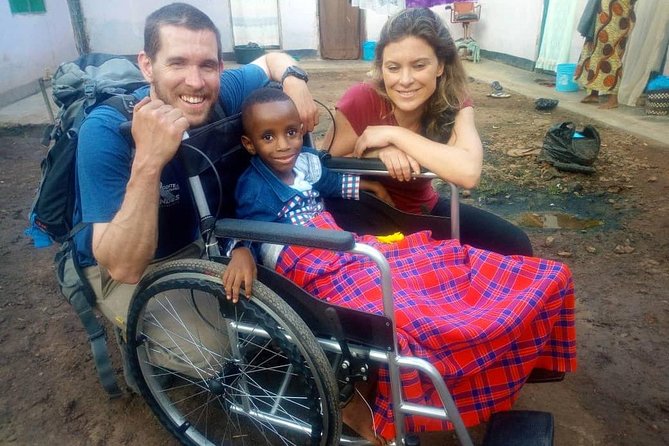
At $1,899 per person, this is not a casual mountain walk. The price needs to be judged against the amount of logistics involved in a Kilimanjaro climb.
Included are return transportation from Moshi, national park entry fees, rescue fees, guides, porters, a cook and waiter, mountain meals, boiled water, tents, sleeping mattresses, a dining mess tent, mini camping chairs, eating utensils, pulse oximeters, and a first-aid kit.
That is a substantial bundle. Park fees alone are an important part of a Kilimanjaro budget, and the mountain crew allows you to focus on walking instead of carrying all camping and cooking equipment yourself.
Still, the price is not all-inclusive. You must budget for guide, porter, cook, and waiter tips. Personal climbing gear, unspecified meals and drinks, personal items, visas, and emergency oxygen are excluded.
The lack of emergency oxygen in the package is worth noting. The activity does include rescue fees and first-aid equipment, but those are not the same as oxygen or evacuation coverage. Ask the operator exactly what emergency support means for your departure, and arrange suitable travel insurance independently.
Sleeping, meals, and mountain support
The trip includes breakfast, lunch, and dinner on the mountain. A cook and waiter are listed as part of the crew, and boiled water is supplied.
Those details matter more than they might on an ordinary holiday. At altitude, you need regular food and fluids, even when your appetite drops. You also avoid the burden of planning meals and carrying every cooking item yourself.
The accommodation wording needs a little clarification. The trip describes camping areas or huts at different stops, and the included equipment list names tents and comfortable sleeping mattresses. Marangu is known for hut-based stops, but this package may use a mix of hut and camping arrangements depending on the departure. Confirm the night-by-night plan before paying.
The dining mess tent, mini chairs, crockery, and utensils suggest a more organized camp routine than simply eating from a backpack. Do not confuse comfort with luxury. You are still sleeping high on a mountain and following a demanding schedule.
Guides, porters, and communication
The human side of this climb is central. You receive qualified guides and a dedicated crew, and past departures have praised the warmth, encouragement, and care offered by team members such as Teacher, Joseph, Goodluck, Temba, Tuliza, Patrick, Juma, Sampson, and Julian.
Some groups specifically valued preparation advice before the climb, while others appreciated guides helping with equipment and carrying support when needed. That is the kind of practical help you want on a high-altitude trek.
Communication is important enough to check before departure. One poor experience raised concerns about organization, transport, accommodation, and an inexperienced guide. That does not erase the many positive accounts, but it is a reason to ask who will lead your group, how large the crew will be, what equipment can be rented, and how the company handles changes on the mountain.
The activity is private for your group. That gives you a direct line to your guide, but it also means you should not assume that every departure has the same named staff. Get the current guide and sleeping plan in writing.
Who should book this climb
I would recommend this trip to you if you want a guided Kilimanjaro attempt with a defined six-day schedule and strong logistical support. It suits people who value a rest day, prefer the Marangu Route, and want meals, park fees, porters, and transport handled in one booking.
It can also suit a private family or friend group. The crew has experience supporting large groups, and the personal format may help your guide adapt the pace within your party.
I would be cautious if you want a slow acclimatization schedule or a relaxed holiday. Six days is compact, and the summit day combines a midnight start, a major ascent, and a long descent. You should also be comfortable with basic mountain accommodation and changing weather.
Most participants can take part, according to the supplied information, but that should not be read as a promise that the climb is easy for every fitness level. Good weather is required, and the operator may offer another date or a full refund if poor weather forces cancellation.
At $1,899, the trip offers solid value if the listed services arrive as promised. The real value comes from the crew, permits, meals, rescue fees, and transport, not from luxury. Confirm the guide, sleeping arrangements, gear options, and emergency procedures before you commit.
Should you book the six-day Marangu climb?
Book it if you want a direct route to Africa’s highest summit, appreciate having a full mountain crew, and can handle a fast schedule with one acclimatization day. The changing scenery, Maundi Crater option, Horombo rest day, and midnight summit attempt give the route plenty of variety.
Think twice if you need a slower ascent, dislike early starts, or expect hotel-level comfort on the mountain. Also remember that the booking is non-refundable and cannot be changed after purchase, except when poor weather causes the operator to cancel.
My practical call: this is a sensible package for a prepared climber who confirms the details before departure. Ask for the current guide’s name, the exact hut or tent plan, the equipment list, and the emergency policy. Then arrive ready to walk slowly, eat well, and treat summit day as a long endurance effort rather than a quick photo opportunity.
FAQ
How long does the Kilimanjaro climb take?
The activity lasts approximately six days, beginning and ending with transport connected to Moshi.
Which Kilimanjaro route does this experience use?
It uses the Marangu Route, beginning at the Marangu side of Kilimanjaro National Park and ending at the Marangu gate.
Is a rest day included?
Yes. Day three is a rest day at Horombo Hut, with an optional hike toward Mawenzi Peak.
What is the highest point reached?
The climb aims for Uhuru Peak at 5,895 meters, or 19,340 feet, the highest point in Africa.
Are meals included?
Yes. Breakfast, lunch, and dinner are included on the mountain, except on the final day, when breakfast is listed.
Is transportation from Moshi included?
Yes. Return transportation from Moshi to the mountain starting point and from the finishing point back to Moshi is included. The drive to or from the gate takes about one hour.
What is not included in the price?
Tips for guides, porters, cooks, and waiters are not included. Personal climbing gear, unspecified meals and drinks, personal items, visas, and emergency oxygen are also excluded.
Newly listed around Moshi & Kilimanjaro
- Climb Mount Kilimanjaro: 7 Days Machame Route★ 5.0 · 3 reviews
- 6 Days Mount Kilimanjaro Climbing via Rongai Route★ 5.0 · 3 reviews
- Explore 1 day Ngorongoro Crater Budget Group Safari from Arusha★ 5.0 · 3 reviews
- Mt. Kilimanjaro Day Hiking★ 5.0 · 3 reviews
- Chemka (Kikuletwa) Hot Springs, Tanzania★ 5.0 · 3 reviews
- Guided City tour of Moshi★ 4.3 · 3 reviews
- 8 Day Tanzania Family Safari★ 5.0 · 3 reviews
- Serengeti Safari with Sirikwa Travel★ 5.0 · 3 reviews
Kilimanjaro Climbs, compared.








Browse the lists this tour appears in