
Reviewed · KILIMANJARO CLIMBS
climb the KILIMANJARO via Lemosho route
The Lemosho route gives you a full Kilimanjaro story in eight days: farmland and rainforest at the start, the open Shira Plateau, volcanic rock, the Barranco Wall, and the final high-altitude push to Uhuru Peak. It is scenic, varied, and physically serious.
I like the gradual altitude plan, with a high point at Lava Tower followed by a descent to Barranco Camp. I also like the personal feel of a private climb, with guide Paul Bernad and his crew adjusting the pace to the group rather than sending you along with a large crowd.
The main drawback is the schedule. The summit section is extremely demanding, and the stated itinerary compresses the climb from Barafu Hut to Stella Point and Uhuru Peak into one hard push. You need solid fitness, patience, warm clothing, and a clear understanding of what is included in the $2,564.11 price.
Key points to know before you book
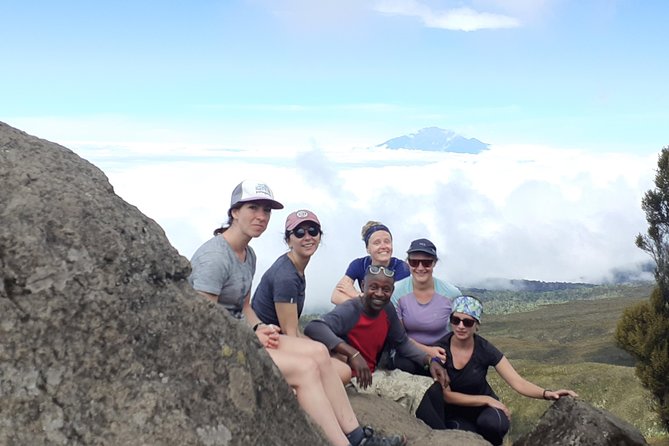
- Lemosho begins with wildlife country: The first forest walk may bring views of birds, flowers, and signs of elephants, buffalo, and eland.
- Paul Bernad leads a private climbing team: His experience includes guiding small groups and adapting the pace to different abilities.
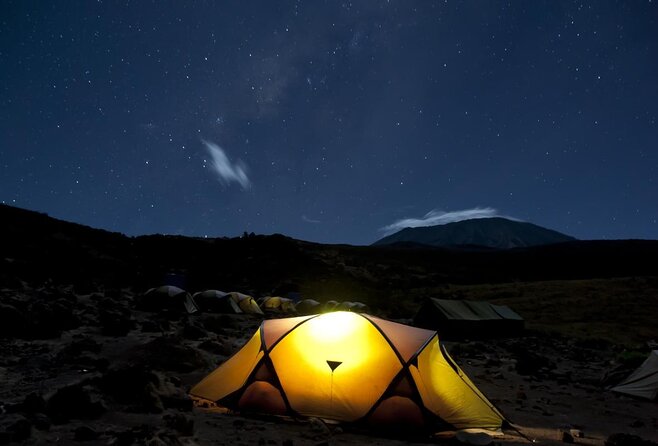
- Acclimatization is built into the route: Shira Cathedral and Lava Tower provide high walking days followed by lower sleeping camps.
- Barranco Wall is a hands-on section: You will climb over volcanic rock before continuing to Karanga Camp.
- The summit day is the test: From Barafu, the route rises to Stella Point at 5,756 meters and Uhuru Peak at 5,896 meters.
- The price buys a serious, long mountain program: Pickup is offered and mobile tickets are available, but you should confirm the exact inclusions before paying.
Why Lemosho is a strong choice for Kilimanjaro
Kilimanjaro has several routes, and Lemosho is appealing because it does not throw you straight into the high mountain zone. Your first day begins with a drive from Arusha or Moshi to Londorossi Gate, at about 2,200 meters. After registration, you continue toward the trailhead and walk through cultivated land and planted trees before reaching the rainforest.
That opening matters. You get a gradual change in scenery instead of starting in a bare, high-altitude setting. The route passes farms where crops such as carrots and potatoes grow beneath planted trees, then enters thick forest. The first walk covers about 5 kilometers and takes roughly four hours, ending at Forest Camp at 2,830 meters.
The forest is also one of the more interesting parts of the trip. You might see a wide range of birdlife, flowers, and signs of larger animals. Elephants, buffalo, and eland are listed as possible sightings, though wildlife is never guaranteed. This is a genuine benefit of Lemosho, but it also means you should not expect a simple hotel-to-trail transfer. Day one can take up to 12 hours once driving, registration, walking, and camp routines are counted.
More Kilimanjaro routes:
- 8-Day Small-group Lemosho Kilimanjaro Summit Trekking
★ 5.0 · 186 reviews - 7-Day Machame Kilimanjaro Summit Tour from Arusha
★ 5.0 · 125 reviews - Private Full Day Hiking Experience to Marangu Route
★ 5.0 · 61 reviews
Forest Camp to Shira 1, from trees to open moorland
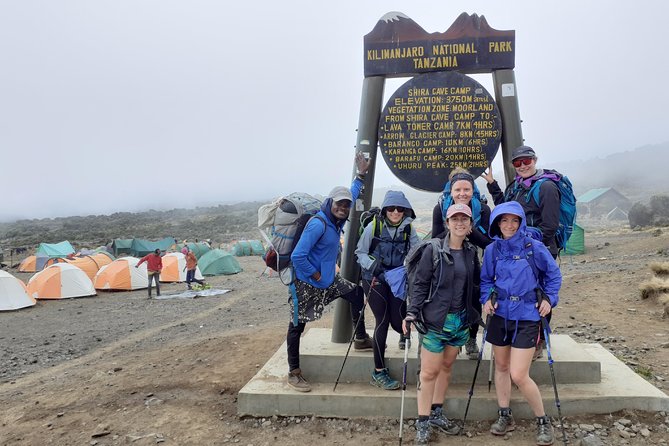
Day two moves from the rainforest toward the Heather Moorland and Shira Plateau. The climb from Big Tree Camp to Shira 1 covers about 7 kilometers and takes four to six hours, with camp at roughly 3,509 meters.
The change in plant life is striking. Erica species and grass replace the dense forest, and the path climbs toward the Shira ridge. On a clear evening, you may see Kibo, the main volcanic cone and the high point you are working toward.
This is an important day for your body. You gain altitude, but the walk remains shorter than the summit push. The route description lists about eight hours for the day, so you should allow time for breakfast, packing, walking, and settling into camp. The air will feel thinner than it did in the forest, even if the walking still feels manageable.
Shira Cathedral and the value of sleeping low
Day three offers two route choices. The upper option takes you toward Shira Cathedral at about 3,920 meters for an acclimatization walk, then continues to Shira 2 Camp at approximately 3,840 meters. This is the more useful choice if you want an extra high point during the day without sleeping quite as high.
The second option uses a lower route along the rescue road and continues toward Moir Hut Camp at about 4,200 meters. The itinerary presents this as an alternative, so ask the operator which path is planned for your dates and how the choice will be made.
I like the idea of Shira Cathedral because it gives you a clear walk high, sleep lower rhythm. That rhythm can make the next days easier, though no itinerary can remove the risk of altitude sickness. The climb is private, so Paul Bernad can respond to the group’s condition, but you still need to report headaches, nausea, unusual fatigue, or breathing trouble quickly.
Lava Tower and the descent to Barranco
Day four is one of the best-designed parts of the route. You climb through the Alpine Desert toward Lava Tower at 4,605 meters, covering about 9.5 kilometers in five to six hours. Lunch is planned at the tower, followed by a descent to Great Barranco Camp at 3,940 meters.
You gain considerable height during the day, then sleep lower. That is useful acclimatization, and it also gives you a dramatic view of the mountain’s volcanic terrain. The scenery becomes stark and rocky, with broad views and little shelter compared with the forest.
The drawback is the combination of altitude and time. Lava Tower may not seem far on a map, but walking at more than 4,500 meters can make every step feel slow. Keep your pace steady, drink as directed by your crew, and do not treat the lunch stop as a sign that the day is nearly over. The descent to Barranco is still part of the work.
A few more Arusha days to compare
- Balloon Safari & Bush Breakfast in Serengeti – Miracle Experience
★ 5.0 · 1,646 reviews - Tanzania Classic – 7 Days
★ 5.0 · 1,151 reviews - 4 Days Group Camping Safari
★ 5.0 · 1,101 reviews - 5 Days Group Camping Safari
★ 5.0 · 730 reviews
The Barranco Wall and Karanga Camp
Day five begins with the Barranco Wall, a 5.5-kilometer route that takes about three to four hours before reaching Karanga Camp at 4,000 meters. The wall involves rock climbing, but the description does not present it as technical climbing with ropes or specialist equipment. Expect a hands-on trail section that requires care, balance, and a willingness to move at a measured pace.
This is often the day when the route feels like a mountain climb rather than a long hike. The path rises and falls through volcanic terrain, and the Barranco Wall can make the morning more demanding than the distance suggests. After reaching Karanga, you have a hot lunch and time to rest at camp.
That rest is valuable. The next stage goes to Barafu Hut, the launch point for the summit attempt. You should use Karanga as a recovery stop, not as a chance to spend all your energy taking photos or pushing ahead of the group.
Barafu Hut and the push to Uhuru Peak
Day six is the central test. The morning ascent from Karanga to Barafu covers about 5 kilometers and takes three to four hours, reaching approximately 4,620 meters. The route moves through Alpine Desert scenery, with less vegetation and more exposed volcanic ground.
From Barafu, the summit attempt climbs toward Stella Point at 5,756 meters and then to Uhuru Peak at 5,896 meters. The schedule describes roughly six hours for the climb to the top, a short time at the summit for photographs, and about three hours descending to Barafu Hut.
Treat these times as estimates, not promises. Pace, weather, rest stops, and individual condition can change the day. The summit section is the hardest portion of the entire trip, and the return to Barafu is not an easy walk after reaching the top.
The summit reward is clear: Uhuru Peak is the highest point on Kilimanjaro, and reaching it gives the climb a distinct finish. Still, I would not book this route for the summit photograph alone. The route’s value comes from the entire progression, and you need to be ready for cold, fatigue, thin air, and a long descent after the high point.
One useful lesson from the climbing experience described for this crew is to prepare seriously for the cold. Another is to avoid relying on your phone for every photograph. Batteries can suffer in low temperatures, and a summit day is a poor time to spend your attention fighting a device. Take a few pictures, then pay attention to the moment and the people who helped you reach it.
Mweka Hut and the final rainforest descent
After the summit effort, day seven begins with a food and rest break before continuing down to Mweka Hut at about 3,100 meters. The route is listed as taking around six hours, with dinner and the final mountain night at camp.
This descent is not just a formality. Going downhill can punish tired knees and legs, especially after the summit push. Trekking poles, careful foot placement, and a steady pace can make a real difference, though the supplied details do not specify which equipment is provided.
Day eight brings breakfast, then a four-hour, 8-kilometer descent through rainforest to Mweka Gate at 1,760 meters. At the gate, you sign out and receive a certificate for completing the climb before driving back to your hotel.
The last forest walk gives you a satisfying return to warmer air and thicker vegetation. It also closes the route in a pleasing way: you start among trees, climb through moorland and rock, reach the summit, and return through the forest.
Guides, food, and the private format
The operator describes a crew built around guides, cooks, and staff with long experience in tourism. Paul Bernad is the named guide associated with this climb, and the strongest practical point is his attention to different abilities. He has led a small group that included climbers in their late sixties, as well as younger family members, and adjusted the pace to the group.
That does not mean age or previous experience stops mattering. It means the private setup may give you more room to discuss pace and condition than a fixed large-group departure. The activity is for your group alone, but the supplied details do not state the maximum group size, so ask how many guides, porters, and cooks will accompany your party.
Food is another positive feature. The crew provides meals at camp, including hot lunch at Karanga, and the food has been described as a strong part of the experience. Exact menus are not supplied, so ask about dietary needs before departure rather than assuming every request can be handled on the mountain.
Is $2,564.11 good value?
The listed price is $2,564.11 per person. That is a substantial amount, but an eight-day Kilimanjaro climb involves much more than guiding on a trail. You are paying for a private mountain program with transport from Arusha or Moshi, camp support, meals, route management, and the time of a dedicated crew.
The value depends on what the price includes. The information confirms pickup is offered and that a mobile ticket is available. It does not give a full itemized list of airport transfers, hotel nights, park fees, gear, tips, porter support, drinks, or personal insurance. Ask for that list in writing.
The itinerary labels the first day’s park admission as included, while several later days show admission as free or not included. That wording is not enough to calculate your final cost. Confirm park fees, rescue charges, camping charges, transport, meals, and staff gratuities before booking.
For a private climb with a guide who can respond to your group’s pace, the price may be worthwhile. For a price-focused climber who is comfortable with a larger group and wants the shortest route, it may not be the best match.
Fitness, weather, and cancellation rules
You should have a moderate level of physical fitness at minimum. The route includes several hours of walking on most days, steep sections, high camps, a rock section at Barranco, and a summit attempt above 5,800 meters.
The operator requires good weather for the experience to run. If poor weather cancels the climb, you are offered another date or a full refund. The same applies if the minimum number of participants is not met, though this is a private activity and the minimum is not stated.
For your own cancellation, cancel at least six full days before the start time for a full refund. Cancellation two to six days before the start gives a 50 percent refund, while cancellation less than two days before the start receives no refund. All cutoffs use local Tanzanian time.
Should you book the Lemosho climb?
Book this experience if you want a scenic, private Kilimanjaro route with eight days for the climb, several acclimatization sections, camp meals, and a named guide who can adjust the pace. Lemosho suits people who value changing scenery and a more gradual approach over a quick route to high ground.
Think twice if you dislike camping, struggle with long walking days, or want a relaxed holiday with a small amount of hiking. The summit day is demanding, and the price is only good value once you confirm exactly what it covers.
Before paying, ask for the final day-by-day schedule, the group and crew size, the full price inclusions, the equipment list, and the summit-day plan. If those answers are clear and you are prepared for the cold and altitude, this is a serious and appealing way to reach Uhuru Peak.
FAQ
Where does the Kilimanjaro climb begin?
The experience begins with pickup from a hotel in Arusha or Moshi, followed by a drive to Londorossi Gate for registration.
How long is the climb?
The program lasts approximately eight days.
Which route does the climb use?
The climb uses the Lemosho route.
Is this a private activity?
Yes. Only your group participates in the private tour.
Who is the named guide?
Paul Bernad is the named guide associated with the experience.
What level of fitness is required?
You should have a moderate level of physical fitness.
How high is Uhuru Peak?
Uhuru Peak is listed at 5,896 meters, or about 19,650 feet.
What is the highest acclimatization point before the summit?
The route reaches Lava Tower at about 4,605 meters before descending to Barranco Camp.
Is pickup available?
Yes. Pickup is offered from a hotel in Arusha or Moshi.
What is the cancellation policy?
You receive a full refund if you cancel at least six full days before the start time. Cancellation two to six days before the start gives a 50 percent refund, and cancellation less than two days before the start is nonrefundable.
Newly listed around Arusha
- 5-Day Private Safari Tour in Tanzania’s Wildlife★ 5.0 · 3 reviews
- 3 Days private safari Tarangire ,Ngorongroro crater &Manyara★ 5.0 · 3 reviews
- 3 Day Sharing Safari – Manyara, Ngorongoro Crater and Tarangire National Parks★ 5.0 · 3 reviews
- Tarangire National Park Day Trip★ 5.0 · 3 reviews
- 2 Days Tarangire and Ngorongoro Crater Tour★ 5.0 · 3 reviews
- 6 -Day Tarangire, Manyara, Serengeti & Ngorongoro★ 5.0 · 3 reviews
- 5 Days Group Camping Safari★ 4.7 · 3 reviews
- 7-Day Mt. Kilimanjaro Hiking: Machame Route★ 5.0 · 3 reviews
Kilimanjaro Climbs, compared.








Browse the lists this tour appears in