
Reviewed · KILIMANJARO CLIMBS
Climb Kilimanjaro – Marangu Route 8 Day Program
Kilimanjaro’s Marangu Route takes you from tropical forest to the summit of Africa’s highest mountain, with the unusual comfort of sleeping in mountain huts instead of tents. The route is short and direct, but summit day is still a serious test at 5,895 meters.
I like the extra acclimatization day at Horombo Hut and the Maundi Crater side trip, which gives you a fine view toward Kenya and northern Tanzania. I also like the practical package: park fees, meals, crew, boiled water, transport, and hut stays are included. The main caution is simple: Marangu is called the easiest route, but it still has a low success rate because many people underestimate the altitude and choose too few days.
Key points to know before you book
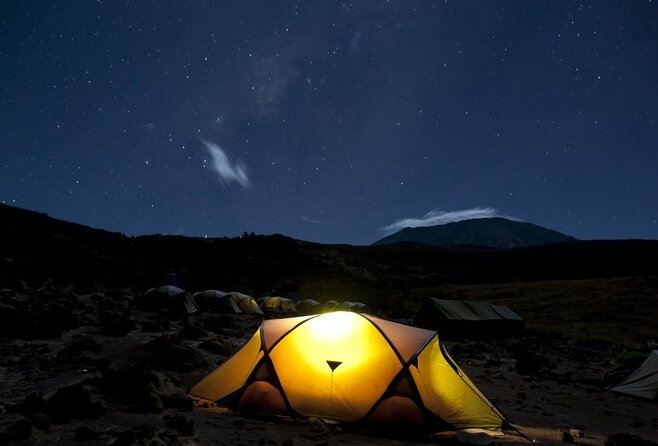
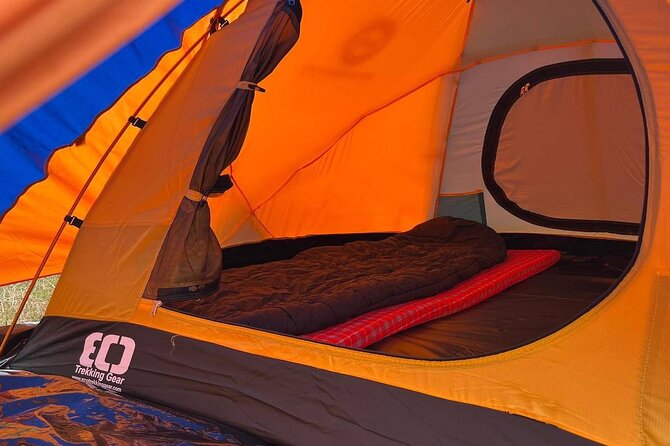
- Huts instead of tents: You sleep in basic Marangu huts, with running water at Mandara and Horombo but no running water at Kibo.
- A proper acclimatization day: Day 4 gives your body time at 3,720 meters before the summit push.
- A long summit night: You leave Kibo Hut at about 1:00 a.m. and spend roughly 12 hours completing the summit day and reaching Horombo again.
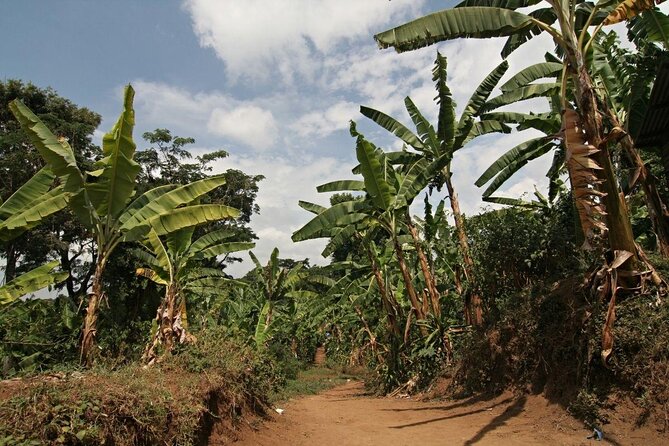
- A changing mountain: The route moves through rainforest, lower heath, upper heath, alpine desert, and the crater rim.
- Small-group format: The maximum group size is 12, supported by qualified guides and a mountain crew.
- A useful package: National park fees, accommodation, meals, boiled water, Wi-Fi, and transport are included, while gear, insurance, visas, and tips are extra.
Why the Marangu Route still demands respect
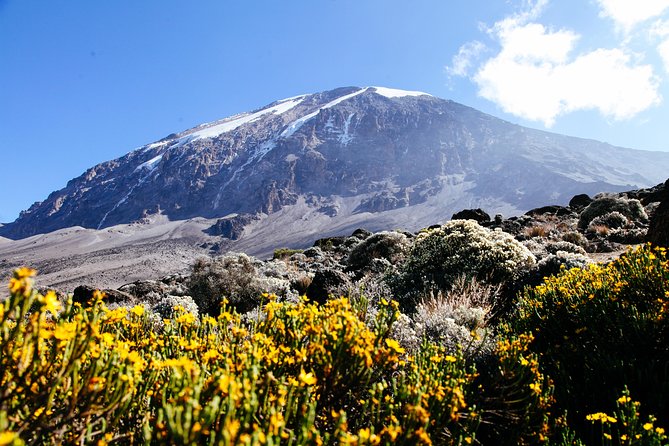
Marangu is often described as Kilimanjaro’s easiest and shortest route. That description can fool you. The walking is generally less rugged than on some other routes, and the huts make nights more comfortable than camping, but altitude is the great equalizer.
You begin near 1,800 meters and finish at 5,895 meters. That is a huge change in a short time. The route’s low success rate is linked partly to its reputation. People who would not attempt a longer mountain trip may choose Marangu because it sounds easy, then discover that thin air cannot be negotiated with enthusiasm alone.
This eight-day plan is much better thought out than a rushed five-day version. The extra night at Horombo gives you time to walk higher and sleep lower, or at least spend the day becoming familiar with the conditions around 3,720 meters. You will walk toward Zebra Rocks at about 4,100 meters, then return to Horombo. That extra day does not make the summit automatic, but it gives your body more time to adjust.
The route is also popular because it is straightforward. You ascend and descend by the same path, so the scenery is less varied than on a loop route. Still, the mountain changes dramatically as you climb, and the hut system is a real advantage if you prefer a bed and walls to a tent and sleeping mat.
More Kilimanjaro routes:
- 8-Day Small-group Lemosho Kilimanjaro Summit Trekking
★ 5.0 · 186 reviews - 7-Day Machame Kilimanjaro Summit Tour from Arusha
★ 5.0 · 125 reviews - Private Full Day Hiking Experience to Marangu Route
★ 5.0 · 61 reviews
Day 1: A soft landing in Moshi
Your Kilimanjaro program begins with arrival at Kilimanjaro International Airport and a transfer to your hotel in Moshi. The listed accommodation is Springlands Hotel, which also serves as the start and end point for the mountain program.
This first day is not a sightseeing day. It is a useful buffer for arriving, resting, and getting organized. You can use the time to check your clothing, climbing gear, documents, and personal medicines before leaving for the mountain.
The hotel is also where you will receive practical information about the climb and later collect your summit certificate if you reach the top. That makes the Moshi stay more than a simple overnight stop. It is your base before and after the trek.
Day 2: Marangu Gate to Mandara Hut
The morning transfer takes about 45 minutes from Springlands Hotel to Marangu Gate on Kilimanjaro’s eastern side. Expect paperwork at the park entrance, including registration, before you begin walking at about 10:30 a.m.
Your first four hours pass through rainforest on the way from roughly 1,800 meters to Mandara Hut at 2,720 meters. A lunch stop breaks up the climb, and arrival is expected around 2 or 3 p.m.
The rainforest is a strong opening to the trip. It gives you shade and a sense of gradual progress, though the path can feel busy because Marangu is the most popular route. The hut accommodation makes the first night simple. You unpack, rest, and have tea or coffee before an early dinner around 7 p.m.
Try to make the short walk to Maundi Crater if you feel well enough. It takes about 15 minutes and gives you views toward Kenya and northern Tanzania. Bathrooms with running water are available at Mandara, a small but welcome comfort after the first day on foot.
The four-hour estimate does not include every pause, gate procedure, or lunch break. You should treat it as a walking time guide, not a promise that you will be inside your hut by a particular minute.
Day 3: Heathland and views of Mawenzi
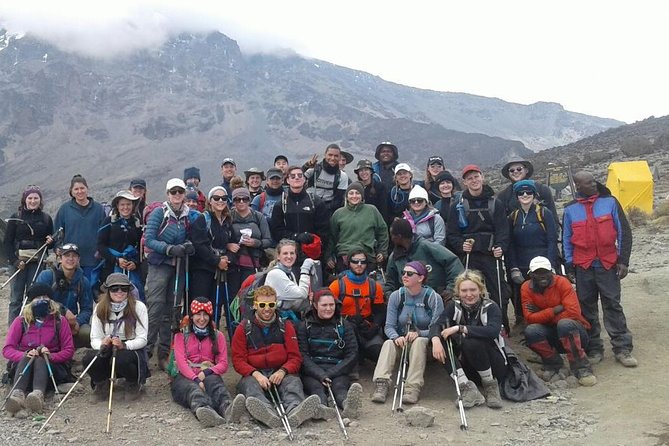
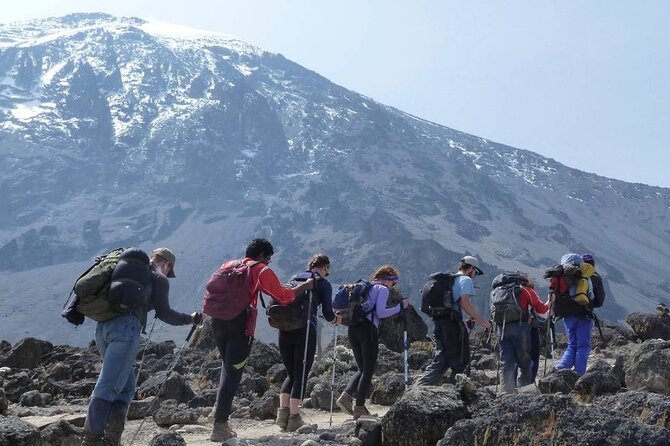
After breakfast at about 7:30 a.m., you pack and leave Mandara around 8:30 a.m. The route climbs from 2,720 meters to Horombo Hut at 3,720 meters, with five to six hours of walking.
The rainforest gives way to lower heathland, where small shrubs replace the dense trees. The views become more open, and Mawenzi comes into view. Mawenzi is one of Kilimanjaro’s three volcanic cones and gives this section a sharper mountain character.
You stop for lunch along the way and should reach Horombo around 3 p.m. From the huts, you can see Kibo, the cone that holds Uhuru Peak. This is an important visual moment because the summit no longer feels like an abstract destination. You can see the high ground ahead, even if it still looks far away.
Horombo has running water in the bathrooms. The huts provide a dry place to sleep and keep equipment, but you should not mistake them for hotel rooms. This is basic mountain accommodation, and the comfort comes mainly from being indoors.
A few more Arusha days to compare
- Balloon Safari & Bush Breakfast in Serengeti – Miracle Experience
★ 5.0 · 1,646 reviews - Tanzania Classic – 7 Days
★ 5.0 · 1,151 reviews - 4 Days Group Camping Safari
★ 5.0 · 1,101 reviews - 5 Days Group Camping Safari
★ 5.0 · 730 reviews
Day 4: Your most valuable acclimatization day
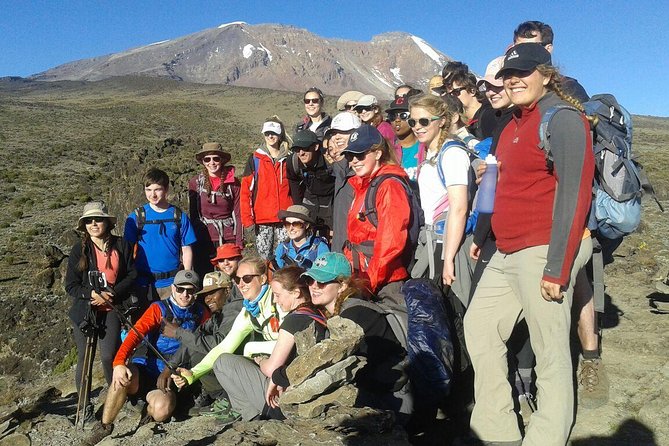
The extra day at Horombo is one of the best reasons to choose this eight-day schedule. You remain at 3,720 meters instead of pushing higher immediately, then walk up toward Zebra Rocks at about 4,100 meters before returning to the hut.
This is a sensible rhythm for altitude. You get higher during the day and return to a lower sleeping elevation. The walk also lets you see the sort of weather and terrain you may meet near the summit.
Use this day as training, not as a chance to prove how tough you are. Pay attention to headache, nausea, unusual tiredness, dizziness, or poor coordination. The itinerary specifically tells you to communicate with your guide and listen to your body. That advice matters more than pace.
The mountain crew is with you throughout the trek, and guides named in past departures have included John, Issa, Dustin, and Mmasa. Your own guide may be different, but the key point is the level of support built into the trip: lead guides, assistant guides, porters, and a cook are part of the operation described for this program.
Day 5: Across the alpine desert to Kibo Hut
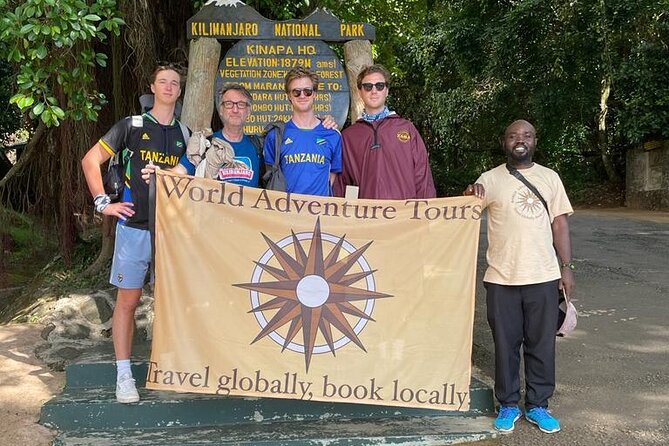
You leave Horombo after breakfast and climb from 3,720 meters to Kibo Hut at 4,720 meters. The six to seven-hour walk begins in upper heathland, then crosses the broad saddle between Mawenzi and Kibo.
The saddle is the visual highlight of the day. Vegetation fades, and the open ground takes on an alpine desert character. The pale, spare setting can feel almost lunar, with the two volcanic cones framing the route.
This is also the day when altitude becomes harder to ignore. Your pace will likely slow, and every drink, snack, and rest stop matters. Watch for signs of altitude sickness and tell your guide promptly if something feels wrong. Quietly hiding symptoms is a poor strategy on Kilimanjaro.
Kibo Hut has no running water, so plan for a more basic night. You should have boiled water supplied on the mountain, but do not expect the same facilities available at Mandara and Horombo. After six or seven hours of walking, dinner and an early attempt at sleep prepare you for the midnight wake-up.
Day 6: The midnight climb to Uhuru Peak
Summit day begins with a light breakfast around midnight. You leave Kibo Hut at about 1:00 a.m., walking in darkness toward Gilman’s Point at 5,681 meters on the crater rim.
The schedule allows roughly six hours to reach Gilman’s Point. From there, you continue for about two more hours toward Uhuru Peak at 5,895 meters, with arrival expected around 8:30 a.m. The aim is to reach the summit near sunrise.
This is the hardest part of the program. The cold, darkness, steep ascent, and altitude combine to make a seven-hour summit climb feel much longer. You need patience. The steady, slow approach is more useful than trying to match another person’s pace.
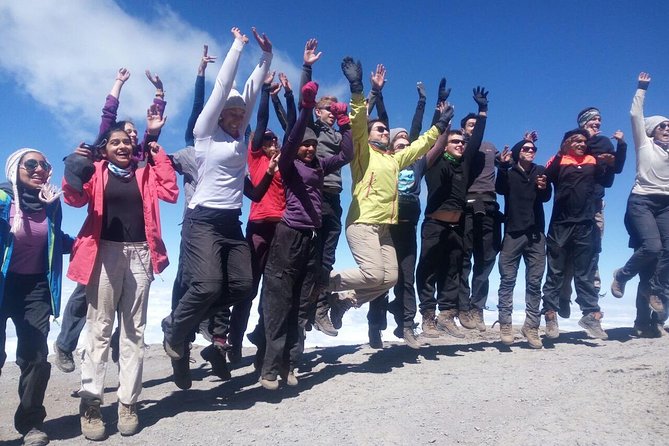
At Gilman’s Point, you reach the crater rim and can see into the crater. The final stretch to Uhuru Peak is still demanding, but the summit comes with broad high-mountain views and the satisfaction of reaching Kilimanjaro’s highest point.
After time at the summit, you descend to Kibo Hut, collect your belongings, and cross the saddle again toward Horombo Hut. This makes the full day about 12 hours. You eat dinner and sleep at Horombo, but do not expect to feel fresh. The descent is easier for most people than the ascent, yet tired legs and altitude still require care.
The timing is important when you compare this trip with shorter Marangu programs. An extra acclimatization day helps, but the summit day remains long. You should be comfortable with a full day of sustained physical effort before booking.
Day 7: Back through the forest to Moshi
You descend from Horombo to Mandara Hut, stop for lunch, and continue down to Marangu Gate. The total walking time is about six hours, with arrival at the gate expected around 2 or 3 p.m.
The return through the vegetation feels different after the summit. You have moved through the same route in reverse, but the lower air and thicker forest usually make the final section feel more forgiving.
Transport meets you at the gate and takes you back to Moshi and Springlands Hotel. A hot shower and a proper night indoors will feel well earned.
This is also the time to handle tips for your guides, porters, and drivers. Tips are not included, and the company advises arranging them through the main guide or local representatives at Springlands Hotel. The hotel is also where successful climbers receive summit certificates.
Day 8: Departure or a second Tanzanian adventure
The final day is set aside for departure from the airport or onward travel. The program suggests continuing to a safari in Kenya, relaxing in Zanzibar, or arranging other trips around Moshi and the Kilimanjaro region.
No extra sightseeing is built into this day, so you should treat it as a departure day rather than part of the mountain experience. If you plan a safari or beach stay, leave enough time between your flight and the next activity for changes in transport or a slow morning after the climb.
What the $2,111 price includes
At $2,111 per person, this is not a bargain trek, but the price covers many of the expensive parts of a Kilimanjaro climb. National park fees alone are a major part of any properly organized ascent, and they are included here along with mountain accommodation.
You also receive:
- Transport to Marangu Gate and back to Moshi
- Hut accommodation on the Marangu Route
- Qualified guides and a mountain crew
- Boiled water on the mountain
- Breakfast, lunch, and dinner as listed in the program
- Wi-Fi
- Park fees
The value is strongest if you want a supported climb rather than assembling transport, permits, meals, huts, and staff yourself. The eight-day schedule also gives you more acclimatization time than the shorter Marangu options mentioned in the program.
Budget separately for visas, climbing gear, health insurance, personal items, and tips. Gear is not included, so check your equipment needs carefully before arrival. The price also does not remove the need for suitable insurance that covers the activity you are undertaking.
Who should choose this climb
I would point you toward this program if you want hut accommodation, a clear route, a small group of no more than 12, and a full week on the mountain. It suits people with moderate physical fitness who are prepared to walk for several hours on most trekking days.
The route also works well if you value practical comforts. Running water is available at Mandara and Horombo, the huts keep your equipment dry, and meals and boiled water are arranged for you. Those details can make a real difference after a wet or tiring day.
I would be cautious about booking it if you are choosing Marangu only because it is called easy. You still need to manage altitude, follow your guide’s advice, and prepare for the 12-hour summit day. If you dislike returning by the same route, the out-and-back design may also feel repetitive.
The group size is limited to 12, which should help keep the walking group manageable without making the climb private. The company’s strongest operational points are its mountain crew and guide support. Past departures have included guides such as John, Issa, Dustin, and Mmasa, with praise focused on encouragement, attention to health, planning, and support from guides, porters, and the cook.
Final call: a sensible eight-day route for the right climber
Book this Marangu Route program if you want the shortest, most direct Kilimanjaro route and prefer huts to tents. The extra Horombo acclimatization day makes this eight-day version a smarter choice than rushing up in five or six days.
Do not book it expecting a gentle sightseeing walk. The summit night is cold, long, and physically demanding, and the route’s easy label can create false confidence. With proper preparation, a willingness to walk slowly, and honest communication with your guide, this package offers a practical way to attempt Kilimanjaro with meals, permits, transport, and a professional mountain crew already arranged.
FAQ
How long does the Marangu Route program last?
The program lasts approximately eight days, including arrival and departure days, six mountain days, and the overnight stays before and after the climb.
Where does the tour start and end?
It starts at Springlands Hotel in Moshi, Tanzania, and ends back at the same meeting point after the mountain trek.
What is the highest point reached?
The climb reaches Uhuru Peak at 5,895 meters.
Do I sleep in tents?
No. Accommodation on the Marangu Route is in mountain huts. Running water is available at Mandara and Horombo, while Kibo Hut has no running water.
Is an acclimatization day included?
Yes. Day 4 is an extra acclimatization day at Horombo Hut, at about 3,720 meters, with a walk toward Zebra Rocks at approximately 4,100 meters.
What meals and drinks are included?
Breakfast, lunch, dinner, and boiled water on the mountain are included. The listed package specifies eight dinners, nine breakfasts, and eight lunches.
What is not included in the price?
Visas, climbing gear, health insurance, personal items, and tips for drivers, porters, and guides are not included.
Newly listed around Arusha
- 5-Day Private Safari Tour in Tanzania’s Wildlife★ 5.0 · 3 reviews
- 3 Day Sharing Safari – Manyara, Ngorongoro Crater and Tarangire National Parks★ 5.0 · 3 reviews
- 3 Days private safari Tarangire ,Ngorongroro crater &Manyara★ 5.0 · 3 reviews
- Tarangire National Park Day Trip★ 5.0 · 3 reviews
- 6 -Day Tarangire, Manyara, Serengeti & Ngorongoro★ 5.0 · 3 reviews
- 2 Days Tarangire and Ngorongoro Crater Tour★ 5.0 · 3 reviews
- 5 Days Group Camping Safari★ 4.7 · 3 reviews
- 7-Day Mt. Kilimanjaro Hiking: Machame Route★ 5.0 · 3 reviews
Kilimanjaro Climbs, compared.








Browse the lists this tour appears in