
Reviewed · KILIMANJARO CLIMBS
6 Days: Hiking Kilimanjaro via Machame Route
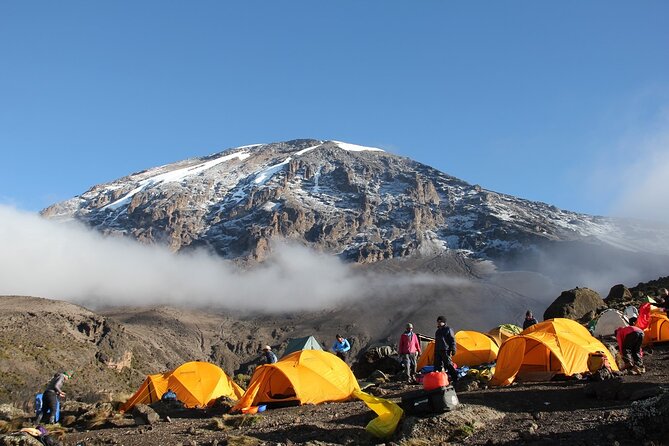
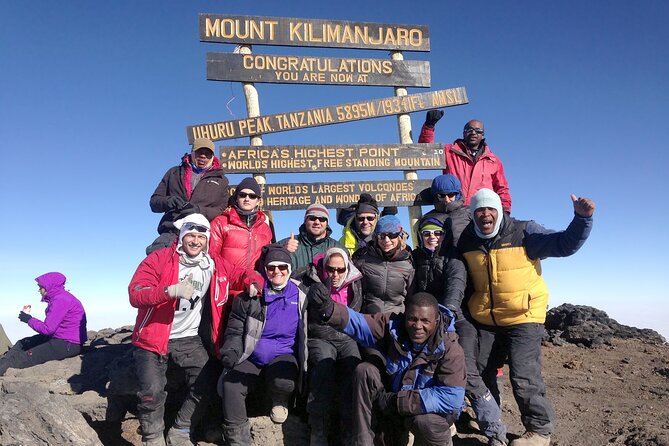
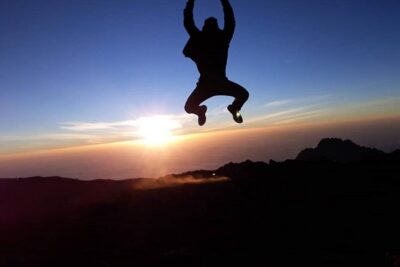
Kilimanjaro saves its hardest test for the middle of the night. After five days of climbing through rainforest, heather, alpine desert, and giant plants, you leave Barafu Camp around midnight for Uhuru Peak at 5,895 meters. The reward is a sunrise ridge and a 360-degree view from Africa’s highest point.
I like two things here: the changing terrain makes each day feel different, and the private setup includes tents, meals, purified water, park fees, and rescue fees. I also like that guide Gasto is repeatedly praised for calm encouragement, cultural stories, and close care on difficult sections.
The trade-off is simple: six days is a demanding schedule on the Machame Route. The Barranco Wall requires steady footing, and summit night is cold, dark, and physically punishing. You need moderate fitness, the right clothing, and a willingness to walk slowly for long hours.
Key points to know before booking
- Midnight summit attempt: You climb toward Stella Point and Uhuru Peak in darkness after a short rest at Barafu Camp.
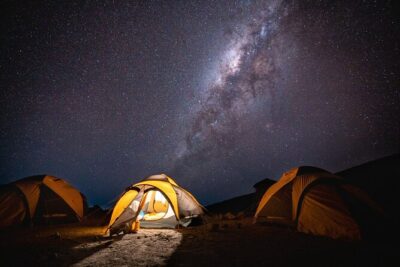
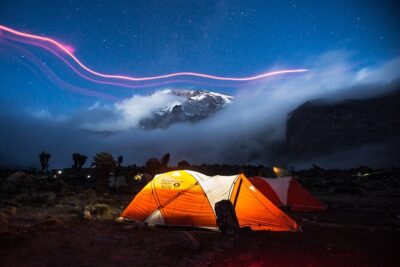
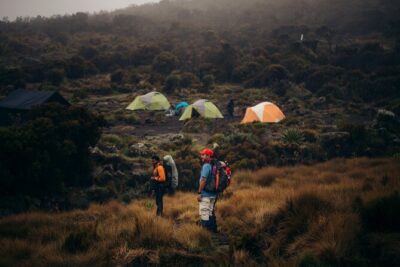
- Five mountain nights: You sleep in private waterproof tents at Machame, Shira, Barranco, Barafu, and Mweka camps.
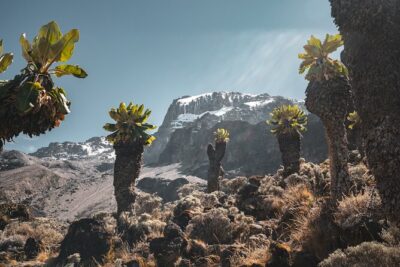
- Four major ecological zones: The route moves from rainforest to heather, moorland, alpine desert, and the high volcanic slopes of Kibo.
- Barranco Wall included: This is a steep, hands-on section where guides provide help when needed.
- Private group format: Only your own group takes part, with pickup offered and a 7:30 am start.
- Strong guide focus: Gasto and his support team receive especially warm praise for encouragement, safety, organization, and good food.
What this six-day Kilimanjaro climb is really like
This is not a sightseeing walk with a summit photo added at the end. The Machame Route asks you to climb steadily, sleep in tents, cope with altitude, and save enough strength for a long summit night. You gain about 2,885 meters from the first camp to Uhuru Peak, with the route reaching high camps quickly.
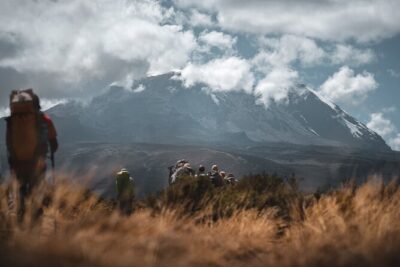
The trip begins and ends near Arusha, with pickup offered. The drive to Kilimanjaro National Park takes about an hour in the morning. From there, your small private group follows porters and mountain guides into the park, carrying only what you need during the day.
The price is $1,950 per person. That is a serious cost, but it covers the items that make a guided Kilimanjaro climb workable: park fees, rescue fees, mountain guides, private waterproof sleeping tents, a mess tent with tables and chairs, meals, drinking water, and airport transfers. You still need to budget for a Tanzania visa, tips, and your personal climbing gear.
I would not compare this price with a basic walking holiday. The value is in the support system on a high mountain, not just in the number of hiking hours. Ask for a clear breakdown of porter arrangements, group staffing, gear rental, and any transfer limits before paying, since those details are not specified here.
More Hiking Tours in Arusha
- 8-Day Small-group Lemosho Kilimanjaro Summit Trekking
★ 5.0 · 186 reviews - Mountain Kilimanjaro Day Hike
★ 5.0 · 102 reviews - Private Full Day Hiking Experience to Marangu Route
★ 5.0 · 61 reviews
Day 1: Machame Gate to the rainforest and Machame Camp
The first day starts at Kilimanjaro National Park after the drive from your hotel. The path heads into lush rainforest, and the forest can feel like an easy beginning compared with the upper mountain. Keep your eyes up: black and white colobus monkeys may watch from the trees as you pass.
The walk to Machame Camp takes roughly five to six hours. The camp sits at 3,010 meters, above the main tree line, so the day ends with a clear change in temperature and vegetation. Dinner is served in camp, followed by your first night in a private mountain tent.
This is a useful first test of pacing. You may feel strong at the start, but the goal is not to race into camp. I would use this day to learn your guide’s walking rhythm, keep drinking water, and organize your clothing before sunset. The supplied schedule lists six hours for the day, but trail conditions and group pace can affect the actual timing.
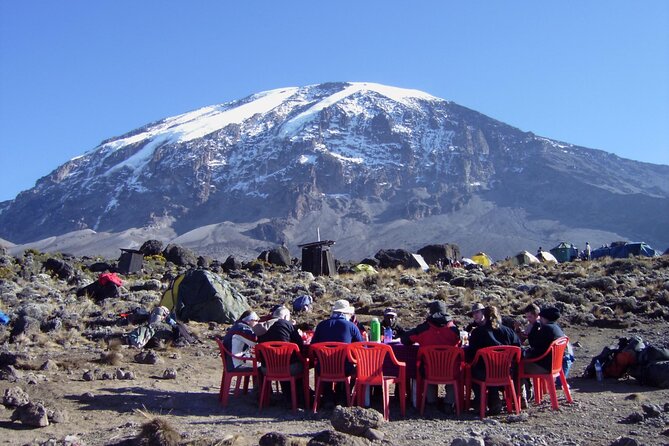
The private tent is a real benefit here. You do not have to depend on a shared mountain hut, and a separate mess tent gives the group a place to eat rather than forcing every meal inside a sleeping shelter.
Day 2: Heather, steep ridges, and Shira Camp
After breakfast, the forest gives way to open heather and moorland. The trail crosses a small valley, then climbs along a steep rocky ridge covered with heath. This section feels more exposed than Day 1, and the steady ascent begins to make altitude a daily concern.
The route turns west toward a river gorge at about 3,658 meters. The walk takes around five to seven hours, with the night at Shira Hut campsite, listed at 3,845 meters. The schedule gives about six hours for the day.
Shira is important because you are now sleeping high on the mountain. Your body has less oxygen available than it did at the park entrance, even if the walking still feels manageable. I would not treat a good first day as proof that altitude will cause no trouble. Tell Gasto or another guide promptly if you feel unwell, rather than trying to hide symptoms to keep up.
The open terrain also brings better views. You might catch occasional sights of Mount Meru or Shira Ridge, depending on cloud and visibility. The reward for leaving the forest is a broader sense of the mountain’s scale.
Day 3: Lava Tower, alpine desert, and Barranco Valley
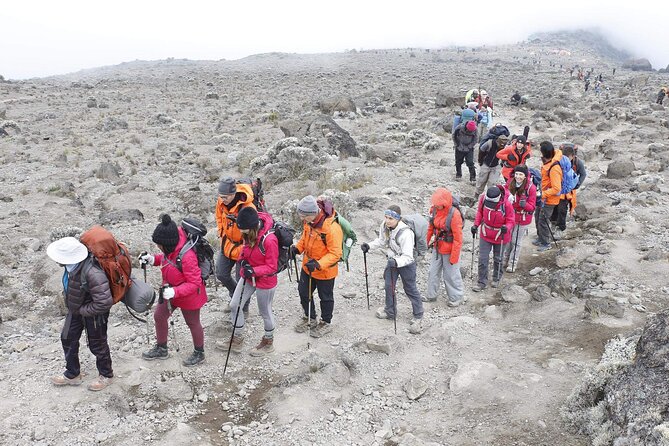
Day 3 is one of the most useful days for altitude adaptation because the route climbs to Lava Tower at 4,640 meters before descending to Barranco Camp. You gain height during the day, then sleep lower than the highest point reached. That pattern makes the day hard, but it also gives your body time to adjust.
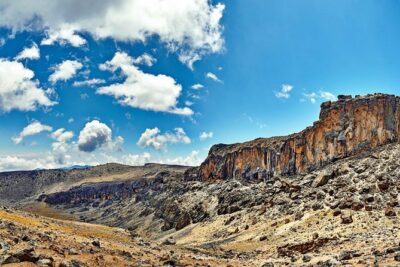
The vegetation becomes sparse as the route enters alpine desert. The scenery shifts from trees and heather to volcanic ground, open slopes, and scattered plants. In Barranco Valley, you may see lobelia and giant senecio, unusual high-altitude plants that give the valley its distinctive look.
The walk takes about six to seven hours, and Barranco Camp is listed as the most beautiful camp on the mountain. The name is fitting for a practical reason too: the camp places you below the Barranco Wall, setting up the next morning’s climb.
This is likely the day when the mountain begins to feel serious. A route that looked like a series of scenic walks now includes high exposure, thin air, and long ascents. I would keep lunch and water breaks unhurried. Your aim is to arrive at camp with enough energy for the next day, not to prove how fast you can reach Lava Tower.
More Kilimanjaro routes:
- 7-Day Machame Kilimanjaro Summit Tour from Arusha
★ 5.0 · 125 reviews - From Arusha/Moshi: Kilimanjaro Hike Marangu Route Day Trip
★ 4.5 · 54 reviews - Mount Kilimanjaro Day Hike Through Marangu Route to Mandara Hut
★ 5.0 · 37 reviews - Mount Kilimanjaro Day Hike
★ 4.5 · 23 reviews
Day 4: Barranco Wall and the climb to Barafu
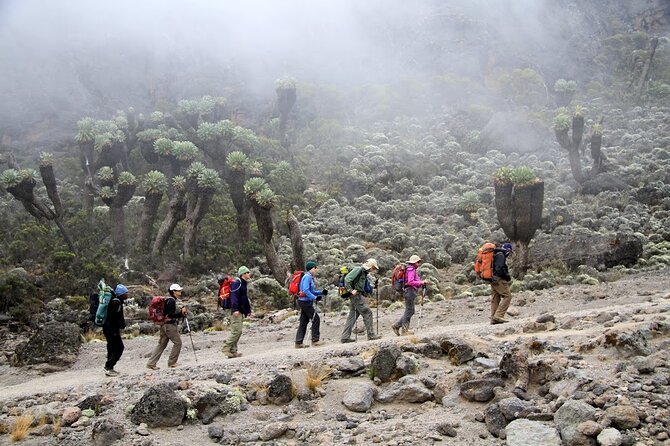
The Barranco Wall is the day’s headline challenge. It is steep and requires a steady grip, careful foot placement, and patience when the route narrows or becomes rocky. You do not need to climb it alone. The guides assist where needed, and the supplied information specifically notes that a helping hand is close by.
After the wall, the path descends through Karanga Valley. Lunch comes during this section, followed by another two to three hours of climbing toward Barafu Camp at 4,640 meters. The listed walking time is about six hours.
Barafu means you are at the launch point for the summit attempt. Once you arrive, the sensible plan is to eat, prepare your headlamp and warm layers, and rest. The itinerary calls for an early night, although the midnight start means this is really a short sleep rather than a full night.
I would treat this as a logistics day as much as a hiking day. Keep the clothing you need for the summit easy to reach. Do not bury gloves, warm socks, or a headlamp at the bottom of your bag. Your evening meal matters too, since you will soon be climbing in the cold on limited sleep.
Day 5: Stella Point, Uhuru Peak, and the long descent
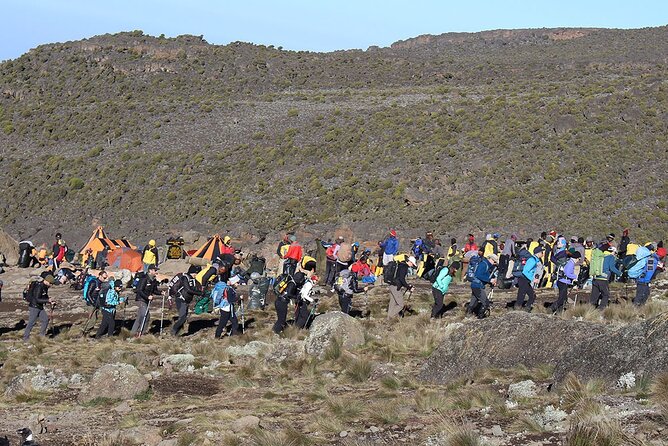
Summit day begins around midnight with hot tea and light snacks. You climb into the darkness with a headlamp, following the scree slopes of Kibo toward Stella Point. The ascent to Stella Point is expected to take about five to seven hours.
This is the toughest part of the experience. The air is thin, the trail is steep, and the cold can be bitter. Gasto and his team receive their strongest praise for this part of the climb, especially for keeping spirits up and encouraging people through the difficult final hours.
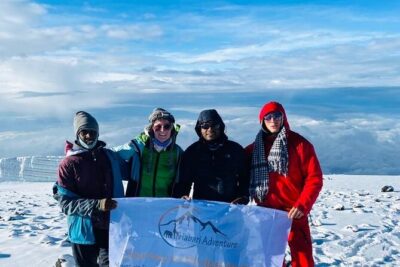
From Stella Point, you follow the crater ridge to Uhuru Peak at 5,895 meters. At the summit, the promised reward is a 360-degree view across the surrounding terrain. Cloud can affect what you see, so the experience depends partly on conditions, but reaching the Roof of Africa remains the central goal of the trip.
The descent is not an afterthought. You return to Barafu for a warm meal and a rest, then continue to Mweka Hut campsite at 3,080 meters. The itinerary gives about five hours for the Barafu to Mweka section, while the overall day is listed as six hours. In practical terms, this is the longest and most tiring day by far, since the summit ascent, descent, meal break, and onward walk all happen in one stretch.
I would read the six-hour figure as an approximate schedule rather than a promise. The narrative itself describes a much longer day. This is the main reason I would not book the six-day route without taking the physical demand seriously.
Day 6: Mweka Camp to the park gate
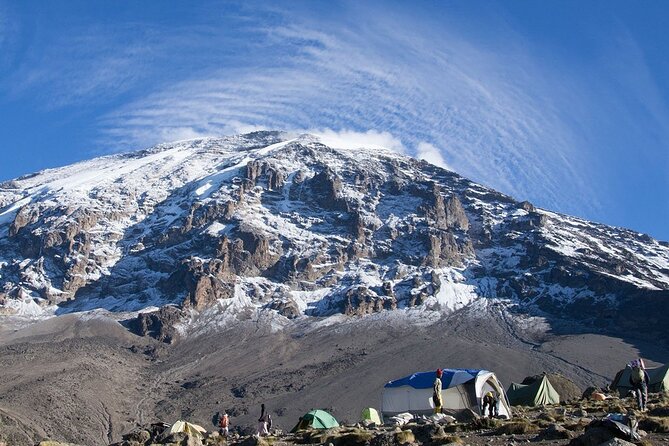
The final morning brings a gentler descent through rainforest to Mweka Gate. After the barren upper slopes, returning to trees and warmer air can feel like a small celebration of its own.
At the gate, the group gathers, and you receive a certificate. You can also share your thoughts in the guest book before the driver returns you to your hotel.
The last day is listed at about six hours, though downhill walking times vary. Descending can be hard on tired knees, especially after summit night. I would keep your pace controlled instead of rushing toward the finish.
The finish has a personal touch. The certificate marks the achievement, but the team gathering and the drive back to your hotel provide the proper closing moment. You leave the park with the summit still fresh in your mind and, in many cases, a much better sense of what your body can handle.
Guides, support, and the human side of the climb
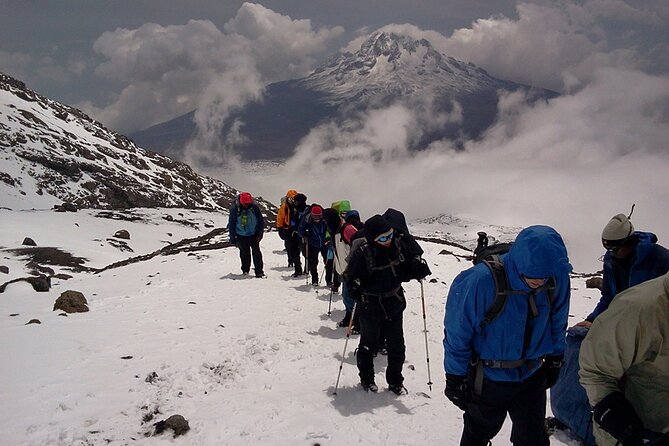
The strongest part of this operation appears to be its guide support. Gasto is singled out for energy, organization, cultural stories about Tanzania and the Maasai, and encouragement during the summit push. Several accounts also describe him as attentive to older climbers, dietary needs, and individual concerns.
That matters on Kilimanjaro. A guide does more than point out the trail. You need someone who watches your pace, notices when you are struggling, and keeps the group moving without turning the experience into a race.
The team also receives praise for good meals, a positive atmosphere, and a strong sense of group spirit. The included mess tent with tables and chairs gives you a proper place to eat and rest at camp. Clean, purified drinking water is included, which removes one important daily concern.
Tips are not included. Since the support crew is central to the experience, plan for gratuities separately and ask the operator how tipping is handled for guides and porters. The supplied information does not give a recommended amount.
What is included, and what you still need
The tour includes the following:
- Private waterproof mountain sleeping tents
- Professional mountain guides
- Park and rescue fees
- Meals on the mountain
- A mess tent with tables and chairs
- Clean, purified drinking water
- Airport transfers
- Pickup service
- A private group experience
The meal information lists six breakfasts, six lunches, and five dinners. The day-by-day plan also provides dinner at the mountain camps, so confirm the exact meal count and transfer details when booking.
Personal climbing gear is not included. That is a major point, not a footnote. You need to arrange the equipment required for cold, wet, steep, and high-altitude conditions. Tanzania visa costs and tips are also extra.
Because only your own group participates, this option may suit couples, families, or friends who want a more personal pace. A private group does not make the mountain easier, but it can make communication simpler and the daily rhythm more flexible.
Who should choose the Machame Route in six days
This trip suits you if you want the classic Kilimanjaro progression from forest to summit and are prepared for a demanding schedule. You should have a moderate level of physical fitness and be comfortable walking for roughly five to seven hours on most days.
It is a good fit for people who value guide support, organized camp meals, private sleeping tents, and included park administration. The route also suits anyone who wants more varied scenery, including monkeys in the forest, heather, Shira Ridge, alpine desert, Barranco Valley plants, and the high volcanic slopes of Kibo.
I would hesitate if you are looking for a relaxed mountain holiday or if your main goal is comfort. The summit night begins around midnight, and Day 5 combines the climb to Uhuru Peak with a long descent to Mweka Camp. The six-day schedule leaves less room for rest than a longer Kilimanjaro itinerary would.
I would also ask questions before booking if you rely on rental equipment, need a specific diet, or want a precise summit success policy. The available details show that dietary requirements were handled positively on at least one climb, but they do not state a formal menu or guarantee.
Booking details and cancellation
The advertised start time is 7:30 am, and pickup is offered. Confirmation is provided at booking, and the activity is near public transportation. Airport transfers are included, although you should confirm which arrival and departure transfers qualify.
Free cancellation is available if you cancel at least 24 hours before the local start time. Cancellations or changes made less than 24 hours before the start are not accepted for a refund.
Should you book this Kilimanjaro climb?
I would book this tour if you want a private, guide-led Machame climb with a clear cost that already covers park fees, rescue fees, tents, meals, water, and transfers. The repeated praise for Gasto’s encouragement and the crew’s support is especially useful because summit night is where a good team can make the difference.
I would not book it casually. Six days on the Machame Route is a real physical and mental challenge, and the summit day is longer than the simple six-hour label suggests. Bring or arrange proper climbing gear, prepare for cold and darkness, and confirm the meal count, staffing, porter support, and transfer terms.
At $1,950 per person, this is a reasonable value for a private supported climb if those inclusions match your needs. Choose it for the mountain experience, strong human support, and changing terrain, not because the schedule looks easy.
FAQ
Where does the Kilimanjaro climb take place?
The experience takes place in Kilimanjaro National Park in Tanzania, with pickup offered from the Arusha area.
How long is the tour?
The climb lasts approximately six days.
What time does the tour start?
The stated start time is 7:30 am.
Which Kilimanjaro route does this tour use?
The tour uses the Machame Route.
Is the tour private?
Yes. Only your own group participates in the activity.
Are park fees and rescue fees included?
Yes. All park fees and rescue fees are included in the stated tour price.
Are meals included?
Yes. Meals on the mountain are included. The meal details list six breakfasts, six lunches, and five dinners.
Is personal climbing gear included?
No. Personal climbing gear is not included and must be arranged separately.
More six day trips in Arusha
- Tanzania Wildlife Encounters – 6 Days
★ 5.0 · 277 reviews - Private 6-Day Tarangire Manyara Crater and Serengeti with Mid-Range Lodges
★ 5.0 · 238 reviews - 6 Days Private Budget Safari
★ 5.0 · 163 reviews - 6 Days Tanzania Budget Camping Safari
★ 5.0 · 145 reviews
Newly listed around Arusha
- 5-Day Private Safari Tour in Tanzania’s Wildlife★ 5.0 · 3 reviews
- 3 Days private safari Tarangire ,Ngorongroro crater &Manyara★ 5.0 · 3 reviews
- 3 Day Sharing Safari – Manyara, Ngorongoro Crater and Tarangire National Parks★ 5.0 · 3 reviews
- Tarangire National Park Day Trip★ 5.0 · 3 reviews
- 2 Days Tarangire and Ngorongoro Crater Tour★ 5.0 · 3 reviews
- 6 -Day Tarangire, Manyara, Serengeti & Ngorongoro★ 5.0 · 3 reviews
- 5 Days Group Camping Safari★ 4.7 · 3 reviews
- 4 Days Tanzania Safari★ 4.5 · 3 reviews
Kilimanjaro Climbs, compared.
Browse the lists this tour appears in