
Reviewed · KILIMANJARO CLIMBS
8 Day Mount Kilimanjaro Trekking Lemosho Route
The best thing about this 8-day Lemosho Route trek is its patient approach to Kilimanjaro. You start in montane forest, cross the Shira Plateau, climb high to Lava Tower, then descend before the summit push. That climb high, sleep lower pattern gives your body more time to adjust than a shorter itinerary.
I like two things here: the quieter route into the mountain and the fine variety of scenery, from giant heather to stark alpine desert. I also like that this is a private trip, so your pace and meal needs can be handled within your own group. The main drawback is the price, $2,250 per person, which does not include accommodation before or after the trek, personal gear, or crew tips.
Key points at a glance
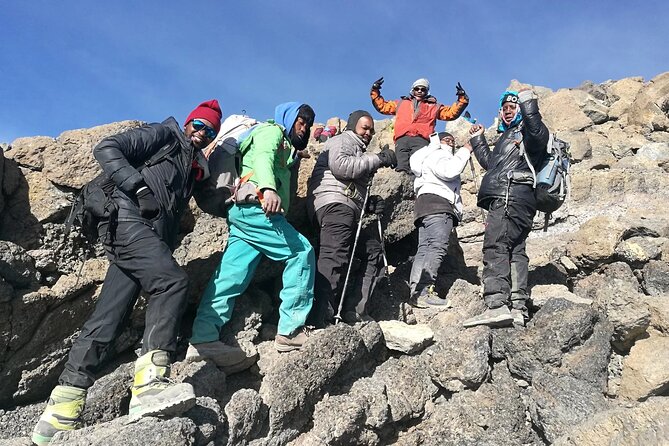
- Eight days for acclimatization: Extra time on the mountain can make the summit attempt more manageable.
- A less-used approach: Lemosho begins in forest and reaches the Shira Plateau by a scenic western route.
- Wildlife country on day one: An armed ranger may accompany groups near Lemosho Glades because buffalo, elephant, and other wildlife live in the forest.
- Lava Tower before Barranco: Day four takes you to about 4,650 meters before dropping toward camp, a useful high-altitude training day.
- Private group format: Only your group participates, with pickup offered and a return to Moshi after the descent.
- Meals and park costs included: Breakfast, lunch, dinner, and listed fees are covered, but gear, personal costs, and tips are not.
Why the Lemosho Route takes eight days
Kilimanjaro is not a technical climb in the usual sense, but altitude makes it serious. The summit sits at 5,895 meters, and this route gives you several days to gain height gradually before the final push.
The first section is especially useful because you do not race toward the summit. You spend two nights around the Shira Plateau, then climb to Lava Tower before descending to Barranco. That day may feel odd on paper, since you finish near the height where you began, but it gives your body time at roughly 4,650 meters.
The route is also less used than some other approaches. That does not mean you will have the mountain to yourself, but it should feel less like a steady procession at the start. The route reaches the Shira Plateau by a beautiful western approach, then joins the southern circuit for the higher camps.
The operator describes the eight-day version as one of its strongest options for summit success. Treat that as a reason to value the extra day, not as a promise. Fitness, pacing, sleep, weather, and your response to altitude still matter.
More Hiking Tours in Moshi
- Private Kilimanjaro Hike 7 Day Lemosho Route
★ 5.0 · 60 reviews - Best Kilimanjaro hiking day trip tour with Kilinge Adventures
★ 4.5 · 54 reviews - #1. Best Kilimanjaro Day hike Tour-Machame Route-ISMANI
★ 4.2 · 47 reviews
Day one: Lemosho Gate to Mti Mkubwa
Your day begins with breakfast and a briefing in Moshi, followed by a drive to Lemosho Park Gate. From there, a four-wheel-drive track leads to Lemosho Glades before you begin walking.
The hike covers about 6 kilometers and takes roughly two to five hours. You rise from about 1,830 meters to 2,650 meters, moving through montane forest toward Mti Mkubwa, or Big Tree, Camp.
This is a gentle opening compared with what comes later. The forest gives the route a more natural start than a direct push into high, open ground. You may also be accompanied by an armed ranger on this first day. That is not a sightseeing extra. Buffalo, elephant, and other wildlife live around the Lemosho Glades, so the ranger is part of the practical safety setup.
You receive lunch and dinner. The listing says pickup is offered, but confirm the exact pickup point and timing when you book. The start and end point is Moshi, so this is designed as a trek with local transport rather than a point-to-point journey you arrange yourself.
Day two: climbing through giant heather to Shira One
After breakfast, the trail steepens as you leave the forest and enter giant heather and moorland. Streams cross the route, and you continue over Shira Ridge before descending gently to Shira One Camp.
The distance is about 8 kilometers, with four to five hours of walking. The camp sits at roughly 3,500 meters beside a stream on the Shira Plateau.
I like this day because it changes the feel of the trip. The forest falls behind you, the air becomes cooler, and the mountain begins to look wide and exposed. The short distance is not the whole story. The altitude gain from 2,650 to 3,500 meters is what you will notice most.
Breakfast, lunch, and dinner are included. You should still bring personal snacks if you rely on a particular food, since the stated meal plan does not describe menus or portion sizes. Vegetarian food is available if requested when booking, and specific dietary needs should also be supplied in advance.
Day three: a useful acclimatization day on Shira Two
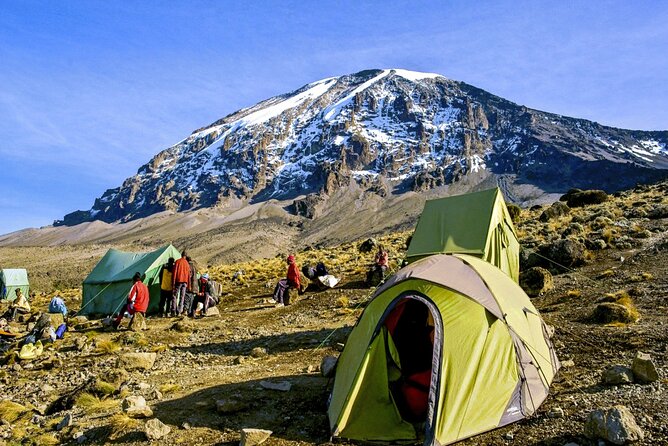
Day three is a gentle crossing of the Shira Plateau to Shira Two Camp. The route covers another 8 kilometers and takes about four to five hours, ending at approximately 3,850 meters.
This is one of the most valuable days in the schedule. You are already high, but the walking is moderate, and there is room for additional hiking on the plateau. That combination lets you spend time at altitude without forcing a hard ascent.
The setting is moorland meadows beside a stream. It is not the dramatic summit terrain yet, but the open plateau gives you a broad sense of Kilimanjaro’s scale. Use the day to walk steadily, drink as directed by your crew, and notice how your body responds. The schedule is generous, but altitude can still affect people who are fit.
Dinner and both daytime meals are included. Because this is a private trek, the group can focus on its own pace rather than matching a large mixed party. That can be a real benefit on a slow acclimatization day.
More Kilimanjaro routes:
- Kilimanjaro climb by Lemosho Route (7-day)
★ 5.0 · 651 reviews - Kilimanjaro climb, Machame Route (7-day)
★ 5.0 · 262 reviews - Kilimanjaro Climbing Lemosho Route 8 Days.
★ 5.0 · 186 reviews - Climbing Kilimanjaro – Machame Route
★ 5.0 · 170 reviews
Day four: Lava Tower and the descent to Barranco
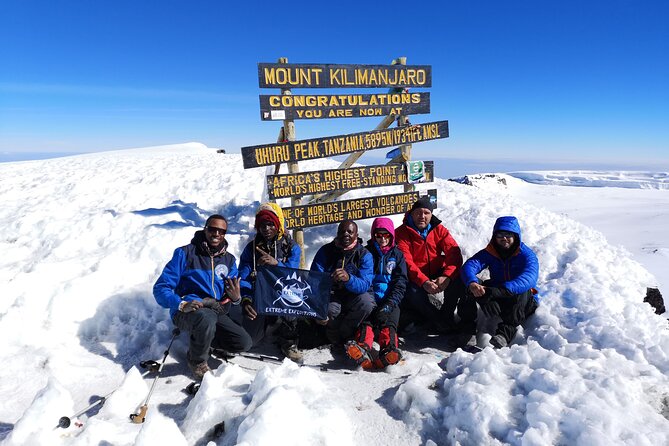
Day four is the route’s key acclimatization test. From Shira Two, you climb east along a ridge, pass the junction toward Kibo, and continue southeast toward Lava Tower, also called the Shark’s Tooth. The tower reaches about 4,650 meters.
After the tower, the path passes a junction for the Arrow Glacier and then descends to Barranco Camp. You finish around 4,000 meters, close to where you started in practical terms, but the time spent high is important.
The day covers roughly 8 kilometers and takes five to six hours. The habitat changes to semi-desert, with less cover and a harsher feel underfoot. This is the point where the trek stops feeling like a high mountain walk and starts demanding more from your breathing and legs.
You may feel a headache, nausea, or unusual tiredness at this height. The supplied information does not set out a medical protocol, so you should discuss altitude concerns with your doctor before departure and tell the guide promptly if you feel unwell. Do not try to hide symptoms to protect your summit chances.
Barranco Camp is well placed for the next day. The route has taken you high, then brought you down to sleep. That is the logic behind choosing eight days rather than trying to force the mountain into a shorter schedule.
Day five: the Barranco Wall and Karanga Valley
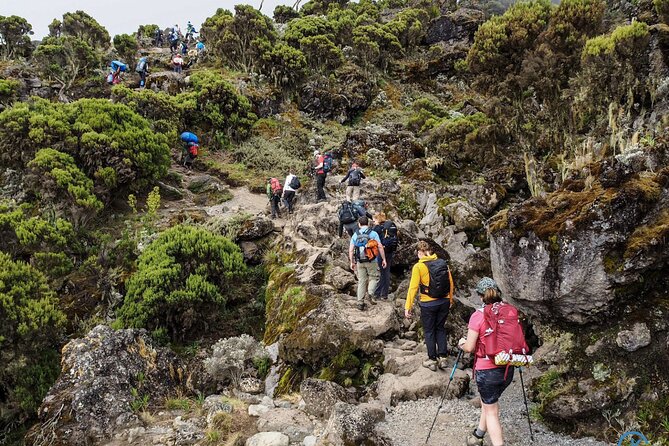
After breakfast, you leave Barranco Camp and climb the Barranco Wall. The route then continues into Karanga Valley, reaching about 4,050 meters.
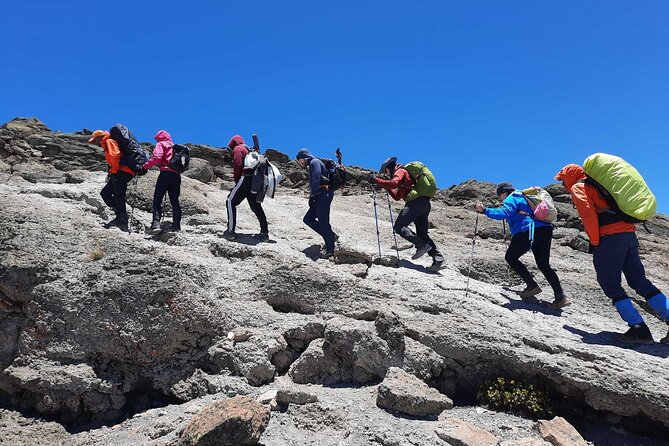
This is only around 5 kilometers and takes three to five hours, but distance does not tell the full story. The wall is steep, and this is a climbing day rather than an easy stroll. The terrain is alpine desert, with little shelter and a more rugged feel than the lower forest.
The short schedule is useful here. You have time to handle the steeper section without racing. You will want both hands free at points, so pack your day items in a secure, easy-to-manage way. Trekking poles can help on the approach and descent, though personal trekking gear is not included in the price.
Karanga is also the junction connecting with the Mweka Trail. This begins the southern circuit that gives you changing views of the summit before and after the climb.
Day six: Barafu Camp and a quiet afternoon before the summit
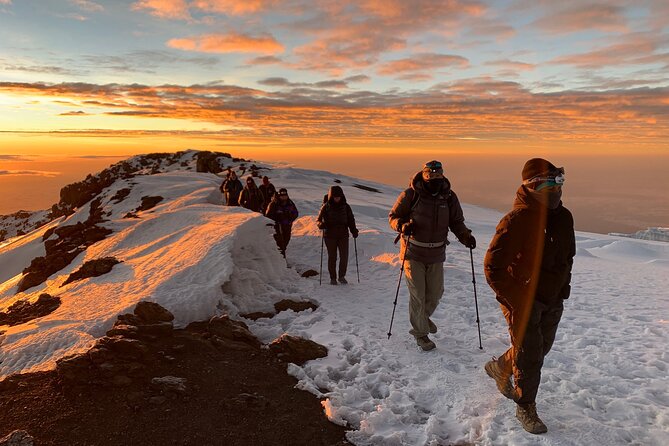
The next stage climbs about 4 kilometers to Barafu Camp at 4,700 meters. Walking time is listed as three to four hours, though the itinerary allows about five hours for the day.
You have now completed the South Circuit, which provides summit views from several angles. Barafu is the staging point for the summit attempt, and the schedule calls for camp, dinner, rest, and preparation.
This is not a day to spend your energy needlessly. The summit attempt starts around midnight to 2 a.m., so your afternoon is likely to feel short. Keep your clothing, headlamp, water, snacks, and other needed items ready before you lie down.
Dinner is included. The information lists the admission ticket as free on this day, while park and other fees are included in the overall tour. The wording is not a reason for concern, but you can ask the operator for a full fee breakdown if you want to know exactly how the $2,250 is allocated.
Day seven: Stella Point, Uhuru Peak, and the long descent
Summit day starts in the middle of the night, between midnight and 2 a.m. You climb northwest between the Rebmann and Ratzel glaciers, moving through heavy scree toward Stella Point on the crater rim.
This is described as the most physically and mentally difficult part of the trek. The loose rock makes progress slow, and darkness can make the climb feel even more focused. At Stella Point, you stop briefly and may see sunrise over the mountain. Faster climbers may reach Uhuru Peak in time for sunrise.
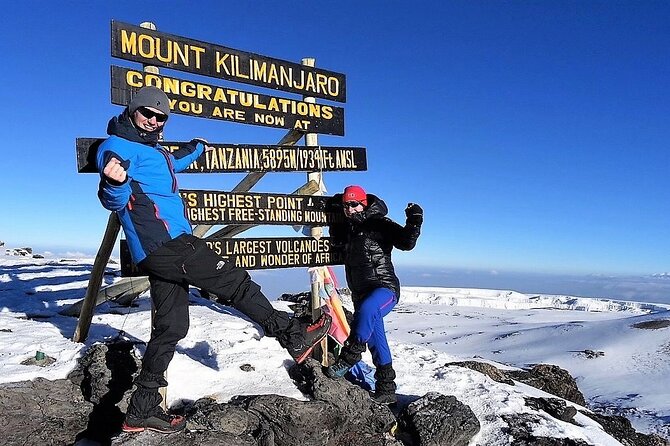
From Stella Point, the route continues for about an hour toward Uhuru Peak. Snow may appear along this section. At 5,895 meters, Uhuru Peak is the highest point in Africa, but reaching it is only half of this day.
The descent continues straight down toward Mweka. The itinerary gives six hours for day seven, but the combination of a midnight start, the ascent, time at the summit, and descent makes this the day to treat with respect. Exact timing will depend on pace and conditions.
Do not judge your success only by reaching the top. Turning around under the guide’s direction can be the right decision if altitude or exhaustion becomes dangerous. The extra days improve your odds, but they do not remove the risks.
Day eight: Mweka Gate and the return to Moshi
After breakfast, you descend from about 3,090 meters to Mweka Park Gate at roughly 1,680 meters. The walk covers about 10 kilometers and takes three to five hours through forest.
Lower sections can be wet and muddy. Gaiters and trekking poles are specifically useful here, and you should keep rain gear and warmer clothing within reach even if you expect to finish in shorts and a T-shirt.
At Mweka Gate, you receive summit certificates. A Monkey Adventures vehicle waits there for the drive back to your Moshi hotel, which takes about 60 minutes. This is a useful closing detail because you do not need to arrange your own transport after the final descent.
Breakfast is included on the last day. Accommodation before and after the trek is not, so plan those nights separately. The tour ends back at the meeting point in Moshi.
What the $2,250 price really covers
At $2,250 per person, this is not a budget walk. The value comes from the eight-day schedule, private format, listed fees, meals, and transport from Mweka Gate back to Moshi.
Included items are:
- All listed fees and taxes
- Seven breakfasts
- Eight lunches
- Seven dinners
- Pickup offered
- Transport from Mweka Gate to your Moshi hotel
You pay separately for accommodation before and after the trek, personal trekking gear, personal expenses, alcohol, and tips for the crew. Those exclusions matter. A first-time Kilimanjaro climber may need to budget for warm clothing, waterproof layers, footwear, a sleeping setup, and other items, but the supplied information does not specify which equipment the operator provides.
Ask for a written equipment list before paying. Also ask what accommodation, if any, is supplied on the mountain, since the itinerary refers to camps but the inclusion list does not spell out camping equipment or porter services.
The meal plan is a useful inclusion, especially across eight days. Vegetarian meals are available, and you can provide dietary requirements at booking. The tour is private, so you can ask how meal timing and food preferences are handled for your group.
Private trekking and the human side of the service
Only your group participates, which is helpful if your party wants a slower pace, has mixed fitness levels, or needs specific food. The tour is also listed as operating in all weather, so proper clothing is not optional.
The supplied customer material includes praise for safari staff named Karim and Leokadia, including friendly service, punctuality, and effort to meet requests. Those comments concern safari programs, not this Kilimanjaro trek, so I would not assume either person will guide your climb. If a particular guide matters to you, ask Afrishare Trekking and Safaris to confirm the assigned team.
The same material includes one less glowing safari account that describes a pleasant trip with areas needing improvement. That is a useful reminder to get the practical details in writing rather than relying only on a high overall rating. The published score is 4.8 from four reviews, but the comments do not provide a large body of route-specific evidence for this trek.
Who should book this Kilimanjaro trek
This route suits you if you want a gradual schedule and prefer a private trip over a large group. It is also a good fit if you value changing habitats, a quieter western approach, and an itinerary that uses Lava Tower for acclimatization.
You should be comfortable walking for several hours on consecutive days. The route includes steep ground at Barranco Wall, high-altitude camps, a midnight summit start, scree, possible snow, and a muddy forest descent.
It is less suitable if you want a fully equipped package with every night and piece of personal gear included in one price. It may also disappoint you if your only goal is the fastest or cheapest route to Uhuru Peak.
Most people can participate according to the supplied information, but children must be accompanied by an adult, and the child rate applies only when sharing with two paying adults. Ask direct questions about age limits and gear before booking if you are bringing a child.
Cancellation is free if you cancel at least 24 hours before the local start time. Changes or cancellations inside that window are not accepted for a refund.
Should you book the 8-day Lemosho Route?
I would choose this trek for the schedule first. Eight days gives you more time to adjust than a rushed climb, and the route combines forest, Shira Plateau, Lava Tower, Barranco, and the southern circuit in a logical progression.
Book it if you accept the extra costs for gear, pre- and post-trek lodging, personal items, and crew tips. Before committing, confirm the equipment package, exact pickup arrangements, mountain accommodation, guide team, dietary plan, and what happens if altitude forces an early return.
If you want a private, slower-paced Kilimanjaro attempt and can prepare properly for the midnight summit day, this is a sensible option. If you need a tightly all-inclusive price, the $2,250 headline figure will not tell the whole story.
FAQ
Where does the trek start?
The trek starts in Moshi, Tanzania, after breakfast and a briefing.
Where does the trek finish?
The activity ends back at the meeting point in Moshi after transport from Mweka Gate.
How long is the trek?
The trek lasts approximately eight days.
Is pickup offered?
Yes, pickup is offered. Confirm the exact pickup location and time when booking.
Is this a private tour?
Yes. Only your group participates in the activity.
What meals are included?
The tour includes seven breakfasts, eight lunches, and seven dinners.
Is accommodation included?
No. Accommodation before and after the trek is not included. The supplied details do not specify the full mountain camping equipment package, so ask the operator for clarification.
Is personal trekking gear included?
No. Personal trekking gear is not included.
Can I request vegetarian food?
Yes. A vegetarian option is available. You should request it when booking.
What is the cancellation policy?
You can cancel at least 24 hours before the local start time for a full refund. Cancellations or changes made less than 24 hours before the start are not accepted for a refund.
More Hiking Tours in Moshi & Kilimanjaro
- Best Kilimanjaro Adventure 7 days Machame route Trekking
★ 5.0 · 42 reviews - Kilimanjaro 7 Day Private Trekking Experience
★ 5.0 · 40 reviews - 8 Days Kilimanjaro Hike via Lemosho Route
★ 5.0 · 39 reviews - The Best & Unique Kilimanjaro Hiking tour 7 days Machame route
★ 5.0 · 34 reviews
Newly listed around Moshi & Kilimanjaro
- Climb Mount Kilimanjaro: 7 Days Machame Route★ 5.0 · 3 reviews
- 6 Days Mount Kilimanjaro Climbing via Rongai Route★ 5.0 · 3 reviews
- Explore 1 day Ngorongoro Crater Budget Group Safari from Arusha★ 5.0 · 3 reviews
- Mt. Kilimanjaro Day Hiking★ 5.0 · 3 reviews
- Chemka (Kikuletwa) Hot Springs, Tanzania★ 5.0 · 3 reviews
- Guided City tour of Moshi★ 4.3 · 3 reviews
- 8 Day Tanzania Family Safari★ 5.0 · 3 reviews
- Serengeti Safari with Sirikwa Travel★ 5.0 · 3 reviews
Kilimanjaro Climbs, compared.








Browse the lists this tour appears in