
Reviewed · KILIMANJARO CLIMBS
7 Day Tour Machame Route
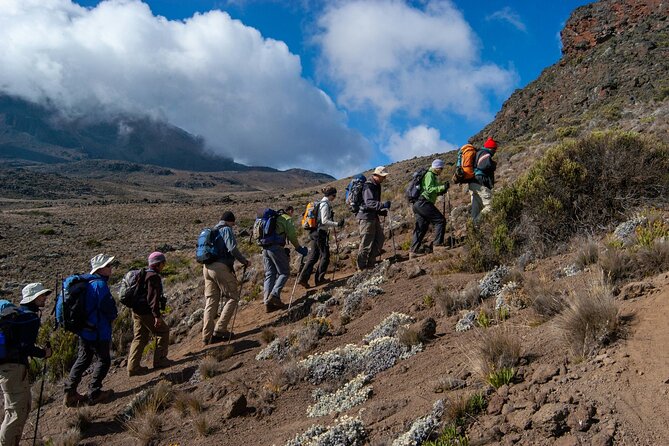
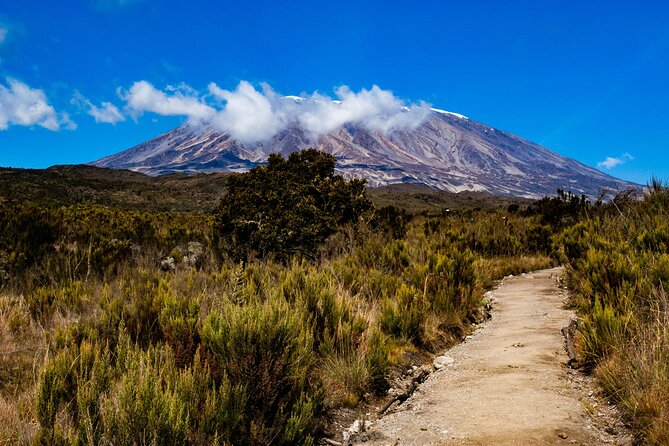
Kilimanjaro’s Machame Route gives you the mountain in changing chapters: thick rainforest on day one, open moorland above the trees, stark high-altitude desert near Lava Tower, then a pre-dawn push to Uhuru Peak. The seven-day plan gives your body more time to adjust than shorter climbs, which matters greatly on a mountain this high.
I like the thoughtful climb-high, sleep-lower rhythm on day three, when you reach Lava Tower at about 4,600 meters before dropping to Barranco Camp. I also like that the price includes park fees, accommodation, meals, water, crew wages, and a professional English-speaking guide, so the headline cost covers much of what you need.
The main catch is summit day. It combines an early ascent to Uhuru Peak with a long descent to Mweka Camp, making it the hardest day by far. You should also confirm the exact pickup plan, since the meeting information refers to both Kilimanjaro Airport and Kilimanjaro National Park.
Key points to know before you book
- Lava Tower improves the climb plan: You go up to roughly 4,600 meters on day three, then sleep lower at Barranco Camp.
- Barranco Wall is the route’s signature challenge: It adds a hands-on climb and a memorable change from ordinary trail walking.
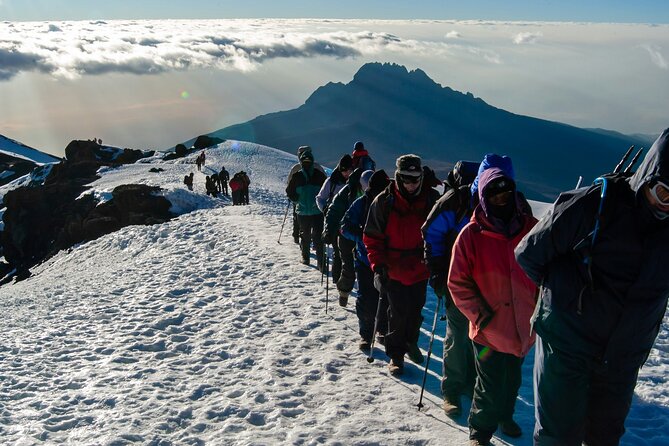
- The summit day is demanding: You start before dawn, reach Uhuru Peak, then descend to Mweka Camp over about 18 kilometers in total.
- Meals and crew costs are included: The $2,205 price covers full-board meals, drinking water, accommodation, park fees, and fair crew wages.
- The support team earns strong praise: Emanuel, Emanuele, and Joseph are names connected with especially warm comments about guiding and good humor.
- The group can reach 30 people: That keeps the price competitive, but it may feel less personal than a small private climb.
Why seven days on Machame is a sensible choice
Machame is often called the Whiskey Route, a name that hints at its more demanding character compared with gentler approaches. Here, the appeal is not only the scenery. The route gives you several days to gain height in stages, with a pattern that helps your body adjust to thinner air.
The seven-day schedule is still hard, but it avoids the rushed feel of a very short ascent. You spend the first two nights moving from forest to moorland, then cross higher ground before reaching the summit camp. That gradual change is valuable because altitude, not just steep walking, is the main issue on Kilimanjaro.
I also like the variety underfoot. You begin among rainforest plants and finish in a high, dry zone where the mountain feels much more severe. In between, you get open views, volcanic rock, steep walls, and broad views toward the surrounding country.
At $2,205 per person, this is not a budget day trip. It is a seven-day mountain expedition with accommodation, food, park charges, drinking water, crew wages, a guide, and a complimentary oxygen cylinder included. Those inclusions make the price easier to judge, since many of the largest costs are already in the package.
You should still ask what accommodation means before paying. The supplied details confirm that accommodation is included, but they do not specify room arrangements before or after the climb, tent style, or whether airport transfers are part of the pickup service.
More Kilimanjaro routes:
- Kilimanjaro climb by Lemosho Route (7-day)
★ 5.0 · 651 reviews - Kilimanjaro climb, Machame Route (7-day)
★ 5.0 · 262 reviews - Kilimanjaro Climbing Lemosho Route 8 Days.
★ 5.0 · 186 reviews
Day 1: Machame Gate to Machame Camp through rainforest
Your climb begins at Machame Gate, where you complete registration and meet the guides and porters. That start can take some patience because park entry formalities come before the walking, but it is an important part of entering Kilimanjaro National Park properly.
The trail then heads through dense rainforest for about 11 kilometers. The stated walking time is around four hours, and the route rises steadily rather than throwing you straight into a major test. Your destination is Machame Camp at about 3,000 meters.
This first day is special because the forest gives you a dramatic beginning. The air feels greener and more enclosed than it will later, and the steady uphill walk lets you settle into the pace. I would keep your effort controlled here. The goal is not to prove fitness on day one, but to arrive ready for the next six days.
Your guide and porter team will be central from this point onward. The price includes crew wages described as fair and sustainable, which is an important part of the value. It also makes sense to carry only what you need for the day, while keeping personal essentials close at hand.
Day 2: Leaving the trees for Shira Camp
After breakfast, you continue for about five kilometers and roughly three hours. The forest gives way to open moorland as you climb to Shira Camp, at approximately 3,800 meters.
This is a short day by distance, but the altitude changes the feel of it. The open ground offers wider views and less shelter, while the climb begins to feel more serious. Shira Camp is a useful point to pause and take in the mountain rather than rush through it.
I like the balance here. You gain roughly 800 meters from Machame Camp without covering a huge distance, giving you time to adjust. The drawback is that sleeping at 3,800 meters can feel tough for some people, even after a fairly short walk. Your moderate fitness level should include comfort with walking uphill for several days, not just general gym strength.
Breakfast, lunch, and dinner are included each day, along with drinking water. That removes one major planning task, although you should confirm how water is distributed during the walking day and what personal bottle or hydration system you need to bring.
Day 3: Lava Tower and the useful drop to Barranco
Day three is one of the most important parts of the route. You climb to Lava Tower at about 4,600 meters, then descend to Barranco Camp at around 3,960 meters. The full distance is about 10 kilometers, with an estimated walking time of four hours.
The point is not simply to visit Lava Tower. You gain height during the day, then sleep lower. That high-point visit gives your body a useful chance to experience the altitude without making 4,600 meters your overnight elevation.
The scenery also changes sharply here. The rainforest is far behind, and the mountain takes on a more exposed, high-altitude character. Lava Tower is a clear marker that you are entering the serious part of the climb.
The drop to Barranco Camp is welcome, but do not mistake it for an easy day. You still spend much of the day at high elevation, and the route can feel demanding even when the distance looks modest. I would treat this as a key pacing day, following the guide’s rhythm and avoiding a fast start.
More week long trips in Moshi & Kilimanjaro:
- Climbing Kilimanjaro through 7 days Machame Route
★ 5.0 · 151 reviews - 7 Days Kilimanjaro via Machame route affordable price
★ 5.0 · 110 reviews - Private Kilimanjaro Hike 7 Day Lemosho Route
★ 5.0 · 60 reviews - 7-Day Magical Tanzania Safari -Premium High End Package
★ 5.0 · 53 reviews
Day 4: Climbing Barranco Wall to Karanga Camp
The route’s most memorable physical feature arrives on day four: Barranco Wall. After climbing it, you continue to Karanga Camp, at about 4,035 meters. The day covers roughly six kilometers and takes about four hours.
Barranco Wall is challenging, but its appeal is that it changes the movement from a standard uphill hike. You climb through a steep section and work your way upward with care. The information provided does not describe technical climbing equipment, so you should ask the operator what level of hands-on scrambling is involved and what guidance you receive on this section.
After the wall, the trail continues to Karanga Camp. The relatively short distance is useful after Lava Tower day, but the route does not become flat or effortless. At this altitude, a few kilometers can take more energy than they would at home.
This is also where experienced guiding matters. The guides named in the service comments include Emanuel, Emanuele, and Joseph, with specific praise for friendliness, humor, and professional support. Ask at booking which guide will lead your departure, since names alone do not confirm who will be assigned to your group.
Day 5: Karanga Camp to Barafu Camp
Day five covers around four kilometers and takes about three hours. You climb to Barafu Camp at approximately 4,600 meters, the final camp before the summit attempt.
The short distance is deceptive. Barafu is high, and the terrain becomes more rugged and alpine. The day is less about covering ground than reaching your final starting point and preparing for the early summit push.
You can expect broad mountain views from this section, but the high camp is also where the practical side of the climb becomes most important. Eat what you can, drink enough water, and organize your clothing and day pack before resting. The package includes dinner, lunch, and breakfast, but it does not include towels, so pack personal washing items accordingly.
The complimentary oxygen cylinder is included as part of the support package. That should not make you casual about altitude. Oxygen is a safety resource, not a guarantee that everyone will reach the top, and your guide’s decisions remain important if anyone becomes unwell.
Day 6: Uhuru Peak and the long descent to Mweka
Summit day begins in the early hours, before dawn. From Barafu Camp, you make a steep ascent toward Uhuru Peak, the highest point in Africa, then descend to Mweka Camp at about 3,100 meters.
The total distance is approximately 18 kilometers, making this the toughest day of the trip. The supplied timing lists about three hours, but that figure does not fit comfortably with a pre-dawn summit climb and long descent. Treat the day as a full, strenuous mountain day and ask the operator for its expected summit timetable.
Reaching Uhuru Peak is the emotional high point, but the descent is not an afterthought. Once you have taken in the summit, you still need to lose a great deal of height before sleeping at Mweka Camp. Tired legs can make downhill walking awkward, so trekking poles may be worth bringing if you already use them, though the tour information does not state that equipment is provided.
The reward is the change in air and scenery as you descend. The mountain that felt severe near Barafu begins to soften again on the way toward the forest. After such a long day, arriving at Mweka Camp is an achievement in its own right.
Day 7: Returning through the forest to Mweka Gate
The final walk leads from Mweka Camp to Mweka Gate through rainforest, covering about 10 kilometers. It gives you a different view of the lower mountain than the opening route and brings the climb back into a greener setting.
At the gate, you receive summit certificates and thank the guides and porters who supported the climb. That closing moment matters because this is a team effort. The cost includes crew wages, and tipping is not included, so you should plan separately for gratuities if you feel the service deserves them.
The activity ends back at the meeting point. Since the start information gives a 7:30 a.m. start and refers to Kilimanjaro Airport as well as Kilimanjaro National Park, confirm the exact meeting location and pickup details before arrival.
Food, guides, and what the price covers
Food is a notable part of this package. Breakfast, lunch, and dinner are included for all seven days, along with full-board meals and drinking water. One service comment specifically praises the cooking, describing meals as unusually good and even comparing them with hotel dining.
That is useful to know, but I would still keep expectations practical. Mountain meals need to support long days at altitude, not provide restaurant-style choice. Ask about dietary needs before booking if you have restrictions, since the supplied details do not explain special menus.
The guide team is English-speaking, and the named guides Emanuel, Emanuele, and Joseph received praise for being friendly, funny, and professional. The cook, waiter, guides, and porters were also singled out for good service. Those details suggest that the human side of the climb is a major part of the experience.
The maximum group size is 30. A group that large can help keep the cost down and create a social atmosphere, but it may also mean a slower range of walking speeds and less one-to-one attention. Ask if smaller departure groups are available.
Who will like this Machame trek
This route suits you if you want a structured Kilimanjaro climb with a gradual seven-day schedule and strong support built into the price. It is a good match for someone with moderate physical fitness who is ready for several consecutive days of uphill and downhill walking.
You should also like changing scenery and accept basic mountain conditions. The route is not a sightseeing bus tour. You spend the week walking, sleeping at high camps, and managing your energy for one major summit day.
I would be cautious about booking if you are looking for a relaxed holiday or dislike early starts, steep sections, and long descents. The Barranco Wall and summit day require real effort, and the package does not remove the physical demands of high altitude.
The free cancellation rule is useful: you can cancel at least 24 hours before the start time for a full refund. Changes or cancellations within 24 hours are not accepted for a refund, so check the local cut-off time carefully.
Should you book the 7-day Machame Route?
I would book this trek if your priority is a balanced route with several acclimatization stages, full-board support, and a serious chance to enjoy Kilimanjaro’s changing scenery rather than rush upward. The Lava Tower to Barranco plan, Barranco Wall, and Mweka descent give the week a clear rhythm.
At $2,205, the value is strongest if you use the included meals, accommodation, park fees, water, guide, crew support, and oxygen. Before paying, confirm pickup, group size, accommodation details, the assigned guide, summit-day timing, and what personal gear you must bring.
Book it if you are prepared for the work and want a supported climb with a strong team focus. Choose another plan if you need a very small group, a gentler route, or a shorter and less demanding summit day.
FAQ
How long is the Machame Route trek?
The trek lasts approximately seven days, beginning at Machame Gate and ending at Mweka Gate.
What time does the activity start?
The listed start time is 7:30 a.m.
Where does the trek begin?
The walking portion begins at Machame Gate in Kilimanjaro National Park. The meeting information also refers to Kilimanjaro Airport, so confirm the exact pickup point before the trip.
Where does the trek end?
The activity ends back at the meeting point after you reach Mweka Gate and receive your summit certificate.
Is pickup available?
Pickup is offered. The supplied meeting information mentions Kilimanjaro Airport and Kilimanjaro National Park, so ask for precise pickup instructions.
What is the highest point reached?
The summit attempt goes to Uhuru Peak, the highest point in Africa. The route also reaches about 4,600 meters at Lava Tower and Barafu Camp.
Are meals included?
Yes. Breakfast, lunch, and dinner are included for all seven days, along with full-board meals and drinking water.
Is accommodation included?
Yes. Accommodation is included for the trek. The provided details do not specify the exact accommodation type or room arrangements.
Is a guide included?
Yes. A professional English-speaking guide is included. Emanuel, Emanuele, and Joseph are names associated with positive comments about the guiding team, but you should confirm your assigned guide.
What is not included?
Tips and towels are not included. All fees and taxes, accommodation, crew wages, drinking water, meals, the guide, and a complimentary oxygen cylinder are included.
What fitness level is required?
You should have a moderate level of physical fitness. The route includes several days of uphill walking, the Barranco Wall, and an approximately 18-kilometer summit and descent day.
What is the cancellation policy?
You can cancel at least 24 hours before the start time for a full refund. Cancellations or changes made within 24 hours are not accepted for a refund.
Newly listed around Moshi & Kilimanjaro
- Climb Mount Kilimanjaro: 7 Days Machame Route★ 5.0 · 3 reviews
- 6 Days Mount Kilimanjaro Climbing via Rongai Route★ 5.0 · 3 reviews
- Explore 1 day Ngorongoro Crater Budget Group Safari from Arusha★ 5.0 · 3 reviews
- Mt. Kilimanjaro Day Hiking★ 5.0 · 3 reviews
- Chemka (Kikuletwa) Hot Springs, Tanzania★ 5.0 · 3 reviews
- Guided City tour of Moshi★ 4.3 · 3 reviews
- 8 Day Tanzania Family Safari★ 5.0 · 3 reviews
- Rongai Route 7 Days★ 5.0 · 3 reviews
Kilimanjaro Climbs, compared.








Browse the lists this tour appears in