
Reviewed · KILIMANJARO CLIMBS
6 Days Private Mount Climbing in Kilimanjaro Machame Route
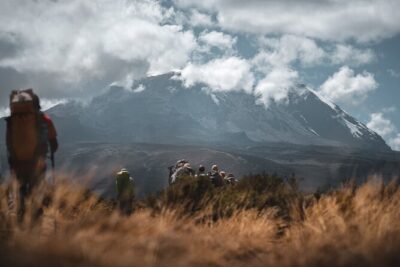
The best part of this six-day Kilimanjaro climb is the changing scenery. You begin in forest, cross the open Shira Plateau, pass volcanic rock and high-altitude desert, then reach the icy summit of Uhuru Peak at 5,895 meters. The route feels like several different worlds stitched into one hard week.
I like two things right away. First, this private format gives your group direct support from the guides rather than forcing you to match the pace of a large party. Second, the route offers strong acclimatization, with a useful high-point walk to Lava Tower before sleeping lower at Barranco Camp. The main consideration is simple: six days is a serious schedule, and the summit day combines a long night climb with a long descent.
Key points before you book
- A private climb from Moshi: Only your own group participates, with pickup and return transportation included.
- Five climatic zones in six days: The route moves from cultivated lower slopes and forest toward moorland, alpine desert, and the summit zone.
- Lava Tower and Barranco Wall: Day three provides a high-altitude acclimatization walk, while day four includes the route’s famous steep Barranco section.
- A demanding summit day: You climb from Barafu Camp at 4,700 meters to Uhuru Peak, then descend all the way to Mweka Camp.
- A full mountain support team: Guides, porters, a cook, and a waiter are included, along with tents, mattresses, meals, boiled water, and basic safety equipment.
- A strong record of praise for organization: Names that appear in the operating team include Teacher, Haji, Joeffrey, Musa, William, Felix, Jamleck, Juma, Fabian, and Chris, though your own crew may differ.
Why Machame is the scenic choice
Machame approaches Kilimanjaro from the southwest and descends through Mweka. That one-way design lets you see more of the mountain than a simple out-and-back route. You do not return over the same ground, and the views change each day.
The route is known as the Whiskey Route, a nickname that hints at its tougher character compared with the Marangu trail. The comparison is useful, but do not mistake Machame for an extreme technical climb. It is a trekking route, not a rock-climbing expedition, though some sections are steep and tiring.
I especially like the way the route uses walk high, sleep low opportunities. On day three, you climb toward Lava Tower at about 4,000 meters, then descend to Barranco Camp at roughly 3,950 meters. That short-term exposure to greater altitude gives you useful acclimatization before the summit push.
The tradeoff is popularity. Machame is scenically beautiful, but it is also one of Kilimanjaro’s busiest routes. At crowded points, the feeling of isolation can fade. A private booking gives you a private group, not a private mountain.
More Kilimanjaro routes:
- Kilimanjaro climb by Lemosho Route (7-day)
★ 5.0 · 651 reviews - Kilimanjaro climb, Machame Route (7-day)
★ 5.0 · 262 reviews - Kilimanjaro Climbing Lemosho Route 8 Days.
★ 5.0 · 186 reviews
Day 1: Machame Gate to Machame Camp
The climb begins with transportation from your hotel in Moshi to the mountain’s starting point. The listed start time is 8:00 a.m., and return transportation is included at the end of the trek.
From an elevation of about 1,830 meters, you walk 11 kilometers to Machame Camp at 3,050 meters. The expected walking time is five to six hours. This is a full first day, but it gives you a gradual introduction to the trail rather than throwing you straight into a steep high-altitude section.
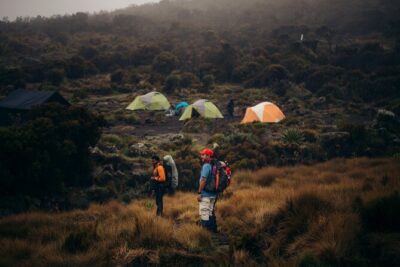
The first day takes you through the lower forest zone. Expect a damp, green setting, uneven paths, and a steady uphill grade. The distance is not huge by ordinary hiking standards, but the altitude gain matters. You will want to begin slowly and keep your pace controlled from the start.
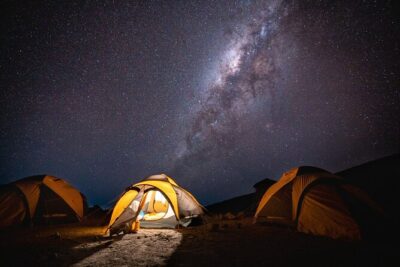
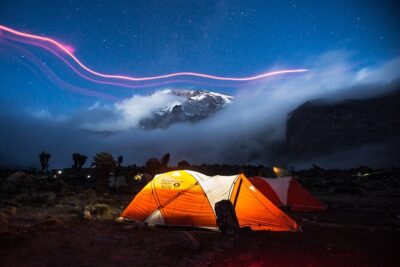
At camp, the crew prepares the sleeping and dining setup. Tents, mattresses, a mess tent, tables, mini camping chairs, and eating utensils are included. Meals begin on the mountain with breakfast, lunch, and dinner provided as part of the package.
Day 2: Machame Camp to the Shira Plateau
Day two is shorter but steeper. You walk five kilometers from Machame Camp at 3,050 meters to Shira Camp at 3,850 meters, with four to five hours on the trail.
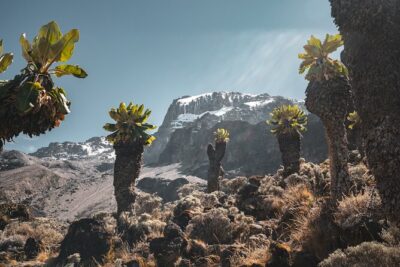
The forest begins to thin as you move into higher moorland. This is one of the first days when the mountain opens up around you. The Shira Plateau is a broad volcanic area, and its open views are one of Machame’s main rewards.
You gain about 800 meters, so a slow rhythm matters. The route is physically demanding because the trail rises sharply in places. Your guide should help keep the pace sensible, and the private setup makes it easier to raise concerns early if you are tiring or feeling the altitude.
Shira Camp can feel exposed after the shelter of the forest. That is part of its appeal, but it also means colder conditions and less protection from wind. Your included tent and dining arrangements make camp life more practical, yet this is still a basic mountain camp, not a lodge.
Day 3: Lava Tower and the Barranco Camp descent
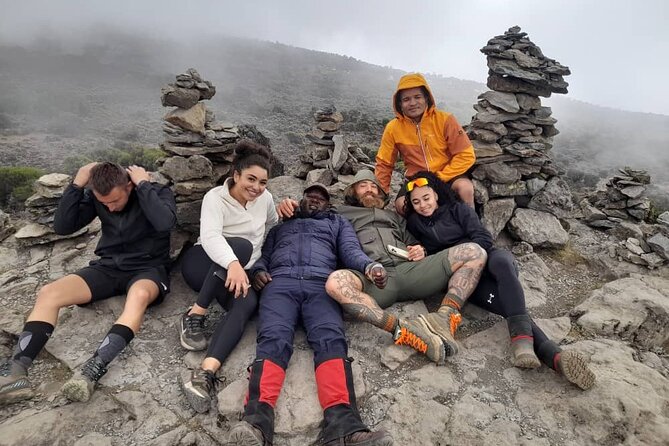
This is the most strategically useful day of the trek. You leave Shira Camp at 3,850 meters, climb toward Lava Tower at around 4,000 meters, and then descend to Barranco Camp. The total distance is about 10 kilometers, with five to six hours of walking.
An optional scramble up Lava Tower is listed as part of the experience. The word optional matters. If you have the energy and conditions are suitable, this section gives you extra height and memorable volcanic scenery. If you are tired or affected by altitude, the more important goal is reaching camp safely and preserving energy for later.
The route then drops toward Barranco. That high-then-lower pattern is valuable for acclimatization. You spend time at altitude during the day but sleep lower than Lava Tower, giving your body a better chance to adjust.
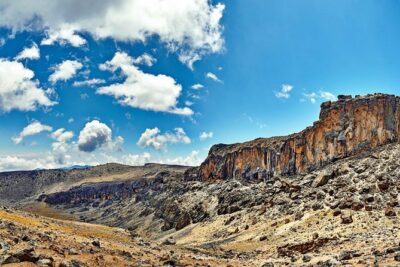
Barranco Camp sits beneath the famous Barranco Wall. This is a dramatic setting, with steep volcanic cliffs and wide views across the southern side of Kilimanjaro. It is also a good reminder that the summit is not the only attraction. Several parts of this trek are visually striking long before summit night.
More six day trips in Moshi & Kilimanjaro:
- Kilimanjaro climb, Lemosho Route (6-day)
★ 5.0 · 129 reviews - Kilimanjaro climb, Marangu route (6-day)
★ 5.0 · 72 reviews - 6 Days 5 Night Safari
★ 5.0 · 57 reviews - 6 Days Tanzania Classic Safari
★ 5.0 · 52 reviews
Day 4: Climbing the Barranco Wall to Barafu
Day four covers nine kilometers from Barranco Camp at about 4,000 meters to Barafu Camp at 4,700 meters. Expect six to eight hours of hiking.
The Barranco Wall is the day’s signature feature. You use hands as well as feet in places, but this is described as a scramble rather than a technical climb. The steep section can feel intimidating, especially when you look up at the route, but the guides and crew are there to support the group through it.
After the wall, the trail continues across the southern side of the mountain. You pass beneath Kilimanjaro’s southern ice field before reaching Barafu, the high camp used for the summit attempt.
Barafu means ice in Swahili, and the camp’s name gives you a sense of the environment. At 4,700 meters, conditions are colder and more demanding. This is not a day to waste energy. Eat what you can, drink the boiled water provided, and prepare for an early summit departure.
The listed itinerary gives no exact departure hour for the summit attempt. In practice, summit climbs usually begin during the night, but you should confirm the precise schedule with the operator before setting out. Your hiking time from Barafu to the summit is listed as five to seven hours, which is a wide range because pace, weather, and altitude affect every group differently.
Day 5: Uhuru Peak and the long descent
This is the hardest day by far. You climb five kilometers from Barafu Camp to Uhuru Peak, the summit at 5,895 meters, then descend 13 kilometers to Mweka Camp at 3,090 meters.
The ascent is slow and demanding. The cold, darkness, steep ground, and thin air work together to test your stamina. This is where the support of the mountain crew matters most. Several climbing accounts place special emphasis on guides such as Teacher, Musa, Haji, Joeffrey, William, and senior guide Jamleck, describing careful encouragement, steady organization, and close attention during difficult moments.
The package includes rescue equipment, pulse oximeters, and a first-aid kit. These provisions do not remove the risks of high altitude, but they show that the operator plans for routine monitoring and mountain emergencies. You should still tell the guide promptly about symptoms rather than trying to hide them to protect your summit attempt.
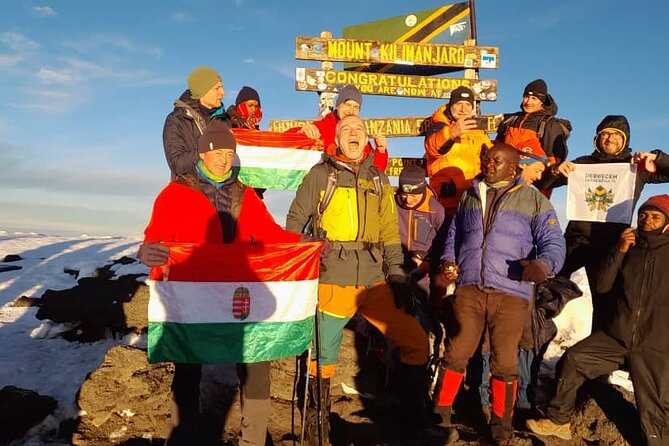
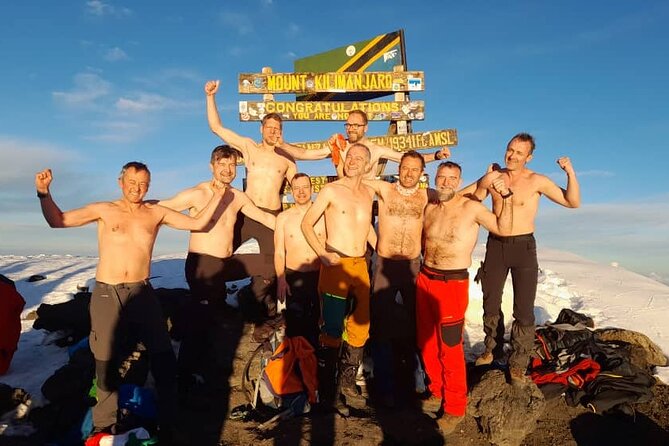
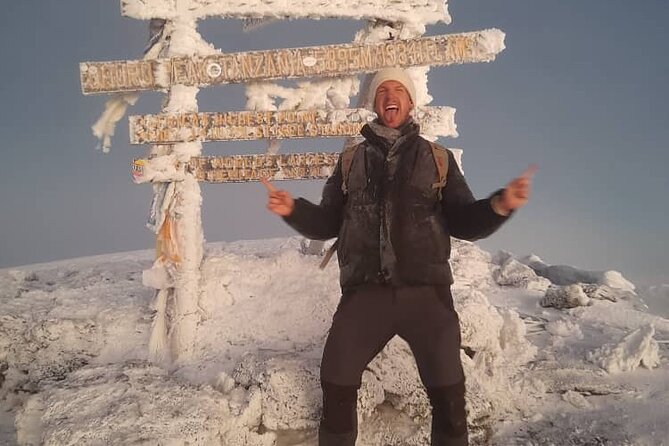
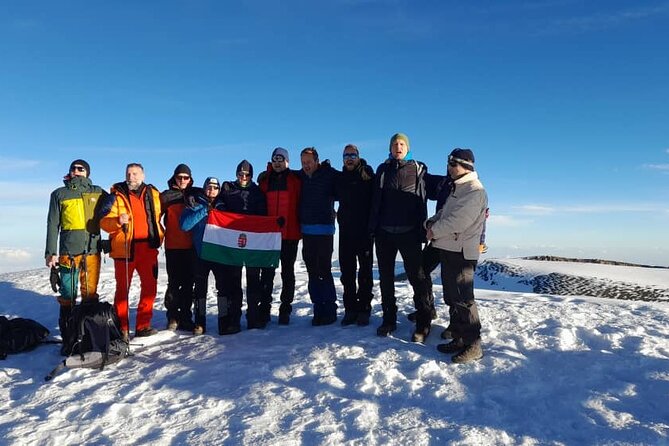
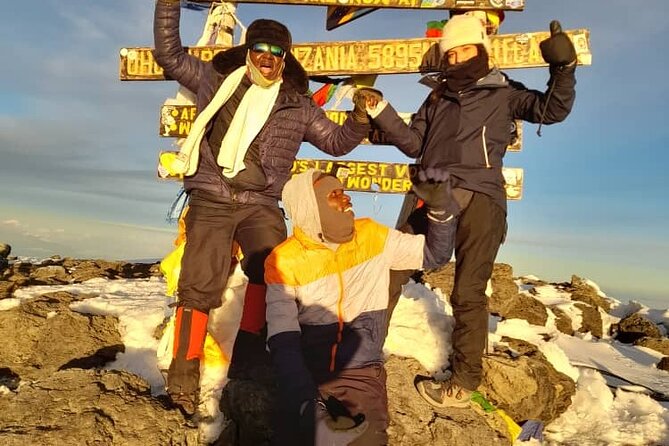
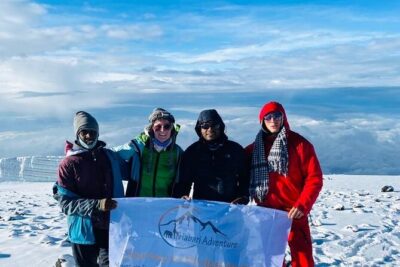
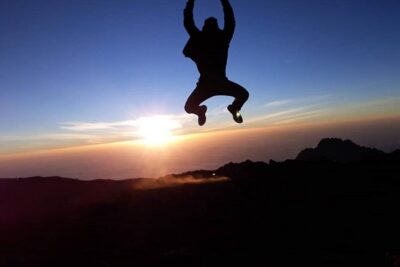
At Uhuru Peak, the reward is the top of Africa and the mountain’s broad high-altitude views. The summit stop itself may be brief because of the cold and the need to continue downhill. Do not judge the whole experience by how long you spend at the top. The real achievement is managing the complete route safely.
The descent to Mweka Camp is long and can be rough on tired knees. You lose more than 2,800 meters from the summit to camp. That downhill distance is easy to underestimate, especially after the summit climb. Trekking poles, if you use them, can be useful, though the listed equipment does not specify which personal items are supplied.
Day 6: Mweka Camp to the gate and Moshi
The final day covers 10 kilometers from Mweka Camp at about 3,090 meters to Mweka Gate at 1,680 meters. The expected walking time is three to four hours, followed by transportation back to your hotel in Moshi.
The vegetation becomes thicker again as you descend. After several days above the tree line, the return of forest feels like a real change, not just a lower elevation. Your legs may still be tired from summit day, but this section is shorter and less exposed.
At the gate, the mountain portion ends. The included return transportation takes you back to Moshi, completing the six-day schedule.
What the $1,999 price covers
At $1,999 per person, this is not a budget day tour. You are paying for a national park expedition with a support team, rather than simply buying a guided hike.
The price includes:
- Transportation from Moshi to the mountain and back
- National park fees
- Qualified guides, porters, a cook, and a waiter
- Tents and sleeping mattresses
- A dining or mess tent
- Tables, mini camping chairs, candles, and eating utensils
- Breakfast, lunch, and dinner on the mountain
- Boiled water
- A first-aid kit and pulse oximeters
- Rescue equipment
- Crew accommodation and entry fees on the mountain
- Climbing gear
That list gives the price real value, especially because park fees and crew logistics form a large part of any organized Kilimanjaro climb. You are also spared the work of arranging food, camp equipment, transport, and permits yourself.
The phrase climbing gear is broad, so ask what personal gear is included before you pay. The supplied information does not list individual items. You should also clarify exactly what the $50 tip note means. It says tips are not more than $50, so confirm whether this is a recommended total, a per-person amount, or a company limit.
Meals, camps, and daily comfort
The mountain setup is practical rather than luxurious. You sleep in tents on supplied mattresses and eat in a mess tent with the help of the cook and waiter. Tables and small camping chairs are included, which can make a real difference after several hours of walking.
All meals are covered, but no menu is specified. If you have allergies, dietary restrictions, or strong food preferences, tell the company before arrival. The same goes for drinking needs, since boiled water is included but bottled water is not mentioned.
The private format is useful here. Your guide can hear concerns about food, pace, or equipment without trying to manage a very large party. The group still depends on shared mountain facilities and a working crew, so private does not mean customized in every detail.
How the guide team affects the experience
The strongest theme in the available feedback is personal support. People repeatedly single out the company’s organizer, Edward, also called Teacher in several accounts, for clear planning and quick replies before arrival. That matters because Kilimanjaro preparation involves many questions about route choice, fitness, clothing, and timing.
Specific guides named in the accounts include Haji, Joeffrey, Musa, William, Felix, Jamleck, Juma, Fabian, and Chris. I would not assume you will receive any particular person, but the repeated praise for named crew members suggests that the guiding experience is central to this company’s service.
A private climb is best for people who want close attention, including first-time high-altitude hikers and families or friends who prefer to move together. One account describes a father and child climbing together, while another private group chose the format because the climbers were relatively new to this kind of trek.
Still, a guide cannot guarantee a summit. Weather, altitude, illness, and fatigue remain real factors. The best operator is one that helps you make safe decisions, not one that promises a result at any cost.
Who should choose this six-day route
This trip suits you if you:
- Have a moderate level of physical fitness
- Can handle five to eight hours of walking on several days
- Want a scenic route rather than the shortest possible approach
- Prefer a private group
- Value included transport, meals, equipment, and crew support
- Are prepared for a long summit day and a major descent
- Want strong acclimatization features without extending the trip to seven days
It may not suit you if you want a relaxed holiday with plenty of spare time. Six days is the shorter version of the Machame trek, and the schedule leaves little room for a slow recovery if you struggle early.
The seven-day Machame option is worth asking about if your schedule and budget allow. The supplied information includes a seven-day booking from the same operator, but it does not provide that itinerary or price. Do not assume it has identical services. Ask for the added day’s route and cost.
Practical booking details
Pickup is offered, and the stated meeting time is 8:00 a.m. The activity begins in Moshi and ends with transportation back to your hotel after the Mweka Gate descent.
Confirmation is provided at booking. The starting point is near public transportation, though your included pickup makes that less important.
The activity is private, so only your group participates. The advertised price is $1,999 per person, and free cancellation is available if you cancel at least 24 hours before the local start time. Cancellations inside 24 hours are not refunded, and late changes are not accepted.
Should you book the Machame climb?
Book this trip if you want a well-supported private route with excellent scenery, full mountain meals, camp equipment, guides, porters, and park fees bundled into one price. The high point at Lava Tower, the Barranco Wall, the southern ice fields, and the descent through Mweka give the six days plenty of variety.
Think twice if you want the gentlest possible acclimatization plan or dislike crowded trails. Machame is popular, physically demanding, and especially tough on summit day. Before booking, confirm the exact climbing gear supplied, the crew tipping arrangement, the summit departure time, and any food requirements.
For a fit person who accepts the work involved, this is a strong Kilimanjaro package. It puts the focus where it belongs: steady walking, careful altitude management, good mountain support, and the chance to reach Africa’s highest point with your own small group.
FAQ
Where does the Kilimanjaro climb begin?
The experience begins in Moshi, Tanzania, with transportation from your hotel to the mountain’s starting point.
What time does the tour start?
The stated start time is 8:00 a.m.
Is this a private tour?
Yes. Only your group participates in the activity.
How long is the Machame Route climb?
The climb lasts approximately six days.
What is the highest point reached?
The summit day reaches Uhuru Peak at 5,895 meters, or 19,340 feet.
Are meals included?
Yes. Breakfast, lunch, and dinner are included throughout the mountain portion of the climb.
Is mountain equipment included?
Climbing gear is listed as included, but the supplied information does not give an itemized equipment list. Ask the operator what specific personal gear is covered.
What is the cancellation policy?
You can receive a full refund if you cancel at least 24 hours before the local start time. Cancellations or changes made within 24 hours are not accepted, and the amount paid is not refunded.
Newly listed around Moshi & Kilimanjaro
- Climb Mount Kilimanjaro: 7 Days Machame Route★ 5.0 · 3 reviews
- 6 Days Mount Kilimanjaro Climbing via Rongai Route★ 5.0 · 3 reviews
- Explore 1 day Ngorongoro Crater Budget Group Safari from Arusha★ 5.0 · 3 reviews
- Mt. Kilimanjaro Day Hiking★ 5.0 · 3 reviews
- Chemka (Kikuletwa) Hot Springs, Tanzania★ 5.0 · 3 reviews
- Guided City tour of Moshi★ 4.3 · 3 reviews
- 8 Day Tanzania Family Safari★ 5.0 · 3 reviews
- Serengeti Safari with Sirikwa Travel★ 5.0 · 3 reviews
Kilimanjaro Climbs, compared.
Browse the lists this tour appears in