
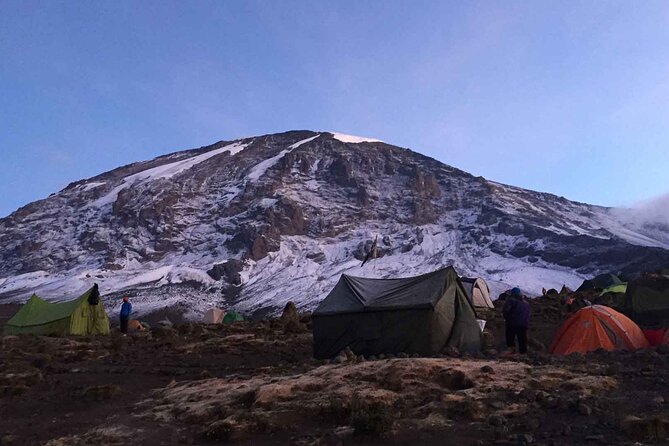
Reviewed · KILIMANJARO CLIMBS
6 Days MARANGU ROUTE (Kilimanjaro Trekk)
Kilimanjaro gives you six ecological zones in one hard-working week, from thick rainforest to the cold arctic zone near Uhuru Peak, Africa’s highest point at 19,340 feet. This six-day Marangu Route plan uses huts rather than ordinary tent camping, with a full acclimatization day at Horombo.
I like the built-in rest day, which gives your body a better chance to handle the altitude, and I like the steady hut-to-hut route with meals, park fees, safety equipment, guides, and accommodation included. Guides named in the booking’s past trip accounts include William, Sanke, and Rama, though your assigned team may differ.
The main caution is the altitude and the demanding summit day. There is also a wording mismatch: the tour description refers to Machame Route and signature camping, while the day-by-day plan clearly describes the Marangu Route and hut stays. Confirm the exact route and sleeping arrangements before you pay.
Key points to know before you book
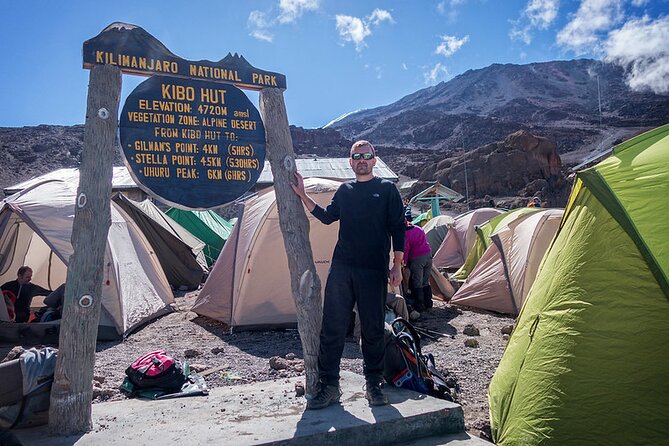
- A six-day Marangu schedule: You walk from Marangu Gate to Mandara Hut, Horombo Hut, Kibo Hut, Uhuru Peak, and back to the gate.
- One acclimatization day: Day three at Horombo lets you rest or take a short walk to Zebra Rocks before the high-altitude push.
- Four major altitude changes: Sleeping elevations rise from about 2,700 meters at Mandara to 3,700 meters at Horombo and 4,700 meters at Kibo.
- A serious summit night: You begin in the early hours, reach Uhuru Peak near sunrise, then descend to Kibo and Horombo.
- A bundled price: The $1,980 cost includes park fees, meals, safety equipment, camping equipment, a professional guide, accommodation, and taxes.
- A small evidence base: The supplied rating summary is 5 out of 5 from five ratings, with strong praise for guide care, organization, and summit support.
What the six-day Marangu Route really offers
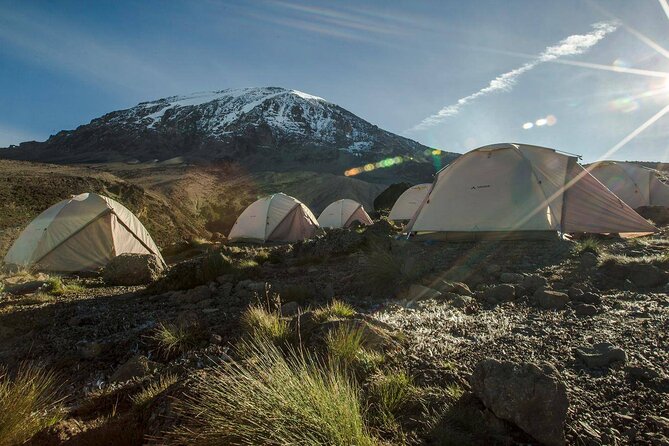
The Marangu Route is often chosen because its stages are easy to understand. You walk uphill through changing plant zones, sleep at established huts, and finish with the mountain’s toughest test: the pre-dawn climb to Uhuru Peak.
That simple structure has real value. You do not need to move a tent from camp to camp yourself, and you have a rest day before the summit attempt. Still, this is not an easy walk. The route reaches nearly 4,700 meters before the summit, and altitude can affect a fit person just as quickly as someone who is less active.
The supplied information calls the trip a six-day trek, although the itinerary uses approximate walking times rather than exact start and finish hours for each day. The meeting time is listed as 9:00 a.m., with pickup offered in Moshi. Ask the operator to confirm where pickup happens and when the first hike actually begins.
The group limit is listed as 100 people. That is a large possible maximum, so ask about the usual group size and guide-to-climber ratio. A smaller group can make pacing, communication, and health checks easier.
More Kilimanjaro routes:
- Kilimanjaro climb by Lemosho Route (7-day)
★ 5.0 · 651 reviews - Kilimanjaro climb, Machame Route (7-day)
★ 5.0 · 262 reviews - Kilimanjaro Climbing Lemosho Route 8 Days.
★ 5.0 · 186 reviews
Day 1: Marangu Gate to Mandara Hut at 2,700 meters
Your climb begins at Marangu Gate, where park formalities are completed and you meet the guides and porters. The first walking section runs for about 8 kilometers and takes roughly eight hours according to the schedule, although the day is described as relatively easy.
The reward is the rainforest. This first ecological zone feels lush and shaded, with unusual plants, birds, and the possibility of seeing monkeys. It is a good opening because the scenery changes quickly and the climb begins at a manageable pace.
Mandara Hut sits at about 2,700 meters. That is high enough for altitude to begin mattering, even if your legs still feel fresh. Keep the evening simple: eat, drink, organize your bag, and sleep. You do not gain anything by rushing around camp.
The use of the word camping equipment in the inclusions may cause confusion here. The daily plan names Mandara, Horombo, and Kibo huts, while the overview describes deluxe tents and signature camping. Get a direct answer about beds, tents, bedding, and bathroom arrangements before departure.
Day 2: Heathland, Mawenzi views, and Horombo Hut
After breakfast, the route leaves the rainforest and enters the heathland zone. The walk covers about 12 kilometers and ends at Horombo Hut, around 3,700 meters above sea level.
This is a larger altitude jump than the first day, and you may notice the difference in your breathing and pace. Take the guide’s advice to heart: walk slowly, drink regularly, and do not treat an early burst of energy as proof that altitude will not affect you later.
One of the day’s special features is the view toward Mawenzi Peak. Kilimanjaro is made up of more than one dramatic volcanic form, and Mawenzi gives the route a sharp, rugged focal point beside Kibo.
Horombo is important for more than its views. It becomes your base for the acclimatization day, so reaching it is a major step. This is also where the trip begins to feel less like a long mountain walk and more like an altitude expedition.
Day 3: A useful rest day at Horombo
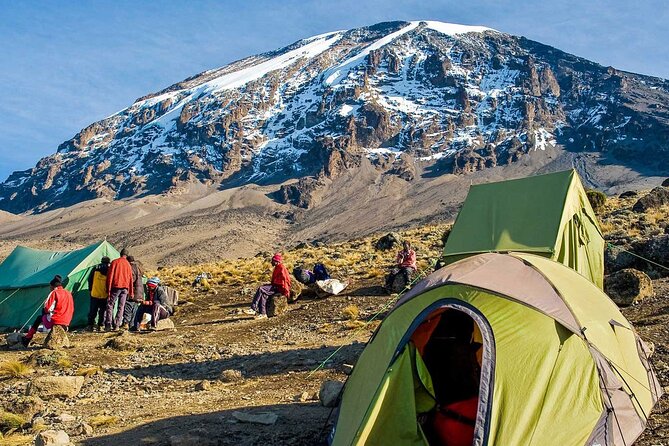
A rest day is one of the strongest parts of this itinerary. You can stay at Horombo Hut or take a short hike to Zebra Rocks, using the extra time to help your body adjust before going higher.
The schedule gives this day about seven hours, but the actual point is not to fill every hour with walking. The Zebra Rocks option offers scenery and a modest way to keep moving. If you feel tired, resting is the better choice.
This day also gives you time to check your gear. Make sure your warm layers, gloves, head protection, water, and personal items are ready for the colder sections ahead. The information provided says safety equipment is included, but it does not list each item. Ask what the operator supplies and what you must bring yourself.
The altitude plan is sensible, but no schedule can guarantee a successful summit. Pay attention to headache, nausea, unusual tiredness, or other symptoms, and tell your guide promptly. The strongest praise in the supplied trip accounts goes to guides who checked climbers’ health and mood carefully. That kind of attention matters more than a fast pace.
More six day trips in Moshi & Kilimanjaro:
- Kilimanjaro climb, Lemosho Route (6-day)
★ 5.0 · 129 reviews - Kilimanjaro climb, Marangu route (6-day)
★ 5.0 · 72 reviews - 6 Days 5 Night Safari
★ 5.0 · 57 reviews - 6 Days Tanzania Classic Safari
★ 5.0 · 52 reviews
Day 4: Horombo to Kibo Hut at 4,700 meters
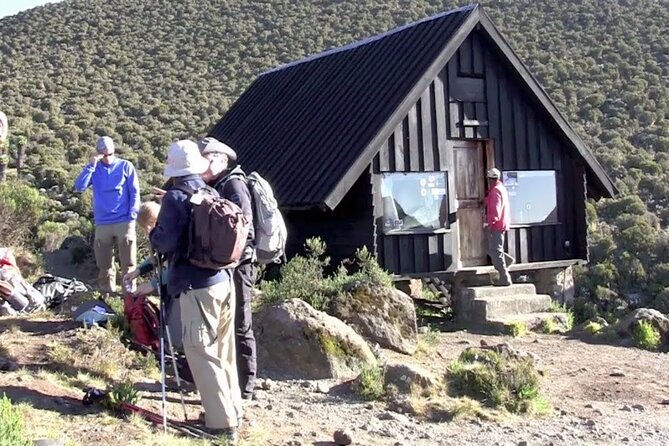
Day four takes you across the saddle between Mawenzi and Kibo. The rainforest and heath are now gone, replaced by the sparse alpine desert zone. The scenery becomes more open, quieter, and harsher as the air thins.
The day covers about eight hours and ends at Kibo Hut, roughly 4,700 meters high. This is a major test because the elevation, not just the distance, makes the walking difficult.
You will likely need to slow down. Keep your effort even, follow the guide’s pace, and drink as advised. The information specifically highlights pacing and hydration here, and that is practical advice rather than a minor detail.
Kibo is where you prepare for the summit push. Eat what you can, arrange your clothing, and rest. The next climb begins in the early hours, so do not expect a normal night of sleep. The itinerary does not state an exact departure time, but it does say the ascent is planned to reach Uhuru Peak before sunrise.
Day 5: Uhuru Peak, Kibo Hut, and Horombo
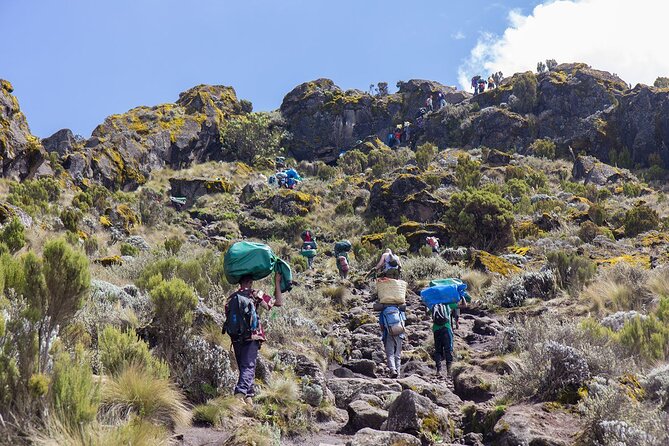
This is the day that defines the trek. You start in darkness and climb toward Uhuru Peak, aiming to arrive near sunrise. The route is physically and mentally demanding, especially after sleeping at Kibo’s high elevation.
The summit is the high point of Kilimanjaro and the highest point in Africa. Reaching it is a major accomplishment, but the day is not finished when you take your summit photos. You descend to Kibo Hut, then continue down to Horombo Hut for the night.
That double descent is important when judging the itinerary. The schedule lists the day as about eight hours, but the summit section plus the return to Horombo can feel long because it follows the hardest climb. Ask how the operator handles the pace if some members need to turn back or descend more slowly.
The supplied trip accounts place strong emphasis on professional guides, encouragement, and safe return. Sanke is named as a guide on one Marangu climb, while Rama is described as supporting a successful Uhuru Peak attempt on a different route. William is also credited with helping a group commit to the six-day plan. These names show the kind of staff experience associated with the operator, but they do not guarantee that one of them will lead your trek. Request your guide names before departure if that matters to you.
Day 6: Horombo Hut back to Marangu Gate
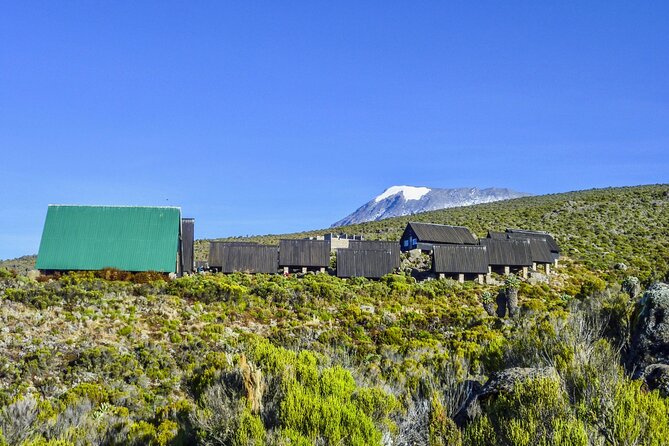
The final day descends from Horombo to Marangu Gate through the heathland and rainforest zones. It is listed as about five hours, making it much shorter than summit day, though tired knees can make downhill walking surprisingly demanding.
The return offers one last look at the ecological changes you crossed on the way up. You might spot colobus monkeys or birds in the lower forest. This is a good time to slow down and enjoy the return rather than treating the gate as the only goal.
At Marangu Gate, you receive summit certificates and say goodbye to the guides and porters. The emotional finish can be strong, but remember to keep a little energy for practical matters such as collecting your personal gear and confirming transport back to Moshi.
Hut accommodation, meals, and what the price covers
The listed price is $1,980 per person. That is a substantial amount, but the package includes several large costs: Kilimanjaro National Park fees, meals, all fees and taxes, safety equipment, camping equipment, a professional guide, and accommodation.
The value depends on what you would otherwise have to arrange yourself. Park fees and mountain logistics can make up a large part of a Kilimanjaro trip, and having guides and porters organized in advance reduces the amount of planning you must do.
The package does not include a visa, travel insurance, personal gear, or tips. Personal gear can be a serious extra cost if you need cold-weather clothing, sturdy footwear, a sleeping bag, or other mountain equipment. The supplied information does not specify which personal items are required, so request a complete packing list.
Meals are included, but no menu or dietary details are provided. If you have food restrictions, ask how they are handled before booking. Also confirm if water is included or if you must arrange your own supply, since the itinerary stresses hydration but does not spell out the water plan.
The references to signature camping and deluxe comfort deserve a careful check. The actual daily stops are huts, not named tent camps. This does not make the trip poor value, but it does make it important to confirm exactly what your $1,980 buys.
Guides, porters, and the human side of the climb
A Kilimanjaro guide is not just a person who points uphill. Your guide controls pace, watches for altitude problems, explains the mountain, and makes decisions when someone is struggling.
The strongest praise attached to this operator focuses on dedication, organization, health checks, and getting the group to the summit and back safely. Sanke, Rama, and William are the named staff connected with particularly positive experiences, though your own crew may be different.
You should ask how many guides and porters will support your group, who the chief guide is, and how medical or altitude concerns are handled. The booking says a professional guide is included, but it does not give a full staffing plan.
Tips are not included. The information does not state an amount, so do not rely on a fixed figure from this description. Ask the operator for its current tipping guidance, and budget for it as part of the trip cost.
Who should choose this trek?
I would look at this route if you want a structured Kilimanjaro climb with a clear acclimatization day, established overnight stops, and a package that handles the main park and guiding costs.
It suits someone who can walk for long hours on consecutive days and accept a very early summit start. You do not need technical climbing skills according to the information provided, but you do need preparation, patience, and the willingness to turn around if your health requires it.
It may not suit you if you want a relaxed holiday, dislike cold and altitude, or prefer a route with no major overnight summit push. The six days are demanding even though the first and final days are gentler.
The route can also suit first-time high-altitude hikers who want strong staff support. One account describes a first-time climber reaching the summit safely with guide assistance, but that should encourage preparation, not overconfidence.
Booking details and cancellation
Pickup is offered, the meeting time is listed as 9:00 a.m., and the tour is based in Moshi, Tanzania. Confirmation is received at booking, and the activity is listed as being near public transportation.
Free cancellation is available if you cancel at least 24 hours before the local start time. Cancellations made inside that window are not refunded, and changes made less than 24 hours before the start are not accepted.
The maximum group size is listed as 100 people. Since that number is large, ask for the expected group size before booking if you care about a quieter or more personal climb.
Should you book the six-day Marangu Route?
Book it if the combination of hut-based stages, a full acclimatization day, and included park and guide costs fits your priorities. The schedule gives you a straightforward route to Kilimanjaro’s summit, and the staff accounts point to strong support from guides such as Sanke, Rama, and William.
Before paying $1,980, clear up the route description and accommodation wording. Ask whether you are doing Marangu, whether you sleep in huts or tents, what safety equipment is supplied, how large the group will be, and what meals and water arrangements are provided.
If those answers are clear, this can be a sensible choice for a well-supported first Kilimanjaro attempt. If the operator cannot explain the Machame and Marangu references, pause and get the details in writing.
FAQ
Where does the six-day Kilimanjaro trek take place?
The trek is based in Moshi, Tanzania, and starts at Marangu Gate in Kilimanjaro National Park.
What time does the experience start?
The listed start time is 9:00 a.m. Pickup is offered, but the exact pickup location should be confirmed when booking.
How long is the trek?
The experience lasts approximately six days.
Which route does the daily schedule follow?
The daily schedule follows the Marangu Route, with stops at Mandara Hut, Horombo Hut, Kibo Hut, Uhuru Peak, and Marangu Gate.
Is there an acclimatization day?
Yes. Day three is spent at Horombo Hut, where you can rest or take a short hike to Zebra Rocks.
What is the highest point reached?
The trek aims for Uhuru Peak, the highest point in Africa, listed here at 19,340 feet.
What is included in the price?
The $1,980 price includes park fees, safety equipment, meals, all fees and taxes, camping equipment, a professional guide, and accommodation.
What is not included?
A visa, travel insurance, personal gear, and tipping are not included.
Can I cancel for a full refund?
Yes, if you cancel at least 24 hours before the experience start time. Cancellations made less than 24 hours before the start are not refunded.
Newly listed around Moshi & Kilimanjaro
- Climb Mount Kilimanjaro: 7 Days Machame Route★ 5.0 · 3 reviews
- 6 Days Mount Kilimanjaro Climbing via Rongai Route★ 5.0 · 3 reviews
- Explore 1 day Ngorongoro Crater Budget Group Safari from Arusha★ 5.0 · 3 reviews
- Mt. Kilimanjaro Day Hiking★ 5.0 · 3 reviews
- Chemka (Kikuletwa) Hot Springs, Tanzania★ 5.0 · 3 reviews
- Guided City tour of Moshi★ 4.3 · 3 reviews
- 8 Day Tanzania Family Safari★ 5.0 · 3 reviews
- Serengeti Safari with Sirikwa Travel★ 5.0 · 3 reviews
Kilimanjaro Climbs, compared.








Browse the lists this tour appears in