
Reviewed · KILIMANJARO CLIMBS
6 days Machame route climbing Mt.Kilimanjaro
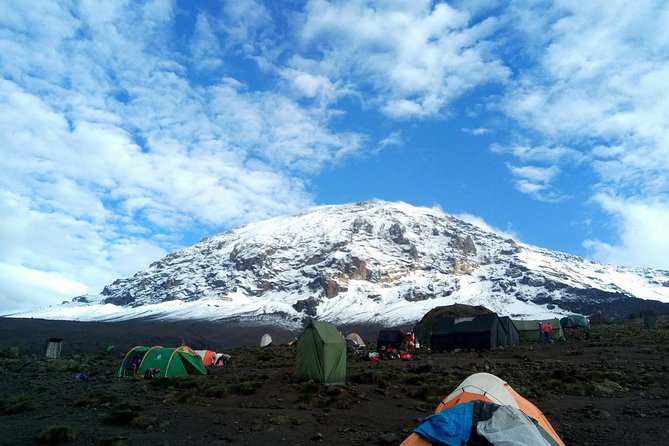
The Machame Route gives you Kilimanjaro in bold chapters: wet forest, open moorland, high volcanic rock, the Barranco Wall, and a freezing midnight push to Uhuru Peak. In six days, you cover about 78 kilometers, including a punishing summit day, so this is a serious mountain climb rather than a casual nature walk.
I like the route’s excellent acclimatization day at Lava Tower. You climb to about 4,630 meters, then sleep lower at Barranco Camp, giving your body a useful chance to adjust. I also like the strong practical package: airport transfers, two Moshi nights, park fees, tents, meals, treated water, porters, and emergency equipment are all covered.
The main drawback is the short schedule. Six days leaves less time for altitude adjustment than longer Kilimanjaro routes, and the summit day is particularly hard. You need good fitness, patience, and a willingness to walk slowly for hours in cold, thin air.
Key things to know before booking
- Uhuru Peak reaches 5,895 meters: The final push begins around 11:30 p.m. and can take about eight hours to the summit.
- The route changes character every day: Expect rainforest mud, moorland, rocky high ground, volcanic scree, ice, and forest on the descent.
- Lava Tower helps with acclimatization: You climb high for lunch, then descend nearly 680 meters to Barranco Camp.
- Barafu Camp has no water: Your last water stop is in the Karanga Valley, so drink and prepare carefully before moving on.
- The support package is broad: Guides, cooks, porters, hot meals, treated water, tents, sleeping mats, oxygen, and first-aid supplies are included.
- The group can reach 15 people: That is small enough for a shared mountain experience, though it is not a private climb unless arranged separately.
What the $2,290 price really covers
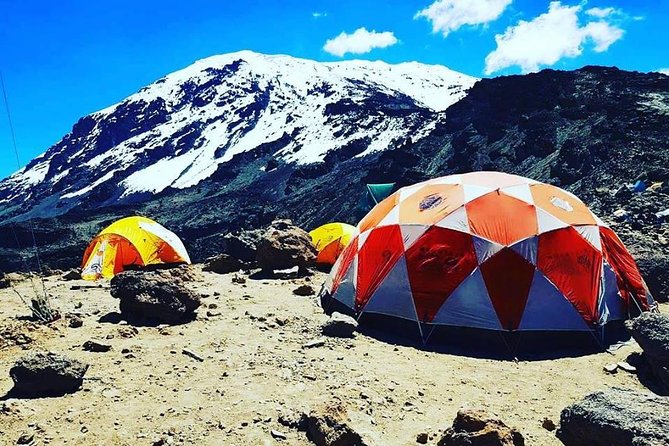
At $2,290 per person, this climb is priced as a full-service Kilimanjaro package rather than a bare hiking permit. The cost includes private transport between Kilimanjaro International Airport and your Moshi accommodation, two nights in Moshi, transport to and from the park gate, park entry fees, camping fees, rescue fees, taxes, tents, sleeping mats, guides, porters, a cook, meals, drinking water, hot washing water, oxygen, and a first-aid kit.
That list matters because Kilimanjaro costs can rise quickly once you add park charges, mountain staff, food, transport, and accommodation separately. Here, the main practical pieces are bundled together. The inclusion of 18 percent VAT and government taxes also makes the headline price easier to assess.
You still need to budget for flights, travel insurance, and tips for the guides, porters, and other mountain staff. The supplied details cut off the tipping line, so ask Kilisa for its current tipping guidance before departure. Do not treat tips as an optional afterthought. The porters carry the camp equipment and supplies that make this climb possible.
The package also includes portable oxygen tanks and an oxygen meter. These are useful safety tools, but they do not make altitude harmless. A good operator should monitor you, but you still need to report headaches, breathlessness, nausea, unusual tiredness, or confusion at once.
More Kilimanjaro routes:
- Kilimanjaro climb by Lemosho Route (7-day)
★ 5.0 · 651 reviews - Kilimanjaro climb, Machame Route (7-day)
★ 5.0 · 262 reviews - 8-Day Small-group Lemosho Kilimanjaro Summit Trekking
★ 5.0 · 186 reviews
Day 1: Machame Gate and the wet rainforest
Your morning begins with an early breakfast and pickup from your Moshi hotel. The drive continues to Machame Village, where you can buy mineral water and collect a packed lunch. Depending on road conditions, the vehicle may continue toward the gate, or you may walk roughly three muddy kilometers for about an hour before registration.
That road section is worth taking seriously. Rain can make it slow and slippery before the official hike even begins. Wear shoes with a firm sole, keep rain protection within reach, and protect anything in your daypack that must stay dry.
After registration, the trail enters montane forest almost at once. The day covers about 18 kilometers and takes around seven hours. You gain ground through thick, wet forest, with a packed lunch stop roughly halfway.
The forest is scenic, but this is not an easy warm-up. Rain can turn the path into mud, and slick roots or stones can slow you down. The day ends at Machame Camp, where the mountain staff prepare dinner and your tent becomes home for the night.
Your included four-season tent and double-layer sleeping mat are valuable here. Still, camping comfort is basic. You should expect cold nights, damp conditions, and a long first day on your feet.
Day 2: From forest to the open Shira Plateau
Day two starts at Machame Camp with breakfast and an early climb. You spend about an hour reaching the top of the forest, then continue for roughly two hours at a gentler grade through the moorland zone.
The route opens up as the trees thin. After lunch and a rest, you climb a rocky ridge toward the Shira Plateau. The day is shorter than day one, about nine kilometers and six hours, but the altitude becomes more noticeable.
At around 3,840 meters, Shira Camp is exposed and cold. You may see the Western Breach and its glaciers to the east, with Kibo, the main summit cone, farther ahead. The view gives you a real sense of the climb still to come.
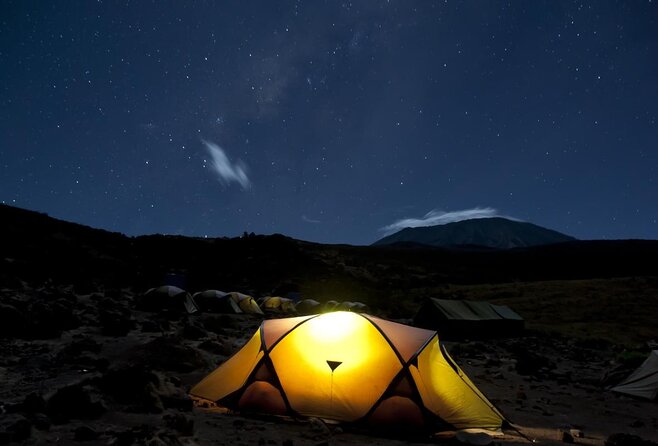
The porters boil water for drinking and washing before dinner. That is a small service with a large effect after a dusty or cold day. Temperatures can drop well below freezing at camp, so a warm sleeping bag and dry nighttime clothing are essential.
Day 3: Lava Tower, altitude symptoms, and Barranco
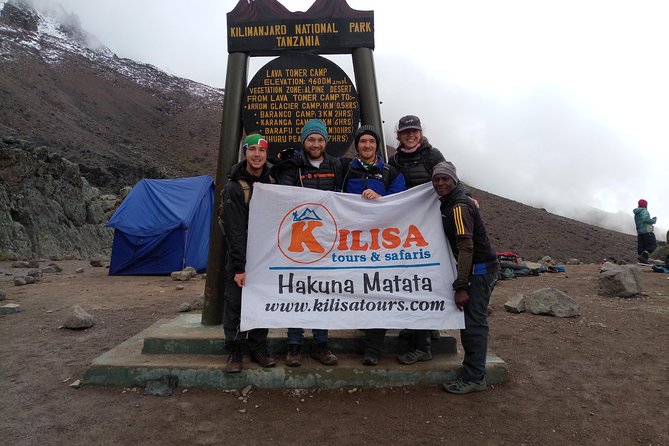
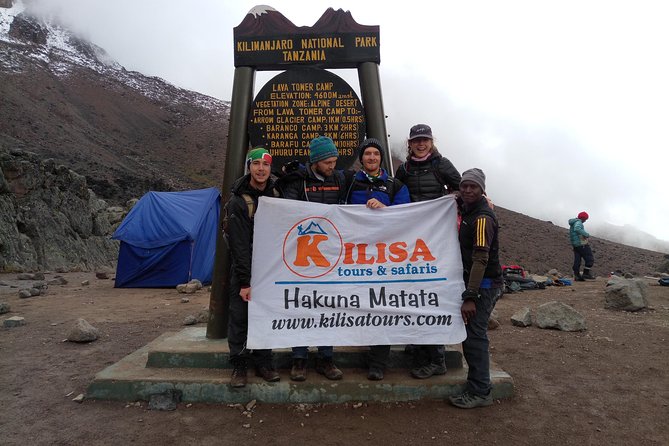
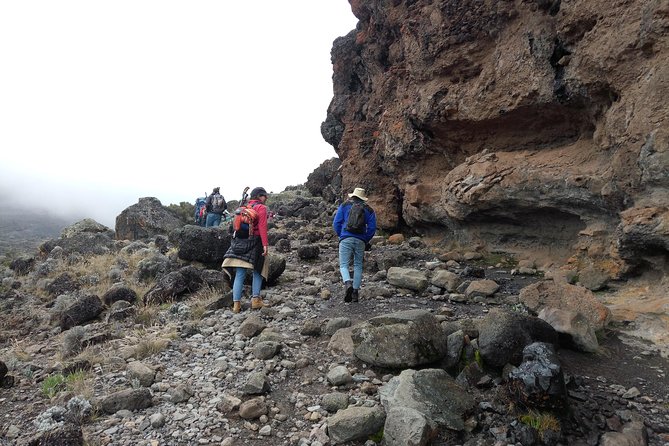
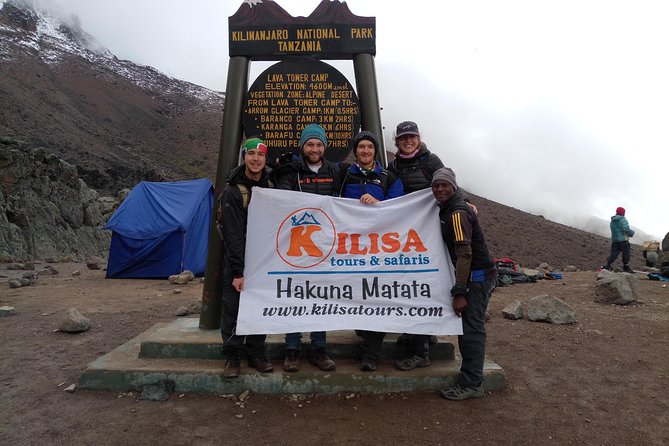
Day three is one of the most useful and difficult days on the route. You leave the Shira area and head east through semi-desert and rocky terrain toward Lava Tower. The total distance is about 15 kilometers, with roughly seven hours of hiking.
After about five hours, you reach Lava Tower at approximately 4,630 meters. Lunch is served in a designated area before the final rocky ascent. This is often where altitude starts to make itself known. Breathlessness, headaches, and irritability can appear, even in fit climbers.
Take these signs seriously. Walk slowly, drink the treated water provided, and tell your guide how you feel. Portable oxygen and an oxygen meter are carried as part of the safety equipment, but early reporting remains one of your best protections.
The smart part of this day is the descent. After reaching high altitude, you drop nearly 680 meters to Barranco Camp, which sits around 3,950 meters. That high climb followed by a lower overnight stop helps your body adjust better than simply sleeping at the highest point reached.
The descent to Barranco takes about two hours. It also brings dramatic views and a change in the terrain. By the time you reach camp, you will probably be tired, but this day has prepared you for the harder sections ahead.
More six day trips in Tanzania:
- Tanzania Wildlife Encounters – 6 Days
★ 5.0 · 277 reviews - Private 6-Day Tarangire Manyara Crater and Serengeti with Mid-Range Lodges
★ 5.0 · 238 reviews - 6 Days Private Budget Safari
★ 5.0 · 163 reviews - 6 Days Tanzania Budget Camping Safari
★ 5.0 · 145 reviews
Day 4: The Barranco Wall and Barafu Camp
The Barranco Wall looks intimidating from camp. The trail takes you up this large rocky obstacle, but the route is generally more manageable than its first appearance suggests. You need steady feet and careful attention, not technical climbing equipment based on the information provided.
Near the top, you reach a point below the Heim Glacier and get one of the most memorable views of the climb. The route then drops through the Karanga Valley, crossing several ridges and valleys before joining the Mweka route used for the descent.
The day covers about 13 kilometers and takes around seven hours. The final section climbs toward Barafu Hut, your high camp for the summit attempt. Barafu means ice in Swahili, and the name suits the cold, exposed setting.
There is no water at Barafu Camp. Your last water stop is in the Karanga Valley, so refill and organize what you need before leaving it. This is also the point to check your headlamp, warm layers, gloves, snacks, and daypack before the night climb.
The schedule at Barafu is unusual. You arrive, eat, and try to rest even though the summit push starts around 11:30 p.m. That short sleep window is one reason day five feels so severe.
Day 5: Stella Point, sunrise, and Uhuru Peak
Summit day is the test. After tea and biscuits, you leave around 11:30 p.m. and walk north-west through heavy scree toward Stella Point on the crater rim.
The ascent to Stella Point takes about six hours for many climbers. It is dark, cold, steep, and mentally demanding. The loose volcanic scree can make each step feel inefficient, so your guide will likely set a slow pace. This is not the time to race anyone.
At Stella Point, about 5,685 meters, you can stop briefly and watch the sunrise if the weather allows. This is one of the great rewards of the route, though clouds or poor conditions can block the view.
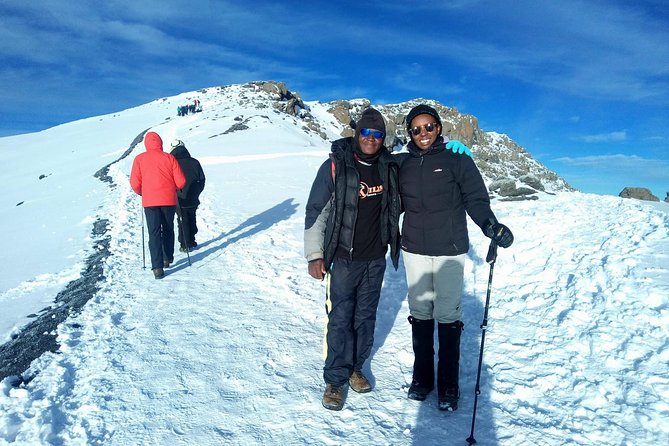
From Stella Point, you normally encounter snow on the roughly two-hour walk to Uhuru Peak. The summit stands at 5,895 meters. The approach covers only about seven kilometers, but altitude makes distance a poor measure of difficulty.
The complete day includes about eight hours to reach Uhuru Peak, followed by seven to eight hours of descent to Mweka Camp. That is an enormous day. You should expect to feel drained, and the descent is not simply a relaxed walk after the summit. Your knees, feet, and concentration still have work to do.
The route descends through changing volcanic terrain toward Mweka. Eat and drink when offered, even if your appetite has faded. At this altitude, your guide’s pace and judgment matter greatly, so stay close to the group.
Day 6: Mweka Camp, certificates, and the return to Moshi
The final morning brings a three-hour descent through forest, covering about 15 kilometers to Mweka Gate. After breakfast, the mountain team holds a celebration with singing and dancing.
This is also the customary time to give tips to the guide, assistant guides, cook, and porters. Keep some cash ready before the climb so you are not trying to organize it while tired and muddy.
At Mweka Gate, hikers sign their names to receive completion certificates. Reaching Stella Point earns a green certificate, while reaching Uhuru Peak earns a gold certificate. Afterward, you descend another hour, about three kilometers, to Mweka Village.
A hot lunch is served before the drive back to Moshi. The package includes two nights in Moshi, but the supplied schedule does not specify exactly how those nights are allocated. Confirm the hotel details and check whether your post-climb night is included as planned.
The return to a hot shower is part of the reward. So is the chance to eat without balancing a plate in a tent or counting every sip of water.
Guides, porters, food, and the human side
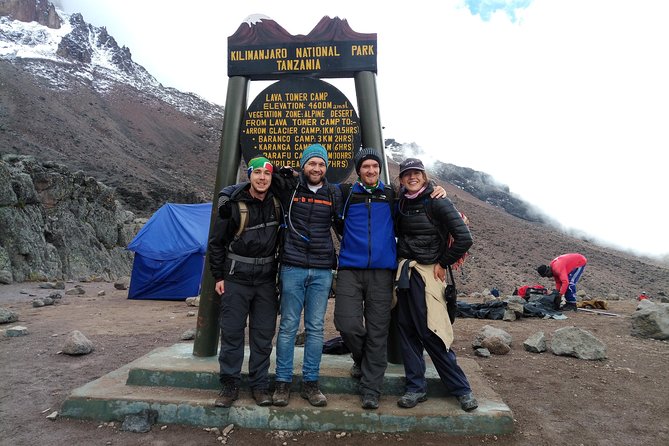
Kilisa provides mountain guides, assistant guides, porters, and cooks. The food package covers three hot meals daily on the mountain, with six breakfasts, five lunches, and five dinners listed. The supplied experiences repeatedly praise the team’s organization, friendly manner, food, airport support, and sense of safety.
That human support can shape your entire climb. A guide who answers concerns clearly, adjusts the pace, and watches for altitude trouble is far more important than a fancy tent. The company’s airport and Moshi support also received strong praise, including help from a driver named Nicholson, who showed one group around Moshi during spare time.
The booking contact Naick was praised for quick replies and useful advice. Juliana handled company responses and emphasized the team’s effort to make climbers feel safe and included. Guide names are not provided, so ask who will lead your group and what guide-to-climber ratio you can expect.
A group size of up to 15 is manageable, but it is not intimate. If you prefer a quieter pace or have specific health concerns, ask if a private departure is available and at what cost.
Safety, comfort, and what to pack
The package includes rescue fees, first-aid equipment, portable oxygen, an oxygen meter, treated and filtered water, and hot water for washing. These provisions show that the operator has planned for the basic demands of high-altitude camping.
Your own preparation still matters. Bring waterproof layers for the forest, warm clothing for Shira and Barafu, sturdy footwear, a headlamp for the midnight start, gloves, and enough personal items to stay comfortable in freezing conditions. The information provided does not list a full packing list, so request one before you go.
You should have a strong physical fitness level. The hardest features are the long first day, the altitude at Lava Tower, the Barranco to Barafu climb, and the summit day with its night ascent and long descent.
The experience begins at 8:30 a.m. on Kilimanjaro Airport Road, with pickup offered. Private airport transport to your Moshi accommodation is included, and the activity ends back at the meeting point after the return arrangements.
Free cancellation is available up to 24 hours before the start time for a full refund. Changes or cancellations made inside that window are not refunded, and poor weather may lead to a new date or a full refund.
Who should choose this climb?
Choose this route if you want a classic Kilimanjaro experience with varied terrain and strong support from a local operator. It suits fit hikers who are comfortable camping, walking for six to eight hours on most days, and handling a very long summit push.
It is less suitable if you want a relaxed schedule or have never prepared for altitude. A longer route may offer more adjustment time, but this six-day plan has the advantage of keeping the total trip shorter and the price easier to manage.
The experience also works well if you want airport help and Moshi accommodation included. That reduces the number of separate arrangements you need to make, especially after an international flight.
Should you book Kilisa’s 6-day Machame climb?
I would consider this a good-value package for a fit climber who accepts the demands of a short Kilimanjaro itinerary. The included transport, Moshi stays, mountain staff, food, water, park charges, rescue fees, and safety equipment cover most of the expensive essentials.
Book it if the six-day schedule fits your fitness and altitude plans, and if you are happy with a group of up to 15. Before paying, confirm the hotel names, tipping expectations, guide assignment, packing list, and exact airport pickup details.
If your priority is the best possible acclimatization odds rather than a shorter trip, ask Kilisa about a longer route. If you want a well-supported first attempt and understand that Uhuru Peak is never guaranteed, this Machame plan offers a clear, demanding path to Africa’s highest summit.
FAQ
How long is the Machame Route climb?
The climb lasts approximately six days. The hiking schedule includes about 18 kilometers on day one, followed by shorter approach days and a final summit and descent day.
What is the highest point reached?
The highest point is Uhuru Peak at 5,895 meters. Stella Point on the crater rim is at approximately 5,685 meters.
What time does the summit climb begin?
The summit attempt begins around 11:30 p.m. after tea and biscuits at Barafu Camp.
How difficult is the summit day?
The summit day involves about eight hours to reach Uhuru Peak and another seven to eight hours descending to Mweka. It covers roughly seven kilometers uphill and 23 kilometers downhill.
Are meals included?
Yes. Three hot meals daily are included while you are on the mountain. The package lists six breakfasts, five lunches, and five dinners.
Is drinking water provided?
Yes. Treated and filtered drinking water is provided throughout the trek. Hot water for washing is also included.
Are airport transfers and Moshi accommodation included?
Yes. Private transport between Kilimanjaro International Airport and your Moshi accommodation is included, along with two nights of accommodation in Moshi.
What happens if bad weather cancels the climb?
If poor weather causes cancellation, you will be offered a different date or a full refund. For standard cancellation, you must cancel at least 24 hours before the experience start time to receive a full refund.
Newly listed around Tanzania
- Prison Island, Sea Turtles, Rock Restaurant & Relax in Beach★ 4.6 · 3 reviews
- 5-Day Private Safari Tour in Tanzania’s Wildlife★ 5.0 · 3 reviews
- Zanzibar: Nungwi/Kendwa Beach Sunset Dhow Cruise with Fruits★ 3.4 · 3 reviews
- Climb Mount Kilimanjaro: 7 Days Machame Route★ 5.0 · 3 reviews
- Starfish Beach; The Rock; Kuza Cave; Paje Beach; Salaam Cave Tour★ 4.5 · 3 reviews
- 3 Days private safari Tarangire ,Ngorongroro crater &Manyara★ 5.0 · 3 reviews
- 3 Day Sharing Safari – Manyara, Ngorongoro Crater and Tarangire National Parks★ 5.0 · 3 reviews
- Mikumi Np Mid Range Tour 3 Days★ 5.0 · 3 reviews
Kilimanjaro Climbs, compared.








Browse the lists this tour appears in