
Reviewed · STONE TOWN TOURS
Zanzibar Stone Town Historical Tour and Spice Farm Tour
Zanzibar’s past and present meet neatly on this half-day outing. You move from the grand House of Wonders and the Sultan’s Palace to the sobering Old Slave Market, then out to Jambo Spice Farm, where cloves, cinnamon, cardamom, fruit, and lunch bring the island’s everyday culture into focus.
I like the private format, since guides such as Ali and Daudi can answer questions and adjust the pace. I also like the strong value: for $50 per person, you get transport around Stone Town, entrance fees, water, fruit, a traditional spiced meal, and a three-and-a-half-hour introduction to two very different sides of Zanzibar.
The main consideration is time. Stone Town’s narrow lanes and major sights can easily fill a morning, while the spice farm alone is allotted two hours. You will get a useful overview, but not a slow, exhaustive exploration of every museum room or market alley.
Key points to know before booking
- Two Zanzibar experiences in one outing: Pair historic Stone Town with a working spice farm rather than choosing between culture and food.
- Private guiding: Only your group takes part, with guides including Ali and Daudi named in the booking details.
- A serious history stop: The Old Slave Market and Anglican Cathedral give the tour emotional weight beyond sightseeing.
- Hands-on spice education: Pick, smell, and taste fresh produce while learning how cloves, cinnamon, and cardamom are grown and processed.
- Lunch is included: Water, fruit, and a traditional meal seasoned with local spices are part of the price.
- Stone Town pickup has limits: Hotel pickup and drop-off are included around Stone Town, while transport from places such as Paje may cost extra.
Why this pairing works in Zanzibar
Stone Town and a spice farm tell different parts of the same island story. Stone Town shows Zanzibar as a port shaped by sultans, trade, religion, and painful human exploitation. The farm shows the island through scent, soil, crops, food, and small-scale local knowledge.
That contrast is the reason I find this tour more useful than a Stone Town walk alone. You do not just look at old buildings. You also learn why Zanzibar became famous for spices and how those plants are grown and prepared.
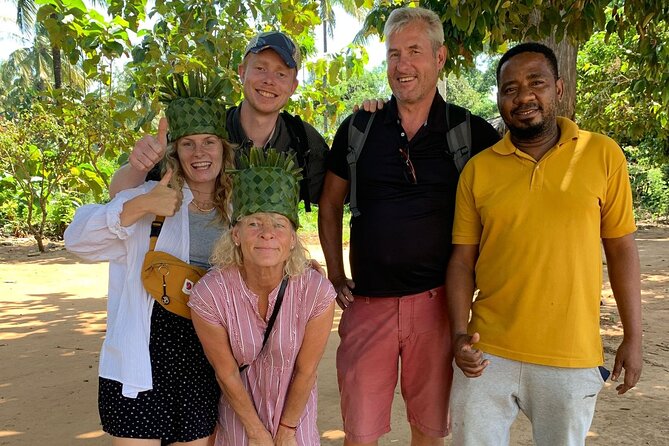
The tour is private, so you can ask for clarification without holding up a large group. That matters in Stone Town, where the story behind a doorway or carved detail may be more interesting than the building’s name. Ali is praised for arriving on time and driving safely, while Daudi is noted for giving clear explanations in both Stone Town and the farm.
At $50 per person, the cost is reasonable if you want transport, a guide, entry fees, food, and a private itinerary in one package. A simple walking tour may cost less, but it will not include the farm visit, lunch, or transfers. A separate spice farm trip can also add transport time and another booking to manage.
More History Tours in Zanzibar
- Zanzibar: Stone Town Historical Cultural Walking Guided Tour
★ 4.5 · 179 reviews - Stone Town Historical Walking Tour
★ 5.0 · 143 reviews - Stone Town’s Hidden History: Private Guided Walking Tour
★ 4.6 · 94 reviews
Starting around Forodhani and entering Stone Town
The activity begins at Forodhani in Stone Town and returns to the meeting point at the end. Hotel pickup and drop-off are offered for hotels around Stone Town, which is handy if you do not want to arrange a taxi before breakfast or navigate the old streets on your own.
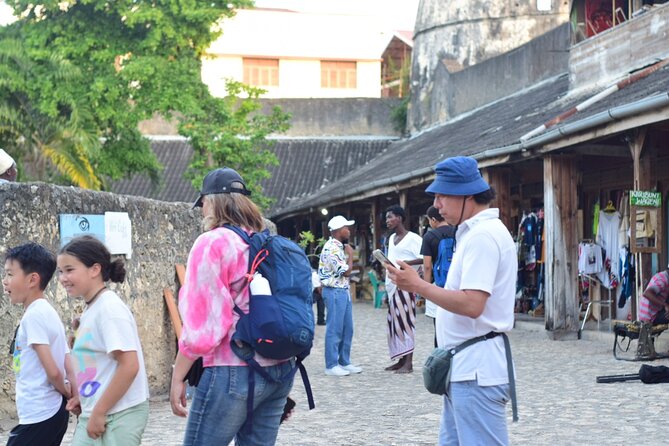
The exact order can vary, but the town portion includes several major landmarks. Expect to move through narrow streets, pause for explanations, and pass historic buildings rather than spend a long time inside every one.
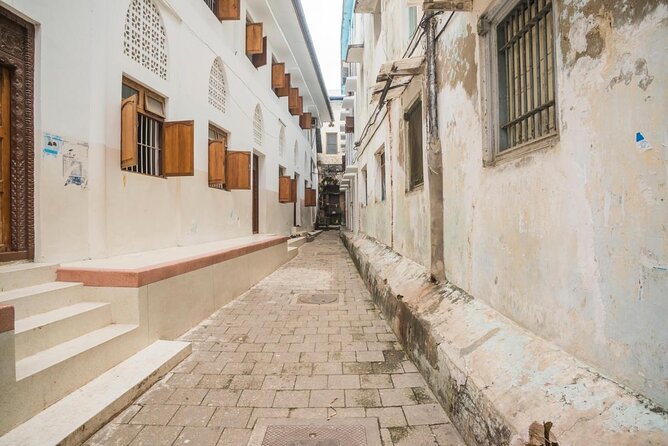
Stone Town is compact but not simple. The lanes bend, buildings sit close together, and the best way to understand the place is to connect the architecture with the people and trade that shaped it. A private guide can make that connection more clearly than a quick self-guided walk.
The short duration also means you should wear comfortable shoes and keep your expectations realistic. This is an introduction to Stone Town, not a full-day architectural study.
The House of Wonders and Zanzibar’s public face
The House of Wonders is one of the tour’s key exterior landmarks and a useful place to begin thinking about Zanzibar’s political and cultural past. Its scale and formal architecture point to the importance of the sultanate and the island’s links with the wider Indian Ocean world.
You will learn about its cultural role and see exhibitions connected with Zanzibar’s heritage. The supplied details do not specify a separate visit length for this stop, so expect the guide to fit it into the wider Stone Town schedule.
I would pay attention to the building’s setting as much as the structure itself. In a compact old town, grand civic buildings appear close to ordinary lanes, shops, and homes. That sharp change in scale helps you understand how royal power and daily life shared the same small urban space.
Freddie Mercury’s former home from the outside
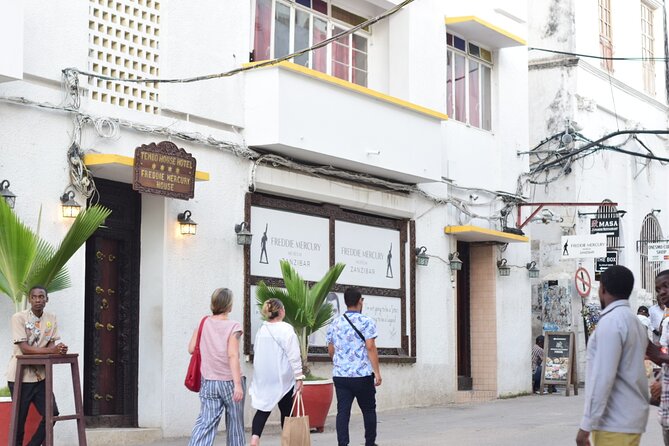
The walk or drive also passes the former residence associated with Freddie Mercury, the Queen frontman who was born in Zanzibar. You do not enter the house, but you can see the exterior and hear about its connection to his early life.
This is a brief stop, yet it gives the route a modern cultural link. The house is not a museum visit, so it is best treated as a photo and storytelling point rather than a major attraction.
If Freddie Mercury is important to you, keep this distinction in mind. The value comes from seeing the place and understanding the connection, not from an interior exhibition or extended tour.
More Stone Town walks:
- Zanzibar: Stone Town, Spice Tour, Prison Island with Lunch
★ 4.4 · 1,219 reviews - Zanzibar: Prison Island, Stone Town, & Spice Farm Tour
★ 4.5 · 579 reviews - Zanzibar; Prison Island, Nakupenda, StoneTown Tour with BBQ
★ 4.3 · 457 reviews - Zanzibar: Stone Town, Spice tour & Prison Island with Lunch
★ 4.6 · 453 reviews
The Sultan’s Palace in 30 minutes
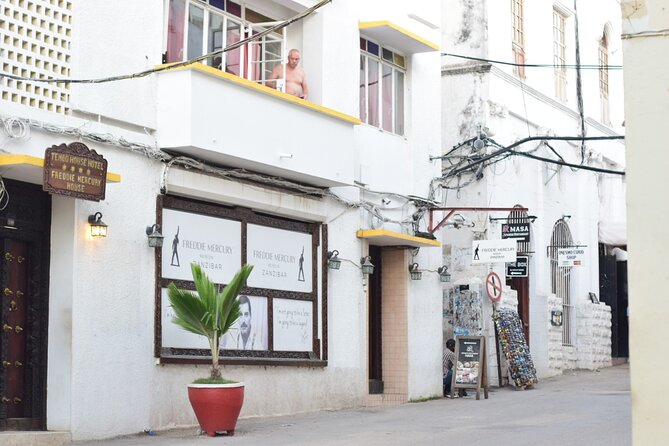
The People’s Palace Museum, also called the Sultans’ Palace or Palace Museum, offers a more focused look at Zanzibar’s royal household. You have about 30 minutes and an admission ticket is included.
Inside, the emphasis is on royal artifacts, palace rooms, and the lives of the sultans. The stop helps fill in the political background behind the grand buildings you see elsewhere in Stone Town.
Thirty minutes is enough for a guided introduction, especially if your guide points out the objects that matter most. It is not enough for a leisurely museum visit with every label read, so stay close to the explanation and ask about anything that catches your eye.
I like this part because it gives context without asking you to spend half a day indoors. After the palace, the next stop changes the tone sharply.
The Old Slave Market and Anglican Cathedral
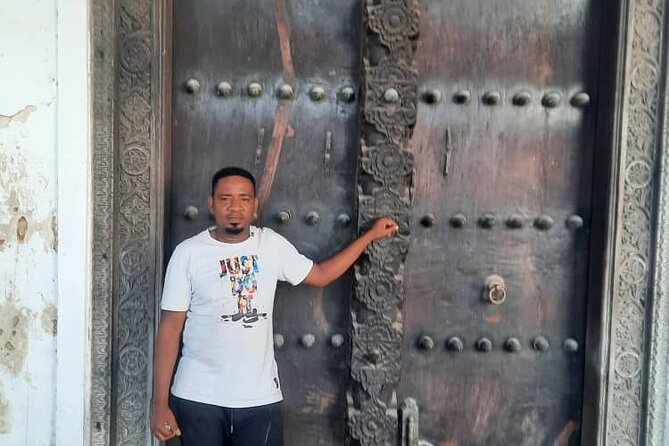
The Old Slave Market is the most serious stop on the route. You spend about 45 minutes learning about the slave trade in the region and its effect on Zanzibar. Admission is included.
The Anglican Cathedral was built on the former market site, creating a powerful connection between the history of enslavement and later efforts to mark liberation and resilience. Your guide’s explanation matters here because the site can otherwise look like another historic church in a town full of old buildings.
Give this stop your full attention. It is not just a landmark to photograph and leave. The cramped setting, the church, and the account of the trade help show how Zanzibar’s prosperity was linked to human suffering.
The subject is difficult, but that is precisely why it belongs in a serious cultural tour. I appreciate that the route does not present Stone Town as only a pretty collection of carved doors and old facades.
Jambo Spice Farm, from plant to plate
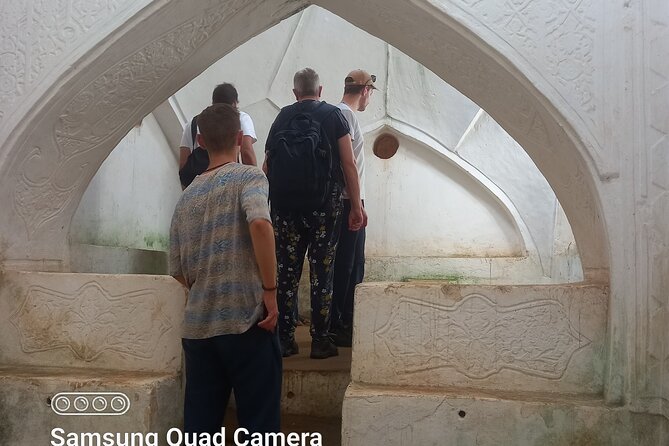
The final major stop takes two hours at Jambo Spice Farm. There is no separate admission charge, and this is where the outing becomes especially sensory and practical.
You walk through the farm with a guide and learn how spices are cultivated and processed. Cloves, cinnamon, and cardamom are specifically included, along with fresh fruits and other aromatic plants. You may pick and taste produce, which makes the lesson more memorable than simply looking at dried spices in a shop.
The farm visit also explains Zanzibar’s nickname as a spice island without relying on a sales pitch. You see the plants in their growing setting, smell them fresh, and then taste food prepared with them.
The included water and fruit are useful in the warm conditions, and the traditional meal gives the visit a proper local-food element. The lunch is described as featuring spices from the farm, so expect food to be part of the teaching, not an unrelated restaurant break.
You can also buy spices to take home. Here I would compare prices before committing. One participant found the farm products more expensive than similar goods elsewhere, so treat the shop as convenient rather than automatically the cheapest place to buy cloves, cinnamon, or cardamom.
The farm is likely to be the most enjoyable section if you like food, plants, photography, or hands-on activities. It also balances the heavier Stone Town history with something more relaxed and physical.
What the three-and-a-half-hour schedule really means

The advertised duration is approximately three hours and 30 minutes. The listed stop times add up to three hours and 15 minutes before allowing for driving and movement between places, so the schedule is fairly tight.
That does not make the tour poor value. It simply means you should see it as a highlights tour. You will receive a broad picture of Stone Town, a serious historical visit, and a substantial farm stop, but you may not have much spare time for browsing shops or lingering over photographs.
The private setup gives you some flexibility. Ali is specifically praised for adjusting the experience, and another booking included an extra transfer to a hotel in Paje at a good price. That Paje service was outside the stated Stone Town pickup area, so ask for the current extra cost before booking rather than assuming it is included.
The standard included transfer is around Stone Town. If you are staying elsewhere on the island, confirm the pickup plan in advance.
Guides, meals, and the practical value
A good guide is central to this experience because much of the value comes from explanation. Ali is described as punctual and careful on the road, while Daudi is praised for answering questions and guiding both the farm and town sections well.
Those details matter because the tour covers subjects that need context. A spice plant can look ordinary until someone explains how it is used. A palace room can feel empty until you learn who lived there. The Old Slave Market needs a clear account of what happened on the site.
The food package is also stronger than a basic sightseeing tour. You receive water, fruit, and a traditional local lunch featuring spices. That saves you from finding a restaurant during a short schedule and gives you another way to connect the farm to daily cooking.
Tips and personal expenses are not included. The spice shop is the main extra expense likely to tempt you, so bring only what you want to spend and compare prices if you have time in Stone Town.
Who will get the most from this tour
I would recommend this outing to a first-time Zanzibar visitor who wants a compact introduction rather than a specialist tour. It suits couples, families, and small private groups that prefer asking their own questions instead of keeping pace with a large crowd.
It is also a good choice if you have limited time in Stone Town. The route covers the Sultan’s Palace, the former slave market, the House of Wonders, Freddie Mercury’s former home from outside, and the spice farm in one booking.
History-focused visitors should value the palace and cathedral stops, while food lovers will likely spend most of their attention at Jambo Spice Farm. The mix works well for groups with different interests.
I would hesitate only if you want a very slow museum experience, a long shopping session, or a full-day study of Stone Town’s architecture. The schedule gives you range, not exhaustive detail.
Booking, cancellation, and small practical points
Confirmation is provided at booking, and a mobile ticket is available. The activity is private, and most people can take part. It is also near public transportation, although the included hotel transfer is limited to the Stone Town area.
Free cancellation is available up to 24 hours before the local start time for a full refund. Cancellations or changes made within 24 hours are not refunded or accepted, so check your plans before that cut-off.
The tour is recommended by all 30 recorded ratings, with an overall score of 4.9 out of 5. I would read that as a strong sign that the guides and overall value are reliable, while still keeping the schedule and farm-shop pricing in mind.
Should you book the Stone Town and spice farm combination?
Book it if you want history, food, and transport in one private half-day. The strongest reasons are the thoughtful pairing of the Old Slave Market with Jambo Spice Farm, the included lunch and entrance fees, and the chance to work with a guide such as Ali or Daudi.
Before paying, confirm your pickup location and ask how much time will be available at each Stone Town stop. If you are staying in Paje or another area outside Stone Town, check the price of an additional transfer. Also, do not assume the spice shop has the lowest prices.
For $50 per person, this is a sensible first look at Zanzibar. It will not replace a longer Stone Town walk or a dedicated farm visit, but it gives you a clear taste of both within a manageable schedule.
FAQ
How long does the Stone Town and spice farm tour last?
The tour lasts approximately three hours and 30 minutes.
Where does the activity start and end?
It starts at Forodhani in Zanzibar and ends back at the meeting point.
Is hotel pickup included?
Pickup and drop-off are included for hotels around Stone Town. Transfers from areas outside Stone Town may require an additional charge.
Is the tour private?
Yes. Only your group takes part in the activity.
What food and refreshments are included?
The price includes water, fruit, and a traditional local meal featuring spices from the farm.
Can I cancel for a full refund?
Yes. You can cancel at least 24 hours before the experience starts for a full refund. Cancellations or changes made less than 24 hours before the start time are not refunded or accepted.
More farm visits in Zanzibar
- Zanzibar:Stone Town & Spice Farm Private Tour Lunch Included
★ 4.2 · 94 reviews - Zanzibar full day Jozani forest + Spice farm and stone town
★ 4.7 · 90 reviews - Zanzibar: Spice Farm & Stone Town Tour with Lunch
★ 4.5 · 80 reviews - Zanzibar: Spice Farm Tour with Traditional Cooking Lesson
★ 4.8 · 77 reviews
More spice farm mornings
- Full-Day Private Stone Town +Spice Farm and Prison Island Tour
★ 4.5 · 216 reviews - Spice Tour + Stone Town Tour + Prison Island
★ 4.5 · 130 reviews - Zanzibar: Spice Tour & Stone Town Walking Tour
★ 4.8 · 115 reviews - Zanzibar: Stone Town & Spice Farm Tour with Lunch
★ 4.5 · 97 reviews
Newly listed around Zanzibar
- Zanzibar: Nungwi/Kendwa Beach Sunset Dhow Cruise with Fruits★ 3.4 · 3 reviews
- Prison Island, Sea Turtles, Rock Restaurant & Relax in Beach★ 4.6 · 3 reviews
- Starfish Beach; The Rock; Kuza Cave; Paje Beach; Salaam Cave Tour★ 4.5 · 3 reviews
- Zanzibar: Half-Day Spice Farm Tour,the flavours of Zanzibar★ 4.7 · 3 reviews
- Joazani forest & Spice farm with lunch★ 5.0 · 3 reviews
- Nakupenda Island Snorkeling Sea trip & Lunch W/Transfer -Zanzibar★ 4.0 · 3 reviews
- Mnemba Island Snorkeling and Dolphin tour★ 5.0 · 3 reviews
- Zanzibar:Jozani forest, Spice farm with Swahili Cuisine clas★ 4.2 · 3 reviews
Stone Town Tours, compared.




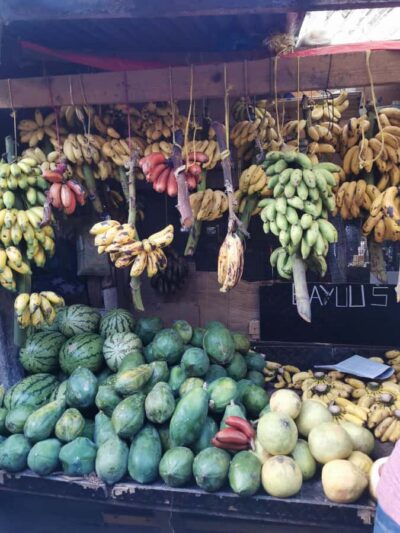
Full-Day Private Stone Town +Spice Farm and Prison Island Tour
Read our review →
Browse the lists this tour appears in