
Reviewed · SPICE FARM TOURS
Zanzibar: Spice Farm Tour with Traditional Cooking Class
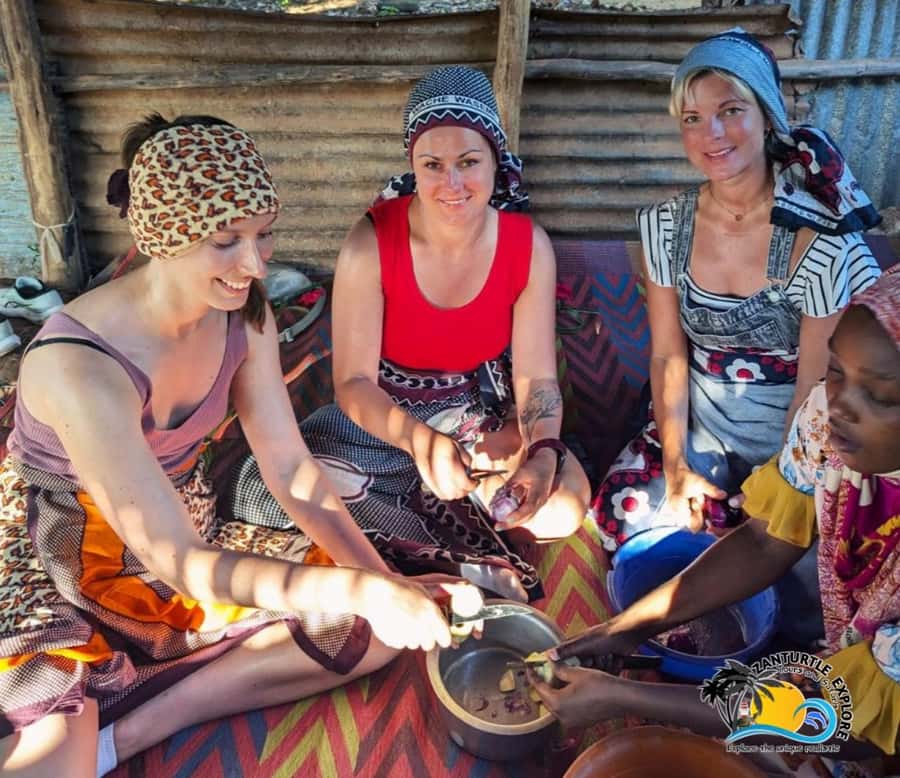
Zanzibar’s spice story makes the most sense with your hands busy. You smell fresh ginger, cardamom, cinnamon, lemongrass, and vanilla in the field, then use local ingredients in a cooking lesson with a family team. The day connects farming, trade, and food in a way a museum display cannot.
I like the small-farm setting and the chance to see how spices are planted and harvested, rather than simply buying packets in a shop. I also like the cooking session, especially the chance to make coconut milk and sit down to a Swahili meal with the people who prepared it.
The main caution is timing. The tour is sold as six hours, but one booking finished in about three and a half hours. That suited the couple on that day, but you should confirm the schedule if you want a full half-day outing.
Key points to know before you book
- Small rural spice farm: See ginger, vanilla, coffee, cardamom, nutmeg, cinnamon, and lemongrass in their growing environment.
- Cooking with a local family: A local woman leads the practical food preparation, with help from the driver and his sister.
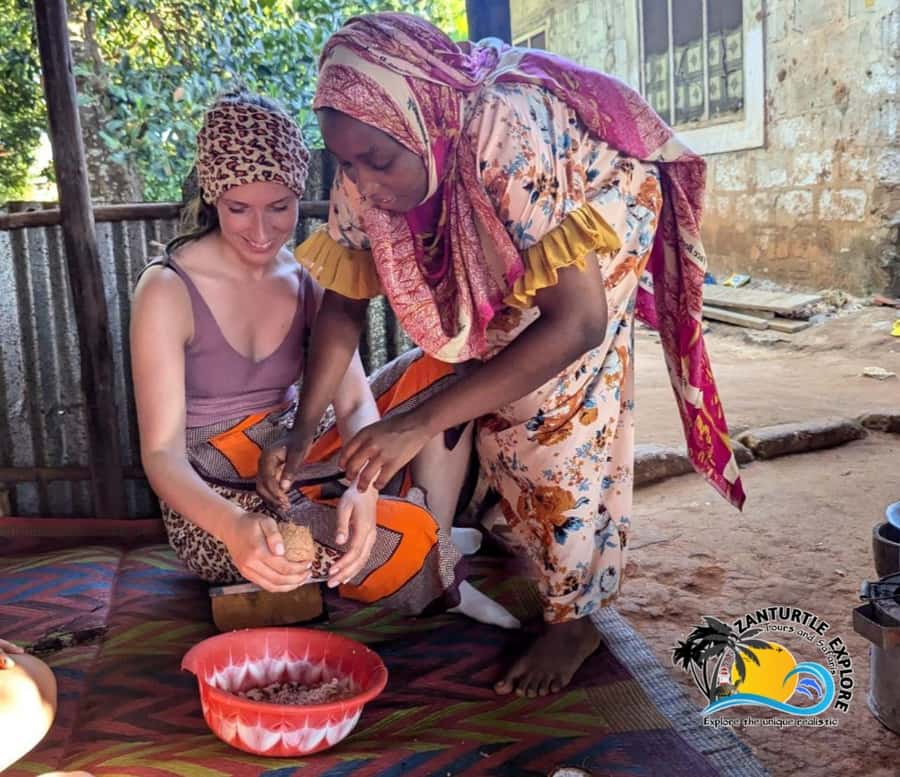
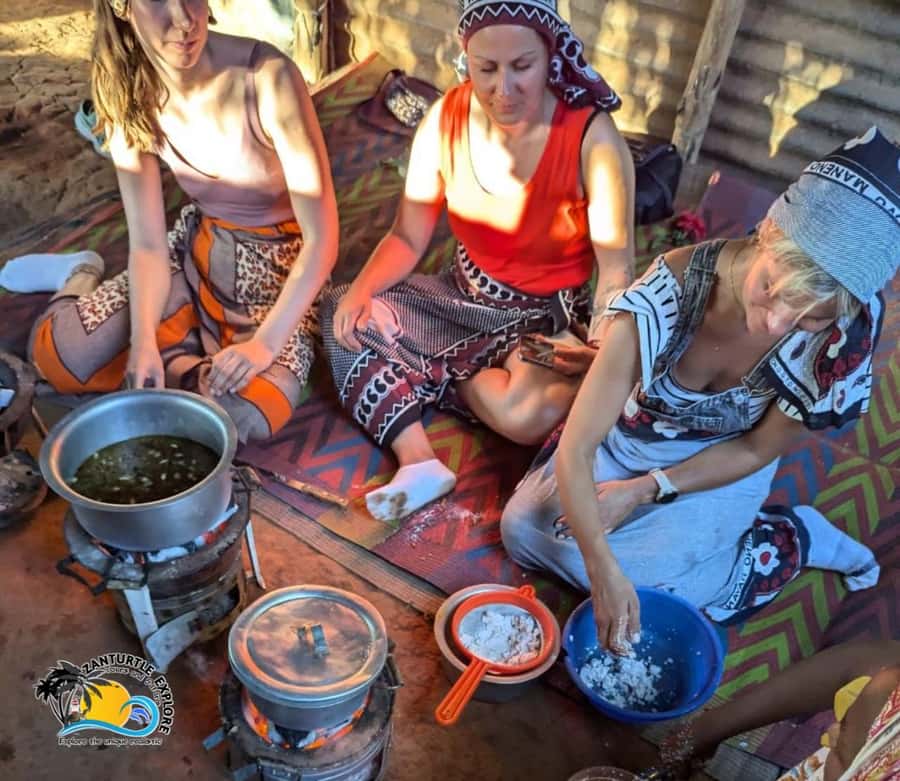
- Coconut milk from scratch: You may help turn fresh coconut into one of the foundations of Swahili cooking.
- Stone Town transport included: Pickup and return are provided around Stone Town hotels, along with entry, a guide, and bottled water.
- Flexible private-feeling format: Recent bookings had only two participants, and the start time could be adjusted.
- Bring cash for spice purchases: The farm sells spices, but you should bargain politely and keep personal spending separate from the $47 tour price.
Why this tour explains Zanzibar better than a spice shop
Zanzibar is often called Spice Island, but the nickname can feel thin if all you do is pass a market stall filled with colorful bags. This experience gives the label some soil, leaves, roots, and work.
At the farm, you see how different plants serve different purposes. Ginger brings heat and freshness. Cinnamon comes from tree bark. Vanilla is a climbing orchid, while coffee grows from a plant that looks very different from the spices beside it. Cardamom, nutmeg, lemongrass, and other crops round out the visit.
The guide explains how each plant is grown, how long it takes to become ready, and how it is harvested for use. The exact depth of the explanation may depend on your guide and the pace of the group, but the focus is practical. You are not simply hearing a list of spice names. You are learning why Zanzibar became important in trade and cooking.
I like this part because it gives context without requiring a long history lecture. Zanzibar’s past as a place of trade and exploration is tied to the goods that moved through the island. Spices were not just seasoning. They were valuable products, and their cultivation shaped local life and outside interest in the island.
More Cooking Classes in Zanzibar
- Zanzibar Cooking Class & Spice Tour
★ 4.5 · 77 reviews - Zanzibar: Spice Farm Tour with Traditional Cooking Lesson
★ 4.8 · 77 reviews - Half-Day Kuza Cave Swimming Adventure and Cooking Class
★ 4.5 · 44 reviews
The three farm areas and what to look for
The farm visit takes you through three physically separate sections, each offering a different look at tropical crops. The description does not assign fixed names to these areas, so think of them as parts of one working farm rather than formal museum exhibits.
Look closely as you walk. Some plants are easy to recognize, while others may surprise you. Vanilla is especially interesting because many people know the flavor but have never seen the plant. Coffee also has a different character from the familiar dried beans sold in shops.
The farm includes:
- Ginger
- Vanilla
- Coffee
- Cardamom
- Nutmeg
- Cinnamon
- Lemongrass
You receive information about planting, growing time, and harvest. If you are curious, this is the moment to ask how an ingredient is used in Zanzibar’s kitchen. The cooking lesson later in the day gives those answers a useful follow-up.
The coconut stop adds a bit of theater. You may see a coconut climber, referred to locally as a butterfly, and young coconuts. This is one of the more unusual parts of the visit because it shows a skilled local task rather than a crop sitting quietly in the ground.
Do not expect a large botanical garden. This is described as a small farm in a rural area. That is part of its appeal, but it also means the experience is informal and depends on the guide’s explanations. Wear shoes that are comfortable for walking on a farm.
From spice plants to Swahili cooking
The second half changes pace. Instead of only looking at ingredients, you use them.
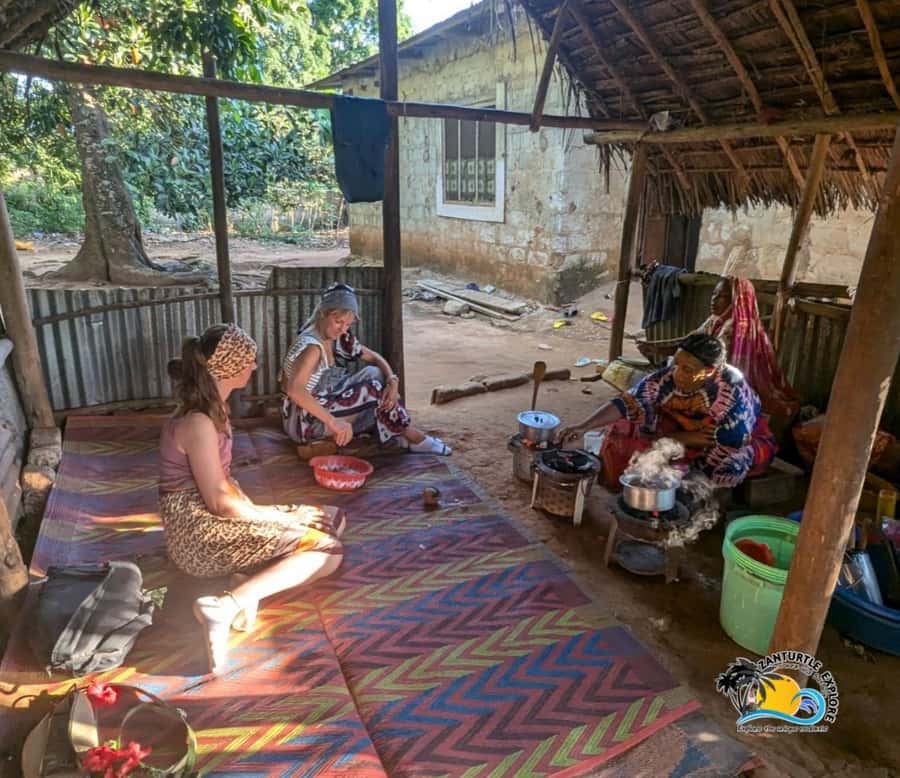
Authentic ingredients and cooking materials are purchased from a workshop run by local women. A local African mother acts as the chef and gives instructions as you prepare the food. The available information does not list a fixed menu, so you should expect original Zanzibar-style cuisine rather than one guaranteed dish.
The practical format is a strong point. Everyone receives something to cut or prepare, and the session is designed as training rather than a cooking demonstration where you sit and watch. It is simple, hands-on food work, with explanations along the way.
You may also make coconut milk yourself. That small task is worth attention. Coconut milk appears often in East African cooking, and making it from fresh coconut shows the work behind an ingredient that usually arrives in a can or carton elsewhere.
The cooking lesson is not a formal culinary school. One couple found the process enjoyable but wished they had received a recipe afterward. That is useful to know. If you want to recreate the meal at home, take notes during the preparation and ask about quantities, substitutions, and cooking times while the chef is working.
The family setup also makes the food feel more personal. The driver may join the cooking, and his sister may lead the spice-farm walk. That arrangement can give the activity a relaxed, family-run feel, though the exact roles may vary.
Sharing the meal with the cooking team
When the food is ready, you sit down and eat with the chef. This shared meal is the natural payoff, not an extra snack squeezed between stops.
The food centers on Swahili flavors and the spices you have just seen growing. The experience is strongest when you connect the two parts: smell a spice at the farm, learn how it is used, then taste it in the finished meal.
The meal also creates time for conversation. You can ask about local ingredients, kitchen habits, and the dishes you have prepared. Since the guides speak English, French, Italian, and German, you can request the language that makes the cooking instructions easiest to follow.
Food preferences and dietary restrictions are not described in the supplied information, so you should raise those questions before booking. Do not assume a special menu is available unless the operator confirms it.
More spice farm mornings:
- Zanzibar: Stone Town, Spice Tour, Prison Island with Lunch
★ 4.4 · 1,219 reviews - Zanzibar: Prison Island, Stone Town, & Spice Farm Tour
★ 4.5 · 579 reviews - Zanzibar: Stone Town, Spice tour & Prison Island with Lunch
★ 4.6 · 453 reviews - Full-Day Private Stone Town +Spice Farm and Prison Island Tour
★ 4.5 · 216 reviews
A closer look at the six-hour schedule
The advertised duration is six hours, with pickup and return in Stone Town. That makes this a half-day activity rather than a quick morning stop.
The usual flow is straightforward:
- Pickup around your Stone Town hotel.
- Transport to the rural spice farm.
- Guided walk through the farm’s three sections.
- Explanations of planting, harvesting, and spice use.
- A look at coconut climbing and young coconuts.
- Cooking practice with the local chef and family team.
- Shared Swahili meal.
- Return transport to Stone Town.
In practice, the timing can be flexible. One recent booking lasted about three and a half hours instead of six, while another group adjusted its starting time and left later. This flexibility can be useful if you have other plans, a late arrival, or a busy day in Stone Town.
It can also be a drawback if you are reserving the tour specifically to fill six hours. Ask about the planned start time and expected return before you set up another activity. The tour appears capable of being private or very small, but group size is not formally guaranteed.
What the $47 price includes
At $47 per person, the price covers pickup and drop-off around Stone Town hotels, entrance fees, a live guide, and bottled water. The farm visit and cooking session make the price more than a simple transfer to a plantation.
I see the best value here in the combination of transport and participation. You get an explanation of the crops, a practical food lesson, and a meal in one booking. If you arranged separate transport, paid farm entry, and found a cooking activity on your own, the costs and coordination would likely be less tidy.
Still, value depends on the length of your actual outing. A full six-hour experience offers a solid half-day of activity. A three-and-a-half-hour version is better viewed as a compact farm visit with cooking and lunch or dinner.
Personal needs are not included. That means you should budget separately for anything beyond the stated inclusions, including spice purchases. The farm sells spices, and bargaining is expected. Bring cash, decide what you really want, and compare prices before buying several packets.
Transport, languages, and useful preparation
Pickup and return are available around Stone Town hotels. The listed pickup point is Stone Town, so you should not assume transport from every part of Zanzibar is included.
Guiding is available in English, French, Italian, and German. That is helpful during the farm walk, but especially useful during cooking, where a clear explanation can make the difference between taking part and simply watching.
Bring comfortable shoes and cash. Comfortable footwear matters because the farm portion includes walking through a rural setting, and cash is useful for personal needs or spice purchases.
Bottled water is provided, but you may still prefer to carry any other personal items you need for a six-hour outing. Alcohol and drugs are not allowed.
Free cancellation is available up to 24 hours before the activity for a full refund. You can also reserve now and pay later, which is useful if your Zanzibar schedule is still shifting.
Who will get the most from this experience
I would choose this tour if you want more than sightseeing in Stone Town and prefer an activity that connects local agriculture with food. It suits couples, families, and small groups who enjoy participating rather than posing for photographs and moving on.
It is also a good choice for anyone curious about Swahili cuisine. The lesson is not built around restaurant service. You cut ingredients, follow instructions, make coconut milk, and eat what the group prepares.
The small-group feel is another advantage. Recent bookings had only two people, and the family team handled both driving and parts of the activity. That can make conversation easier and allow some flexibility.
You may want a different experience if you need a fixed six-hour schedule, a guaranteed menu, written recipes, or a polished cooking studio. The tour is informal and local. That means a warmer, less scripted encounter, but also fewer formal extras.
A few practical questions to ask before departure
Ask for the expected start and finish time, especially if you have a Stone Town walking tour or evening reservation. The tour has been completed in less than the advertised six hours, and flexibility is possible.
Ask what meal will be prepared and tell the operator about dietary needs in advance. The food is described as traditional Zanzibar-style cooking, but no fixed menu is provided.
If you want to remember the dishes, keep your phone ready for notes or photographs of the ingredients and preparation. A printed recipe is not part of the experience, so write down the steps that matter to you.
Finally, decide how much shopping you want to do before you arrive. Spice sales can be tempting after you have just learned how the products grow. Bring cash, but bargain with a light touch and do not feel obliged to buy.
Should you book the Zanzibar spice farm and cooking tour?
Book it if you want a hands-on look at Zanzibar’s food culture, especially if the idea of walking among spice plants and then cooking with a local family appeals to you. The farm, coconut-milk preparation, and shared meal give the experience more substance than a standard plantation stop.
At $47, it is a fair package when the full transport, farm entry, guide, cooking session, and meal are included. Just confirm the timing, since the actual visit may be shorter than six hours, and do not expect a written recipe or a fixed menu.
For a small, flexible outing from Stone Town, I would book it. Go with comfortable shoes, some cash, and a willingness to ask questions at the cooking table. That is where this tour feels most useful and most connected to everyday Zanzibar.
FAQ
Where does the tour start and finish?
Pickup and drop-off are available around Stone Town hotels. The listed pickup and return location is Stone Town.
How long does the activity last?
The advertised duration is six hours. The actual timing can be shorter, with one booking lasting about three and a half hours. Confirm the schedule before you go.
What spices can I see at the farm?
The farm includes ginger, vanilla, coffee, cardamom, nutmeg, cinnamon, and lemongrass. The guide explains how the spices are planted, grown, harvested, and used.
Is cooking included?
Yes. You prepare Zanzibar-style food with a local chef and family team, then share the finished meal. The experience may also include making coconut milk from fresh coconut.
Which languages are available?
Live guiding is available in English, French, Italian, and German.
What should I bring?
Bring comfortable shoes and cash. Bottled water, transport around Stone Town, entrance fees, and a tour guide are included. Personal needs and purchases are not included.
More workshops and classes in Zanzibar
- Zanzibar: Spice Farm Tour with Traditional Cooking Class
★ 4.6 · 16 reviews - Traditional Zanzibar Cooking Class including Spice Tour
★ 4.5 · 14 reviews - Mnemba Dolphin Tour, Clear Kayak, Cooking Class, Horse Riding
★ 4.5 · 14 reviews - A private half day spice farm with a cooking lesson
★ 5.0 · 13 reviews
More farm visits in Zanzibar
- Zanzibar: Stone Town & Spice Farm Tour with Lunch
★ 4.5 · 97 reviews - Zanzibar:Stone Town & Spice Farm Private Tour Lunch Included
★ 4.2 · 94 reviews - Zanzibar full day Jozani forest + Spice farm and stone town
★ 4.7 · 90 reviews - Zanzibar: Spice Farm & Stone Town Tour with Lunch
★ 4.5 · 80 reviews
Newly listed around Zanzibar
- Prison Island, Sea Turtles, Rock Restaurant & Relax in Beach★ 4.6 · 3 reviews
- Zanzibar: Nungwi/Kendwa Beach Sunset Dhow Cruise with Fruits★ 3.4 · 3 reviews
- Starfish Beach; The Rock; Kuza Cave; Paje Beach; Salaam Cave Tour★ 4.5 · 3 reviews
- Zanzibar: Half-Day Spice Farm Tour,the flavours of Zanzibar★ 4.7 · 3 reviews
- Joazani forest & Spice farm with lunch★ 5.0 · 3 reviews
- Nakupenda Island Snorkeling Sea trip & Lunch W/Transfer -Zanzibar★ 4.0 · 3 reviews
- Zanzibar:Jozani forest, Spice farm with Swahili Cuisine clas★ 4.2 · 3 reviews
- Mnemba Island Snorkeling and Dolphin tour★ 5.0 · 3 reviews
Spice Farm Tours, compared.



Full-Day Private Stone Town +Spice Farm and Prison Island Tour
Read our review →
The Swahili Spice Experience – Spice Tour + Culinary Journey
Read our review →Browse the lists this tour appears in