
Reviewed · KILIMANJARO CLIMBS
Mt Kilimanjaro Climb – 7 days Machame
The Machame Route gives you Kilimanjaro in changing acts: thick rainforest, open moorland, volcanic desert, the Barranco Wall, and a sunrise summit at 5,895 meters. This seven-day plan is called the Whisky Route, but the real test is steady uphill walking, cold nights, and the midnight push from Barafu Camp.
I like two things here. First, the climb high, sleep low pattern gives your body useful time to adjust. Second, the price includes tents, meals, porters, guides, drinking water, transport, and park charges, so you are not assembling a mountain expedition piece by piece. The drawback is simple: seven days is demanding, and summit night is cold, tiring, and much longer than an ordinary hike.
Key points before you book
- The summit attempt begins around midnight, reaching Stella Point after roughly five to seven hours, then Uhuru Peak one to two hours later.
- The Barranco Wall is a hands-on scramble, but it has no technical climbing passages according to the tour information.
- Six nights of camping are included, with a tent, mattress, mess tent, cook, and three meals each day.
- KPAP-aligned team pay is included, while tips remain separate and should be budgeted in advance.
- The route changes scenery every day, from rainforest on Day 1 to alpine desert near Barafu Camp.
- The tour is private for your group, with hotel pickup and drop-off available and group discounts offered.
Why the seven-day Machame Route works
At $2,543.59 per person, this is not a cheap walk in the hills. It is a full mountain package that covers government taxes, park access, six nights of camping, food, water, transport to and from the park gates, a professional guide, porters, a cook, an oxygen cylinder, and an oxygen saturation meter.
That matters on Kilimanjaro. A lower advertised price can look attractive until you add park fees, tents, meals, porter support, transfers, and equipment rental. Here, much of the expensive infrastructure is already included. You still need to pay for tips, personal climbing gear, travel insurance, drinks, and accommodation before or after the climb.
The seven-day schedule is also a sensible middle ground. A shorter Machame itinerary gives you less time to adjust to altitude. This version spends the third day climbing to Lava Tower at about 4,640 meters before dropping to Barranco Camp, a classic climb high, sleep lower day. That extra adjustment time is useful, though it cannot guarantee a successful summit.
Nyange Adventures has received a 5 rating from 26 reviews, with 100 percent recommending the experience. The praise is unusually consistent about the staff. Guides named in past experiences include Amnaay, Antipas, Robert, Mo, Musa, and Satorine, with Satorine noted for more than 20 years of guiding experience. Your assigned guide may be different, but the pattern is clear: guide care and team support are central to the experience.
More Kilimanjaro routes:
- Kilimanjaro climb by Lemosho Route (7-day)
★ 5.0 · 651 reviews - Kilimanjaro climb, Machame Route (7-day)
★ 5.0 · 262 reviews - Kilimanjaro Climbing Lemosho Route 8 Days.
★ 5.0 · 186 reviews
Day 1: Kilimanjaro Gate to Machame Camp
The day begins with pickup and a drive toward the Kilimanjaro National Park gate. The supplied schedule says pickup takes place after breakfast at the airport, while the tour also advertises hotel pickup and drop-off. Confirm your exact pickup point and timing before departure, especially if you are already staying in Moshi.
At the gate, your guide handles entrance forms while the mountain crew sorts and loads supplies. This can take time, but it is part of the mountain ritual. You get a first look at how much work goes into feeding, sheltering, and supporting a climbing group for a week.
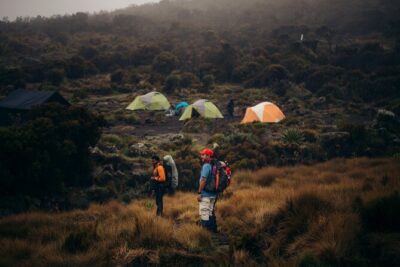
The walk to Machame Camp takes about five to six hours. The trail passes through rainforest filled with old trees, ferns, lianas, and lichen. This first section is often muddy or humid, and the shade can make the climb feel gentler than it is.
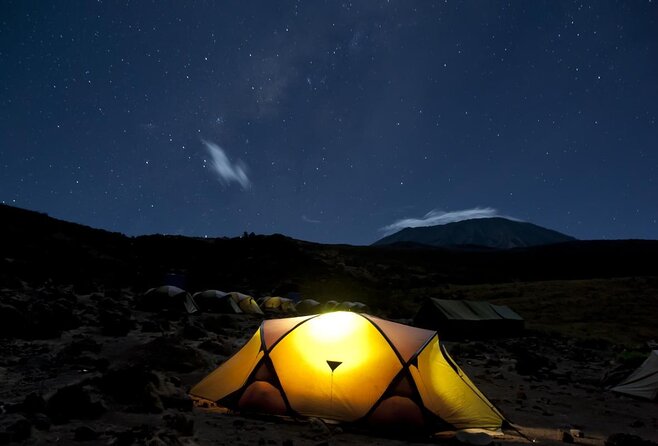
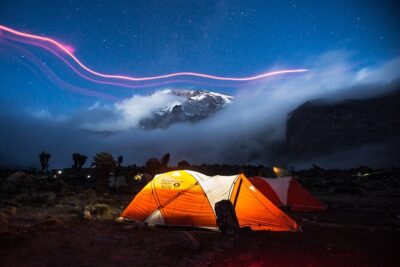
Your first night is in a tent, not a lodge. Meals are prepared by the camp cook, and the included mess tent gives the group a place to eat and talk. Keep your daypack organized from the start. You will want easy access to water, rain protection, warm layers, and small snacks without opening your main luggage in the forest.
Day 2: Machame Camp to Shira Plateau
Day 2 takes about seven hours and brings a sharp change in scenery. The rainforest gives way to moorland and heath, with more open views and less shelter from sun or wind.
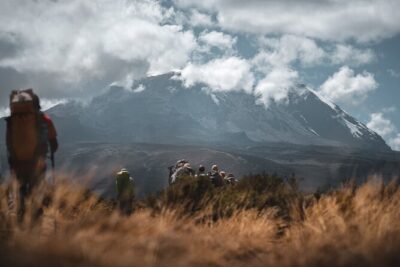
Shira Plateau is a rewarding campsite because the mountain begins to feel larger and more exposed. The view toward Kibo, Kilimanjaro’s highest cone, becomes part of the day. At sunset, the glacier can catch the light, a brief but memorable reward after the climb.
This day is shorter in distance than the first day according to the itinerary, but it still begins early and requires steady effort. Do not treat the open terrain as easy terrain. Altitude is already affecting some people here, and the sensible pace is slow, regular, and unhurried.
Your meals and drinking water are included, but bottled water and other drinks are not a substitute for carrying and drinking enough throughout the day. Tell your guide early if you develop a headache, nausea, unusual fatigue, or trouble sleeping.
Day 3: Lava Tower and Barranco Valley
Day 3 is the route’s important adjustment day. You climb from Shira Plateau toward Lava Tower at roughly 4,640 meters, rest there, and then descend through the Barranco Valley to camp.
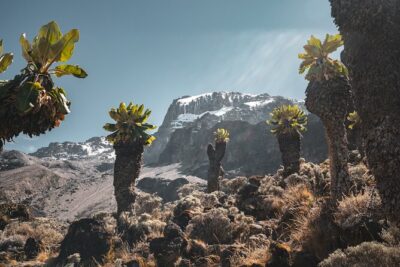
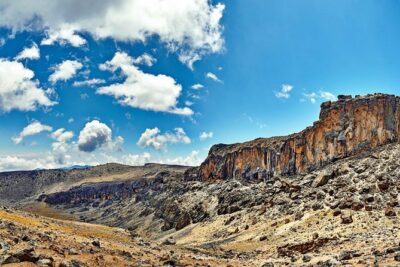
The total walking time is about six to seven hours. The terrain changes to alpine desert, with spare volcanic ground and unusual plants such as lobelia and giant senecio. These plants give the route a distinctive Kilimanjaro character, but the main value of the day is physiological rather than botanical.
You sleep at Barranco Camp, not at Lava Tower. That is the climb high, sleep low method in action. Your body gets exposure to a higher altitude during the day, then rests at a lower elevation overnight.
This day can feel strange. You may be climbing upward while thinking about the camp below. That is intentional. Eat dinner even if your appetite is weak, drink regularly, and use the evening to prepare clothing and supplies for the next morning.
More week long trips in Moshi & Kilimanjaro:
- Climbing Kilimanjaro through 7 days Machame Route
★ 5.0 · 151 reviews - 7 Days Kilimanjaro via Machame route affordable price
★ 5.0 · 110 reviews - Private Kilimanjaro Hike 7 Day Lemosho Route
★ 5.0 · 60 reviews - 7-Day Magical Tanzania Safari -Premium High End Package
★ 5.0 · 53 reviews
Day 4: The Barranco Wall and mountain ridge
After breakfast, you tackle the Barranco Wall. You may use your hands for balance and grip, but the route is described as nontechnical, with no true climbing passages. Listen closely to the guide here, particularly when the trail is crowded or the footing is awkward.
The day includes repeated ascents and descents, followed by a walk along a mountain ridge. The walking time is listed as three to four hours, though the itinerary also gives seven hours as the day duration, likely allowing for breaks, camp routines, and the pace of the group.
This is one of the most memorable parts of the route because the Kibo glacier remains in view. The trail feels more exposed than the forest days, and the summit cone seems close enough to touch. It is also a good reminder that distance on a mountain is not measured only in kilometers. Short sections can still demand concentration.
Take care of your feet here. A small hot spot can become a serious problem by summit night. Keep blister supplies in your daypack, even though the guide team carries expedition equipment.
Day 5: Barafu Camp and the quiet before the summit
The route reaches Barafu Camp after about three to four hours. The surroundings become a moonlike alpine desert, with little vegetation and a more severe feel.
Barafu is the launch point for the summit attempt. After dinner, you go to bed early, though sleep may be shallow. You will be woken shortly before midnight for tea and biscuits, then begin the hardest part of the climb in darkness.
This is the day to sort your summit clothing. Put gloves, warm layers, headlamp, water, snacks, and any personal medication where you can reach them quickly. The supplied tour includes safety equipment such as an oxygen cylinder and an oxygen meter, but those tools are for monitoring and emergencies. They do not replace good pacing, acclimatization, or honest communication with your guide.
Day 6: Midnight to Uhuru Peak
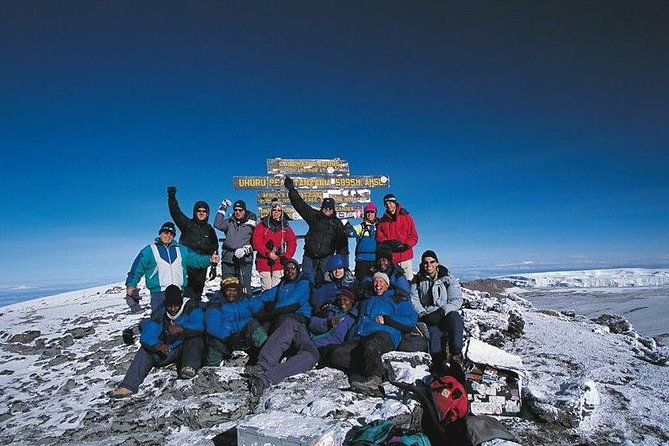
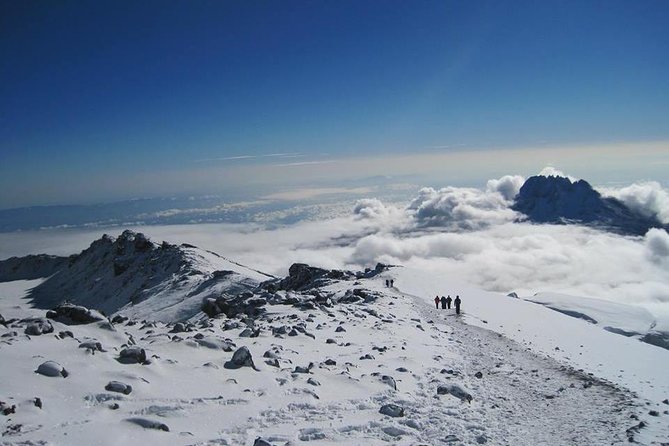
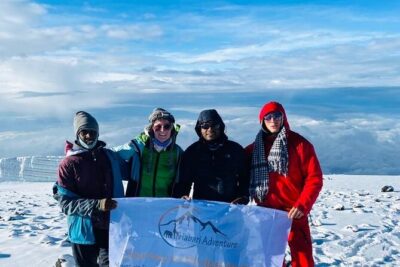
Summit day starts around midnight. The climb to Stella Point on the crater rim takes approximately five to seven hours. From there, you need another one to two hours to reach Uhuru Peak at 5,895 meters.
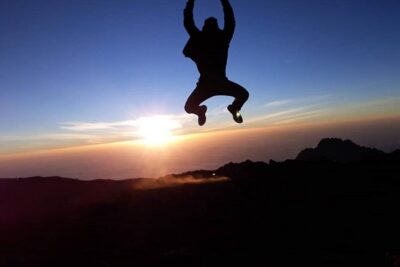
You are aiming to arrive around sunrise, when the light spreads across the crater and the surrounding peaks. This is the emotional center of the trip. The route is slow and cold, and every step may feel deliberate. Your guide sets the pace, checks how you are doing, and decides how to respond if altitude symptoms become serious.
The final summit section is not a casual photo stop. After reaching Uhuru Peak, you descend to Barafu Camp, arriving after another one to two hours according to the schedule, where snacks and refreshments await. The full day is listed as about seven hours, but you should treat summit day as an exceptionally demanding day and follow your guide’s actual timing on the mountain.
The descent can be harder on your knees than the ascent. Trekking poles are useful if you have them, and you should not rush simply because you are going downhill. Rest at Barafu, eat, drink, and expect to feel tired.
Day 7: Mweka Gate and the return to Moshi
After breakfast, the mountain crew holds a traditional farewell ceremony. This is a meaningful close to the week because the guide, assistant guide, cook, and porters have carried out the practical work that makes the climb possible.
The walk to Mweka Gate takes about two to three hours through rainforest. At the gate, a driver transfers you back to your hotel for a shower, cold drink, debrief, and certificate of achievement.
The final descent is easier than summit night, but tired legs can make it feel long. Keep rain protection handy because the forest can be wet, and do not pack your daypack away until you reach the vehicle.
Camping, meals, and the mountain crew
Six nights of accommodation and camping facilities are included. The package lists a tent, mattress, and mess tent, along with a cook who prepares breakfast, lunch, and dinner. Coffee and tea are also included, and vegetarian food is available if you request it at booking.
The food arrangement is a major convenience. You do not need to carry seven days of meals, and you can focus your energy on walking. Still, bring personal snacks you know you will eat at altitude. Familiar high-energy food can be useful when appetite drops.
The stated team-pay policy follows KPAP guidelines, covering fair and ethical salaries for the guide, assistant guide, cook, and porters. Tips are not included. The suggested daily amounts are $20 for the head guide, $12 to $15 for an assistant guide, $12 for the cook, and $5 to $8 for each porter, divided among everyone in the climb.
Ask how the tip is collected and distributed before you start. This avoids awkwardness at the end and helps you budget honestly. The strong praise for the mountain crews, including guides such as Amnaay, Antipas, Musa, and Satorine, is one of the best reasons to take the operator seriously.
Safety, fitness, and equipment
You need moderate physical fitness for this climb. That phrase should not be mistaken for easy. You walk for several hours on successive days, sleep at altitude, and face a summit night that begins around midnight.
You supply your own personal mountain gear and equipment. The package does not list boots, clothing, a sleeping bag, trekking poles, headlamp, or other personal items as included. A past climber hired a sleeping bag rather than bringing one from the United Kingdom, so ask Nyange Adventures about rental options before you fly.
A professional guide, oxygen cylinder, and oxygen saturation meter are included. The guide’s role is not only to lead the route. It is also to watch your pace and condition, explain the trail, and help the group make safe decisions.
Travel insurance is not included, and it is important to arrange it separately. The experience also does not include alcoholic drinks, soft drinks, pre or post-climb accommodation, or airport transfers unless booked on request.
How the price compares with the experience
The $2,543.59 price makes sense for someone who wants a supported climb rather than a stripped-down trek. Park taxes and transport alone are significant costs, while six nights of camping, daily meals, a cook, porters, guides, water, and safety monitoring add practical value.
The price is less attractive if you already own expedition gear, have your own transfers, or want a very small budget trip. It is also worth checking exactly what group discounts apply and whether the quoted rate changes with group size.
I would judge the value by the support system, not by the number of meals listed. A well-run mountain crew lets you conserve energy for the route, and the consistent praise for the company’s communication and staff suggests that personal support is a strong part of what you are paying for.
Who should book this climb
This route suits you if you want a serious high-altitude challenge with a structured itinerary and a full support team. It is also a good match if you prefer camping but do not want to organize park fees, meals, porters, transport, and safety equipment yourself.
It is less suitable if you want a relaxed holiday, dislike cold nights, or have not prepared for several days of uphill walking. The Machame Route is scenic and rewarding, but its Whisky Route nickname should not make you think it is leisurely.
The private format is useful for friends, couples, or families booking together because only your group participates. Group discounts may improve the value, but ask for the exact terms before paying.
Booking details worth checking
Confirmation is provided at booking. Pickup is offered, the meeting information lists Kilimanjaro Airport and Kilimanjaro National Park in Tanzania, and the stated operating hours are Monday through Sunday from 7:00 AM to 6:30 PM.
You need a visa, obtained at the border or airport according to the supplied information. Confirm current entry requirements before departure, since border rules can change.
Free cancellation applies if you cancel at least 24 hours before the local start time. Cancellations within 24 hours are not refunded, and last-minute changes are not accepted.
Should you book the seven-day Machame climb?
I would book this experience if you want the classic Kilimanjaro route with enough time for altitude adjustment and a team handling the hard logistics. The strongest reasons are the seven-day schedule, climb high and sleep low profile, included camping and meals, and repeated praise for the guides and support staff.
I would not book it casually. Train first, arrange insurance, confirm your pickup and gear plan, and set aside a realistic tip budget. If you can accept the cold, the early starts, and the punishing summit night, this is a well-supported way to reach Africa’s highest mountain.
FAQ
How long is the Kilimanjaro Machame climb?
The experience lasts approximately seven days and includes six nights of accommodation and camping.
What is included in the price?
The price includes three meals a day, six nights of camping, a tent, mattresses, a mess tent, guide and mountain crew support, drinking water, transport to and from the park gate, government taxes, an oxygen cylinder, and an oxygen saturation meter.
Is hotel pickup and drop-off available?
Yes. Hotel pickup and drop-off are included in the tour information. Airport transfers before or after the climb are available on request but are not included in the listed inclusions.
What is the hardest part of the itinerary?
The summit attempt is the toughest section. It begins around midnight at Barafu Camp, takes about five to seven hours to Stella Point, and then another one to two hours to Uhuru Peak.
Do I need technical climbing experience?
The supplied information describes the Machame Route as suitable for experienced climbers and people beginning their climbing journey. The Barranco Wall may require using your hands for grip, but it has no climbing passages.
Is vegetarian food available?
Yes. A vegetarian option is available, but you should request it when booking.
Are tips included?
No. Tips are separate. Suggested daily amounts are $20 for the head guide, $12 to $15 for the assistant guide, $12 for the cook, and $5 to $8 for each porter, divided among the climbing group.
Can I cancel for a full refund?
Yes, if you cancel at least 24 hours before the experience start time. Cancellations or changes made within 24 hours are not accepted, and the payment is not refunded.
Newly listed around Moshi & Kilimanjaro
- Climb Mount Kilimanjaro: 7 Days Machame Route★ 5.0 · 3 reviews
- 6 Days Mount Kilimanjaro Climbing via Rongai Route★ 5.0 · 3 reviews
- Explore 1 day Ngorongoro Crater Budget Group Safari from Arusha★ 5.0 · 3 reviews
- Mt. Kilimanjaro Day Hiking★ 5.0 · 3 reviews
- Chemka (Kikuletwa) Hot Springs, Tanzania★ 5.0 · 3 reviews
- Guided City tour of Moshi★ 4.3 · 3 reviews
- 8 Day Tanzania Family Safari★ 5.0 · 3 reviews
- Serengeti Safari with Sirikwa Travel★ 5.0 · 3 reviews
Kilimanjaro Climbs, compared.
Browse the lists this tour appears in