
Reviewed · KILIMANJARO CLIMBS
A Definitive Guide For the 7-day Kilimanjaro’s Lemosho Route 2025
The Lemosho Route gives you a longer approach to Mount Kilimanjaro, with time to cross forest, moorland, volcanic terrain, and high alpine desert before the summit push. That extra day matters: the schedule lets your body adjust gradually instead of rushing straight upward.
I like the route for two clear reasons. First, the scenery changes sharply from day to day, so you are not simply walking the same kind of trail for a week. Second, the package includes tents, mattresses, meals, a professional guide, porters, and transport between Moshi and the mountain gates. The main caution is the price: the advertised $1,250 per person does not include park fees, tips, flights, hotels, personal gear, or airport transfers.
Key points to know before booking
- Seven days gives you a better acclimatization profile: The route climbs gradually, then drops slightly before the final ascent.
- The summit day is the real test: You ascend from Barafu Camp to 19,345 feet, then descend all the way to Mweka Camp.
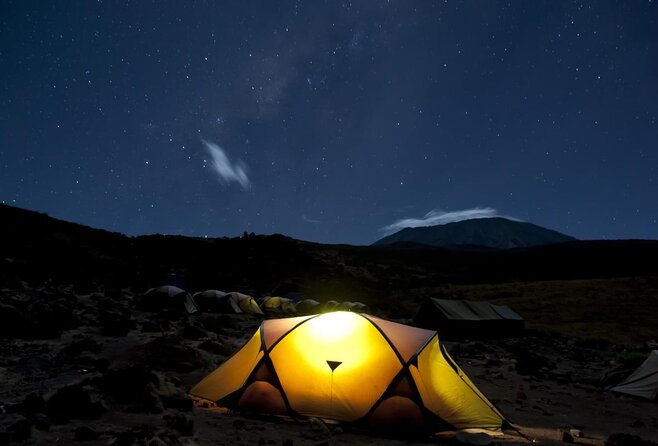
- Lemosho offers changing scenery: Expect rainforest, open moorland, semi-desert, alpine desert, and an Arctic summit zone.
- Meals and camping equipment are included: You still need to bring or rent your personal hiking and cold-weather gear.
- The support team is central to the experience: Guides such as Edwin and Moodie are associated with this departure, while cooks and porters handle much of the camp work.
- Park fees can change the final cost: Confirm the full price, group size, tipping expectations, and permits before paying.
Why the Lemosho Route is worth seven days
Kilimanjaro is not a technical climb in the usual sense. You do not need ropes or rock-climbing skills for the standard trail, but the mountain is high enough to punish a rushed schedule. The challenge is altitude, cold, long walking days, and the final night-time push.
Lemosho approaches the mountain from the west. Its first days are quieter and more gradual than some shorter routes. You cross the Shira Plateau before joining trails used by other climbers. That means you get a calmer start, broad views, and a sensible acclimatization pattern before the busier upper sections.
The seven-day plan is not easy, but it is more forgiving than a five-day itinerary. You climb to Moir Hut, then descend toward Barranco Camp before gaining height again. That climb high, sleep lower pattern is useful for adjustment.
You should still treat the route as a serious physical challenge. Daily distances look manageable on paper, but altitude makes ordinary walking feel harder. The final day to the summit includes a 5-kilometer ascent followed by a 12-kilometer descent. You need moderate fitness, patience, and a willingness to walk slowly.
More Kilimanjaro routes:
- Kilimanjaro climb by Lemosho Route (7-day)
★ 5.0 · 651 reviews - Kilimanjaro climb, Machame Route (7-day)
★ 5.0 · 262 reviews - Kilimanjaro Climbing Lemosho Route 8 Days.
★ 5.0 · 186 reviews
What the $1,250 price really covers
At $1,250 per person, the package includes the main practical pieces of a supported trek:
- Quality camping tents and sleeping mattresses
- Breakfast, lunch, and dinner during the hike
- A professional Kilimanjaro guide
- Porters and a cook as part of the mountain crew
- A briefing before the trek
- Hotel pickup in Moshi to Londorossi Gate
- Transport from Mweka Gate back to your Moshi hotel
- A trekking certificate
That is useful value if you want a fully supported climb rather than arranging equipment, food, permits, and transport yourself. The cook is especially important on a week-long mountain trip. You are burning energy every day, and having meals prepared at camp removes a large practical burden.
The headline price needs careful reading. Mount Kilimanjaro park fees are not included. You can pay them directly to the park or through the tour operator, but either way they are part of your real budget. Also allow for tips to the mountain crew, pre- and post-trek hotel nights in Moshi, flights, airport transfers, and personal hiking equipment.
Ask for a written total before booking. Confirm whether the quoted rate changes with group size, and ask how many people may be in your departure. The activity allows up to 50 participants, which is a very large possible group even if your own departure is smaller.
Day 1: Londorossi Gate to Forest Camp
The first day begins with pickup from your hotel in Moshi and transport to Londorossi Gate. After the park entry process and briefing, you walk toward Forest Camp.
The figures are straightforward:
- Elevation: 7,800 to 9,500 feet
- Distance: 6 kilometers
- Walking time: 3 to 4 hours
- Habitat: Rainforest
This is a gentle introduction by Kilimanjaro standards. The rainforest gives you shade and a clear sense that you are leaving ordinary roads behind. The short distance also lets you settle into the group, learn the walking pace, and check that your boots and pack are comfortable.
Do not mistake a short first day for a free day. You are already gaining altitude, and the best habit is to walk slowly from the start. Use the first afternoon to organize your sleeping space, check your water, and listen closely to the guide’s instructions.
Day 2: Forest Camp to Shira Camp
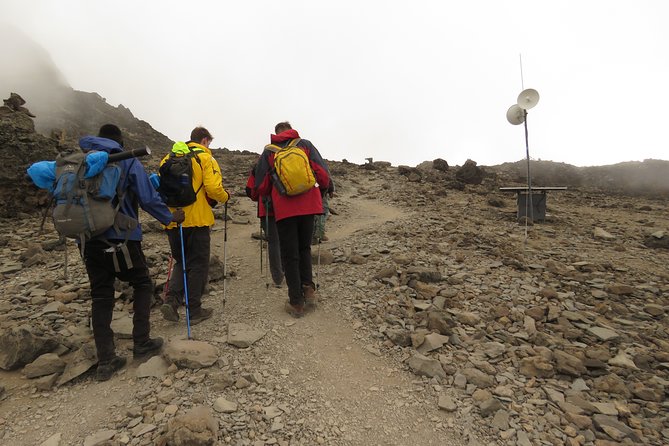
The route leaves the rainforest and reaches open moorland. You climb from 9,500 to 11,500 feet over 8 kilometers, with about 5 to 6 hours of walking.
This change in habitat is one of Lemosho’s pleasures. The forest feels enclosed and shaded, while the moorland opens the trail and gives you a broader sense of the mountain. The air also feels thinner, so your pace may slow even though the distance is not extreme.
Shira Camp is important because you are now high enough for altitude to become a daily concern. Drink as instructed, eat even if your appetite is lower, and tell the guide about headaches, nausea, dizziness, or unusual tiredness. You should not hide symptoms to protect your summit chances. A careful guide needs accurate information to make safe decisions.
More week long trips in Moshi & Kilimanjaro:
- Climbing Kilimanjaro through 7 days Machame Route
★ 5.0 · 151 reviews - 7 Days Kilimanjaro via Machame route affordable price
★ 5.0 · 110 reviews - Private Kilimanjaro Hike 7 Day Lemosho Route
★ 5.0 · 60 reviews - 7-Day Magical Tanzania Safari -Premium High End Package
★ 5.0 · 53 reviews
Day 3: Shira 1, Shira 2, and Moir Hut
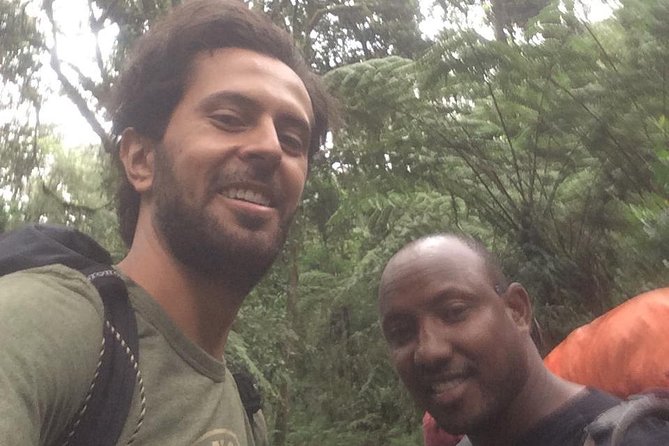
This is a longer day across the Shira area, moving from Shira Camp 1 to Shira Camp 2 and then toward Moir Hut.
- Elevation: 11,500 to 13,800 feet
- Distance: 14 kilometers
- Walking time: 5 to 7 hours
- Habitat: Moorland
The distance is the largest so far, but the gradual route profile helps. You are spending time at higher altitude without making one sudden, punishing climb. The open terrain also makes this a good day to watch the mountain change around you.
Moir Hut is not a luxury hotel. The name refers to the camp area and sleeping arrangements on the mountain. Expect basic camping conditions, shared camp routines, and a focus on rest rather than comfort.
This is also a day when group pace matters. If the departure is large, the slowest sections can take longer than the schedule suggests. I would ask in advance how the operator handles different walking speeds and whether groups are divided by pace.
Day 4: Moir Hut to Lava Tower and Barranco Camp
Day four is designed around altitude adjustment. You climb from 13,800 feet to Lava Tower, then descend to Barranco Camp at about 13,000 feet.
- Distance: 7 kilometers
- Walking time: 4 to 6 hours
- Habitat: Semi-desert
The short distance does not mean this is an easy day. Lava Tower takes you high, and many people feel the altitude here. The later descent to Barranco is valuable because you gain height during the day but sleep lower at night.
The semi-desert zone feels stark after the forest and moorland. Plant life is more limited, the air is dry, and the mountain feels less forgiving. Keep warm when you stop, protect yourself from the sun, and keep your water close.
Barranco Camp is one of the most memorable camps on this route because the next day begins with the Barranco Wall. The wall can look intimidating from camp, but this itinerary treats it as a walking and scrambling section rather than a technical climbing pitch. Your guide will set the pace. Use your hands when needed and keep your pack compact.
Day 5: Barranco to Karanga and Barafu Camp
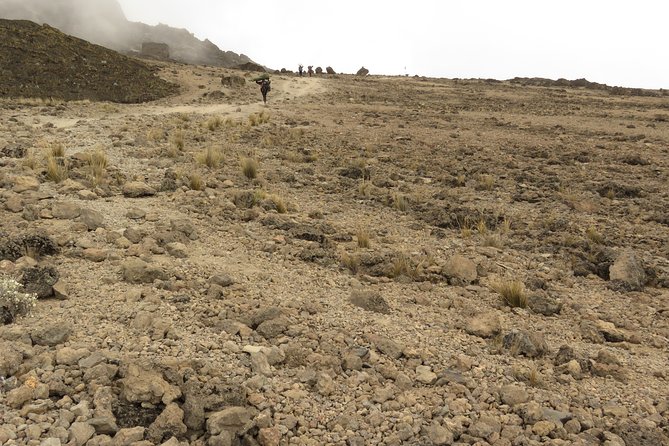
This is one of the hardest full days before the summit:
- Elevation: 13,000 to 15,000 feet
- Distance: 9 kilometers
- Walking time: 8 to 10 hours
- Habitat: Alpine desert
You climb from Barranco to Karanga, then continue toward Barafu Camp. The distance is not huge, but the altitude and uneven trail make the day tiring. The long walking time is the better measure of difficulty.
Karanga provides a useful intermediate point before the final ascent to Barafu. By the time you reach Barafu, the surroundings are sparse and cold. Your body may feel worn down, but you must switch from normal hiking mode to summit preparation.
The crew will handle much of the camp work, but you should organize your own clothing, headlamp, water, snacks, and warm layers before resting. The summit attempt starts from Barafu, so wasted time at camp can make the final night harder.
Day 6: Barafu Camp to the summit and Mweka Camp
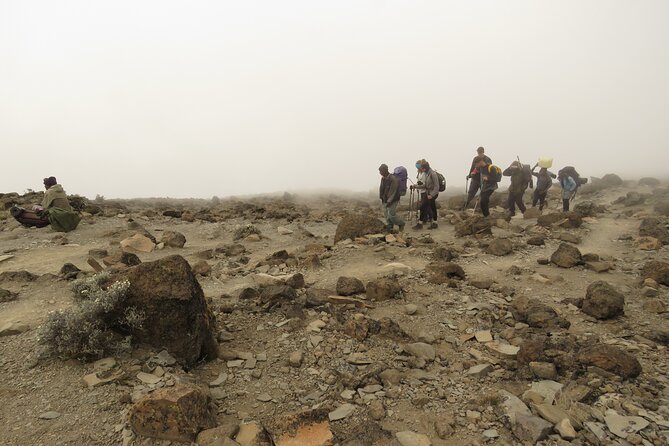
This is the day that defines the trip.
- Starting elevation: about 15,300 feet
- Summit elevation: 19,345 feet
- Ascent: 5 kilometers
- Descent: 12 kilometers
- Ascent time: 7 to 8 hours
- Descent time: 4 to 6 hours
- Habitat: Arctic at the summit
The figures are demanding because they describe two separate efforts. First comes the slow climb to the summit. Then, after reaching the top, you descend a long way to Mweka Camp at about 10,000 feet.
The upper mountain is cold, exposed, and physically draining. The walking pace is intentionally slow. Your guide may keep the group moving in a steady rhythm, with breaks managed around conditions and the group’s needs.
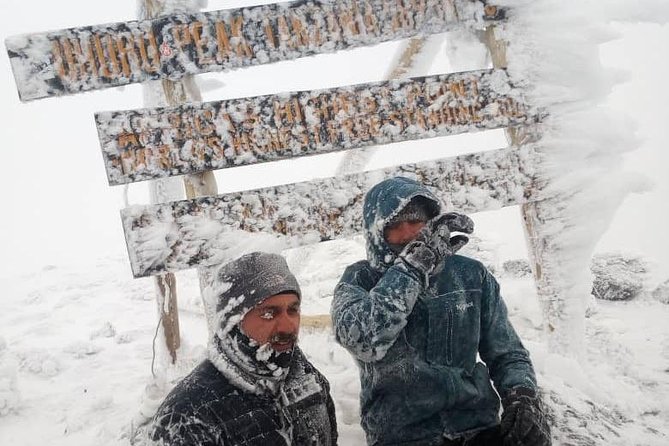
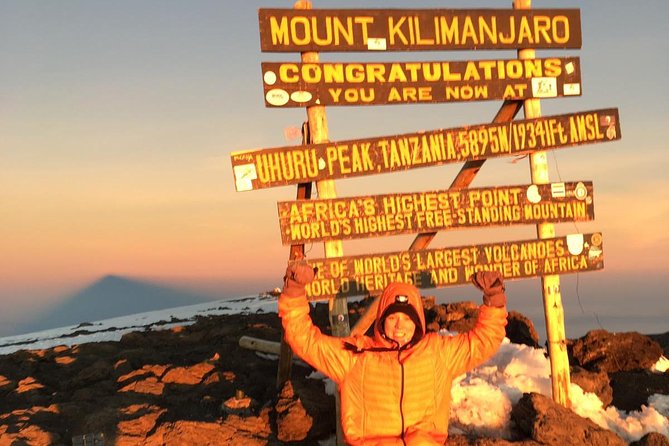
At the summit, you reach the highest point on Kilimanjaro, listed here as 19,345 feet. It is also one of the Seven Summits, a major personal achievement for anyone who completes it.
Do not plan a busy evening after the descent. You have already completed the hardest day, and your legs will feel it. The descent to Mweka Camp is not an afterthought. It is long, and loose ground can make tired knees work hard.
Day 7: Mweka Camp to Moshi
The final walking day returns to the rainforest.
- Elevation: 10,000 to 5,400 feet
- Distance: 10 kilometers
- Walking time: 3 to 4 hours
- Habitat: Rainforest
The forest feels different now because you have crossed several climate zones to get there. The 10-kilometer descent can still be tiring, but the lower elevation usually makes breathing easier.
At Mweka Gate, the trek ends with the formal park exit. Transport takes you back to your hotel in Moshi, and the operator provides a trekking certificate. That certificate is a nice keepsake, but the more important benefit is having a clear end point after a demanding week.
The included return transfer applies to your Moshi hotel. It does not cover an airport transfer, so plan that separately.
Guides, porters, cooks, and group rhythm
The support crew can make or break a high-altitude trek. The package includes a professional guide, porters, and a cook, and the strongest praise for this experience centers on the team’s support, motivation, food, and helpful attitude.
Specific names connected with these departures include Edwin and Moodie. Edwin is described as a guide who explains the mountain’s vegetation and animals while helping set a demanding but manageable pace. Moodie is associated with a successful summit experience supported by the guide team, porters, and cook. Godfrey is also involved in arranging and communicating for the company.
You should confirm your assigned guide before departure because names and staffing can change. More important than any one name is the guide’s approach to altitude, pacing, symptoms, and group management.
Tips for the mountain crew are not included. Ask the operator for current tipping guidance so you can budget fairly. Porters carry much of the shared equipment, while the cook prepares the food that keeps the group moving. Respectful treatment of the crew matters both ethically and practically.
Food, camping, and what you must bring
The three daily meals are included throughout the trek. The cooking team has received especially warm praise, which matters because appetite and energy can become difficult at altitude.
Camping equipment includes quality tents and sleeping mattresses. You still need personal gear such as suitable boots, warm layers, waterproof clothing, gloves, a hat, a sleeping bag if one is not specifically included, and a day pack. The supplied information lists personal hiking gear as your responsibility, so ask exactly what the mattress and tent package covers before you arrive.
Your Moshi hotel before and after the climb is also separate. Staying close to the meeting point at Africa Natural Tours on Mkwawa Avenue may make the start and return simpler, but the package does not provide those nights.
Best months and weather concerns
The recommended climbing windows are mid-December through March and mid-June through October. These periods generally offer more favorable conditions than the wetter parts of the year.
Weather still controls mountain plans. The activity requires good weather, and a cancellation for poor conditions brings an offer of another date or a full refund. You can cancel for a full refund if you do so at least 24 hours before the start time. Changes or cancellations inside that window are not accepted for a refund.
Who should book this climb?
This route suits you if you want a supported Kilimanjaro climb with a slower profile, changing scenery, and a serious chance to adjust to altitude. It is a good match for someone who can walk for several hours a day and accept basic camping for a week.
It is less suitable if you want hotel comfort, a short hiking schedule, or a small private departure guaranteed in writing. A maximum of 50 participants is permitted, so ask about the actual group size. A large group can offer company and shared motivation, but it may also mean slower transitions and less individual attention.
The route also suits people who value a full mountain experience rather than only the summit photo. Lemosho gives you the long approach, the Shira Plateau, Barranco, Lava Tower, and several distinct climate zones.
Should you book the 7-day Lemosho Route?
I would consider this tour if the operator confirms the full cost, current park fees, group size, crew arrangements, and equipment details before payment. The seven-day schedule is a sensible choice for Kilimanjaro because it gives you more time than shorter routes and includes a useful high-point-to-lower-sleeping pattern.
The $1,250 price can be good value for the guide, porters, cook, meals, tents, transfers, briefing, and certificate, but it is not the final trip cost. Add park fees, tips, hotels, flights, airport transport, and personal gear before comparing it with other operators.
Book it if you are ready for long days, cold nights, and a demanding summit push, and if you want the practical support of a mountain crew. Skip it if you need a guaranteed small group or a package with every expense included. The Lemosho Route offers a strong route profile, but your success still depends on fitness, pacing, weather, and how responsibly the team manages altitude.
FAQ
How long is the Kilimanjaro Lemosho Route experience?
The trek lasts approximately seven days. The schedule includes six days on the mountain and a final day walking from Mweka Camp toward Moshi.
What is the highest point reached on the trek?
The summit section reaches 19,345 feet, or about 5,900 meters, on Mount Kilimanjaro.
Is camping equipment included?
Yes. Quality tents and sleeping mattresses are included. Personal hiking gear is not included.
Are meals included during the climb?
Yes. Breakfast, lunch, and dinner are provided during the trekking portion of the experience.
Are Kilimanjaro park fees included in the $1,250 price?
No. All Mount Kilimanjaro park fees are separate and can be paid directly to the park or through the tour operator.
What is the cancellation policy?
You can cancel at least 24 hours before the start time for a full refund. Cancellations or changes made less than 24 hours before the start time are not accepted for a refund. If poor weather causes the activity to be canceled, you can choose another date or receive a full refund.
Newly listed around Moshi & Kilimanjaro
- Climb Mount Kilimanjaro: 7 Days Machame Route★ 5.0 · 3 reviews
- 6 Days Mount Kilimanjaro Climbing via Rongai Route★ 5.0 · 3 reviews
- Explore 1 day Ngorongoro Crater Budget Group Safari from Arusha★ 5.0 · 3 reviews
- Mt. Kilimanjaro Day Hiking★ 5.0 · 3 reviews
- Chemka (Kikuletwa) Hot Springs, Tanzania★ 5.0 · 3 reviews
- Guided City tour of Moshi★ 4.3 · 3 reviews
- 8 Day Tanzania Family Safari★ 5.0 · 3 reviews
- Serengeti Safari with Sirikwa Travel★ 5.0 · 3 reviews
Kilimanjaro Climbs, compared.








Browse the lists this tour appears in