
Reviewed · SPICE FARM TOURS
Zanzibar: Walking Spice Farm with Local Cooking Class
Zanzibar’s spice farms make the island’s food culture easier to understand. On this six-hour outing, you walk through a working shamba, smell and taste plants at their source, then sit beside local cooks as they prepare Swahili dishes over simple fires. It is part farm visit, part meal, and part hands-on lesson.
I like two things here: the plant-by-plant tasting, which turns familiar seasonings into living crops, and the chance to see coconut milk made by hand before it goes into the food. The main thing to consider is that the cooking portion may be more demonstration than class, so do not book this expecting a formal school with every guest preparing a separate dish.
Key points to know
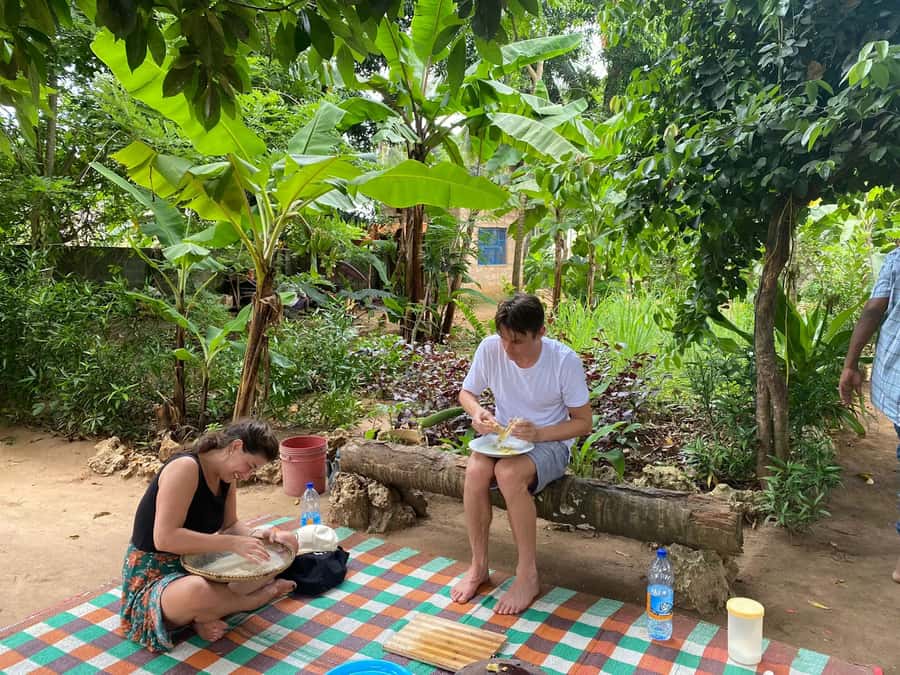
- Tangawizi Spice Farm: Walk among cloves, cinnamon, vanilla, turmeric, black pepper, cardamom, fruit trees, and other crops.
- Cooking over basic fires: See local cooks prepare Swahili food with a wood fire, charcoal burners, hand-scraped coconut, and simple tools.
- Four-course claim needs context: The meal is described as three dishes and dessert, but the food may arrive as one buffet followed by fruit.
- Private six-hour outing: Hotel pickup and drop-off are included from listed areas around Stone Town and Unguja North.
- Good food is the highlight: Pilau rice, fish, spinach, plantain, coconut sauces, and tropical fruit make this more than a spice lecture.
- Cash still matters: The farm stall sells packaged spices, soaps, and creams for cash only.
What this Zanzibar spice farm day is really like
The excursion begins with pickup from your hotel in Stone Town or the Unguja North Region. You are asked to wait at reception about 10 minutes before the agreed time. A driver takes you to Tangawizi Spice Farm, where a local guide leads the walking portion and later brings you into the cooking area.
The drive and transfer matter because the farm is not simply a market stall beside Stone Town. You are going to a growing area where the guide can show you plants in the ground, on bushes, and in trees. The full outing takes about five to six hours, including transport, the farm walk, cooking, and lunch.
This is a private group, which gives the day a more personal feel than a large coach excursion. It also helps if you have questions about food, farming, or the way ingredients are used at home. Guides are available in English, German, and French.
More Cooking Classes in Zanzibar
- Zanzibar Cooking Class & Spice Tour
★ 4.5 · 77 reviews - Zanzibar: Spice Farm Tour with Traditional Cooking Lesson
★ 4.8 · 77 reviews - Half-Day Kuza Cave Swimming Adventure and Cooking Class
★ 4.5 · 44 reviews
Walking through cloves, cinnamon, and tropical fruit
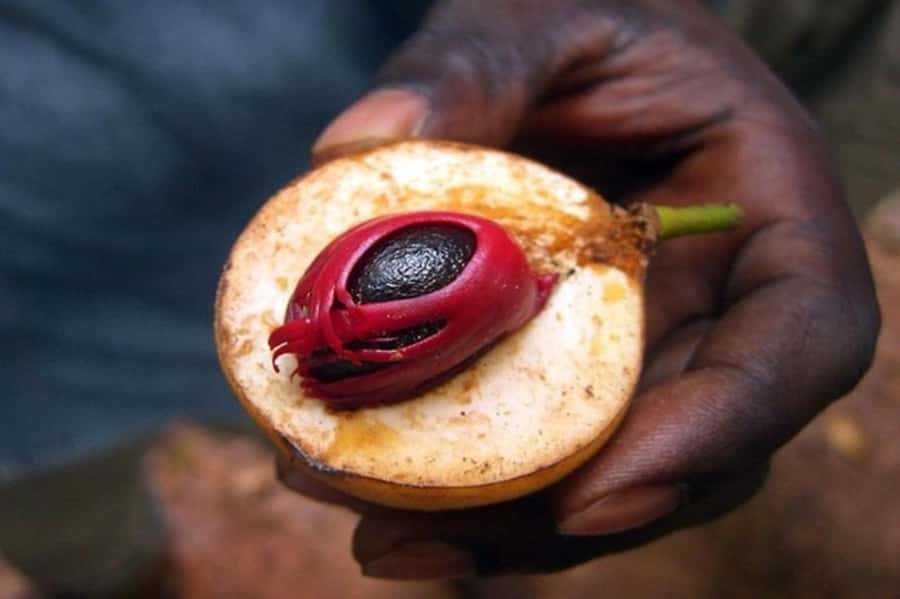
The spice walk is the first major part of the experience. Zanzibar earned its nickname Spice Island through the production and trade of crops such as clove, nutmeg, and cinnamon. The tour gives you a direct look at those ingredients before they reach a shop shelf or kitchen.
You can smell and taste clove, lemongrass, nutmeg, cinnamon, turmeric, vanilla, chili, black pepper, cardamom, and other plants. The list also includes cassava, coconut, papaya, jackfruit, and oranges. That range is important: this is not only a tour about dry spices. It is also a lesson in tropical fruit, roots, leaves, and cooking staples.
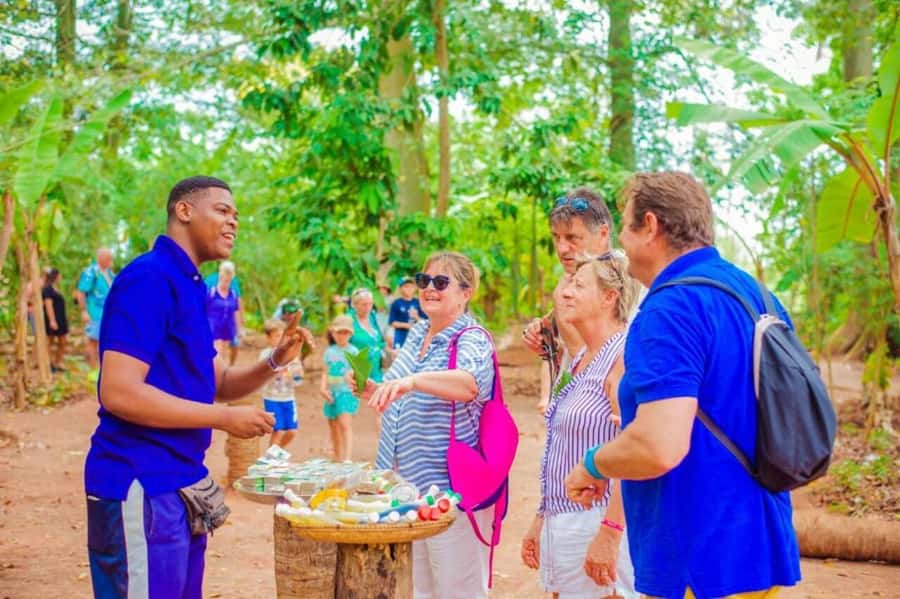
I especially like the sensory format. You are not just told that clove has a strong scent or that lemongrass is citrusy. You get the chance to handle, smell, and taste the plants. The guide may also test your ability to identify different smells, which adds a small game to the walk without turning the whole thing into a staged show.
The farm is described as organic and offers a wide range of plants throughout the year. Still, you should keep your expectations sensible. A spice farm is a working agricultural place, not a polished botanical garden. Paths may be uneven, and the tour is on foot. One guest with limited mobility found the guide attentive and careful in choosing safer routes, but anyone with walking difficulties should explain their needs before the day begins.
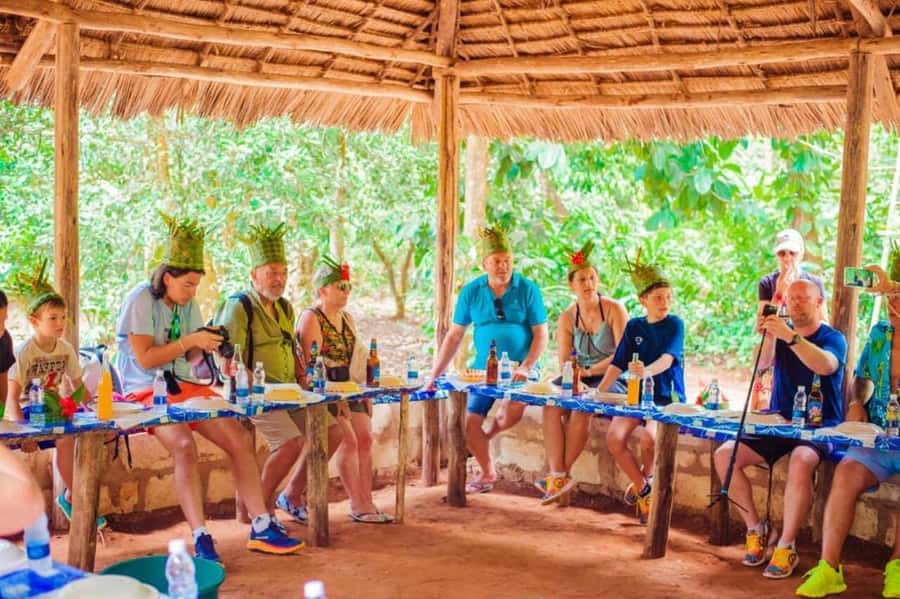
The walk can also include small cultural touches. Handmade crowns and ties may be made from plant materials, and you might see a local man climb a coconut tree while singing. These moments add warmth to the visit, though they are not the main reason to choose the tour. The strongest part remains the chance to connect plants with the meal that follows.
The cooking hut and the Swahili meal
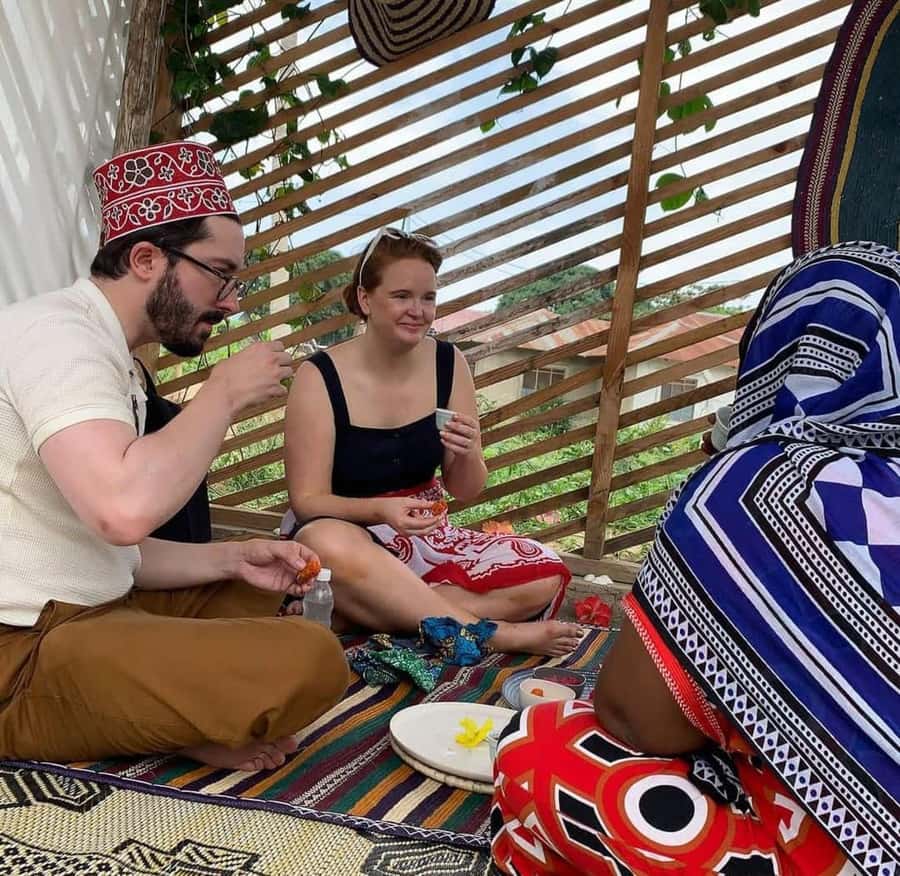
After visiting the farm, you return to the cooking area for the food lesson. The setting is simple: one account describes a small open-air hut with corrugated metal sides, a coconut-frond roof, one wood fire, and two charcoal burners. This is a useful detail because it tells you what kind of cooking experience you are buying.
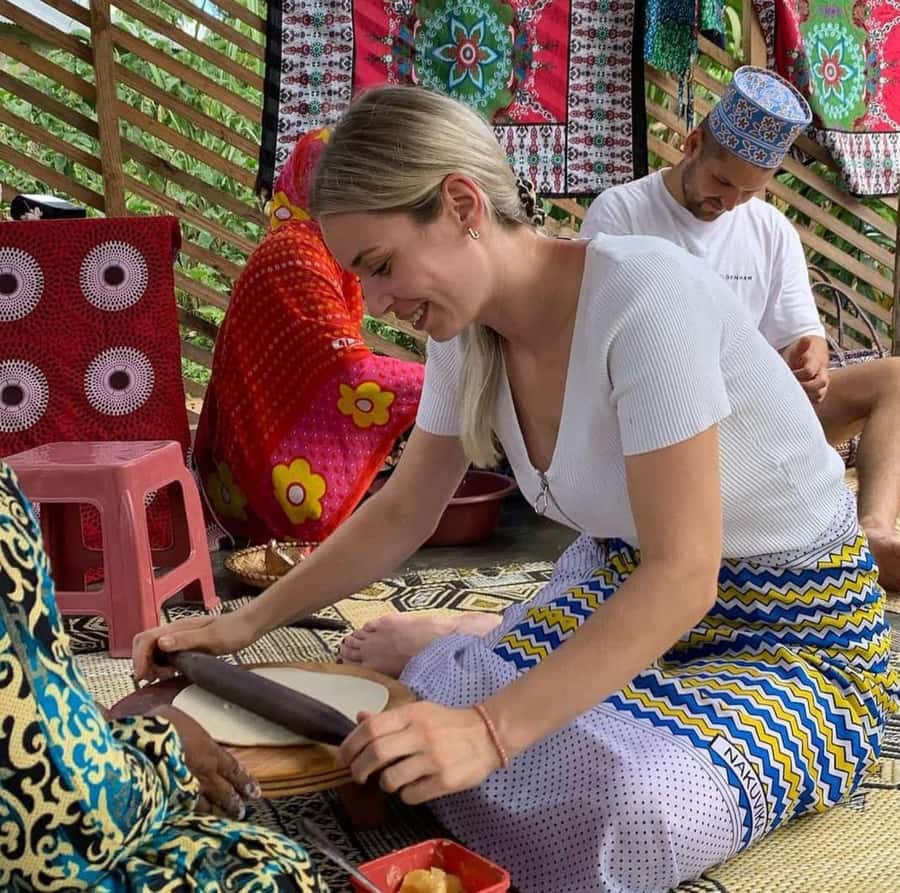
You will not be working in a modern demonstration kitchen with counters, ovens, and neatly arranged equipment. Instead, you see how a meal is made with basic tools and local methods. The cooks scrape coconut meat from the shell and squeeze out the milk by hand. That coconut milk may be used across several dishes, giving you a clear look at how one everyday ingredient shapes Swahili cooking.
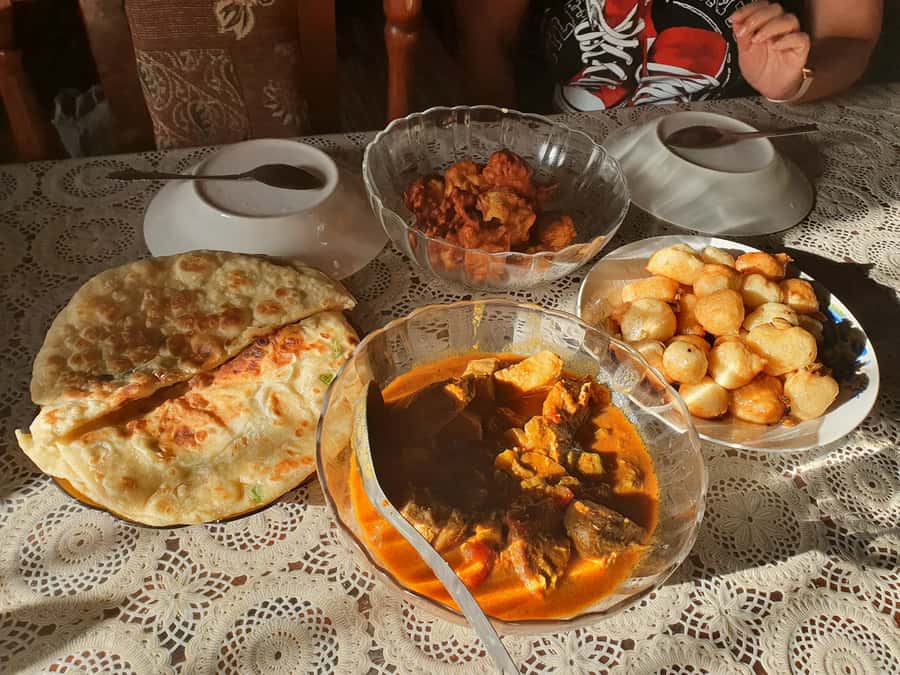
The food can include pilau rice, a tomato and onion sauce, spinach, fish, and plantain. The rice is prepared with several spices, and the fish may be marinated with lime and salt before being fried. The meal is served after the cooking session, and you eat together.
The food is the strongest reason to add this tour to a Zanzibar itinerary. You get to taste dishes in the same setting where you have just seen their ingredients. Pilau, in particular, shows how a handful of spices can create a layered flavor without requiring elaborate equipment.
There is one important wording issue. The activity is promoted as a practical cooking class involving three meals and a dessert, followed by a four-course meal. In practice, the cooking may be closer to a demonstration, with the cooks doing most of the preparation while you watch and perhaps take part in selected tasks. The meal may also be presented as a buffet with fruit served later, rather than four separately plated courses.
I would not treat this as a serious cooking school. I would treat it as a local food demonstration where you can ask questions, observe traditional methods, and eat a generous lunch. That distinction will make a big difference to your satisfaction.
Why the simple cooking setup adds value
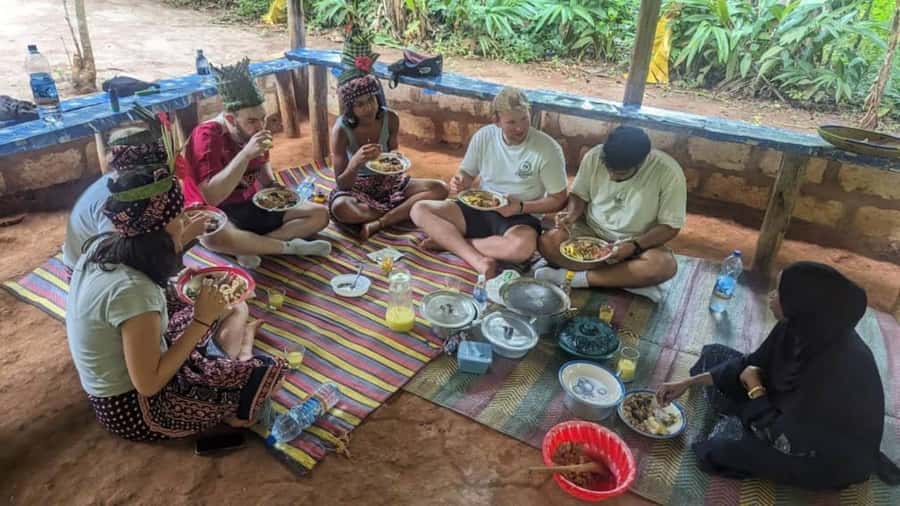
The basic cooking area is not a drawback for everyone. In fact, it gives you a more useful picture of daily food preparation than a staged kitchen might. You see fire-based cooking, hand-prepared coconut milk, and the efficient way local cooks handle several ingredients at once.
The cooks are described as friendly and efficient. That efficiency can mean you do not personally stir every pot or chop every vegetable. If your goal is to learn a recipe step by step, ask at the start how much hands-on work you can do. If your goal is to understand the process and enjoy the meal, the format works well.
People of all ages can take part, and the program runs all year. The private format is helpful for families or couples who want to ask food-related questions at their own pace. It also suits anyone who prefers a small group to a large scheduled excursion.
The cooking lesson is most valuable when you connect it to the farm walk. Smelling a cinnamon plant, seeing a coconut, and then tasting those ingredients in lunch creates a clearer sense of Zanzibar’s food traditions. On its own, the cooking portion might feel short. Together with the farm visit, it forms a coherent half-day.
More Walking Tours in Zanzibar
- Stone Town Private Walking Tour
★ 5.0 · 371 reviews - Zanzibar: 3 Hours Private Stone Town walking Tour with Guide
★ 4.6 · 301 reviews - Zanzibar: Stone Town Historical Cultural Walking Guided Tour
★ 4.5 · 179 reviews - Stonetown: Food Markets and Street Food Walking Tour
★ 4.7 · 151 reviews
Shopping for spices, soaps, and creams
The day finishes with a stop at a spice stall selling fresh packaged spices. You can buy ingredients such as spices and other farm products to take home, along with soaps and creams. This is a practical place to pick up a small reminder of the day, especially if you want something more useful than a decorative souvenir.
The stall is cash only, so carry local currency or another accepted form of cash. The exact payment options are not specified, and card payment should not be assumed. Small bills are sensible if you want to make additional purchases or offer a personal tip.
The stated price includes tips for the farm workers, so you do not need to calculate that cost during the visit. One visitor also advised carrying small bills for tipping, which suggests that extra gratuities may still be customary in some situations. Consider the included farm-worker tip the baseline, not a ban on giving more for especially helpful service.
Do not feel pressured to buy. The shopping stop is part of the usual flow, but the farm walk and meal are the real substance of the outing. If you do shop, packaged spices are easier to carry than fresh produce and make practical gifts.
Transport, timing, and walking comfort
The advertised price is $50 per person and includes hotel pickup, drop-off, and lunch. For a six-hour private outing, that can be fair value, particularly if you are staying in one of the listed pickup areas and would otherwise need to arrange a taxi to a farm.
Value depends on what you expect from the cooking part. If you want a detailed, hands-on lesson with printed recipes and individual workstations, $50 may feel less attractive because the session can function mainly as a demonstration. If you want transport, a guided farm visit, a local meal, and a look at traditional kitchen methods in one booking, the price is easier to justify.
Pickup and drop-off locations include Stone Town, Zanzibar, and the Unguja North Region as listed options. The wording is broad, so confirm your exact hotel location and pickup time when booking. You should wait at hotel reception 10 minutes before the scheduled pickup.
The day involves walking through a farm, not just stepping out of a vehicle for photographs. Wear shoes that feel secure on uneven paths and clothing suitable for a warm outdoor setting. The tour lasts about six hours, so allow enough time in your day and avoid placing a tight appointment immediately afterward.
If you have limited mobility, tell the operator in advance. The guide can choose safer routes, as one outing showed, but this remains a walking experience. The supplied information does not promise wheelchair access or fully level paths, so you should ask before paying.
Who will enjoy this experience most
I would recommend this tour to you if food is one of the main ways you like to understand a place. You get a useful chain of experiences: plant, spice, cooking method, and meal. That connection makes the day more memorable than a quick spice stall visit.
It also suits first-time visitors who want a broad introduction to Zanzibar’s agriculture and cuisine. You can sample many ingredients in one outing, then taste some of them in dishes prepared locally.
Families can benefit from the variety. Children may enjoy the fruit tasting, smell tests, coconut work, and small demonstrations such as tree climbing. Since the group is private, the pace may be easier to manage than on a large shared excursion.
I would be more cautious if you are booking specifically for advanced culinary training. The available details do not include recipes, certificates, a set amount of guest participation, or a promise that each person prepares a separate dish. Ask for clarification if hands-on work is your priority.
The experience can work for people with limited mobility, but only with advance communication. The farm is walked on foot, and the cooking area is simple. The guide may adapt the route, but the information does not confirm fully accessible facilities.
Languages, cancellation, and booking flexibility
Live guides are available in English, German, and French. That language range is useful during the plant walk, where clear explanations matter because many ingredients can look unfamiliar.
You can cancel up to 24 hours before the start time for a full refund. The reserve-now-and-pay-later option lets you hold a place without paying immediately, which may help while you are still arranging hotels or other Zanzibar plans.
The provider is Riser Tours and Safaris Zanzibar Limited. Confirm your pickup details, preferred language, and how much participation is planned in the kitchen before the tour date. Those three questions address the main areas where expectations can differ.
Should you book the Tangawizi Spice Farm tour?
Book it if you want an easy, well-rounded day built around Zanzibar food and farming, with transport and lunch included. The plant tasting, hand-made coconut milk, strong Swahili flavors, and friendly local presentation give the experience real substance.
Think twice if the phrase cooking class is the main reason you are interested. The practical lesson may be mostly a demonstration, and the promised four-course format may amount to a buffet followed by fruit. For the best match, book this as a spice farm walk with a local cooking demonstration and meal.
At $50, it is a sensible choice for a private six-hour outing, especially if you value convenience and a local lunch. Go with comfortable walking shoes, cash for the spice stall, and realistic expectations about your role in the kitchen. Do that, and the day should give you a tasty, grounded introduction to the island’s most famous crops.
FAQ
How long does the Zanzibar spice farm and cooking tour last?
The experience takes about six hours, including the guided spice farm walk, cooking session, lunch, and transportation.
What is included in the $50 price?
Hotel pickup and drop-off and lunch are included. Tips for the farm workers are also included in the tour price.
Where does the tour visit?
The main stop is Tangawizi Spice Farm in Zanzibar’s Unguja South Region.
What languages are available?
Live guides are available in English, German, and French.
Is the cooking lesson hands-on?
The activity is described as a practical cooking lesson, but the cooking may operate more like a demonstration. You should confirm the expected level of guest participation if hands-on cooking is important to you.
What foods and plants can I expect to see?
You may smell and taste clove, lemongrass, nutmeg, cinnamon, turmeric, vanilla, coconut, papaya, chili, black pepper, jackfruit, cardamom, cassava, and oranges. The meal can include pilau rice, sauce, spinach, fish, plantain, and fruit.
Can I buy spices at the end?
Yes. The tour includes a stop at a spice stall selling fresh packaged spices. The stall is cash only, and soaps and creams may also be available.
Can I cancel the booking?
Yes. You can cancel up to 24 hours in advance for a full refund. You can also reserve now and pay later.
More farm visits in Zanzibar
- Zanzibar: Stone Town & Spice Farm Tour with Lunch
★ 4.5 · 97 reviews - Zanzibar:Stone Town & Spice Farm Private Tour Lunch Included
★ 4.2 · 94 reviews - Zanzibar full day Jozani forest + Spice farm and stone town
★ 4.7 · 90 reviews - Zanzibar: Spice Farm & Stone Town Tour with Lunch
★ 4.5 · 80 reviews
More spice farm mornings
- Zanzibar: Stone Town, Spice Tour, Prison Island with Lunch
★ 4.4 · 1,219 reviews - Zanzibar: Prison Island, Stone Town, & Spice Farm Tour
★ 4.5 · 579 reviews - Zanzibar: Stone Town, Spice tour & Prison Island with Lunch
★ 4.6 · 453 reviews - Full-Day Private Stone Town +Spice Farm and Prison Island Tour
★ 4.5 · 216 reviews
Newly listed around Zanzibar
- Zanzibar: Nungwi/Kendwa Beach Sunset Dhow Cruise with Fruits★ 3.4 · 3 reviews
- Prison Island, Sea Turtles, Rock Restaurant & Relax in Beach★ 4.6 · 3 reviews
- Starfish Beach; The Rock; Kuza Cave; Paje Beach; Salaam Cave Tour★ 4.5 · 3 reviews
- Zanzibar: Half-Day Spice Farm Tour,the flavours of Zanzibar★ 4.7 · 3 reviews
- Joazani forest & Spice farm with lunch★ 5.0 · 3 reviews
- Nakupenda Island Snorkeling Sea trip & Lunch W/Transfer -Zanzibar★ 4.0 · 3 reviews
- Mnemba Island Snorkeling and Dolphin tour★ 5.0 · 3 reviews
- Zanzibar:Jozani forest, Spice farm with Swahili Cuisine clas★ 4.2 · 3 reviews
Spice Farm Tours, compared.



Full-Day Private Stone Town +Spice Farm and Prison Island Tour
Read our review →
The Swahili Spice Experience – Spice Tour + Culinary Journey
Read our review →Browse the lists this tour appears in