
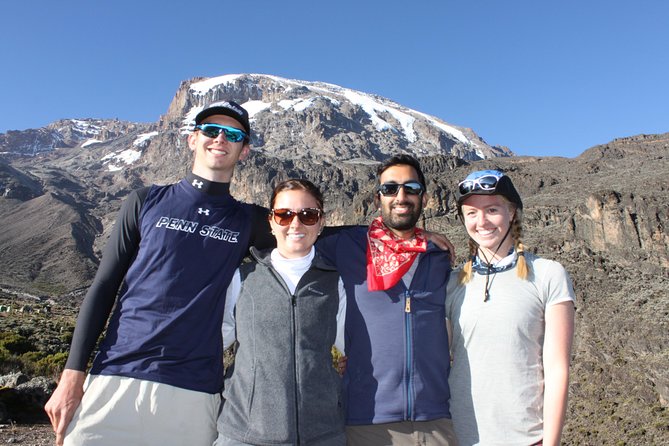
Reviewed · KILIMANJARO CLIMBS
Kilimanjaro Machame Route 7 Days
Kilimanjaro’s Machame Route gives you Tanzania in changing layers: rainforest on day one, dry volcanic slopes higher up, and a glacial summit above 19,000 feet. This seven-day plan is not a casual walk, but its extra acclimatization day makes it a more sensible choice than shorter versions of the same route.
I like the practical support here: airport transfers, hotel nights, meals, tents, safety gear, and park fees are bundled into one price. I also like the serious attention to mountain care, including pulse-oximeter checks, emergency oxygen, a Gamow Bag, radios, and rescue fees. The catch is simple: altitude can defeat fit people, and the summit night remains cold, tiring, and demanding.
Key points before you commit
- Machame’s changing scenery: Walk from equatorial rainforest through alpine zones to Kilimanjaro’s glacial summit.
- A seven-day pace: The extra day helps you adjust to altitude, with shorter walks on days two, four, and five.
- Private group format: Only your party takes part, so the pace and daily rhythm are more personal than on a large shared departure.
- Mountain safety kit: Oxygen, a Gamow Bag, radios, pulse-oximeter, rescue fees, and a personal portable toilet are included.
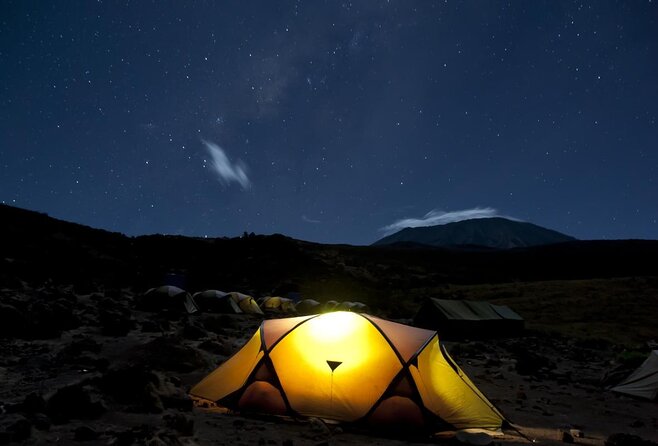
- Comfort at altitude: Expect waterproof tents, sleeping mats, warm washing water, solar lights, dining tables, chairs with backs, and toilet tents.
- Strong local support: George Mtaki, Mo, and Kelvin are associated with the Kilimanjaro Brothers team, which handles airport welcomes, gear checks, guiding, and hotel transfers.
What the seven-day Machame climb is really like
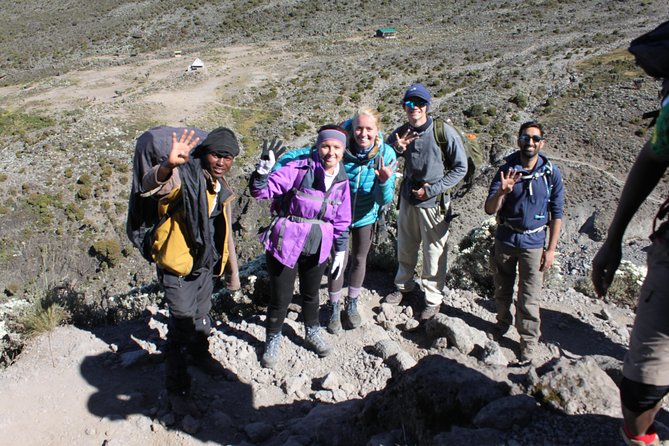
This is a six-day walking challenge with two Moshi hotel nights, one before and one after the mountain. You cover about 62 kilometers, or 37 miles, though the daily figures supplied for the final descent do not line up perfectly, so confirm the exact route distances before departure.
You start at roughly 1,640 meters and finish at Uhuru Peak, 5,895 meters above sea level. That change is the reason the trip deserves respect. The walking itself is only half the task. Eating well, drinking often, sleeping when you can, and moving slowly all matter.
The private format is useful if your group has mixed ability. A guide can keep the pace steady rather than rushing the strongest person ahead. It also means you should ask about the number of people in your party, since private does not automatically mean small.
More Kilimanjaro routes:
- Kilimanjaro climb by Lemosho Route (7-day)
★ 5.0 · 651 reviews - Kilimanjaro climb, Machame Route (7-day)
★ 5.0 · 262 reviews - Kilimanjaro Climbing Lemosho Route 8 Days.
★ 5.0 · 186 reviews
Moshi arrival and the first night
Arrival and departure transfers are included, which removes one of the least pleasant travel chores after a long flight. The team has used airport welcomes by staff such as Kelvin and Mo, and the transfer to Moshi is arranged as part of the package.
You spend a night in hotel accommodation before the climb and return to hotel accommodation afterward. The included lodging is described in two categories, classic standard and comfort, with bed and breakfast provided. Since the details do not identify exact hotels or explain how the categories are assigned, ask your operator to confirm the property and room level in writing.
Use the first evening for two jobs: check your gear and sleep. The team is known to go through equipment before departure, which is valuable if you are not sure about waterproof layers, warm clothing, or the contents of your day pack. You should also settle questions about tipping, drinks, laundry, and any extra nights, since those cost extra.
Day one: Machame Gate to Machame Camp
The drive takes you to Machame Gate at about 1,640 meters, or 5,380 feet. From there, you walk 11 kilometers through rainforest to Machame Camp at around 2,850 meters.
Allow five to six hours. The rainforest is the most enclosed part of the climb, with damp paths and thick plant growth replacing the open views you may expect from a high mountain. It is a good first lesson in pacing. The aim is not to prove fitness on the opening day.
Your mountain crew handles the camp setup while you walk. Waterproof tents, sleeping mats, solar LED lighting, dining furniture, and toilet tents are included. The group also receives warm water for washing each day, a small but welcome service after several hours on the trail.
Day two: Machame Camp to Shira Camp 2
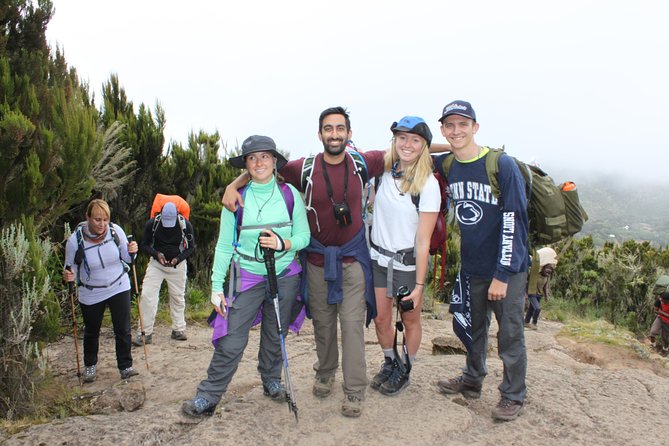
Day two is shorter at about five kilometers and five to six hours, but the altitude rises sharply to Shira Camp 2 at 3,810 meters. The route leaves the rainforest and enters the low alpine zone, where the vegetation becomes more open and the air feels thinner.
This is one of the best features of the seven-day version. You gain height without a huge mileage day, giving your body time to begin adjusting. Do not treat the shorter distance as an easy day. Altitude, not mileage, is the main issue.
You should drink the clean, purified water provided and eat the meals served even if your appetite fades. The food is described as plentiful, healthy, and vegetable-heavy, with full breakfast, lunch, and dinner on the mountain. That matters because the climb burns energy quickly, and carrying your own food would add unnecessary weight.
More week long trips in Moshi & Kilimanjaro:
- Climbing Kilimanjaro through 7 days Machame Route
★ 5.0 · 151 reviews - 7 Days Kilimanjaro via Machame route affordable price
★ 5.0 · 110 reviews - Private Kilimanjaro Hike 7 Day Lemosho Route
★ 5.0 · 60 reviews - 7-Day Magical Tanzania Safari -Premium High End Package
★ 5.0 · 53 reviews
Day three: Shira 2, Lava Tower, and Barranco Camp
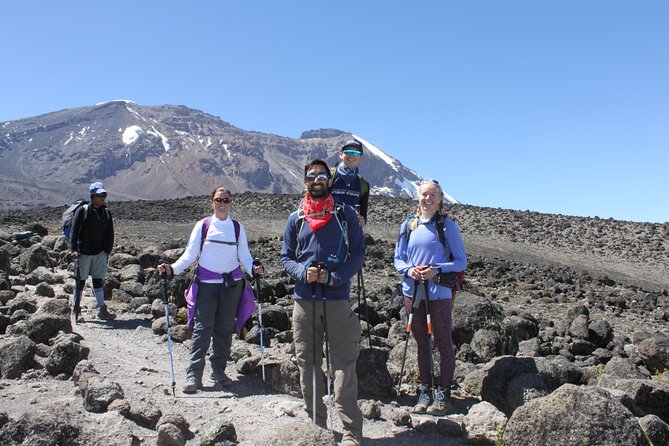
Day three is the longest walking day before the summit push. You climb from Shira Camp 2 to Lava Tower at 4,630 meters, then descend to Barranco Camp at 3,976 meters. The distance is about 10 kilometers, and the stated walking time is eight to nine hours.
This is a classic altitude-acclimatization pattern: climb high, then sleep lower. Even if you feel strong at Shira, Lava Tower can expose how your body is handling the height. Headache, nausea, unusual tiredness, or poor coordination should be reported to your guide promptly.
The route passes from the low alpine zone into the high alpine zone. Expect a more barren volcanic setting and a much bigger sense of exposure than on day one. Barranco Camp is not the summit, but arriving there after a long day gives you a useful test of endurance.
Safety support is unusually detailed for a packaged trek. Guides carry VHF radios, and the equipment list includes emergency oxygen, a Gamow Bag, rescue fees, and a pulse-oximeter. None of this makes altitude risk disappear. It does mean the crew has tools for monitoring and responding when a problem develops.
Day four: Barranco Camp to Karanga Valley
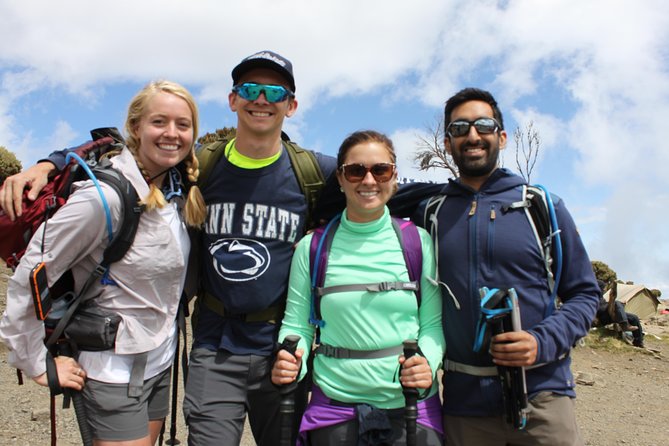
Day four covers only four kilometers in four to five hours, climbing to Karanga Valley Camp at approximately 3,995 meters. The short distance is deliberate. It lets you recover from the Lava Tower day while continuing to sleep at high altitude.
This is a day for moving slowly and paying attention. The route remains in the high alpine zone, where sun, wind, cold, and thin air can all become more noticeable. Pack sunscreen, lip protection, water, and warm layers where you can reach them without unpacking your whole bag.
The included dining setup also has practical value here. Large aluminum tables and chairs with backs and armrests offer a more stable place to eat than sitting inside a sleeping tent. After a long day, a proper meal and a warm wash can do more for morale than fancy camp extras.
Day five: Karanga Valley to Barafu Camp
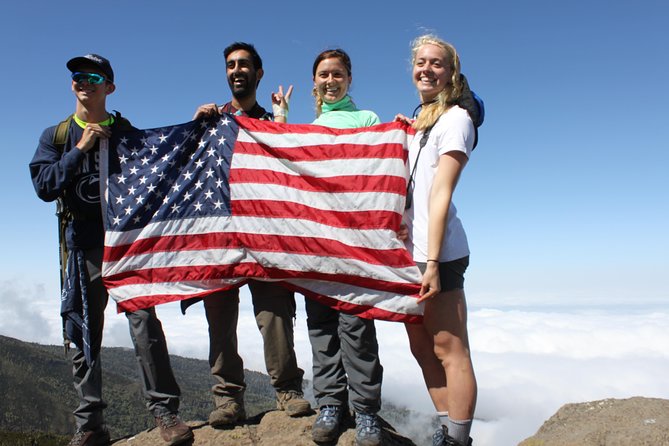
You walk four kilometers in about four hours to Barafu Camp, at roughly 4,673 meters. This is the high camp and the staging point for the summit attempt.
The short route is helpful, but do not expect a leisurely afternoon. The next push begins at night or very early in the morning, so your main task is to eat, organize your summit clothing, drink, and rest. The camp’s altitude can make sleep difficult even before the hardest section begins.
A porter is included to carry your day pack during the summit attempt. Confirm exactly what weight and items this covers. You still need access to water, warm clothing, snacks, and personal essentials, but reducing your load can make a real difference when every step feels slow.
Day six: Uhuru Peak and the descent to Mweka Camp
Summit day takes you to Uhuru Peak at 5,895 meters, or 19,341 feet, before descending to Mweka Camp. The supplied walking time is four to six hours, although the summit attempt and descent are often the most physically demanding part of the trip. Ask for the operator’s expected start time and full day estimate before you leave.
You pass through the glacial zone and then back through the zones below. The views and conditions change quickly, but the priority is safety and a controlled pace. The final approach can feel less like ordinary hiking and more like a slow, deliberate effort.
Your guides are central here. The team’s approach is described as supportive, organized, and focused on keeping a group together. Names connected with the company include George Mtaki, a senior guide and director, and staff members Mo and Kelvin. Your actual guide team may differ, so confirm names before departure.
Reaching Uhuru Peak is a major physical achievement, but the descent still demands care. Knees take a beating, loose volcanic ground can be awkward, and tired climbers can make poor decisions. Keep drinking, follow instructions, and tell the guide if you feel confused, weak, or sick.
Day seven: Mweka Camp to the gate and Moshi
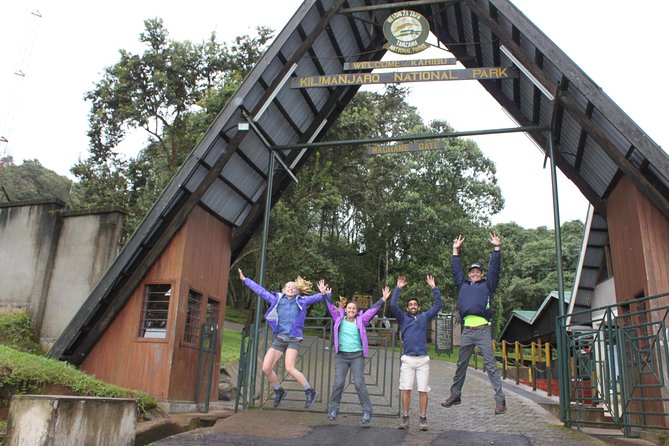
The final descent takes you through rainforest to Mweka Gate. The supplied figures give both three to four hours and four to five hours, and they list both four and ten kilometers in different places. The consistent point is that you finish at Mweka Gate at about 1,640 meters, then transfer to your previous hotel.
At the hotel, you receive a certificate and take part in a summit celebration. That ceremony is a pleasant close to a hard week, especially if the whole group reaches the top. You can wash properly, sort your bags, and enjoy a bed instead of a tent.
Departure transportation is included. Optional add-ons, such as a safari after the climb, are not included, so build extra time and money into your plans if you want to continue to Tarangire, the Ngorongoro area, Serengeti, or Zanzibar.
Food, tents, and the small comforts that matter
The mountain package includes seven breakfasts, seven lunches, and seven dinners, along with full-board mountain meals. The food is presented as fresh, nutritious, and generous, with vegetables forming a major part of the menu.
That is more important than it sounds. At altitude, you may not feel hungry, yet you still need fuel. Tell the team about dietary needs before you arrive, because the supplied details do not specify special-diet arrangements.
Camps use waterproof tents and sleeping mats. Solar LED lights help after dark, while the dining tables, chairs, and toilet tents add a degree of order to a very basic outdoor week. Warm water for washing every day is not a shower, but it helps you feel human.
The personal portable flash toilet is another practical inclusion. It offers privacy and convenience, though you should still ask how it is managed and what facilities exist at each camp.
Safety, porters, and ethical questions
Kilimanjaro is not a technical climb in the mountaineering sense, but the altitude makes it serious. The equipment list includes a portable hyperbaric chamber called a Gamow Bag, emergency oxygen tanks, radios, a pulse-oximeter, and mountain rescue fees.
Use these as backup, not as permission to ignore symptoms. A pulse reading is one piece of information, not a guarantee that you are safe to continue. The guide has the final say when a health problem threatens the climb.
The company also states that porters receive fair and ethical treatment. That is worth asking about directly. You can support good practice by bringing a reasonable bag, tipping appropriately, and avoiding demands that require porters to carry unnecessary luxury items.
The package includes a porter for your day pack during the summit attempt, but not every personal load. Clarify porter numbers, baggage limits, tipping guidance, and how your main luggage is stored while you are on the mountain.
Is $2,669.88 a fair price?
At $2,669.88 per person, this is not a budget walk. But the price covers much more than guiding. You receive airport transfers, local transportation, hotel nights before and after, park entrance fees, government taxes, mountain meals, tents, sleeping equipment, porters, rescue fees, safety equipment, and guiding.
That makes the package easier to compare with cheaper offers. A low headline price may leave out hotels, transfers, park charges, rescue cover, or decent camp equipment. Here, the strongest value is the amount of logistics handled for you.
Still, ask for a precise cost sheet. Tips, a Tanzanian visa, drinks, laundry, telephone use, personal expenses, and optional tours are excluded. The accommodation wording also mentions both classic standard and comfort hotel nights, so confirm what your quoted price includes.
Who should choose this climb?
I would recommend this route to a fit person who wants Kilimanjaro’s major scenery and prefers a private, fully supported trip. It suits first-time high-altitude trekkers better than a rushed schedule because the seven-day plan includes a useful extra acclimatization day.
You should have a moderate level of physical fitness, according to the supplied requirements. That does not mean you need to be an elite athlete. It does mean you should prepare for repeated walking days, steep sections, cold conditions, poor sleep, and a summit day that may test your patience as much as your legs.
This is not ideal if you want a relaxed holiday, dislike camping, or expect hotel-style comfort on the mountain. The chairs, warm water, lighting, and toilets improve camp life, but you still sleep in tents at high altitude.
The private setup is also worth considering for families, friends, or workplace groups who want a shared goal. Group discounts are available, though the amount is not stated, so ask for the price for your exact party size.
Booking details worth confirming
Confirmation is provided at booking, and free cancellation is available up to 24 hours before the local start time. Cancellations inside that window are not refunded, and changes are not accepted within 24 hours.
Poor weather can cancel the experience, in which case you are offered another date or a full refund. Since mountain conditions can change, keep some flexibility in your Tanzania schedule.
Before paying, confirm:
- The exact pre- and post-climb hotels
- Your guide team and group size
- The summit-day start time and expected duration
- The daily walking distances, especially day seven
- Baggage and porter limits
- Dietary arrangements
- Tipping expectations
- Visa requirements and any extra hotel nights
Should you book the seven-day Machame Route?
I would book this trek if you want a serious Kilimanjaro attempt with strong logistical support and a sensible acclimatization schedule. The route gives you rainforest, volcanic terrain, high camps, and Uhuru Peak, while the included equipment and transfers reduce the number of details you must arrange yourself.
I would not book it without preparing physically or confirming the unclear distance figures for the final days. Bring realistic expectations, budget for tips and personal costs, and give yourself recovery time after the mountain.
For a first Kilimanjaro climb, the seven-day Machame plan offers a good balance of challenge, scenery, and support. It is expensive, but much of the price pays for the services that help turn a hard mountain week into a manageable one.
FAQ
Where does the Kilimanjaro Machame Route trek begin?
The experience is based in Moshi, Tanzania. You are driven to Machame Gate, located at about 1,640 meters, or 5,380 feet, to begin walking.
How long does the experience last?
The climb lasts approximately seven days. It includes six full days of walking and hotel accommodation before and after the mountain portion.
How far do you walk in total?
The stated total distance is about 62 kilometers, or 37 miles. The individual figures for the final descent differ, so confirm the exact daily distances with Kilimanjaro Brothers.
Is this a private trek?
Yes. Only your group takes part in the activity.
What fitness level is required?
A moderate physical fitness level is required. The climb includes several days of walking, high-altitude camps, and a summit at 5,895 meters.
Are meals included?
Yes. Breakfast, lunch, and dinner are included on the mountain. The package lists seven breakfasts, seven lunches, and seven dinners.
Are airport transfers included?
Yes. Arrival and departure transfers are included, along with transportation within the destination.
What safety equipment is provided?
The package includes emergency oxygen, VHF radios, a Gamow Bag, rescue fees, a pulse-oximeter, and a portable personal toilet. A porter also carries your day pack during the summit attempt.
What costs are not included?
Tips, a Tanzania visa on arrival, personal expenses such as laundry, telephone use, and beverages, and optional tours are not included.
Newly listed around Moshi & Kilimanjaro
- Climb Mount Kilimanjaro: 7 Days Machame Route★ 5.0 · 3 reviews
- 6 Days Mount Kilimanjaro Climbing via Rongai Route★ 5.0 · 3 reviews
- Explore 1 day Ngorongoro Crater Budget Group Safari from Arusha★ 5.0 · 3 reviews
- Mt. Kilimanjaro Day Hiking★ 5.0 · 3 reviews
- Chemka (Kikuletwa) Hot Springs, Tanzania★ 5.0 · 3 reviews
- Guided City tour of Moshi★ 4.3 · 3 reviews
- 8 Day Tanzania Family Safari★ 5.0 · 3 reviews
- Serengeti Safari with Sirikwa Travel★ 5.0 · 3 reviews
Kilimanjaro Climbs, compared.








Browse the lists this tour appears in