
Reviewed · KILIMANJARO CLIMBS
7-Day Kilimanjaro Climb Machame Route–The Best Path to Uhuru Peak
The Machame Route gives you Kilimanjaro in changing scenes: thick rainforest on day one, open moorland by day two, stark volcanic ground near Lava Tower, and a long moonlit push to Uhuru Peak at 5,895 meters. It is a serious climb, but the seven-day schedule gives your body useful time to adjust.
I like the route’s scenic variety and its climb-high, sleep-lower pattern on day three. I also like that the price includes airport transfers, mountain staff wages, meals, camping gear, emergency oxygen, and daily hot water for washing. The main drawback is the summit day, which can last 10 to 12 hours after a midnight start.
Key points before you reserve
- Seven days on the mountain: You climb through five major altitude zones before descending through the rainforest.
- A strong acclimatization plan: The route rises to Lava Tower at 4,600 meters, then drops to Barranco Camp at 3,900 meters.
- A private trip: Only your own group takes part, with group discounts available.
- Full mountain support: A guide, assistant guides, porters, and cook are included, along with their wages.
- A demanding summit day: You go from Barafu Camp to Uhuru Peak, then descend all the way to Mweka Camp.
- Budget for extras: Flights, visas, insurance, personal gear, medication, snacks, and an optional portable toilet cost extra.
Why Machame is a smart seven-day choice
At $2,812 per person, this is not a casual weekend outing. You are paying for a week of mountain logistics in Tanzania, not just a walking guide. The package covers Kilimanjaro fees, airport transfers between Kilimanjaro Airport and Moshi, tents, sleeping mattresses, camp furniture, meals, drinking water, hot washing water, and a full support crew.
That matters on a mountain where you cannot simply stop at a shop for dinner or replace a forgotten item. The cook prepares breakfast, lunch, and dinner, with seven dinners, seven lunches, and six breakfasts included. Snacks and drinks not listed are your responsibility, so plan for those before leaving Moshi.
The private format is another useful point. You are not being added to a large mixed group, so your pace and daily routine can be handled within your own party. Ask about the group discount before booking if several of you are going together.
The route is popular for good reason. It offers excellent scenery and a sensible altitude profile, though seven days is still not easy. You need moderate physical fitness, and you should treat the altitude as the main challenge, not the distance alone.
More Kilimanjaro routes:
- Kilimanjaro climb by Lemosho Route (7-day)
★ 5.0 · 651 reviews - Kilimanjaro climb, Machame Route (7-day)
★ 5.0 · 262 reviews - Kilimanjaro Climbing Lemosho Route 8 Days.
★ 5.0 · 186 reviews
Day 1: Machame Gate to Machame Camp
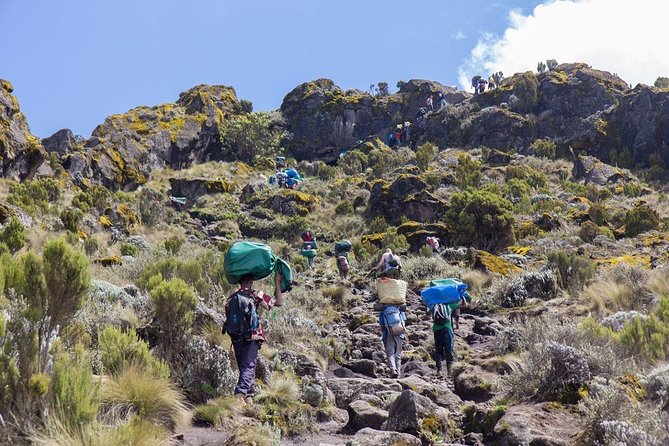
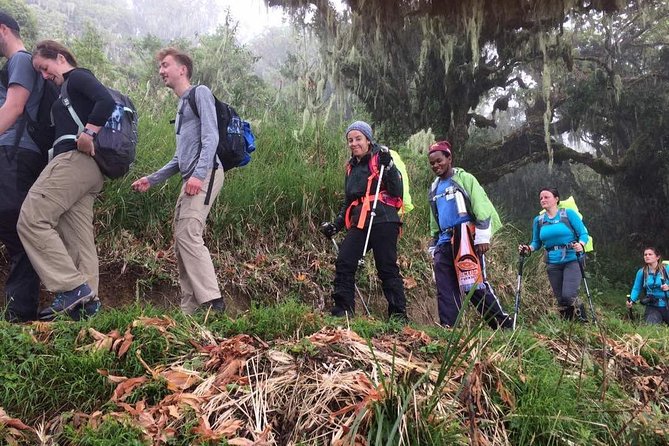
The climb begins at Machame, rising from 1,800 meters to 2,835 meters. You spend five to seven hours walking through rainforest before reaching Machame Camp.
This is a pleasant way to start. The forest is lush, and you have the best chance of seeing Kilimanjaro’s unusual plant life and small wildlife here. The trail is also a useful reminder that this is not a simple stroll to a snowy summit. You are gaining more than 1,000 meters on the first day.
Your crew handles the camp setup, while you settle into the rhythm of walking, eating, resting, and drinking regularly. The included sleeping mattress, tent, camp chairs, and tables make a difference at the end of a long day.
The first day may look modest compared with summit day, but do not rush it. A slow, steady pace is the right approach from the beginning. Keep your rain protection close, since rainforest conditions can change quickly, even though no specific weather guarantee is given.
Day 2: Machame Camp to Shira Cave Camp
The forest gives way to heath and moorland as you climb from 2,835 meters to 3,750 meters. The planned walking time is four to six hours, with arrival on the Shira Plateau by afternoon.
This is where Kilimanjaro begins to feel wide and open. You trade dense vegetation for views toward Kibo Peak and the valleys around the plateau. The walking time is shorter than day one, but the altitude is higher, so your breathing may require more attention.
Shira is a useful overnight stop because it lets you gain height in stages. Keep your clothing flexible. You may start in warm conditions and finish in colder, windier air. Your personal gear is not included, but rental equipment is available from stores in Moshi, so check your needs before starting the climb.
Day 3: Lava Tower and Barranco Camp
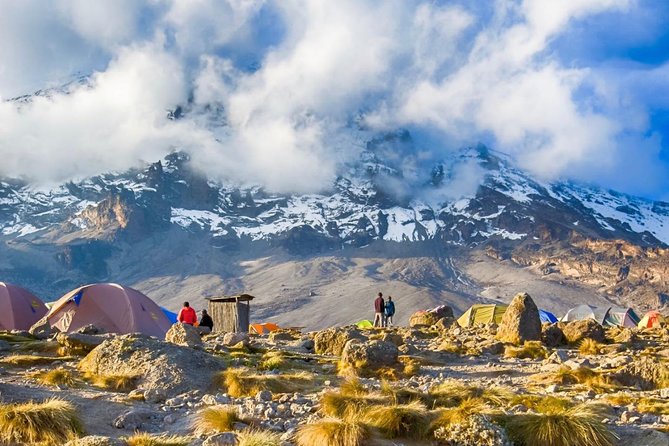
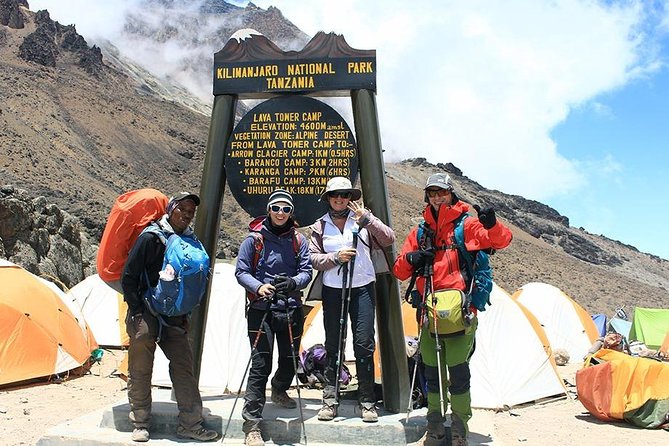
Day three is one of the most important parts of the route. You climb from Shira Cave Camp at 3,750 meters to Lava Tower at 4,600 meters, then descend to Barranco Camp at 3,900 meters. The day takes six to eight hours.
The value is not only the scenery, although the alpine desert here is striking. You spend time at a higher altitude during the day, then sleep lower than that night’s highest point. This climb-high, sleep-lower pattern gives your body a better chance to adjust than a direct, constant ascent.
You should expect this day to feel harder than the clock suggests. Lava Tower is high, and some people may notice headaches, tiredness, or shortness of breath. Emergency oxygen and a basic first aid kit are included for emergencies, but oxygen is not intended as help for reaching the summit. Your guide should be told promptly about any symptoms.
Barranco Camp sits at 3,900 meters, below Lava Tower but still high enough to make this a key acclimatization day. It also prepares you visually for the Barranco Wall waiting on the next morning.
More week long trips in Moshi & Kilimanjaro:
- Climbing Kilimanjaro through 7 days Machame Route
★ 5.0 · 151 reviews - 7 Days Kilimanjaro via Machame route affordable price
★ 5.0 · 110 reviews - Private Kilimanjaro Hike 7 Day Lemosho Route
★ 5.0 · 60 reviews - 7-Day Magical Tanzania Safari -Premium High End Package
★ 5.0 · 53 reviews
Day 4: The Barranco Wall to Karanga Camp
From Barranco Camp, at 3,900 meters, you climb toward Karanga Camp at 4,035 meters. The walking time is four to five hours.
The Barranco Wall is the day’s memorable feature. It involves a scramble rather than a technical rock climb, so you use your hands as well as your feet in places. The information provided describes it as thrilling but safe, though you should still expect a narrow, uneven section that requires attention and a calm pace.
After the wall, the route crosses valleys before reaching Karanga. This is a shorter day on paper, but the repeated ups and downs can feel tiring at altitude. I like the way it breaks up the climb before the summit base camp, giving you time to keep adjusting rather than pushing straight upward.
Use the afternoon to rest, eat, drink, and organize your summit clothing. The next two days are the hardest part of the trip, especially the midnight start and the long descent afterward.
Day 5: Karanga to Barafu Camp
You climb gradually from 4,035 meters to Barafu Camp at 4,640 meters. The walk takes four to five hours.
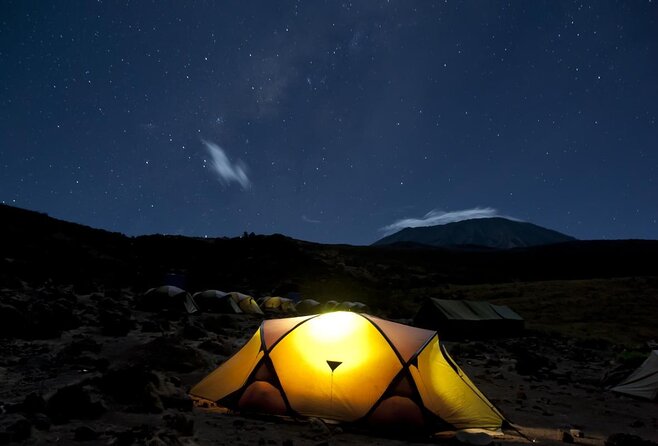
Barafu means snow in Swahili, and it serves as the launch point for your summit attempt. The route description does not promise snow conditions, but the camp is high, exposed, and much colder than the forest below. Your tent becomes a place to eat, prepare your clothing, and sleep early.
The timetable matters here. You are expected to begin the final ascent around midnight, so this is not a normal evening at camp. Try to have your daypack, water, warm layers, gloves, headlamp, and personal medication ready before resting. Personal hiking gear is not included, so confirm what you need to bring or rent in Moshi.
This is also the point when the price of the trip becomes easier to understand. Moving tents, food, water, cooking equipment, and staff up the mountain requires a large support operation. The included porters and cook are not minor extras. They make the seven-day climb possible for most people.
Day 6: Barafu Camp to Uhuru Peak and Mweka Camp
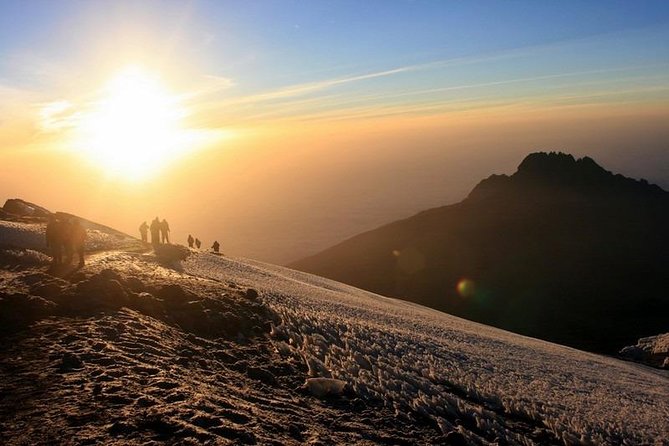
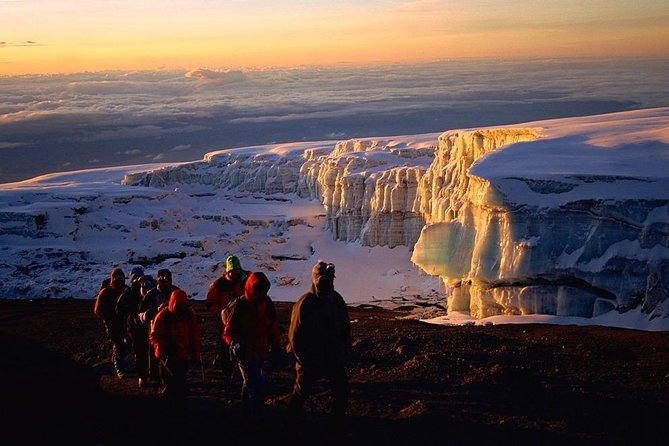
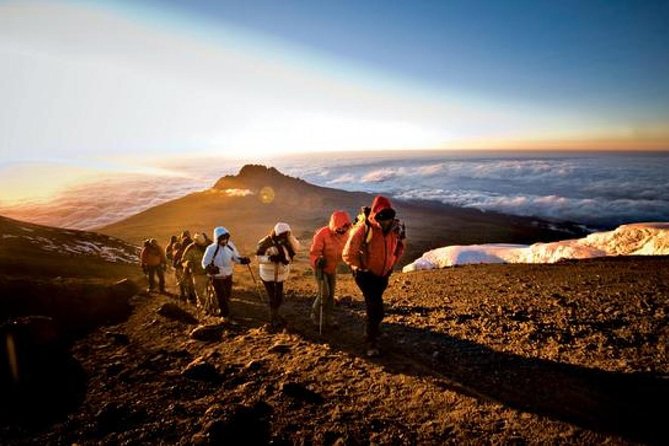
Summit day begins just after midnight. You climb from 4,640 meters to Uhuru Peak at 5,895 meters, then descend to Mweka Camp at 3,080 meters. The total walking time is listed as 10 to 12 hours.
This is the test. The first hours take place in darkness, often in cold conditions, and the altitude makes every step feel slower. Your guide team will set the pace, with the aim of keeping the group moving steadily rather than burning energy early.
Uhuru Peak is the highest point in Africa. Reaching it gives you a clear, powerful moment at the top, but do not forget that the day is only partly finished. After photographs and a short celebration, you descend to Mweka Camp, losing almost 2,800 meters from the summit.
That descent can be hard on tired knees and legs. Trekking poles are worth considering, though they are part of your personal gear and not included. Mweka Camp offers a much-needed rest, but you should still expect to be exhausted when you arrive.
The tour provides emergency oxygen for genuine emergencies, not as a way to force a summit attempt. That distinction is important. No guide or equipment can remove the risks of high altitude, and you should be prepared to turn around if your health requires it.
Day 7: Mweka Camp to Mweka Gate
The final walk goes from Mweka Camp at 3,080 meters down to Mweka Gate at 1,640 meters. It takes three to four hours and returns you to the rainforest.
After the bare upper slopes, the trees feel like a different world. The descent is far easier on your lungs than summit day, though wet or uneven ground may still slow you down. At Mweka Gate, you receive your summit certificate before returning to Moshi.
Airport transfers are included both ways, from Kilimanjaro Airport to Moshi and from Moshi back to the airport. The tour ends at the meeting point in Moshi, so you should make sure your onward flight timing allows enough room after the descent and transfer.
Guides, porters, and the human side of the climb
The strongest praise attached to this experience centers on the mountain crew. Frazier and Justin are named as leaders in the trip accounts, while Joan and Abraham are also singled out for organization, guidance, and care.
That human support matters more than fancy camp furniture. The crew checks on your safety, keeps meals coming, manages camp equipment, and helps maintain a positive mood when the altitude and fatigue start to wear you down. The phrase Hakuna Matata appears in the trip experience, not as a promise that the mountain is easy, but as a useful attitude when plans and energy levels change.
Porters and cooks are included, along with their wages. You should still ask the operator how porter welfare and tipping are handled, since the supplied details do not set out a tipping policy. It is also sensible to confirm the guide-to-climber ratio for your particular private group.
What the $2,812 price includes, and what it leaves out
The cost includes all fees and taxes, airport transfers, the mountain crew, camping equipment, drinking water, hot water for a daily wash, and the listed meals. That is a substantial package for a seven-day climb.
You still need to pay for flights, visas, travel and health insurance, personal items, medicines, water-purifying tablets, snacks, and meals or drinks not listed. Personal hiking and trekking gear is also extra, though you can rent equipment in Moshi.
A portable toilet is optional but highly recommended. It is not included, so add that cost if private toilet access matters to you. The provided information also states that yellow fever vaccination is compulsory, so check the current entry and health requirements before your trip.
The cancellation terms are strict near departure. You receive a full refund if you cancel at least three full days before the start time. Cancellations or changes made less than three full days beforehand are not refunded or accepted.
Who should book this Kilimanjaro climb?
I would choose this route if you want the best mix of scenery and altitude preparation within a one-week plan. It suits a private party of friends, cousins, or family members who want their own group rather than a shared departure.
It is also a good match for a first Kilimanjaro attempt, provided you are reasonably fit and ready for long walking days. You do not need to be an expert climber, but the Barranco Wall scramble, high-altitude nights, and summit descent demand preparation.
I would hesitate if you dislike camping, cold nights, early starts, or the idea of walking for 10 to 12 hours on summit day. Seven days is a useful schedule, but it is still compressed compared with longer climbs. Ask the operator about the exact equipment list, guide staffing, porter arrangements, and available group discount before paying.
Should you book it?
Book this Machame climb if you value changing scenery, a private group, and strong practical support from Moshi to the summit. The included staff, meals, water, tents, transfers, and safety equipment make the $2,812 price easier to justify.
Do not book it simply because Uhuru Peak is on your wish list. Prepare for altitude, budget for gear and insurance, and accept that summit day will be long and uncomfortable. If you can do that, this seven-day route offers a well-planned and memorable way to reach Africa’s highest point with the Pinnacle team.
FAQ
Where does the Kilimanjaro climb start?
The activity starts in Moshi Urban, Tanzania.
How long is the Machame Route experience?
The climb lasts approximately seven days.
Is airport transportation included?
Yes. Return transfers between Kilimanjaro Airport and Moshi are included.
Is this a private tour?
Yes. Only your own group participates in the activity.
What meals are included?
The package includes seven dinners, seven lunches, and six breakfasts.
Are guides, porters, and a cook included?
Yes. A qualified mountain guide, assistant guides, porters, and a cook are included, along with their wages.
Is personal hiking equipment included?
No. Personal hiking and trekking gear is not included, but you can rent equipment from stores in Moshi.
What is the cancellation policy?
You can receive a full refund if you cancel at least three full days before the experience start time. Cancellations or changes made less than three full days beforehand are not accepted or refunded.
Newly listed around Moshi & Kilimanjaro
- Climb Mount Kilimanjaro: 7 Days Machame Route★ 5.0 · 3 reviews
- 6 Days Mount Kilimanjaro Climbing via Rongai Route★ 5.0 · 3 reviews
- Explore 1 day Ngorongoro Crater Budget Group Safari from Arusha★ 5.0 · 3 reviews
- Mt. Kilimanjaro Day Hiking★ 5.0 · 3 reviews
- Chemka (Kikuletwa) Hot Springs, Tanzania★ 5.0 · 3 reviews
- Guided City tour of Moshi★ 4.3 · 3 reviews
- 8 Day Tanzania Family Safari★ 5.0 · 3 reviews
- Serengeti Safari with Sirikwa Travel★ 5.0 · 3 reviews
Kilimanjaro Climbs, compared.








Browse the lists this tour appears in