
Reviewed · KILIMANJARO CLIMBS
7 days Lemosho route Climbing Mt.Kilimanjaro
Kilimanjaro’s Lemosho Route gives you the mountain in chapters: thick rainforest on day one, open moorland around Shira, stark volcanic ground near Lava Tower, then the long push to Uhuru Peak at 19,345 feet. I like the gradual approach and the South Circuit, which lets you see Kibo from several angles before summit day.
I also like that the $2,850 price includes park fees, rescue fees, airport transfers, two Moshi hotel nights, a cook, porters, guides, meals, and treated water. The main drawback is the schedule: summit night starts around 2 a.m., and day five can last 8 to 10 hours before you even begin the final climb.
Key points to know before booking
- Lemosho begins in quiet rainforest: The first day offers a gentler entry into the climb than the harsh upper slopes.
- Shira Plateau is your acclimatization classroom: Day three reaches 13,800 feet and includes walks toward Moir Hut and Lent Hills.
- Lava Tower comes before Barranco: You climb high to about 16,000 feet, then sleep lower at Barranco, a smart altitude-training pattern.
- The crew is a major part of the experience: Guides named in past trips include Goodluck Mwanga, Abraham, Oscar, Bakari, Nickson, Joseph, Matthew, FC, and Tammy.
- The hardest day is really two days in one: Summit morning takes you from Barafu to Uhuru Peak, followed by a long descent to Mweka.
- A 15-person maximum keeps the group manageable: That still means a full mountain team, with porters and a cook supporting the climb.
Why the Lemosho Route works well for seven days
Lemosho is a strong choice if you want scenery and a measured climb rather than a quick race upward. You start on the western side of Kilimanjaro, where the route passes through rainforest before opening onto the Shira Plateau.
That gradual change matters. You do not begin at the upper mountain’s bare rock and cold air. Instead, you gain height over several days, with the route giving you time to settle into the walking rhythm.
The seven-day version is still demanding. Kilimanjaro is high enough for altitude sickness to affect fit people, and good fitness does not guarantee a summit. The itinerary includes useful acclimatization, but you still need to walk slowly, drink regularly, follow your guide’s instructions, and tell the crew if you feel unwell.
The South Circuit is another strong feature. Rather than approaching the summit from one side and immediately returning, you pass Lava Tower, descend to Barranco, cross toward Karanga, and then reach Barafu. This creates a broader mountain experience and gives your body a valuable high-and-low day before the summit attempt.
More Kilimanjaro routes:
- Kilimanjaro climb by Lemosho Route (7-day)
★ 5.0 · 651 reviews - Kilimanjaro climb, Machame Route (7-day)
★ 5.0 · 262 reviews - Kilimanjaro Climbing Lemosho Route 8 Days.
★ 5.0 · 186 reviews
Day 1: Moshi to Londorossi Gate and the first forest camp
The first day begins with a drive from Moshi to Londorossi Gate, about four hours away. Park entry formalities take place here, followed by another hour of driving to the Lemosho trailhead.
After lunch at the trailhead, you begin walking through undisturbed rainforest. The route covers about 6 kilometers in three to four hours, rising from roughly 7,800 to 9,500 feet.
This is a pleasant way to start. The forest feels removed from Moshi, and the walking time is moderate. You sleep at a campsite and receive lunch and dinner.
The practical catch is the long transfer before the hike. This is not a full mountain day, but it is a travel-heavy start. Keep your daypack organized, with water, rain gear, and anything you need during the drive. Your larger bags will be handled by the support team.
Day 2: Leaving the rainforest for Shira Ridge
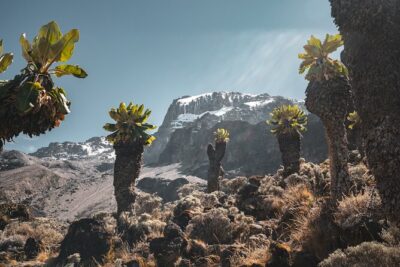
The forest gives way to a savannah-like zone of tall grasses, heather, volcanic rock, and lichen. You climb through rolling terrain, cross streams, reach Shira Ridge, and then descend gently to Shira 1 Camp.
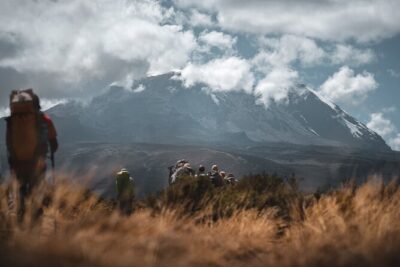
The figures are modest on paper: about 8 kilometers, five to six hours, and an altitude gain from 9,500 to 11,500 feet. In practice, this is where the mountain begins to feel more serious. The ground opens up, the air gets thinner, and Kibo becomes a constant presence across the plateau.
I like this day because the view does much of the motivational work. You can see the summit area ahead, but you are not yet forced into the steep upper slopes. Take this stage slowly. A steady pace now is more useful than proving how fast you can walk.
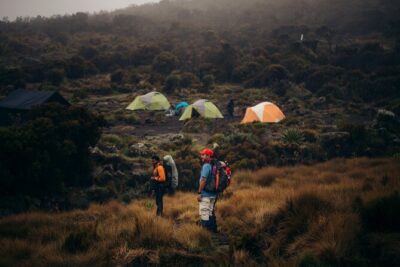
You camp at Shira 1 and receive all three meals. The camping format means you should expect basic mountain comfort, not a lodge-style stay. The inclusion of a cook is important here, since regular meals help you keep energy up when appetite and altitude can work against each other.
Day 3: Shira Plateau and the Moir Hut acclimatization walk
Day three covers about 14 kilometers over five to seven hours. You cross the Shira Plateau toward Kibo, pass through moorland meadows, and reach Shira 2 Camp near a stream before continuing toward Moir Hut at the base of Lent Hills.
The altitude rises from 11,500 to about 13,800 feet. This is a full day, but the route is described as a gentle walk across the plateau. Its value is not just scenery. The extra time at altitude gives your body a chance to adjust before the bigger gains ahead.
The Lent Hills area offers different walking options, making this one of the more flexible parts of the plan. Your guide can help shape the pace and walking distance around the group’s condition, though the supplied schedule gives the full 14-kilometer distance.
This is a good place to notice how you are responding. Headache, nausea, dizziness, unusual tiredness, and poor coordination should not be brushed aside. The guide team’s role is not only to point out the trail. It is also to monitor how you are handling height and exertion.
More week long trips in Moshi & Kilimanjaro:
- Climbing Kilimanjaro through 7 days Machame Route
★ 5.0 · 151 reviews - 7 Days Kilimanjaro via Machame route affordable price
★ 5.0 · 110 reviews - Private Kilimanjaro Hike 7 Day Lemosho Route
★ 5.0 · 60 reviews - 7-Day Magical Tanzania Safari -Premium High End Package
★ 5.0 · 53 reviews
Day 4: Lava Tower, Arrow Glacier junction, and Barranco
Day four is one of the best-designed parts of the route. You climb from the Shira Plateau toward Lava Tower, also called the Shark’s Tooth, reaching about 16,000 feet. After that high point, you descend to Barranco Camp at roughly 13,000 feet.
The day covers only about 7 kilometers and takes four to six hours, but altitude makes it significant. You finish near the same elevation where you began, yet your body has spent time much higher. That high climb followed by a lower night is useful preparation for the summit.
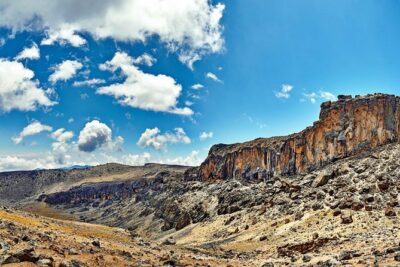
The terrain changes again to semi-desert. Expect volcanic ground, sparse plant life, and a more exposed feel than the forest below. The approach to Lava Tower can be tiring, particularly if you have not adjusted well to the altitude.
Barranco is memorable because the next morning begins with the Barranco Wall. For now, you rest, eat dinner, and camp. Keep warm clothing close by. At this height, evenings can feel cold even after a sunny afternoon.
Day 5: Barranco Wall, Karanga, and Barafu Camp
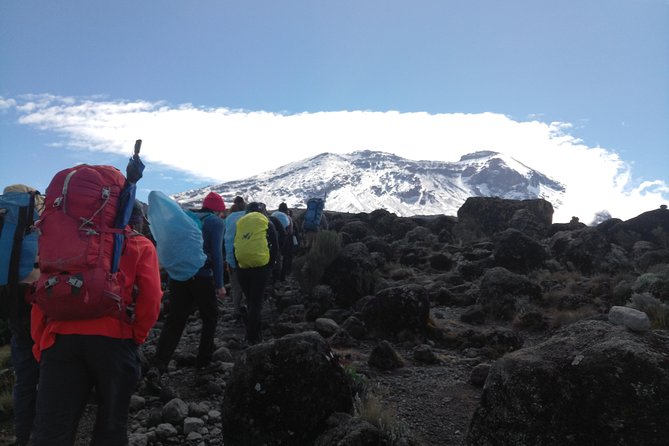
Day five is long, with about 9 kilometers and eight to ten hours of walking. You leave Barranco, climb the steep ridge over or beside the Barranco Wall, continue to Karanga Valley, then connect with the Mweka Trail before climbing to Barafu Hut.
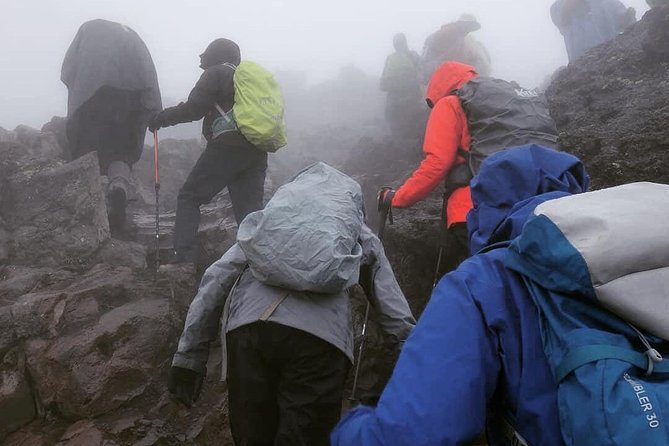
This is the day when the route’s alpine character becomes clear. The habitat is listed as alpine desert, and the vegetation becomes sparse. The Barranco Wall looks imposing, but the important point is not speed. You need careful foot placement, patience, and room for the group to move safely.
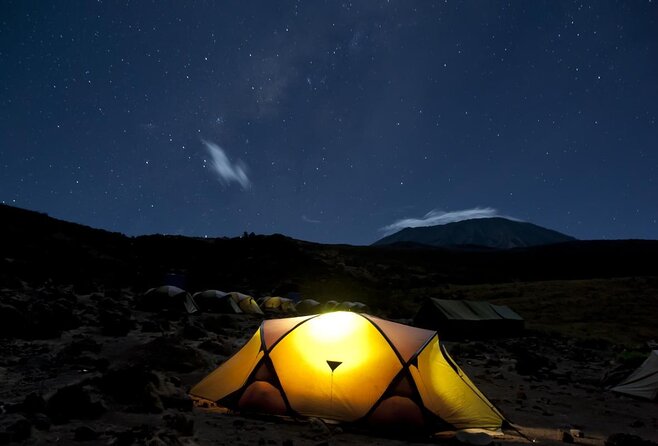
Reaching Barafu means you have completed the South Circuit. You have seen Kibo from different angles, and Mawenzi and Kibo are visible from camp. The reward comes with a catch: Barafu is not a place to linger over a long evening. You eat dinner, organize summit clothing and equipment, and try to sleep before the early start.
This is where the seven-day schedule tests you. A shorter itinerary may sound attractive, but the combination of a long approach day and a midnight-style summit routine is physically demanding. If you want a gentler climb, ask Kilisa whether a longer itinerary is available before paying.
Day 6: Stella Point, Uhuru Peak, and the descent to Mweka
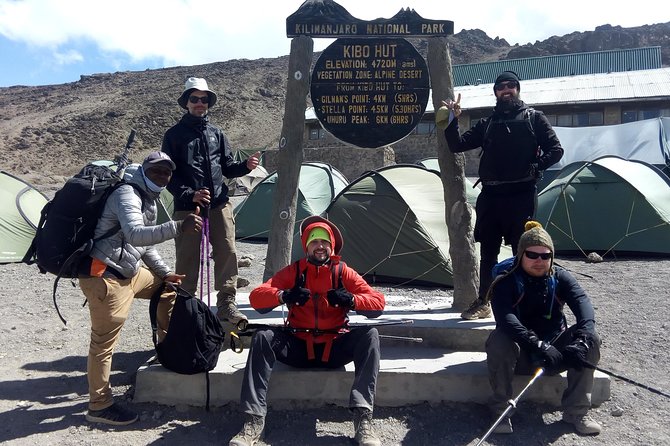
Summit day begins around 2 a.m. You climb between the Rebmann and Ratzel glaciers, moving northwest through heavy scree toward Stella Point on the crater rim at about 18,600 feet.
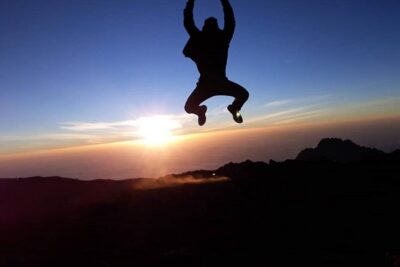
The route is steep, dark, cold, and slow. Scree can make every step feel short. The reward is the sunrise at Stella Point, weather permitting. From there, the summit is about another hour, and snow may appear along the way.
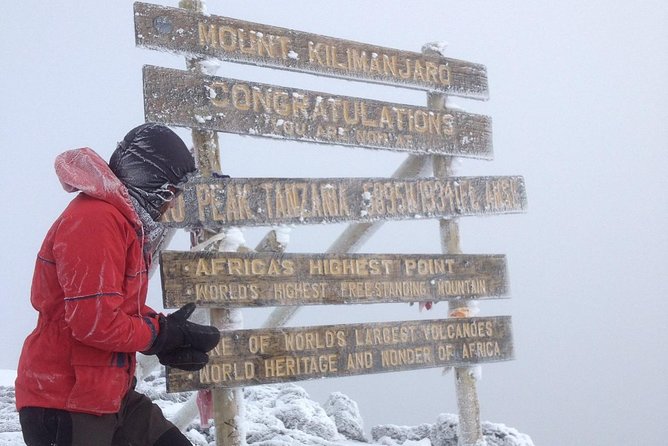
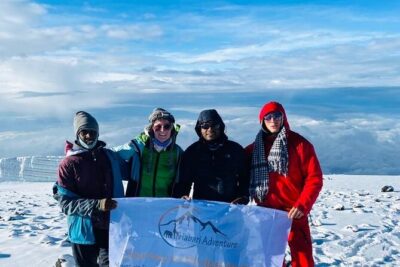
Uhuru Peak reaches 19,345 feet, the highest point on Kilimanjaro and in Africa. Faster walkers may arrive in time for sunrise from the summit, but do not treat that as a target. Your guide’s pace and your physical condition matter more than the clock.
After the summit, the day continues downward. You descend toward Mweka Hut, stopping at Barafu for lunch. The supplied schedule is cut off in its final elevation figure, but it clearly describes a major descent from the summit area to about 10,000 feet near Mweka.
This is an exhausting day because the summit is only the midpoint. Many people focus so strongly on reaching Uhuru Peak that they forget the descent still requires concentration. Trekking poles can help, and you should keep snacks and water within easy reach.
Day 7: Mweka Gate and the return to Moshi
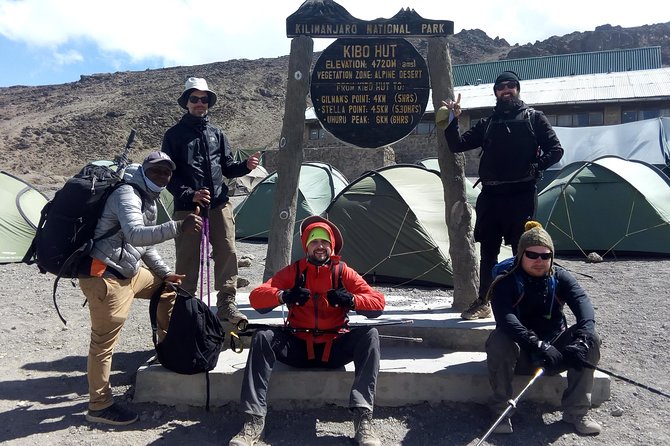
The final walking day descends about 10 kilometers in three to four hours, from roughly 10,000 feet to 5,400 feet. You return through rainforest to Mweka Park Gate, where summit certificates are issued.
The lower trail can be wet and muddy. Gaiters and trekking poles are specifically useful, and the clothing advice is practical: shorts and a T-shirt may be enough in the warm lower forest, but keep rain gear and warmer layers accessible.
From the gate, you continue for about another hour to Mweka Village. A vehicle then takes you back to your Moshi hotel.
The itinerary lists camping for this night, but the transport plan says you return to your hotel in Moshi. Confirm that detail before departure so you know where you will sleep after the climb.
What the $2,850 price really covers
At $2,850 per person, this is not a budget walk-up-the-mountain deal, but the inclusions make the price easier to assess. You receive:
- Private transport between Kilimanjaro International Airport and your Moshi accommodation
- Two nights of accommodation in Moshi
- Kilimanjaro National Park entry fees
- Team Kilimanjaro Rescue fees
- Mountain guides, a cook, and porters
- Treated and filtered drinking water
- An emergency first-aid kit
- Six lunches, seven breakfasts, and six dinners
That package removes several large costs that can surprise independent climbers. Park fees alone are a major part of a Kilimanjaro trip, and airport transfers plus Moshi accommodation add practical value.
You still pay for flights, travel insurance, and tips for the guides, porters, and cook. Insurance is not an optional extra in spirit, even though it is not included in the advertised price. Make sure your policy covers high-altitude trekking and emergency evacuation.
The support team also affects value. The strongest praise attached to this operator centers on attentive guides, positive group energy, good food, and careful support. Names that appear repeatedly in the company’s trekking work include Goodluck Mwanga, Abraham, Oscar, Bakari, Nickson, Joseph, and Tammy. Staff assignments can change, so treat those names as examples rather than a promise that a particular guide will lead your departure.
Food, camping, and the mountain support team
Meals are provided from lunch on day one through breakfast on day seven. The food is prepared by a dedicated cook, and detailed accounts describe generous portions and meals that helped climbers maintain energy.
You should still bring personal snacks you know you will eat. Altitude can reduce your appetite, and familiar foods can be useful during the long summit push.
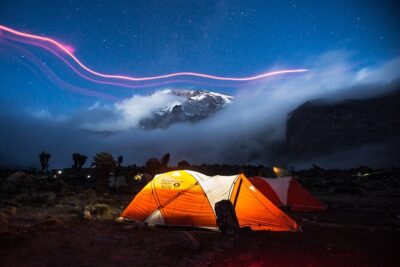
Camping is part of the experience and part of the challenge. You spend nights at camps rather than in mountain lodges, so expect simple conditions and limited comfort. The exact tent setup and toilet arrangements are not provided, and those are sensible questions to ask before booking.
Porters carry equipment and supplies, while guides manage the route, pace, and safety. The crew’s work is central to the trip, so budget tips separately and ask the operator about its tipping guidelines. The listed price does not include gratuities.
Who should book this climb?
This trip suits you if you have strong physical fitness, can handle long walking days, and want a full Kilimanjaro route rather than a short summit attempt. It also suits people who value a local Moshi-based operator, a small maximum group of 15, and a support team that includes guides, a cook, and porters.
It is less suitable if you want hotel comfort throughout, dislike night walking, or prefer a short and easy holiday activity. The summit morning starts at about 2 a.m., and day five can run for ten hours before the summit attempt even begins.
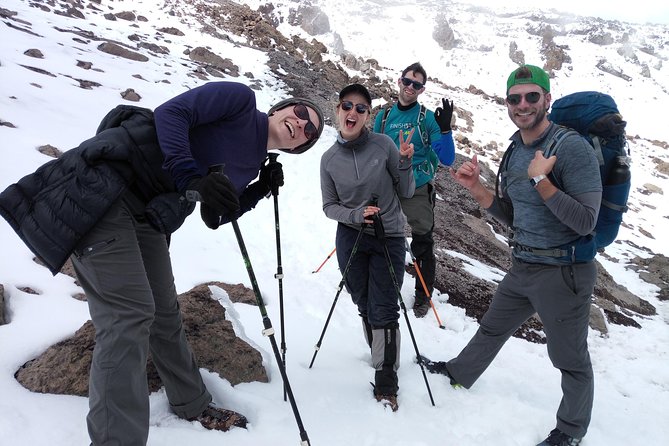
Solo climbers can book, and the group structure may make the experience social. One solo female climber described feeling well supported across several activities with the company, but no operator can remove the physical risks of altitude. You remain responsible for honest communication about your health and stamina.
Pickup is offered, and the meeting time is 8:30 a.m. Confirmation is provided at booking. The experience is near public transportation, though the mountain days themselves depend on private transfers arranged by the company.
Should you book Kilisa’s seven-day Lemosho climb?
I would consider booking this trek if you want a scenic western approach, a strong support package, and a route that includes useful acclimatization at Shira, Lava Tower, and Barranco. The high praise for guides, food, encouragement, and organization makes the operator appealing, especially for a first Kilimanjaro climb.
I would ask three questions before committing: what exact Moshi nights and post-climb accommodation are included, which guide team is assigned, and what camping equipment is supplied. Also compare the seven-day schedule with an eight-day option if you have limited high-altitude experience.
Book it if you are ready for a serious climb with basic camping and a demanding summit night. Skip it if the $2,850 price stretches your budget once insurance, flights, and tips are added, or if you want more time for acclimatization. Free cancellation is available up to 24 hours before the start time, while poor weather may lead to a new date or a full refund.
FAQ
How long is the Kilimanjaro climb?
The climb lasts approximately seven days, followed by departure arrangements for your next destination, flight home, safari, or Zanzibar.
Where does the experience begin?
The experience is based in Moshi, Tanzania. Pickup is offered, and the listed start time is 8:30 a.m.
What route does this climb use?
It uses the Lemosho Route, beginning near Londorossi Gate and continuing through rainforest, moorland, semi-desert, and alpine desert terrain.
How high is Uhuru Peak?
Uhuru Peak is listed at 19,345 feet. It is the highest point on Mount Kilimanjaro and the continent of Africa.
Is airport transport included?
Yes. Private transport to and from Kilimanjaro International Airport and your accommodation in Moshi is included.
Are Moshi hotel nights included?
Yes. The package includes two nights of accommodation in Moshi.
Are park and rescue fees included?
Yes. Park entry fees and Team Kilimanjaro Rescue fees are included.
Are meals included during the climb?
Yes. The package includes seven breakfasts, six lunches, and six dinners.
Are flights and travel insurance included?
No. Flights and travel insurance are not included. Tips for guides, porters, and the cook are also separate.
What happens if bad weather cancels the experience?
If poor weather causes cancellation, you will be offered a different date or a full refund. You can cancel for a full refund if you do so at least 24 hours before the experience starts.
Newly listed around Moshi & Kilimanjaro
- Climb Mount Kilimanjaro: 7 Days Machame Route★ 5.0 · 3 reviews
- 6 Days Mount Kilimanjaro Climbing via Rongai Route★ 5.0 · 3 reviews
- Explore 1 day Ngorongoro Crater Budget Group Safari from Arusha★ 5.0 · 3 reviews
- Mt. Kilimanjaro Day Hiking★ 5.0 · 3 reviews
- Chemka (Kikuletwa) Hot Springs, Tanzania★ 5.0 · 3 reviews
- Guided City tour of Moshi★ 4.3 · 3 reviews
- 8 Day Tanzania Family Safari★ 5.0 · 3 reviews
- Serengeti Safari with Sirikwa Travel★ 5.0 · 3 reviews
Kilimanjaro Climbs, compared.
Browse the lists this tour appears in