
Reviewed · KILIMANJARO CLIMBS
7 Days Machame route – Kilimanjaro
Kilimanjaro’s Machame Route gives you the mountain in changing acts: coffee and banana farms near Moshi, dripping rainforest, open moorland, alpine desert, glaciers, and a long sunrise push to Uhuru Peak. Habari Adventure keeps the group small, with as many as 10 people, and uses local guides trained in first aid and mountain safety.
I like two things here. First, the seven-day schedule gives you a sensible acclimatization pattern, including the climb to Lava Tower before dropping to Barranco Camp. Second, the company’s guide team gets unusually strong praise for practical support and good humor. Guides named in past groups include Stan, Leon, Oscar, Innocent, Mudy, Yusuph, Michael, Godi, and Justo.
The main drawback is the summit day. It lasts about 12 hours, begins around midnight, and combines extreme altitude with a steep climb on loose scree. You need strong fitness, patience, and the willingness to walk slowly for a long time.
Key points to know before booking
- Seven days on the Machame Route: You cross several climate zones before reaching the summit.
- Lava Tower acclimatization: Day three takes you to 4,600 meters, then lowers you to Barranco Camp.
- Midnight summit attempt: You reach Stella Point around sunrise, then continue to Uhuru Peak at 5,895 meters.
- Local guiding team: Guides come from Kilimanjaro and other parts of Tanzania and speak English.
- Small-group format: The maximum group size is 10 people, though some departures may operate privately.
- Meals and transport included: Breakfast, lunch, dinner, park admission, pickup, and the return transfer are part of the package.
Why the Machame Route works in seven days
The Machame Route is often called the Whiskey Route, a name that hints at its tougher character compared with gentler approaches. Here, you climb through varied terrain rather than following a simple uphill road. That variety keeps the walk interesting, but it also means uneven ground, steep sections, cold nights, and a serious summit effort.
The seven-day version is useful because altitude, not just fitness, decides how far you get. You spend several nights moving higher, with one important climb high and descent low on day three. That pattern gives your body more time to adjust before the summit attempt.
You are not staying in hotels on the mountain. This is a camping trek, with meals prepared for the group and porters carrying camp equipment. The price of $2,850 per person reflects that support, along with park entry, guiding, food, and transport. It is not a cheap walk, but Kilimanjaro permits, staff, food, equipment, and logistics make a guided package a serious undertaking.
I would compare the exact staff arrangements, tipping guidance, equipment list, and airport or hotel transfers before paying. The supplied details confirm pickup and the return transfer, but they do not spell out every item of gear or every service included in the price.
More Kilimanjaro routes:
- Kilimanjaro climb by Lemosho Route (7-day)
★ 5.0 · 651 reviews - Kilimanjaro climb, Machame Route (7-day)
★ 5.0 · 262 reviews - Kilimanjaro Climbing Lemosho Route 8 Days.
★ 5.0 · 186 reviews
Day 1: Moshi to Machame Gate and Machame Camp
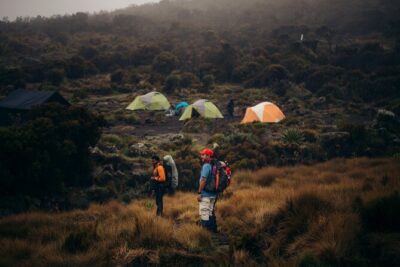
Your morning begins with hotel pickup at about 8:00 am. The road toward Machame Gate passes through coffee and banana plantations cultivated by the Chagga people. That short drive gives you a useful first look at the communities around Kilimanjaro before the forest takes over.
At the gate, you complete park registration and other formalities. This can take time, so do not expect to begin walking the instant you arrive. Your first route enters tropical rainforest, where the air is humid and the trail is shaded.
The hike to Machame Camp takes about six hours. A picnic lunch is served along the way, and the day ends at 2,835 meters. This is a full opening day, though the altitude gain is moderate compared with what comes later.
I like this start because it lets you see the mountain’s lower ecological zone rather than beginning in bare high country. The drawback is mud or slippery footing if conditions are wet, and the first day may feel longer than its mileage suggests because of the forest trail.
Day 2: Moorland and the Shira Plateau
You set off around 8:00 am and spend about five hours walking toward Shira Camp at 3,750 meters. The first hour climbs through the upper forest, followed by a gentler section in the moorland zone.
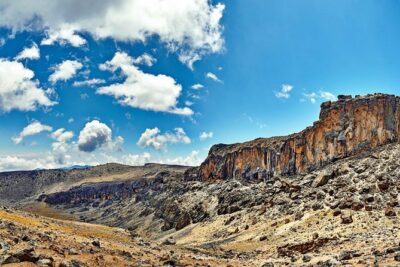
After a snack and a short break, the path follows a rocky ridge toward the Shira Plateau. The vegetation becomes lower and sparser, and the feeling changes from forest hike to high mountain trek. Views open toward Kibo, the main summit cone, and the Western Breach with its glacier.
This day is shorter than the first, but do not mistake that for an easy stroll. You are sleeping higher, and some people feel the altitude here. Walk slowly, drink as directed by your guide, and resist the temptation to race ahead simply because the route looks open.
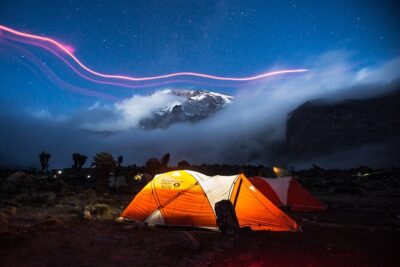
The Shira campsite is one of the trip’s first big visual rewards. You can look back toward the route you have climbed and ahead toward the summit zone. Nights are colder than at Machame Camp, so keep warm layers easy to reach.
Day 3: Lava Tower at 4,600 meters, then Barranco
Day three is the key acclimatization day. You climb into the alpine desert, reaching Lava Tower at about 4,600 meters before descending to Barranco Camp at 3,900 meters.
The walking time is about six hours, but the altitude makes this day more demanding than the clock suggests. The central idea is simple: climb high, then sleep lower. That gives you a useful test of how your body reacts above 4,500 meters without making you spend the night at Lava Tower.
The descent to Barranco takes about three hours. Along the way, you get views of the Western Breach and Barranco Wall. The camp sits below the wall in a valley, with the possibility of a memorable sunset if the weather clears.
This is a day when you should pay attention to your guide’s advice. Headache, nausea, unusual tiredness, or poor coordination should be reported promptly. The guide team is trained in first aid, and altitude symptoms are not something to hide in the hope that they will simply disappear.
More week long trips in Moshi & Kilimanjaro:
- Climbing Kilimanjaro through 7 days Machame Route
★ 5.0 · 151 reviews - 7 Days Kilimanjaro via Machame route affordable price
★ 5.0 · 110 reviews - Private Kilimanjaro Hike 7 Day Lemosho Route
★ 5.0 · 60 reviews - 7-Day Magical Tanzania Safari -Premium High End Package
★ 5.0 · 53 reviews
Day 4: Barranco Wall and Karanga Valley
After breakfast, you climb the Barranco Wall. It looks imposing from camp, but the route is described as easier than it first appears. You will use hands as well as feet in places, though the supplied itinerary does not describe it as technical climbing.
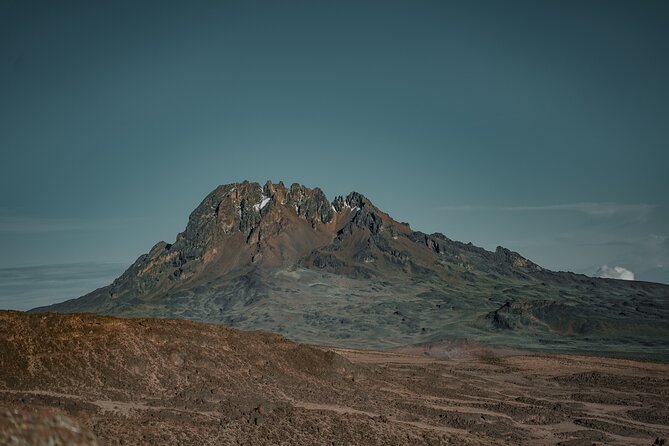
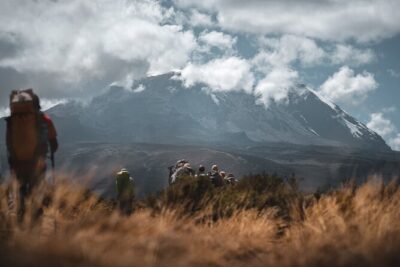
Near the top, you get views of Kibo’s glaciers. You then descend into the Karanga Valley, reaching camp after about four hours. Mawenzi’s jagged peaks appear to the east, adding another dramatic shape to the mountain views.
A hot lunch is served at camp, followed by an afternoon to rest. That quiet time matters. The next day takes you to Barafu Camp, and the summit attempt begins around midnight.
This short day is one of the strongest features of the itinerary. It prevents you from stacking another huge walking day immediately before the summit push. Still, Barranco Wall can feel crowded on a popular departure, and the steep trail may test anyone uncomfortable with exposed-looking terrain.
Day 5: Karanga to Barafu Camp
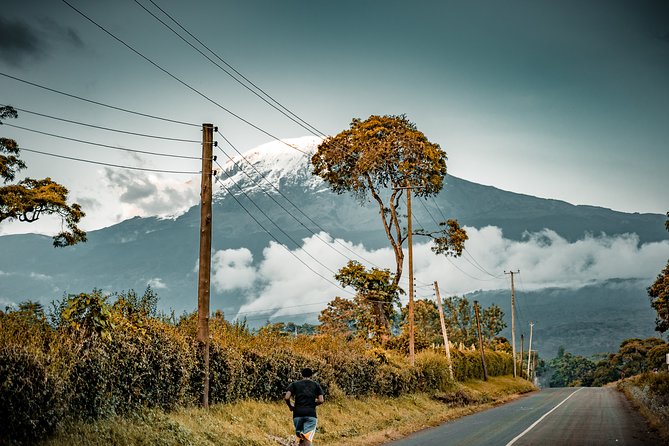
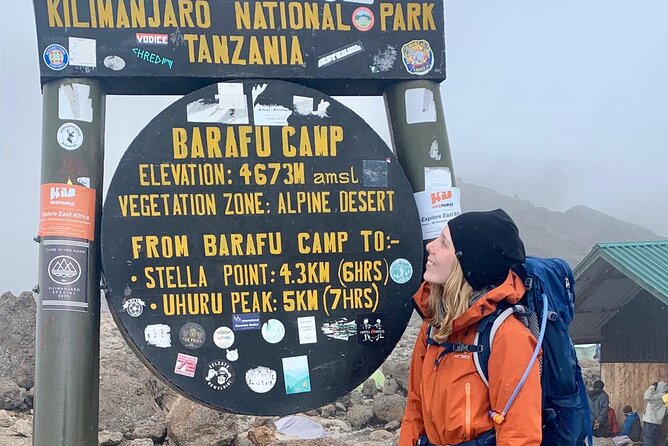
The walk to Barafu Camp takes about three hours and reaches 4,640 meters. You get views of both Kibo and Mawenzi as you climb across increasingly bare ground.
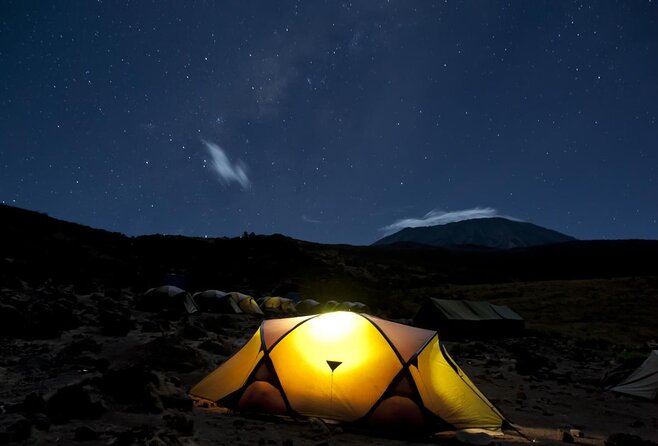
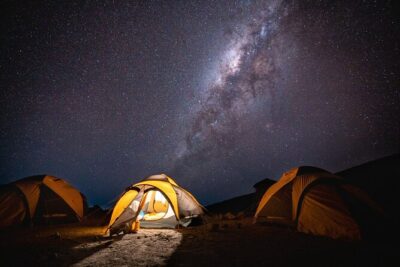
Barafu means ice, and the camp’s height tells you what sort of night is coming. The itinerary provides lunch, a long rest, and an early dinner. You are expected to try to sleep before waking around midnight for the summit climb.
This day is short in walking time but important mentally. You need to organize your clothing, headlamp, water, snacks, and camera before lying down. Keep the items you need for the night close by. A warm layer that stays buried in a duffel is no help at 2:00 am.
The practical challenge is that sleep may be difficult at 4,640 meters, even if you feel fine during the afternoon. Do not judge your summit readiness by how energetic you feel at lunch. Eat what you can, rest, and listen carefully during the evening briefing.
Day 6: The summit push to Uhuru Peak
The hardest day begins around midnight. You receive light tea and cookies before setting off into the dark. The climb over loose scree takes four to five hours to reach Stella Point at 5,756 meters.
This is where patience matters most. You gain a great deal of height over a short distance, and every step can feel slow. The goal is not speed. A steady pace set by the guide gives you the best chance of managing the altitude and conserving energy.
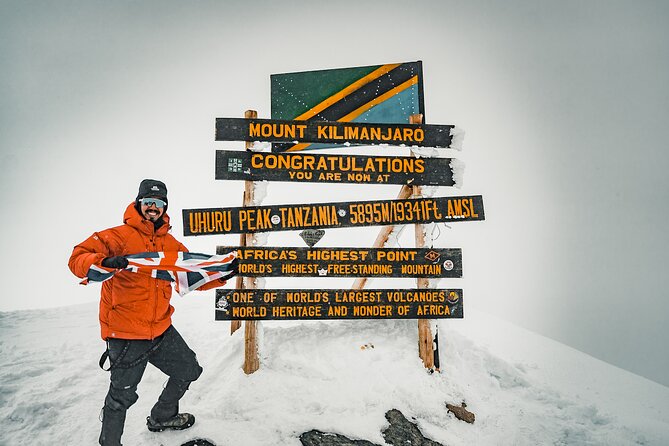
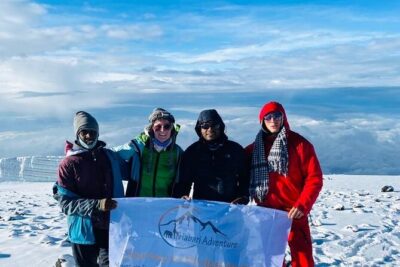
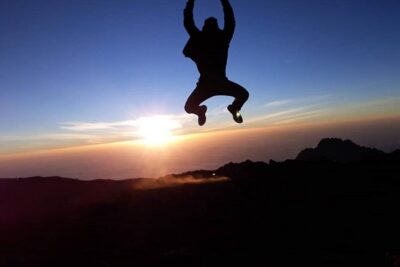
You aim to reach Stella Point as the first sunlight appears. From there, it takes about another hour to Uhuru Peak, the summit of Kilimanjaro, at 5,895 meters. You have a few minutes for photographs before beginning the descent.
The route then drops to Barafu Camp for lunch and rest. After that, you continue down to Millennium Camp at 3,950 meters, where you have dinner and spend the night. The total day lasts about 12 hours.
The summit is only one part of this day. The descent from Uhuru to Barafu can be hard on tired legs, and the second descent to Millennium adds more strain. Bring blister protection, take small snacks, and do not waste energy lingering at the summit. A short photo stop is enough.
Day 7: Millennium Camp to Mweka Gate
After breakfast, you make the final descent to Mweka Gate. The walk takes about five hours and returns you to lower forest country.
At the gate, you complete park formalities and collect your certificates. A private car then takes you back to your hotel, where a hot shower and a proper celebration await.
The final day is less dramatic than the summit, but it still deserves respect. Descending for hours can be harder on knees and feet than climbing, especially after the previous day’s effort. Use trekking poles if you have them and keep your pace controlled.
Guides, porters, and the human side of the climb
A Kilimanjaro route is shaped by the people leading it. Habari Adventure uses local guides from Kilimanjaro and other parts of Tanzania. Their stated areas of training include flora and fauna, geography, history, archaeology, anthropology, astronomy, safety, first aid, and wildlife management.
That range matters because the mountain is more than a summit photo. You can ask about the plants changing between zones, the Chagga communities near the lower slopes, the shape of Mawenzi, or the night sky above camp. All guides speak English, and some speak additional foreign languages.
The names attached to past groups include Stan, Leon, Oscar, Innocent, Mudy, Yusuph, Michael, Godi, and Justo. You cannot assume a particular guide will lead your departure, but you can ask Habari Adventure about guide assignments and request someone if available.
The strongest praise centers on support, professionalism, humor, and safety. Some groups describe guides who kept spirits high while giving clear advice, and one family specifically valued medical checks during the climb. Those details are important on a route where morale can change quickly between breakfast and the next camp.
Porters are also central to the operation. The package relies on a support crew to move supplies and camp equipment, though the supplied information does not give porter numbers or a detailed porter welfare policy. Ask about ethical porter treatment, luggage limits, tipping, and what you personally must carry.
Food, group size, and daily comfort
Breakfast, lunch, and dinner are included for six days, while the itinerary lists lunch on all seven days. That slight mismatch is worth clarifying before departure, particularly for the final descent day.
Meals are not a small detail on this trek. You need regular food to handle long days and cold conditions. The summit morning starts with tea and cookies, followed by lunch at Barafu after returning from Uhuru Peak.
The group maximum is 10 people. That is small enough for guides to keep an eye on individual pace, yet large enough to provide company on a demanding route. Some past departures became private groups, but that is not guaranteed.
Pickup is offered, and the itinerary describes hotel pickup at roughly 8:00 am on day one. The meeting information lists Kilimanjaro National Park and Kilimanjaro Airport, so confirm the exact pickup point with the company. Mobile ticketing and booking confirmation are provided.
Is $2,850 good value?
At $2,850 per person, this is a major purchase, but the price covers the core structure of a guided Kilimanjaro climb: park admission, local guiding, porters, camping support, meals, pickup, and the return transfer. The route also uses seven days rather than compressing the climb into a shorter schedule.
I see the best value in the acclimatization plan and the guide support. A cheaper trip with fewer days may look attractive, but a rushed schedule can make the altitude problem worse. Here, day three’s high climb and lower overnight, plus the rest period before the summit, are meaningful inclusions.
The price does not include snorkeling equipment, an odd exclusion for a mountain trek and unlikely to matter unless you are combining the climb with a coastal or island stay. You should ask separately about gear rental, airport transfers, hotel nights, insurance, tips, visas, and personal snacks because those items are not clearly covered in the supplied details.
Free cancellation is available if you cancel at least 24 hours before the start time. Poor weather may lead to a different date or a full refund, but mountain weather can still affect the experience even when the trip goes ahead.
Who should book this Kilimanjaro climb?
You should consider this trek if you want a full Kilimanjaro experience with changing environments, a local guiding team, and a schedule that gives acclimatization real attention. It suits people prepared for long walking days, cold camps, basic mountain routines, and one very demanding summit night.
It is also a good fit if personal contact matters to you. The company’s planning support, guide communication, and friendly atmosphere receive consistent emphasis, with Stan often named as a helpful contact during trip planning.
You should think twice if you want a relaxed holiday, dislike camping, or have not prepared for sustained uphill and downhill walking. The itinerary specifically requires strong physical fitness, and the summit day is not a symbolic stroll. It is a high-altitude endurance effort followed by a long descent.
Should you book the seven-day Machame Route?
I would book this trip if your priority is a well-paced, traditional Kilimanjaro climb with strong human support. The seven-day structure, high-to-low acclimatization day, short rest day before Barafu, and small-group limit all work in your favor.
Before committing, confirm the exact inclusions, guide assignment, equipment arrangements, porter policy, tipping expectations, and the apparent meal-count discrepancy. If those answers suit you, Habari Adventure’s 7-day Machame Route offers a sound balance of scenery, acclimatization, local expertise, and summit focus.
FAQ
How long does the Machame Route experience last?
The climb lasts approximately seven days, beginning with pickup and transfer to Machame Gate and ending with the descent to Mweka Gate and a private transfer back to your hotel.
How high is Uhuru Peak?
Uhuru Peak is 5,895 meters above sea level. You first reach Stella Point at 5,756 meters, then continue for about one hour to the summit.
How difficult is the trek?
The experience requires a strong physical fitness level. The most demanding section is day six, which begins around midnight, includes four to five hours of climbing to Stella Point, continues to Uhuru Peak, and then descends to Millennium Camp.
What meals are included?
The package includes breakfast, lunch, and dinner. The itinerary specifies six breakfasts, six dinners, and seven lunches, so confirm the meal schedule for the final day before departure.
How many people can join the group?
The maximum group size is 10 people. Some departures may operate as private groups, but that is not guaranteed.
Is hotel pickup included?
Yes. Pickup is offered, and day one describes collection from your hotel at about 8:00 am before transfer to Machame Gate. The exact pickup point should be confirmed when you book.
Newly listed around Moshi & Kilimanjaro
- Climb Mount Kilimanjaro: 7 Days Machame Route★ 5.0 · 3 reviews
- 6 Days Mount Kilimanjaro Climbing via Rongai Route★ 5.0 · 3 reviews
- Explore 1 day Ngorongoro Crater Budget Group Safari from Arusha★ 5.0 · 3 reviews
- Mt. Kilimanjaro Day Hiking★ 5.0 · 3 reviews
- Chemka (Kikuletwa) Hot Springs, Tanzania★ 5.0 · 3 reviews
- Guided City tour of Moshi★ 4.3 · 3 reviews
- 8 Day Tanzania Family Safari★ 5.0 · 3 reviews
- Serengeti Safari with Sirikwa Travel★ 5.0 · 3 reviews
Kilimanjaro Climbs, compared.
Browse the lists this tour appears in