
Reviewed · KILIMANJARO CLIMBS
7 Days Lemosho Route
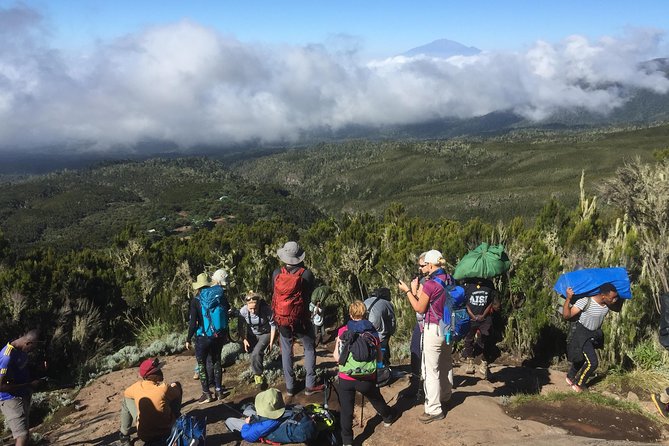
Kilimanjaro’s Lemosho Route gives you the mountain’s best scenery without rushing straight into the busiest trails. You begin in quiet forest, cross the high Shira Plateau, pass beneath Lava Tower, and finish with a hard nighttime summit climb before descending through Mweka.
I especially like two things here: the route gains height in measured stages, which helps with acclimatization, and the first two days are usually quieter before joining the Machame trail. The schedule also includes a short recovery day at Karanga, a small but important kindness before summit night.
The main caution is simple: seven days is demanding. Summit night alone involves about six hours to Stella Point, a further push toward the summit, then a long descent and another hike to Mweka Camp. You need moderate fitness, patience, and a good attitude toward cold, fatigue, and basic camp life.
Key points before you commit
- Western approach: Start in forest and move through giant heather, moorland, volcanic ridges, and high-altitude camps.
- Useful acclimatization pattern: The route rises to Lava Tower, then drops to Barranco before the final summit push.
- A real summit day: You start around 11:30 pm, climb through scree to Stella Point, and continue toward Uhuru Peak.
- Good value for a supported climb: The $2,050 price includes airport transfers, six breakfasts, six dinners, seven lunches, guides, porters, and camping support as arranged by the operator.
- Planning help: Elly has handled trip coordination for some departures, while Laraha has served as a lead guide on a seven-day Lemosho climb.
- Small enough to feel organized: The maximum group size is 20, though your exact departure size is not stated.
Why the Lemosho Route earns its reputation
The route begins on Kilimanjaro’s western side, far from the summit-day drama. Its opening miles pass through forest, then give way to giant heather and open moorland. That change in scenery is one of the main reasons to choose Lemosho instead of a shorter approach.
You also get a better rhythm than on a rushed climb. The trail rises gradually at first, reaches the Shira Plateau, climbs higher toward Lava Tower, then drops to Barranco Camp. That high-point-then-lower-camp pattern gives your body time to adjust before you sleep at the upper camps.
The route is not easy. Kilimanjaro is high enough for altitude sickness, and no itinerary can guarantee a successful summit. But a seven-day Lemosho schedule gives you more time than the shortest routes, and the days are arranged with sensible changes in elevation.
The first two days have relatively low traffic. After Shira, you join the more popular Machame route, so the trail may feel less private. Still, the early quiet is valuable. You get a gradual introduction to walking, camping, and the mountain’s changing conditions before the harder sections begin.
More Kilimanjaro routes:
- Kilimanjaro climb by Lemosho Route (7-day)
★ 5.0 · 651 reviews - Kilimanjaro climb, Machame Route (7-day)
★ 5.0 · 262 reviews - Kilimanjaro Climbing Lemosho Route 8 Days.
★ 5.0 · 186 reviews
Day 1: Forest trails to Mti Mkubwa
The first hike begins from the Glades and takes about three hours to Mti Mkubwa, also called Big Tree Camp. You walk through beautiful forest trails, with the mountain still feeling more like a wilderness walk than a high-altitude expedition.
This is a forgiving opening day by Kilimanjaro standards. The distance is short, and the steady pace gives you time to settle into your boots, daypack, and camp routine. Use it well. Check your clothing, water, sleeping gear, and personal items before dinner rather than waiting for a harder day.
Mti Mkubwa is at the edge of the forest zone. The camp name suggests a single landmark, but the broader attraction is the shift from lower forest to the mountain’s upper plant zones. Your admission to the park is included, and the climb provides dinner and breakfast as part of the package.
The first night may feel straightforward, but do not treat it as a free pass to overexert yourself. A slow pace from the beginning is one of the best habits you can bring to Kilimanjaro.
Day 2: Shira Ridge and the open plateau
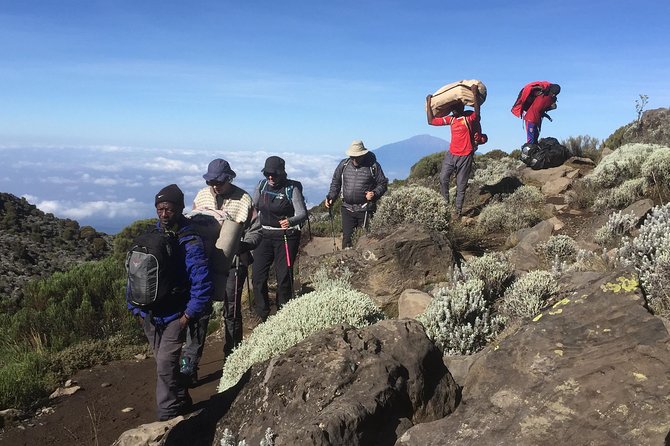
Day two takes about five hours. The trail gradually steepens as you leave the forest behind and enter the giant heather moorland zone. This is your first major change in scenery, with more open ground and broader views.
The route crosses Shira Ridge at about 3,600 meters, or 11,810 feet, then drops gently to Shira Camp 1. The camp sits beside a stream on the Shira Plateau. That gentle descent at the end of the day matters, since the climb has already taken you to a higher point.
Shira is one of the route’s signature sections. The forest feels enclosed, while the plateau opens the mountain around you. You can better appreciate Kilimanjaro’s scale here, though cloud and weather can affect the views.
This is also a good day to watch your response to altitude. Pay attention to headaches, unusual fatigue, nausea, or poor sleep, and tell your guide if something feels wrong. The schedule is designed to help, but you still need to speak up.
Day 3: Lava Tower, the Western Breach, and Barranco
The third day is longer, about seven hours, and begins with a climb eastward above the highest vegetation. Kilimanjaro’s mass becomes more imposing as you gain height, and the trail grows steeper.
After a lunch stop near Lava Tower, you descend for about two hours below the lower cliffs of the Western Breach and Breach Wall. You finish at Barranco Camp, around 3,950 meters, or 12,960 feet.
This is a classic acclimatization day because you climb high and sleep lower than your highest point. The descent can feel odd when your legs are already tired, but it is an important part of the route’s design.
Barranco Camp sits in a valley below the Great Barranco and Breach Walls. The mountain scenery here is dramatic, especially near sunset. You may find the evening memorable, but remember that tomorrow begins with a climb up the Barranco Wall.
Lava Tower and Barranco also show why Lemosho is not merely a scenic alternative. The route gives you varied terrain and useful altitude exposure before summit night. The cost is a long day on rocky ground, so sturdy footwear and a measured pace matter.
More week long trips in Moshi & Kilimanjaro:
- Climbing Kilimanjaro through 7 days Machame Route
★ 5.0 · 151 reviews - 7 Days Kilimanjaro via Machame route affordable price
★ 5.0 · 110 reviews - Private Kilimanjaro Hike 7 Day Lemosho Route
★ 5.0 · 60 reviews - 7-Day Magical Tanzania Safari -Premium High End Package
★ 5.0 · 53 reviews
Day 4: The Barranco Wall and a needed rest
Day four covers about four hours and starts with one of the climb’s most recognizable obstacles, the Barranco Wall. From camp, you climb a steep ridge toward the wall, then work your way up it.
The wall looks more intimidating than it proves to be, according to the route description. Still, it is not a casual stroll. You will need to use your hands in places and pay close attention to the guide’s instructions. The reward is a fine view east toward the jagged peaks of Mawenzi.
After reaching camp, you receive a hot lunch and have the afternoon for rest or exploration. This shorter day is one of the strongest features of the schedule. After the long Lava Tower and Barranco day, you need time to eat, drink, dry clothing, and prepare for the upper mountain.
Do not fill the afternoon with unnecessary walking. Rest is not wasted time here. It is part of your summit preparation.
Day 5: Karanga to Barafu and an early night
The next four-hour hike crosses ridges and valleys toward the Mweka Route, which becomes your descent path. You then turn toward the mountain and climb for about another hour through a sparse upper zone to Barafu Hut.
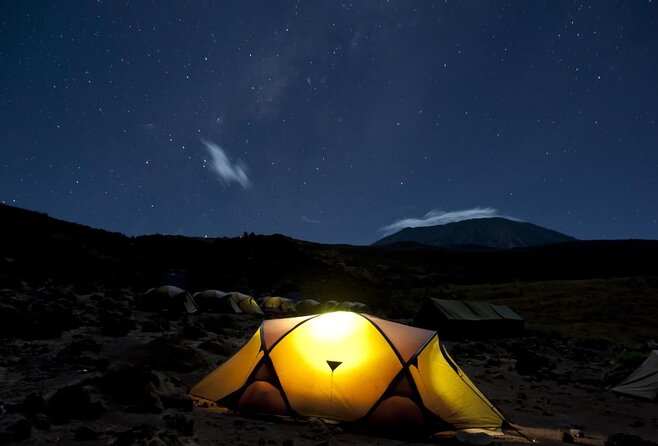
Barafu means ice in Swahili, and the camp is a serious place even before the summit attempt. Your tent is pitched on a narrow, stony, wind-swept ridge. Familiarize yourself with the ground before dark, since moving around on loose, uneven terrain can be awkward.
A hot lunch is provided at Barafu. Afterward, your job is practical: organize warm clothing, headlamp equipment, water, snacks, and anything else needed for the night climb. Drink plenty of fluids, eat early, and go to bed for the few hours available.
The short walking time can be misleading. This is not an easy day in the usual sense. The high altitude, rough camp, and anticipation of the summit make it one of the most important days of the trip.
Day 6: The summit push and descent to Mweka
Summit day begins around 11:30 pm. After tea and biscuits, you leave in darkness and climb northwest through heavy scree between the Rebmann and Ratzel glaciers.
The climb to Stella Point takes about six hours and is the hardest part for many climbers. Scree means loose rock underfoot, so progress can be slow. You will likely take short steps and keep a steady rhythm rather than trying to walk quickly.
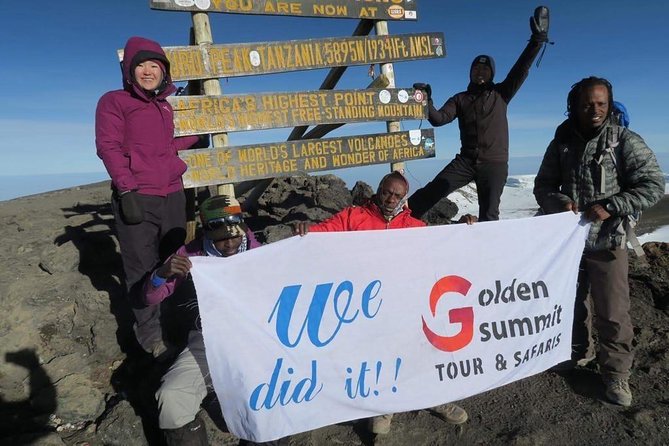
At Stella Point, about 5,685 meters, or 18,650 feet, you pause near the crater rim. Sunrise can be extraordinary from here, with the light spreading over the high mountain. Stella Point is also a meaningful achievement, and climbers who reach it receive green summit certificates.
If strength and conditions allow, you continue toward Uhuru Peak. Those who reach the summit receive gold certificates. The provided information does not give a separate time for the final stretch to Uhuru, so you should think of the summit morning as a long, uncertain effort rather than a fixed timetable.
The descent back to Barafu takes about three hours. You collect your gear, rest briefly, and continue down through rock and scree, moorland, and forest to Mweka Camp at about 3,100 meters, or 10,170 feet.
This is an extremely full day. Eight hours is the stated approximate duration, but summit day can feel longer because it begins before midnight and includes a major descent. Good pacing is more useful than speed, and your guide’s judgment matters greatly here.
Day 7: Mweka Gate and the end of the climb
After breakfast, you hike for about three hours to the park gate. The route is scenic and shorter than the previous day, but tired legs can make even a modest descent feel substantial.
At Mweka Gate, you can sign the register and receive a certificate if you reached Stella Point or Uhuru Peak. The gate is also where you complete the formal end of the climb.
From the gate, you continue to Mweka Village. If the road is too muddy for vehicles, the final three kilometers may take about an hour on foot. That possibility is worth remembering when you are deciding how much energy to spend on the final descent.
The package includes private transport between Kilimanjaro International Airport and your accommodation in Moshi. It also includes seven lunches, six dinners, and six breakfasts. Hotel meals and drinks before and after the climb are not included, so budget separately for those, along with insurance, laundry, toiletries, and personal items.
One practical tip deserves emphasis: do not give porter tips until you and all your gear have reached the gate safely. It is a small detail, but it protects you from confusion at the end of a tiring day. Staff at the gate should still be tipped as appropriate.
What the $2,050 price really covers
At $2,050 per person, this is not a budget walk, but the value depends on what you would otherwise need to arrange yourself. Airport transfers, meals during the climb, park access, camping support, guides, porters, and a cook are part of the supported experience.
The operator has also provided private airport transport to and from Moshi accommodation, which removes one layer of arrival stress. That matters if you land tired or are coordinating a longer Tanzania trip.
The strongest praise attached to this company centers on organization, fast replies, food, porters, and guides. Elly has helped with planning questions such as vaccinations, packing lists, and trip details. A guide named Laraha has been praised for professionalism, humor, care, and pride in the work.
You should still confirm exactly what is supplied before booking, especially camping equipment, hotel nights, tips, and transfers on any days outside the listed climb. The supplied details confirm meals and airport transport, but they do not spell out every piece of personal or rental equipment.
The maximum group size is 20. That is not a private climb, and a full group can affect the pace and camp routine. On the other hand, a group of that size remains manageable if the guides organize it well.
Guides, porters, food, and camp life
The human support team is central to the experience. The climb is not simply a route map. Porters carry equipment, cooks prepare meals, and guides manage pace, safety, and decisions at altitude.
Feedback about the team is particularly strong. The guides have been described as professional, considerate, humorous, and good at their jobs. Porters have been praised for carrying and packing quickly, while the cook has been credited with nutritious and hearty meals.
You should bring realistic expectations. This is a mountain camp, not a hotel extension. Barafu is narrow, stony, and exposed to wind. You may need to organize your own gear carefully, sleep in short intervals, and manage personal comfort with limited conveniences.
Golden Summit Adventures has also coordinated longer Tanzania trips and honeymoons, so the company may suit you if Kilimanjaro is one part of a larger itinerary. The tour itself, though, is focused on the climb and the transfers and meals specifically listed.
Who should choose this seven-day climb?
This route suits you if you want scenery, a gradual start, and more acclimatization time than a short Kilimanjaro itinerary allows. It is a good match for someone who can handle long walking days and prefers a steady schedule over a rushed ascent.
It may also work well for first-time high-altitude climbers who want organized support. The stated fitness requirement is moderate, but that should not be mistaken for easy. You need to be comfortable walking for up to eight hours, climbing steep rocky sections, and starting a major ascent around midnight.
You should think twice if you dislike camping, struggle with uneven ground, or want a relaxed holiday with guaranteed summit success. The price includes useful support, but you still face cold, fatigue, altitude, and a strenuous summit day.
The route is also worth considering for couples or families planning a wider Tanzania holiday. Elly’s planning support and airport pickup can make the arrival portion simpler, although hotel arrangements and extras before and after the climb remain outside the listed inclusions.
Practical details worth checking before payment
The start time is listed as 8:30 am, while day one begins with the walk from the Glades. Confirm where you will meet and how the transfer to the trailhead works before the departure date.
Confirmation is provided at booking. The experience is non-refundable and cannot be changed for any reason, so check your dates, insurance, fitness, and travel plans before paying.
Travel insurance is not included. You should arrange your own cover, with attention to trekking at Kilimanjaro’s altitude and emergency needs. Laundry is available at the hotel but is not included, and personal toiletries and other items are your responsibility.
The route includes admission tickets throughout the itinerary. The package also lists pickup, private airport transport, and meals during the seven-day climb. Hotel lunches, dinners, and drinks before and after the climb are separate expenses.
Should you book the 7-day Lemosho Route?
I would choose this climb if your priorities are scenery, a sensible altitude profile, and strong logistical support. The quiet western approach, Shira Plateau, Barranco Wall, and sunrise summit attempt give the week real variety.
The main tradeoff is the hard summit schedule. You will start around 11:30 pm, climb through loose scree, reach Stella Point, possibly continue to Uhuru Peak, then descend to Mweka Camp in the same broad push. That is the price of reaching the roof of Africa in seven days.
Book it if you have moderate fitness, can accept basic camp conditions, and value an experienced support team. Before paying the nonrefundable $2,050, confirm equipment, tipping expectations, hotel nights, group size for your date, and exactly how the airport pickup connects with your Moshi stay.
FAQ
Where does the 7-day Lemosho Route begin?
The route approaches Kilimanjaro from the west and begins at the Glades, where you walk for about three hours to Mti Mkubwa Camp.
How long is the summit climb?
You rise around 11:30 pm on day six. The climb to Stella Point takes about six hours, followed by a short rest and a possible continuation to Uhuru Peak. The route then takes about three hours back to Barafu before continuing to Mweka Camp.
What meals are included?
The package includes six dinners, seven lunches, and six breakfasts during the climb. Hotel lunches, dinners, and drinks before and after the climb are not included.
Is airport transport included?
Yes. Private transport is provided between Kilimanjaro International Airport and your accommodation in Moshi.
What fitness level is required?
The tour states that you should have a moderate physical fitness level. You should also be prepared for hiking days lasting about three to eight hours, steep trails, rocky ground, and a nighttime summit attempt.
How large can the group be?
The maximum group size is 20 people. The exact size of your departure is not stated.
Newly listed around Moshi & Kilimanjaro
- Climb Mount Kilimanjaro: 7 Days Machame Route★ 5.0 · 3 reviews
- 6 Days Mount Kilimanjaro Climbing via Rongai Route★ 5.0 · 3 reviews
- Explore 1 day Ngorongoro Crater Budget Group Safari from Arusha★ 5.0 · 3 reviews
- Mt. Kilimanjaro Day Hiking★ 5.0 · 3 reviews
- Chemka (Kikuletwa) Hot Springs, Tanzania★ 5.0 · 3 reviews
- Guided City tour of Moshi★ 4.3 · 3 reviews
- 8 Day Tanzania Family Safari★ 5.0 · 3 reviews
- Serengeti Safari with Sirikwa Travel★ 5.0 · 3 reviews
Kilimanjaro Climbs, compared.








Browse the lists this tour appears in