
Reviewed · KILIMANJARO CLIMBS
7 Days Mountain Kilimanjaro climb Machame Route
The most appealing part of this Machame Route climb is the private tent setup. Instead of sharing one crowded shelter, you are promised your own tent, a small comfort that matters after long hours on volcanic slopes and during the cold nights above the forest.
I like the careful start in Moshi, where the team briefs you and checks your gear before you walk. I also like the practical food plan: breakfast, lunch, and dinner are included, with meals prepared by cooks who can consider your preferences. Those details make a hard climb feel more manageable.
The main concern is that the schedule has a few unclear points. It is advertised as a seven-day climb but takes about eight calendar days, and the itinerary lists Karanga Camp before Barafu Camp, then sends you back to Barafu. Ask Bayango to confirm the exact camps and route order before paying.
Key points about this Kilimanjaro climb
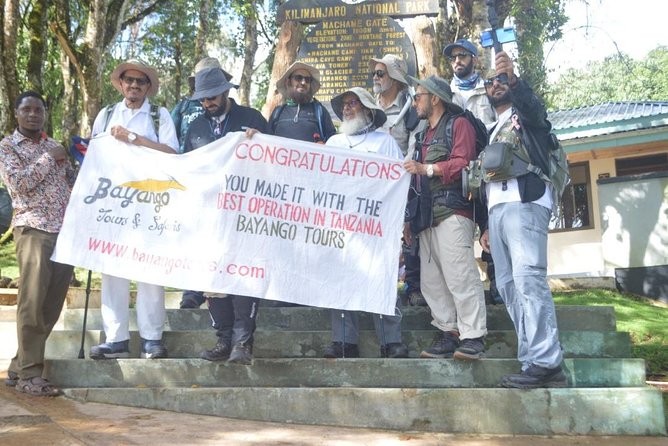
- Private sleeping tents: You are not placed into one shared tent with other climbers.
- A full summit day: The midnight departure from Barafu leads to Uhuru Peak, followed by a long descent to Mweka Hut.
- Moshi briefing and gear check: The first day gives you time to prepare before reaching the mountain.
- Meals are included: Seven breakfasts, seven lunches, and six dinners are part of the package.
- Private group format: Only your own group participates in this tour.
- A $2,000 package: Camping equipment, transport, meals, and guiding are included, but tips and personal items are extra.
What the $2,000 price really covers
At $2,000 per person, this is not a simple walk with a guide. The price includes camping gear, private transportation, seven breakfasts, seven lunches, and six dinners. That gives you a useful base for comparing the package with cheaper-looking climbs that leave more costs to you.
The private tent arrangement adds value. On a multi-night mountain trip, personal space is not a luxury in the usual sense. It gives you somewhere to rest, change clothes, sort your bag, and recover without sharing every moment of the night.
The food plan is also important. Kilimanjaro days are long, and you need regular meals rather than relying on snacks alone. Bayango says its cooks can take your food preferences and choices into account, though you should state those needs clearly when booking.
The price does not include tips or personal items. You should budget separately for things such as whatever clothing, toiletries, snacks, and other individual supplies you need, since the package does not spell out a full personal packing list.
I would also ask exactly what camping gear is supplied. The package says camping gear is included, but it does not list each item. Before departure, confirm whether that means tents and sleeping equipment, and ask what you must bring yourself.
More Kilimanjaro routes:
- Kilimanjaro climb by Lemosho Route (7-day)
★ 5.0 · 651 reviews - Kilimanjaro climb, Machame Route (7-day)
★ 5.0 · 262 reviews - Kilimanjaro Climbing Lemosho Route 8 Days.
★ 5.0 · 186 reviews
Day 1 in Moshi: preparation before the mountain
The first day begins at your hotel in Moshi with a trip briefing and gear check. This is more useful than it sounds. A gear check gives you a chance to identify missing or unsuitable items before you are walking uphill for hours.
After the briefing, you can spend time in Moshi, with the option of a short town visit or an evening around the city. The itinerary describes this as a free day, so the main purpose is preparation rather than sightseeing.
The stated start time is 12:30 pm. Confirm where and when your pickup happens, especially if you are arriving that day. The company offers pickup and private transportation, and one account describes an airport representative meeting the climbers and taking them to the hotel.
Do not treat this day as an excuse to fill your schedule. You will get more value from a calm gear check, a proper meal, and an early night than from trying to pack in too much sightseeing.
Day 2: Machame Gate to Machame Hut
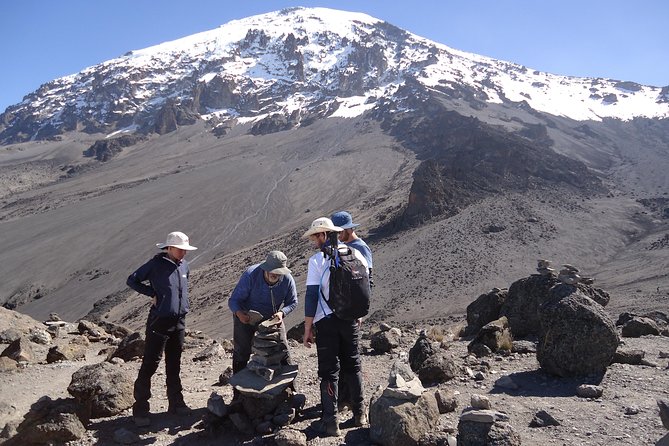
The climb begins at Machame Gate, listed at 1,830 meters, and continues to Machame Hut at 3,000 meters. The walking time is estimated at six to seven hours, so this is a full first mountain day rather than a gentle introduction.
The route gives you a clear sense of the effort ahead. You gain more than 1,000 meters in elevation, and the long walking time means your pace matters. Follow the guides’ advice to walk steadily rather than rushing early in the day.
The use of the name Machame Hut may need clarification, since this route is commonly described by camps rather than traditional mountain huts. That does not necessarily mean the trip is wrong, but it is another reason to request the current camp plan before departure.
Your admission to the national park is included. Private transportation takes you to the starting point, and the team handles the mountain logistics described in the package.
Day 3: Machame Hut to Shira Camp
The next stage runs from Machame Hut to Shira Camp at 3,840 meters. The listed walking time is four to six hours, shorter than the previous day, but the higher elevation changes how the effort feels.
This is a good day to pay attention to your body. The itinerary identifies a substantial rise from 3,000 to 3,840 meters, so you should not judge the day only by its number of hours. Keep your pace easy, drink regularly, and tell the guide promptly if you feel unwell.
The camp gives you the first real sense of being high on Kilimanjaro. The appeal is not just reaching another sleeping point. You are moving from the lower mountain into a more exposed, colder setting, with less room for careless pacing.
Bayango presents its guides as experienced and says they provide techniques and information aimed at helping climbers reach the summit. That support can be especially useful here, when the mountain begins to demand patience instead of speed.
More week long trips in Moshi & Kilimanjaro:
- Climbing Kilimanjaro through 7 days Machame Route
★ 5.0 · 151 reviews - 7 Days Kilimanjaro via Machame route affordable price
★ 5.0 · 110 reviews - Private Kilimanjaro Hike 7 Day Lemosho Route
★ 5.0 · 60 reviews - 7-Day Magical Tanzania Safari -Premium High End Package
★ 5.0 · 53 reviews
Day 4: a long 10-kilometer mountain stage
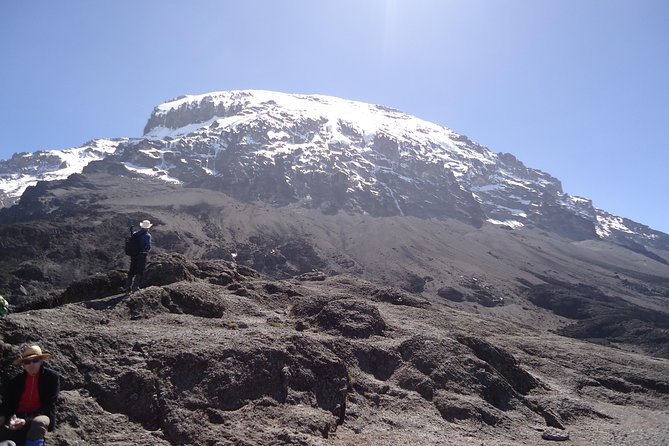
Day 4 covers 10 kilometers and takes about 6.5 to 8 hours. The itinerary does not name the starting camp, destination camp, or elevation gain, so this is the day I would ask Bayango to explain most carefully.
That missing detail matters. On Kilimanjaro, distance alone does not tell you how difficult a day will be. A shorter route with a large elevation gain can feel harder than a longer route across gentler ground.
Use this day to settle into the expedition rhythm: walk, eat, rest, and prepare for the next stage. Your guide’s pacing advice is likely to matter more than your walking speed.
Because the published plan later lists Karanga and Barafu in an unusual order, ask for a day-by-day version showing each camp and elevation. A clear written plan will help you pack your day bag and understand where the demanding sections occur.
Day 5: the Karanga Camp section
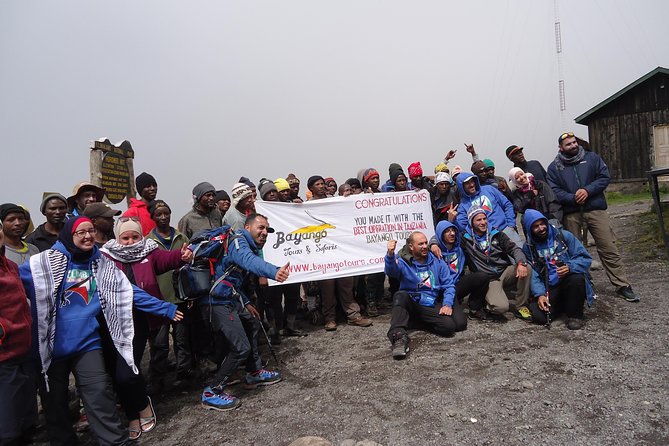
The schedule gives Day 5 as a five-kilometer walk from Barafu Camp to Karanga Camp, taking up to five hours. On its own, that is a fairly compact day compared with the longer stages.
The problem is the order. Day 6 then lists Karanga to Barafu, which appears to send you back along the same camp sequence. This could be a simple wording error, a rearranged schedule, or a route detail that needs explanation. Do not assume the published order is final.
If the route really includes a Karanga Camp night, it can offer a useful rest point before the high camp section. If Barafu is meant to come first, the schedule should say so clearly because summit timing depends on where you sleep the night before.
This is a good place to confirm how your private tent, meals, and personal bags are handled. You want to know what stays with the support team and what you carry during the day.
Day 6: reaching Barafu Camp
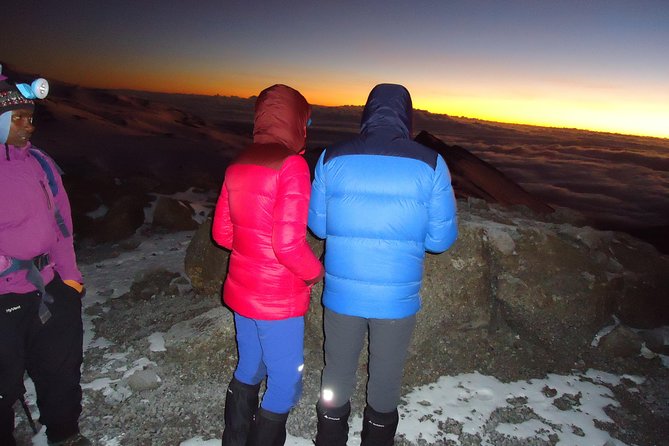
The next listed stage covers 4.6 kilometers from Karanga Camping area to Barafu Camp, with four to five hours of walking. Barafu is the key staging point for the summit attempt, so the short distance should not be mistaken for an easy day.
The purpose of reaching Barafu is to rest before the midnight start. You will need to organize your head lamp, warm clothing, water, and anything else required for the early climb. The itinerary specifically notes that head lamps are helpful, so bring one that you can use comfortably in darkness.
The private tent promise has particular value here. A quiet place to lie down before the summit attempt is more useful than extra sightseeing or entertainment. You may not sleep much, but good rest conditions still help.
Again, confirm the actual order of Days 5 and 6. The route description should make it clear whether you sleep at Karanga first and then move to Barafu, or follow another arrangement.
Day 7: Uhuru Peak and the long descent
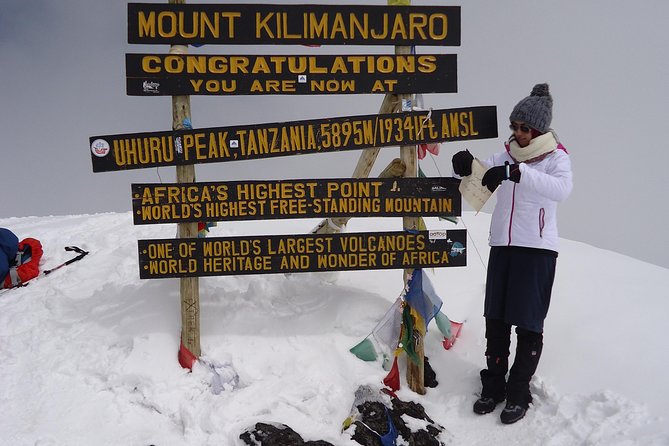
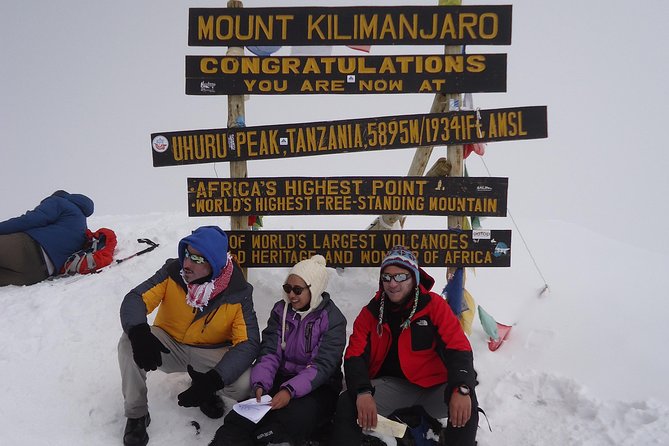
The summit day starts around midnight from Barafu Camp. The listed elevation rises from 15,300 feet to 19,345 feet, the height given for Uhuru Peak, before descending to Mweka Hut at about 10,000 feet.
The distances are five kilometers uphill and 12 kilometers downhill. The estimated walking time is seven to eight hours for the ascent and four to six hours for the descent. That makes this the hardest and longest part of the trip by a wide margin.
You should expect darkness at the start, cold conditions, and a slow uphill effort. The guides’ role is important here, not just for navigation but for keeping the group moving at a sensible pace and helping you use the techniques discussed during the earlier days.
Reaching Uhuru Peak is the central goal, but the descent deserves equal respect. After several hours of uphill walking, 12 kilometers down to Mweka Hut can be punishing on tired legs. Save energy, follow instructions, and do not treat the summit as the end of the day.
Bayango says that climbers on this route reach the summit with its team. That is a strong marketing claim, not a guarantee. Fitness, altitude response, weather, pacing, and preparation all affect the result, so book the support rather than a promised outcome.
Day 8: Mweka Gate back to Moshi
The final day takes you from Mweka Gate to your Moshi hotel by vehicle. The transfer is listed as lasting about eight hours, though that timing may include the wider day schedule rather than only the drive.
This is your return to normal travel after the mountain. The package says private transportation is provided, which is useful when you are tired and carrying damp or dirty gear.
If you still have time, Bayango can arrange an Arusha National Park day tour or other Tanzania trips, including safari, Zanzibar beach time, and cultural tours. Those add-ons are not part of the $2,000 climb, so treat them as optional extras rather than included benefits.
Guides, food, and the private group setup
The company says its guides can work with climbers speaking different languages. No guide names are supplied, so ask who will lead your group and how many guides and support staff will accompany you.
The tour is private, meaning only your group participates. That can make the pace and communication more personal than on a large shared departure, but the exact group size is not given. Ask for that number before booking, since a private tour for two people feels very different from one for a larger family or club.
Meals are prepared by professional cooks, with preferences and choices considered. Tell the company about dietary needs early. The supplied meal count is seven breakfasts, seven lunches, and six dinners, which appears to cover the mountain schedule, with the Moshi hotel day handled differently.
The food is not just a convenience. Regular meals help you maintain energy on long walking days, and a warm dinner can make a private tent feel like a proper base rather than a place to collapse.
Who should book this Machame climb?
This tour suits you if you want a private Kilimanjaro attempt with a structured plan, included meals, private transport, and your own sleeping tent. It is also a good fit if you prefer having a briefing and gear check before the climb instead of arriving at the gate with every detail still unresolved.
You need a moderate level of physical fitness. The program includes several days of four to eight hours of walking, followed by a summit day that can total up to 14 hours when ascent and descent are combined.
I would not choose it without clarification if you want a tightly documented itinerary. The missing details for Day 4 and the apparent reversal between Karanga and Barafu should be settled in writing.
The package has earned five stars from four supplied ratings, with the strongest praise focused on organization, food, logistics, and the friendly team. One account also describes a smooth airport pickup and hotel transfer, while another praises the full route from Machame village to Uhuru Peak and down to Mweka Gate.
That is encouraging, but four ratings are still a small sample. Use the positive signs as a reason to ask good questions, not as a replacement for checking current arrangements.
Should you book Bayango Tours for the Machame Route?
I would consider booking this tour if private tents, organized meals, and private transport are high on your list. At $2,000, the package offers useful inclusions for a demanding mountain trip, especially if the gear provision is clearly explained.
Before booking, ask Bayango for the exact camp sequence, the names and languages of your guides, the group size, the complete camping gear list, and how the summit schedule is arranged. If those answers are clear, this could be a practical choice for a private Kilimanjaro attempt.
The cancellation terms are friendly: you can receive a full refund if you cancel at least 24 hours before the local start time. Cancellations or changes inside that 24-hour window are not refunded or accepted.
FAQ
How long does the Kilimanjaro tour take?
The tour takes about eight calendar days. The mountain climb is described as a seven-day program, followed by the return to Moshi on Day 8.
What route does the climb use?
The climb uses the Machame Route on Mount Kilimanjaro. It begins at Machame Gate and ends with the descent to Mweka Gate.
What is the price per person?
The listed price is $2,000 per person.
Is pickup available?
Yes. Pickup is offered, and private transportation is included. The stated meeting time is 12:30 pm.
Are meals included?
Yes. The package includes seven breakfasts, seven lunches, and six dinners.
Are camping tents and equipment included?
Camping gear is included, and the tour description says you receive a private tent for sleeping. The exact gear list is not specified, so confirm which items are supplied.
Is the tour private?
Yes. Only your own group participates in this private tour or activity.
How fit do I need to be?
You should have a moderate level of physical fitness. Walking days range from about four to eight hours, while the summit day includes up to seven to eight hours ascending and four to six hours descending.
Can I cancel for a full refund?
Yes, if you cancel at least 24 hours before the experience start time. Cancellations or changes made less than 24 hours before the local start time are not refunded or accepted.
Newly listed around Moshi & Kilimanjaro
- Climb Mount Kilimanjaro: 7 Days Machame Route★ 5.0 · 3 reviews
- 6 Days Mount Kilimanjaro Climbing via Rongai Route★ 5.0 · 3 reviews
- Explore 1 day Ngorongoro Crater Budget Group Safari from Arusha★ 5.0 · 3 reviews
- Mt. Kilimanjaro Day Hiking★ 5.0 · 3 reviews
- Chemka (Kikuletwa) Hot Springs, Tanzania★ 5.0 · 3 reviews
- Guided City tour of Moshi★ 4.3 · 3 reviews
- 8 Day Tanzania Family Safari★ 5.0 · 3 reviews
- Serengeti Safari with Sirikwa Travel★ 5.0 · 3 reviews
Kilimanjaro Climbs, compared.








Browse the lists this tour appears in