
Reviewed · KILIMANJARO CLIMBS
7 days Lemosho route
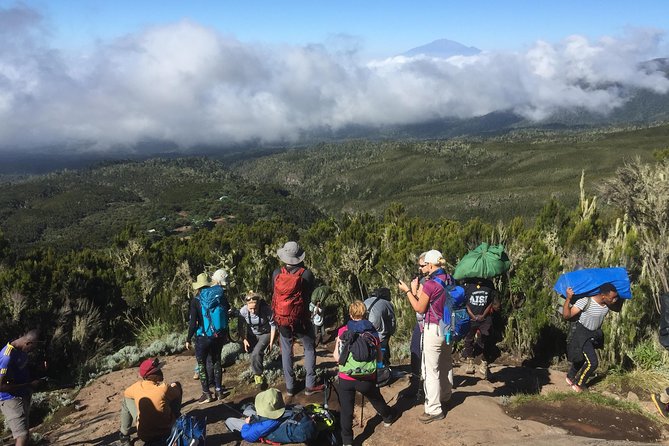
The best part of this Kilimanjaro climb is the changing scenery. You start among rainforest and colobus monkeys, cross the open Shira Plateau, pass the high Lava Tower, and finish on stone scree beneath the ice-capped summit. It feels like several mountain trips joined into one.
I like the route’s low traffic and its sensible acclimatization pattern, especially the climb high to Lava Tower followed by a descent to Barranco. I also like the private format for up to two people, which makes pacing and support more personal. The main catch is the price, $6,300 per group of two, and the summit day is a punishing 15-hour effort for many climbers.
Key points to know before booking
- Seven mountain days, eight days in the full schedule: The first day covers airport pickup, hotel transfer, briefing, and gear checks in Arusha.
- Lemosho begins on Kilimanjaro’s western side: A long drive leads to Londorossi Gate before the trail enters the rainforest.
- The route joins Machame at Shira 2: From there, you follow Kilimanjaro’s southern circuit through Lava Tower, Barranco, Karanga, and Barafu.
- The summit attempt starts around 11:30 p.m.: Expect roughly eight hours to Uhuru Peak, then seven to eight hours down to Mweka.
- Food and camp service are part of the package: Breakfast, lunch, dinner, guides, porters, transport, camping gear, and park fees are included.
- The private price covers up to two people: That can be good value if you are sharing the cost, but it is a serious outlay for a pair.
Why the Lemosho Route is a strong Kilimanjaro choice
Lemosho is a good route for you if scenery matters as much as reaching the summit. It approaches Kilimanjaro from the west, where the opening days are quieter and more wooded than the busier routes. You get time to settle into the mountain before joining the Machame trail at Shira 2.
The route is recommended for at least seven days, with eight days considered better for acclimatization. Here, the eight-day schedule includes your arrival and preparation day in Arusha, followed by seven days on the mountain. That distinction matters when you compare it with other trips advertised as seven-day Kilimanjaro climbs.
The summit success rate is described as high, but no route can remove the effects of altitude. Your result depends on health, pacing, weather, sleep, and how your body responds above 4,000 meters. The itinerary does include a useful acclimatization climb to Lava Tower, followed by a descent to Barranco.
More Kilimanjaro routes:
- 8-Day Small-group Lemosho Kilimanjaro Summit Trekking
★ 5.0 · 186 reviews - 7-Day Machame Kilimanjaro Summit Tour from Arusha
★ 5.0 · 125 reviews - Private Full Day Hiking Experience to Marangu Route
★ 5.0 · 61 reviews
Day 1: Arusha briefing, gear check, and a gentle start
Your trip begins with pickup at Kilimanjaro International Airport and transfer to Arusha. You stay at Arusha Planet Lodge, meet the guide, and go through a briefing and equipment check.
This day is more useful than it may sound. Missing mountain equipment can be rented before you leave town, and a proper gear check may save you from discovering a problem on the first cold night. Ask direct questions about sleeping bags, waterproof layers, warm gloves, headlamps, and trekking poles.
The listed start time is 8 a.m., but the first day mainly prepares you for the climb. The price includes transportation and the hotel night described in the schedule. You should still confirm the exact pickup plan and what kind of rented equipment is available before arrival.
Day 2: Londorossi Gate and the first rainforest climb
After breakfast, you drive about two hours from Arusha, at roughly 1,400 meters, to Londorossi Park Gate at 2,100 meters. The final 45 minutes use a rough forest track, so the transfer is not a smooth city ride. A four-wheel-drive vehicle is required for this section.
Near the gate, you receive a packed lunch and can buy mineral water. Guides and porters sort supplies and complete registration with the Tanzania National Parks Authority. Then you begin a three-hour walk through montane forest.
This is a pleasant opening stage, with a gradual introduction to the trail rather than an immediate test of endurance. Keep watch for colobus monkeys. The trees and shade also give you a softer start before the route rises into colder, more open country.
The schedule places you in the forest for the night, although the specific camp name is not provided. Your tent is set up before you arrive, and the porters prepare drinking and washing water. That support lets you focus on walking, eating, and resting.
Day 3: From rainforest to Shira 2 Camp
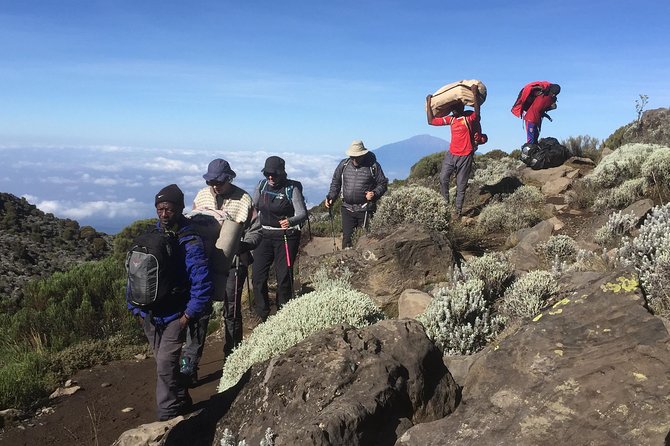
The second mountain day takes you out of the forest and into heather moorland. The walk lasts about six hours, with streams to cross and a broad route toward Shira 2 Camp at 3,840 meters.
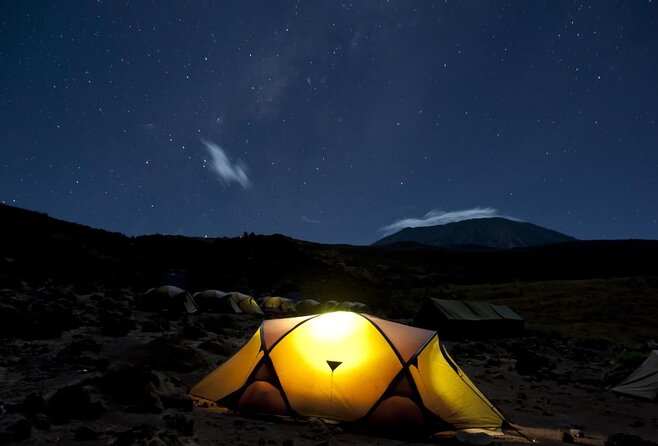
Shira 2 is one of the most memorable camps on the route because it opens the view toward the Western Breach and its glaciers. The setting is exposed, and temperatures can fall below freezing at night. You need warm layers ready inside the tent, not buried at the bottom of your duffel.
The itinerary lists six to six and a half hours for this day. That small difference is a reminder that mountain timings are estimates. Your pace, breaks, weather, and trail conditions will affect the actual day.
Dinner and evening snacks are prepared at camp. Breakfast, lunch, and dinner are included on the mountain, with seven breakfasts and lunches and six dinners listed overall. The food is described as generous and balanced, which matters here because steady eating is one of the practical tools you have for coping with altitude.
More week long trips in Arusha:
- Tanzania Classic – 7 Days
★ 5.0 · 1,151 reviews - 7-Day Premium Luxury Tanzania Safari All-Inclusive
★ 5.0 · 426 reviews - Group Safari 7 Days in Tanzania’s Main Parks
★ 5.0 · 240 reviews - 7 Days Tanganyika Wilderness Safari
★ 5.0 · 159 reviews
Day 4: Lava Tower and the descent to Barranco
This is one of the most important days for acclimatization. You leave the moorland behind and walk into a rocky semi-desert zone, covering about 15 kilometers over roughly seven hours.
After around five hours, you reach Lava Tower at 4,630 meters. You eat a packed lunch here, and climbing the tower may be possible if weather allows. Do not treat that option as a must-do. The key benefit is reaching a high point and then sleeping lower.
At Lava Tower, headaches and shortness of breath can begin. These symptoms are common signs that altitude is affecting you, but you should tell your guide how you feel rather than trying to hide it. The route then drops about 680 meters to Barranco Camp at 3,950 meters.
That high-climb, low-sleep pattern is one of the best features of the schedule. You gain altitude during the day while giving your body a lower camp for the night. It does not guarantee a summit, but it gives you a better preparation pattern than a rapid straight ascent.
Barranco Camp brings a dramatic change in mood. You are surrounded by rocky high country, with the Great Barranco Wall ahead. The day is long enough to tire you, so use the evening for food, water, and sleep rather than trying to explore camp.
Day 5: The Barranco Wall and Karanga Valley
The route covers only about five kilometers today and takes four to five hours. The short distance is deliberate. You still gain valuable height and movement, but you get more recovery time before the final push.
The Great Barranco Wall looks intimidating from below. The climb is classed as a Class 2 hike, and you may need to use your hands in places. It is not described as technical mountaineering, but you should expect uneven rock and a steady ascent. Follow the guide’s instructions and take your time.
At the top, you can see Heim Glacier and look out above the clouds. The route then winds up and down through the Karanga Valley before reaching Karanga Camp at 3,950 meters.
This is a fine example of why Lemosho needs several days. The itinerary does not simply drive you toward the summit. It gives you a demanding day, a short day, and repeated exposure to high altitude before Barafu.
Day 6: Barafu Camp and preparation for the summit
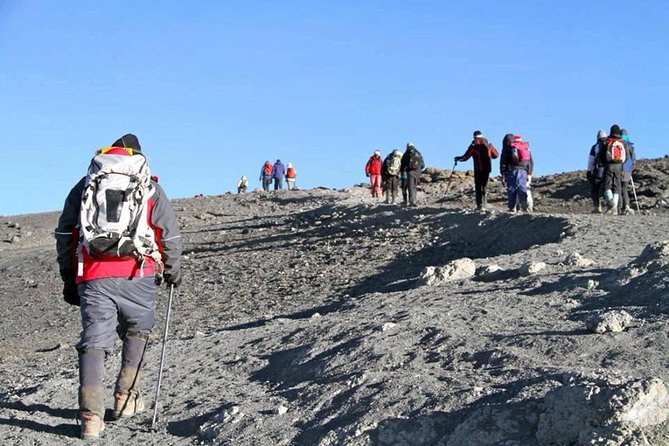
The walk to Barafu Camp is short, about four kilometers and two to three hours. You pass the point where the Mweka descent route intersects the ascent trail, then continue toward Barafu Hut at 4,550 meters.
Barafu means ice in Swahili. The camp is on a rocky, exposed ridge, and there is no accessible water at the camp. Porters make their last water stop before reaching Barafu, so you should fill bottles and hydration systems as directed.
The tents are exposed to wind and rocks. Familiarize yourself with the camp before dark, because you may return in darkness after the summit attempt. An early dinner is served, followed by a short rest.
This is not a normal night at camp. Your guide plans to wake you around 11:30 p.m. for tea and biscuits. Keep your summit clothing, water, headlamp, gloves, and snacks close by. Organization matters more than comfort at this point.
Day 7: Stella Point, Uhuru Peak, and the long descent
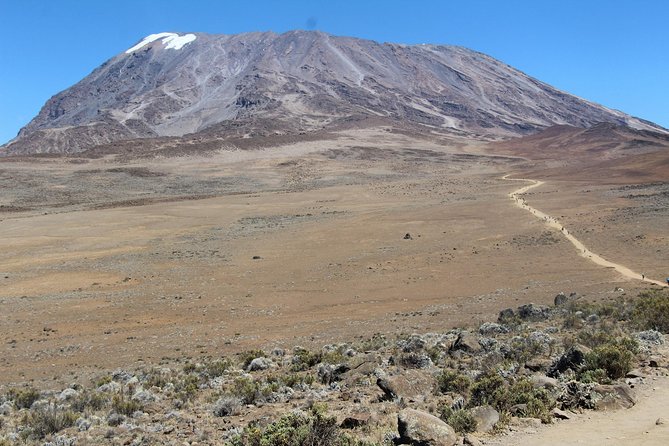
Summit day begins at about 11:30 p.m. The route climbs northwest over stone scree. The first target is Stella Point on the crater rim at 5,685 meters, reached after roughly six hours for many people.
This section is often the hardest mentally and physically. It is dark, cold, steep, and slow. You may feel as if every step takes effort. The guide’s pacing is important here, and the company’s strongest praise has focused on steady pacing, coordination between guides and porters, and careful attention to acclimatization.
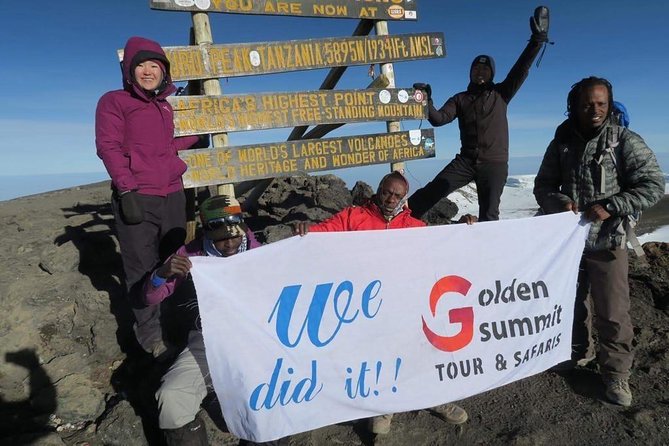
At Stella Point, you can watch the sunrise before continuing for about two hours on a snow-covered trail to Uhuru Peak at 5,895 meters. The summit is Africa’s highest point, but reaching it requires restraint. Stop for photographs, take in the view, and listen to your guide about how long to remain at the top.
The descent is not an easy finish. You walk about seven to eight hours from the summit area to Mweka Camp, covering roughly 23 kilometers of descent according to the schedule. Your legs will be tired, and the loose scree can make the downhill section awkward.
Some itineraries split the descent differently, so confirm the exact camp arrangement before booking. Here, the schedule presents the summit and descent as one very long mountain day. That is a major consideration for anyone comparing routes. The advantage is that you move below the highest camps quickly. The drawback is the physical demand.
Day 8: Mweka Gate, certificates, and the return to Arusha
After breakfast, the mountain crew holds a celebration with dancing and singing. You also present tips to the guide, assistant guides, chef or chefs, and porters. Tipping is not included in the listed price, so set aside money for it and ask the operator for current guidance before the climb.
You then descend for about three hours through forest to Mweka Gate. Every climber signs out with the national park to receive a completion certificate. Reaching Stella Point earns a green certificate, while reaching Uhuru Peak earns a gold certificate.
The schedule then describes another hour and three-kilometer descent to Mweka village. The activity ends back at the Arusha meeting point, although the precise transfer timing is not provided. Confirm how you will return from the gate and whether the final transport is included in your specific booking.
What the $6,300 private price gets you
The price is $6,300 per group of up to two people. That is not a budget climb, but it includes the major operating costs: park admission, camping equipment, guides, porters, transportation, seven breakfasts, seven lunches, and six dinners.
For two people, the price works out to $3,150 each before flights, visas, personal trekking gear, and tips. The private format is important. You are not tied to a large group’s pace, and the guide can focus on the needs of your pair.
You should still ask for a clear list of what counts as camping gear. Personal trekking equipment is not included. The itinerary specifically excludes flights, visas, and trekking gear, and the airport pickup does not change that.
The value also depends on how much support you want. This is a fully organized climb with porters, camp setup, meals, park fees, and transport handled for you. If you prefer to carry your own equipment and arrange each part yourself, the price may feel high. If you want the practical work managed while you focus on walking, it is easier to justify.
Guides, food, and the human side of the climb
The experience is built around a guide team rather than a self-guided hike. Lucia is identified as a lead guide, while Hamish is named as a local guide and safari driver in the wider Tanzania arrangements. Matthew handled itinerary planning and trip arrangements for some clients.
Do not assume these exact people will lead every departure. Ask who your lead guide will be and how many assistant guides are assigned to your group. That question is especially useful for a private two-person climb.
The staff coordination has received strong praise, particularly the way guides and porters work without getting in your way. That is a good balance on a mountain. You need help with camp, water, food, and safety, but you also want room to walk at your own pace.
Meals are another clear strength. Food is described as plentiful and balanced, with snacks and hot meals prepared at camp. At altitude, I care less about fancy menus than about regular, filling food that you can eat when tired. The schedule provides that structure.
Who should book this Lemosho climb
I would choose this route if you want a quieter start, strong scenery, and a gradual move through Kilimanjaro’s ecological zones. It suits a pair of people who value private guiding and are prepared for long days at altitude.
You need moderate physical fitness, but that phrase should not make the climb sound easy. The summit day alone can involve eight hours to Uhuru Peak and seven to eight hours down. Training for long uphill walks, long downhill walks, and consecutive days on your feet will help.
This route is less suitable if you want short, comfortable hiking days or dislike camping in cold, exposed places. Shira 2 and Barafu can be below freezing, and the Barafu camp has no accessible water. The summit morning is also cold, dark, and demanding.
The route’s main strength is its pacing pattern. The long climb to Lava Tower, followed by the Barranco descent and the shorter Karanga and Barafu days, gives you time to adjust. The main weakness is the compressed final day, which you should understand before paying.
Booking details and cancellation terms
Pickup is offered from Kilimanjaro International Airport, with the activity beginning at the Arusha meeting point. Confirmation is provided at booking, and the meeting point is near public transportation.
You can cancel up to 24 hours before the local start time for a full refund. Changes made within 24 hours are not accepted, and a weather cancellation offers either another date or a full refund.
Should you book this 7-day Lemosho Route?
Book it if you want a private Kilimanjaro climb with a quieter western approach, varied scenery, camp support, and a route designed around acclimatization. The food, crew coordination, and careful pace are the parts I would value most.
Before committing, clarify three points: the exact lead guide, the equipment available for rent, and how the unusually long summit-to-Mweka schedule is handled. If you are comfortable with that demanding final day and the $6,300 price for two people, this is a well-structured way to attempt Uhuru Peak.
FAQ
Is this a seven-day or eight-day experience?
The full schedule lasts about eight days. Day 1 covers airport pickup, the Arusha hotel, briefing, and gear checks. The remaining seven days are spent on the mountain.
What is included in the price?
The price includes admission fees, camping gear, guides, porters, transportation, seven breakfasts, seven lunches, and six dinners.
What is not included?
Flights, visas, and personal trekking gear are not included. Tips for the guide team, chef or chefs, and porters are also presented separately at the end of the climb.
How many people can join the private tour?
The $6,300 price covers one private group of up to two people.
How high is Uhuru Peak?
Uhuru Peak is at 5,895 meters. Stella Point, on the crater rim, is at 5,685 meters.
What happens if poor weather cancels the activity?
If the experience is canceled because of poor weather, you will be offered a different date or a full refund.
Newly listed around Arusha
- 5-Day Private Safari Tour in Tanzania’s Wildlife★ 5.0 · 3 reviews
- 3 Day Sharing Safari – Manyara, Ngorongoro Crater and Tarangire National Parks★ 5.0 · 3 reviews
- 3 Days private safari Tarangire ,Ngorongroro crater &Manyara★ 5.0 · 3 reviews
- Tarangire National Park Day Trip★ 5.0 · 3 reviews
- 6 -Day Tarangire, Manyara, Serengeti & Ngorongoro★ 5.0 · 3 reviews
- 2 Days Tarangire and Ngorongoro Crater Tour★ 5.0 · 3 reviews
- 5 Days Group Camping Safari★ 4.7 · 3 reviews
- 7-Day Mt. Kilimanjaro Hiking: Machame Route★ 5.0 · 3 reviews
Kilimanjaro Climbs, compared.








Browse the lists this tour appears in