
Reviewed · KILIMANJARO CLIMBS
8 Days Mountain Kilimanjaro Lemosho Route
The Lemosho Route gives you a long, scenic approach to Uhuru Peak, Africa’s highest point. You begin in thick rainforest, cross open moorland and volcanic rock, spend time on the high Shira Plateau, then climb through alpine desert before the final push across an Arctic zone of cold, wind and thin air.
I like two things here. First, the eight-day schedule gives you more time to adjust to altitude than a rushed climb. Second, the route includes varied terrain, from colobus monkey country and tall grasses to the strange Senecio Forest and the volcanic tower at Lava Tower. The main consideration is simple: this is a serious physical challenge, not a sightseeing walk with a mountain view.
Key points to know before booking
- Eight days for better acclimatization: The route uses gentle walks, high camps and lower sleeping points to help your body adjust.
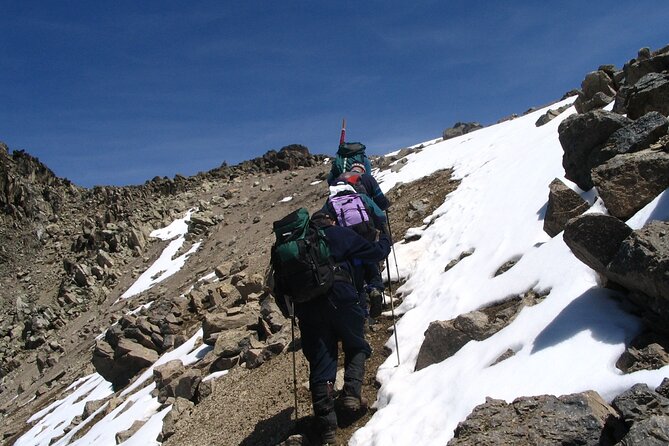
- A full Kilimanjaro cross-section: You pass through rainforest, heath, moorland, alpine desert and Arctic conditions near the summit.
- Shira Plateau access: Day three gives you time on one of the highest plateaus on earth, with optional walks around Lent Hills.
- A demanding summit day: You start around midnight, climb to Uhuru Peak and then descend to Mweka Camp in one long effort.
- Private group format: Only your group participates, with pickup offered from your accommodation after breakfast.
- Ethical porter support: The operator has paid membership with the Kili Porter Assistance Program, or KPAP, which supports fair pay and better treatment for porters.
Why the Lemosho Route earns eight days
Kilimanjaro is not a technical climb in the usual sense, but altitude makes it hard. The summit reaches 19,341 feet, and fitness alone does not guarantee success. Your body needs time to adjust, which is why the extra day matters.
This route begins gently. The first days are not designed to rack up huge distances. You walk, eat, sleep and gradually move higher. Day four is especially useful because you climb to Lava Tower at 15,190 feet, then sleep much lower at Barranco Camp. That pattern, spending time high and sleeping lower, gives the itinerary real value.
You should still arrive with a moderate level of physical fitness. The schedule includes several short days, but summit day is long and strenuous. Cold, wind, darkness and altitude all arrive at once. The route is friendlier than a compressed itinerary, but it is not easy.
More Kilimanjaro routes:
- 8-Day Small-group Lemosho Kilimanjaro Summit Trekking
★ 5.0 · 186 reviews - 7-Day Machame Kilimanjaro Summit Tour from Arusha
★ 5.0 · 125 reviews - Private Full Day Hiking Experience to Marangu Route
★ 5.0 · 61 reviews
Day 1: Into the rainforest from Londorossi Gate
Pickup is scheduled for 8:00 a.m., with your driver and guide collecting you after breakfast. The drive heads toward Lemosho Gate and Londorossi Gate, with time to stop at a nearby village for lunch and last-minute supplies.
That village stop gives the day a useful local touch. It also means you can check your small needs before heading into the park. Do not treat this as a shopping day for major equipment, but it is a practical chance to pick up forgotten items.
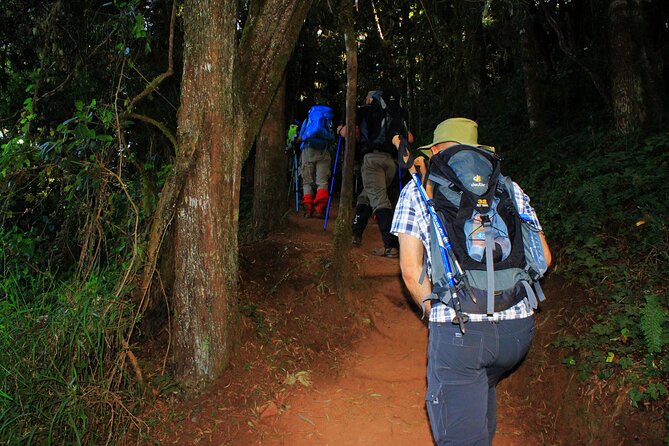
Once you meet the mountain crew, the first walk begins through Kilimanjaro’s lower rainforest. The hike to Mti Mkubwa, or Big Tree Camp, takes about three to four hours. The trail is relatively short, which is welcome after the drive and park formalities.
Keep watch for colobus monkeys in the forest. Wildlife sightings are never guaranteed, but this early section gives the trek more character than a bare uphill march. The forest is also a good reminder that Kilimanjaro changes dramatically as you climb.
Day 2: From forest to Shira 1 Camp
Day two leaves the rainforest behind and enters tall grass, heather and volcanic rock covered with hanging lichen. You gain about 2,000 feet, walking from 9,498 feet to 11,500 feet over roughly eight kilometers.
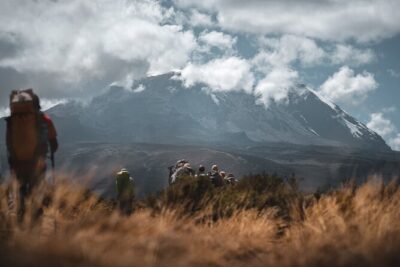
The route crosses rolling ground and several streams before reaching Shira Ridge. From there, you drop gently to Shira 1 Camp. Across the plateau, you get your first view of Kibo, the main summit cone.
This is one of the route’s best transitions. In a single day, the dense forest gives way to open high country. The walking time is listed at five to six hours, though the activity summary also gives a shorter estimated duration, so you should treat the schedule as approximate rather than fixed.
The camp altitude may affect you more than the distance. Move slowly, drink the provided water and tell your guide early if you feel unwell. The itinerary identifies the habitat as heath, with one description containing a typo, but the terrain description is clear: this is open, high moorland with rock and grass.
Day 3: A full day on the Shira Plateau
Day three is one of the most interesting parts of the climb. You spend the day exploring the Shira Plateau rather than simply marching from one camp to the next.
The main walk heads east across moorland meadows toward Shira 2 Camp. You then leave the main trail for Moir Hut, a quieter site at the base of Lent Hills. The listed elevation rises from 11,500 feet to 13,800 feet, with about 11 kilometers of walking over five to seven hours.
The appeal is not only the view. A full day here gives you time to walk at altitude without rushing straight toward the summit. Lent Hills offers several possible walks, so your guide can adjust the day to your pace and interests.
At this height, even a gentle path can feel demanding. The Shira Plateau is described as one of the highest plateaus on earth, and that is the kind of fact you notice with every breath. The open setting also brings less shelter from weather, so warm layers and sun protection matter.
A few more Arusha days to compare
- Balloon Safari & Bush Breakfast in Serengeti – Miracle Experience
★ 5.0 · 1,646 reviews - Tanzania Classic – 7 Days
★ 5.0 · 1,151 reviews - 4 Days Group Camping Safari
★ 5.0 · 1,101 reviews - 5 Days Group Camping Safari
★ 5.0 · 730 reviews
Day 4: Lava Tower, then down to Barranco
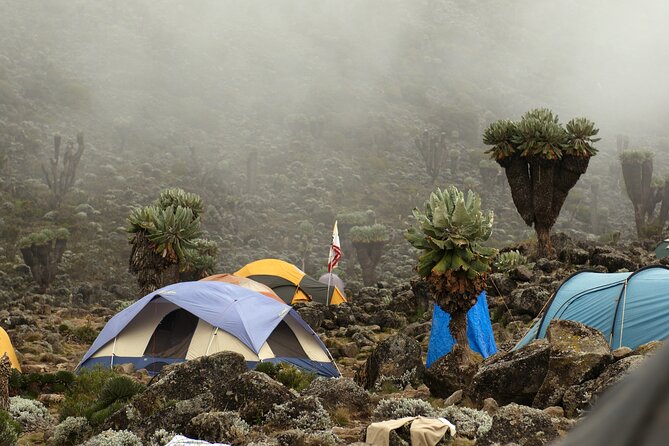
Day four is the itinerary’s key altitude-training day. You climb from Moir Hut at 13,800 feet to Lava Tower at 15,190 feet, then descend to Barranco Camp at roughly 13,044 feet.
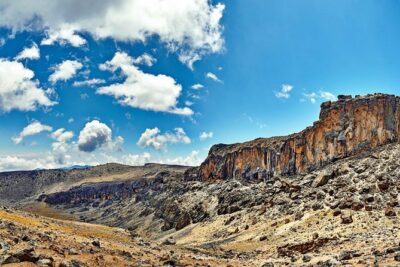
The first section covers about seven kilometers and takes three to four hours. Lava Tower is a 300-foot volcanic rock formation, and it gives the day a clear visual target. After reaching it, you descend another three kilometers to Barranco through the Senecio Forest.
The total walking time is listed at six hours. Although you finish around the same altitude where you began, the time spent above 15,000 feet is useful preparation for summit day. This is a smart part of the plan, though you may feel the altitude here more than on the lower days.
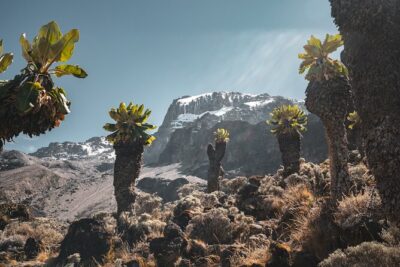
The Senecio Forest is an unusual sight, with giant plants rising from the alpine desert. This is one of those places where Kilimanjaro feels less like a standard hike and more like a journey through several climate zones.
Day 5: Climbing the Barranco Wall
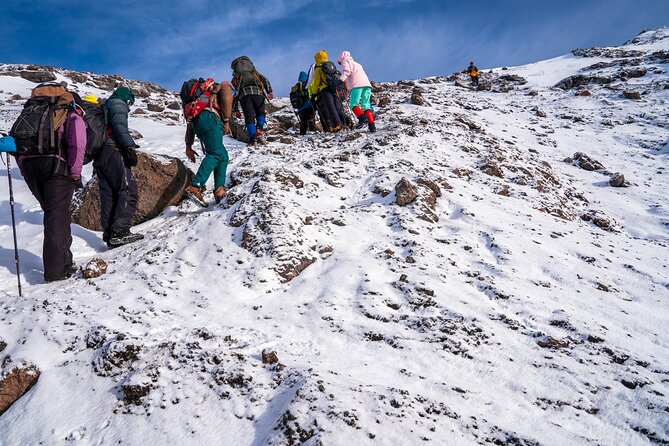
From Barranco Camp, you descend into a ravine and walk to the foot of the Great Barranco Wall. The wall rises nearly 900 feet, but the route is described as steep rather than technical.
That distinction matters. You will need steady footing and confidence, but the itinerary does not require technical climbing equipment. Guides are there to help with pacing and route choice, especially where the trail feels exposed or awkward.
After the wall, you cross a series of hills and valleys before dropping into Karanga Valley. The final climb takes you to Karanga Camp at 13,106 feet. The day covers about five kilometers and takes two to three hours, making it a short day by Kilimanjaro standards.
I like this built-in pause. You get a major physical feature without burning yourself out before the summit. Still, short does not mean effortless. The wall can feel tiring after several days at altitude, and you should resist the urge to race ahead simply because the distance looks modest.
Day 6: The rocky climb to Barafu Camp
The walk from Karanga to Barafu is only about four kilometers and takes one to two hours. You climb from 13,106 feet to 15,331 feet through increasingly rocky terrain.
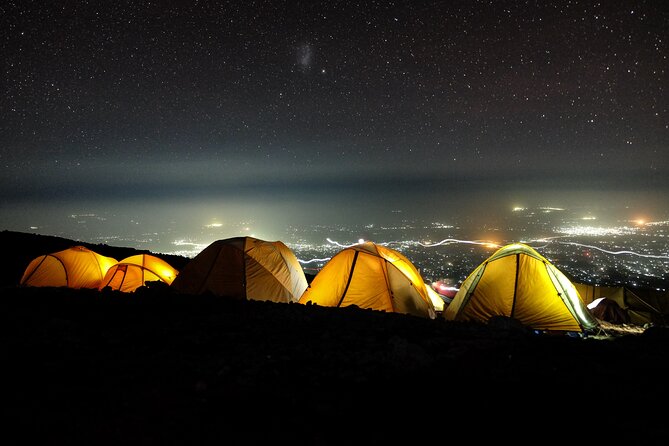
Barafu is the high camp used before the summit attempt. From here, the southern circuit is complete, and you can see Mawenzi and Kibo from different angles. The setting is stark, with little cover and a strong sense that the main challenge is close.
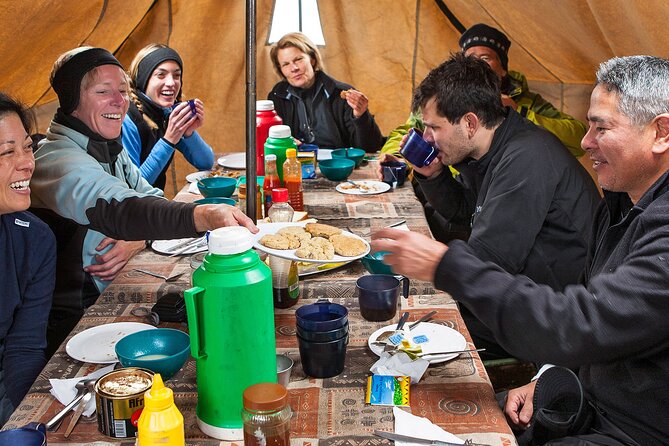
The short day is valuable because it gives you time to rest. The plan includes an early dinner before you prepare for the midnight start. In practice, this means your evening is brief. You will need to organize your summit clothing and gear, eat, and try to sleep before the alarm.
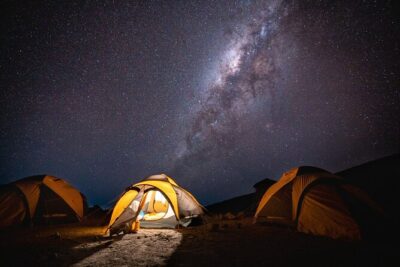
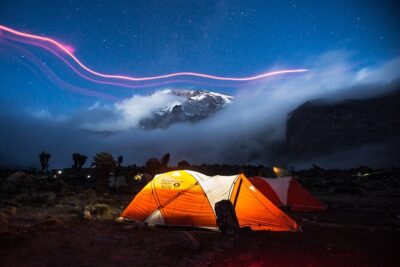
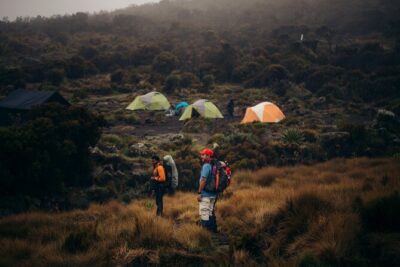
This is also the point where comfort becomes basic. Camping gear and sleeping bags are included, but Barafu is not a place to expect hotel-style ease. The value is in the support and logistics, not luxury.
Day 7: Uhuru Peak and the long descent to Mweka
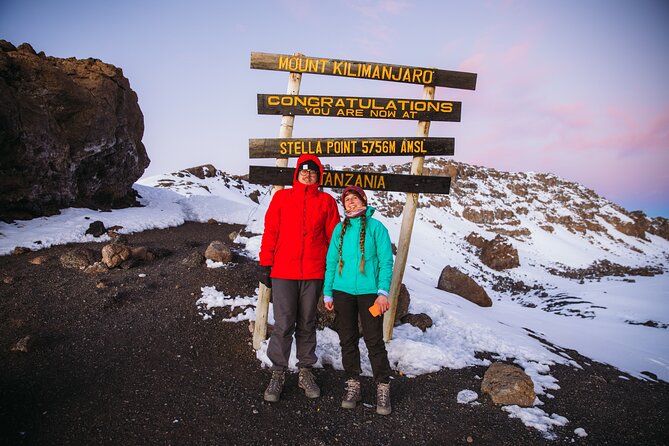
Summit day begins around midnight. You leave Barafu Camp at 15,331 feet and climb six kilometers to Uhuru Peak at 19,341 feet. The ascent is listed at six to eight hours, followed by a descent of 12 kilometers to Mweka Camp at 10,065 feet.
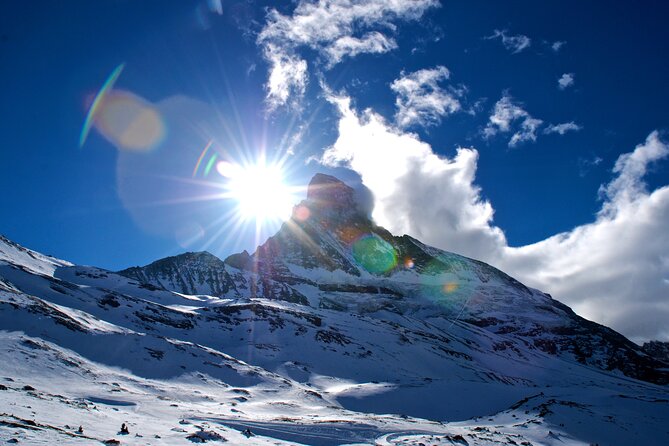
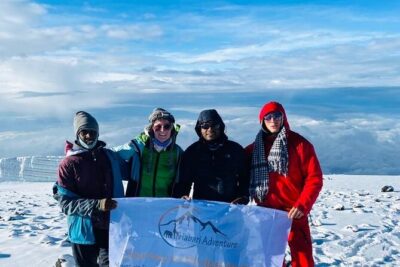
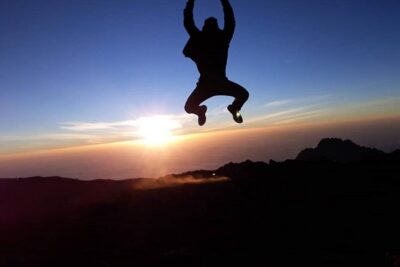
This is the hardest day by a wide margin. You climb in darkness, take frequent short breaks and deal with cold and wind at the highest point. Near Stella Point, at about 18,900 feet, the sunrise over Mawenzi can be a major reward for the effort.
You should understand the rhythm before booking. The summit is not the end of the day. After reaching Uhuru Peak, you descend through Arctic conditions and then back into rainforest, eventually reaching Mweka Camp. The descent saves you from spending another night at high altitude, but it makes for a very long day.
Your guide’s role is especially important here. John Danford is repeatedly identified in the supplied material as the chief head guide, with praise for his pacing, mountain judgment and ability to keep morale up. James is described as the operator who handled pre-trip communication. Those names may matter to you if personal contact and continuity are important when choosing a company.
Day 8: Returning through the rainforest
The final descent runs from Mweka Camp to Mweka Gate, dropping from 10,065 feet to 5,380 feet. The walk covers about ten kilometers and takes two to three hours.
At lower elevations, the trail can be wet and muddy. That is a small but useful detail when packing, since your shoes may finish the trek in much messier condition than they had at Barafu.
At Mweka Gate, you collect your summit certificates. From there, the plan continues for about an hour to Mweka Village, where a vehicle takes you back to your hotel in Moshi.
The day is straightforward, but do not underestimate how your legs may feel after summit day. The walk is downhill, and downhill can be hard on tired knees. The vehicle transfer at Mweka Village gives the trek a clear finish.
What the $2,840 price covers
At $2,840 per person, this is not a bargain basement Kilimanjaro climb, but the price includes the core items you need for an eight-day camping trek:
- Park and activity fees
- Clean water
- Camping equipment
- Sleeping bag
- Seven breakfasts
- Seven lunches
- Seven dinners
- Taxes and other listed fees
- Pickup service
That package reduces the number of arrangements you need to make yourself. You are paying for a supported private climb, not simply a route permit and a guide.
The strongest value comes from the eight-day format and the included mountain setup. Camping gear, meals and water are practical necessities at altitude. You should still budget separately for tips, travel insurance, visas and flights. Those exclusions can add a significant amount to your total trip cost.
The paid KPAP membership is another useful point. Porter welfare can be difficult for a visitor to judge from the outside, so an association focused on fair pay and ethical treatment gives you a better starting point. You should still ask how many porters support your group, how luggage is handled and what tipping practice is expected before departure.
Guide support and private-group format
This is a private activity, so only your group participates. That gives you more control than a large shared departure, though the supplied information does not state the maximum number of people in your party.
The strongest praise is directed toward John Danford. He is repeatedly described as the head guide who helped groups reach the summit, explained nature along the route and kept a steady pace. Several accounts also highlight the wider crew, food and tents, while James receives praise for quick email replies before arrival.
Those are encouraging signs, but you should still confirm the guide arrangement before paying. Ask who your lead guide will be, how altitude checks are handled and what happens if someone needs to stop or turn back. The experience offers flexible day walks, which is helpful, but the exact options depend on your guide and conditions.
Who should book this Kilimanjaro trek?
I would point this trip toward you if you want a scenic route with a gradual schedule and are comfortable camping for a week. It suits people who value time for acclimatization more than the shortest possible climb.
It is also a good match if you want a private group and a full support package that includes meals, water, sleeping gear and camp equipment. The combination of rainforest, plateau, volcanic formations and summit conditions gives you a strong variety of scenery.
I would be cautious if you have little hiking experience, dislike basic camping or expect a relaxed holiday. The provider asks for moderate fitness, and summit day is physically demanding even with the longer itinerary. Travel insurance is not included, so arranging it is your responsibility.
The listed rating is 5 out of 5 from 22 ratings, and the strongest praise centers on the guides, crew support, food and successful summit attempts. That is useful, but no rating can remove the need for proper preparation. A good guide can manage pace and support, but you still need suitable clothing, fitness and a realistic attitude toward altitude.
Practical booking details
Pickup is offered, and the stated start time is 8:00 a.m. on the first day. The activity ends back at the meeting point after the return transfer, with the final drive going to a hotel in Moshi.
Confirmation is received at booking. Free cancellation applies if you cancel at least 24 hours before the local start time. Cancellations or changes inside that 24-hour window are not accepted for a refund.
Because the activity is private, contact the operator before arrival if you need to clarify pickup, hotel location, equipment or the exact walking pace. The published plan uses approximate times, and mountain conditions can affect the day.
Should you book the 8-day Lemosho Route?
Yes, if you want one of Kilimanjaro’s longer approaches and prefer a measured climb over a rushed one. The Shira Plateau, Lava Tower, Barranco Wall and midnight summit attempt make this a varied and serious mountain experience.
The price is easier to justify because it includes meals, water, camping equipment, a sleeping bag, park fees and private support. The main cautions are the demanding summit day, extra costs for tips and insurance, and the basic nature of high-altitude camping.
If you choose it, prepare for the mountain rather than just the scenery. Ask for the latest guide details, confirm what camping gear is supplied and plan for cold, wet trails and a long summit day. With those points settled, African Polecat Safaris offers a sensible eight-day route for reaching Kilimanjaro’s roof.
FAQ
How long is the Kilimanjaro Lemosho trek?
The trek lasts approximately eight days, beginning with pickup after breakfast and ending after the descent to Mweka Village and transfer to a hotel in Moshi.
What time does the experience start?
The stated start time is 8:00 a.m. on the first day.
Is pickup included?
Yes. Pickup is offered from your accommodation, with the driver and guide collecting you after breakfast on day one.
Is this a private tour?
Yes. Only your group participates in this activity.
What meals are included?
The package includes seven breakfasts, seven lunches and seven dinners.
Is camping equipment provided?
Yes. Camping gear and a sleeping bag are included, along with clean water.
What is not included in the price?
Tips, travel insurance, visas and flights are not included.
Can I cancel for a full refund?
Yes, if you cancel at least 24 hours before the experience start time. Cancellations or changes made less than 24 hours before the start time are not refunded or accepted.
Newly listed around Arusha
- 5-Day Private Safari Tour in Tanzania’s Wildlife★ 5.0 · 3 reviews
- 3 Days private safari Tarangire ,Ngorongroro crater &Manyara★ 5.0 · 3 reviews
- 3 Day Sharing Safari – Manyara, Ngorongoro Crater and Tarangire National Parks★ 5.0 · 3 reviews
- Tarangire National Park Day Trip★ 5.0 · 3 reviews
- 2 Days Tarangire and Ngorongoro Crater Tour★ 5.0 · 3 reviews
- 6 -Day Tarangire, Manyara, Serengeti & Ngorongoro★ 5.0 · 3 reviews
- 5 Days Group Camping Safari★ 4.7 · 3 reviews
- Private 4×4 Vitara Safari in Arusha National Park★ 5.0 · 3 reviews
Kilimanjaro Climbs, compared.
Browse the lists this tour appears in