
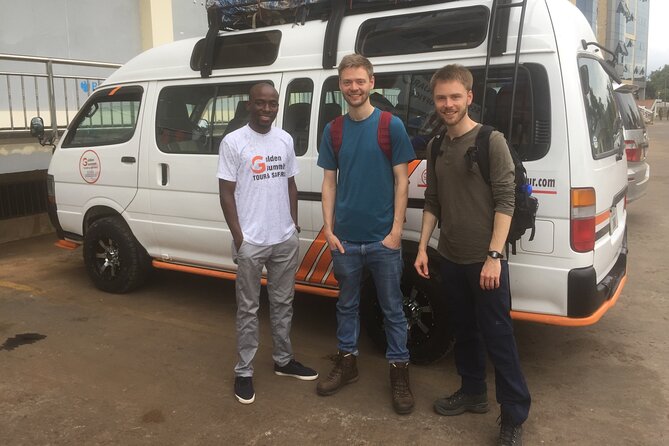
Reviewed · KILIMANJARO CLIMBS
7 Days Machame Route
Kilimanjaro’s Machame Route gives you a real mountain journey, not a quick walk to a viewpoint. Over seven days, you move from cloud forest to moorland, volcanic scree, glaciers, and the summit at 5,895 meters, sleeping in tents carried up by porters.
I like the route’s scenic variety, and I like that the extra seventh day gives your body more time to adjust. The walk-high, sleep-low pattern is another smart feature, especially on the Lava Tower day. The main drawback is the summit push: about 15 hours on day six, starting around midnight, makes this a serious physical test.
Key points before you book
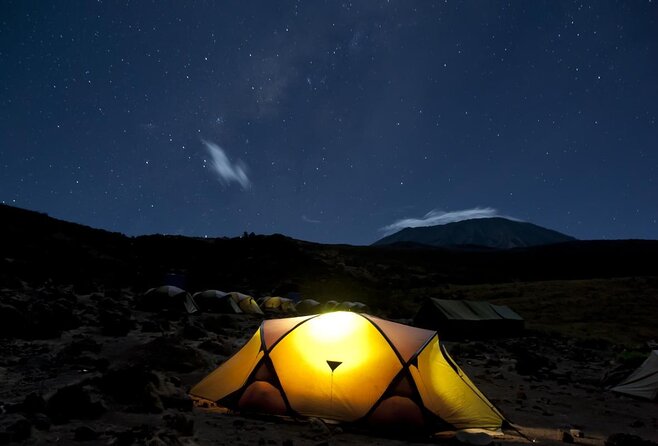
- Seven days gives you more acclimatization time: The longer schedule is preferable to the six-day version for many hikers.
- The scenery changes dramatically: You pass through cloud forest, heather, high moorland, volcanic ground, glaciers, and summit scree.
- The summit day is extremely long: Expect a midnight start, roughly 4 to 5 hours to Stella Point, an additional hour to Uhuru Peak, and a long descent.
- You sleep in tents throughout the mountain trek: Porters carry the tents and your camp equipment up the route.
- The maximum group size is 15: That is small enough for a more manageable group while still being large enough to include a range of hiking speeds.
- The price is $2,000 per person: The value depends heavily on what you want from guided support, porters, meals, park access, and the return to Moshi.
Why the seven-day Machame Route works
Machame is popular because it offers strong scenery and a sensible route profile. You climb steadily rather than rushing straight toward the summit, and the route allows a high-altitude day followed by sleep at a lower camp. That walk high, sleep low rhythm helps your body adjust to thinner air.
The seven-day version is worth considering over six days. One more day does not make Kilimanjaro easy, but it gives you more time to settle into the pace and notice how your body responds. At altitude, patience is useful. Fast walkers do not automatically have the best chance of reaching the top.
You hike in a group of no more than 15 people, with guides and porters supporting the climb. The team handles tents and camp equipment, and the included meals are intended to keep you fueled during long days. Practical organization matters here, since summit success depends on many small details, not just strong legs.
The tour begins in Moshi, with an 8:00 am start and pickup offered. Confirmation arrives at booking, and the experience is designed for people with a moderate level of physical fitness. That phrase deserves a realistic reading: this is not a casual nature walk, particularly on summit day.
More Kilimanjaro routes:
- Kilimanjaro climb by Lemosho Route (7-day)
★ 5.0 · 651 reviews - Kilimanjaro climb, Machame Route (7-day)
★ 5.0 · 262 reviews - Kilimanjaro Climbing Lemosho Route 8 Days.
★ 5.0 · 186 reviews
Day one: cloud forest to high heather
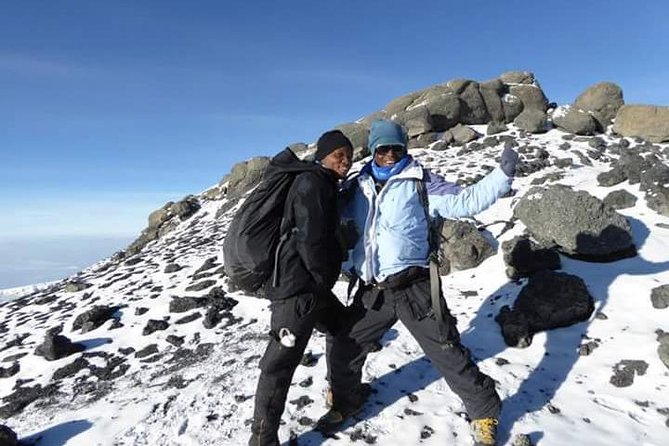
The first day takes you through Kilimanjaro’s moss-covered cloud forest. This is one of the most pleasant ways to begin because the trees give the opening hours a sheltered, enclosed feel before the scenery opens up.
The hike lasts about six hours. As you gain height, the forest thins and gives way to heather, tall grasses, and wildflowers. You can expect a clear visual change during the day, which helps you feel that the mountain is unfolding in stages rather than presenting the same view for hours.
The first day is also when you learn the group’s walking rhythm. Keep your pace controlled, drink as directed by your guide, and avoid treating the early forest section like a race. The mountain will provide plenty of harder ground later.
Park admission is included, as it is on each day of the trek. You sleep in a tent rather than a permanent mountain lodge, so this experience suits you best if you can accept basic camp conditions as part of the adventure.
Day two: climbing toward the Shira Plateau
Day two continues upward through the forest before the route makes a steeper ascent onto the Shira Plateau. The planned walking time is about five hours, making it shorter than day one, but the climb itself still requires steady effort.
The reward is a wider view of Kilimanjaro and the surrounding country. Looking back, you may see Mount Meru rising above the direction of Arusha. This is an important change from the forest, where trees limit your view and keep the mountain feeling close and enclosed.
The Shira Plateau gives the trek a more open character. You are no longer simply walking through woodland. You are moving across a high volcanic setting with greater exposure to weather and a clearer sense of distance.
That openness can also make the conditions feel tougher. A five-hour day may sound easy on paper, but altitude begins to matter. Let the guide set the pace and pay attention to how you feel rather than judging the day by its duration alone.
Day three: Lava Tower and the walk-high, sleep-low plan
Day three is one of the most useful parts of the route for acclimatization. You walk across high moorland on the southwest side of Kilimanjaro, passing beneath Lava Tower and the final part of the Western Breach before reaching camp.
The day lasts about eight hours, and the route reaches roughly 4,600 meters. That is high enough for altitude to become a real concern, even though you do not sleep at the highest point reached during the day.
This is where the route’s profile makes sense. You gain height during the day, then descend to a lower camp for the night. The aim is to expose your body to altitude without keeping you at the highest point for sleeping.
The scenery also changes again. High moorland replaces the forest and heather, and the volcanic setting feels more stark. Lava Tower gives the day a clear landmark, while the Western Breach adds a more rugged mountain feature to the route.
An eight-hour hiking day at altitude can feel much longer than an eight-hour walk at sea level. You should expect a slower pace and plenty of effort. This is not the day to push for speed or compare yourself with the strongest person in the group.
More week long trips in Moshi & Kilimanjaro:
- Climbing Kilimanjaro through 7 days Machame Route
★ 5.0 · 151 reviews - 7 Days Kilimanjaro via Machame route affordable price
★ 5.0 · 110 reviews - Private Kilimanjaro Hike 7 Day Lemosho Route
★ 5.0 · 60 reviews - 7-Day Magical Tanzania Safari -Premium High End Package
★ 5.0 · 53 reviews
Day four: a shorter high-altitude continuation
The supplied schedule lists another four-hour day around the same high moorland and Lava Tower section. The description repeats the walk-high, sleep-low section from day three, so you should ask the operator for the exact camp names and daily route breakdown before departure.
That unclear wording does not change the larger shape of the trek: you spend time crossing Kilimanjaro’s high terrain and continue preparing for the summit. A four-hour day can provide a useful recovery period after the longer altitude day, provided the actual route matches the stated timing.
This is also a good point to remember that itinerary labels do not tell the whole story. Camp elevations, walking speed, rest stops, weather, and how your body reacts will shape the day. Use the schedule as a guide, not as a promise that every hour will unfold exactly as printed.
Day five: toward Barafu Camp and the glaciers
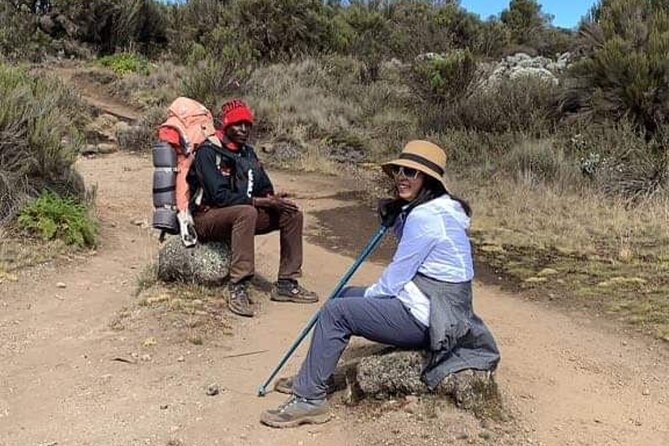
After breakfast, you hike toward Barafu Camp, with about four hours of walking planned. Barafu is the staging point for the summit attempt, so this day has a practical purpose as well as scenic appeal.
Along the way, you can see several of Kibo’s glaciers. The route also reaches the junction where the Mweka descent route connects with the Machame trail. The schedule refers to the Heim, Kersten, and Decken Glaciers, giving you a close look at some of the mountain’s most striking ice features.
Barafu Camp is important because you need to rest before the midnight start. The short walking time does not mean the day is unimportant. You are moving into the final preparation period, and conserving energy becomes more useful than covering extra distance.
You should expect the camp routine to feel basic and focused. Meals, rest, and preparing for the summit take priority. The porters look after camp equipment and belongings, including support for your items while you make the summit attempt, according to the service details provided for this climb.
Day six: a 15-hour push to Uhuru Peak
Summit day begins around midnight. You climb steeply toward the summit glaciers, spending four to five hours on scree before reaching Stella Point at 5,739 meters.
Scree is loose volcanic rock. It can shift underfoot, making the climb tiring even when the route is not technically complicated. Darkness, cold, altitude, and the steep slope combine to make this the hardest part of the experience for many people.
The goal is to reach Stella Point as the first sunlight appears. From there, you see ice cliffs inside the crater and the jagged form of Mawenzi Peak beyond. The final hour to Uhuru Peak brings you to 5,895 meters, the highest point in Africa.
The summit moment is only part of the day. After reaching Uhuru Peak, you return to Stella Point, descend the scree to Barafu Camp for breakfast, and then continue down to Mweka Camp. The full day is listed at about 15 hours, so you need to prepare mentally for a long descent after the emotional high of the summit.
This is the clearest reason to take the physical fitness advice seriously. You do not simply hike up, take a photograph, and finish. You still have a major descent after the summit, and tired legs can make that section difficult.
The guides’ role is especially important here. The company’s published service details and customer feedback place strong emphasis on safe summit support, clear organization, food, and care for personal belongings. Those are the areas that matter most when the group is tired and altitude is affecting judgment.
Day seven: rainforest, certificates, and Moshi
The final day is gentler, with about three hours of trekking down through rainforest to Mweka Gate. After the exposed upper mountain, the return to trees should feel like a major change in temperature, color, and atmosphere.
At the gate, you complete park formalities and receive certificates. These are a small but fitting end to the climb, particularly after the long summit day and the rough upper route.
Vehicles then take you back to your hotel in Moshi. The planned finish includes a return to your arranged hotel, where you can shower and celebrate with cold drinks. That first proper wash after several nights in a tent may feel like part of the prize.
The tour does not state that hotel accommodation is included in the $2,000 price, only that you return to your arranged hotel. Confirm that point before booking if you need a room before or after the trek.
What the $2,000 price means
At $2,000 per person, this is a major holiday expense, but the price should be judged against the support needed for a seven-day Kilimanjaro climb. You are paying for a guided mountain program with park admission, porters, tented camps, meals, summit support, and transport back to Moshi.
The price is easier to justify if you want a structured climb rather than trying to arrange each part independently. A good operator reduces the amount you must manage while hiking, particularly with camp equipment and logistics.
The value also depends on the details you confirm before paying. Ask what meals, transfers, tents, park costs, and hotel nights are covered. The supplied information confirms admission tickets, pickup, mobile ticketing, porters, meals, and return transport to the arranged Moshi hotel, but it does not spell out every item inside the package.
Food receives specific praise in the available feedback, including meals described as filling and varied. That matters on a climb with several long days. Still, you should ask about dietary needs in advance because no special meal policy is provided here.
The crew and group experience
Golden Summit Adventures is the operator, and the strongest praise centers on organization, safe guidance, warm communication, meals, and practical care from the crew. The service includes porters who carry tents and equipment, and the team can look after belongings while you are on the summit push.
The maximum group size is 15. That is not a private climb, so you should expect to share the pace and camp routine with other people. The advantage is a small enough group for guides to manage, while the disadvantage is that the day can be shaped by the slowest or most altitude-affected hiker.
No guide names are supplied, so I would not assume a particular guide will lead your group. Instead, ask who your lead guide will be during the briefing and confirm how the team handles altitude symptoms, changes in pace, and summit-day decisions.
The company’s customer feedback repeatedly points to experienced guides, clear preparation, teaching about the mountain environment and local culture, and strong customer care. Those qualities are worth seeking on Kilimanjaro, where the guide team can influence both safety and morale.
Who should book this trek
I would choose this route if you want Kilimanjaro’s most varied scenery and can commit to a full seven-day mountain schedule. It suits people who prefer a gradual route, tented camps, guided support, and a clear summit goal.
It is a particularly sensible option for hikers who want more acclimatization time than the six-day version allows. The walk-high, sleep-low pattern is a practical reason to consider Machame, not just a marketing phrase.
I would think twice if you dislike camping, struggle with long walking days, or want a relaxed sightseeing holiday. The summit day alone lasts about 15 hours, and the altitude reaches 5,895 meters. Moderate fitness is required, but that does not mean the climb will feel moderate every day.
The route is also not ideal if you need a tightly predictable schedule. The day three and day four descriptions overlap, and mountain conditions can affect timing. Get the final camp plan and inclusions in writing before you go.
You can cancel for a full refund if you do so at least 24 hours before the local start time. Cancellations inside that window are not refundable, and changes made within 24 hours are not accepted.
Should you book the seven-day Machame Route?
I would book this trek if your priority is a scenic, well-supported Kilimanjaro climb with extra time for acclimatization. The forest, Shira Plateau, Lava Tower, glaciers, crater views, and Uhuru Peak give you a varied seven-day experience rather than a single summit march.
The main warning is simple: day six is hard. If you are ready for a midnight start, a long scree climb, a summit at 5,895 meters, and a full descent afterward, the route offers a strong balance of scenery and preparation.
Before booking at $2,000, confirm the exact camp schedule, hotel arrangements, meal coverage, and transport details. If those match your expectations, Golden Summit Adventures offers the kind of organized support that makes a demanding mountain trip easier to manage.
FAQ
How long is the Machame Route experience?
The trek lasts approximately seven days, beginning in Moshi and ending with a return to your arranged hotel there.
What time does the tour start?
The stated start time is 8:00 am.
Is pickup available?
Yes, pickup is offered.
How many people can join the group?
The maximum group size is 15 people.
What level of fitness is required?
You should have a moderate level of physical fitness. The summit day lasts about 15 hours and includes a steep climb on scree.
Do hikers sleep in tents?
Yes. Hikers sleep in tents carried up the mountain by porters.
What is the highest point reached?
The summit is Uhuru Peak at 5,895 meters. Stella Point is listed at 5,739 meters.
Can I cancel for a full refund?
Yes. You can receive a full refund if you cancel at least 24 hours before the experience start time. Cancellations within 24 hours are not refundable.
Newly listed around Moshi & Kilimanjaro
- Climb Mount Kilimanjaro: 7 Days Machame Route★ 5.0 · 3 reviews
- 6 Days Mount Kilimanjaro Climbing via Rongai Route★ 5.0 · 3 reviews
- Explore 1 day Ngorongoro Crater Budget Group Safari from Arusha★ 5.0 · 3 reviews
- Mt. Kilimanjaro Day Hiking★ 5.0 · 3 reviews
- Chemka (Kikuletwa) Hot Springs, Tanzania★ 5.0 · 3 reviews
- Guided City tour of Moshi★ 4.3 · 3 reviews
- 8 Day Tanzania Family Safari★ 5.0 · 3 reviews
- Serengeti Safari with Sirikwa Travel★ 5.0 · 3 reviews
Kilimanjaro Climbs, compared.








Browse the lists this tour appears in