
Reviewed · KILIMANJARO CLIMBS
7 Days Lemosho Route Kilimanjaro Climbing | Solely Tours
The most appealing part of this 7-day Lemosho Route climb is its gradual approach to Kilimanjaro. You begin in thick rainforest, cross the open Shira Plateau, pass Lava Tower and Barranco Wall, then make your summit attempt from Barafu Camp. It is a proper mountain journey, not simply a fast uphill march.
I like two things right away. First, the route gives you time to adjust to altitude, with several days before the summit push. Second, the price of $2,297.30 per person covers major costs that can quickly add up, including park fees, tents, mattresses, meals, and hotel nights before and after the climb.
The main consideration is the summit day. A midnight start, heavy scree, cold conditions, and roughly 14 hours on your feet make this a serious physical challenge. You need moderate fitness, patience, and a willingness to walk slowly when the mountain demands it.
Key points to know before booking
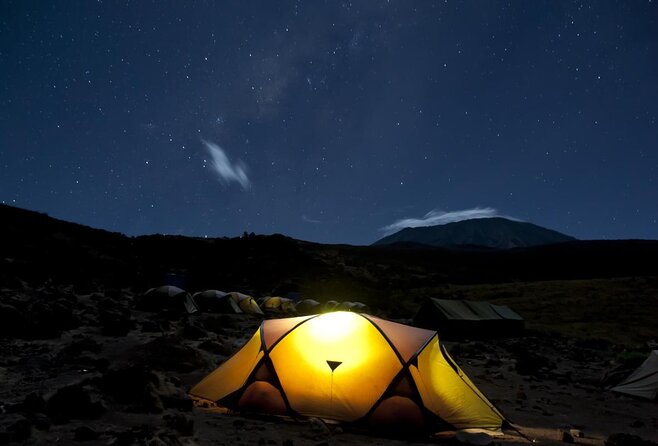
- Shira Plateau access: Lemosho is the route associated with reaching Shira Peak and gives you broad views across the western side of Kilimanjaro.
- A full seven-day schedule: Six nights are spent on the mountain, with a hotel night before the climb and another after you return.
- Private-group format: Only your own group participates, so the pace and daily rhythm can be more personal than on a large shared departure.
- Strong guide and porter support: The most praised parts of the service are steady pacing, helpful porters, hot meals, and careful support on summit day.
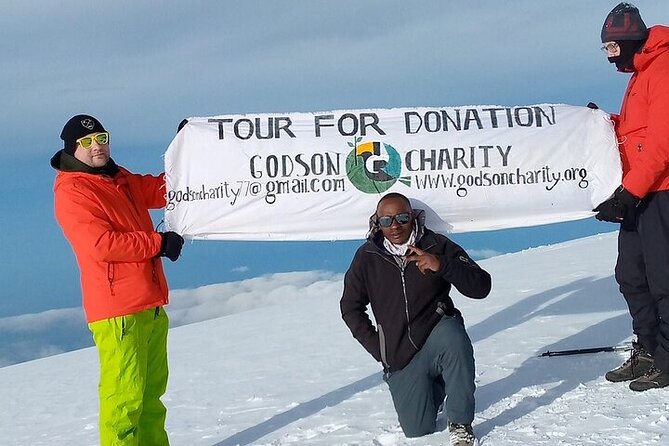
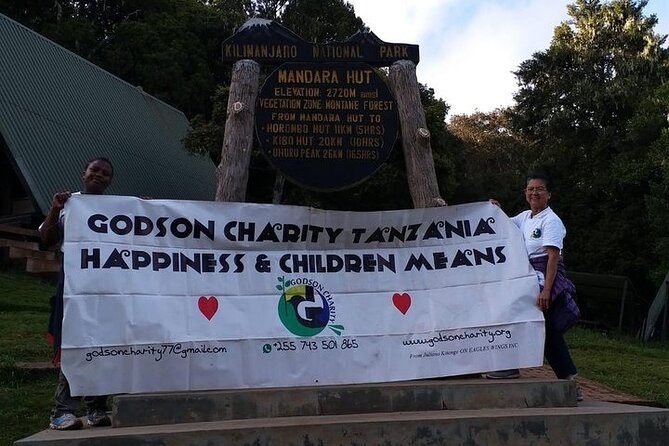
- Charity connection: Part of the fee supports Godson Charity, which works with children and families in the Moshi area.
- The summit day is the test: You start around midnight, reach Stella Point, continue toward Uhuru Peak, descend to camp, and then face the final walk out the next day.
Why Lemosho is a smart seven-day choice
Kilimanjaro is not a technical climb in the usual mountaineering sense, but altitude changes the rules. You can be fit and still struggle above 4,000 meters. That is why the route matters as much as leg strength.
This itinerary uses the southern circuit after crossing Shira. You spend time at Shira 2, then walk high to Lava Tower before descending to Barranco Camp. That high-point-then-lower-sleeping pattern gives you useful acclimatization time and breaks up the climb.
The route also gives you a changing set of surroundings. The first day is forested and damp. The next day opens into heather and moorland. By Day 3, the ground is rocky and dry. Near the summit, you are walking through cold volcanic terrain with glaciers and snow possible.
The private setup is useful here. A guide can keep your walking pace measured and help you avoid the common mistake of going too fast during the first few days. One of the strongest themes from the supplied experiences is that the guides did not rush the group. That matters more than a heroic pace on Day 1.
More Kilimanjaro routes:
- Kilimanjaro climb by Lemosho Route (7-day)
★ 5.0 · 651 reviews - Kilimanjaro climb, Machame Route (7-day)
★ 5.0 · 262 reviews - Kilimanjaro Climbing Lemosho Route 8 Days.
★ 5.0 · 186 reviews
Day 1: Moshi to Londorosi and the rainforest
Your morning begins with a roughly three-hour drive from Moshi to Londorosi Gate. Park entry formalities take place there, followed by another hour of driving to the Lemosho trailhead.
Once you arrive, lunch is served before you start walking. The first hike covers about 7 kilometers and takes roughly four hours, though the day is listed as about five hours in total.
This opening stretch passes through thick rainforest. It is a gentle introduction compared with what comes later, but do not treat it as a free pass. The trail can feel humid, and your body is still adjusting to carrying a daypack and walking for several hours.
Your first camp gives you a chance to settle into the routine: walk, eat, organize your sleeping space, and rest. Tents and mattresses are provided, as are dinner and lunch according to the package details. One night at Kilimanjaro White House Hotel is included before the climb, so you do not need to arrive and immediately sleep in a tent.
Day 2: Heather, moorland, and Shira 2 Camp
Day 2 is one of the longest walking days before the summit. After breakfast, you ascend into the heather and moorland zone, crossing streams and a broad plateau toward Shira 2 Camp.
The stated distance is 16.5 kilometers, with an estimated walking time of nine to eleven hours. That is a lot of ground early in the trip, so you should keep your pace conservative from the first step.
Shira 2 is a major reason to choose this route. From camp, you can see toward the Western Breach and glaciers to the east. The sense of space changes quickly here. The forest is gone, and you are walking through a high open area with volcanic ridges and far-reaching views.
Evening snacks and dinner are provided. The practical value of a staffed camp becomes clear on a long day like this. A hot meal and a warm drink can do more for morale than another piece of equipment.
The climb is described as suitable for people with moderate physical fitness, but Day 2 is a useful reality check. If you normally dislike long walking days, you should discuss the schedule with Solely Tours before paying.
Day 3: Lava Tower and the descent to Barranco
From Shira 2, you enter a dry, rocky zone. After about five hours, you reach Lava Tower, where lunch is served.
The day covers about 10 kilometers and takes roughly seven hours. Lava Tower is valuable not just as a viewpoint, but as part of the acclimatization plan. You climb to a higher point during the day, then descend to Barranco Camp to sleep at a lower altitude.
After lunch, the descent takes about two hours. Barranco Camp is memorable because the famous Barranco Wall comes into view. You do not climb it until the next morning, which gives you time to look at the route and decide that it is less intimidating than it first appears.
The itinerary marks admission as not included for this stop, but the overall package says park fees are included. I would ask the operator to clarify this wording before departure. The same applies to the meal count, since the inclusions list seven lunches and seven dinners while the trek itself covers seven days with hotel nights included.
More week long trips in Moshi & Kilimanjaro:
- Climbing Kilimanjaro through 7 days Machame Route
★ 5.0 · 151 reviews - 7 Days Kilimanjaro via Machame route affordable price
★ 5.0 · 110 reviews - Private Kilimanjaro Hike 7 Day Lemosho Route
★ 5.0 · 60 reviews - 7-Day Magical Tanzania Safari -Premium High End Package
★ 5.0 · 53 reviews
Day 4: Barranco Wall and Karanga Camp
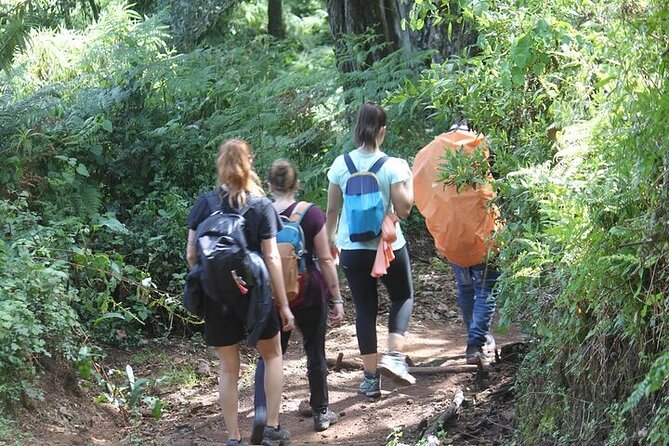
Day 4 is shorter, covering about 5.5 kilometers in around five hours. It is not easy, though. The day starts with Barranco Wall, one of the most talked-about sections of the route.
The wall looks dramatic from camp, but the route is described as a climb rather than a technical rock ascent. Your guide sets the pace while you use the natural steps and uneven ground. This is where a calm guide and sensible walking speed are useful.
After the wall, you cross a series of hills and valleys toward Karanga Camp. The route keeps changing direction and elevation, so the short distance does not tell the whole story.
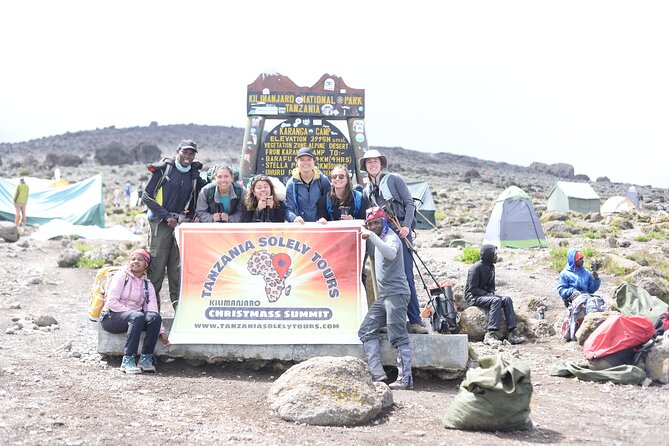
Karanga is a fine place to rest before the final approach to Barafu. The camp offers sunset views across glacial valleys and ice fields rising more than 3,000 feet above. If the weather is clear, this can be one of the best evenings of the trek.
Day 5: Karanga to Barafu Camp
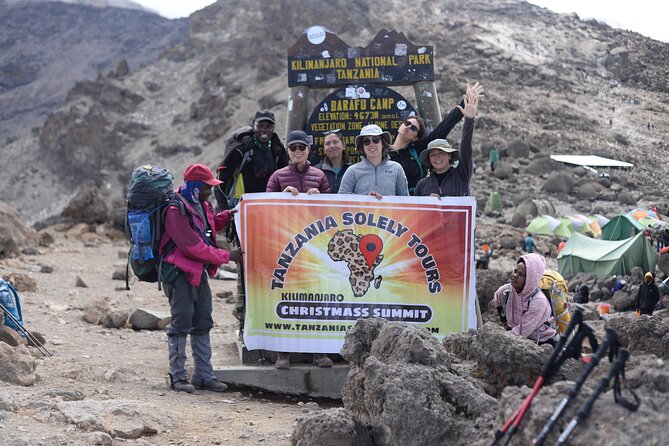
The walk to Barafu is short, about 3 kilometers and roughly three hours. You reach an intersection with the Mweka Trail, then continue to Barafu Camp.
This is the end of the southern circuit. The route has shown you the summit from several angles, and Barafu now puts you close to the final objective.
Do not mistake the short walking time for a relaxed day. Barafu is your staging point for the summit attempt, and rest is the main job. You should organize your warm layers, snacks, headlamp, water, and personal equipment before dinner.
The schedule says you rest and eat dinner while preparing for the summit. That is sound advice. You will likely start around midnight, so every minute of sleep helps.
Day 6: Stella Point, Uhuru Peak, and the long descent
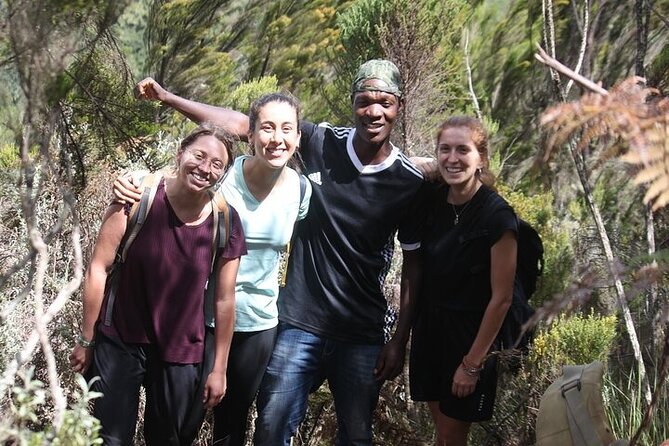
Summit day begins around midnight. You leave camp with snacks and climb between the Rebmann and Ratzel Glaciers, moving over heavy scree toward Stella Point on the crater rim.
This is the hardest section of the trip. The cold, darkness, altitude, and loose volcanic rock can make each step feel slow. The best strategy is not speed. Walk steadily, follow your guide, drink as instructed, and focus on the next manageable section.
At Stella Point, you take a short break and may see sunrise if the weather cooperates. From there, snow may appear on the way to Uhuru Peak, the highest point in Africa.
Your time at the summit is intentionally brief because altitude sickness can worsen quickly. Take your photographs, enjoy the achievement, and then start down rather than lingering too long.
The day is listed at about 14 hours, and that figure includes the summit effort and descent. It is the part of the climb that demands the most from you. Several experiences connected with this company emphasize that the guides helped people maintain a sensible pace and supported them through small problems. That kind of attention is especially important here.
You then descend to the designated camp, rest, and eat. The details after the summit should be confirmed with the operator because the provided itinerary cuts off partway through the Day 6 description. The next morning begins the final descent to Mweka Gate.
Day 7: Mweka Gate and the return to Moshi
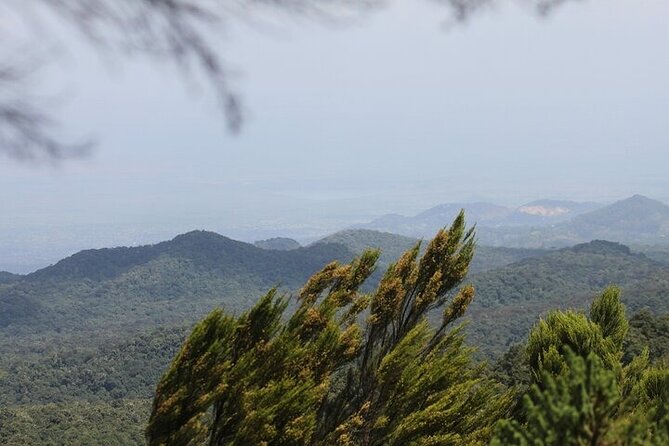
After breakfast, you walk for about three hours toward Mweka Gate. The stated distance for the day is 12.1 kilometers, with around six hours of total activity.
The descent can feel easier than the ascent, but tired legs and uneven ground still require care. By this point, your knees may be less pleased than your spirit.
At the gate, successful summiters receive a gold certificate. You then continue to Mweka village, meet the driver, and return to your hotel for a well-earned rest.
A second night at Kilimanjaro White House Hotel is included. That is a useful touch because returning from the mountain is not the same as being ready for a long airport transfer or another activity. You have time to shower, repack, and recover.
Meals, camping, and the working crew
The package provides tents, mattresses, park fees, breakfast, lunch, and dinner. It also includes one hotel night before climbing and one afterward. Flights, visas, personal equipment, and tips are not included.
Food quality matters on a climb, and the supplied experiences repeatedly praise the hot meals. You should still bring personal snacks you know you can eat when appetite fades at altitude. The itinerary specifically mentions evening snacks on Day 2 and packed snacks for the summit.
The porters are a central part of the operation. Descriptions of hot water for washing hands and faces, helpful camp service, and a family-like atmosphere point to a comfort level that is welcome on a demanding trek. Still, you should ask how porter tipping is handled and what amount is customary. The operator has acknowledged that park fees and tipping need clearer explanation, so get the details in writing.
Part of the cost supports Godson Charity, which helps children. This gives the trip a social purpose, but you should ask exactly how the donation is calculated if that matters to your booking decision.
Is $2,297.30 good value?
At $2,297.30 per person, the price is not a budget walk. It is also not simply a fee for a guide to point toward the summit.
You are paying for a seven-day, six-night mountain itinerary, private participation, park entry, camping equipment, meals, transport connected with the climb, guide support, porters, cooks, and hotel nights before and after. Those inclusions make the price easier to assess than a low headline rate with many extras added later.
The value is strongest if you want a private group and prefer having the main practical pieces arranged for you. It is also attractive if the charity connection is meaningful to you.
Check the details before booking. Personal equipment is excluded, and that can include a substantial list of warm clothing, footwear, a sleeping bag if one is not supplied, headlamp, water bottles, and other essentials. The supplied information confirms tents and mattresses, but it does not say that sleeping bags or personal clothing are provided.
Who should choose this climb?
I would recommend this trip to a fit first-time climber who wants a slower route with varied scenery and a serious chance to adjust before summit day. You do not need technical climbing experience based on the information provided, but you do need to handle long walking days and a midnight ascent.
It suits friends and families who want a private itinerary. One group of five successfully climbed together, and the private format means your party is not mixed with unrelated participants.
It may not suit you if you want short days, hotel beds every night, or a relaxed holiday with only a little walking. Day 2 and summit day are demanding, and the final push can last around 14 hours.
Women who prefer a female guide can ask about availability. A female guide and female porters were part of one successful group experience, but names and guaranteed staffing details are not supplied here.
Pickup is offered, and the meeting point is Godson Charity Tanzania on Rengua Road in Moshi. Confirmation is received at booking, and the activity is near public transportation.
Booking and cancellation advice
You can cancel at least 24 hours before the local start time for a full refund. Cancellations or changes made within 24 hours are not refunded or accepted.
The climb requires good weather. If poor weather cancels the experience, you are offered another date or a full refund. Before you commit, confirm the exact pickup time, hotel names, meal schedule, equipment list, tipping expectations, and what happens if you do not reach the summit.
Should you book the Solely Tours Lemosho climb?
I would book this trek if you value a private group, a route with real acclimatization time, organized meals and camping, and support from guides, cooks, and porters. The itinerary has excellent variety, and the slower approach is a sensible choice for a mountain where altitude is often harder than the walking itself.
I would pause if your fitness is uncertain or if you dislike long summit days. Ask clear questions about personal gear, meal quantities, porter tips, park-fee wording, and the incomplete Day 6 schedule before paying.
For a prepared climber who wants Lemosho, Shira views, a private team, and a charity contribution built into the experience, this is a strong option at a fair package price.
FAQ
How long is the Kilimanjaro climb?
The experience lasts about seven days and includes six nights on the mountain. One hotel night before the trek and one hotel night afterward are also included.
What route does the climb use?
The climb follows the Lemosho Route. It passes through rainforest, heather and moorland, Shira 2 Camp, Lava Tower, Barranco Camp, Karanga Camp, Barafu Camp, and Mweka Gate.
Is this a private tour?
Yes. Only your own group participates in the activity, with a private guide.
Are park fees included?
The package information says park fees and the entry ticket are included. One itinerary entry is marked admission not included, so you should confirm the final fee breakdown with Solely Tours before booking.
Are meals included?
Breakfast, lunch, and dinner are listed as included. The package states five breakfasts, seven lunches, and seven dinners, so ask the operator to confirm the exact meal schedule for your dates.
Is camping equipment provided?
Tents and mattresses are included. Personal equipment is not included, and the supplied information does not confirm that sleeping bags are provided.
What fitness level is required?
You should have a moderate level of physical fitness. The itinerary includes a 16.5-kilometer day, a midnight summit start, and a summit day lasting about 14 hours.
What is not included in the price?
Tips for guides, cooks, and porters, flights, visas, and personal equipment are not included.
Can I cancel for a full refund?
Yes. You can cancel at least 24 hours before the experience start time for a full refund. Cancellations or changes made less than 24 hours before the start time are not refunded or accepted.
What happens if bad weather cancels the climb?
If poor weather causes cancellation, you are offered a different date or a full refund.
Newly listed around Moshi & Kilimanjaro
- Climb Mount Kilimanjaro: 7 Days Machame Route★ 5.0 · 3 reviews
- 6 Days Mount Kilimanjaro Climbing via Rongai Route★ 5.0 · 3 reviews
- Explore 1 day Ngorongoro Crater Budget Group Safari from Arusha★ 5.0 · 3 reviews
- Mt. Kilimanjaro Day Hiking★ 5.0 · 3 reviews
- Chemka (Kikuletwa) Hot Springs, Tanzania★ 5.0 · 3 reviews
- Guided City tour of Moshi★ 4.3 · 3 reviews
- 8 Day Tanzania Family Safari★ 5.0 · 3 reviews
- Serengeti Safari with Sirikwa Travel★ 5.0 · 3 reviews
Kilimanjaro Climbs, compared.








Browse the lists this tour appears in