
Reviewed · KILIMANJARO CLIMBS
7-Day Private Kilimanjaro Hiking Tour via Machame from Arusha
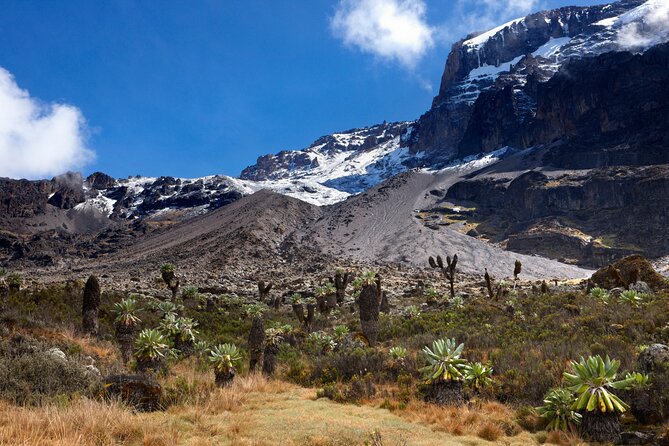
Kilimanjaro’s Machame Route gives you the full mountain story in seven days: coffee farms near Arusha, mossy cloud forest, high-altitude plants, volcanic rock, glaciers, and a final night climb to Uhuru Peak. The route approaches from the west and includes the key acclimatization day through Lava Tower country before dropping to Barranco Camp.
I like the varied scenery and the built-in altitude pattern, which has you climb high and sleep lower on the third day. I also like that this is a private trip with your own guide team, porters, cooks, and camping setup. The main drawback is simple: Machame is the most popular camping route, so your private group will still share the trail and campsites with plenty of other climbers.
Key points at a glance
- Five climate zones in seven days: Move from cultivated foothills and rainforest to heather, alpine desert, and the cold summit zone.
- A vital acclimatization day: Climb to about 4,530 meters before descending to Barranco Camp.
- The Barranco Wall: Expect a hands-on scramble lasting roughly an hour and a half.
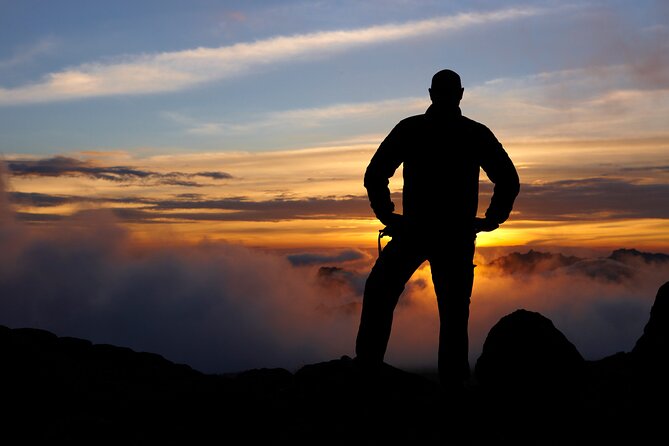
- A midnight summit attempt: The final push to Uhuru Peak takes about six hours to Stella Point, followed by the crater-rim walk.
- Private, but not isolated: Your group travels privately, while the popular route brings many other climbers to the same camps.
- Strong operational support: Guides, porters, cooks, route planning, and camping equipment are arranged for the climb.
What the $2,699 price really buys you
At $2,699 per person, this is not a cheap walk in the hills. Kilimanjaro requires a substantial support crew, park access, food preparation, campsite logistics, and equipment. The value here is in handing those hard-to-arrange parts to Duma Explorer while you concentrate on walking, eating, drinking, resting, and managing altitude.
The trip is private, so your group is not combined with strangers for the actual tour. That gives you more control over pace, conversation, and the general rhythm of the climb. It does not mean you will have an empty mountain. Machame is popular, and the same camps and narrow trail sections can feel busy.
The company says it has nearly two decades of experience leading climbs on Kilimanjaro and Mount Meru. It also highlights route planning and high-end equipment. Those claims matter most on the summit night, when cold, fatigue, and altitude leave little room for poor preparation.
The package details provided here do not spell out every inclusion, such as accommodation before or after the trek, meals outside the mountain, tips, or transfers beyond the offered pickup. I would ask for a written list before paying. You should also confirm exactly what equipment is supplied, especially sleeping gear and cold-weather clothing.
More Hiking Tours in Arusha
- 8-Day Small-group Lemosho Kilimanjaro Summit Trekking
★ 5.0 · 186 reviews - Mountain Kilimanjaro Day Hike
★ 5.0 · 102 reviews - Private Full Day Hiking Experience to Marangu Route
★ 5.0 · 61 reviews
Day 1: Arusha to Machame Gate and the cloud forest
The first morning begins at 9:00 a.m. with pickup in Arusha. The drive to Machame Gate takes about an hour and a half, passing coffee farms and villages before the road reaches Kilimanjaro National Park.
At the gate, expect a pause while the climb is registered and the guides, porters, and cooks sort out the final preparations. This waiting time is normal for a major mountain departure, but it means your first hiking day is not simply a quick step from vehicle to trail.
The walk to Machame Camp leads through the cloud forest. Moss-covered trees give the opening hours a cool, almost storybook feel. As you climb, the thick forest begins to thin and heather, tall grasses, and wildflowers take over.
If the sky is clear, you may catch your first strong view of Kibo, the volcanic summit you are aiming for. The staff move ahead to prepare camp, so you arrive to a functioning campsite rather than a pile of gear waiting for you.
The stated hiking time is only about one hour, which makes this a gentle introduction. Still, do not treat it as a race. You are beginning an altitude climb, not trying to win the first afternoon.
Day 2: Shira Plateau and the first serious altitude gain
Day two brings roughly six hours of hiking and several uphill sections. Carry plenty of water, since a clear day can feel hot even as the air gets thinner.
The route provides views down toward the plains and forests, with Kibo and Mawenzi above you. The plant life changes in a way that makes the altitude easy to read. Smaller trees give way to Kilimanjaro’s high-altitude plants, including Senecio kilimanjari and Lobelia deckenii.
After lunch, you climb onto the Shira Plateau. This broad volcanic area formed when lava flows from Kibo filled the Shira crater. It feels more open and exposed than the forest below, and Mount Meru may appear to the east while Kibo sits to the west.
You finish at Shira Camp, where the plan is to rest for the afternoon. That quiet time is useful. The mountain is already asking more of your lungs, and a slow evening with food, water, and sleep is worth more than extra wandering around camp.
Day 3: Shira to Barranco, the smart acclimatization day
Day three is one of the most important days on the route. The final elevation gain is only about 110 meters, but that number hides the real work. You climb approximately 690 meters during the day, reaching about 4,530 meters before descending to Barranco Camp.
This is the classic climb-high, sleep-lower pattern. You spend time at a higher altitude, then finish the day lower than your highest point. That design helps your body adjust and is a strong reason to choose a seven-day route instead of trying to rush up the mountain.
The trail crosses the Shira Plateau before reaching the junction with the Lemosho Route. From there, the setting becomes barer and more volcanic. Lunch comes before the highest point of the day, followed by a quick descent toward Barranco.
Faster hikers may take a detour to Lava Tower, a 300-foot lava formation. The detour adds interest and extra altitude exposure, but it should not become a test of pride. Your guide should help decide if it makes sense for your energy and the day’s pace.
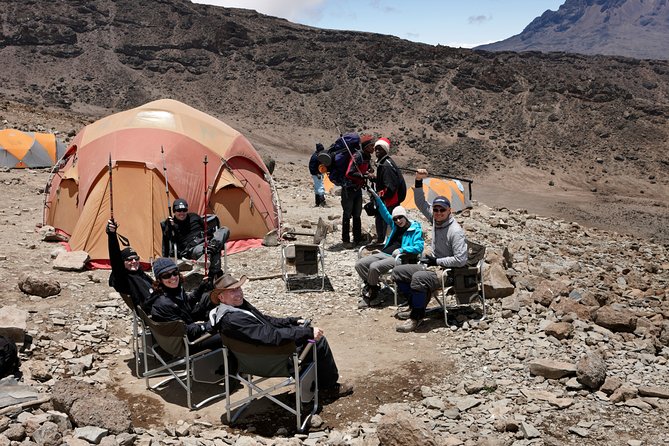
Barranco Camp is a memorable place to spend the night, with steep mountain walls rising nearby. It is also a busy camp on a busy route, so do not expect solitude. The reward is the scenery and the fact that your body has had a useful acclimatization workout.
More Kilimanjaro routes:
- 7-Day Machame Kilimanjaro Summit Tour from Arusha
★ 5.0 · 125 reviews - From Arusha/Moshi: Kilimanjaro Hike Marangu Route Day Trip
★ 4.5 · 54 reviews - Mount Kilimanjaro Day Hike Through Marangu Route to Mandara Hut
★ 5.0 · 37 reviews - 6 Days: Hiking Kilimanjaro via Machame Route
★ 5.0 · 24 reviews
Day 4: The Barranco Wall and Karanga Valley
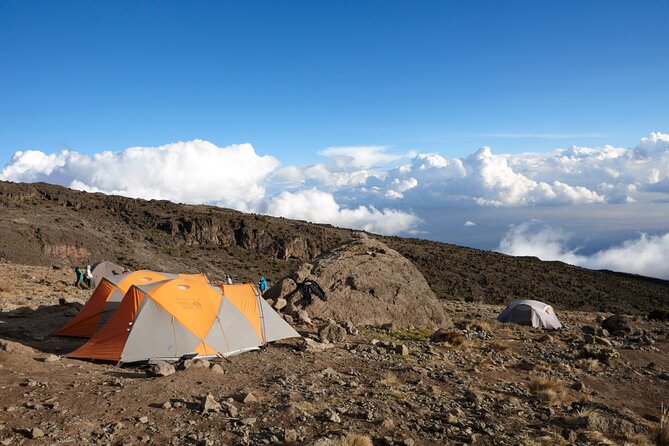
Day four takes about five hours and begins with the route’s most distinctive physical feature: the Barranco Wall. The climb lasts around an hour and a half and is a scramble rather than a standard uphill walk.
In places, you may need to use your hands. That sounds dramatic, but the key challenge is careful foot placement and steady movement. Keep your daypack secure, follow the guide’s line, and take your time. This is not the place for a rushed step or a big swinging camera.
After the top, the trail crosses fairly level ground before dropping into the green Karanga River Valley. The contrast is part of the appeal. You work upward on rock, reach an exposed high point, then descend into a valley with a different feel.
The short duration does not make this an easy day in every sense. The Barranco Wall can be tiring, especially after the previous day’s altitude work. It is also a good test of how comfortable you are with uneven ground and occasional hand-assisted climbing.
Day 5: Karanga to Barafu Camp and an early bedtime
The fifth day takes around five hours and leads to Barafu Camp. The route passes several of Kibo’s glaciers and the junction where the Mweka descent route connects with the Machame trail.
This section crosses alpine desert with little vegetation. After the forest, grasses, and plateau plants, the sparse surroundings make the mountain feel more severe. Barafu Camp offers views toward both Kibo and Mawenzi, giving you a clear look at the high peaks before the hardest part begins.
Dinner comes with a practical instruction: try to sleep afterward, because the summit climb starts before midnight. This is one of the odd rhythms of Kilimanjaro. You finish a relatively short hiking day, eat early, and attempt to sleep while your body knows it will soon be moving again.
Pack and clothing choices matter here. Keep your headlamp, warm layers, water, and summit essentials ready before lying down. The less you need to organize at midnight, the better.
Day 6: Six hours to Stella Point, then Uhuru Peak
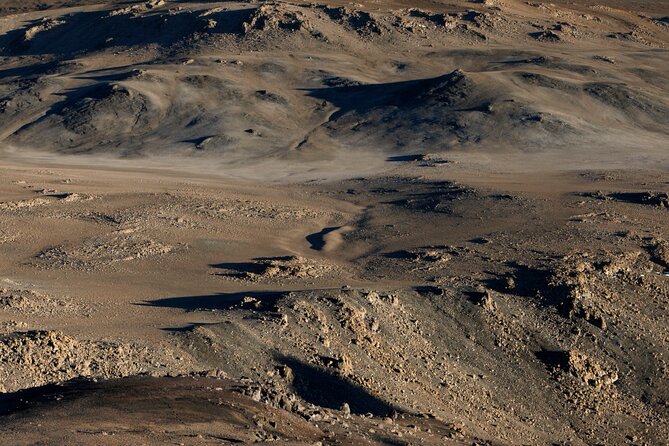
Summit day begins around midnight. You hike by headlamp for about six hours toward the crater rim at Stella Point. This is the steepest and hardest part of the entire trek.
The path remains very steep until Stella Point. Cold, darkness, tired legs, and altitude all work against you. The best approach is slow and steady. Your guide team’s job is especially important here, since the climb requires close attention to pace, condition, and safety.
From Stella Point, the route to Uhuru Peak is a more gradual climb. It is not technically difficult in the same way as the lower steep section, but the altitude makes every step costly. The crater-rim walk takes about an hour.
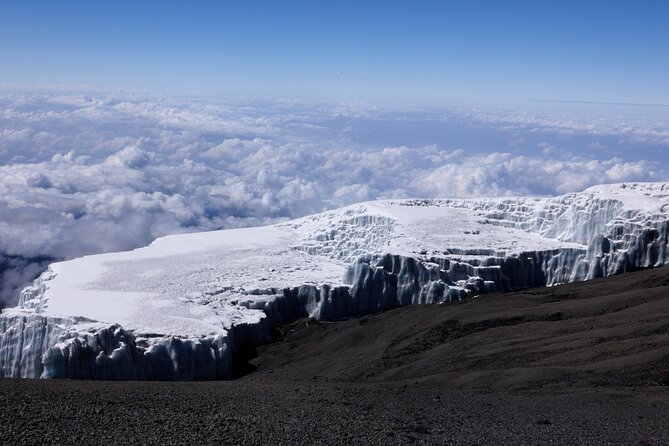
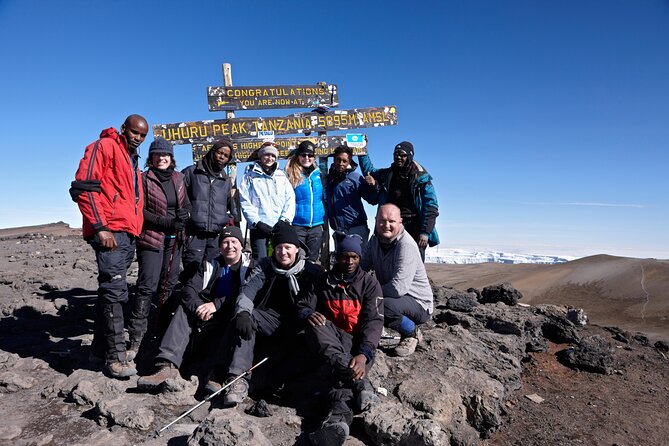
At Uhuru Peak, you have reached 5,895 meters, or 19,341 feet, the highest point in Africa. You will have time for summit photographs with your guide and group before starting down. The views can include the crater, clouds, mountain slopes, and glaciers, though conditions at the top are never guaranteed.
The descent leads back to Barafu Camp and then onward to Mweka Camp. The supplied schedule compresses this into a demanding day, and the short one-hour activity notation does not reflect the full effort involved. Treat day six as a very long mountain day and prepare mentally for the descent, not just the summit.
Day 7: Mweka forest and the ride back to Arusha
After breakfast at Mweka Camp, you finish the trek through forest to Mweka Gate. The walk takes about two hours.
The trail can be slippery after rain, so worn-in footwear and careful steps still matter even after the summit is behind you. Your vehicles meet you at the lower station of Mweka Gate for the return to Arusha.
This final walk is shorter and greener than the summit day, but tired knees can make downhill hiking surprisingly demanding. Keep your pace controlled. Reaching the gate marks the end of the mountain portion, not a reason to hurry the last few kilometers.
The support team is a major part of the experience
The climb is presented as a private activity, but you are not carrying a week of supplies alone. Porters, guides, and cooks travel with your group, preparing the campsite and supporting the route from the gate to the summit.
That support changes the experience completely. You can focus on walking with a light daypack, drinking regularly, eating the meals prepared at camp, and resting when you arrive. The staff also handle the practical movement of tents and supplies between camps.
Duma Explorer identifies mountaineering support as a central part of its work and says it is a founding partner of the Kilimanjaro Porters Assistance Project. If porter welfare matters to your booking decision, ask how the company applies those standards on your specific climb and how tipping is handled.
The supplied experiences place strong emphasis on guides who maintain morale, food, organization, and equipment. Names associated with past climbs include Colman, Ernest, Ema, and Shaban, but your specific guide team is not identified in the available details. Ask for the names and roles at your briefing rather than assuming a particular guide will lead your group.
Who should choose the seven-day Machame Route?
This climb suits you if you have strong physical fitness and want a demanding but carefully structured route to Kilimanjaro’s summit. The seven-day schedule gives you more altitude adjustment than a rushed itinerary and includes the valuable Shira to Barranco climb-high, sleep-lower pattern.
It also suits people who want private group arrangements rather than a fixed shared party. Families and mixed-age groups have used the company for mountain trips, but the physical demands remain serious. A private booking does not reduce the altitude or shorten summit night.
You should think twice if you dislike camping, steep rocky trails, early starts, or cold conditions. You should also be comfortable sharing popular camps with other climbers. Machame offers varied scenery and a proven route, but it is not the choice for quiet wilderness at every turn.
Pickup from Arusha is offered, and the start time is 9:00 a.m. Confirmation is provided at booking. The experience is near public transportation, though the mountain departure itself is organized around the supplied vehicle pickup.
Cancellation is flexible only up to three full days before the start time. Inside that window, refunds and changes are not accepted. The climb also requires a minimum number of participants, and if that minimum is not met, you are offered another date, another experience, or a full refund.
Should you book this Kilimanjaro climb?
I would choose this trip if you want a private Machame climb with a clear seven-day structure, a strong support team, and varied scenery from rainforest to summit ice. The best features are the acclimatization design, the Barranco Wall, and the fact that guides, porters, cooks, and camp preparation are built into the mountain operation.
I would not book it without confirming the full price inclusions. Ask about lodging, meals, airport or hotel transfers, park fees, gear, emergency procedures, and staff tips. If those details are clear and the physical demands match your fitness, the Machame Route offers a rewarding and well-supported way to attempt Africa’s highest summit.
FAQ
Where does the Kilimanjaro climb begin?
The experience begins in Arusha, Tanzania, with pickup offered at 9:00 a.m.
How long is the Machame Route tour?
The tour lasts approximately seven days, with six nights on the mountain.
Is this a private climb?
Yes. Only your group participates in the private tour or activity.
Will I hike with other climbers?
Yes. Your booking is private, but Machame is the most popular camping route, so other climbers use the trail and campsites.
How long is the drive from Arusha to Machame Gate?
The drive takes about one and a half hours through coffee farms and villages.
What is the hardest part of the route?
The steep summit ascent to Stella Point is described as the hardest section. The Barranco Wall is the most hands-on lower section and may require using your hands.
When does the summit attempt begin?
The final ascent to Uhuru Peak begins around midnight on day six.
How high is Uhuru Peak?
Uhuru Peak is 5,895 meters, or 19,341 feet, above sea level.
Does the tour include porters, guides, and cooks?
The climb is arranged with porters, guides, and cooks who travel with the group for the mountain portion.
Can I cancel for a full refund?
You can receive a full refund if you cancel at least three full days before the experience start time. Cancellations made less than three full days before the start are not refunded.
More week long trips in Arusha
- Tanzania Classic – 7 Days
★ 5.0 · 1,151 reviews - 7-Day Premium Luxury Tanzania Safari All-Inclusive
★ 5.0 · 426 reviews - Group Safari 7 Days in Tanzania’s Main Parks
★ 5.0 · 240 reviews - 7 Days Tanganyika Wilderness Safari
★ 5.0 · 159 reviews
Newly listed around Arusha
- 5-Day Private Safari Tour in Tanzania’s Wildlife★ 5.0 · 3 reviews
- 3 Days private safari Tarangire ,Ngorongroro crater &Manyara★ 5.0 · 3 reviews
- 3 Day Sharing Safari – Manyara, Ngorongoro Crater and Tarangire National Parks★ 5.0 · 3 reviews
- Tarangire National Park Day Trip★ 5.0 · 3 reviews
- 6 -Day Tarangire, Manyara, Serengeti & Ngorongoro★ 5.0 · 3 reviews
- 2 Days Tarangire and Ngorongoro Crater Tour★ 5.0 · 3 reviews
- 5 Days Group Camping Safari★ 4.7 · 3 reviews
- 7-Day Mt. Kilimanjaro Hiking: Machame Route★ 5.0 · 3 reviews
Kilimanjaro Climbs, compared.








Browse the lists this tour appears in