
Reviewed · KILIMANJARO CLIMBS
7 Day Kilimanjaro Climb Lemosho Route & 2 Day Safari
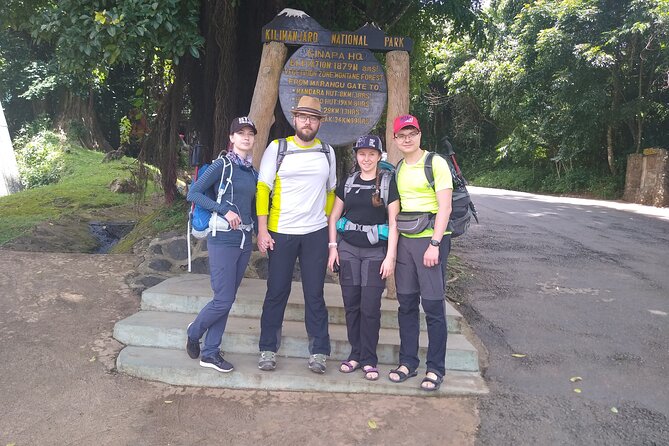
Mount Kilimanjaro is the main event here, but the smart twist is what comes after it: a seven-day Lemosho climb followed by a two-day safari. You walk through forest toward Africa’s highest mountain, then trade crampons and cold air for Tarangire’s elephants and Ngorongoro Crater.
I like two things right away. First, seven days on Lemosho gives you a measured climb rather than a rushed mountain sprint. Second, the package joins two of northern Tanzania’s best-known wildlife areas to the trek, so you do not have to arrange a separate safari afterward. The guides and support crew also receive especially strong praise, with Hassan, Sabastine, Anthony, Hassani, and chef Frank singled out for encouragement, food, and care.
The main consideration is that the information is not perfectly clear on timing. The experience is described as a seven-day climb plus a two-day safari, yet the booking details also show a duration of about 30 minutes and a midnight start. Confirm the full day-by-day schedule, summit plan, transfers, and sleeping arrangements before paying. The mountain still requires moderate physical fitness, whatever the sales language suggests about accessibility.
Key points to know before booking
- Seven days on Lemosho: A longer mountain schedule gives you time to walk slowly and adjust to changing altitude.
- Two national park stops: The safari includes Tarangire, known here for big elephants, and Ngorongoro Crater.
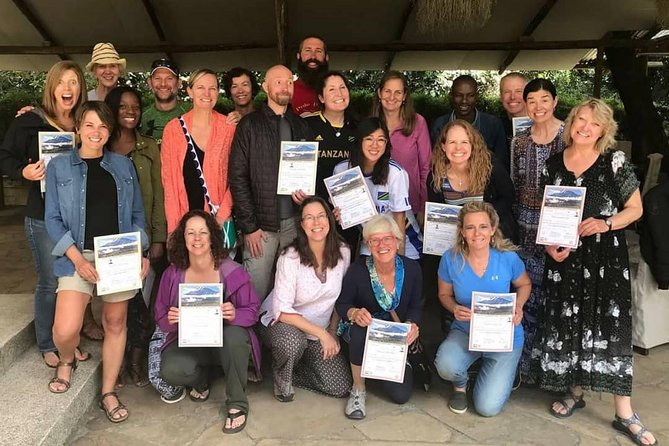
- Small group size: The maximum is 10 people, a useful limit for a long, demanding climb.
- Strong crew support: Guides such as Hassan, Sabastine, Anthony, and Hassani are praised for motivation and practical advice.
- Meals are included: Breakfast, lunch, and dinner are covered, with particular praise for balanced, filling food.
- Sleeping bag rental costs extra: You can rent one, but it is not included in the advertised price of $2,228.58 per person.
Why Lemosho is a good seven-day choice
Lemosho is often chosen for its forest approach and gradual feel. In this version, you begin by walking through the forest toward Mount Kilimanjaro, trading town streets for trees, mountain air, and a quieter start. The exact camps and walking distances are not supplied, so you should ask for the daily route before departure.
The value of seven days is simple: you are not trying to force the mountain into the shortest possible schedule. A slower pace gives you more time to walk pole pole, the Swahili phrase for slowly, and to listen to your body. This matters more than speed at high altitude.
The climb is not a casual forest hike. Even the most encouraging guide cannot remove the effects of altitude, cold, fatigue, or a long summit push. The description calls for moderate fitness, so you should be comfortable with sustained walking and a physically demanding final ascent.
The company presents the route as suitable for experienced mountaineers and first-time climbers alike. That claim is supported in part by the experience of Jay, who arrived from Australia with very little mountain experience and reached the summit with the help of the group. Still, first-time climbers should treat this as a serious high-altitude trip, not as a beginner walk in the park.
More Safaris in Arusha
- Balloon Safari & Bush Breakfast in Serengeti – Miracle Experience
★ 5.0 · 1,646 reviews - 4 Days Group Camping Safari
★ 5.0 · 1,101 reviews - 5 Days Group Camping Safari
★ 5.0 · 730 reviews
Forest walking and the first days on the mountain
The early forest section is likely to be one of the most pleasant parts of the climb. You begin under trees, with a softer setting than the exposed upper mountain. It is a useful psychological shift: the summit is still ahead, but the first steps feel like a trek through nature rather than a race toward a peak.
Your guide team should set the walking rhythm. The most useful advice repeated throughout the experience is to go slowly, drink water, and keep a positive frame of mind. Those are not glamorous tips, but they are exactly the sort of practical habits that help on a long climb.
The small group limit of 10 is another advantage here. A group this size can move more easily than a large procession, while still giving you company during long walking days. It also gives you a better chance to speak with your guides and tell them when you are tired or struggling.
Do not expect a private expedition at this price. You will be part of an organized group, and the pace may not always match your preferred speed. Ask how groups are formed and how the company handles different fitness levels before you go.
Guides, porters, and the human side of the climb
The strongest part of this experience is the crew. Guides named in the supplied feedback include Hassan, Sabastine, Anthony, and Hassani. Their role is more than leading the path. They set the pace, offer climbing advice, monitor morale, and keep the group moving when the mountain becomes mentally hard.
Hassani and Endrie are specifically associated with the pole pole approach, drinking water, and positive thinking. Sabastine, Anthony, and Hassani are also praised for support and encouragement. During the summit push, the crew reportedly sang and danced through the night to help climbers stay awake and motivated. That detail tells you something useful about the style of support: warm, energetic, and personal rather than silent and strictly formal.
The porters and cook matter just as much. The crew is praised for being friendly, helpful, and caring, while the food receives repeated approval. Balanced, nutritious meals can make a real difference when you are burning energy day after day.
One practical point deserves attention. Porter support is part of the normal Kilimanjaro experience, but the supplied details do not explain luggage limits, porter welfare practices, tipping expectations, or how personal gear is carried. Ask for those policies. A responsible operator should explain them clearly.
The summit push is the hardest part
The final climb is where the cheerful language meets the real mountain. One account describes a long uphill climb through the night, with the crew singing and dancing to stop people from falling asleep. You should read that as encouragement, but also as a warning: the summit day is likely to be far more demanding than the earlier forest walking.
The experience is designed to help people reach the top, but no operator can guarantee a summit. Your health, weather, altitude response, and daily condition all matter. If you develop serious symptoms, the correct decision may be to turn back. A good guide will put safety ahead of the summit photograph.
The available information does not state the summit elevation, daily distances, camp names, toilet arrangements, shower access, or exact climbing hours. Those are important gaps. Get the complete route plan before departure so you know what each day requires and what equipment you need.
You should also ask about acclimatization. Seven days is a more sensible length than a very short climb, but the number alone does not tell you how the schedule is designed. The daily altitude gains and sleeping elevations are key.
More Kilimanjaro routes:
- 8-Day Small-group Lemosho Kilimanjaro Summit Trekking
★ 5.0 · 186 reviews - 7-Day Machame Kilimanjaro Summit Tour from Arusha
★ 5.0 · 125 reviews - Private Full Day Hiking Experience to Marangu Route
★ 5.0 · 61 reviews - From Arusha/Moshi: Kilimanjaro Hike Marangu Route Day Trip
★ 4.5 · 54 reviews
Meals included, sleeping bag extra
Breakfast, lunch, and dinner are included, along with fees and taxes. That makes the package easier to budget, especially on a trip where meals in remote mountain areas are not simple to arrange independently.
The food receives some of the warmest praise. It is described as well balanced and nutritious, with chef Frank named among the crew members who made the climb work well. You can expect food to be an important part of the organized camp routine, although the available details do not give sample menus or explain how dietary restrictions are handled.
Tell the company about allergies, vegetarian needs, or other restrictions before you arrive. Do not assume every special request is covered simply because meals are included.
A sleeping bag is not included, but one is available to rent. This is a minor extra cost compared with the overall trip, though it can matter if you are trying to keep luggage light. Ask about the rental bag’s temperature rating and condition. The mountain environment can be cold, and a sleeping bag is not a place to cut corners.
From mountain effort to Tarangire elephants
After the climb, the package shifts from physical endurance to wildlife viewing. The two-day safari includes Tarangire National Park, described as a home of big elephants. That makes Tarangire an appealing follow-up: you spend the first part of the trip using your legs, then spend more time seated and watching animals.
The supplied information does not give the safari’s exact order, number of game drives, vehicle type, accommodation, or departure time. Confirm these details. A two-day safari can be rewarding, but the quality depends heavily on how much time you actually spend inside the parks and how long transfers take.
Tarangire is especially attractive if elephants are high on your wish list. You should still keep expectations sensible. Wildlife is not staged, and no guide can promise a particular sighting on a particular drive. The strength of this add-on is that it gives you a genuine change of pace after the mountain, not that it guarantees a perfect animal checklist.
Ngorongoro Crater adds a grand final scene
The second safari destination is Ngorongoro Crater. Its appeal is visual as much as wildlife-based: you move from Kilimanjaro’s forest and high slopes to a broad natural setting filled with the possibility of animal sightings.
The provided details do not say how long you spend in the crater or where you sleep between Tarangire and Ngorongoro. That makes the exact schedule important. A short visit can feel rushed if much of the day is spent driving, while a well-planned visit can be a fine way to finish a demanding trip.
I would ask for the safari program in writing. Look for the number of nights, park fees, meals, vehicle arrangements, guide details, and whether airport or Arusha transfers are included. The package price may represent good value, but only once you know what the two safari days actually contain.
Is $2,228.58 good value?
At $2,228.58 per person, this is not a cheap weekend outing. It combines a seven-day mountain climb, a two-day safari, park and other fees, a support crew, and three daily meals. If those elements are delivered as expected, the package can offer solid value compared with arranging the climb and safari separately.
The price also reduces the number of details you must organize yourself. The company handles the group structure and mountain support, and pickup is offered. That convenience matters after an international flight or before a major climb.
Still, price comparisons need care. Sleeping bag rental is extra, and the available details do not clarify accommodation, transfers, tips, drinks, personal equipment, travel insurance, or the exact safari lodging. Those costs can change the final total.
The starting point is Mvuli Hotel on Kundayo Road in Arusha. The stated start time is 12:00 am, which may be a data-entry issue or may refer to a very early transfer. Confirm the real meeting time. You do not want to begin a nine-day mountain and safari holiday by guessing where to go at midnight.
Accessibility and fitness need a careful check
The experience is described as open to mountaineers, non-mountaineers, older people, blind people, and wheelchair users. That is an encouraging aim, but the practical details are not developed. A seven-day Kilimanjaro climb includes uneven ground, altitude, changing weather, and a demanding summit attempt.
At the same time, the formal guidance says you need a moderate level of physical fitness. These two points should be considered together. If you have a disability, reduced mobility, visual impairment, or a medical condition, contact Signature Safari directly and explain exactly what help you need.
Ask about route surfaces, porter assistance, evacuation plans, toilet access, camp arrangements, and whether a support person can join. Do not rely on a general accessibility claim for a trip this physically complex.
What the 4.9 rating tells you, and what it does not
The experience has a 4.9 rating from 16 ratings, with 100 percent recommending it. The praise is consistent on a few themes: professional organization, friendly guides, strong motivation, good food, and attentive support.
That pattern is useful. It suggests the company’s greatest strength is the crew’s care during a difficult climb. Several named guides and porters are praised, and the summit-night encouragement comes through as a memorable part of the experience.
The rating does not answer every practical question. It does not tell you the daily mileage, sleeping conditions, safari accommodation, equipment standards, or how the company handles a failed summit attempt. Use the excellent service record as one reason to consider the trip, not as a substitute for checking the details.
Who should book this experience?
I would consider this trip if you want one organized package that combines Kilimanjaro and a short northern Tanzania safari. It suits first-time mountain climbers who want a supportive crew, as well as experienced walkers who prefer not to arrange every permit, meal, guide, and transfer independently.
It is also a good fit if food and human support matter to you. The strongest evidence points to guides who keep people moving, a cook who provides satisfying meals, and a group atmosphere built around encouragement.
I would hesitate if you want a highly flexible private trip, a detailed luxury safari, or a very short mountain challenge. I would also pause until the company clarifies the 30-minute duration, midnight start, day-by-day route, and accessibility arrangements.
Book only after you receive the full schedule and understand the extra costs. You can cancel for a full refund up to 24 hours before the experience starts. Cancellations inside 24 hours are not refunded, and poor weather or failure to meet the minimum group size may lead to a new date, a different experience, or a full refund.
FAQ
How long is the experience?
The advertised program includes a seven-day climb on the Lemosho Route and a two-day safari. The booking details also show an approximate duration of 30 minutes, so you should confirm the actual schedule with Signature Safari before booking.
Where does the experience start?
The stated starting point is Mvuli Hotel, Kundayo Road, Arusha, Tanzania.
What time does it start?
The supplied start time is 12:00 am. Because this is unusually early and may refer to a transfer, confirm the exact meeting time with the operator.
What meals are included?
Breakfast, lunch, and dinner are included.
Are park fees and taxes included?
All fees and taxes are included in the stated inclusions.
Is a sleeping bag included?
No. Sleeping bags are available to rent, but rental is not included in the listed price.
How many people can join the group?
The maximum group size is 10 people.
What level of fitness is required?
You should have a moderate level of physical fitness. The experience is a demanding mountain climb, even though it is presented as suitable for people with different levels of mountaineering experience.
Can I cancel for a full refund?
Yes, if you cancel at least 24 hours before the local start time. Cancellations made less than 24 hours before the start are not refunded. Poor weather or failure to meet the minimum number of participants may result in an alternative date, another experience, or a full refund.
More week long trips in Arusha
- Tanzania Classic – 7 Days
★ 5.0 · 1,151 reviews - 7-Day Premium Luxury Tanzania Safari All-Inclusive
★ 5.0 · 426 reviews - Group Safari 7 Days in Tanzania’s Main Parks
★ 5.0 · 240 reviews - 7 Days Tanganyika Wilderness Safari
★ 5.0 · 159 reviews
More two day trips in Arusha
- 2 Days Tarangire and Ngorongoro Group Camping Safari
★ 5.0 · 146 reviews - 2 Days Group Joining Camping Safari Tarangire Park and Ngorongoro Crater
★ 4.5 · 28 reviews - 2 days Mid Range Safari in Ngorongoro and Tarangire Big 5 Parks
★ 5.0 · 27 reviews - 2 Days Joined Group Tarangire and Ngorongoro Crater National Park
★ 4.5 · 17 reviews
Newly listed around Arusha
- 5-Day Private Safari Tour in Tanzania’s Wildlife★ 5.0 · 3 reviews
- 3 Days private safari Tarangire ,Ngorongroro crater &Manyara★ 5.0 · 3 reviews
- 3 Day Sharing Safari – Manyara, Ngorongoro Crater and Tarangire National Parks★ 5.0 · 3 reviews
- Tarangire National Park Day Trip★ 5.0 · 3 reviews
- 2 Days Tarangire and Ngorongoro Crater Tour★ 5.0 · 3 reviews
- 6 -Day Tarangire, Manyara, Serengeti & Ngorongoro★ 5.0 · 3 reviews
- 5 Days Group Camping Safari★ 4.7 · 3 reviews
- Private 4×4 Vitara Safari in Arusha National Park★ 5.0 · 3 reviews
Kilimanjaro Climbs, compared.








Browse the lists this tour appears in