
Reviewed · SPICE FARM TOURS
Spice tour and cooking class (local food)
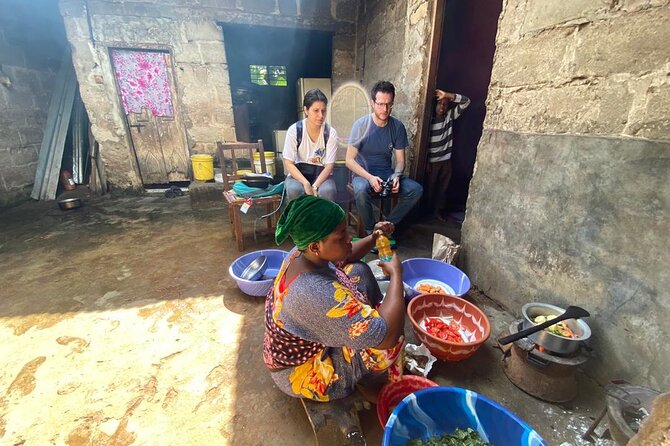
Zanzibar’s spices make the most sense when you see them growing, smell them fresh, and then use them in a meal. This private day combines a farm walk with a home-style cooking lesson, where local women cooks prepare food on a front porch while an interpreter explains each step. You may even learn that Zanzibar has 11 types of bananas.
I like the farm-to-table rhythm and the chance to eat food you helped prepare rather than simply ordering another hotel meal. I also like the private format for two people, especially with a guide such as Sultan to explain the plants, ingredients, and customs. The main drawback is that the cooking may involve more ingredient preparation than full instruction, so serious home cooks should keep expectations realistic.
Key points to know before booking
- Eight hours at a spice farm: This is a full-day experience, not a quick market stop and short demonstration.
- Cooking with local women: The class takes place in a traditional home setting, with food prepared on a cook’s front porch.
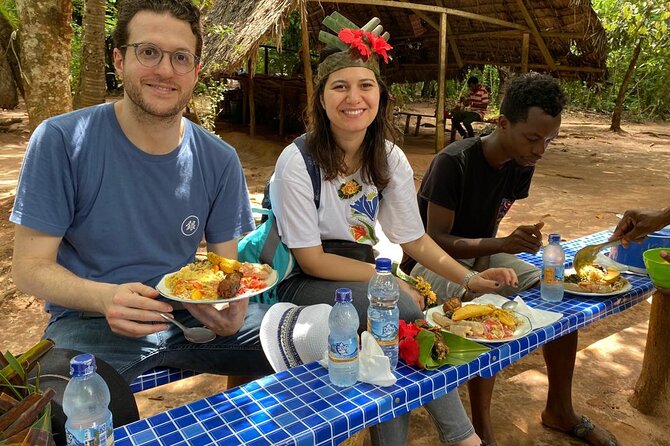
- Spiced rice and coconut sauce: Expect local food, traditional methods, and a shared meal at the end.
- A private booking for up to two people: The $155 price covers your group, not each individual participant.
- Sultan may guide your day: He is specifically connected with the experience and is praised for his work.
- Pickup is offered, but details matter: Confirm the pickup area and meeting point before you book.
A Zanzibar spice farm instead of another restaurant meal
The best reason to choose this experience is simple: it gives you a way to understand Zanzibar food from the ground up. You do not just hear that the island uses spices. You walk around the farm, see the plants and trees, and experience their scent and flavor before sitting down to cook.
That order matters. A spice market can be colorful and useful, but a farm shows you where the ingredients begin. You get a closer look at the plants behind the finished products, and you can connect what you see outside with what appears in the cooking pot later.
The day also answers a common holiday problem: after several meals out, restaurant food starts to blur together. Here, the meal has a story. You help prepare it, watch traditional methods in use, and eat alongside the people who showed you how it is done.
I would not book this expecting a polished culinary school. The setting is local and informal. An interpreter explains the process, and one account of the class suggests that participants mainly prepared ingredients while the cook handled much of the actual cooking. That is still useful, but it is different from spending the day mastering every technique yourself.
More Cooking Classes in Zanzibar
- Zanzibar Cooking Class & Spice Tour
★ 4.5 · 77 reviews - Zanzibar: Spice Farm Tour with Traditional Cooking Lesson
★ 4.8 · 77 reviews - Half-Day Kuza Cave Swimming Adventure and Cooking Class
★ 4.5 · 44 reviews
Walking through the farm and spice plants
The experience begins at the spice farm with a walking tour. This first part sets the tone for the rest of the day. You are not simply given a list of spices or shown finished packets. You can see, smell, and taste the plants and trees in their growing environment.
The most interesting detail here is the range of ingredients. One food-focused account specifically points out 11 types of bananas. That small fact captures what makes the farm walk worthwhile: familiar foods can have more variety than you expect, and the guide can help you notice differences you might otherwise pass by.
The walk is also useful if you cook at home. Seeing the source of an ingredient gives you a better sense of how it is used, even if the class does not provide formal recipes. You will leave with a clearer idea of how spices fit into local food rather than treating them as souvenirs in a shop.
Guides are an important part of this stop. Sultan is named as one of the people involved, and he is described as a strong guide for the day. The wider team includes an interpreter and local women cooks, so you should expect the explanations to come through more than one person.
Because the tour requires good weather, the farm walk can be affected by rain or poor conditions. The policy allows you to move to another date or receive a full refund if the operator cancels for weather. That is sensible for an outdoor farm visit, but you should keep some flexibility in your Zanzibar schedule.
Selecting ingredients for local cooking
The tour description includes choosing ingredients at a local spice market, while the day itself is centered on the farm and home cooking. That combination gives you two useful views of food: what is growing and what is selected for the meal.
You should expect ingredients tied to local food rather than a generic international cooking menu. The class includes spiced rice and a coconut sauce, along with other local dishes. These are the kinds of foods that reflect Zanzibar’s place in Indian Ocean trade and its long use of aromatic seasonings, though the supplied details do not provide a fixed menu.
That missing menu is worth noting. If you have allergies, strong dislikes, or dietary limits, ask what will be prepared before booking. The available information does not specify vegetarian, vegan, halal, gluten-free, or allergy arrangements, so you should not assume a particular option.
I like the ingredient-picking part because it gives you a practical connection to the final meal. You are not just watching a cook add spices from containers. You can identify some of the components before they reach the kitchen, then recognize their role when you sit down to eat.
Still, this is not presented as a formal market-shopping lesson with a set budget or a detailed spice-buying guide. If your main goal is shopping, the farm visit and cooking session may feel like more than you need. If your goal is food culture, the extra context makes the day stronger.
Cooking on a local front porch
After the farm walk, the group begins the cooking lesson. The setting is a cook’s front porch, not a restaurant kitchen or purpose-built classroom. That is one of the most appealing parts of the experience, because you get a look at cooking as it is practiced in an everyday local setting.
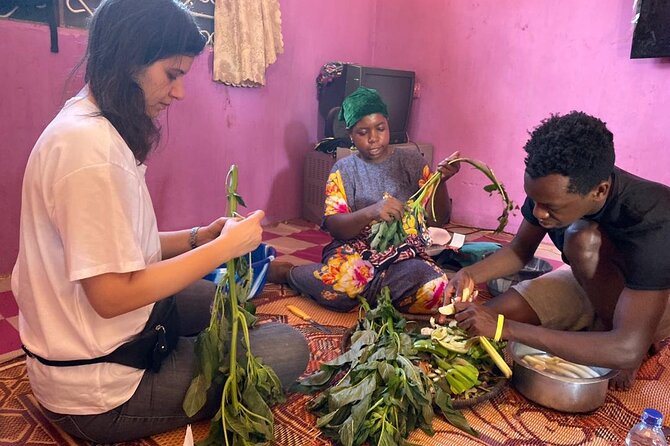
Local women lead the preparation, with an interpreter explaining what is happening. This arrangement matters. You are not receiving a detached demonstration designed only for tourists. You are watching people use familiar methods in a place connected to daily life.
The class includes instructions, but the amount of hands-on work may vary. You may chop, sort, mix, or prepare ingredients while the cook manages the main cooking. One account describes the participants as mainly preparing the ingredients, so I would treat this as a guided local food experience first and a technical cooking course second.
That distinction helps you decide if it suits you. If you want to bring home a precise recipe with exact weights, temperatures, and professional techniques, this may leave gaps. If you want to learn how local food is assembled, watch traditional methods, and take part at a comfortable pace, it should fit well.
The interpreter also plays a key role. Without clear explanation, a cooking demonstration can become a silent sequence of chopping and stirring. Here, you have a person helping connect the process to the ingredients and local customs. Ask questions as the cooking moves along, especially if you want to remember how the spice rice or coconut sauce is made.
More Food Tours in Zanzibar
- Stonetown: Food Markets and Street Food Walking Tour
★ 4.7 · 151 reviews - Authentic Street Food Tours in Stone Town, Zanzibar
★ 5.0 · 46 reviews - Stone Town Evening Walk Tour With Visit Food Markets
★ 4.5 · 28 reviews - Zanzibar:Stone town Street food market walking tour,transfer
★ 4.5 · 9 reviews
Eating what you helped prepare

The meal at the end is not an afterthought. It is the payoff for the farm walk and preparation, and the food-focused accounts describe a wide variety of dishes and excellent results.
Eating together also changes the mood of the day. You are no longer standing at the edge of a demonstration. You sit down with the people involved and share the food. That makes the experience more social than a standard guided visit to a farm.
Expect a meal built around local flavors, with spiced rice and coconut sauce among the named elements. The exact range of dishes can vary, so do not book on the assumption that the menu will match a particular restaurant plate or published recipe.
The food may be especially satisfying if you have grown tired of eating in restaurants. You will remember the meal because you had a hand in preparing it, even if the cook completed much of the final work.
I would also keep the setting in mind. A front porch and shared meal offer authenticity, but they may not provide the polished service, seating style, or presentation of a hotel restaurant. That is not a flaw for most people booking this activity. It is simply part of choosing a home-style experience.
What the $155 price means for two people

The listed price is $155 per group of up to two people. For two participants, that works out to $77.50 each for roughly eight hours, before considering any personal shopping or optional plans outside the experience.
That is a fair value if you want a full private day built around food, a farm walk, a guide, and a meal. A private booking also means you are not sharing the cooking session with a large group. For a couple or two friends, the cost buys a more personal pace and the chance to ask questions without competing for the guide’s attention.
The value is weaker if you only want a short spice tour. You are paying for a full day and the cooking component, so someone who dislikes cooking or prefers a quick sightseeing stop may find the activity too long.
Pickup is offered, which can make the price more useful, especially if you are staying away from the farm. The available details do not state the exact pickup zone, so confirm this before booking. The experience is associated with Nungwi and Zanzibar City, and you should make sure the operator has your correct accommodation and understands where you want to be collected.
The booking is private, and confirmation is provided at the time of booking. That is helpful when you have limited time on the island, but the day still depends on weather and local arrangements.
Who will enjoy this day most
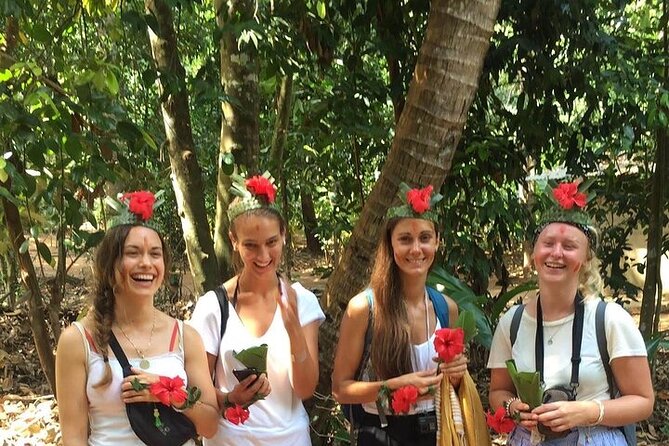
I would recommend this experience to people who enjoy food, local contact, and a slower kind of sightseeing. It is a good match for:
- Couples or friends who want a private day
- People who like learning by watching and doing
- Cooks curious about Zanzibar’s ingredients
- Visitors tired of standard restaurant meals
- Anyone interested in meeting local cooks in a home setting
- First-time visitors who want a food-based introduction to the island
Families may also like the variety of the farm walk and the unusual banana information, but the supplied details do not specify a minimum age or child arrangements. Check those points before booking with young children.
This may not suit you if you want a highly structured class, a guaranteed printed recipe, or a fixed menu. It also may not be ideal if you prefer to avoid informal home settings or need confirmed dietary accommodations.
How the guides shape the experience
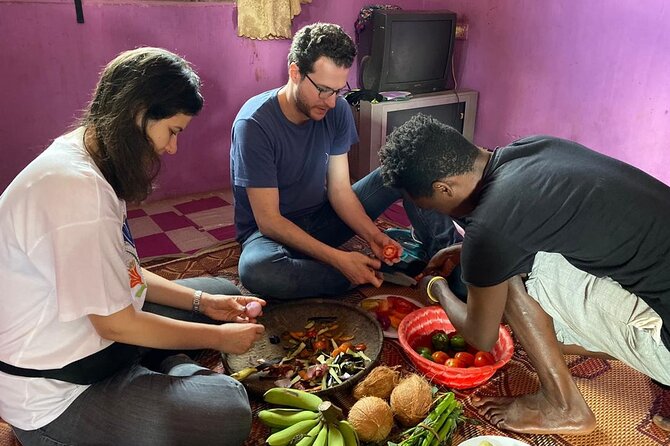
The guide can make or break a day built around plants and cooking. Sultan is specifically associated with this experience, and his role includes guiding visitors through the farm and the wider day.
You also have the local cooks and an interpreter. That mix is valuable because each person contributes something different. The guide handles the tour and organization. The interpreter helps explain the cooking. The local women bring the practical knowledge of the dishes and methods.
The strongest praise connected with this day centers on the guides, the cooking team, and the chance to spend time with them. That tells me you should book this for the people and setting as much as for the food itself.
Keep your questions ready. Ask about the names of spices, how the coconut sauce is used, which bananas you are seeing, and which steps you can repeat at home. The more curious you are, the more you will get from a class that does not rely on formal written instruction.
Practical points before you commit
The activity lasts about eight hours, so leave most of the day free. It is not a good choice for a schedule packed with other major activities.
Pickup is offered, and the ticket is mobile, which reduces the need for printed paperwork. Still, confirm the pickup details, start time, and exact location because the experience is described in connection with both Nungwi and Zanzibar City.
The tour is private for your group only, up to two people. That is a strong advantage if you want flexibility, but it also means the $155 group price is best shared by two participants.
You can cancel for a full refund if you do so at least 24 hours before the local start time. Changes or cancellations made inside that window are not accepted for a refund. If bad weather causes the operator to cancel, you will be offered another date or a full refund.
Should you book the spice tour and cooking class?
Book it if you want a full, food-centered day that connects Zanzibar’s spices, farm plants, local cooking, and a shared meal. The private format, home setting, local women cooks, interpreter, and guide Sultan give it a more personal feel than a simple spice-farm walk.
Skip it if you want a professional cooking school or a precise recipe-led course. The hands-on work may focus more on preparing ingredients than cooking every dish from start to finish, and the menu is not fixed in the information provided.
For two people who value local contact and do not mind an informal setting, $155 is reasonable for eight hours. Confirm pickup, menu, and any dietary needs before paying, then keep the day open and let the farm and kitchen set the pace.
FAQ
Where does the spice tour and cooking class take place?
The experience is associated with Zanzibar City and Nungwi, Tanzania. The cooking takes place at a local home, described as a cook’s front porch, and the tour includes a spice farm.
How long does the experience last?
The activity lasts approximately eight hours.
How much does the tour cost?
The listed price is $155 per group of up to two people.
Is this a private activity?
Yes. Only your group participates, with a maximum of two people covered by the group price.
Is hotel pickup available?
Pickup is offered. The exact pickup area and meeting details are not specified, so confirm them with the provider before booking.
What food will I learn to prepare?
The class includes local food such as spiced rice and coconut sauce, along with other dishes. The exact menu is not specified.
Who leads the cooking class?
The cooking is done with local women cooks, and an interpreter explains the process. Sultan is named as one of the guides connected with the experience.
Can I cancel for a full refund?
Yes, if you cancel at least 24 hours before the experience’s local start time. Cancellations made less than 24 hours in advance are not refunded. If the operator cancels because of poor weather, you can choose another date or receive a full refund.
More workshops and classes in Zanzibar
- Zanzibar: Spice Farm Tour with Traditional Cooking Class
★ 4.6 · 16 reviews - Traditional Zanzibar Cooking Class including Spice Tour
★ 4.5 · 14 reviews - Mnemba Dolphin Tour, Clear Kayak, Cooking Class, Horse Riding
★ 4.5 · 14 reviews - A private half day spice farm with a cooking lesson
★ 5.0 · 13 reviews
More spice farm mornings
- Zanzibar: Stone Town, Spice Tour, Prison Island with Lunch
★ 4.4 · 1,219 reviews - Zanzibar: Prison Island, Stone Town, & Spice Farm Tour
★ 4.5 · 579 reviews - Zanzibar: Stone Town, Spice tour & Prison Island with Lunch
★ 4.6 · 453 reviews - Full-Day Private Stone Town +Spice Farm and Prison Island Tour
★ 4.5 · 216 reviews
Newly listed around Zanzibar
- Prison Island, Sea Turtles, Rock Restaurant & Relax in Beach★ 4.6 · 3 reviews
- Zanzibar: Nungwi/Kendwa Beach Sunset Dhow Cruise with Fruits★ 3.4 · 3 reviews
- Starfish Beach; The Rock; Kuza Cave; Paje Beach; Salaam Cave Tour★ 4.5 · 3 reviews
- Zanzibar: Half-Day Spice Farm Tour,the flavours of Zanzibar★ 4.7 · 3 reviews
- Joazani forest & Spice farm with lunch★ 5.0 · 3 reviews
- Nakupenda Island Snorkeling Sea trip & Lunch W/Transfer -Zanzibar★ 4.0 · 3 reviews
- Zanzibar:Jozani forest, Spice farm with Swahili Cuisine clas★ 4.2 · 3 reviews
- Mnemba Island Snorkeling and Dolphin tour★ 5.0 · 3 reviews
Spice Farm Tours, compared.



Full-Day Private Stone Town +Spice Farm and Prison Island Tour
Read our review →
The Swahili Spice Experience – Spice Tour + Culinary Journey
Read our review →Browse the lists this tour appears in