
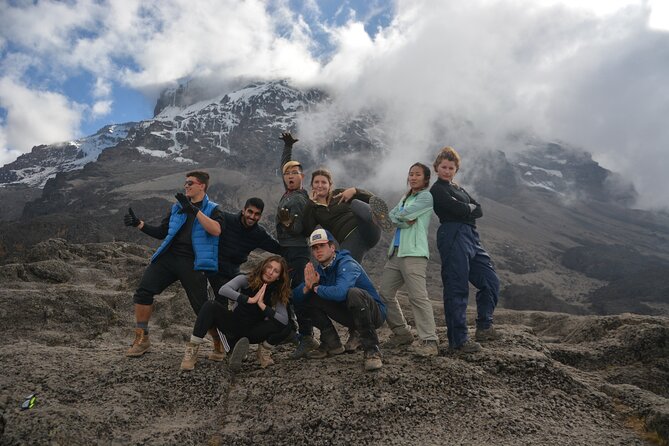
Reviewed · KILIMANJARO CLIMBS
machame route
The Machame Route gives you Kilimanjaro’s more rugged side, with steep paths, changing scenery, and a descent by the Mweka route. You climb through the southwest and southeast slopes instead of walking up and down the same trail, which makes the journey feel like a real crossing of the mountain.
I like the small maximum of ten people, and I like that local Tanzanian guides such as Stan, Leon, and Pio have been praised for careful pacing and strong support. The food also gets repeated praise for being varied and generous. The main drawback is simple: six days is a hard schedule, and the seven-day version is generally the wiser choice for acclimatization.
Key points to know before booking
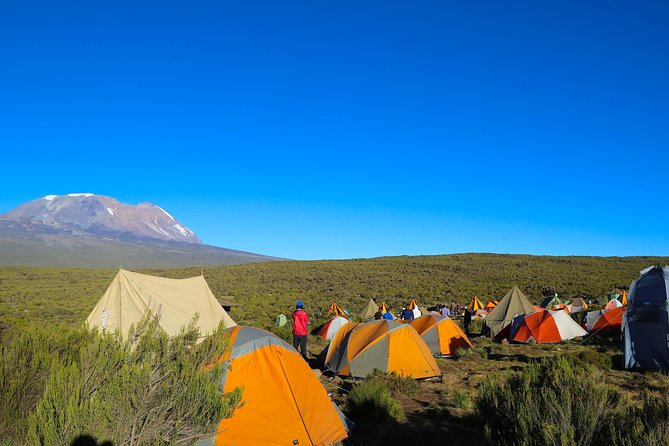
- Machame is the rugged Whisky Route: Expect a steeper, more demanding trail than the gradual Marangu Route.
- The route climbs one side and descends another: You see the southwest and southeast slopes, then leave by the Mweka route.
- A maximum of 10 people keeps the group manageable: That matters when the trail gets steep and the pace needs adjusting.
- Camping and three meals are included: Breakfast, lunch, and dinner are provided throughout the climb.
- Guiding is a major part of the service: Stan, Leon, Pio, Ilyas, and others are praised for patience, safety, humor, and personal attention.
- Seven days is the better choice if available: The six-day version saves time, but the extra day can make altitude adjustment easier.
Why the Machame Route feels different
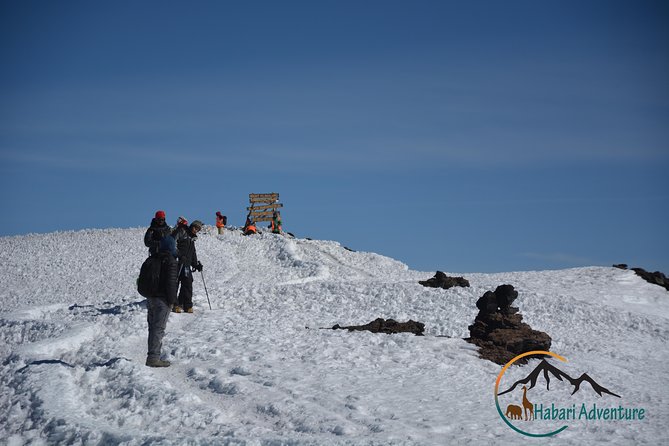
Kilimanjaro is not a technical climb in the usual mountaineering sense, but it is still a serious physical challenge. The height is the great issue. The summit reaches 5,895 meters, and your body has to adjust as the trail rises from the forest toward thin, cold air.
Machame is called the Whisky Route because it is tougher than the gentler Marangu, sometimes nicknamed the Coca-Cola Route. That nickname tells you something useful. Machame is not the easy option. It uses steeper paths, longer walking days, and camping rather than hut accommodation.
The reward is variety. You move through the mountain’s southwest and southeast sides, with the route up and the route down following different lines. You get more changing scenery than on a simple out-and-back climb, and the trail has a wilder, more adventurous feel.
I would choose Machame for someone who wants the mountain to feel like a journey, not just a straightforward ascent. You should also be comfortable with basic camping and with walking on uneven ground for several hours each day.
More Kilimanjaro routes:
- Kilimanjaro climb by Lemosho Route (7-day)
★ 5.0 · 651 reviews - Kilimanjaro climb, Machame Route (7-day)
★ 5.0 · 262 reviews - Kilimanjaro Climbing Lemosho Route 8 Days.
★ 5.0 · 186 reviews
What six days on Machame really means
The advertised duration is about six days, with camping included. Exact daily camp names and walking times are not provided, so you should request the final schedule before paying. The route is normally arranged in stages that build from forest walking to high-altitude terrain, followed by a summit push and descent.
The six-day format is compact. It can work for fit hikers who prepare well, but it leaves less spare time for acclimatization than a seven-day climb. The route’s shape helps because it allows sections of trekking high and sleeping lower, but that advantage does not remove the strain of a compressed schedule.
The company itself presents seven days as the better version of Machame. I would take that advice seriously. One extra day costs more time and possibly more money, but it can make the climb less rushed and give your body more time to adjust.
Kilimanjaro Airport and the start of the climb
Pickup is offered, and the stated meeting point is Kilimanjaro Airport, with Kilimanjaro National Park listed as the activity location. Confirmation is provided at booking, which helps you plan the first transfer and your arrival in Moshi.
Moshi is the practical base for Kilimanjaro climbs. You should arrive with enough time to rest, organize your gear, and meet the guiding team before entering the park. The supplied information does not give a hotel arrangement or a detailed pre-climb briefing, so ask specifically what happens between airport pickup and the trailhead.
That question matters. A good start is not about ceremony. It is about knowing when you leave, what equipment is carried by porters, how meals work, and how the group handles altitude symptoms. The strongest accounts of Habari Adventure describe guides who checked on comfort, adjusted the pace, and made difficult sections feel manageable.
Day one: forest paths and the first camp
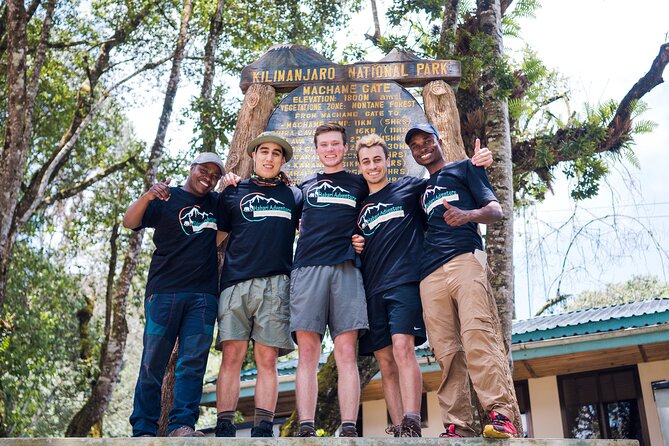
The lower Machame section begins in the forest zone. This is likely to be one of the more comfortable parts of the climb physically, though the first day still requires steady walking and a willingness to settle into a slow rhythm.
Your local guides share information about the geography, history, anthropology, plants, and animals found along the route. That turns the first stage into more than a transfer from gate to camp. You begin to understand how the mountain changes as you gain height.
Camping also begins here. You will have breakfast, lunch, and dinner supplied each day, rather than needing to carry a full food supply yourself. Several accounts praise the meals as varied, tasty, and served in generous portions. That is important on a climb where food can become a practical concern, not just a pleasant extra.
Do not expect a lodge-style evening. Camping means you trade comfort for proximity to the mountain. The benefit is a closer sense of the route, but you need to be ready for simple nights and changing weather.
A few more Moshi & Kilimanjaro days to compare
- Safari Serengeti And Ngorongoro
★ 5.0 · 288 reviews - Climbing Kilimanjaro – Machame Route
★ 5.0 · 170 reviews - Climbing Kilimanjaro through 7 days Machame Route
★ 5.0 · 151 reviews - Kilimanjaro climb, Lemosho Route (8-day)
★ 5.0 · 148 reviews
Day two: steeper ground and a slower pace
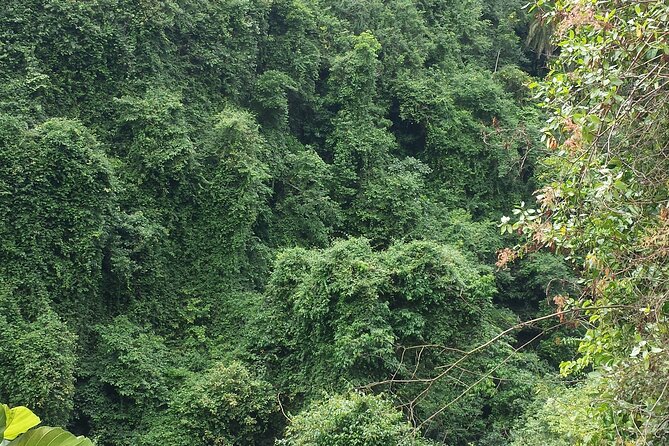
As the trail rises, the forest gives way to more open mountain terrain. The path becomes more demanding, and the Machame character becomes clear. This is where a patient guide matters more than a fast one.
The guiding approach described by past climbers is personal rather than rigid. Stan is praised for noticing what people needed and adapting the journey to the group. Other named guides, including Leon, Pio, Justo, Evan, and Ilyas, are associated with supportive, lively days on the mountain.
You should expect the pace to be controlled. On Kilimanjaro, walking slowly is not a sign of weakness. It is a useful way to conserve energy and help your body adjust. The guides’ role is not only to lead the trail, but also to help you decide when to pause and how to respond if you feel unwell.
The drawback is that steep terrain can expose differences in fitness within a group. A maximum of ten people is a reasonable size, but it does not guarantee that everyone walks at the same speed. Ask how the team manages different abilities before departure.
Day three: the value of trekking high and sleeping lower
Machame’s route shape is one of its strongest features. It allows you to climb to higher points during the day and sleep at a lower elevation later, an approach often described as trekking high and sleeping low.
That pattern can help with acclimatization, although no route can guarantee that you will avoid altitude sickness. Your fitness level, health, pace, hydration, and response to altitude all matter. The activity requires a strong physical fitness level, and that should be treated as a real condition, not a polite suggestion.
This stage is also where the mountain scenery becomes more exposed and rugged. The exact camps are not supplied, so I cannot promise a particular view or trail feature. Still, the route is chosen for its changing scenery, and its passage through different sides of Kilimanjaro gives it a fuller feel than a simple return along the same path.
The guides’ local background adds value here. They can explain what you are seeing rather than leaving you to identify everything from a distance. If plants, animals, geology, or local culture interest you, make that clear early in the climb.
Day four: preparing for the summit push
The upper part of the route is less about sightseeing and more about conserving strength. By this point, several days of walking and sleeping outdoors have taken a toll. You need warm layers, sensible pacing, and enough mental energy for the final ascent.
The food service matters more now. Breakfast, lunch, and dinner are provided, and the repeated praise for large portions suggests that the kitchen is an important part of the operation. Still, you should confirm what snacks, drinks, and personal supplies you need to bring, since the supplied details do not spell those out.
This is also a good time to speak plainly with your guide. Guides have been praised for being safety-focused and attentive, but you still need to report headaches, nausea, dizziness, unusual tiredness, or breathing trouble. Do not try to impress the group by hiding symptoms.
The six-day plan may place this preparation close to the summit night. That is the schedule’s main pressure point. The seven-day option gives you more room, and I would favor it for first-time high-altitude hikers.
Summit night and Stella Point
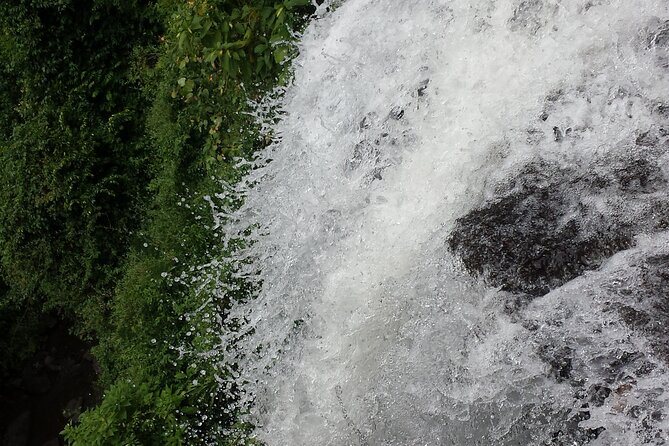
The final ascent is the hardest part. The route reaches the crater rim at Stella Point before continuing toward the summit area. This is a long, demanding section, often done in darkness so that climbers can reach the rim around sunrise.
One account gives a useful picture of how timing can be handled. Guide Stan planned the pace so well that the climber reached the summit area about five minutes before sunrise. That kind of timing is not guaranteed, but it shows why an experienced guide can make a major difference on the final push.
The summit is a personal achievement, but the experience is also a test of judgment. You may feel strong at the start and struggle later. The guide team’s job is to keep the pace realistic and focus on safety, not simply to push everyone upward at any cost.
Expect cold, fatigue, and a steep trail. You should not book this as a casual sightseeing outing. You need strong fitness and the ability to cope with a sustained physical effort at altitude.
The descent by Mweka route
After the summit, the descent follows the Mweka route on the east-facing side. This gives the climb its satisfying through-journey shape. You do not simply retrace every step, and the changing route gives you a different view of the mountain as you go down.
The descent may feel easier because you are losing altitude, but tired legs can make downhill walking awkward. Your knees and feet still have work to do, and the trail can be rough. Keep your pace controlled and use your trekking poles if you bring them.
The final part of a mountain climb can be emotionally odd. You may feel proud, relieved, exhausted, or all three at once. The porters and guides remain central to the experience. Several accounts give them credit not only for carrying equipment, cooking, and cleaning, but also for creating the supportive atmosphere that helped climbers continue.
The people who make the climb possible
Habari Adventure’s strongest feature appears to be its guiding and support team. Names connected with particularly positive experiences include Stan, Stanley, Leon, Pio, Justo, Evan, and Ilyas. Stan is described as kind, funny, calm, and focused on safety. Leon and Pio are praised for friendliness, while the wider team is often credited with encouragement and reliability.
The porters deserve special attention. They carry extra loads while also helping with camp work, meals, and cleaning. That support is one reason a guided climb is possible for many people, but it also raises an ethical question: ask how the company treats and pays its porters, and follow accepted tipping guidance.
The guides also bring a social side to the climb. Music, songs, humor, and warm hospitality appear to be part of the camp atmosphere. That can make a difficult day feel lighter, though you should remember that each trip depends on the particular team assigned to your departure.
Language support is available for English, German, French, and Spanish speakers. If you need one language in particular, confirm that your preferred guide can lead in it on your dates.
Food, camping, and group size
Daily breakfast, lunch, and dinner are included. The meal service is a real value point because high-calorie food is essential during a multi-day climb, and carrying or arranging every meal yourself would add work.
Past experiences highlight food that was varied, delicious, and served in large quantities. That is encouraging, but you should still ask about dietary restrictions, vegetarian meals, allergies, and personal snacks before you arrive. The supplied details do not promise a specific menu.
The group limit is ten people. That is small enough for direct contact with the guides and large enough to create a social atmosphere at camp. It also keeps the price lower than a private climb may be, though you give up some control over the schedule.
Camping is included, but the information does not list tent types, sleeping bags, toilet arrangements, or gear rental. Get those details in writing. They affect both comfort and packing.
Is $2,255.39 a good value?
The listed price is $2,255.39 per person. That is a major expense, but the price needs to be judged against what the climb involves: six days of guiding, park access arrangements, porters, camping, three daily meals, airport pickup, and a small group of no more than ten people.
The package is especially useful if you want one company to handle the mountain operation rather than assembling guides, camp support, meals, and transfers yourself. The local team is also central to the value. A Kilimanjaro climb is not a place to choose on price alone.
Still, do not assume every cost is included simply because the headline features sound broad. Ask about park fees, hotel nights, equipment, airport transfers on return, tips, drinks, emergency procedures, and any extra permits. These details are not supplied here, and they can change the final cost.
I would also compare the six-day price with the company’s seven-day option. If the difference is manageable, the longer schedule may offer better value because it gives you more time to adjust to altitude and reduces the pressure of the climb.
Who should book this Machame climb?
I would recommend this experience to fit hikers who want a scenic, camping-based route and who prefer a local Tanzanian team. It suits people who enjoy a social small-group trip and want guides who explain the mountain as they go.
It is a good match for you if:
- You are prepared for steep paths and long walking days.
- You want to camp instead of relying on mountain huts.
- You value meals and support staff being arranged in advance.
- You like the idea of walking up one side and descending another.
- You can communicate in English, German, French, or Spanish.
- You are willing to consider seven days for a calmer ascent.
I would hesitate if you have limited fitness, dislike camping, or want a relaxed holiday with little physical strain. Marangu is described as more gradual, while Machame is the more demanding choice.
The company has a perfect recommendation rate from 16 listed ratings, with repeated praise for guides, porters, food, hospitality, and safety. That is a strong signal, but a small sample is still a small sample. Use it as encouragement, then confirm the practical details that matter to you.
Booking and cancellation details
Pickup is offered, and mobile tickets are available. Confirmation is received at booking, and the activity has a maximum of ten people.
You can cancel up to 24 hours before the local start time for a full refund. Cancellations and changes made less than 24 hours before the start are not accepted for a refund. The climb also depends on suitable weather. If poor weather cancels it, you are offered another date or a full refund.
Should you book it?
Book this Machame Route climb if you want a demanding, scenic Kilimanjaro experience with a small group, local guides, camping, and meals handled for you. The strongest reason to choose Habari Adventure is the consistent emphasis on personal support from guides and porters, with Stan, Leon, Pio, and others singled out for calm leadership and encouragement.
Before booking, ask for the exact six-day schedule and compare it with seven days. Confirm what the price includes beyond meals, camping, pickup, and guiding. If your fitness is solid and you accept the hard parts of the Whisky Route, this looks like a well-supported way to approach Kilimanjaro.
FAQ
Where does the Machame Route climb take place?
The experience is based in Moshi, Tanzania, and the activity location is Kilimanjaro National Park. The stated meeting point is Kilimanjaro Airport.
How long does the climb last?
The advertised duration is about six days. The route is also commonly completed in seven days, and the company notes that seven days is the better option for acclimatization.
Is camping included?
Yes. Camping is included during the six-day climb.
Are meals provided?
Yes. Breakfast, lunch, and dinner are provided each day.
How many people can join the group?
The maximum group size is ten people.
Which languages are available?
Tours are offered for English, German, French, and Spanish speakers.
Is pickup available?
Yes. Pickup is offered, with Kilimanjaro Airport listed as the starting point.
What level of fitness is required?
A strong physical fitness level is required. Machame is steeper and more demanding than the Marangu Route, with longer walking distances.
What happens if bad weather cancels the climb?
If poor weather causes cancellation, you are offered a different date or a full refund. For your own cancellation, you must cancel at least 24 hours before the local start time to receive a full refund.
Newly listed around Moshi & Kilimanjaro
- Climb Mount Kilimanjaro: 7 Days Machame Route★ 5.0 · 3 reviews
- 6 Days Mount Kilimanjaro Climbing via Rongai Route★ 5.0 · 3 reviews
- Explore 1 day Ngorongoro Crater Budget Group Safari from Arusha★ 5.0 · 3 reviews
- Mt. Kilimanjaro Day Hiking★ 5.0 · 3 reviews
- Chemka (Kikuletwa) Hot Springs, Tanzania★ 5.0 · 3 reviews
- Guided City tour of Moshi★ 4.3 · 3 reviews
- 8 Day Tanzania Family Safari★ 5.0 · 3 reviews
- Serengeti Safari with Sirikwa Travel★ 5.0 · 3 reviews
Kilimanjaro Climbs, compared.








Browse the lists this tour appears in