
Reviewed · KILIMANJARO CLIMBS
Kilimanjaro climb, Northern Circuit route (8-day)
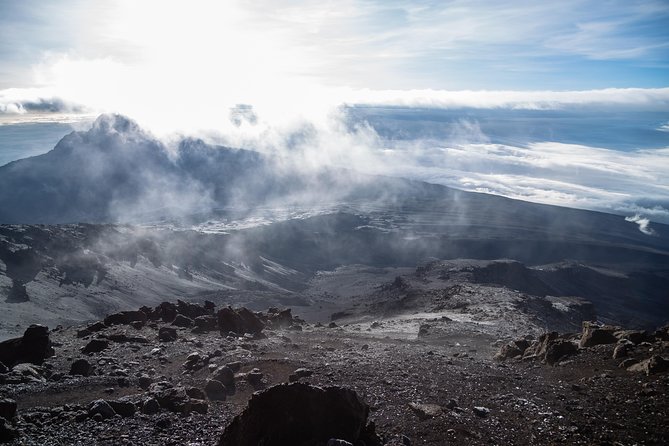
The Northern Circuit takes the long way around Kilimanjaro, and that is its great strength. You spend more time gaining altitude slowly, cross the quiet northern slopes near Kenya, and approach Uhuru Peak after eight days on the mountain. Excellent acclimatization is the main prize, along with broad views and far fewer people than on the popular southern routes.
I like the route’s remote feel and the careful safety setup. Altezza supplies Wilderness First Responder guides, oxygen, medical kits, health checks, and one guide for every two climbers during the summit attempt. The main drawback is simple: this is a demanding trip, and the price of $4,010 per person does not include flights, visa, insurance, tips, or personal gear.
Key points to know before you book
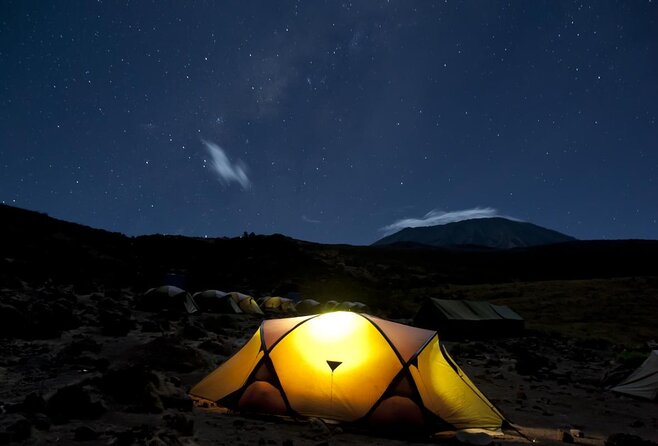
- The quietest approach: The Northern Circuit crosses Kilimanjaro’s northern slopes, where you should expect a more solitary mountain experience than on busier routes.
- Eight days on the mountain: The longer schedule gives your body more time to adjust to high altitude before summit night.
- A serious safety plan: Certified Wilderness First Responder guides, medical checks, oxygen tanks, altimeters, and medical kits are included.
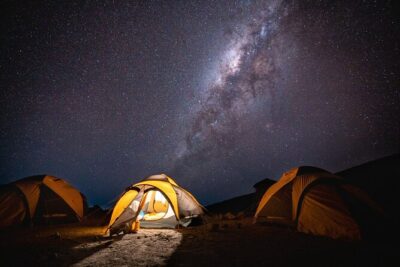
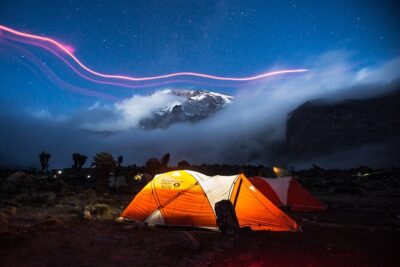
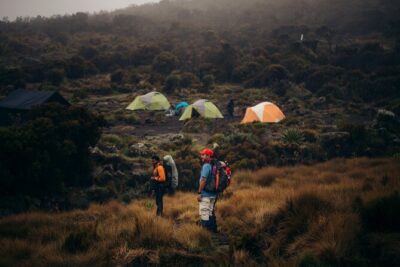
- Strong camp support: You sleep in North Face VE-25 tents, with dining equipment, cooks, camp staff, porters, and three meals each day.
- Real altitude work: Lava Tower reaches 4,630 meters, School Hut is at 4,750 meters, and Uhuru Peak rises to 5,895 meters.
- A useful hotel base: Two nights at Aishi Machame Hotel are included, along with airport transfers and ground transport.
Why the Northern Circuit is worth the extra days
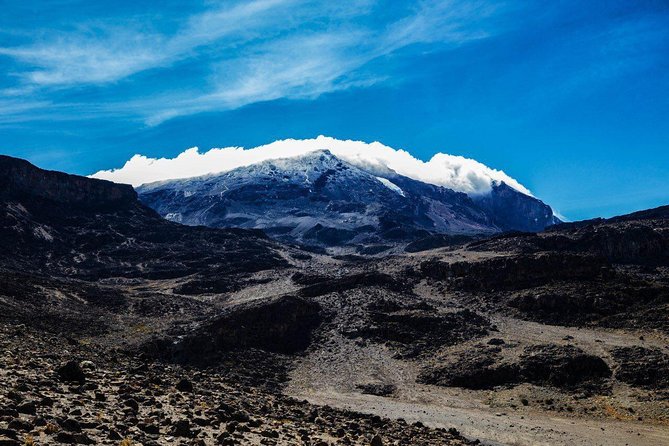
Kilimanjaro is not a technical climb in the mountaineering sense, but it is a high-altitude trek. The challenge comes from thin air, cold, long walking days, and the final night climb. A route that gives you more time to adjust can make a meaningful difference.
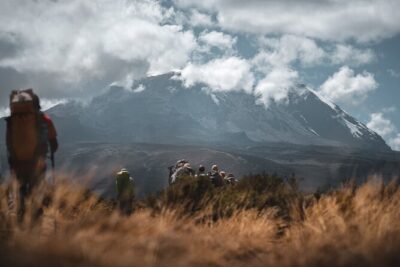
The Northern Circuit begins on the western side of the mountain, crosses the Shira Plateau, swings north toward the Kenyan border, and later joins the Rongai route. You see Kilimanjaro from changing angles instead of walking up and down the same corridor.
I especially like the route for people who dislike crowds. The mountain is not empty, and conditions can change, but this northern path is known for seeing far fewer trekkers. You trade the convenience of a shorter itinerary for a quieter week in the high country.
The route also offers a useful rhythm: modest altitude gains at first, an acclimatization walk above camp, then a gradual move toward the summit. You still need a moderate level of fitness, but the schedule is designed around patience rather than speed.
More Kilimanjaro routes:
- Kilimanjaro climb by Lemosho Route (7-day)
★ 5.0 · 651 reviews - Kilimanjaro climb, Machame Route (7-day)
★ 5.0 · 262 reviews - Kilimanjaro Climbing Lemosho Route 8 Days.
★ 5.0 · 186 reviews
Arrival in Moshi and the first briefing
Your trip begins with pickup at Kilimanjaro International Airport. An Altezza representative takes you to Aishi Machame Hotel, where two people share a room unless you book a solo climb.
The hotel stay gives you a practical place to wash, sleep, use the internet, and check your kit before the mountain. Hot water, a swimming pool, and helpful staff are included in the setup. Hotel check-in begins at 2:00 PM, so plan your arrival time with that in mind.
In the evening, managers hold a briefing and check that you have the right clothing and equipment. You will also receive another briefing the next morning before leaving for the trailhead. This repeated preparation is useful because small packing mistakes become large problems at altitude.
The hotel is also where you return after the climb. A final night is included before your airport transfer, with checkout at 11:00 AM. If your flight leaves later, a paid late checkout is available.
Day 2: Londorossi Gate to Shira 1
The drive to Kilimanjaro National Park’s western entrance takes about three to four hours. At Londorossi Gate, your crew handles permits and registration with the search and rescue service.
The vehicle then continues by off-road track to a drop-off point near 3,500 meters. This saves you a long approach walk and places you directly on the Shira Plateau. The first view of this high plateau is one of the route’s best early moments.
From the drop-off point, you walk to Shira 1 Camp. The altitude gain is small, and the five-hour day is not especially hard by Kilimanjaro standards. Still, do not treat this as a free pass. You are starting high, and a slow pace is wise from the first step.
Day 3: Shira 2 and the Lava Tower acclimatization walk
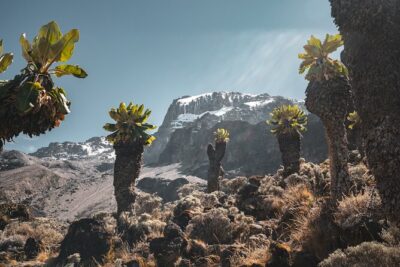
The move from Shira 1 to Shira 2 adds only about 300 meters of elevation. That leaves time to notice the mountain’s plant life and, when the sky is clear, Mount Meru. At 4,566 meters, Mount Meru is Tanzania’s second-highest mountain, though the supplied trip notes describe it as the fifth-highest in Africa. The important point is the view: you may see a major neighboring peak across the plain.
After lunch and a two-hour rest, you take an acclimatization walk toward Lava Tower, gaining another 300 meters before returning to camp. This is a smart part of the itinerary. You briefly visit a higher altitude, then sleep lower, giving your body useful practice without forcing you to spend the night at the highest point reached.
The day lasts about six hours. The walking is manageable, but take the rest period seriously. You are not trying to prove anything on day three.
A few more Moshi & Kilimanjaro days to compare
- Safari Serengeti And Ngorongoro
★ 5.0 · 288 reviews - Climbing Kilimanjaro – Machame Route
★ 5.0 · 170 reviews - Climbing Kilimanjaro through 7 days Machame Route
★ 5.0 · 151 reviews - Kilimanjaro climb, Lemosho Route (8-day)
★ 5.0 · 148 reviews
Day 4: Lava Tower at 4,630 meters and Moir Valley
This is the first day that feels properly high. You leave Shira Camp at about 3,900 meters and work your way toward Lava Tower at 4,630 meters. The trail rises and falls, so the distance is not the only measure of difficulty.
Lunch is served at Lava Tower, and you spend one or two hours at that altitude for acclimatization. You may feel a headache, nausea, unusual tiredness, or shortness of breath. Tell your guide early. The crew can adjust the plan if someone is not adapting well.
The guide may skip Lava Tower and use the porter trail if a climber appears poorly acclimatized. That alternate option reaches about 4,400 meters instead. This flexibility matters more than sticking rigidly to a planned number.
After Lava Tower, the route climbs a little before dropping into Moir Hut Camp. It is an eight-hour day with repeated ups and downs. Expect a rougher physical test, but also one of the most useful altitude days of the climb.
Day 5: Across the northern slopes
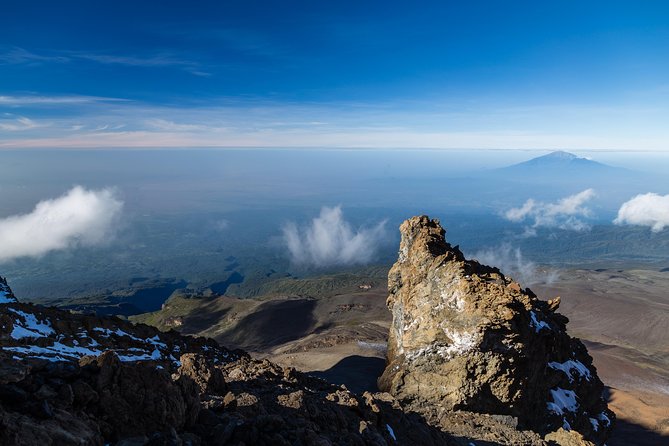
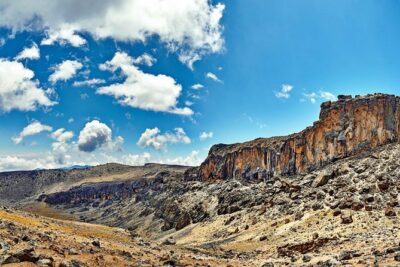
A short, steep climb takes you out of Moir Valley. After that, the route circles Kilimanjaro’s northern side with frequent rises and dips but no major sustained climb.
This seven-hour day is long, yet the pace should feel easier than the altitude suggests. By now, your body has had several chances to adjust. Keep drinking, eat even if your appetite fades, and protect your energy for the summit days ahead.
The trail runs close to the Kenya border, bringing views toward the Tsavo and Amboseli valleys. This side of Kilimanjaro feels much more remote than the familiar southern approach. The views are not guaranteed, since cloud and weather control what you see, but the northern route gives you a memorable view of the mountain’s less visited side.
Day 6: Third Cave Camp and the Rongai connection
You finish crossing the northern slope and spend the night at Third Cave Camp. Here, the Northern Circuit meets the traditional Rongai route.
The walk is shorter than the previous day, giving you a chance to recover. The schedule information lists a 14-hour stop duration, but the trekking itself is described as shorter than day five. Think of this as a transition and rest day, not a marathon.
The stated benefit is that your body should now be well adjusted to around 4,000 meters. That does not make the summit easy. It simply gives you a better platform for the final push.
Day 7: School Hut and the wait for summit night
The trail climbs to School Hut Summit Camp at 4,750 meters. The walking is not described as especially difficult, but the altitude makes every small effort count.
Your best job today is to arrive with strength left. Walk slowly, drink often, keep your clothing organized, and rest once you reach camp. Avoid strenuous activity and try to sleep before the midnight start.
School Hut is high enough that sleep may be poor. That is normal for many climbers, but you should still report concerning symptoms to your guide. The crew’s medical checks and monitoring are valuable here, when the difference between ordinary discomfort and a serious problem can be hard to judge.
Day 8: Uhuru Peak, the descent to Millennium Camp
The summit attempt begins around midnight. One guide is assigned to every two climbers, with the main task of watching health and pace on the way to Uhuru Peak.
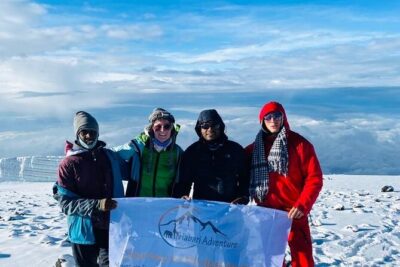
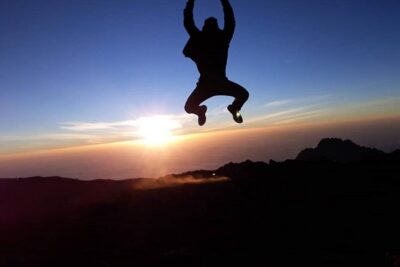
The climb is technically straightforward, but high altitude makes it hard. At 5,895 meters, Uhuru Peak is not a casual viewpoint. You will need patience, warm layers, steady breathing, and a willingness to follow your guide’s instructions.
After reaching the summit, you may have the option to walk on the nearest glacier. That choice depends on your condition, the weather, and the guide’s safety judgment. Do not let an optional extra steal energy from the descent.
The group descends to Barafu Camp for a two-hour lunch and rest break, then continues to Millennium Camp at 3,820 meters. The descent deserves full attention. Loose ground, tired legs, damaged toes, and falls are real risks, especially after the emotional high of summiting. Short steps and trekking poles can help.
Day 9: Mweka Gate and a well-earned shower
Millennium Camp sits in tropical rainforest, and the lower altitude should make sleep easier. After a hot breakfast, you descend to Mweka Gate at 1,650 meters.
This final section is not just a walk out. It is a chance to thank the guides, porters, cooks, and camp staff who carried equipment, prepared meals, set up tents, and helped keep the expedition moving.
After leaving the park, you go to the company office for accomplishment certificates, then return to Aishi Machame Hotel. This is the point when a hot shower, clean clothes, and a quiet bed become more valuable than any postcard view.
Food, tents, transport, and the people behind the climb
The $4,010 cost covers much more than a guide walking beside you. It includes park fees, all ground transport, airport pickup and drop-off, two hotel nights, tents, dining equipment, meals, drinks, and a professional support crew.
You sleep two people per North Face VE-25 tent. A group dining tent comes with sleeping pads, tables, chairs, crockery, and cutlery. Tea, coffee, juices, soda, and other drinks are included on the mountain.
Three meals are served each day, with vegetarian, vegan, lactose-free, gluten-free, halal, and other meal plans available. The food is meant to be tasty and energy-rich, which matters when your body is working hard and appetite can become unreliable.
The crew includes certified guides, porters, camp masters, and cooks. Names that appear in the supplied trip material include guides such as Albert, Khatib, Ally, Joseph, Bosco, Osman, Stanley, Osward, Justin, Honesti, Joel Munuo, Regan David Lyimo, and Frank Daudi Mbise. Your own team will depend on the departure, so do not book based on receiving a particular guide.
The most important practical point is to respect the crew. Tips are not included and are optional, based on your satisfaction, but porters and support staff do much of the work that makes a climb possible.
Safety and the real cost of the trip
The medical preparation is one of the stronger parts of this package. You receive health checks, and the team carries medical kits, oxygen tanks, and altimeters. The guides are certified Wilderness First Responders, and summit-night supervision is particularly close.
That does not remove the risks of altitude. You still need mountaineering insurance covering trekking up to 6,000 meters, which is highly recommended and not included. You also need to bring or hire your own hiking clothes, boots, sleeping bag, and other personal equipment.
The price looks high beside shorter Kilimanjaro routes, but the comparison is not simply eight days versus five. You are paying for extra acclimatization days, a private group, a large support system, park charges, hotel stays, transport, food, safety equipment, and a route with less foot traffic.
You should also budget for international flights, a Tanzanian visa, insurance, personal gear, tips, and hotel meals before and after the climb. Those extras can change the final cost considerably.
Who should choose this route?
I would choose the Northern Circuit if you value quiet trails, gradual acclimatization, and a longer wilderness experience. It suits fit hikers who are willing to walk patiently rather than chase a quick summit.
It is also a good match for a private group that wants its own schedule and support team. Group discounts may be available, and only your group participates in the activity.
I would not choose it if your main goal is the shortest or cheapest route up Kilimanjaro. Eight mountain days can be tiring, and the remote northern section may feel slow if you prefer a faster-moving trip.
Confirmation is provided at booking, pickup is offered, and mobile tickets are available. Free cancellation applies if you cancel at least 24 hours before the local start time. After that point, the amount paid is not refunded.
Should you book the Altezza Northern Circuit climb?
Book it if the route itself matters to you, not just the summit photo. The Northern Circuit gives you time, space, changing views, and a more measured approach to altitude. The included medical support and full camp operation add real value to the price.
Before paying, ask for the current equipment list, exact group arrangements, insurance requirements, and expected tipping guidance. If you have moderate fitness, can handle long days, and want a quieter route with a strong support structure, this is a sensible Kilimanjaro choice. If you want a quick climb, choose a shorter itinerary instead.
FAQ
How long is the full Kilimanjaro experience?
The full trip lasts approximately 10 days. It includes arrival and hotel time, eight days on the Northern Circuit climb, the descent, and the final hotel night before airport transfer.
What is included in the $4,010 price?
The price includes two hotel nights at Aishi Machame Hotel, ground transportation, park fees, airport pickup and drop-off, certified guides, porters, cooks, tents, group camping equipment, meals, drinks, medical kits, health checks, oxygen tanks, and altimeters.
Are flights and visas included?
No. The cost of getting to Tanzania and the visa fee are not included. Hotel lunch and dinner before and after the trek are also excluded.
Do I need special insurance?
Mountaineering insurance is not included and is highly recommended. It should cover trekking up to 6,000 meters, or 19,685 feet.
Can I hire personal hiking equipment?
Personal equipment such as hiking clothing, boots, and a sleeping bag is not included. The supplied information states that equipment is available for hire.
What meal plans are available?
Three meals are provided each day. Vegetarian, vegan, lactose-free, gluten-free, halal, and other meal plans are available.
Can I cancel for a full refund?
Yes, if you cancel at least 24 hours before the experience start time. Cancellations or changes made less than 24 hours before the local start time are not accepted for a refund.
Newly listed around Moshi & Kilimanjaro
- Climb Mount Kilimanjaro: 7 Days Machame Route★ 5.0 · 3 reviews
- 6 Days Mount Kilimanjaro Climbing via Rongai Route★ 5.0 · 3 reviews
- Explore 1 day Ngorongoro Crater Budget Group Safari from Arusha★ 5.0 · 3 reviews
- Mt. Kilimanjaro Day Hiking★ 5.0 · 3 reviews
- Chemka (Kikuletwa) Hot Springs, Tanzania★ 5.0 · 3 reviews
- Guided City tour of Moshi★ 4.3 · 3 reviews
- 8 Day Tanzania Family Safari★ 5.0 · 3 reviews
- Serengeti Safari with Sirikwa Travel★ 5.0 · 3 reviews
Kilimanjaro Climbs, compared.
Browse the lists this tour appears in