
Reviewed · SERENGETI & NGORONGORO SAFARIS
6 Day Group Camping Safari Tarangire Serengeti Ngorongoro Manyara
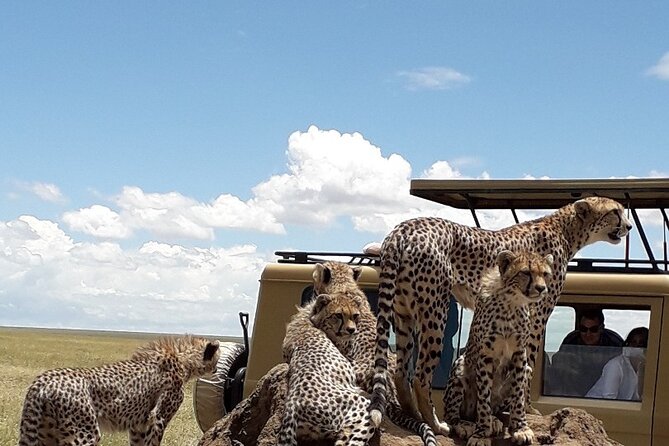
The great appeal here is the sheer variety packed into six days: elephant country in Tarangire, predator-filled Serengeti plains, the wildlife bowl of Ngorongoro Crater, and bird-rich Lake Manyara. I like that camping gear, park fees, meals, and bottled water are included, so the $1,370 price covers the costly parts of a northern Tanzania safari.
I also like the small maximum of six people and the chance to have a private guide who can explain the animals and local ecosystem as you go. The main consideration is the pace: you spend long hours on rough park roads and move between several areas, with basic campsites rather than lodges.
Key points to know before booking
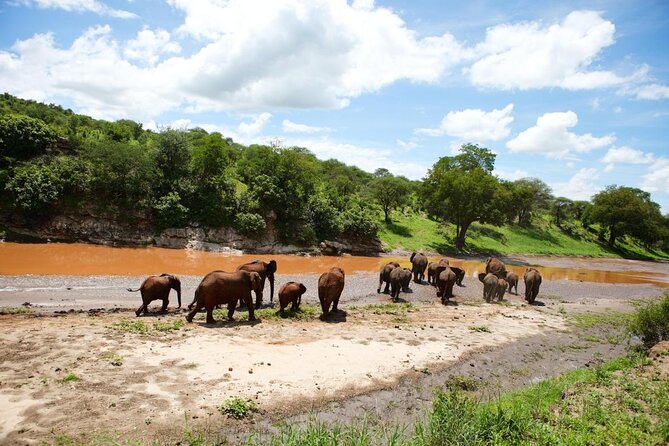
- Four major wildlife areas in six days: Tarangire, Serengeti, Ngorongoro, and Lake Manyara each offer a different safari setting.
- Camping keeps the price in check: Equipment, six breakfasts, six lunches, five dinners, park fees, taxes, and bottled water are included.
- A strong guide matters: Magic Mike is specifically praised for sharp animal-spotting, including more than 30 lions in one day.
- The Serengeti receives two full safari periods: Day two includes game drives en route, and day three is set aside for a longer visit.
- Ngorongoro gives you Big Five potential: The crater is visited by vehicle on day five, with a picnic lunch included.
- Pack light and soft: You are asked to bring a duffle bag, not a hard suitcase.
Why this six-day route works for a budget safari
At $1,370 per person, this is not a bare-bones trip where you pay extra at every gate. The price includes game drives, an English-speaking guide, all fees and taxes, bottled water, six breakfasts, six lunches, and five dinners. That matters in Tanzania, where park charges and transport can quickly make a safari more expensive than the headline rate suggests.
The savings come mainly from camping. You should expect practical campsites such as Kizumba, Seronera, and Simba rather than a private room with a full hotel bathroom. The itinerary gives you overnight stops near the parks, but it does not describe tent style, bathroom arrangements, or camp facilities, so ask Avocet Tanzania Safaris for those details before paying.
The group limit is six people, which is small enough to keep the vehicle from feeling crowded. The experience is also described as a private tour with a private guide, so confirm exactly how that works for your booking. A small shared vehicle and a fully private vehicle are different arrangements, especially when you want to stop for a long look at a lion or spend extra time watching elephants.
You can cancel for a full refund up to 24 hours before the start time. Changes or cancellations inside that 24-hour window are not accepted for a refund.
More Safaris in Arusha
- Balloon Safari & Bush Breakfast in Serengeti – Miracle Experience
★ 5.0 · 1,646 reviews - 4 Days Group Camping Safari
★ 5.0 · 1,101 reviews - 5 Days Group Camping Safari
★ 5.0 · 730 reviews
Day one: Tarangire’s elephants and baobab country
Your safari begins at 8:30 a.m. with the drive from Arusha to Tarangire National Park. The park sits slightly away from the main northern safari route, and that helps give it a quieter feel than some of the better-known stops.
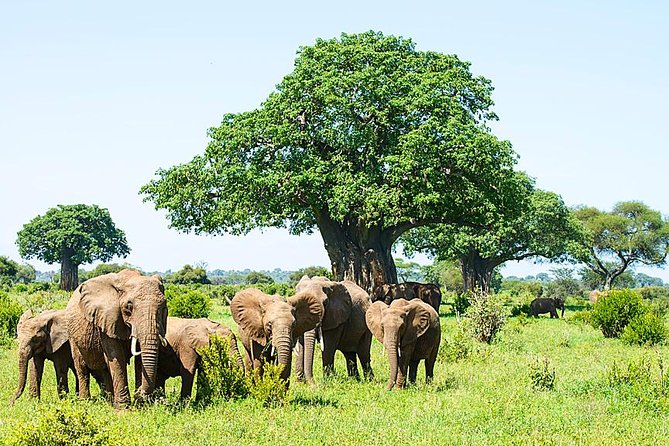
Tarangire is especially good for elephants, birds, and a more relaxed first day. The park is known for seasonal elephant movement, so the number and location of animals can change. You may also find giraffes, zebras, buffalo, and other common safari species during the game drive, although no wildlife sighting can be promised.
A picnic lunch comes with the day’s drive. You have roughly seven hours assigned to the park and transfer, then leave in the late afternoon for Kizumba Campsite near Manyara. Dinner and overnight camping follow on a full-board basis.
This is a useful opening day because Tarangire gives you a taste of safari without immediately sending you into the longest Serengeti transfer. The drawback is that the drive from Arusha and the park visit occupy most of the day, so you should not expect a slow morning in town or a late arrival at camp.
Day two: The long road toward the Serengeti
After breakfast, you set out for Serengeti National Park with a picnic lunch. The drive includes game viewing en route, and the full day is listed at about eight hours.
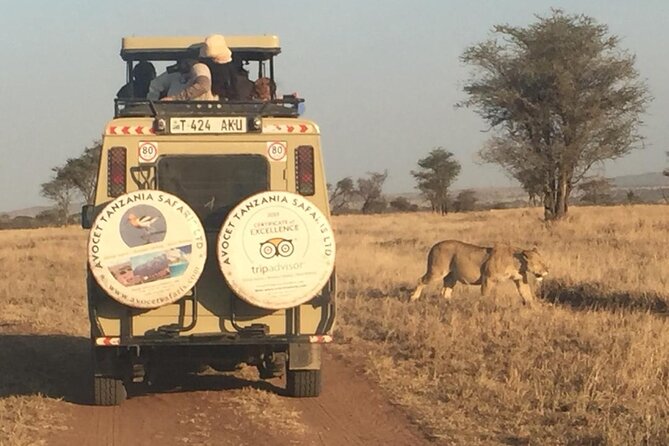
The Serengeti is the main event for many people. Its open grasslands support large herds of grazing animals and attract major predators, including lions. The area is also linked with the Great Migration, involving roughly two million grazers, but the migration’s exact location depends on the time of year. This trip can introduce you to that famous ecosystem, but it does not promise a particular migration crossing or seasonal event.
Your destination is Seronera Campsite, in the central Serengeti area. Dinner and overnight camping are included. Because this is a long transfer day, the game drive may feel more like a moving introduction than a full, unhurried exploration of the park.
That is one reason day three matters so much. You get another full Serengeti day instead of seeing the park only through the vehicle windows during a transfer.
Day three: A full day in the central Serengeti
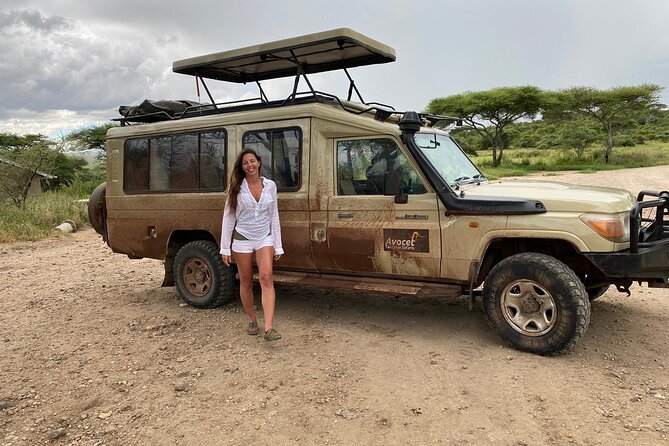
Day three is the most flexible wildlife day on the schedule. You can return to camp for a hot lunch and some rest before an afternoon drive, or carry a picnic lunch and spend the full day out.
I like having that choice. A hot lunch and a break can make sense after several days of early starts and long drives. If your priority is maximizing time among the animals, the picnic option gives you more hours in the park.
Your English-speaking guide is central to the quality of this day. A guide who can spot movement in grass or a distant shape under a tree can change what you see. One guide connected with this experience, Magic Mike, received especially strong praise for his sharp eyes, with more than 30 lions spotted in one day. That is an impressive account, but sightings still depend on animal behavior, weather, and timing.
Expect another night at Seronera Campsite. Two nights in the same camp are welcome here because you avoid packing up for another move after every drive. Still, this remains a camping safari, so you should be comfortable with simple overnight arrangements and a schedule shaped by park roads.
More Serengeti and Ngorongoro itineraries:
- 3 Days Serengeti & Ngorongoro Group Camping Safari
★ 5.0 · 574 reviews - 5-Day Highlights mid-Range Crater, Serengeti, Tarangire
★ 5.0 · 296 reviews - 3-Day Classic Serengeti Safari
★ 5.0 · 263 reviews - Private 6-Day Tarangire Manyara Crater and Serengeti with Mid-Range Lodges
★ 5.0 · 238 reviews
Day four: Leaving the Serengeti for Ngorongoro
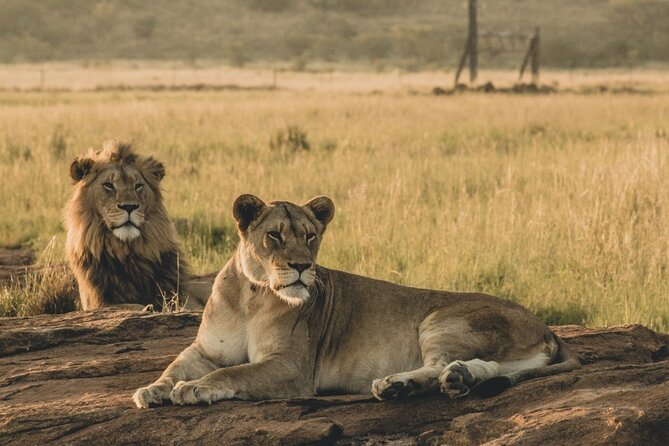
After breakfast, you continue from the Serengeti toward the Ngorongoro Conservation Area. Game viewing takes place along the way, with a picnic lunch packed for the route.
The day is listed at about seven hours and ends at Simba Campsite on the Ngorongoro Crater Rim. The overnight position is practical: you are near the crater for the early start on day five.
This transfer gives you one last chance to see animals in the Serengeti before the trip changes setting. It also makes clear that this safari covers a lot of ground. If you want several quiet days in one park, a shorter route focused on the Serengeti may suit you better. If you want to sample the leading parks of northern Tanzania in one trip, this route earns its long driving days.
The Serengeti and Ngorongoro Conservation Area are both UNESCO World Heritage sites, adding cultural and natural importance to the route. The trip also offers a chance to see Maasai communities, but a visit to a Maasai cultural village is not included in the price.
Day five: Descending into Ngorongoro Crater
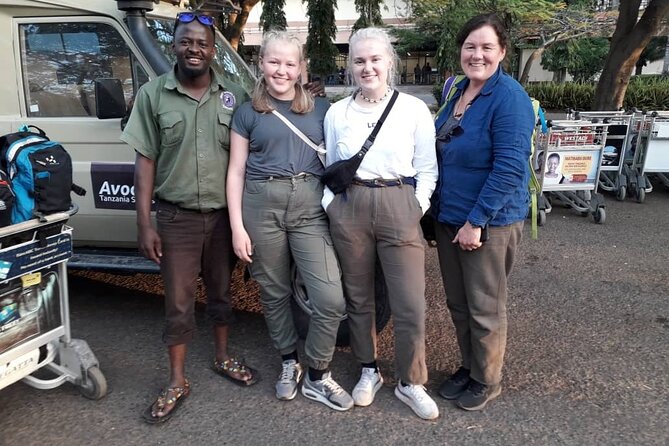
After breakfast, you descend into Ngorongoro Crater for a game drive with a picnic lunch. The crater is a dramatic enclosed setting and one of the strongest places in East Africa for the possibility of seeing the Big Five: lion, leopard, elephant, rhino, and buffalo.
The crater’s compact setting can make animal viewing feel concentrated, but you should not treat the Big Five claim as a promise. Wildlife is free to move, and the experience depends on the day’s conditions. The visit is listed at about eight hours, including the crater drive and the later transfer.
In addition to wildlife, the Ngorongoro area connects the safari to Maasai culture. A cultural village visit costs extra or requires separate arrangements, since it is specifically excluded from the program. If that encounter is important to you, ask about the price and schedule before departure rather than expecting it to happen automatically.
Late in the afternoon, you ascend from the crater and return to Kizumba Campsite for dinner and the night. It is another full day, but the crater stop is the kind of centerpiece that can justify the early mornings and long road transfers.
Day six: Birds, elephants, and Lake Manyara
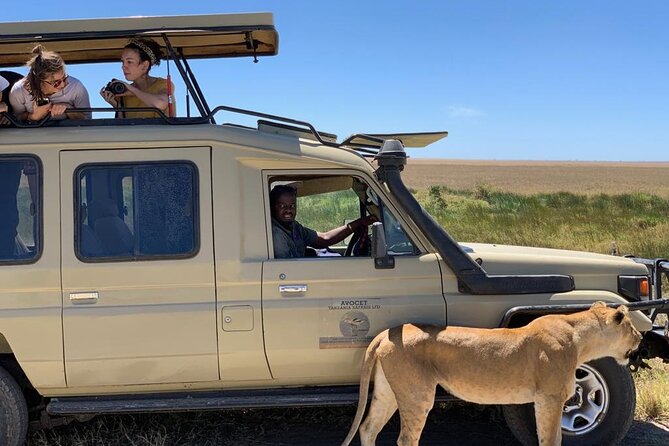
The final morning takes you to Lake Manyara National Park for a game drive and picnic lunch. This is a smaller park than the Serengeti and Tarangire, but it adds a different finish to the trip.
Lake Manyara is particularly useful for bird-watching and may offer elephant sightings. It is also associated with the possibility of seeing tree-climbing lions. Those lions are a famous feature of the park, but the wording matters: you have the potential to see them, not a guarantee.
After the afternoon drive, you return to Arusha and the safari ends. The day is listed at about eight hours, so plan onward travel carefully. The program does not state a specific drop-off time, and the drive from the park can take a substantial part of the day.
Finishing at Manyara makes the route feel varied, but it also means your final day is not a short transfer. Avoid booking a tightly timed flight or another fixed activity unless Avocet confirms your arrival time.
What is included, and what will cost extra
The inclusions cover the core safari costs:
- Game drives listed in the six-day plan
- English-speaking safari guides
- Park fees and taxes
- Camping equipment
- Bottled water
- Six breakfasts
- Six lunches
- Five dinners
International and domestic flights are not included. You also pay separately for visas, travel insurance, personal accident insurance, drinks, laundry, telephone calls, tips, gratuities, and activities not listed in the program.
The Maasai cultural village visit is also excluded. That is worth noting because the Ngorongoro portion may make you interested in learning more about the local community, but it is not part of the standard price.
The meals included are substantial in number, though the details of menus and dietary arrangements are not provided. If you have food restrictions, contact the operator before departure and get clear confirmation.
Camping, luggage, and the daily rhythm
This safari is designed for people who want wildlife first and comfort second. You change camps during the route, and several days run for seven or eight hours. Early starts, picnic lunches, dusty roads, and basic camps are part of the deal.
Bring a duffle bag rather than a suitcase. That is especially practical for loading safari vehicles and moving between camps. The information supplied does not give a weight limit for the road safari, but it does state that domestic flights allow only 15 kilograms per person, including hand luggage, if you add internal flights to your wider Tanzania plans.
Carry your passport or identification card if you take an internal flight. You may also be asked to show a Yellow Fever vaccination certificate on arrival in Tanzania. Visa rules can change, so double-check the current requirement before you go, even though tourist visas may be obtained at entry points.
The tour begins at 8:30 a.m. in Arusha, with pickup offered. It is near public transportation, and confirmation is provided at booking.
Who will get the most from this safari
I would choose this trip if you want the classic northern Tanzania parks in one affordable package and you are happy to trade lodge comfort for extra time in the bush. It suits first-time safari visitors who want elephants, lions, giraffes, zebras, hippos, buffalo, birds, and the possibility of the Big Five without arranging each park separately.
It also suits people who value a guide’s eye. Magic Mike is a name worth asking about if you want to request a particular guide, though availability is not stated. The small group limit is another plus for anyone who wants a more personal vehicle experience.
I would think twice if you dislike long drives, need a private bathroom every night, or want a slow, luxurious safari. The route covers four parks and two UNESCO sites in six days, so it is efficient rather than leisurely.
Should you book this camping safari?
Book it if your priority is maximum park variety for the money. The included fees, meals, water, equipment, and guide make $1,370 a reasonable package price for a six-day route through some of Tanzania’s best-known wildlife areas.
Before booking, ask three practical questions: Is the vehicle fully private or shared with up to six people, what camping facilities are provided, and can you request Magic Mike? If the answers suit you, Avocet Tanzania Safaris offers a strong budget route with real time in the Serengeti and a proper Ngorongoro Crater visit.
FAQ
How long is the safari?
The safari lasts approximately six days, beginning in Arusha and ending with a return to Arusha on day six.
What time does the safari start?
The stated start time is 8:30 a.m.
Which parks and protected areas are included?
The route includes Tarangire National Park, Serengeti National Park, the Ngorongoro Conservation Area and Crater, and Lake Manyara National Park.
Is camping equipment included?
Yes. Camping equipment is included in the tour price.
Are meals included?
Yes. The package includes six breakfasts, six lunches, and five dinners. Picnic lunches are used during several game-drive days.
Is a guide included?
Yes. English-speaking guides are available for the safari, and the tour is described as including a private guide.
How many people can join the tour?
The activity has a maximum of six travelers.
What luggage should I bring?
You should bring a duffle bag rather than a suitcase. If you take a domestic flight as part of your wider plans, baggage is limited to 15 kilograms per person, including hand luggage.
Is a Maasai cultural village visit included?
No. A visit to a Maasai cultural village is not included and must be arranged separately if available.
More six day trips in Arusha
- Tanzania Wildlife Encounters – 6 Days
★ 5.0 · 277 reviews - 6 Days Private Budget Safari
★ 5.0 · 163 reviews - Tanzania Enticing Explorations – 6 Days
★ 5.0 · 106 reviews - 6 days Tanzania budget safari
★ 5.0 · 65 reviews
More camping safaris in Arusha
- 2 Days Tarangire and Ngorongoro Group Camping Safari
★ 5.0 · 146 reviews - 6 Days Tanzania Budget Camping Safari
★ 5.0 · 145 reviews - 3 Day Serengeti National Park & Ngorongoro Crater Camping Safari
★ 5.0 · 142 reviews - 3 Days Tarangire, Ngorongoro & Lake Manyara Group Camping Safari
★ 5.0 · 102 reviews
Newly listed around Arusha
- 5-Day Private Safari Tour in Tanzania’s Wildlife★ 5.0 · 3 reviews
- 3 Days private safari Tarangire ,Ngorongroro crater &Manyara★ 5.0 · 3 reviews
- 3 Day Sharing Safari – Manyara, Ngorongoro Crater and Tarangire National Parks★ 5.0 · 3 reviews
- Tarangire National Park Day Trip★ 5.0 · 3 reviews
- 2 Days Tarangire and Ngorongoro Crater Tour★ 5.0 · 3 reviews
- 6 -Day Tarangire, Manyara, Serengeti & Ngorongoro★ 5.0 · 3 reviews
- 5 Days Group Camping Safari★ 4.7 · 3 reviews
- Private 4×4 Vitara Safari in Arusha National Park★ 5.0 · 3 reviews
Serengeti & Ngorongoro Safaris, compared.


Balloon Safari & Bush Breakfast in Serengeti – Miracle Experience
Read our review →




Private 6-Day Tarangire Manyara Crater and Serengeti with Mid-Range Lodges
Read our review →
5 Days Camping Tarangire, Serengeti & Ngorongoro crater & Visiting Maasai
Read our review →Browse the lists this tour appears in