
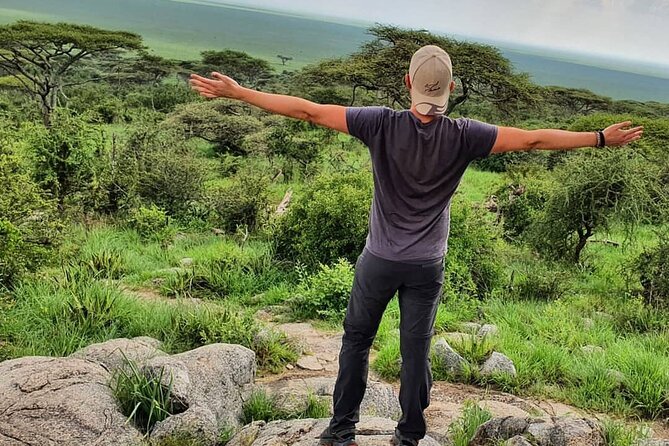
Reviewed · ARUSHA TOURS
6 days Tanzania budget safari
The best part of this six-day Tanzania safari is the range packed into one trip: elephant country in Tarangire, sunset in the Serengeti, the wildlife-filled floor of Ngorongoro Crater, and bird-rich Lake Manyara. You sleep in camps, eat meals prepared on the road, and spend long days in a four-wheel-drive jeep rather than being rushed from one park to the next.
I like the six-person jeep limit, which keeps the price sensible without turning the vehicle into a crowded bus. I also like the camping setup and included meals, since you get a wilder experience without having to carry tents or cooking gear. The main catch is the pace: several days run eight to twelve hours, and camping suits you best if you are happy with early starts, basic facilities, and long drives.
Key points to know before booking
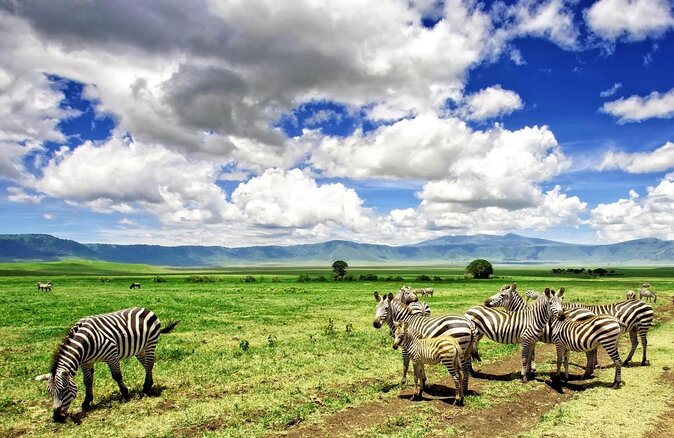
- Four major wildlife areas: Tarangire, Serengeti, Ngorongoro Crater, and Lake Manyara all appear in one six-day route.
- Small group format: The jeep holds no more than six clients, a useful balance between company and personal space.
- Six nights of camping: Equipment is supplied, so you get an adventurous trip without bringing a full camping kit.
- Strong big-five potential: Lions, leopards, elephants, buffaloes, and rhinos are all possible, though no safari can promise every sighting.
- Long game-drive days: The schedule includes days of about 9, 10, and 12 hours, with early departures and late returns.
- Extra Maasai village visit: This optional stop costs $20 and gives you a chance to learn about Maasai culture.
Why this route works so well in six days
Tanzania has no shortage of safari parks, but this route gives you a useful first look at the northern circuit without spending every night in one place. Tarangire offers a gentle start, the Serengeti gets the most time, Ngorongoro brings dense animal viewing, and Lake Manyara finishes the trip with birds, hippos, monkeys, and the chance of tree-climbing lions.
That variety matters. You are not relying on one park or one type of habitat to make the trip worthwhile. If one day is quiet, another may bring a different setting and better luck.
The itinerary is also built around camping. That keeps the cost at $2,500 per person lower than many lodge-based safaris, while letting you stay close to the parks. You will not get the polish of a luxury lodge, but you do get more time in the wild and a stronger sense of the route itself.
The operator supplies camping equipment and includes breakfast, lunch, and dinner for all six days. That makes budgeting easier. Tips are not included, so keep that separate from the advertised price.
More Safaris in Arusha
- Balloon Safari & Bush Breakfast in Serengeti – Miracle Experience
★ 5.0 · 1,646 reviews - 4 Days Group Camping Safari
★ 5.0 · 1,101 reviews - 5 Days Group Camping Safari
★ 5.0 · 730 reviews
Day 1: Tarangire and the first close wildlife encounters
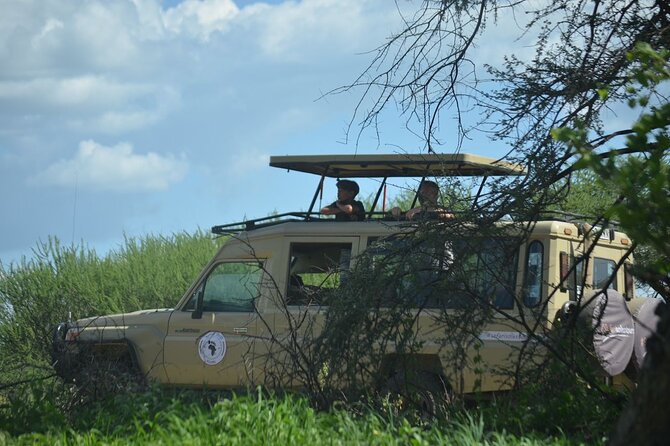
Your safari begins with a drive from Arusha to Tarangire National Park, followed by a full-day game drive. The schedule allows roughly nine hours for this part of the trip, which gives your guide time to search for both predators and grazing animals.
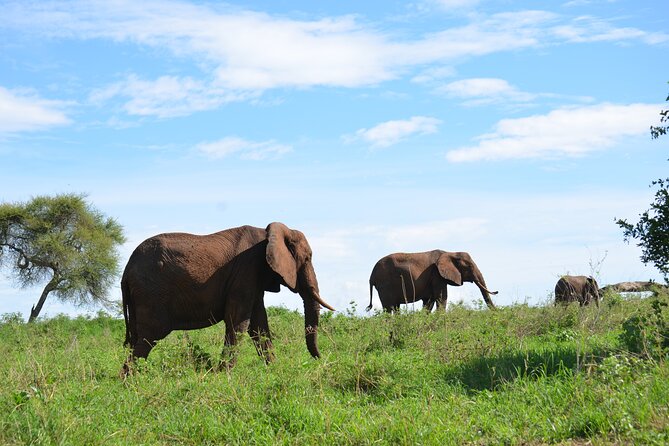
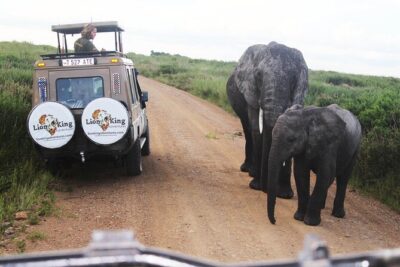
Tarangire is a good opening park because you may see plenty of elephants, wildebeest, buffaloes, zebras, and gazelles. Lions, cheetahs, and leopards are also possible. The appeal is not simply the number of species. You are learning how a safari works: watching animal movement, scanning open ground, and relying on the guide to decide when a sighting deserves more time.
A full day in the jeep can feel tiring on the first morning, especially after arriving in Tanzania. Still, this is a better use of time than a short introductory drive followed by an early camp arrival. Bring water, sun protection, and a camera that you can use without constantly standing up or changing seats.
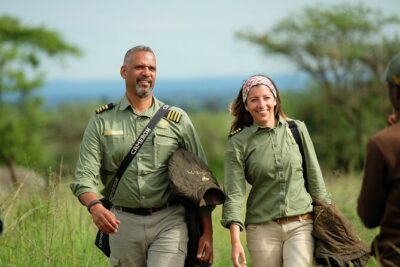
Your guide is one of the biggest factors here. Safari Soles has used guides including Ernest, Estommy, Elias, Oscar, Freddy, Isack, Abduly, and others. Assignments can change, but the guide’s skill at reading animal movement and communicating with other drivers will shape what you see.
Day 2: Ngorongoro views, Maasai culture, and the Serengeti sunset
The second day combines a viewpoint over Ngorongoro Crater with an optional Maasai village visit before you continue toward the Serengeti. The crater viewpoint lasts about 30 minutes, but it is not filler. From above, the crater’s enormous bowl gives you a clear sense of why animals are often easier to spot on its floor.
The view is a quick stop, so do not expect a long walk or extended visit. It is best treated as a visual introduction before your later crater drive.
The Maasai village visit is optional and costs $20. It offers a chance to learn about Maasai customs, including warrior traditions, hunting history, and the community’s relationship with cattle. Some older traditions have changed, so approach the stop as a cultural visit rather than a staged promise of seeing ancient practices exactly as they once were.
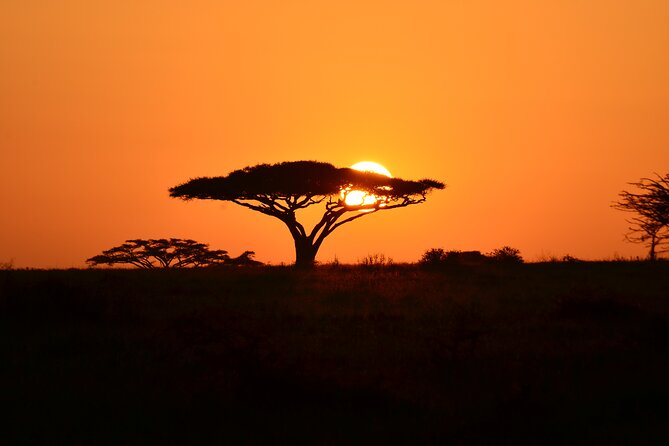
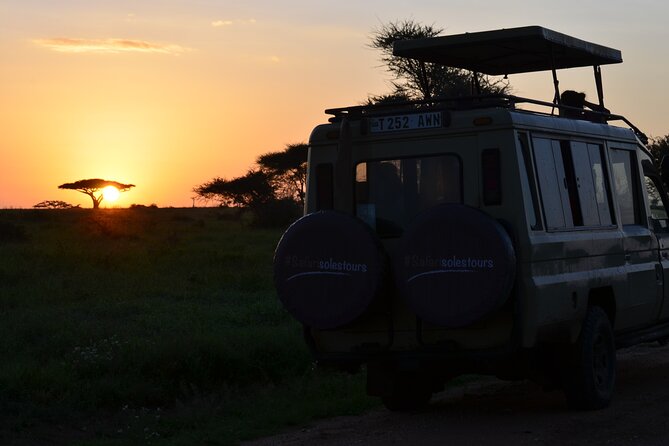
After this, you continue to the Serengeti and reach the Seronera area in the afternoon. The central Serengeti is a strong base for wildlife viewing, and the plan gives you a game drive into the late evening. This is one of the most memorable parts of the route because you may watch the light change over the plains while animals remain active.
The sunset stop is not a separate luxury experience. It is part of a working game-drive day, so you should expect the vehicle, animals, and timing to shape the moment. That is part of the charm. You might be watching the sky turn orange while your guide is also keeping an eye on nearby wildlife.
You then head to the Seronera campsite. Hyenas may be seen around camp, and active rangers provide protection. Even so, follow camp instructions carefully. This is a wild setting, not a hotel courtyard.
Day 3: A full Serengeti day beyond Seronera
Day 3 gives you about 12 hours for a full-day game drive. Your guide decides where to go based on animal movement, so the exact route is flexible rather than fixed.
That flexibility is valuable in the Serengeti. A fixed sightseeing circuit can waste time if animals have moved, while a guide who responds to current sightings can take you toward better chances. You may leave the central Seronera area and search farther parts of the park.
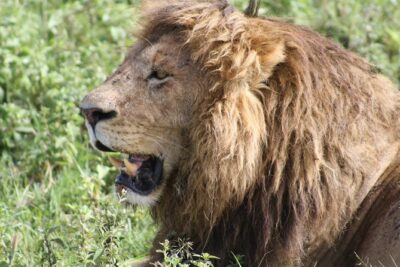
This is likely to be the day when the safari feels most like a true wildlife expedition. You have time to wait near a pride of lions, follow a line of elephants, or search carefully for a leopard. Cheetahs and other predators are possible, but sightings depend on luck, season, and the guide’s judgment.
The tradeoff is the length. Twelve hours in a safari vehicle is a lot, even when the scenery and wildlife are excellent. If you need frequent rest breaks or dislike long periods of sitting, discuss that before booking. If you can handle the pace, this is the day that gives your safari real depth.
A strong guide can also make the day more rewarding by explaining animal behavior and the ecosystem. Past trips have been led by guides such as Estommy, Elias, Oscar, and Freddy, who were praised for finding animals, driving well, and making an effort to locate the Big Five. You should still treat those names as examples, not a guarantee of who will lead your departure.
A change of scene while you are in Arusha:
- Tanzania Classic – 7 Days
★ 5.0 · 1,151 reviews - Materuni Waterfalls, coffee tour & Kikuletwa Hot Springs
★ 5.0 · 643 reviews - 3 Days Serengeti & Ngorongoro Group Camping Safari
★ 5.0 · 574 reviews - 7-Day Premium Luxury Tanzania Safari All-Inclusive
★ 5.0 · 426 reviews
Day 4: An early drive and the Serengeti exit
After an early breakfast, you return to the park for a morning game drive. The goal is to catch animals when they are active, then return to camp for lunch before beginning the drive out of the Serengeti.
This day is a useful contrast to Day 3. Instead of spending every available hour far from camp, you get an early wildlife session, a midday break, and another drive as you leave the park. The schedule allows about ten hours overall.
The exit drive is not dead time. Animals can appear near roads and camp areas, and the itinerary specifically notes that you might see wildlife around campsites. Hyenas are possible, and you should stay alert even during routine transfers.
You finish at Simba campsite. Camping in these settings is a practical choice, not a soft adventure holiday. You get the equipment and meals, but you should expect basic camp life and a schedule shaped by park access and daylight.
Day 5: Descending into Ngorongoro Crater
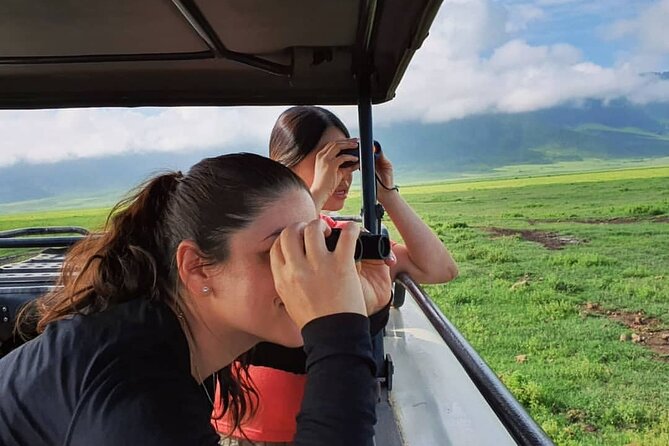
Day 5 begins with an early breakfast and a descent into Ngorongoro Crater. The crater floor is one of the strongest wildlife sections of the trip because the enclosed setting can make animals easier to locate than on wide-open plains.
The main target is the black rhino, one of the hardest animals to spot in the crater. You may also see a broad mix of wildlife during the drive, but the rhino search requires patience and a sharp eye. Do not judge the day only by whether you find one animal. The crater is valuable because several species can be seen in a relatively concentrated area.
The plan allows about eight hours for the crater visit, including lunch, a further game drive, and the ascent. You then continue to Sun Bright campsite to relax.
This is another early and full day, but it is also one of the more efficient parts of the itinerary. You are not simply looking at the crater from above. You are going down onto the floor, spending time there, and returning to camp the same day.
The route description places Ngorongoro on both Day 2 and Day 5, but the activities are different. Day 2 is the viewpoint and optional village visit before the Serengeti. Day 5 is the actual crater descent and game drive. That distinction is worth confirming when you book, especially if you want a precise understanding of drive times and camp locations.
Day 6: Lake Manyara, flamingos, and a final wildlife search
The final morning takes you to Lake Manyara National Park after breakfast. The game drive lasts about eight hours and focuses heavily on birdlife, including the famous flamingos on the lake.
Lake Manyara adds a different feel to the safari. You might see hippos at the pool, monkeys in the trees, buffaloes, wildebeest, warthogs, vultures, and eagles. Tree-climbing lions are another possibility, though the word possible matters here. They are not guaranteed, and animal behavior cannot be scheduled.
This final park is a good choice for variety. After several days of big-game searching, the birdlife and hippo viewing give you something else to watch. The hot spring is also included as part of the drive.
Because this is the last day, fatigue may be a factor. You will already have completed several long drives and early starts. Still, ending with an eight-hour park visit is better for wildlife value than using the morning only for a transfer.
Camping, food, and the small-jeep setup
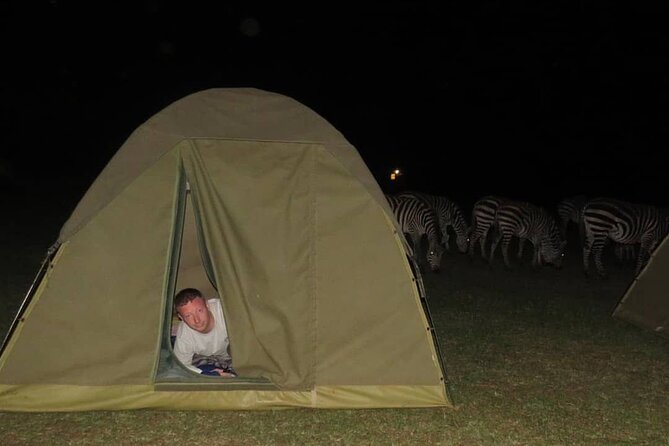
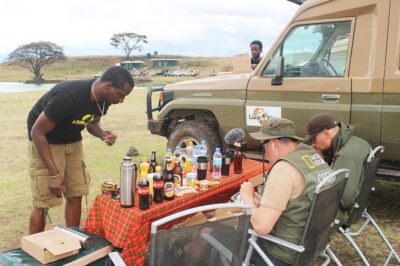
The camping arrangement is the heart of the budget value. You receive the equipment, so you do not need to pack a tent or cooking kit. Breakfast, lunch, and dinner are included throughout the six days, which removes a large amount of daily planning.
Food quality can make a major difference on a camping safari. The operator has used cooks including Ibrahim, Dennis, and Action. Action was especially praised for preparing meals that felt closer to restaurant food than basic camp fare. That does not turn the trip into a lodge holiday, but it does make long days easier.
The maximum of six clients per jeep is another strong point. A full vehicle can still feel social, but six gives you a better chance of seeing out the sides and discussing sightings without the cramped feel of a larger group.
You should clarify the exact sleeping setup before departure if that matters to you. The supplied details confirm camping equipment, campsites, and included meals, but they do not specify tent size, bathrooms, showers, bedding, or whether a private tent is available. Those are practical questions worth asking the operator directly.
What $2,500 buys you
At $2,500 per person, this is not a cheap weekend outing. It is a six-day safari with park access, camping gear, three meals a day, transportation through four major wildlife areas, and a small group capped at six.
The value is strongest if you want maximum park time without paying for high-end lodges. You are paying for access to Tarangire, the Serengeti, Ngorongoro Crater, and Lake Manyara in one organized route. You are also paying for a guide who can handle driving, wildlife searches, and the day-to-day movement between camps.
The price is less attractive if you want short drives, private accommodation, or a relaxed schedule. This trip is designed around coverage and wildlife opportunity. The long Serengeti days are a feature for an animal-focused visitor, but a burden for anyone who prefers slow mornings and comfortable hotel time.
Group discounts are offered, and pickup is available. A mobile ticket is also provided. Confirmation is received at booking, and most people can participate, but the tour requires good weather and a minimum number of participants. If the minimum is not reached, the operator offers another date or experience, or a full refund.
Cancellation is flexible up to 24 hours before the start time for a full refund. Changes or cancellations made inside that 24-hour window are not accepted or refunded.
Who will enjoy this safari most
I would choose this trip if you want to see the northern Tanzania circuit in one concentrated journey and you are comfortable trading lodge comfort for time in the parks. It suits first-time safari visitors, couples, families who can manage long days, and anyone who wants a social group rather than a private vehicle.
It is especially good for wildlife photographers and animal fans because the schedule includes a full Serengeti day and several long drives. The small vehicle limit improves your odds of having a clear view, though you should still expect to share the best sightings with your group.
I would hesitate if you dislike camping, need a predictable timetable, or find eight to twelve hours in a vehicle too demanding. I would also ask detailed questions about accommodation before paying, since the available information confirms equipment and campsites but not every comfort detail.
Should you book the six-day Tanzania safari?
Book it if your priority is wildlife, variety, and value. The combination of Tarangire, two substantial Serengeti sections, Ngorongoro Crater, and Lake Manyara gives you a broad safari experience, while the six-person jeep keeps the group manageable.
The strongest reasons to go are the full Serengeti day, the chance of seeing big cats and the Big Five, the sunset drive, included meals, and the supplied camping equipment. The biggest warning is the pace. This is an active camping safari with early breakfasts, long road days, and basic camp life.
Before booking, confirm the guide assignment, sleeping arrangements, exact pickup details, and how the day-by-day camp plan will work. If those points suit you, this is a sensible way to experience Tanzania’s best-known parks without moving into luxury-safari prices.
FAQ
How long is the safari?
The experience lasts approximately six days.
Where does the safari begin?
The tour is based in Arusha, Tanzania, and pickup is offered.
How many people can share one jeep?
The maximum is six clients per jeep.
Which national parks are included?
The route includes Tarangire National Park, Serengeti National Park, Ngorongoro Crater, and Lake Manyara National Park.
Is camping equipment provided?
Yes. Camping equipment is included.
Are meals included?
Yes. Breakfast, lunch, and dinner are included for all six days.
Is the Maasai village visit included in the price?
No. The visit is optional and has a $20 entrance fee.
Can I see the Big Five?
The safari offers good chances of seeing lions, leopards, elephants, buffaloes, and rhinos, but sightings cannot be guaranteed.
Is the Serengeti sunset part of the itinerary?
Yes. On Day 2, you do an afternoon and late-evening game drive in the Seronera area, with the chance to see the Serengeti sunset.
What happens if the safari is canceled because of weather or low numbers?
If poor weather or an insufficient minimum number of participants causes cancellation, you are offered a different date or experience, or a full refund.
More six day trips in Arusha
- Tanzania Wildlife Encounters – 6 Days
★ 5.0 · 277 reviews - Private 6-Day Tarangire Manyara Crater and Serengeti with Mid-Range Lodges
★ 5.0 · 238 reviews - 6 Days Private Budget Safari
★ 5.0 · 163 reviews - 6 Days Tanzania Budget Camping Safari
★ 5.0 · 145 reviews
Newly listed around Arusha
- 5-Day Private Safari Tour in Tanzania’s Wildlife★ 5.0 · 3 reviews
- 3 Days private safari Tarangire ,Ngorongroro crater &Manyara★ 5.0 · 3 reviews
- 3 Day Sharing Safari – Manyara, Ngorongoro Crater and Tarangire National Parks★ 5.0 · 3 reviews
- Tarangire National Park Day Trip★ 5.0 · 3 reviews
- 2 Days Tarangire and Ngorongoro Crater Tour★ 5.0 · 3 reviews
- 6 -Day Tarangire, Manyara, Serengeti & Ngorongoro★ 5.0 · 3 reviews
- 5 Days Group Camping Safari★ 4.7 · 3 reviews
- 7-Day Mt. Kilimanjaro Hiking: Machame Route★ 5.0 · 3 reviews
Arusha Tours, compared.
Balloon Safari & Bush Breakfast in Serengeti – Miracle Experience
Read our review →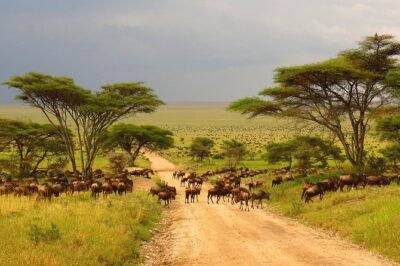
Browse the lists this tour appears in