
Reviewed · SERENGETI & NGORONGORO SAFARIS
2 Days Group Joining Camping Safari Tarangire Park and Ngorongoro Crater
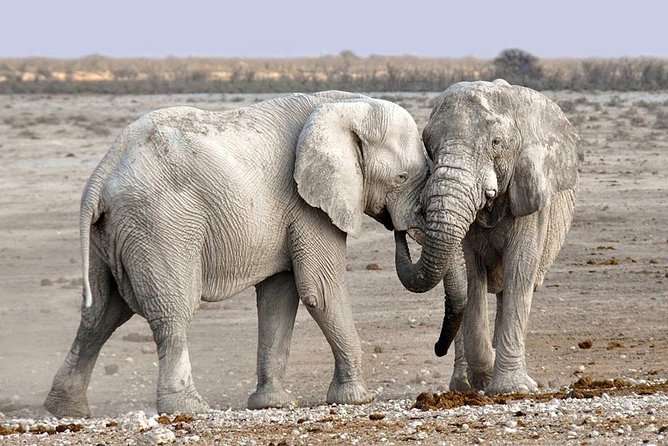
Tarangire’s elephants and baobab trees make a strong opening act, while Ngorongoro Crater gives you a second chance at big wildlife in a compact setting. In only two days, you get two of northern Tanzania’s major safari areas, with a professional guide, open-roof 4×4, meals, water, camping equipment, and park costs built into the $500 price.
I like the maximum group size of seven, which keeps the vehicle more personal than a large shared safari. I also like the tidy plan: drive, picnic lunch, game viewing, camp dinner, then a crater safari the next morning. The trade-off is a long, tightly packed schedule, and you should allow extra patience for the return transfer, since one past drop-off ran more than two hours late.
Key details at a glance
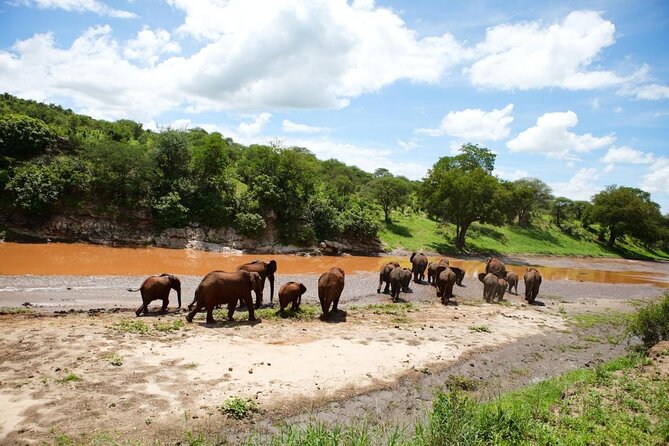
- Elephants and baobabs at Tarangire: Your first park is especially well suited to looking for elephants, with famous baobab trees adding a memorable backdrop.
- Ngorongoro in one morning: The crater is a compact wildlife area, useful when your time in Tanzania is short.
- Small shared group: The vehicle holds no more than seven people, giving you a better chance of a window and a clear view.
- Camping at Kizumba Campsite: Your overnight stay keeps the price down and places the safari firmly in the outdoors.
- Most major costs are included: Meals, water, park fees, accommodation, camping gear, guide service, and game drives are covered.
- A full two-day commitment: Expect roughly seven hours of touring on each day, plus the road journeys between Arusha and the parks.
Why this two-day route works
This safari is built for people who want a real taste of Tanzania but cannot give up a week. You visit Tarangire on the first day and Ngorongoro Crater on the second, then return to Arusha at about 3 p.m. The plan is efficient, but it is not leisurely.
That distinction matters. You will spend much of the first day on the road and in the park, then rise for another long day of driving and wildlife watching. Still, the route covers two very different settings. Tarangire is known for elephants and baobabs, while Ngorongoro offers a concentrated crater floor where many animals can be found within a relatively small area.
I see the value in this combination. A two-day safari cannot cover every famous park in northern Tanzania, but this pairing gives you variety without requiring extra hotel nights or a separate transfer plan. It is a good choice for a first safari, a short stop in Arusha, or a longer Tanzania trip where you are adding a quick wildlife section before moving on.
The published score is 4.4 out of 5 from 28 ratings, which suggests a generally strong experience with some room for improvement. Communication before the trip received especially warm praise, while the main problem reported was the return transfer. That is a useful pattern to keep in mind: the safari itself appears to be the heart of the trip, but the final handoff deserves attention.
More Safaris in Arusha
- Balloon Safari & Bush Breakfast in Serengeti – Miracle Experience
★ 5.0 · 1,646 reviews - 4 Days Group Camping Safari
★ 5.0 · 1,101 reviews - 5 Days Group Camping Safari
★ 5.0 · 730 reviews
Day 1: Tarangire’s elephants and baobab trees
The day begins with an 8:30 a.m. start in Arusha. You drive toward Tarangire National Park, then spend the main part of the day on a game drive with a packed picnic lunch.
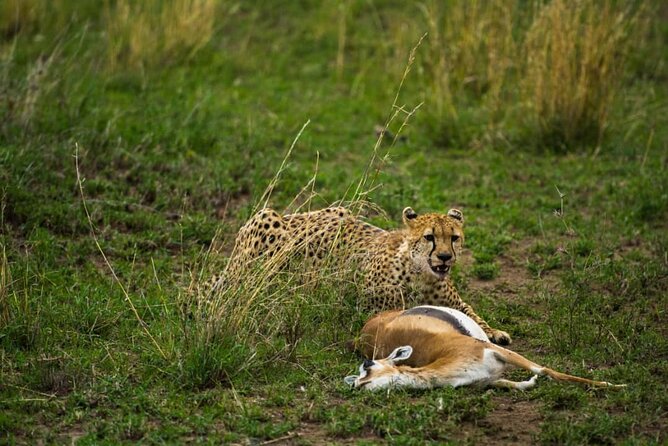
Tarangire is a sensible first stop because it offers a clear visual change from town. The park is particularly associated with elephants, so your guide will look for herds and other native wildlife as you move through the park. Sightings can never be promised, but the park gives you a strong chance to see elephants and a range of other animals.
The baobab trees are another reason this park earns its place on a short safari. Their thick trunks and unusual shapes give the drive a distinct look, and they make the scenery feel different from the crater experience that follows. If you enjoy photography, these trees are useful subjects even during a quiet wildlife spell.
The first day is listed at about seven hours, though that figure includes the park portion rather than making the road journey feel short. You should expect a full day with little spare time. The picnic lunch keeps you in the park instead of sending you back to a lodge or restaurant, which is helpful for maximizing game-drive time.
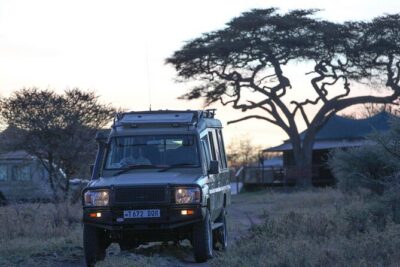
A shared 4×4 with an open roof and windows on all sides is a major part of the experience. You get a better view than you would through a standard closed vehicle, and the open roof makes it easier to look up at trees and watch animals from different angles. Each seat is described as having a window view, though the most convenient position can still depend on the group and how people rotate or settle into the vehicle.
After the afternoon drive, you leave Tarangire for dinner and an overnight stay at Kizumba Campsite. Camping gear is included, so you do not need to bring a full camp kit. The overnight is on a full-board basis, with dinner provided after the day in the park.
This is practical rather than luxurious accommodation. You are paying for access to the parks and the safari vehicle, not for a private lodge room. If you like the idea of hearing the night around a campsite and keeping the trip simple, it fits well. If you need more comfort after a seven-hour day, ask yourself that question before booking, since the overnight style is central to the price.
Day 2: Into Ngorongoro Crater
After breakfast, you drive toward Ngorongoro and descend into the crater for another game drive. A picnic lunch is supplied, so the schedule stays focused on the crater rather than on a long restaurant stop.
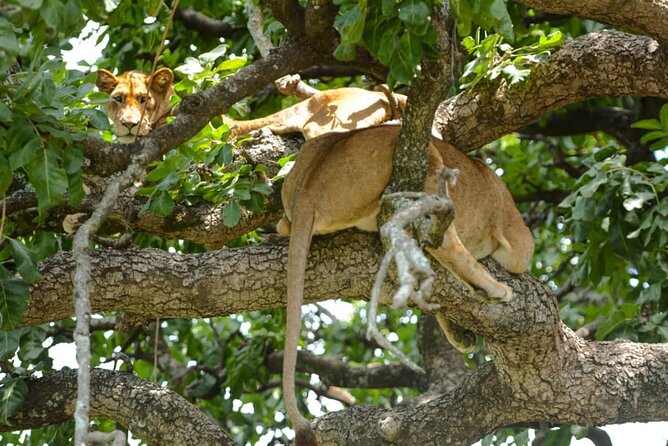
Ngorongoro Crater is a natural caldera with a dense concentration of wildlife. Its size makes it well suited to a short safari. You are not trying to cover a huge park in a few hours. Instead, you spend the day in one contained wildlife area, where you might find several species during the same drive.
That compact setting is the main reason Ngorongoro works so well for a time-limited trip. It does not guarantee every animal, and conditions can affect sightings, but the crater gives your guide a practical area to search. You should expect the drive to be busy in timing and wildlife focus, with a descent into the crater, game viewing, a picnic lunch, and an afternoon departure.
The crater also gives the two days a different feel. Tarangire’s appeal is tied strongly to its elephants and baobabs. Ngorongoro is about the enclosed crater floor and the high chance of finding wildlife in a concentrated zone. Visiting both prevents the safari from feeling like the same drive repeated twice.
The planned departure back to Arusha is at 3 p.m. That makes this an attractive option if you need to return to town the same day, but do not treat the timetable as a guarantee for a tight evening connection. Roads, park exits, vehicle issues, and transfer arrangements can affect the final arrival. One past return transfer was delayed by more than two hours, and the operator apologized for the driver’s handling of it.
For that reason, I would avoid booking an evening flight or an important onward connection immediately after the stated return time. The safari is more enjoyable when you leave some breathing room at the end.
What the $500 price really covers
At $500 per person, this is not a bare transport package. The price includes two days of game drives, all fees and taxes, a professional safari guide, accommodation, camping gear, mineral water, breakfast, dinner, and two lunches. The 4×4 vehicle also includes an open roof, all-window seating, and a socket for charging devices.
That bundle can make the price reasonable, especially if you would otherwise need to arrange park entry, vehicle hire, meals, campsite equipment, and a guide separately. The included water is a small but useful touch during long drives, and the charging socket helps if you use your phone or camera heavily.
The important value comes from the park access and vehicle. Tarangire and Ngorongoro are the reason to choose this trip, and the cost of getting into major parks can quickly add up when arranged independently. Here, those core costs are handled in one booking.
You should still budget for tips, since they are not included. The information supplied does not list other extras, so ask for clarification before departure if you have specific needs outside the stated plan. The advertised price is strongest for someone who wants an all-in shared safari rather than someone seeking private transport or high-end lodging.
More Serengeti and Ngorongoro itineraries:
- 3 Days Serengeti & Ngorongoro Group Camping Safari
★ 5.0 · 574 reviews - 5-Day Highlights mid-Range Crater, Serengeti, Tarangire
★ 5.0 · 296 reviews - 3-Day Classic Serengeti Safari
★ 5.0 · 263 reviews - Private 6-Day Tarangire Manyara Crater and Serengeti with Mid-Range Lodges
★ 5.0 · 238 reviews
The small-group vehicle and guide service
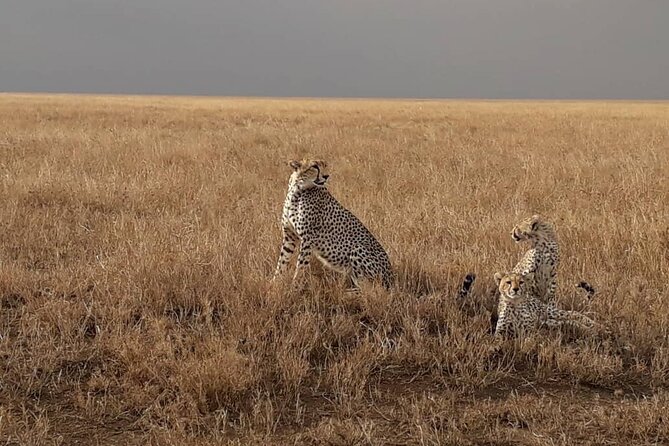
The group is capped at seven people. That is small enough to feel more personal, while still spreading the cost of the vehicle and guide across several passengers.
A small group also matters when animals appear. You have fewer people competing for the best sight line, and it is easier to hear the guide’s explanation or request a short pause. The vehicle has window seats throughout, which reduces the risk of being trapped in a poor viewing position.
You are not promised a private vehicle, though. The group format means you share the pace and decisions with other people. If someone wants to stay longer at a sighting or another person needs a break, the guide has to balance the group. That is a fair trade for keeping the cost at $500.
The guide service is described as professional, but no guide’s name is provided in the available details. Communication before arrival was a strong part of one highly positive account, with questions answered promptly from booking through hotel drop-off. That is encouraging if you like to confirm practical points in advance.
You can use the supplied contact before the trip to confirm the pickup point, camping arrangements, and return plan. This is especially useful because the experience begins at 8:30 a.m. and the final return transfer has not always run smoothly.
Meals, camping, and what to expect at night
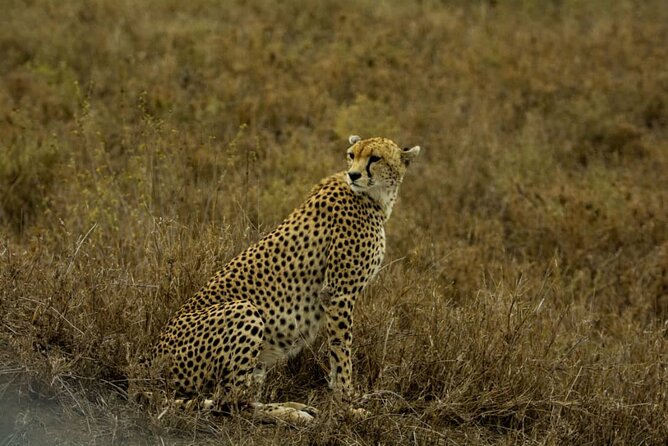
Meals are handled simply. You receive breakfast and dinner at the campsite, plus picnic lunches for both park days. This saves time and prevents the safari from depending on restaurants along the route.
The picnic lunches are also useful because you stay near the game drive instead of leaving the park for a midday meal. Do not expect a long lunch break to reset the day. The meal is part of a fast-moving schedule.
Kizumba Campsite is the overnight base. Accommodation and camping equipment are included, which is helpful if you are not carrying camping supplies. The details do not specify tent style, bathroom arrangements, or the exact bedding provided, so you should ask those questions if they affect your comfort.
I would pack light but bring personal basics suited to an outdoor night. The supplied information confirms camping gear, but it does not promise personal toiletries, specialty food, or extra comfort items. If you have dietary restrictions, confirm them before departure rather than assuming the picnic meals can be changed.
Timing, transfers, and the real pace
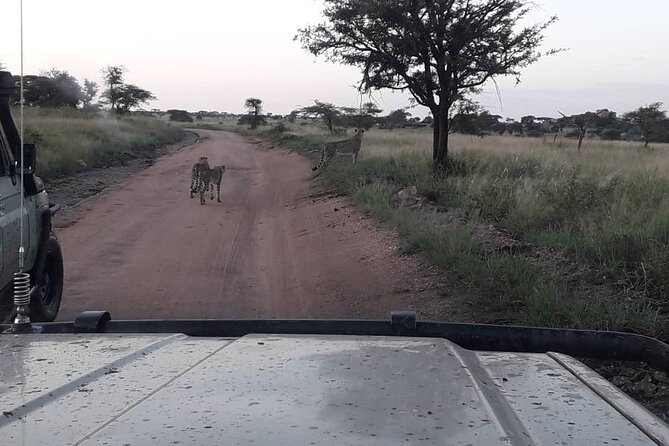
The 8:30 a.m. start is reasonable, but the two days are still demanding. Day one includes the drive from Arusha, Tarangire’s game drive, a picnic lunch, the afternoon exit, and the journey to camp. Day two begins after breakfast, continues through the crater, and ends with a drive back to Arusha.
This is a good schedule for a short visit, not for a slow safari. You will have limited time to linger at camp, and the long road sections are part of the deal. The reward is that you avoid adding another night and still reach two major parks.
Pickup is offered, and the activity begins in Arusha. The supplied information does not give a detailed list of pickup hotels or a fixed drop-off time beyond the planned 3 p.m. departure from Ngorongoro. Confirm those details before the start, particularly if you are staying outside central Arusha.
The operator provides a mobile ticket and booking confirmation at the time of reservation. Free cancellation is available up to 24 hours before the start time for a full refund. A minimum number of participants is required, and if that minimum is not reached, you are offered another date or experience, or a full refund.
Who should book this safari
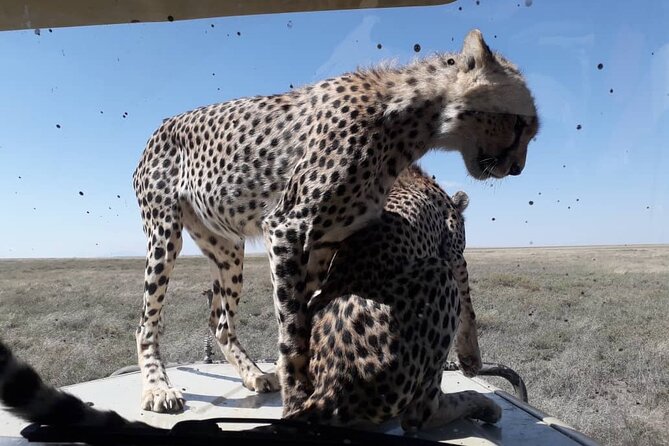
I would choose this trip if you have only two days, want to see wildlife without arranging several separate services, and are comfortable sharing a vehicle. It also suits people who see camping as part of the adventure rather than as a compromise.
The route is useful for first-time safari visitors because it gives you two distinct park settings in a short period. It is also a practical add-on to a wider Tanzania itinerary based in Arusha.
I would hesitate if you want a private vehicle, a relaxed timetable, or lodge accommodation. The long driving days and campsite overnight require some flexibility. I would also be cautious about using this trip before a fixed evening departure, because the return transfer has previously been late.
Should you book the Tarangire and Ngorongoro trip?
Book it if your priority is maximum safari value in two days. Tarangire’s elephants and baobabs, Ngorongoro’s concentrated wildlife, a seven-person limit, and included meals and park costs create a strong short itinerary for $500.
Skip it if comfort and schedule control matter more than coverage. The trip is compact, shared, and camping-based, and the return to Arusha may not follow the stated timing perfectly. For the right person, though, this is a sensible way to get two major Tanzanian safari areas without turning a short holiday into a complicated planning project.
FAQ
Where does the safari begin?
The safari begins in Arusha, Tanzania, with a stated start time of 8:30 a.m. Pickup is offered.
How long does the experience last?
The safari lasts approximately two days. Day one is listed at about seven hours, and day two is also listed at about seven hours.
Which parks are included?
The route includes Tarangire National Park on day one and Ngorongoro Crater on day two.
How many people can join the group?
The activity has a maximum of seven travelers.
Is accommodation included?
Yes. The overnight stay is included and takes place at Kizumba Campsite. Camping gear is also included.
Are meals included?
Yes. Breakfast, dinner, and two picnic lunches are included.
Is transportation included?
Yes. The safari includes game driving in a 4×4 vehicle with an open roof and windows on all sides. Pickup is offered.
Are park fees and taxes included?
Yes. All fees and taxes are included, along with game drives, mineral water, and a professional safari guide.
What is the cancellation policy?
You can cancel at least 24 hours before the start time for a full refund. Changes or cancellations made less than 24 hours before the start time are not accepted for a refund.
More two day trips in Arusha
- 2 days Mid Range Safari in Ngorongoro and Tarangire Big 5 Parks
★ 5.0 · 27 reviews - 2 Days Joined Group Tarangire and Ngorongoro Crater National Park
★ 4.5 · 17 reviews - 2 Day Safari Tarangire and Ngorongoro Crater
★ 5.0 · 16 reviews - 7 Day Kilimanjaro Climb Lemosho Route & 2 Day Safari
★ 5.0 · 16 reviews
More camping safaris in Arusha
- 2 Days Tarangire and Ngorongoro Group Camping Safari
★ 5.0 · 146 reviews - 6 Days Tanzania Budget Camping Safari
★ 5.0 · 145 reviews - 3 Day Serengeti National Park & Ngorongoro Crater Camping Safari
★ 5.0 · 142 reviews - 3 Days Tarangire, Ngorongoro & Lake Manyara Group Camping Safari
★ 5.0 · 102 reviews
Newly listed around Arusha
- 5-Day Private Safari Tour in Tanzania’s Wildlife★ 5.0 · 3 reviews
- 3 Days private safari Tarangire ,Ngorongroro crater &Manyara★ 5.0 · 3 reviews
- 3 Day Sharing Safari – Manyara, Ngorongoro Crater and Tarangire National Parks★ 5.0 · 3 reviews
- Tarangire National Park Day Trip★ 5.0 · 3 reviews
- 6 -Day Tarangire, Manyara, Serengeti & Ngorongoro★ 5.0 · 3 reviews
- 2 Days Tarangire and Ngorongoro Crater Tour★ 5.0 · 3 reviews
- 5 Days Group Camping Safari★ 4.7 · 3 reviews
- 7-Day Mt. Kilimanjaro Hiking: Machame Route★ 5.0 · 3 reviews
Serengeti & Ngorongoro Safaris, compared.
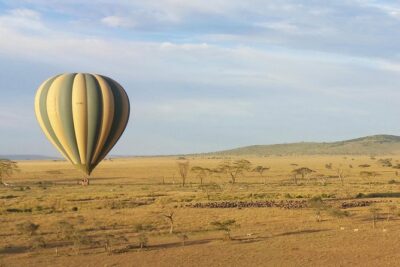
Balloon Safari & Bush Breakfast in Serengeti – Miracle Experience
Read our review →
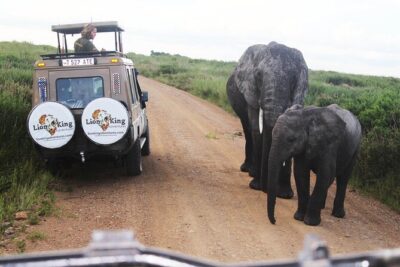


Private 6-Day Tarangire Manyara Crater and Serengeti with Mid-Range Lodges
Read our review →
5 Days Camping Tarangire, Serengeti & Ngorongoro crater & Visiting Maasai
Read our review →Browse the lists this tour appears in