

Reviewed · STONE TOWN TOURS
ZANZIBAR, Stone town tour, Prison Island & Spice farm
Zanzibar’s story comes together neatly on this day out: Stone Town’s old lanes, a spice farm, and a boat ride to Prison Island. You move from carved doors and sultans to cinnamon, cloves, coconuts, and giant tortoises. It is a useful first look at the island because each stop shows a different side of Zanzibar.
I like the private format, which gives your guide room to answer questions and adjust the day. I also like the hands-on spice visit, where you smell, touch, and taste crops rather than simply hearing a list of names. The main drawback is time: Stone Town can feel rushed, especially if you want to shop or explore every historic site.
Key points
- Stone Town’s carved doors and slave-market history: Walk through the UNESCO-listed old city with a guide who explains its Arab, Indian, Persian, African, and European influences.
- A true hands-on spice stop: Smell and taste cloves, vanilla, turmeric, cinnamon, cardamom, lemongrass, tropical fruit, and other farm crops.
- Prison Island by boat: Meet Seychelles Aldabra giant tortoises, including animals more than 100 years old, and learn about the island’s former prison use.
- Private touring with multilingual guides: English, German, Italian, French, and Spanish are offered. Guides named Hassan and Felix have received especially warm praise for their explanations and flexibility.
- Local lunch included: The farm visit ends with traditional Swahili food, using the spices you have just seen.
- Good coverage for $125: Hotel transfers, guide service, boat trips, entry tickets, taxes, and lunch are included, but Prison Island adds a $15 entrance fee.
Why this Zanzibar combination works
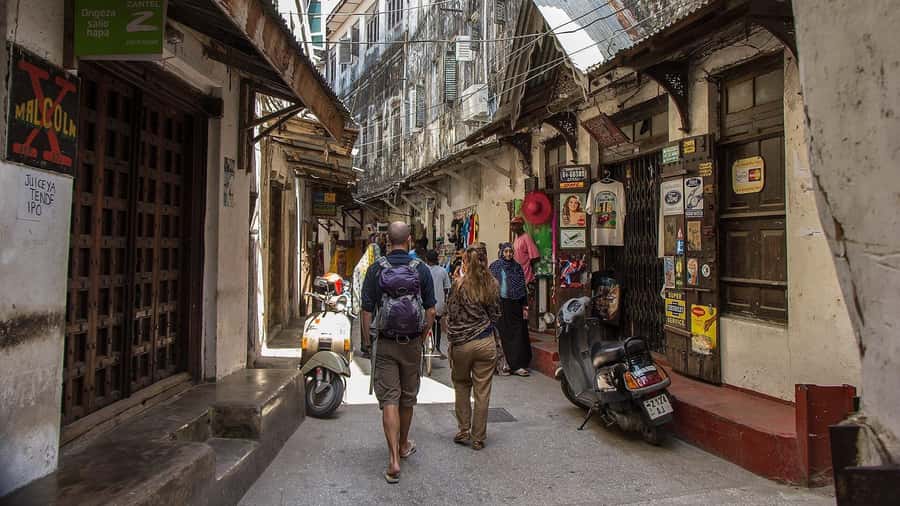
Many Zanzibar day tours give you one main theme. This one gives you three. Stone Town explains the island’s trading past, the spice farm connects that past to agriculture and food, and Prison Island adds a short sea trip with a memorable animal encounter.
I find that mix useful if you have limited time on Unguja. You do not need to arrange separate transport into town, find a boat operator, and locate a spice plantation yourself. The private group also matters. You can ask for more history, spend longer shopping, or make individual requests if the schedule allows.
The listed price is $125 per person. That is not the cheapest way to see Zanzibar, but it covers a lot: hotel pickup and return, a guide, boat transport, entry tickets listed in the package, government taxes, and lunch. You still need to budget another $15 for Prison Island, plus cash for optional purchases at the spice farm and anything you buy in Stone Town.
Pickup is offered from a wide spread of resort areas, including Nungwi, Kendwa, Kiwengwa, Paje, Bwejuu, Uroa, Pwani Mchangani, Stone Town, and both the north and south regions of Unguja. Since the tour lasts about seven hours, the farther you are from town, the more important it is to confirm your start time and allow for road transfers.
More Stone Town walks:
- Zanzibar: Stone Town, Spice Tour, Prison Island with Lunch
★ 4.4 · 1,219 reviews - Zanzibar: Prison Island, Stone Town, & Spice Farm Tour
★ 4.5 · 579 reviews - Zanzibar; Prison Island, Nakupenda, StoneTown Tour with BBQ
★ 4.3 · 457 reviews
Stone Town’s old lanes and carved doorways
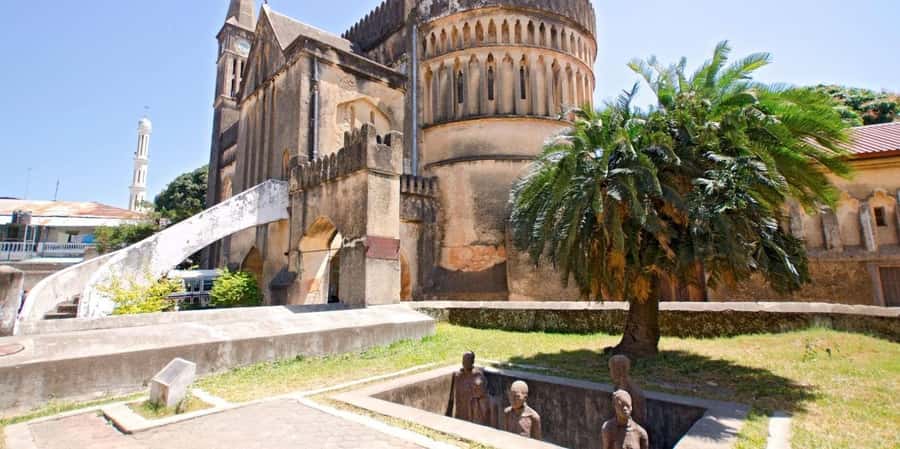
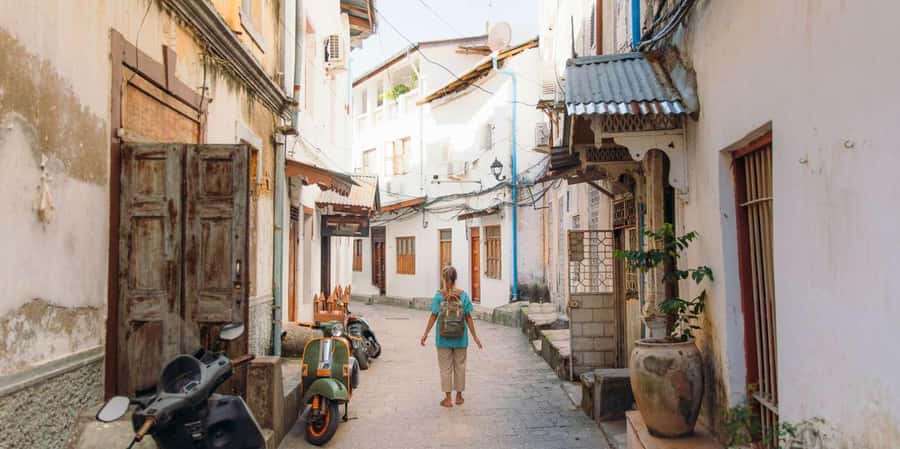
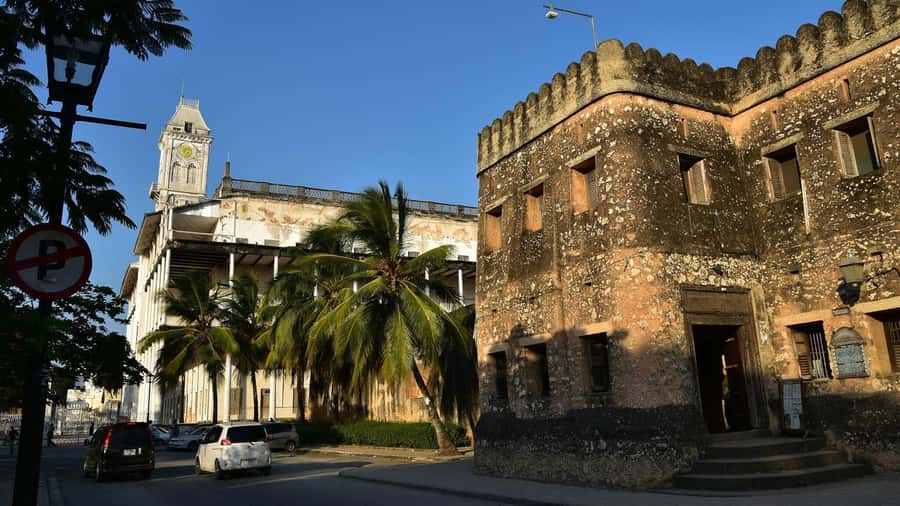
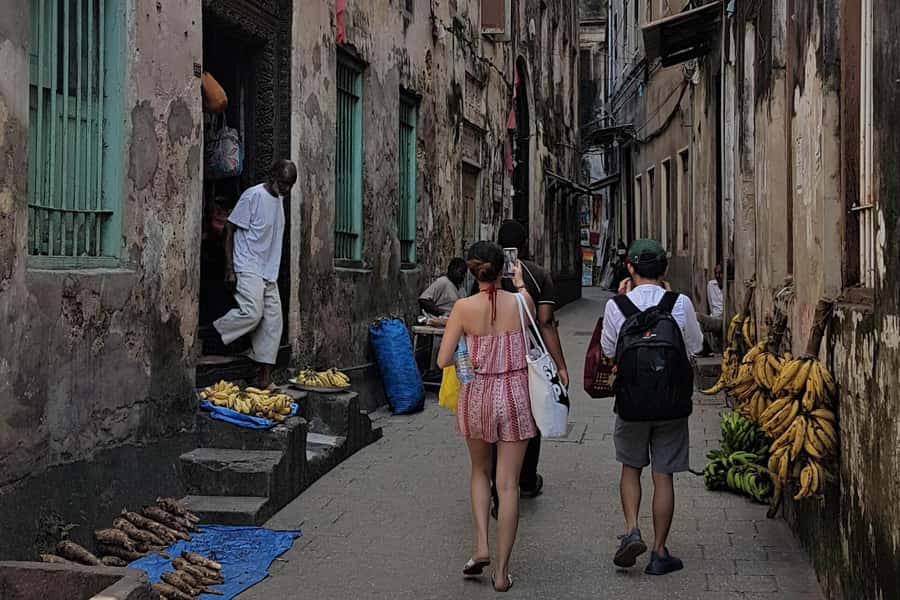
Your day begins with a walking tour of Stone Town, the oldest part of Zanzibar City. This is the portion where a guide adds real value. The streets are narrow and easy to lose yourself in, and the important details are often above eye level or tucked behind plain walls.
Look for Zanzibari hardwood doors with careful carving and heavy brass studs. They reflect the island’s links with Indian merchants and the wider Indian Ocean trade. You will also pass old palaces, Arab mansions, the Sultan’s Palace area, daily markets, and colonial buildings.
The city became a UNESCO World Heritage site in 2000. That designation is useful context, but the best part of the walk is seeing how many cultures meet in a small area. Arabian, Indian, Persian, African, and European influences appear in architecture, food, religion, and trade history.
The tour also addresses Zanzibar’s role in the slave trade. This is not a light sightseeing stop, and it should not be treated as one. The former slave markets and related sites connect the city’s prosperity to human suffering. A good guide can help you understand that uncomfortable part of the past without reducing it to a quick photo stop.
You get around 2.6 hours for the Stone Town portion, including guided walking, sightseeing, a break, free time, and possible shopping. That sounds generous, but the city offers more than you can cover in one visit. If you already know you want to shop, tell your guide early so you do not spend the whole period on formal commentary.
There is one practical caution here. Some buildings may be under repair, and restoration can change what you see on the day. You may find a site partly screened or less photogenic than expected. The city is still worth walking, but keep your expectations focused on the streets, details, and stories rather than on seeing every interior in perfect condition.
A spice farm you can taste and smell
After Stone Town, you travel to a plantation for the spice portion of the day. Zanzibar earned its nickname Spice Island through crops such as cloves, nutmeg, and cinnamon, and the farm visit explains that reputation in a direct way.
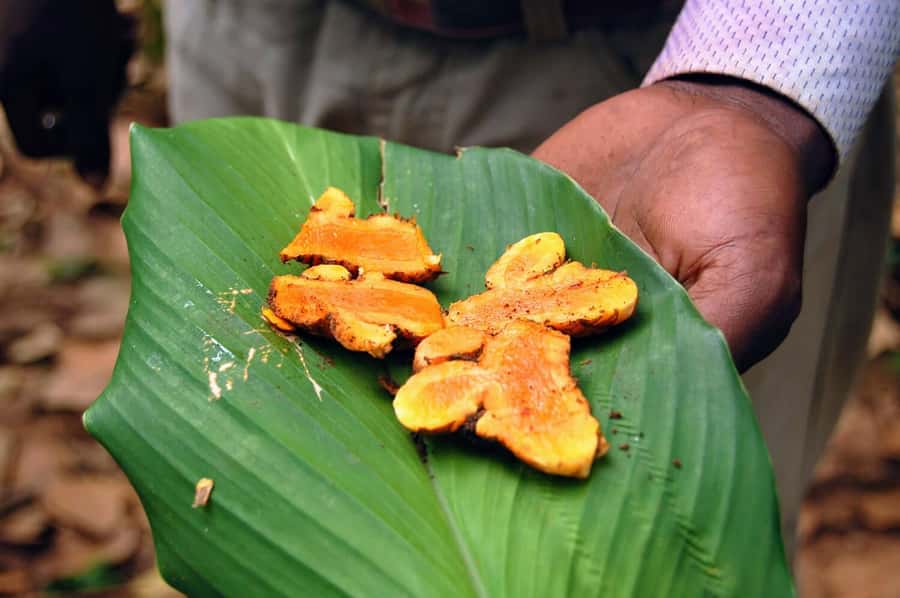
This is not just a garden walk. You can smell, touch, and taste selected crops while learning how they are grown and what people traditionally use them for. The list may include coconut, papaya, chili, black pepper, cinnamon, turmeric, vanilla, cardamom, cassava, cloves, and lemongrass.
That sensory approach makes the visit work well. A dried spice in a shop can seem anonymous, but a guide can connect it to a living plant and then to a meal. You might see how a familiar kitchen ingredient looks before processing, and you can compare the fresh scent with the packaged version you know at home.
The tour also gives historical background. Portuguese traders introduced spices and herbs to Zanzibar in the 16th century from colonies in South America and India. That detail helps explain why the island’s agriculture cannot be separated from maritime trade and colonial-era movement.
The farm visit includes a traditional Swahili lunch. This is one of the better inclusions in the package because it gives the spices a practical setting. Instead of only hearing that cinnamon, cloves, turmeric, or cardamom matter in local cooking, you can taste food prepared with that tradition in mind.
There may also be a coconut-climbing demonstration, referred to in the activity details as a Zanzibar butterfly or coconut climber. It adds a bit of showmanship to the farm stop and gives the visit a more local, physical character than a standard botanical tour.
You should expect some time for browsing and buying spices after the walk. You do not have to purchase anything, but bring cash if you want to take home cloves, vanilla, cinnamon, or spice blends. This is a good place to compare prices and packaging before buying similar products elsewhere.
The plantation segment is listed at about 3 hours and 20 minutes, including lunch, a safety briefing, a guided walk, free time, and photos. That is a substantial part of the day. If you prefer historic sites to food and agriculture, you may find the farm visit longer than necessary. If you like cooking, plants, and practical cultural experiences, it may become your favorite stop.
Prison Island and the giant tortoises
The boat trip to Prison Island, also called Changuu in Swahili, gives the day its sea-air break. The crossing from Stone Town is listed at roughly 30 minutes, followed by another boat transfer of about 33 minutes in the schedule. Exact timing can vary with the day’s route and conditions, so think of this as a meaningful part of the outing, not a quick taxi ride across the water.
Prison Island has a complicated name. It was used as a prison for rebellious slaves in the 1860s, and your guide explains that past while you walk around the island. The main attraction today is the sanctuary for giant tortoises imported from the Seychelles.
These are Aldabra giant tortoises. The largest animals can weigh around 200 kilograms, and they can live for more than 100 years. The sanctuary includes a tortoise reported to be about 200 years old. You can touch and feed the animals in the designated setting, which makes this more than a distant wildlife sighting.
I would treat the tortoise encounter as an animal sanctuary visit, not a wild-animal experience. The attraction is being close to these slow, enormous creatures and learning about their age and origin. Follow the guide’s instructions, avoid litter, and keep noise low.
The island also gives you time to enjoy the setting around the historic material. The boat ride and clear water create a change of pace after Stone Town’s tight streets and the farm’s earthy smells. Beachwear, sunglasses, and a camera are sensible items to pack, and cash is needed for the extra $15 Prison Island entrance fee.
The island stop is particularly good for families and anyone who wants a lighter finish after the slave-trade history in Stone Town. It may be less satisfying if you expect a long beach day or extensive ruins. The program is built around the crossing, tortoises, and the island’s past, not around hours of swimming.
More Prison Island trips:
- Zanzibar: Prison Island and Nakupenda Boat Trip with Lunch
★ 4.1 · 882 reviews - Zanzibar: Prison Island & Nakupenda Boat Tour with BBQ Lunch
★ 4.4 · 554 reviews - Zanzibar: Stone Town, Spice tour & Prison Island with Lunch
★ 4.6 · 453 reviews - Zanzibar: Prison Island & Nakupenda Sandbank Tour with Lunch
★ 4.2 · 265 reviews
Guides can shape the whole day
Because this is a private tour, the guide is central to the experience. The strongest guide feedback names Hassan and Felix. Hassan is described as friendly, flexible, and able to adapt the day when guests already know Stone Town and want something different. Felix is praised for speaking very good German and handling questions clearly.
That flexibility is worth using. Tell your guide if you want more time on architecture, more explanation of the slave trade, or less shopping. You can also ask questions about community life, not only dates and rulers. One useful strength of this experience is that the guiding can cover society and daily life as well as major historical events.
The offered languages are English, German, Italian, French, and Spanish. Confirm your preferred language when booking, especially if it is important for complex historical explanations.
Transport is by van and speedboat. Hotel pickup and drop-off are included, and you should wait in your hotel reception or lobby. The vehicle is reported as clean and well kept, and punctuality is presented as a priority, but Zanzibar roads and distances still make the day longer from some beach resorts.
What to pack and what to expect physically
Pack sunglasses, a camera, beachwear, and cash. Beachwear is useful for the boat and island portion, while comfortable shoes help on Stone Town’s narrow streets and the farm walk.
The operator does not recommend this experience for pregnant women, people with back or heart problems, wheelchair users, people with animal allergies, or people over 70. Those limits likely relate to the van rides, walking, boat transfers, uneven surfaces, and proximity to tortoises. If any of these concerns apply to you, ask before paying rather than assuming the private format solves the problem.
Alcohol and drugs, littering, excessive noise, and making fires are not allowed. The rules fit the island and sanctuary setting, but they also tell you what kind of day this is: active, guided, and structured rather than a party excursion.
The tour is listed as a seven-hour day trip. Its scheduled elements include a one-hour van transfer, boat crossings, around 2.6 hours in Stone Town, and more than three hours around the spice farm and lunch. Pickup and return times can therefore feel longer than the headline duration, particularly from northern resorts.
Is $125 a fair price?

For a private, full-day-style outing, $125 per person offers solid coverage. You are paying for the convenience of one booking that links three separate experiences, plus transport, boats, a guide, lunch, taxes, and stated entry tickets.
The extra $15 for Prison Island is the main cost to remember. Add spending money for spices and Stone Town shopping. The value is strongest if you want a guide and private transfers. If you only want to wander Stone Town or visit a spice farm, separate arrangements may cost less, but they will not provide the same combination in one day.
I would also judge value by your priorities. The tour is a good buy for a first visit, a short Zanzibar stay, or anyone who wants history, food, nature, and boat time together. It is less ideal for a specialist who wants a slow architectural study of Stone Town or a full day at the beach.
Should you book this Zanzibar day tour?
Book it if you want a broad, well-organized introduction to Unguja and prefer a private guide to handle the transport. You will see historic Stone Town, learn how spices connect to Zanzibar’s past, eat a local lunch, and meet unusually old tortoises on an offshore island.
Before booking, accept two limits: the $15 Prison Island fee is extra, and Stone Town may feel too fast if you want long shopping stops or detailed time inside every monument. Ask for your preferred language, confirm pickup from your resort, and tell the guide what matters most to you.
For most first-time visitors, this is a sensible use of seven hours. It gives you three distinct Zanzibar experiences without making you arrange each part yourself.
FAQ
How long is the Zanzibar Stone Town, Prison Island, and spice farm tour?
The activity lasts about seven hours, including hotel transfers, boat rides, guided visits, free time, and lunch.
What is included in the $125 price?
Hotel pickup and drop-off, guide service, boat trips, stated entry tickets, government taxes, and a local lunch at the spice farm are included.
Is the Prison Island entrance fee included?
No. Prison Island charges an additional $15 entrance fee.
Where can pickup and drop-off take place?
Pickup and return are offered from Zanzibar, Stone Town, Uroa, Kendwa, Nungwi, Kiwengwa, Paje, Bwejuu, Pwani Mchangani, Unguja North Region, and Unguja South Region.
What languages are available?
Guiding is offered in English, German, Italian, French, and Spanish.
Is this a private tour?
Yes. The experience is arranged for a private group.
What food is included?
A traditional local Swahili lunch is included at the spice farm.
Can I see and feed giant tortoises?
Yes. Prison Island is home to large Aldabra giant tortoises imported from Seychelles, and the activity includes touching and feeding them in the sanctuary.
What should I bring?
Bring sunglasses, a camera, beachwear, and cash. Cash is especially useful for the $15 Prison Island fee and optional spice or Stone Town purchases.
More farm visits in Zanzibar
- Zanzibar:Stone Town & Spice Farm Private Tour Lunch Included
★ 4.2 · 94 reviews - Zanzibar full day Jozani forest + Spice farm and stone town
★ 4.7 · 90 reviews - Zanzibar: Spice Farm & Stone Town Tour with Lunch
★ 4.5 · 80 reviews - Zanzibar: Spice Farm Tour with Traditional Cooking Lesson
★ 4.8 · 77 reviews
More spice farm mornings
- Full-Day Private Stone Town +Spice Farm and Prison Island Tour
★ 4.5 · 216 reviews - Spice Tour + Stone Town Tour + Prison Island
★ 4.5 · 130 reviews - Zanzibar: Spice Tour & Stone Town Walking Tour
★ 4.8 · 115 reviews - Zanzibar: Stone Town & Spice Farm Tour with Lunch
★ 4.5 · 97 reviews
Newly listed around Zanzibar
- Prison Island, Sea Turtles, Rock Restaurant & Relax in Beach★ 4.6 · 3 reviews
- Zanzibar: Nungwi/Kendwa Beach Sunset Dhow Cruise with Fruits★ 3.4 · 3 reviews
- Starfish Beach; The Rock; Kuza Cave; Paje Beach; Salaam Cave Tour★ 4.5 · 3 reviews
- Zanzibar: Half-Day Spice Farm Tour,the flavours of Zanzibar★ 4.7 · 3 reviews
- Joazani forest & Spice farm with lunch★ 5.0 · 3 reviews
- Nakupenda Island Snorkeling Sea trip & Lunch W/Transfer -Zanzibar★ 4.0 · 3 reviews
- Zanzibar:Jozani forest, Spice farm with Swahili Cuisine clas★ 4.2 · 3 reviews
- Mnemba Island Snorkeling and Dolphin tour★ 5.0 · 3 reviews
Stone Town Tours, compared.






Full-Day Private Stone Town +Spice Farm and Prison Island Tour
Read our review →
Browse the lists this tour appears in