
Reviewed · SPICE FARM TOURS
Traditional Zanzibar Cooking Class including Spice Tour
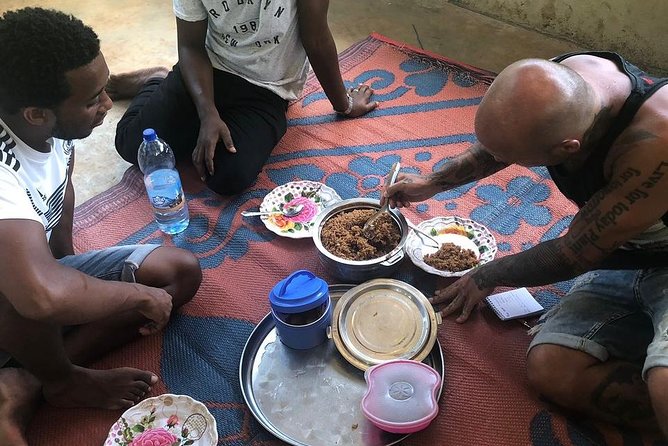
The best part of this half-day outing is the link between the spice farm and the cooking pot. You do not just look at cloves, fruits, and other ingredients, then leave. You harvest some of what you need and use it in a traditional meal.
I like the hands-on format, and I like that your private group travels in an air-conditioned vehicle. The main thing to consider is the cooking setting: some sessions take place in a home, while one account found the comings and goings in a boarding-house-style setting distracting.
Key points at a glance
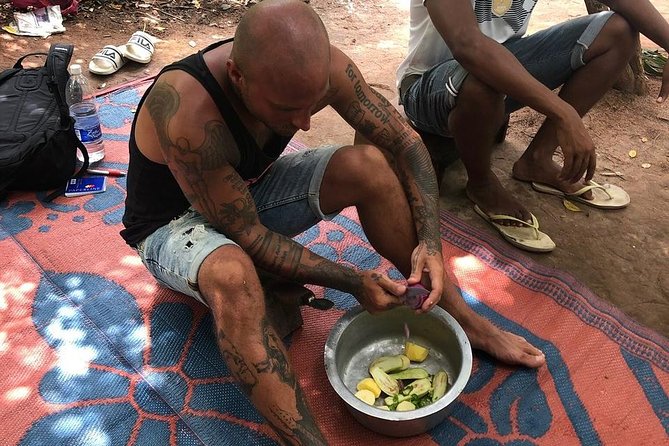
- Harvest your ingredients in Kizimbani: The farm visit is not only a walk and talk. You smell, taste, and collect ingredients for the meal.
- Cook with a local teacher: A local woman leads the cooking session and shows you how to prepare traditional Zanzibari food.
- Private attention: Only your group takes part, so you can ask questions and work at your own pace.
- Named local guides: Lukem and Hassan are identified in the strongest accounts, with praise for clear explanations and a warm welcome.
- Simple half-day timing: Depart at 9:30 in the morning, eat around the early afternoon, and return to Stone Town or your hotel at about 2 p.m.
- Good cancellation terms: You receive a full refund if you cancel at least 24 hours before the start time.
Why the spice farm makes the meal better
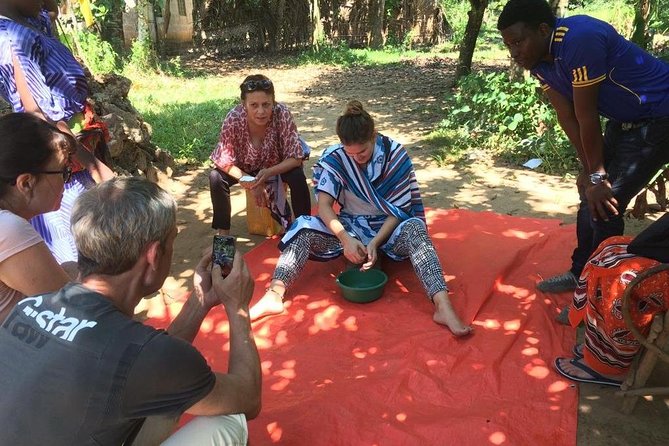
Zanzibar is often linked with spices, but a market display can only tell you so much. At the selected farm in Kizimbani, about 15 kilometers northeast of Stone Town, you get to connect the plant with the ingredient you later use in the kitchen.
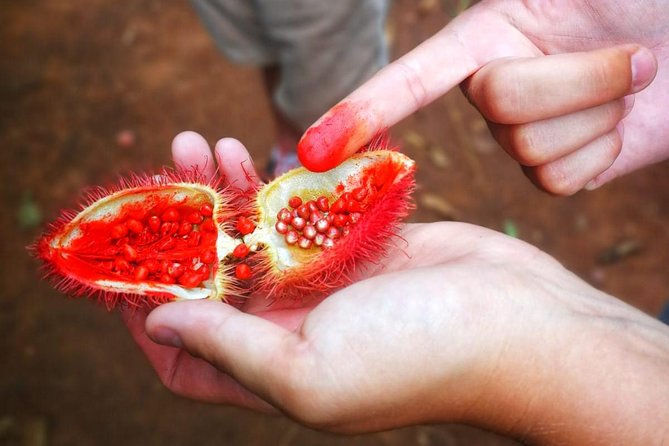
The tour is built around your senses. You can smell and taste several spices and fruits, then see how important ingredients are grown. That matters because many spices arrive in shops already dried, ground, or packed. Here, the farm gives you a clearer picture of their starting point.
The harvesting is the useful touch. You are not simply shown a plant and told its name. You collect key ingredients for the cooking lesson, which gives the first half of the outing a clear purpose. The farm visit becomes part of lunch rather than a separate photo stop.
Guides named Lukem and Hassan have been singled out for their explanations and friendly manner. That is worth noting because a spice farm can be either a lively lesson or a quick list of plant names. The quality of the guide will shape how much you take away from the visit.
Plan for warm conditions and the possibility of strong scents. You may enjoy the smells and tastes, but anyone sensitive to heat, sun, or intense spice should keep the half-day pace in mind. The available details do not give a full list of every plant or dish, so you should book for the experience and local cooking rather than a fixed menu.
More Cooking Classes in Zanzibar
- Zanzibar Cooking Class & Spice Tour
★ 4.5 · 77 reviews - Zanzibar: Spice Farm Tour with Traditional Cooking Lesson
★ 4.8 · 77 reviews - Half-Day Kuza Cave Swimming Adventure and Cooking Class
★ 4.5 · 44 reviews
The 9:30 drive from Stone Town to Kizimbani
The outing begins at 9:30 in the morning from Kajificheni Street in Zanzibar. Pickup is offered, and the vehicle is air-conditioned, a useful comfort when you are leaving Stone Town for a rural farm.
The drive is part of the practical value here. You do not need to arrange separate transport to Kizimbani, find the farm on your own, or return independently after lunch. The farm is around 15 kilometers northeast of Stone Town, and the tour brings you back to Stone Town or your hotel at about 2 p.m.
That makes this an easy fit for a free morning or a day when you have other plans later. It is also suitable if you want a guided rural visit without giving up a full day. The listed duration is about four and a half hours, although the stated return time suggests a morning-to-early-afternoon schedule.
Pickup details should be checked when booking, since the stated meeting point is Kajificheni Street and pickup is also offered. The activity ends back at the meeting point, so make sure you know whether your particular booking includes hotel return or requires you to return to the street meeting point.
Walking, smelling, and tasting at the farm
At the farm, your guide leads you through the growing areas and explains the spices and fruit. The experience is designed to be interactive. You can smell, taste, and harvest, rather than simply listen while walking behind a guide.
The farm names connected with the experience include Mtausa Spice Farm and Malanga Spice Farm. One description identifies Malanga as a local cooperative farm. Since the supplied details refer to carefully selected farms rather than promising one fixed site for every booking, confirm the farm name if that matters to you.
The cooperative detail gives the visit a local working context. You are not only looking at decorative plants. You are seeing a place connected with local production, then taking a small part of that visit into the kitchen.
This is also where the experience earns its educational side. You learn how spices are grown and how to use them in cooking, two subjects that work better together than apart. The guide’s explanations can help you understand why an ingredient matters before you are asked to prepare it.
I would keep your expectations sensible. This is a half-day farm visit, not a long agricultural study. The available information does not promise extensive plantation walking, a market stop, or a broad lecture on Zanzibar’s farming economy. Its strength is the direct route from plant to plate.
Cooking traditional Zanzibari food with a local teacher
After the farm visit, a local woman teaches you how to prepare and cook traditional food. The class is intended for participation, so you should expect to help with the preparation rather than sit back for a demonstration.
The ingredients you harvested provide the connection to the farm. You have already smelled and tasted them, and now you see how they work in local dishes. That sequence makes the cooking class more memorable and gives you a better reason to pay attention to the spices.
The dishes are described as a variety of local delights, but no fixed menu is provided. You should not book this expecting a named dish list or a guaranteed recipe booklet. If you have allergies, dietary restrictions, or strong dislikes, ask before confirming, since the available information does not explain how special diets are handled.
The class is also a social experience. You prepare food as a group, then eat the homemade meal together with your hosts. Several accounts praise the food, the welcome, and the patience shown during the class. That human contact is a major reason to choose this over a standard restaurant meal.
There is one setting-related caution. One account found that people came and went during the session and felt a home would have been better than a boarding-house environment. That does not cancel out the cooking lesson, but it means the atmosphere may not be fully private or polished in every setting. If a quiet, formal kitchen matters to you, ask what location will be used.
More spice farm mornings:
- Zanzibar: Stone Town, Spice Tour, Prison Island with Lunch
★ 4.4 · 1,219 reviews - Zanzibar: Prison Island, Stone Town, & Spice Farm Tour
★ 4.5 · 579 reviews - Zanzibar: Stone Town, Spice tour & Prison Island with Lunch
★ 4.6 · 453 reviews - Full-Day Private Stone Town +Spice Farm and Prison Island Tour
★ 4.5 · 216 reviews
Eating the meal you helped prepare

Lunch is the payoff, and the timing is straightforward. After cooking, you sit down with your hosts and enjoy what you made. The meal is not just included food. It shows you how the plants from the morning can become part of everyday cooking.
I like this format because it gives you a story to take home. You can remember the ingredient on the plant, the work of preparing it, and the final taste. Even if you do not recreate the dishes later, you will have a better sense of how Zanzibar’s spices fit into food.
The meal also helps make the $68 price easier to assess. You are paying for transport, a private guide, a farm visit, a cooking lesson, and food, all within one outing. It is not the cheapest way to spend a morning, but it combines several separate activities without requiring you to coordinate them yourself.
The value depends on what you want. If you only want to buy spices, a shop will cost less. If you want a quick farm photo stop, this may offer more instruction than you need. But if you want a personal activity that combines food, farming, transport, and local contact, the price is reasonable for a private four-and-a-half-hour experience.
Private touring and guide quality
Only your group participates, which changes the pace. You can ask questions without waiting for a large crowd, and the guide can give your group more direct attention at the farm and during the cooking session.
That private format is especially useful for families, couples, and small groups with different levels of interest. Someone fascinated by spices can ask for more explanation, while someone focused on the cooking can move on without holding up a large group.
The available accounts praise the staff’s friendliness and the guides’ explanations. Lukem is named as a guide who led a group to Malanga Spice Farm, while Hassan is named as a teacher at the farm. These names may not apply to every departure, but they show the kind of local-led format you can expect.
There is still a difference between private touring and private facilities. Your group is private, but the cooking venue may not always feel completely closed off. Ask about the cooking location if you want a more intimate home visit or a quiet class.
Who will get the most from this outing
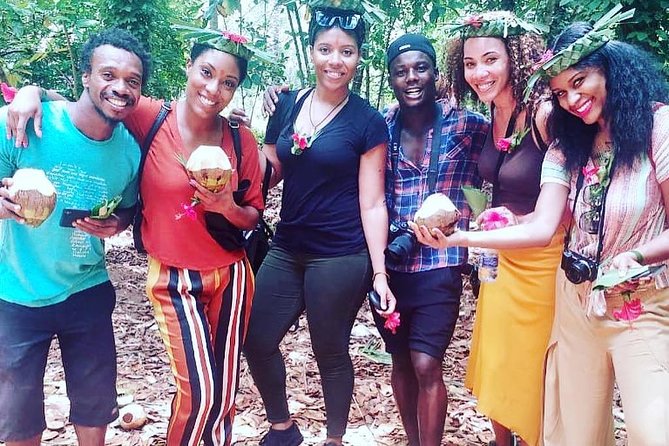
I would choose this experience if you want more than a sightseeing drive and you enjoy learning by doing. It suits anyone curious about food, home cooking, farming, and the role of spices in Zanzibari cuisine.
It also works well for a short stay in Stone Town. The morning departure and early-afternoon return leave room for other plans, while the included transport removes much of the hassle of reaching Kizimbani.
Families may appreciate the tasting and harvesting, although the supplied details do not specify a minimum age or child pricing. Couples and friends can share the cooking work, and a private group can make the lesson feel more relaxed.
I would be more cautious if you need a fixed menu, a formal cooking studio, or a fully controlled setting. The class is local and informal, which is part of its appeal but also explains why the surroundings may vary.
Timing, booking, and cancellation details
The experience is offered Monday through Sunday, with the stated operating dates running through June 16, 2026. The listed price is $68 per person, and group discounts are available.
It is commonly reserved well ahead of time, with an average booking lead of 44 days. That suggests you should not leave it until the final morning of your Zanzibar stay, particularly if your dates are fixed or you need a certain pickup arrangement.
You receive booking confirmation at the time of reservation. Mobile tickets are supported, and the activity is near public transportation, though pickup is offered as part of the experience.
Free cancellation is available if you cancel at least 24 hours before the start time. A cancellation made less than 24 hours before departure is not refundable, and changes inside that window are not accepted. The cut-off follows local Zanzibar time.
Should you book this Zanzibar cooking class?
Book it if you want a hands-on food experience with a clear local connection. The strongest parts are the farm-to-kitchen design, the friendly local teaching, the private format, and the chance to eat food you helped prepare.
At $68, the outing offers fair value when you count the air-conditioned transport, guide, spice farm visit, cooking lesson, and meal. I would confirm the pickup point, expected cooking venue, and any dietary needs before paying.
Skip it if your main goal is a quick spice purchase, a luxury cooking studio, or a guaranteed formal setting. For everyone else, this is a useful way to spend a morning outside Stone Town, with enough structure to be easy and enough local contact to feel personal.
FAQ
Where does the cooking class and spice tour take place?
The tour visits a spice farm in Kizimbani, about 15 kilometers northeast of Stone Town. The cooking class follows the farm visit.
What time does the experience start?
The half-day outing starts at 9:30 in the morning.
How long does the experience last?
The listed duration is approximately four hours and 30 minutes. The return journey begins at about 2 p.m.
Where is the meeting point?
The stated meeting point is Kajificheni Street in Zanzibar, Tanzania.
Does the tour offer pickup?
Yes. Pickup is offered, and the activity ends back at the meeting point unless your booking arrangements specify return to your hotel.
Is this a private tour?
Yes. Only your group participates in the private tour or activity.
How much does the experience cost?
The listed price is $68 per person. Group discounts are available.
What will I do at the spice farm?
You will tour the farm with a guide, smell and taste spices and fruits, and harvest important ingredients for the cooking class.
Who teaches the cooking class?
A local woman teaches you how to prepare and cook traditional food. Guides named Lukem and Hassan are associated with different parts of the farm and cooking experience.
Can I cancel for a full refund?
Yes, if you cancel at least 24 hours before the experience start time. Cancellations or changes made less than 24 hours before the start time are not accepted for a refund.
More workshops and classes in Zanzibar
- Zanzibar: Spice Farm Tour with Traditional Cooking Class
★ 4.6 · 16 reviews - Mnemba Dolphin Tour, Clear Kayak, Cooking Class, Horse Riding
★ 4.5 · 14 reviews - A private half day spice farm with a cooking lesson
★ 5.0 · 13 reviews - Full-Day Private Tour in Zanzibar with Cooking Class
★ 5.0 · 11 reviews
Newly listed around Zanzibar
- Zanzibar: Nungwi/Kendwa Beach Sunset Dhow Cruise with Fruits★ 3.4 · 3 reviews
- Prison Island, Sea Turtles, Rock Restaurant & Relax in Beach★ 4.6 · 3 reviews
- Starfish Beach; The Rock; Kuza Cave; Paje Beach; Salaam Cave Tour★ 4.5 · 3 reviews
- Zanzibar: Half-Day Spice Farm Tour,the flavours of Zanzibar★ 4.7 · 3 reviews
- Joazani forest & Spice farm with lunch★ 5.0 · 3 reviews
- Nakupenda Island Snorkeling Sea trip & Lunch W/Transfer -Zanzibar★ 4.0 · 3 reviews
- Mnemba Island Snorkeling and Dolphin tour★ 5.0 · 3 reviews
- Zanzibar:Jozani forest, Spice farm with Swahili Cuisine clas★ 4.2 · 3 reviews
Spice Farm Tours, compared.



Full-Day Private Stone Town +Spice Farm and Prison Island Tour
Read our review →
The Swahili Spice Experience – Spice Tour + Culinary Journey
Read our review →Browse the lists this tour appears in