
Reviewed · ZANZIBAR TOURS
Cooking Class Tour
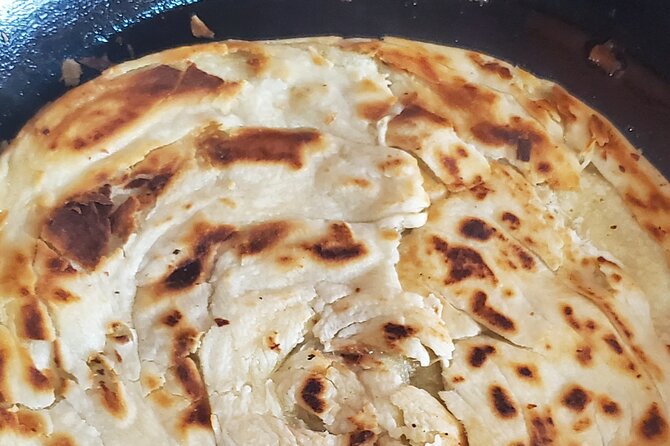
Zanzibar’s best food lesson starts before the cooking. You visit a local market, choose the ingredients, then return to prepare Swahili dishes over a charcoal brazier with a Zanzibari chef. I like that you do not simply watch a polished demonstration. You handle the kitchen knife, work with the ingredients, and eat the meal you helped make.
I also like the six-person limit, which gives the chef room to correct your technique and answer questions. Vegetarians can be accommodated, and lunch is included. The main drawback is practical: the tour depends on good weather, and private transportation is not included, so confirm how any pickup arrangement works before booking.
Key points at a glance
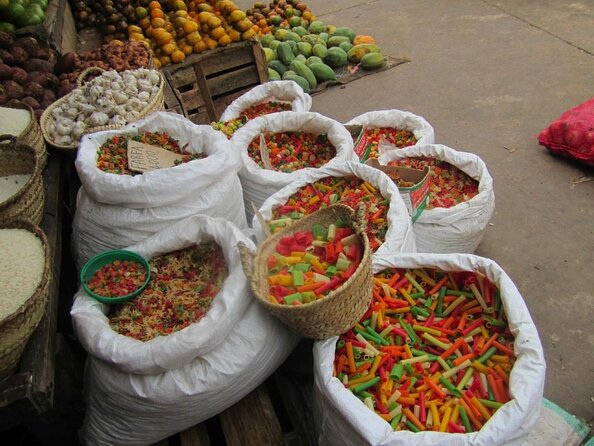
- Market first, cooking second: You help buy the ingredients before the lesson begins.
- Charcoal cooking: The class shows you a traditional Zanzibar cooking method, including use of the kitchen knife and brazier.
- Small group size: No more than six people can join, allowing for personal instruction.
- Local meal at the end: You sit down with the chef and eat the dishes prepared during class.
- Vegetarian option: Vegetarian cooking can be arranged if you state your needs in advance.
- Five-hour morning: Meet at Tembo House Hotel at 9:00 am, with the activity ending back at the meeting point.
Why this Zanzibar cooking class feels different
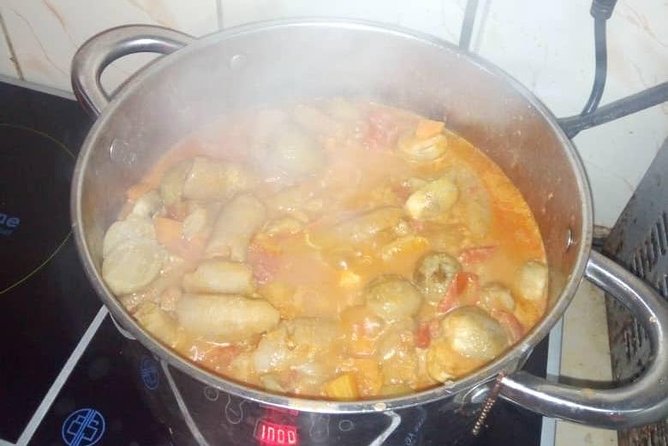
Many cooking classes give you a recipe, a workstation, and a quick meal. This one begins with the ingredients themselves. You start at a local market, where the food is not yet separated from daily life. That first stop gives you a better sense of how a Swahili meal takes shape.
The point is not only to learn which spices go into a dish. You also see the connection between the market, the cook, the tools, and the meal. Zanzibar’s cuisine reflects oriental influences, while the island’s spices play a central role in its cooking. A class that includes the market helps you understand those influences in a practical way.
I like this format because you can ask questions at the moment they matter. If an ingredient is unfamiliar, you can ask about it while choosing it. If a cooking step seems unusual, you can ask the chef while the dish is being prepared.
The setting is also part of the appeal. The cooking takes place with a charcoal stove, rather than only with modern kitchen equipment. That can make the class feel less polished and less predictable than a professional culinary school. It also means you should expect a hands-on lesson based on local methods, not a luxury cooking studio.
More Cooking Classes in Zanzibar
- Zanzibar Cooking Class & Spice Tour
★ 4.5 · 77 reviews - Zanzibar: Spice Farm Tour with Traditional Cooking Lesson
★ 4.8 · 77 reviews - Half-Day Kuza Cave Swimming Adventure and Cooking Class
★ 4.5 · 44 reviews
Meeting at Tembo House Hotel at 9:00 am
The stated meeting point is Tembo House Hotel on Shangani Street, near Forodhani Street in Zanzibar. The start time is 9:00 am, and the activity lasts about five hours. It ends back at the meeting point.
That timing gives you a full morning and early afternoon activity. Plan your schedule carefully, since this is not a quick one-hour demonstration. You will have time for the market visit, food preparation, cooking, and the meal itself.
Pickup is offered, but private transportation is listed separately as not included. I would confirm the exact pickup arrangement with Halisi Africa Tours before the day of the class. If you are already near Tembo House Hotel, meeting there keeps things simple. If you are staying elsewhere, do not assume that transport to the starting point is part of the $90 price.
The location is near public transportation, which may help if you are making your own way there. The practical detail matters because the class begins at a fixed time. Arriving late could cut into the market visit or leave you trying to catch up with the cooking.
Shopping for ingredients at a local market
The market visit is the first real lesson. Rather than receiving a prepared basket of food, you take part in buying what will be cooked. This gives the chef a natural chance to explain ingredients and show how they fit into Swahili food.
The supplied information does not name the market or give a fixed shopping list, so you should not expect a detailed published menu before arrival. That uncertainty can be part of the charm, but it may bother you if you want to select a class based on specific dishes.
I would treat the market stop as an orientation to the cooking rather than a separate sightseeing visit. You are there to help gather ingredients, not to spend the morning on a guided market tour. The class then moves into preparation, so wear clothing that allows you to work comfortably and expect a practical kitchen setting.
The market also helps explain why spices matter so much in Zanzibar. The cooking reflects oriental influences, but the food is grounded in the island’s own ingredients and methods. You get more from the class when you pay attention to how the chef selects, combines, and handles the food, rather than only trying to memorize recipes.
Learning from a Zanzibari chef
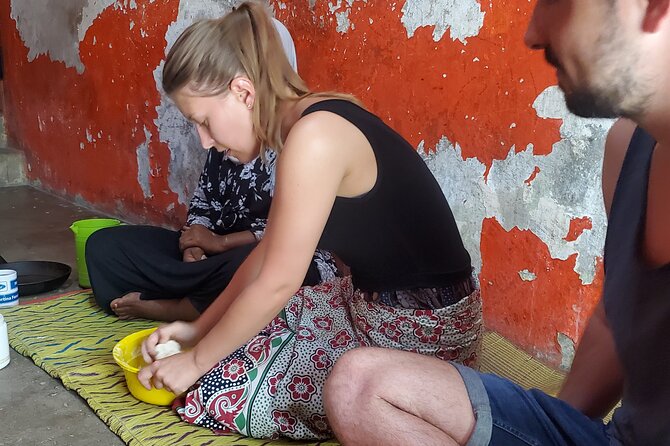
After the market, an experienced local chef guides the cooking. The lesson covers how to use the ingredients and how to prepare dishes in Zanzibar style. You are not simply seated while someone cooks in front of you.
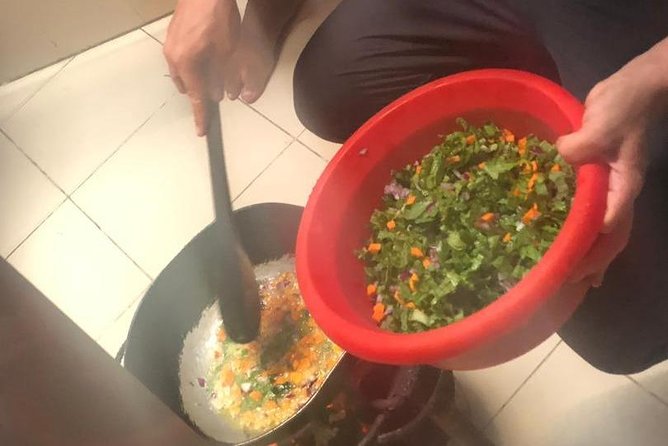
The class includes use of a kitchen knife and charcoal brazier. Those details are small on paper, but they tell you what kind of experience this is. You should expect to take part in basic preparation and cooking, with the chef showing you how the tools and heat are used.
The charcoal stove is especially important. It brings you closer to a traditional cooking method, though it may also mean the pace is slower and the heat less controlled than on a modern electric or gas range. If you prefer a tidy, highly structured class with exact temperatures and individual stations, this may not be your ideal match.
For me, the strength is the contact with the local method. A chef can show you more than a recipe card can: how food is arranged, when ingredients go into the pot, and how a dish changes during cooking. With no more than six people, you have a fair chance to participate rather than waiting behind a large group.
The names Hamza and Miram are associated with the hosting of this cooking experience, along with their family. If they are leading your session, you may be cooking in a more personal, family setting rather than attending a large commercial demonstration. The exact host can vary, so confirm when booking if meeting a particular person matters to you.
A change of scene while you are in Zanzibar:
- From Zanzibar: Mikumi Safari Day Trip with Flights and Meal
★ 4.7 · 1,470 reviews - Zanzibar: Quad Bike Adventure departing from Kendwa or Nungwi
★ 4.9 · 1,233 reviews - Zanzibar: Stone Town, Spice Tour, Prison Island with Lunch
★ 4.4 · 1,219 reviews - From Kendwa: Mnemba Boat Trip and Dolphin Snorkel Adventure
★ 4.8 · 1,043 reviews
Eating the food you prepared
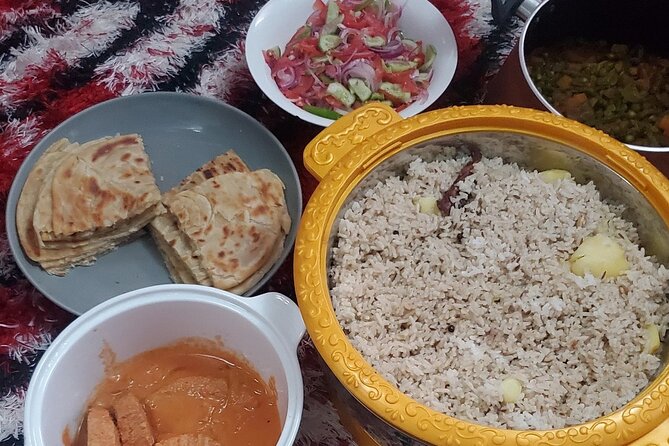
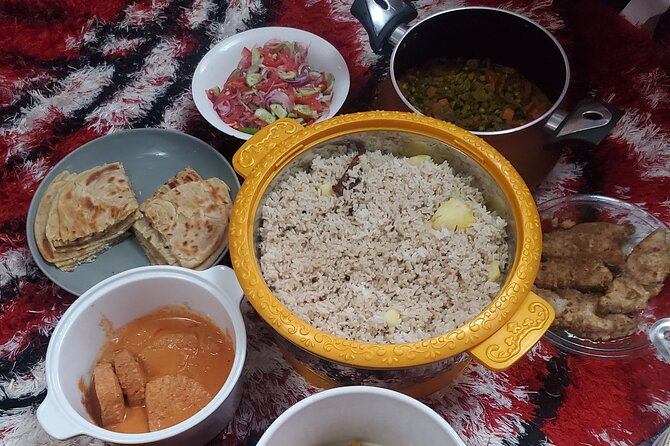
When the cooking is finished, you sit down for lunch and eat the dishes made during the class. This is more satisfying than receiving a separate meal because you can connect each dish with the work behind it.
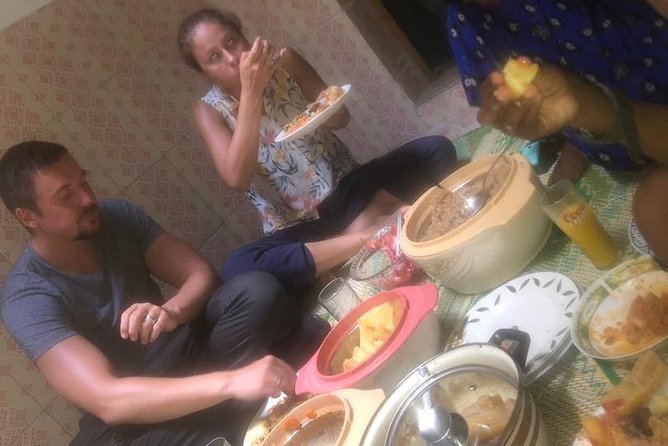
The meal also gives you time to speak with the chef and discuss the day and the qualities of Swahili food. That conversation is part of the experience, not merely a pause before departure. You can ask about flavors, preparation, and the role of spices while the food is still in front of you.
Lunch is included in the price, so you are not paying again for the main meal. Still, do not read that as a restaurant lunch with a wide menu. The meal is the result of the class, and the dishes depend on the ingredients and lesson planned for that day.
The personal side of the meal is one of the class’s strongest features. Cooking over charcoal in a home and sharing the food with the chef can feel more connected to local life than a standard restaurant visit. It is also a reason to choose this tour even if you are not an ambitious cook. You can learn at your own level and still enjoy the final meal.
What the $90 price gives you
The cost is $90 per person. That is not a bargain-priced meal, but the value is easier to judge when you count the full experience: about five hours, a market visit, instruction from a local chef, ingredients, cooking equipment, and lunch.
You are paying for participation rather than just food. The small group cap is important here. A six-person maximum makes the price more reasonable because the chef can give direct attention and the class does not become a crowd around one stove.
The supplies and ingredients are provided, which removes the need to buy cooking equipment or organize a meal yourself. You also get to practice with the kitchen knife and charcoal brazier, rather than watching from the side.
I would compare this price with what you want from a Zanzibar food experience. If you only want to taste local dishes, a restaurant meal will cost less and take less time. If you want to understand how the food is prepared and spend a half day with a local cook, the class offers more value.
Tips are not included. Bring some extra cash if you want to thank the chef, but tipping is separate from the advertised price. Since private transportation is also not included, account for any cost of reaching Tembo House Hotel unless pickup is arranged directly.
Who will enjoy this class most
This experience suits you if you like learning by doing. You do not need to be an expert cook. The chef guides you through the preparation, and the small group makes it easier to ask for help.
It is a good choice for couples, friends, and families who want a shared activity. The meal at the end gives the group a clear finish, and everyone has a role in making it.
Vegetarians can be accommodated, which makes the class more flexible than many food tours. Tell the operator about your diet before the class so the ingredients and preparation can be planned properly.
The class may also suit you if you have already seen Stone Town’s main sights and want a quieter way to connect with Zanzibar. It offers a look at food traditions without turning the experience into a lecture.
I would think twice if you have very limited time, dislike shared cooking, or want a fixed menu announced in advance. The five-hour duration is substantial, and the market and charcoal cooking mean the day may not follow a fast, tightly timed schedule.
Weather, group size, and useful planning tips
Good weather is required for the activity. If poor weather forces cancellation, you will be offered another date or a full refund. Since the class involves a market visit and charcoal cooking, weather can affect the practical parts of the day.
The group maximum is six people. That is one of the most useful details to confirm when you book, especially if you want personal instruction or are arranging the class for a small private party. The experience is described as a small-group activity, not a private tour.
Wear practical clothing that you do not mind wearing around cooking smoke or food preparation. The supplied information does not specify a dress code, footwear policy, or exact cooking location, so ask Halisi Africa Tours if you need those details for a child, mobility concern, or special dietary request.
Confirmation is provided when you book, and the activity uses a mobile ticket. Keep the confirmation available on your phone, and arrive at the meeting point before 9:00 am.
Free cancellation is available if you cancel at least 24 hours before the local start time. Changes or cancellations made inside that window are not refunded, and late changes are not accepted. That policy is worth noting because weather may affect the schedule, but a change of personal plans inside 24 hours is treated differently.
The most praised part: taking part in the meal
The strongest feature is the chance to watch and participate in a real Zanzibar meal prepared over a coal stove. That combination gives the class its character. You are not only collecting food facts. You are seeing how ingredients become a shared meal through a local cooking method.
The family element adds warmth without requiring you to book a private home visit separately. Cooking with Hamza, Miram, and their family can make the day feel personal, especially if you enjoy conversation along with the food.
The class also adjusts the schedule and preparations when weather affects the plan. That flexibility is useful, though it confirms that the day may not run like a rigid professional workshop. I would choose this experience for its human scale and hands-on nature, not for speed or culinary precision.
Should you book this Zanzibar cooking class?
Book it if you want a small, hands-on introduction to Swahili cooking and value local contact more than a polished tourist production. The market visit, charcoal cooking, personal instruction, and shared lunch make the $90 price fair for a five-hour experience.
It is especially suitable for vegetarians, curious home cooks, and anyone who likes to bring a practical skill home from a trip. Confirm pickup, dietary needs, and the expected menu before paying, since private transportation is not included and the cooking depends on weather.
Skip it if you only want a quick meal, need a fully fixed schedule, or prefer to avoid shared kitchen work. For everyone else, this is a thoughtful way to spend a Zanzibar morning, with the best part saved for the end: eating a meal you helped prepare.
FAQ
How much does the Zanzibar cooking class cost?
The price is $90 per person.
How long does the cooking class last?
The activity lasts about five hours.
What time does the tour begin?
The class starts at 9:00 am.
Where do I meet the tour?
The meeting point is Tembo House Hotel on Shangani Street, near Forodhani Street, Zanzibar.
Where does the activity end?
The activity ends back at the meeting point.
Is pickup available?
Pickup is offered, but private transportation is listed as not included. Confirm the pickup details with Halisi Africa Tours before booking.
How many people can join the class?
The maximum group size is six participants.
Can vegetarians join?
Yes. Vegetarian guests can be accommodated.
Is lunch included?
Yes. Lunch is included, and you eat the dishes prepared during the class.
What happens if bad weather cancels the class?
You will be offered a different date or a full refund if the experience is canceled because of poor weather. Free cancellation is also available when you cancel at least 24 hours before the start time.
More workshops and classes in Zanzibar
- Zanzibar: Spice Farm Tour with Traditional Cooking Class
★ 4.6 · 16 reviews - Traditional Zanzibar Cooking Class including Spice Tour
★ 4.5 · 14 reviews - Mnemba Dolphin Tour, Clear Kayak, Cooking Class, Horse Riding
★ 4.5 · 14 reviews - A private half day spice farm with a cooking lesson
★ 5.0 · 13 reviews
Newly listed around Zanzibar
- Prison Island, Sea Turtles, Rock Restaurant & Relax in Beach★ 4.6 · 3 reviews
- Zanzibar: Nungwi/Kendwa Beach Sunset Dhow Cruise with Fruits★ 3.4 · 3 reviews
- Starfish Beach; The Rock; Kuza Cave; Paje Beach; Salaam Cave Tour★ 4.5 · 3 reviews
- Zanzibar: Half-Day Spice Farm Tour,the flavours of Zanzibar★ 4.7 · 3 reviews
- Joazani forest & Spice farm with lunch★ 5.0 · 3 reviews
- Nakupenda Island Snorkeling Sea trip & Lunch W/Transfer -Zanzibar★ 4.0 · 3 reviews
- Zanzibar:Jozani forest, Spice farm with Swahili Cuisine clas★ 4.2 · 3 reviews
- Mnemba Island Snorkeling and Dolphin tour★ 5.0 · 3 reviews
Zanzibar Tours, compared.





Browse the lists this tour appears in