
Reviewed · KILIMANJARO CLIMBS
Kilimanjaro Climb • Marangu Route ~ 9 Day
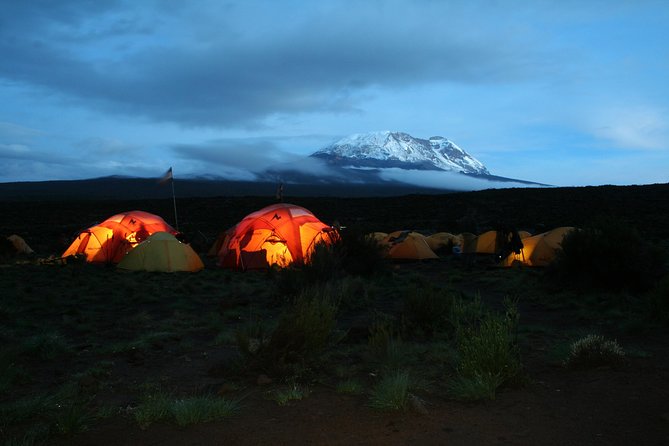
Kilimanjaro’s Marangu Route gives you the mountain in a clear, classic sequence: forest, moorland, alpine desert, then the rocky climb to Uhuru Peak at 19,340 feet. I like the two nights at Horombo Hut, which give your body extra time to adjust, and the serious attention to medical training and safety built into Tusker Trail’s operation. I also like that the mountain crew receives strong pay, pensions, and medical benefits.
The main consideration is price. At $5,699 per person, this is a premium climb, and equipment rental is not included. You should also check the date carefully, since the tour information asks you to look for an open 12-day trip start date even though the published climb lasts about nine days.
Key points to know before you book
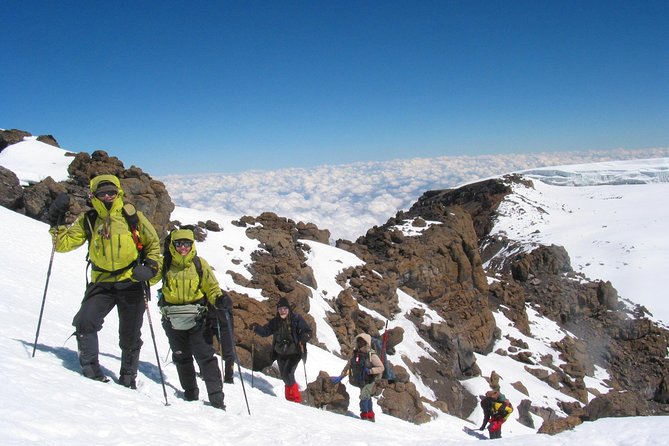
- Two nights at Horombo Hut provide a useful acclimatization day before you cross the Kibo Saddle.
- The midnight summit start leads to a sunrise climb toward Gilman’s Point and Uhuru Peak.
- Tusker guides Urio and Pastorey are named in the supplied trip details, with safety placed ahead of speed.
- Mountain chefs prepare all meals, including the company’s specialized adventure cuisine.
- Groups are capped at 16 people, giving you a defined group size without promising a private climb.
- The final day can lead into a Tanzania safari, with Tusker also arranging post-climb wildlife trips.
Why the Marangu Route appeals to first-time climbers
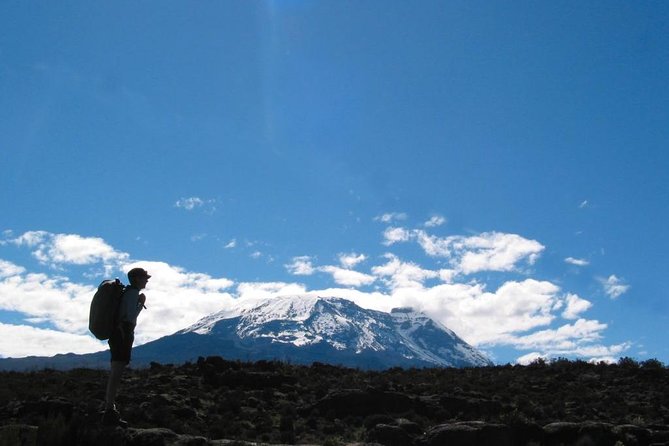
Marangu is often called the hut route because you sleep in mountain huts rather than tents. That changes the feel of the climb. You still face cold, altitude, long walking days, and a demanding summit night, but you are not carrying a tent or sleeping on the ground.
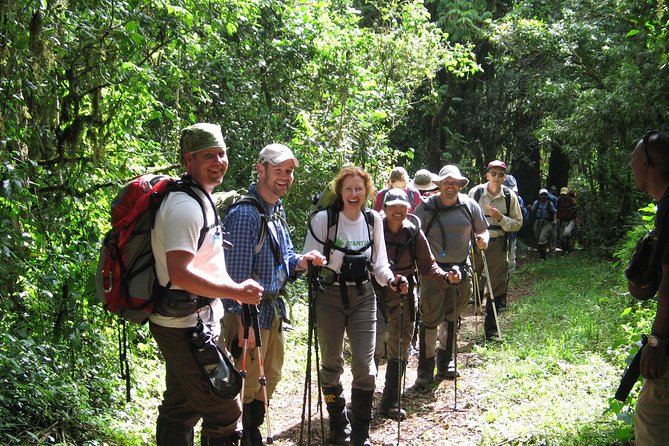
The route also gives you a straightforward progression through Kilimanjaro’s climate zones. You begin in thick montane forest, pass into open heath and moorland, cross the dry alpine desert, and finish among rock and scree near Kibo Peak. I like that visual rhythm because you can see the mountain changing around you instead of simply grinding uphill through one type of terrain.
The catch is that Marangu uses the same ascent and descent corridor. You do not get the variety of a route that climbs one side and descends another. The route can also feel busy because its huts are shared with other climbing groups. That is part of the social experience, but anyone seeking solitude should keep it in mind.
More Kilimanjaro routes:
- Kilimanjaro climb by Lemosho Route (7-day)
★ 5.0 · 651 reviews - Kilimanjaro climb, Machame Route (7-day)
★ 5.0 · 262 reviews - Kilimanjaro Climbing Lemosho Route 8 Days.
★ 5.0 · 186 reviews
Two gentle days in Moshi before you walk
Your climb starts in Moshi, where you spend the first night at a family-owned hotel. The next day is also based in Moshi, giving you time to rest, meet the guides, attend a detailed climb orientation, and check your gear.
This preparation is more important than it sounds. Kilimanjaro is not a technical rock climb, but altitude, weather, pacing, and foot care can decide how far you get. A proper gear check gives you a chance to identify missing clothing or unsuitable equipment before you reach the mountain.
I especially like the fact that the guides get time to know the group before the first hiking day. The named mountain leaders, Urio and Pastorey, are part of a guiding system that emphasizes safety first and the summit second. One supplied account describes a headache being handled carefully rather than brushed aside. That is the right attitude at altitude. A summit is never worth ignoring symptoms.
Pickup is offered, and the group limit is 16. The listed meeting time is 12:00 am, so confirm the actual pickup details and local timing when you book. The first two nights are also useful if you are arriving from a long international flight and need to get your bearings before walking uphill.
Day 3: Mandara Hut through the forest
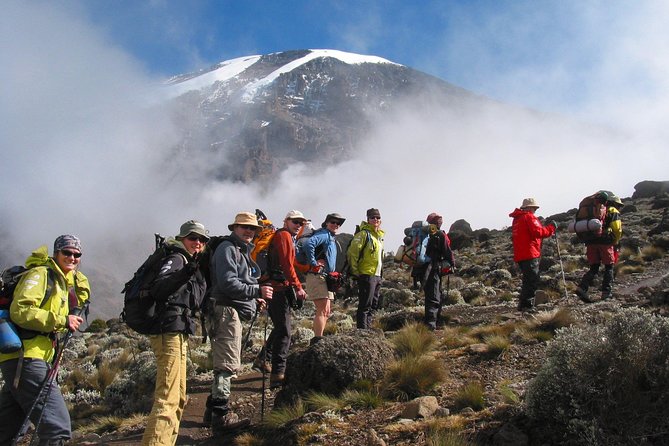
The mountain portion begins with a drive to Marangu Park Gate. From there, you walk for roughly four to five hours through montane forest toward Mandara Hut. The published stop lists about three hours, so treat the timing as an estimate rather than a promise. Trail pace, weather, and group condition can all affect the day.
The forest is one of the most pleasant parts of the early climb. Look up for black-and-white colobus monkeys in the trees, an appealing reminder that this is a living national park, not just a route to a summit.
Mandara is a group of mountain huts shared with other climbers. Running water and toilets are available, and meals are served in a common dining area. You will meet people from several countries, compare the day’s progress, and hear the familiar pre-summit questions repeated in many accents.
This is a comfortable start by mountain standards, but do not confuse huts with a hotel. Shared sleeping and dining spaces mean noise and limited privacy. The upside is that you sleep indoors and can settle into the mountain routine quickly.
Day 4: Horombo and the first big views
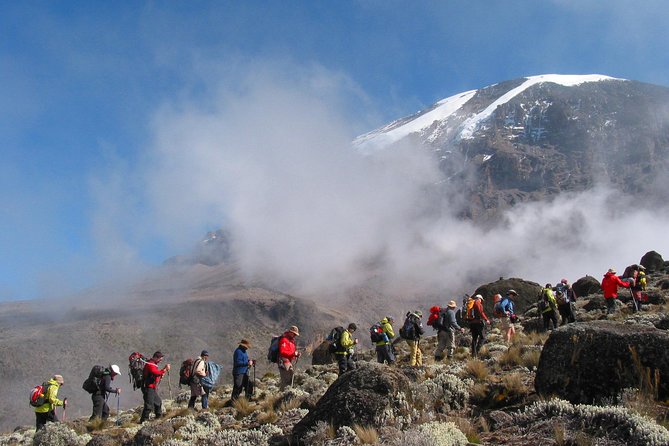
On the second hiking day, the forest thins and you enter the heath and moorland zone. The route opens up, with views toward Mawenzi and Kibo, Kilimanjaro’s two major peaks.
The walk to Horombo Hut is listed at about eight hours. That is a full day, but it serves an important purpose: you gain height gradually rather than rushing toward the summit. Horombo sits at about 12,340 feet, where altitude becomes a real concern.
You arrive in the afternoon, then have time to rest while the chefs prepare dinner. I like this pattern of walking, eating, and sleeping without unnecessary transfers. Your energy is better spent adapting to the altitude than managing complicated logistics.
Horombo is another shared hut area, so expect a communal mountain atmosphere. The views are the reward. The moorland feels open and exposed compared with the forest, and the sight of Mawenzi and Kibo helps you understand how much climbing remains.
A few more Moshi & Kilimanjaro days to compare
- Safari Serengeti And Ngorongoro
★ 5.0 · 288 reviews - Climbing Kilimanjaro – Machame Route
★ 5.0 · 170 reviews - Climbing Kilimanjaro through 7 days Machame Route
★ 5.0 · 151 reviews - Kilimanjaro climb, Lemosho Route (8-day)
★ 5.0 · 148 reviews
Day 5: The extra acclimatization day at Horombo
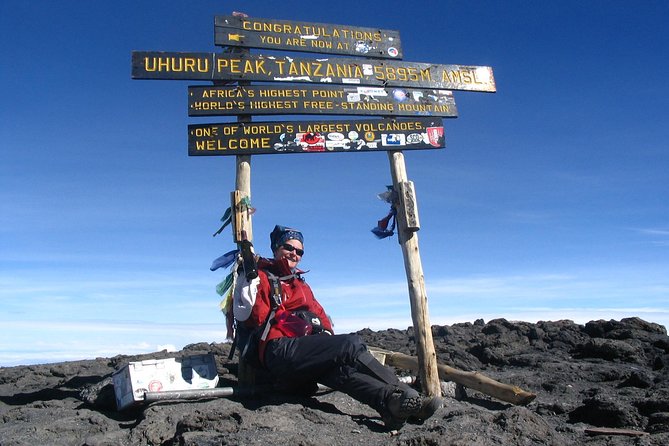
The additional night at Horombo is one of the strongest features of this itinerary. Instead of climbing higher immediately, you take a short acclimatization hike, return to Horombo for lunch, and spend the afternoon resting.
That schedule follows a sensible principle: climb higher during the day, then return to sleep lower when possible. No itinerary can guarantee that your body will handle altitude well, but this extra day gives you more time to adjust than a compressed climb.
You should use the afternoon for small jobs. Check your boots, refill water, sort clothing, and pay attention to how you feel. If you develop a headache or other altitude symptoms, tell the guide promptly. The company’s stated approach puts medical safety before the summit, and that matters most here.
The day is listed at eight hours, though the actual acclimatization walk is described as short. Confirm how your group’s route and timing are organized. The key benefit is not the distance. It is the extra night at altitude before the long push toward Kibo Hut.
Day 6: Across the Kibo Saddle to Kibo Hut
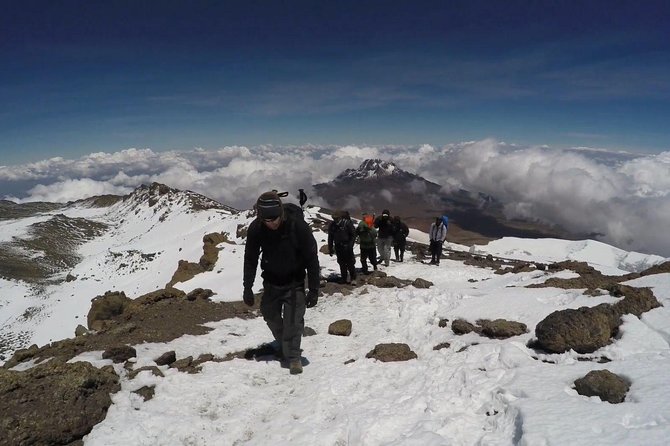
After breakfast, you leave the moorland behind and enter the alpine desert. The route crosses the barren Kibo Saddle between Mawenzi and Kibo Peaks, then turns toward Kibo Hut on the slopes of Kibo.
This is a stark day. Vegetation fades, the ground becomes more exposed, and the mountain feels less forgiving. On a clear day, you may see Gilman’s Point on the crater rim, a landmark that will matter during the summit climb.
The walk is listed at about seven hours, with arrival around mid-afternoon. Then comes the unusual part: you relax, eat dinner, and prepare to start climbing again around midnight.
Kibo Hut is the staging point for the summit attempt. Sleep may be difficult because you have just arrived at altitude and know the alarm will come soon. Keep your evening simple. Organize your layers, headlamp, snacks, and water before lying down. The information provided does not include a gear rental package, so you must confirm what you need to bring or rent separately.
Day 7: The midnight push to Uhuru Peak
The summit day begins just before midnight with hot tea and snacks. You climb in darkness toward the crater rim, moving slowly over rocky ground and scree. The aim is Gilman’s Point at about 18,600 feet, followed by the final section to Uhuru Peak at 19,340 feet.
The sunrise views are a major reward. From the upper mountain, you can look toward Mawenzi, across the Kibo Saddle, and out over the plains below. The cold, darkness, and thin air make this the hardest part of the entire trip, so the slow pace is not a flaw. It is the method.
From Gilman’s Point, the published plan allows about two more hours to reach Uhuru Peak. At the summit, you celebrate briefly, take in the view, and begin the descent toward Horombo. The listed schedule combines the summit climb and a long descent, with 12.7 miles and a drop from 19,340 feet to 12,340 feet. That is a punishing day even for a fit person.
The distance and time figures in the published plan do not perfectly match one another, so ask Tusker for the current day-by-day schedule. What matters is clear: summit night is long, cold, and physically demanding, followed by a substantial descent. You should be ready for the possibility that the guide may turn you around for safety.
Day 8: Back through the forest to Moshi
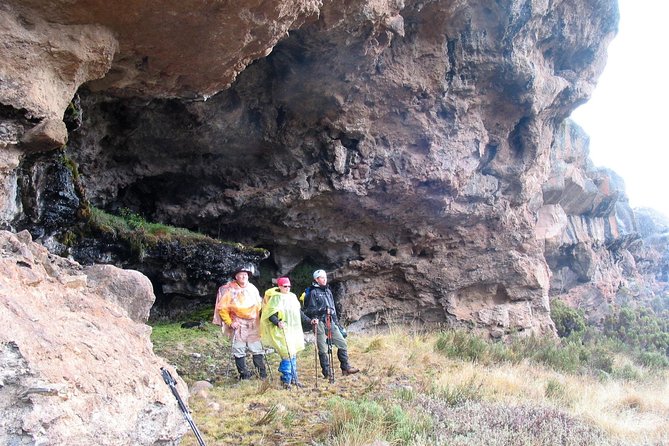
After breakfast at Horombo, you descend past Mandara Hut and continue through the forest to the park gate. The walking time is listed at about four hours, followed by a 90-minute drive back to Moshi.
This final walk can feel surprisingly good. You are losing altitude, the forest returns, and the trail becomes greener and more familiar. At the gate, Tusker vehicles meet the group and take you back to the hotel for a shower and final climb celebration.
That shower is not a minor detail. After the summit day and descent, clean clothes, a bed, and a proper wash are welcome rewards. The return to Moshi also gives you a clear transition from mountain effort to the next part of your Tanzania trip.
What the meals and crew support add
Breakfast, lunch, and dinner are included throughout the climb, with eight breakfasts, eight lunches, and seven dinners listed. Tusker places unusual emphasis on its mountain cooking, using chefs trained through the Culinary Institute of America.
You should still ask for the current menu and advise the company about dietary needs before departure. The supplied details promise substantial mountain meals, but they do not spell out every menu item or special-diet arrangement.
The crew system is another meaningful part of the price. Tusker says it pays its mountain staff at a high level and provides pensions and medical benefits for them and their families. It also supports a local Lions Club project, including community work connected to a school for deaf children.
Those policies do not remove the physical demands of the climb, but they help explain why this costs more than a basic Kilimanjaro package. You are paying for planning, guides, food, vehicles, hotel nights, park access, and a more developed support operation, not just a permit and a path uphill.
Is $5,699 good value?
The cost is high, so you should compare like with like. The package includes hotel stays in Moshi, meals, mountain guiding, park admission, transport to and from the trail, and the additional acclimatization night at Horombo. Pickup is offered, and the group size is limited to 16.
Equipment and gear rental are not included. That can add a noticeable expense if you do not already own suitable cold-weather clothing, boots, a sleeping bag, or other climbing equipment. Ask for a full packing list and a separate rental price before you commit.
I see the best value here in the safety planning and the longer acclimatization schedule. Tusker advertises a 99 percent summit success rate, but you should treat that as a company claim, not a guarantee for your group. Weather, altitude response, fitness, and guide decisions still matter.
The company has been operating for 43 years, and its founder Eddie Frank is credited with 52 personal Kilimanjaro climbs. That depth of experience may appeal to you if this is your first major altitude trip and you want a structured operation rather than a bare-bones climb.
Who should choose this climb?
I would point this trip toward a fit first-time Kilimanjaro climber who values organization, hut accommodation, food support, and extra acclimatization time. You do not need technical mountaineering skills based on the information provided, but you do need to be ready for long walking days and a hard summit night.
It also suits someone who wants a social mountain experience. The huts and common dining areas bring you into contact with other climbing groups, and a 16-person maximum keeps the operation from becoming enormous.
You may want another route or a longer schedule if solitude is your priority, if you dislike shared huts, or if you want more time on the mountain. The tour details specifically direct you to check for an open 12-day trip start date, even though this package is described as nine days. That may reflect a different departure format or an alternate program, so clarify it before paying.
Should you book the Marangu Route climb?
Book it if you want a well-supported Kilimanjaro climb with indoor hut sleeping, an extra Horombo acclimatization day, trained guides, included meals, and a possible safari afterward. I particularly like the safety-first approach, the time spent preparing in Moshi, and the effort to support the local crew.
Think twice if the $5,699 price stretches your budget, since gear rental is extra. Also confirm the exact trip length, meeting arrangements, summit schedule, and what happens if a guide decides you should stop climbing.
For the right person, this is a serious but sensibly organized way to reach Kilimanjaro’s highest point. And if you still have energy after the mountain, Tusker can help connect the climb with a Tanzania safari through the country’s major wildlife reserves.
FAQ
Where does the Kilimanjaro climb begin?
The experience begins in Moshi, Tanzania, where you stay at a family-owned hotel and prepare for the climb.
How long is the experience?
The published duration is approximately nine days. The tour information also asks you to check for an open 12-day trip start date, so confirm the exact departure schedule before booking.
Which Kilimanjaro route does this trip use?
The climb follows the Marangu Route, known here for its mountain hut accommodation.
How many people can join the group?
The activity has a maximum group size of 16 travelers.
Are meals included?
Yes. The package lists eight breakfasts, eight lunches, and seven dinners.
Is equipment rental included?
No. Equipment and gear rental are not included in the listed price.
Where do you sleep on the mountain?
You sleep in shared mountain huts at Mandara Hut, Horombo Hut, and Kibo Hut.
Is there an acclimatization day?
Yes. You spend two nights at Horombo Hut and take a short acclimatization hike before returning for lunch and an afternoon of rest.
What time does the summit climb begin?
The summit attempt starts around midnight, after hot tea, snacks, dinner, and preparation at Kibo Hut.
Can the climb be combined with a safari?
Yes. On Day 9, you can depart Tanzania or continue into a safari through Tanzania’s wildlife reserves, with Tusker offering safari arrangements after the climb.
Newly listed around Moshi & Kilimanjaro
- Climb Mount Kilimanjaro: 7 Days Machame Route★ 5.0 · 3 reviews
- 6 Days Mount Kilimanjaro Climbing via Rongai Route★ 5.0 · 3 reviews
- Explore 1 day Ngorongoro Crater Budget Group Safari from Arusha★ 5.0 · 3 reviews
- Mt. Kilimanjaro Day Hiking★ 5.0 · 3 reviews
- Chemka (Kikuletwa) Hot Springs, Tanzania★ 5.0 · 3 reviews
- Guided City tour of Moshi★ 4.3 · 3 reviews
- 8 Day Tanzania Family Safari★ 5.0 · 3 reviews
- Serengeti Safari with Sirikwa Travel★ 5.0 · 3 reviews
Kilimanjaro Climbs, compared.








Browse the lists this tour appears in