
Reviewed · SERENGETI & NGORONGORO SAFARIS
Serengeti, Ngorongoro and Tarangire 4 Days Safari
Tarangire’s elephant herds, the endless Serengeti plains, and Ngorongoro Crater make this a compact tour of Tanzania’s great wildlife parks. In four days, you get three very different settings, several long game drives, and a serious chance at the big five without paying for a private safari.
I like the small-group limit of seven, which gives you more room to ask questions and search for animals with your guide. I also like that breakfast, lunch, and dinner are covered for the trip, a useful saving on a safari where park fees, camps, food, and transport quickly add up.
The tradeoff is the pace. This is not a lazy lodge holiday. Day two lasts about nine hours, day three about ten, and the fourth day starts early for Ngorongoro Crater. Also, the information gives both Moshi and Arusha as the starting point, so confirm your pickup location before paying.
Quick reasons to consider this safari
- Tarangire begins the wildlife story: Expect a strong chance of seeing elephants near the Tarangire River, along with giraffes, lions, leopards, and possibly tree-climbing pythons.
- Seronera receives two game-drive days: This central Serengeti area has a dependable water source and attracts many kinds of wildlife.
- Ngorongoro is more than a viewpoint: You drive into the collapsed volcanic crater for a picnic lunch and close-range wildlife viewing.
- The group is capped at seven: A smaller vehicle group can make it easier to hear your guide and share sightings.
- Meals are included: The package covers three breakfasts, four lunches, and three dinners.
- The price is competitive: At $1,282.06 per person, the trip offers three major parks in four days, though tipping and possible translation costs remain outside the price.
Three parks, three very different safari moods
This route works because each park offers something different. Tarangire is known for elephant groups and a river that draws wildlife. Serengeti gives you the wide-open feeling of Africa and two chances to explore the Seronera area. Ngorongoro brings the animals into a contained volcanic basin, often making sightings feel concentrated.
You also visit two UNESCO World Heritage sites, Serengeti National Park and the Ngorongoro Conservation Area. That adds cultural and natural importance to the trip, but the real pleasure comes from seeing how sharply the scenery changes as you move from dry woodland to open grassland and then into the crater.
At $1,282.06, this is best judged as a value safari rather than a luxury one. You receive four days of park visits, meals, guiding, and a small-group format. The exact accommodation style is described as camping, including Nguchiro Camp and Ngorongoro Simba Camp, so you should not book this expecting high-end lodges or long afternoons beside a swimming pool.
More Safaris in Moshi
- Safari Serengeti And Ngorongoro
★ 5.0 · 288 reviews - Big Five Safari In Tanzania
★ 5.0 · 99 reviews - Unforgettable Tanzania Safari And Zanzibar Beach
★ 5.0 · 97 reviews
Day 1: Elephants and baobabs in Tarangire
The stated first pickup is at 9 a.m. after breakfast, with a drive of about one hour to Tarangire National Park from Arusha. Since the tour summary gives Moshi as the location, confirm the actual pickup plan if you are staying in Moshi. That small check matters, especially when a game-drive schedule is tight.
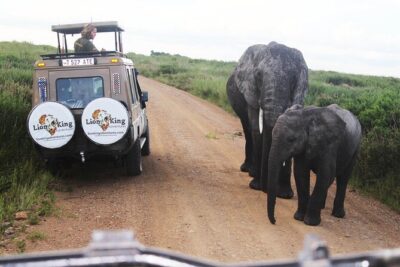
Tarangire is often called the home of elephants, and the Tarangire River is the main attraction. Large elephant groups gather around water, giving you one of the better settings on this route for watching elephant behavior at close range. You might see adults feeding, young animals staying close to the herd, or several groups moving through the same area.
The park also offers chances to spot lions, leopards, giraffes, and tree-climbing pythons. Do not treat the big five as a guarantee, though. Wildlife sightings depend on season, water, animal movement, and the skill of the guide in reading the park.
The listed park time is about six hours. That is enough for a worthwhile first game drive without making the opening day as punishing as the Serengeti transfer. Afterward, you go to camp for dinner and the night.
This first day has another benefit: it eases you into safari life. You learn how the vehicle works, how sightings are shared, and how much time you want to spend watching one animal before moving on. A good guide will also explain the local ecosystem, not just point out animals.
Day 2: Crossing into the Serengeti and reaching Seronera
Day two is the longest travel transition in spirit, even if the schedule describes it as one nine-hour stop. After breakfast, you head through the farmland around Karatu and the Ngorongoro Conservation Area before descending toward the Serengeti.
That change in scenery is part of the experience. The highland farmland gives way to the open plains associated with the Serengeti. The view expands, and the sense of distance becomes the story. You are not simply driving between attractions. You are moving into a huge animal habitat where the horizon seems to keep retreating.
The destination is the Seronera area in central Serengeti. Its river provides a valuable water source, so this part of the park attracts a broad mix of species. You arrive in time for lunch, followed by an afternoon game drive.
This is where a strong guide can make a large difference. Emanuel, Rashid, Rasheed, Ben, and other guides connected with this operator are repeatedly praised for finding animals, explaining behavior, answering questions, and keeping the mood enjoyable. The useful distinction is not just whether a guide can name a lion. It is whether the guide can help you understand why that lion is in that place and what the surrounding animals are doing.
You spend the night at Nguchiro Camp. Because the itinerary combines a long transfer, lunch, and an afternoon drive, you should expect a full day. If you need generous rest periods, this route may feel rushed. If you want maximum park time for a modest price, the pace makes sense.
Day 3: Two chances at Seronera wildlife
Day three starts early with a morning game drive. Early departures are common on safari because animals may be more active before the heat of the day, and the schedule gives you a second chance to see species missed the afternoon before.
You return to camp at about 11:30 a.m. for brunch or lunch, then head out again for another game drive in the Seronera area. This repeated coverage is one of the tour’s strongest design choices. Rather than giving Serengeti one hurried afternoon, you get an early drive and a later drive across the same broad region.
Seronera is presented as a place to see wildebeest and zebra near lions, as well as predators such as cheetahs and leopards. Wildlife scenes can change quickly here. A herd may be grazing quietly one minute, while a predator sighting pulls every vehicle to a halt the next. Your guide’s ability to communicate clearly matters when several vehicles are watching the same action.
The total day is listed at about ten hours, followed by travel to Ngorongoro Simba Camp. That is a long stretch in a safari vehicle. Bring patience, water, sun protection, and a willingness to sit quietly for periods of time. The reward is more time in the park, but your energy may be lower by evening.
At camp, you can enjoy views of the collapsed volcano before dinner and overnight accommodation. The crater setting gives the evening a clear sense of place. You are no longer only thinking about animal sightings. You are preparing for the route’s final major encounter.
More Serengeti and Ngorongoro itineraries:
- 5 Days Camping Tarangire, Serengeti & Ngorongoro crater & Visiting Maasai
★ 5.0 · 58 reviews - 4 Days Group Joining Camping Safari to Tarangire Serengeti Ngorongoro Crater
★ 5.0 · 50 reviews - 3-Day Ngorongoro Crater Manyara and Tarangire Safari from Arusha
★ 5.0 · 49 reviews - 4 Day Private Tour Throughout Tarangire, Serengeti and Ngorongoro
★ 5.0 · 42 reviews
Day 4: Wildlife inside Ngorongoro Crater
The final morning begins early, and here the early start is especially important. The plan is to leave camp promptly and enter Ngorongoro Crater when game viewing is at its best.
Ngorongoro was formed when a massive volcano collapsed. The crater walls help keep many animals within the basin, which can improve your odds of seeing several major species in a relatively concentrated area. The itinerary specifically points to the big five, along with zebra, hippos, wildebeest, and hyenas.
That does not mean you will automatically see every member of the big five. Leopards and rhinos, in particular, can remain elusive. Still, the crater is a logical place to look because its enclosed setting puts grassland, water, and wildlife within a smaller viewing area than the vast Serengeti.
You eat a picnic lunch inside the crater. This is practical rather than luxurious, but it keeps you in the viewing area instead of losing time on a long return to camp. The crater’s plants and animals also create a striking contrast with the open plains of Serengeti and the elephant country of Tarangire.
The listed time for day four is about six hours. That is shorter than the previous two days, but it still includes an early start, game viewing, lunch, and the final travel arrangements. Ask the operator where the tour ends and how that connects with your next hotel or flight, since the supplied details specify pickup but do not give a precise drop-off plan.
What the small group changes
The maximum group size is seven. On safari, that is not a minor selling point. A small group usually makes it easier to hear animal explanations, ask questions, and agree on how long to stay at a sighting.
It may also make the social side of the trip more comfortable. You spend long hours in the same vehicle, so group chemistry matters. A group of seven can still feel busy, but it is more personal than a large coach-style outing.
The guide remains the key variable. The operator has used guides named Emanuel, Rashid, Rasheed, Ben, and others, and the strongest pattern in the feedback is their animal-spotting ability, friendliness, and willingness to explain details. You can improve your own experience by telling the guide what matters most to you: big cats, elephants, birds, photography, or general ecology.
There is one practical caveat. The tour notes say a small extra charge may apply if a translator is needed. If you require translation, ask about the language and cost before departure.
Food, camping, and what the price really covers
The package includes three breakfasts, four lunches, and three dinners. That is a meaningful inclusion because the itinerary keeps you in remote parks for most of the day. Four lunches also cover the picnic meal inside Ngorongoro Crater.
The food receives unusually warm attention in the available feedback. Cooks and guides are praised together, and one playful description calls the cook a stomach engineer. That suggests meals are treated as an important part of camp life, not an afterthought.
Still, the package does not include everything. Tipping the crew is expected in Tanzania and is not included in the rate. Build that into your budget. A translator may also add a small charge.
Accommodation is listed at Nguchiro Camp and Ngorongoro Simba Camp. The information does not give room categories, tent details, bathroom arrangements, or upgrade options. Ask those questions if comfort is a priority. The price looks strongest for someone happy with practical camping and shared safari travel, not someone comparing luxury lodges.
Guides, communication, and problem solving
A safari guide shapes the trip more than a polished itinerary does. The strongest guide descriptions here focus on finding wildlife, explaining animal behavior, answering questions, and creating a relaxed atmosphere. Emanuel is repeatedly singled out for friendly explanations, while Rasheed and Rashid are praised for spotting animals and making the long drives enjoyable.
There is also a useful example of how the operator handled trouble. One group experienced a vehicle breakdown, and the company arranged a replacement vehicle and guide. That does not make a breakdown desirable, but it shows why direct communication with the operator matters when plans change.
Erick handles arrangements for Joining Safaris and is described as quick to answer questions and flexible with food and accommodation choices. If you have dietary needs or want to adjust the camping setup, raise the issue before arrival rather than assuming it is included.
Who should book this four-day route
I would recommend this safari to you if you want the classic northern Tanzania circuit in a short window. It suits people who place wildlife sightings, guide quality, and value above polished accommodation.
It is also a good fit if you enjoy variety. Tarangire gives you elephants and river country. Serengeti supplies wide views and predator opportunities. Ngorongoro offers a concentrated final game drive in a volcanic setting.
I would think twice if you dislike early mornings, long vehicle days, or basic camping. The schedule is active from the first pickup through the crater visit, and the itinerary does not promise luxury lodging or a slow pace.
The experience may also be less suitable if you need a guaranteed private vehicle. The group is small, but it is still a group tour with a maximum of seven people. Ask whether a private departure is possible if personal timing and photography space are essential.
Practical details before you book
Pickup is offered, but the supplied information names Moshi as the tour location and Arusha as the day one pickup point. Confirm exactly where the vehicle will collect you and what time applies to your accommodation.
A mobile ticket is available, and booking confirmation is received at the time of booking. Most people can participate, according to the supplied activity information, though specific mobility details are not provided.
The listed booking hours are Monday and Tuesday from 7:30 a.m. to 7 p.m. for the stated operating period. Since the safari itself runs for approximately four days, check the actual departure date and start time carefully.
You can cancel for a full refund if you do so at least three full days before the local start time. Cancellations or changes made inside that window are not accepted for a refund.
Should you book it?
Book this safari if you want three major northern Tanzania parks, a small group, included meals, and several long game drives at a price of $1,282.06 per person. The route gives Serengeti two substantial days, which is a better use of time than treating it as a quick photo stop.
Before committing, confirm the Moshi versus Arusha pickup point, the exact camping arrangements, the end-of-tour transfer, tipping expectations, and any translator fee. If those details suit you, this is a strong value choice for an active safari with guides such as Emanuel, Rashid, Rasheed, or Ben at the heart of the experience.
FAQ
Where does the safari start?
The tour location is listed as Moshi, while the day one itinerary says pickup from your hotel or accommodation in Arusha at 9 a.m. Confirm your exact pickup point with Joining Safaris before booking.
How long does the safari last?
The experience lasts approximately four days and includes three nights of accommodation.
Which parks and conservation areas are included?
The route includes Tarangire National Park, Serengeti National Park, and the Ngorongoro Conservation Area.
What is the maximum group size?
The activity has a maximum of seven participants.
Are meals included?
Yes. The price includes three breakfasts, four lunches, and three dinners.
Is tipping included in the price?
No. Tipping the safari crew is expected in Tanzania but is not included in the stated rate.
Is a translator available?
A translator can be arranged, but the tour information says there may be an extra small charge.
Will I definitely see the big five?
The route gives you opportunities to look for lions, buffalo, elephants, leopards, and other wildlife, especially in Serengeti and Ngorongoro. Sightings are not guaranteed.
What is the cancellation policy?
You can receive a full refund if you cancel at least three full days before the experience start time. Cancellations or changes made less than three full days before the local start time are not accepted for a refund.
More four day trips in Moshi & Kilimanjaro
- 4-day Tanzania Safari
★ 5.0 · 53 reviews - 4 days adventure camping safari
★ 5.0 · 44 reviews - 4-Day Private Guided Tanzania Safari Tarangire, Serengeti, Manyara
★ 5.0 · 28 reviews - 4 Days Tanzania Budget Safari
★ 5.0 · 26 reviews
More Safaris in Moshi & Kilimanjaro
- 8-Day Essence of Tanzania Safari – Luxury
★ 5.0 · 72 reviews - Great Migration Safari In Tanzania
★ 5.0 · 71 reviews - 6 Days 5 Night Safari
★ 5.0 · 57 reviews - 7-Day Magical Tanzania Safari -Premium High End Package
★ 5.0 · 53 reviews
Newly listed around Moshi & Kilimanjaro
- Climb Mount Kilimanjaro: 7 Days Machame Route★ 5.0 · 3 reviews
- 6 Days Mount Kilimanjaro Climbing via Rongai Route★ 5.0 · 3 reviews
- Explore 1 day Ngorongoro Crater Budget Group Safari from Arusha★ 5.0 · 3 reviews
- Mt. Kilimanjaro Day Hiking★ 5.0 · 3 reviews
- Chemka (Kikuletwa) Hot Springs, Tanzania★ 5.0 · 3 reviews
- Guided City tour of Moshi★ 4.3 · 3 reviews
- 8 Day Tanzania Family Safari★ 5.0 · 3 reviews
- Rongai Route 7 Days★ 5.0 · 3 reviews
Serengeti & Ngorongoro Safaris, compared.
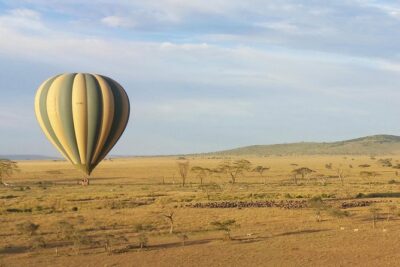
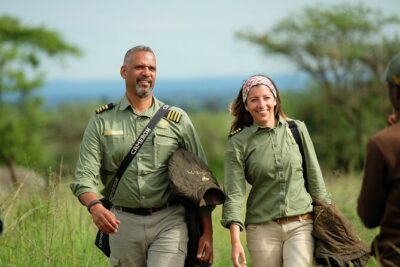
Balloon Safari & Bush Breakfast in Serengeti – Miracle Experience
Read our review →

Private 6-Day Tarangire Manyara Crater and Serengeti with Mid-Range Lodges
Read our review →
5 Days Camping Tarangire, Serengeti & Ngorongoro crater & Visiting Maasai
Read our review →Browse the lists this tour appears in