
Reviewed · KILIMANJARO CLIMBS
Kilimanjaro climb, Lemosho Route (8-day)
Kilimanjaro’s Lemosho Route gives you the mountain in chapters: rainforest, open high country, volcanic rock, ice, and the final arctic-dark push to Uhuru Peak. The eight-day schedule is long enough for useful altitude adjustment, and the route reaches the summit at 5,895 meters.
I like the strong support system, from certified Wilderness First Responder guides and personal summit guides to cooks who serve three meals a day. I also like the thoughtful pacing, especially the high-altitude stops at Lava Tower and the acclimatization walks near Shira and Karanga.
The main drawback is that this is a serious physical effort, not a scenic stroll. Day 6 includes up to 14 hours of activity, summit night is cold and exhausting, and the $3,975 price does not cover international flights, personal gear, insurance, or crew tips.
Key things to know before choosing Lemosho
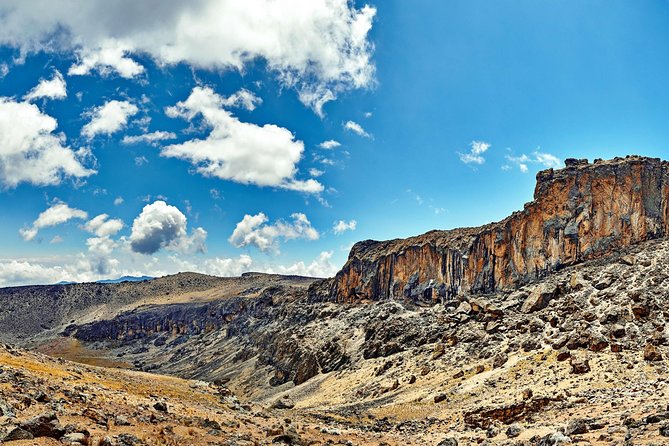
- The route crosses five distinct zones: You move from rainforest to moorland, high-altitude desert, volcanic terrain, and an icy summit zone.
- Altitude planning is built into the schedule: The route climbs gradually, then uses hikes to higher camps followed by descents to help your body adjust.
- Summit night is the real test: You leave Barafu Camp at night for Uhuru Peak, with a personal guide assigned to each pair of climbers during the ascent.
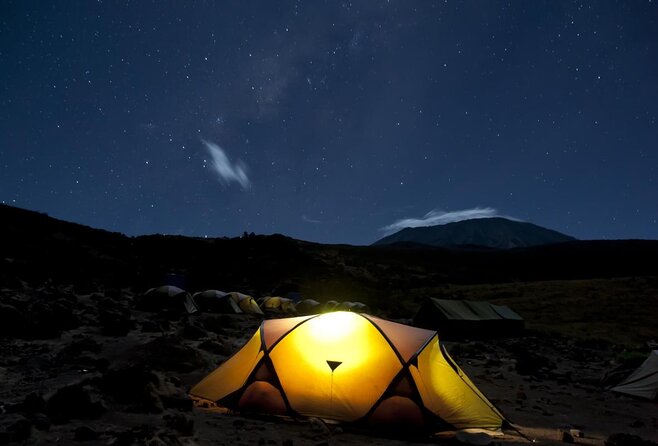
- Camp support is unusually substantial: North Face VE-25 tents, a dining tent, sleeping pads, furniture, hot meals, drinks, medical kits, oxygen tanks, and oximeters are included.
- The climb begins and ends with hotel nights: Two nights at Aishi Machame Hotel give you a bed, hot water, internet, a pool, and time to recover.
- The route is private for your group: This is not a public mixed excursion, though the exact group size is not specified.
What the $3,975 price really covers
At $3,975 per person, this climb is not a budget Kilimanjaro outing. But the fee includes far more than a guide and a tent.
You receive pickup and drop-off at Kilimanjaro International Airport, all ground transportation, two hotel nights, park fees, camping equipment, mountain crew support, meals, drinks, medical checks, and emergency equipment. Those costs add up quickly on Kilimanjaro, where a properly staffed expedition needs guides, porters, cooks, camp workers, permits, food, and park charges.
The sleeping arrangement is normally two people per hotel room and two hikers per tent. Single hotel and tent arrangements are available for an extra charge, which matters if you value privacy or are traveling alone. Personal equipment is not included, though gear can be hired from the operator’s gear store.
You should also budget for meals at the hotel, listed at about $15 to $20 per person per meal, plus mountaineering insurance that covers trekking up to 6,000 meters. Crew tips are separate as well. That last cost deserves careful planning. The porters and camp team do much of the physical work that makes the climb possible, so a responsible tipping budget belongs in your total cost.
The value here is less about luxury than organization and safety. You are paying for a full operating system on a high mountain, not just a permit and a route map.
More Kilimanjaro routes:
- Kilimanjaro climb by Lemosho Route (7-day)
★ 5.0 · 651 reviews - Kilimanjaro climb, Machame Route (7-day)
★ 5.0 · 262 reviews - Kilimanjaro Climbing Lemosho Route 8 Days.
★ 5.0 · 186 reviews
Arrival in Moshi and the first hotel night
Your trip begins at Kilimanjaro International Airport, where an Altezza representative meets you and drives you to the hotel. The arrival day is deliberately gentle. You have a room, hot water, internet access, polite staff, and a swimming pool before the mountain work begins.
Check-in starts at 2:00 p.m. In the evening, you attend a briefing with the company managers. The next morning brings another meeting with your guide and support crew, so there is a useful double check before departure.
That preparation is one of the practical strengths of this trip. Mountain staff inspect your readiness, and you have a chance to identify missing clothing or equipment before reaching the trail. The hotel is also a sensible buffer if your flight arrives tired or late.
The first hotel night is included, but hotel meals are not. Plan for that extra expense.
Day 2: From Londorossi Gate into the rainforest
The drive to Londorossi Gate takes about three to four hours. At an elevation of 2,200 meters, this is the western entrance to Kilimanjaro National Park. Staff handle permits and registration with the search and rescue service before you begin walking.
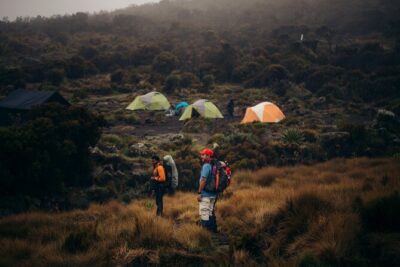
Your first trek leads to Mti Mkubwa Camp at 2,780 meters. It takes about five hours, with the trail passing through rainforest. This is a wet, leafy start, and a raincoat is especially important. The forest can feel like a different world from the dry summit zone you will reach later.
The mountain crew sets up camp and cooks lunch. That support begins immediately, so you are not expected to pitch a tent or carry group equipment after the hike.
The first day is not technically difficult, but it introduces two realities: Kilimanjaro weather changes quickly, and even an easy trail feels different when you are carrying your personal gear at altitude. Keep your rain layer accessible rather than buried at the bottom of your bag.
Day 3: Shira Plateau and the first real views
An early breakfast gets you moving toward Shira 1 Camp at 3,505 meters. The hike takes around five to six hours and is described as gradual and fairly easy.
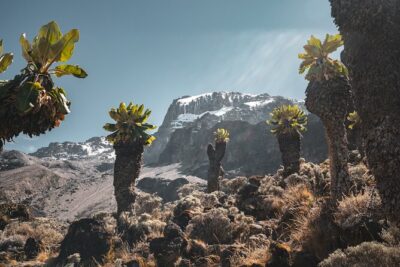
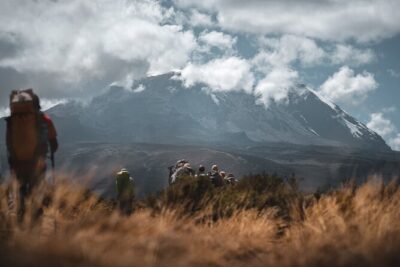
This is where the route opens up. You get your first broad views of the Shira Plateau and Kibo Volcano, the great volcanic cone that forms Kilimanjaro’s summit. The change from forest to open high country is one of Lemosho’s best features.
The day also begins the main acclimatization pattern: walk higher, take your time, eat, drink, and rest. You can relax in your tent after lunch or take a short walk near camp.
Do not treat this easier day as wasted time. You are gaining altitude while giving your body room to respond. Rushing the early stages can make the later summit attempt harder.
A few more Moshi & Kilimanjaro days to compare
- Safari Serengeti And Ngorongoro
★ 5.0 · 288 reviews - Climbing Kilimanjaro – Machame Route
★ 5.0 · 170 reviews - Climbing Kilimanjaro through 7 days Machame Route
★ 5.0 · 151 reviews - Kilimanjaro climb, Lemosho Route (6-day)
★ 5.0 · 129 reviews
Day 4: Shira 2 and a useful acclimatization hike
From Shira 1, you continue to Shira 2 Camp at 3,900 meters. The trek itself is not considered difficult, but the full day lasts about eight hours because it includes an acclimatization hike.
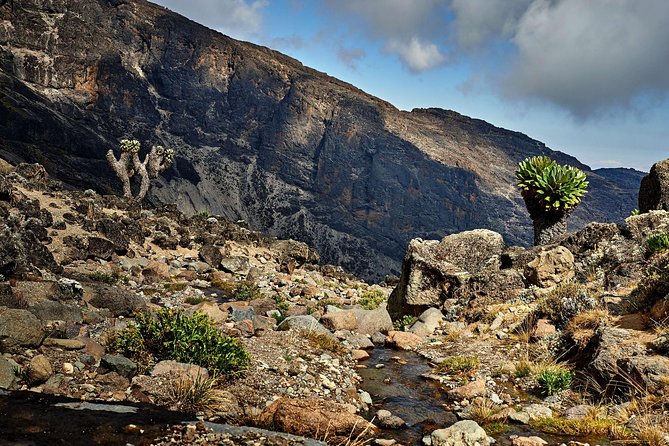
Shira 2 is a fine viewpoint for Mount Meru, Africa’s fifth-highest summit, if the weather cooperates. You also see Kilimanjaro’s unusual plant life and wide high-altitude views.
After lunch and a two-hour rest, you walk toward Lava Tower Camp, gaining another 300 meters before returning to Shira 2. This walk is valuable because it lets you spend time at a higher elevation without sleeping there.
That rhythm can feel strange if you are used to measuring progress only by distance. Here, a short climb followed by a descent is part of the plan. Take the extra walk seriously, but do not race it. The point is controlled exposure to altitude.
Day 5: Lava Tower, 4,630 meters, then Barranco
Day 5 is the first major altitude test. You leave Shira 2 at 3,900 meters and climb through a series of ascents and descents toward Lava Tower at 4,630 meters.
You may feel headache, breathlessness, or general discomfort here. The schedule requires at least one to two hours at this elevation, with lunch at Lava Tower, before descending to Barranco Camp at 3,960 meters.
This is one of the smartest parts of the route. You reach a high point during the day, then sleep lower. The descent does not mean you have lost ground. It gives your body a better chance to adjust.
Barranco Camp brings the famous Barranco Wall into view. It looks intimidating from below, but the route up is described as straightforward hiking rather than technical climbing. You will not need ropes or climbing skills for this section, though you will use your hands at times and should follow your guide’s pace.
The day lasts about seven hours. Eat even if your appetite fades, and keep drinking. The mountain kitchen provides three energy-rich meals daily, with choices available.
Day 6: Barranco Wall, Karanga, and a long mountain day
You start early to climb Barranco Wall before the trail becomes crowded. The ascent takes about an hour and rewards you with close views of Kibo Volcano and a good photo stop.
After the wall, the route to Karanga Camp includes repeated ups and downs. It is not simply a steady climb. That rolling terrain can be tiring, especially after several days on foot, but the guides choose a pace suited to the group.
Once you reach Karanga, you get a warm lunch and a couple of hours to rest. Then comes another acclimatization hike toward Barafu Camp, with a 200-meter gain, followed by a descent back to camp.
The published activity time is about 14 hours, making this the longest and most demanding day before the summit attempt. It combines a physical trail, a high camp, and an additional acclimatization walk. You need to protect your energy here. Walk slowly, eat lunch, and use the rest period for actual rest rather than trying to reorganize every item in your bag.
This is also a good point to be honest about how you feel. The support team conducts medical checks and monitors climbers, but you still need to report symptoms clearly.
Day 7: Barafu Camp and the quiet before summit night
The trail to Barafu Summit Camp rises to 4,640 meters. Your tents and sleeping bags are prepared in advance, allowing you to settle in without handling the full camp setup yourself.
After lunch and recovery time, you complete another acclimatization walk toward Kosovo Summit Camp at 4,800 meters, then return to Barafu for a hot dinner. The rest of the day is meant for sleep.
Do not expect much sleep. The summit push begins at night, so your body is trying to rest at high altitude on an unusual schedule. Keep your summit clothing organized before lying down. Put your headlamp, warm layers, gloves, water, and high-energy snacks where you can reach them quickly.
The guides are central here. The team includes certified Wilderness First Responder guides, medical kits, oxygen tanks, and oximeters. That equipment does not remove the risks of altitude, but it shows that the operation is built around monitoring rather than guesswork.
Day 8: Uhuru Peak and the long descent
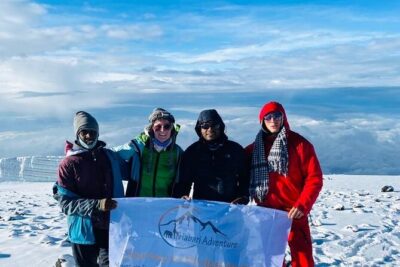
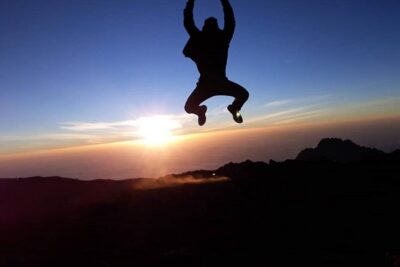
You leave Barafu at night for Uhuru Peak, the summit of Kilimanjaro at 5,895 meters. The climb is not described as technically difficult, but altitude makes it demanding. Progress is slow, and the cold, darkness, steep trail, and fatigue all work against you.
Each pair of climbers receives a personal guide for the ascent. That guide watches your physical and mental condition and keeps the pace controlled. This one-to-two ratio on summit night is a major benefit, particularly for first-time high-altitude climbers.
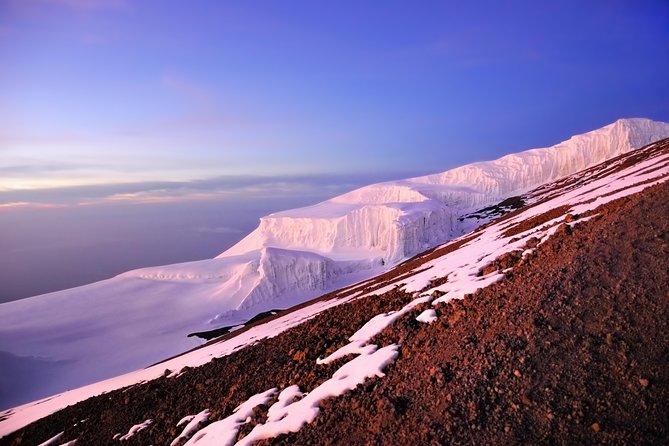
At the summit, you can descend to the nearest glacier if conditions and energy allow. The glacier option is not the main goal, so do not let it distract you from getting down safely.
After returning to Barafu, you rest for about two hours, then continue to Millennium Camp at 3,820 meters. The supplied itinerary lists five hours for this day, but the overnight summit, return to Barafu, rest, and descent make it clear that this is an exhausting extended effort. Ask the operator to confirm the expected timing and exact descent plan before booking.
The descent is not an afterthought. Most accidents occur during the descent, when tired climbers lose focus, move too fast, or misjudge their condition. Stay with the group and listen closely to your guide.
Day 9: Millennium Camp to Mweka Gate
You wake in tropical rainforest at Millennium Camp and feel the relief of losing altitude. Breakfast comes before the final walk to Mweka Gate at 1,650 meters.
The descent covers about 12 kilometers and takes four to five hours. At the park exit, the group gathers to celebrate, and you can record your thoughts in the company guestbook. Commemorative certificates are presented at the office before your transfer back to the hotel.
This second hotel night is welcome. You have a proper room after the mountain, plus time to shower, sleep, and let your legs recover. The schedule includes breakfast, and the return transfer is provided.
Day 10: Recovery and airport transfer
The final day is a rest period at the hotel followed by airport transportation. Check-out is at 11:00 a.m.
If your flight leaves later, a late check-out can be arranged for an added fee. This matters because the climb ends with a very early and tiring morning, and sitting around with all your luggage before an evening flight is not ideal.
Airport transfers are included both ways, which removes one of the more annoying details after a long expedition.
Food, tents, and the support crew
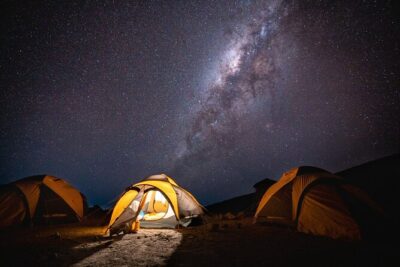
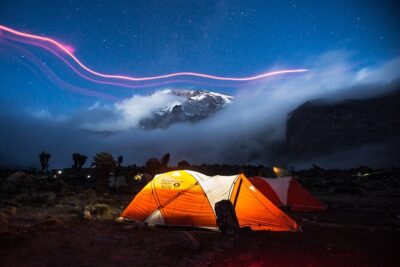
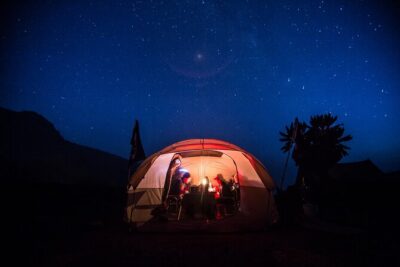
The mountain setup is designed to make camping feel organized rather than improvised. You sleep in North Face VE-25 tents, normally two hikers per tent, with sleeping pads and a dedicated dining tent furnished with tables, chairs, crockery, and cutlery.
Three meals are provided each day, with vegetarian, vegan, lactose-free, gluten-free, halal, and other meal plans available. Tea, coffee, juice, soda, and other drinks are supplied on the mountain.
Food matters more than many first-time climbers expect. You burn energy all day, and eating becomes part of your altitude strategy. The cooking team is also a morale boost. One especially memorable detail from the trip’s feedback is that the kitchen team has served pizza on the mountain, a small luxury after a hard day.
The porters, cooks, camp masters, and guides form the working heart of the climb. Guides named in the company’s trip feedback include Richard Chande, Imran, Kelvin, Donovan, Michael, Rayson, Ally, and Andrea. Your own team may differ, but the important point is to meet your crew, learn who handles medical checks, and understand how to raise concerns.
Safety, fitness, and who should book
You need a moderate level of physical fitness. You do not need technical mountaineering skills for the standard route, but you do need to walk for several hours on consecutive days, handle steep sections, sleep in a tent, and tolerate cold and altitude.
This trip suits you if you want a guided first high-altitude climb with substantial support. It also suits experienced hikers who prefer a carefully managed operation rather than carrying all food and camping equipment themselves.
It is a poor fit if you want a relaxed holiday, dislike camping, or expect the price to cover every expense. The summit is never guaranteed simply because you have paid for a well-run itinerary. Fitness, acclimatization, weather, and your condition on summit night all matter.
Mountaineering insurance covering trekking up to 6,000 meters is highly recommended and should be arranged separately. Personal gear, boots, clothing, and a sleeping bag are also your responsibility, though rental is available.
Should you book Altezza’s Lemosho climb?
I would choose this trip if you want the scenic Lemosho approach, an eight-day schedule, and a large support structure that handles the practical work. The gradual route, repeated acclimatization walks, personal summit guide for each pair, medical checks, and strong meal plan make the $3,975 fee easier to justify.
Go in with clear expectations. You still face a cold, high, strenuous climb, and the longest days are genuinely long. Confirm the summit-day timing, ask for the full packing list, arrange high-altitude insurance, and set aside money for hotel meals, gear rental, and tips.
If you prepare properly and respect the pace, this is a well-supported way to experience Kilimanjaro’s changing zones, from wet forest to the summit’s stark volcanic heights.
FAQ
How long does the Kilimanjaro Lemosho trip last?
The full program lasts approximately 10 days, including two hotel nights before and after the mountain climb. The mountain route itself is described as an eight-day hiking adventure.
Where does the climb begin?
The trek begins at Londorossi Gate, the western entrance to Kilimanjaro National Park. The drive from the hotel takes roughly three to four hours.
Is airport pickup included?
Yes. Pickup and drop-off at Kilimanjaro International Airport are included, along with all ground transportation.
What accommodation is included?
Two nights at Aishi Machame Hotel are included, normally with two guests per room. On the mountain, hikers use North Face VE-25 tents, normally with two hikers per tent.
Are meals included?
Three meals a day are included on the mountain, along with drinks such as tea, coffee, juices, and soda. Hotel lunch and dinner are not included and cost about $15 to $20 per person per meal.
Can dietary requirements be accommodated?
Yes. Vegetarian, vegan, lactose-free, gluten-free, halal, and other meal plans are available.
Is personal hiking equipment included?
No. Your hiking clothing, boots, sleeping bag, and other personal gear are not included. Equipment can be hired from the operator’s gear store.
Is a high level of fitness required?
The stated requirement is a moderate level of physical fitness. You should still be ready for several hours of walking on most days, steep sections, high altitude, and a strenuous summit night.
Is mountain insurance included?
No. Mountaineering insurance is not included. Insurance covering trekking up to 6,000 meters is highly recommended.
Newly listed around Moshi & Kilimanjaro
- Climb Mount Kilimanjaro: 7 Days Machame Route★ 5.0 · 3 reviews
- 6 Days Mount Kilimanjaro Climbing via Rongai Route★ 5.0 · 3 reviews
- Explore 1 day Ngorongoro Crater Budget Group Safari from Arusha★ 5.0 · 3 reviews
- Mt. Kilimanjaro Day Hiking★ 5.0 · 3 reviews
- Chemka (Kikuletwa) Hot Springs, Tanzania★ 5.0 · 3 reviews
- Guided City tour of Moshi★ 4.3 · 3 reviews
- 8 Day Tanzania Family Safari★ 5.0 · 3 reviews
- Serengeti Safari with Sirikwa Travel★ 5.0 · 3 reviews
Kilimanjaro Climbs, compared.
Browse the lists this tour appears in