
Reviewed · KILIMANJARO CLIMBS
9 Days Kilimanjaro Climb via Lemosho Route
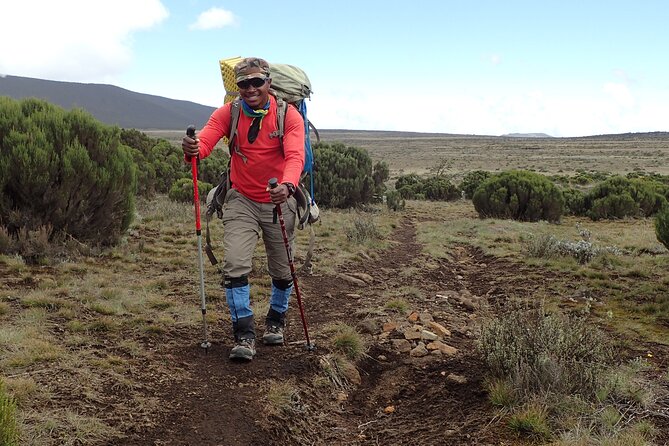
The best thing about this climb is its patient route design. The Lemosho route approaches Kilimanjaro from the west, beginning at 2,360 meters and giving you several days to adjust before summit night. You move from rainforest to heath, alpine desert, and finally the cold volcanic rim.
I like the two Shira camp nights, which break up the climb nicely, and I like the careful time spent high at Lava Tower and Karanga. The main drawback is summit day: you leave just after midnight, climb for about six hours in darkness, then descend all the way to Mweka Camp. That is a serious physical test, even with nine days on the mountain.
Key points to know before booking
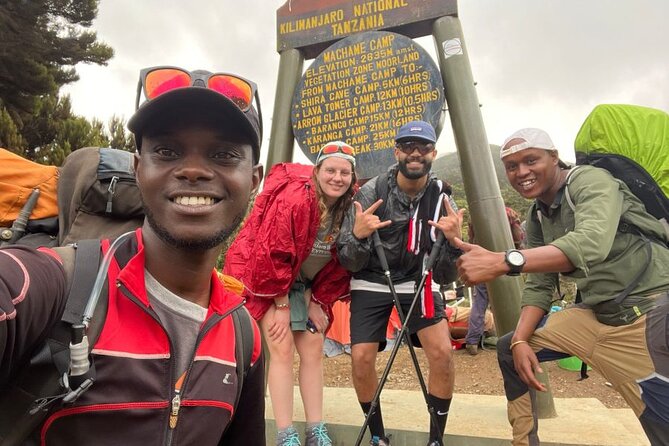
- A scenic western approach: The route starts at Lemosho Gate and passes through rainforest, heath, the Shira Plateau, and alpine desert.
- Strong acclimatization plan: Nights at Shira 1, Shira 2, Lava Tower, and Karanga give your body valuable time at altitude.
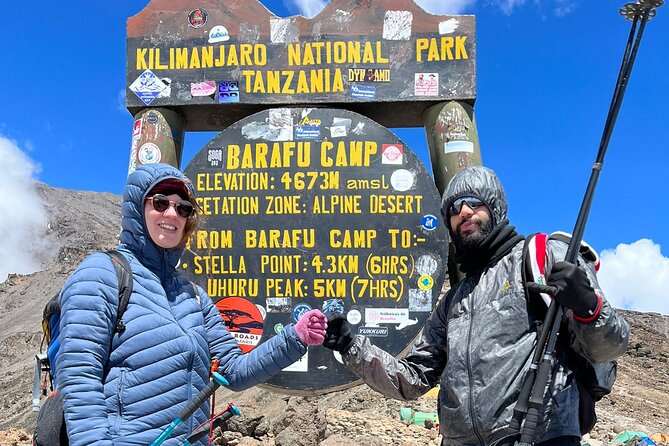
- A demanding summit day: You climb to Stella Point and Uhuru Peak before descending to Mweka Camp on the same day.
- Airport and hotel support: Pickup from Kilimanjaro International Airport, a Moshi hotel night, briefing, debrief, shower, drink, and certificate are included in the overall arrangement.
- Private group format: Only your own group takes part, with confirmation provided at booking.
- Practical safety equipment: A first aid kit, pulse oximeter, and emergency oxygen cylinder are supplied.
Why nine days on Lemosho makes sense
Kilimanjaro is not a technical mountain climb, but altitude is the great unknown. You can be fit, determined, and perfectly healthy at home, yet still feel rough above 4,000 meters. That is why I like the length of this route.
The Lemosho schedule does not rush you straight toward the summit. You gain height in stages, spend time on the Shira Plateau, sleep at Lava Tower, and then continue to Karanga and Barafu. This follows the useful mountain rule of climbing high and sleeping lower, at least in part.
The route also gives you changing scenery. The first day on the mountain is green and forested. Later, trees give way to low heath and open volcanic ground. Near the summit, the setting is stark, windy, and cold. You are not simply repeating the same view for a week.
The listed price is $3,450 per person. That is a substantial sum, but it covers much more than a guide and a walk. The package includes airport pickup, a Moshi hotel stay before and after the climb, park admission, mountain meals, camp support, safety equipment, and a private group. The value depends on how much you want a managed climb rather than arranging each part yourself.
You still need to budget for health insurance, a sleeping bag, and visa fees. Laundry is available at the hotel for $1 per item. The first day of hiking includes three liters of bottled water, while the listed meals cover seven lunches, seven dinners, and eight breakfasts.
More Kilimanjaro routes:
- Kilimanjaro climb by Lemosho Route (7-day)
★ 5.0 · 651 reviews - Kilimanjaro climb, Machame Route (7-day)
★ 5.0 · 262 reviews - Kilimanjaro Climbing Lemosho Route 8 Days.
★ 5.0 · 186 reviews
Day 1: A soft landing in Moshi
Your arrival begins at Kilimanjaro International Airport, where the driver takes you to Keys Hotel in Moshi. The schedule lists an 8:00 a.m. start time, so confirm your arrival timing and pickup details at booking.
This first day matters more than it may seem. You get a hotel night, a briefing, and time to settle before walking into the mountain environment. Use it to organize your sleeping bag, hiking clothes, headlamp, water, and personal medication. The following days are structured, so last-minute confusion is best dealt with in Moshi.
Keys Hotel is also your practical base at the end. After the descent, you return there for a hot shower, a cold drink, a debrief, and your certificate of achievement.
Day 2: Lemosho Gate and the first rainforest camp
The drive to Londorossi Gate takes about two and a half hours. National park registration happens there, followed by another 15-kilometer drive into the forest to the trailhead.
The walking begins on a moderately steep path through dense rainforest. The day takes about four hours and ends at Big Tree Camp, at 2,780 meters. Keep an eye out for monkeys and forest birds. Wildlife is never guaranteed, but this is one of the more rewarding sections for seeing the mountain as a living ecosystem rather than just a summit objective.
A useful comfort detail is waiting at camp: tents are set up, with hot tea and washing water available. That support saves you energy. After a first day on uneven ground, you can focus on eating, drinking, and getting warm instead of pitching camp.
The short walking time makes this a gentle introduction. Still, the altitude is already higher than Moshi, so do not treat the day as a race.
Day 3: From forest to the Shira Plateau
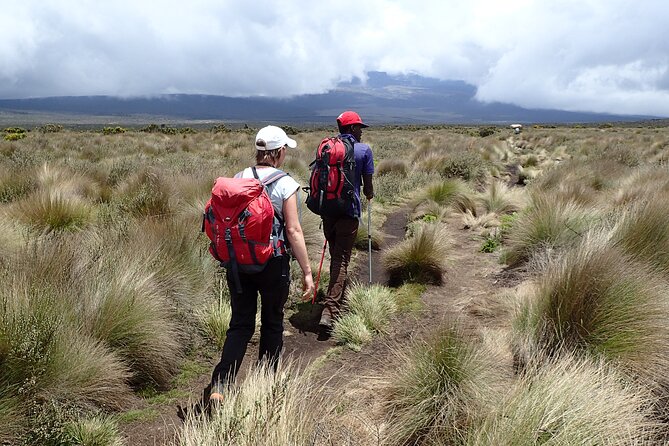
Day three takes about six hours. You climb through Podocarpus and juniper forest, then break out into the heath zone before reaching the Shira Plateau.
This change in vegetation is one of the route’s pleasures. The forest feels enclosed and damp, while the plateau opens the view and makes the mountain feel much larger. Lunch is eaten on the trail, and you reach Shira 1 Camp in the middle of the afternoon.
The day brings a meaningful altitude gain, so your job is simple: walk slowly, drink often, and tell your guide early if you feel unwell. The camp is not just a sleeping stop. It gives you your first proper night high on the mountain and sets up the next acclimatization day.
A few more Moshi & Kilimanjaro days to compare
- Safari Serengeti And Ngorongoro
★ 5.0 · 288 reviews - Climbing Kilimanjaro – Machame Route
★ 5.0 · 170 reviews - Climbing Kilimanjaro through 7 days Machame Route
★ 5.0 · 151 reviews - Kilimanjaro climb, Lemosho Route (8-day)
★ 5.0 · 148 reviews
Day 4: A short acclimatization day at Shira 2
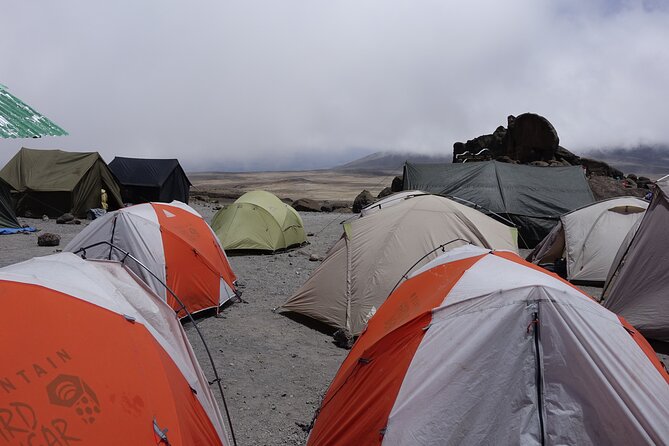
The route to Shira 2 Camp takes about six hours, despite being described as a shorter day after the previous gain. You arrive around lunchtime, leaving time to rest.
There is also an optional afternoon walk with the guides. This is a smart feature because you can adjust the effort to how your body feels. If you are tired, rest is useful. If you are coping well, a short walk lets you spend more time at altitude without pushing toward the next camp.
Shira 2 is one of the reasons the nine-day schedule is appealing. A shorter day at this point gives you time to settle before the route turns more barren and demanding. Do not waste the afternoon trying to prove your fitness. Your summit attempt is still several days away.
Day 5: Lava Tower and the alpine desert
The route to Lava Tower leaves the heath zone and enters the alpine desert. Plant life becomes sparse, and the temperature range can be severe. The change is dramatic, with more exposed ground and fewer places to shelter from wind or sun.
The walking takes about six hours, but the day is split into two half-days. Lunch is taken in camp, and, if the weather allows, you can scramble to the top of the nearby Lava Tower in the afternoon.
The scramble is optional, which is important. Lava Tower offers extra altitude and a good acclimatization opportunity, but poor weather or low energy should end the discussion. Ask your guide how conditions look, and do not confuse an optional viewpoint with a required achievement.
This is also a day to watch your body closely. Headache, nausea, unusual fatigue, or poor coordination should be reported promptly. The supplied pulse oximeter and emergency oxygen cylinder are safety tools, not signs that you should ignore symptoms.
Day 6: High time at Karanga Camp
After two half-days, day six is relatively long and takes about five hours. You continue toward Karanga Camp, with the camp’s position chosen to give you significant time at altitude before the summit stages.
The setting is especially striking late in the day. Sunsets can reveal the southern glacial valleys and ice fields rising about 1,000 meters above camp. That view comes with a price: Karanga is high, exposed, and not a place where comfort comes easily.
This is a good night to keep your routine simple. Eat as much as you can, drink steadily, and prepare your summit clothes before bedtime. Cold makes small tasks harder, and you do not want to search through your bag at Barafu or after midnight.
Day 7: Barafu Camp and the quiet before summit night
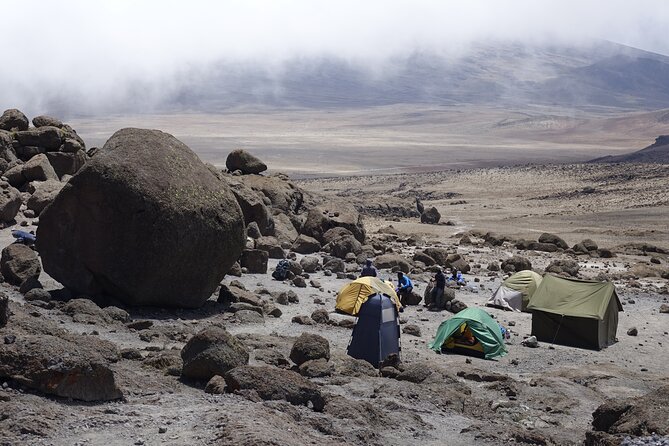
The climb to Barafu takes about five hours. It is another half-day, with lunch at camp and time to rest before the summit attempt.
Barafu means a more severe setting. The alpine desert is desolate, and strong winds can sweep across camp. In clear conditions, Mawenzi Volcano provides a memorable view, but you are mainly here for position and rest.
The timing may feel strange. You reach camp early, eat lunch, and then need to sleep or at least lie down before setting out just after midnight. Pack what you need for the summit in advance: warm layers, gloves, headlamp, water, snacks, and camera. Your exact equipment list is not provided, so ask the operator what you must bring beyond the included items.
Day 8: Stella Point, Uhuru Peak, and the long descent
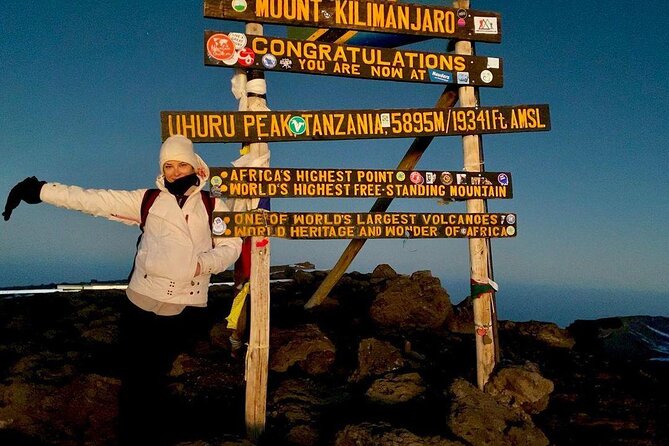
Summit day is the heart of the climb and the hardest section by far. You leave just after midnight in darkness and cold, walking by headlamp over frozen volcanic dust toward Stella Point on the crater rim.
The climb to Stella Point takes about six hours. The slow pace is essential. The air is thin, the slope is steep, and the cold can make the hours feel longer than the distance suggests. The plan is to arrive near sunrise, then continue for another one or two hours to Uhuru Peak, the highest point on the crater.
At the summit, keep the celebration short. Take photographs, share the moment with your group, and then begin the descent. The return is not an easy victory lap. Volcanic ash that was frozen during the ascent may have thawed, making the downhill footing dusty and slippery.
You stop at Barafu for tea, then continue for about three more hours to Mweka Camp at 3,080 meters. The full day is listed at about eight hours, though actual timing can vary with pace, weather, and conditions. Drink plenty of fluids and eat a proper supper. You have just asked a lot of your body.
Day 9: Mweka Gate and a welcome shower
The final morning begins with a traditional farewell ceremony from the porters. After about three hours of comfortable descent through the forest, you reach Mweka Gate.
A driver then takes you back to Keys Hotel in Moshi. The hot shower and cold drink are not small luxuries at this point. You also receive a debrief and certificate of achievement.
The route ends with a useful sense of closure. You move from the harsh summit zone back into green forest, then return to town in the same organized system that handled your arrival.
The people and support behind the climb
The strongest part of this experience is its human support. The team is described as responsive during the planning period and attentive on the mountain. Names connected with departures include David, Gasper, Siza, and Mwinyi, though your assigned guide is not specified.
You can expect daily motivation, prepared meals, carrying support, hot tea, washing water, and help with the practical worries that become tiring at altitude. Siza is specifically associated with a warm, family-like approach, while guide Mwinyi is associated with humor and high spirits on the Lemosho route.
That does not remove the need for self-reliance. You still need appropriate clothing, a sleeping bag, insurance, and enough personal stamina for long days. Good support helps you manage the climb, but it cannot guarantee a summit.
The private format is another advantage. Your group is the only group taking part in the activity, which should make pacing and communication easier than on a large shared departure. The exact group size is not stated, so do not assume you will have a particular number of companions.
Food, water, safety, and comfort
Meals are included for most of the mountain schedule: seven lunches, seven dinners, and eight breakfasts. That takes a major planning burden away from you, especially on the high camps where appetite can be poor but calories still matter.
Three liters of bottled drinking water are provided on the first hiking day. The information does not state the full water arrangement for every later day, so ask for a clear packing and refill plan before departure.
The first aid kit and pulse oximeter are useful safeguards. Oxygen is carried for emergencies only. You should have health insurance, since it is not included, and you should be honest about your fitness and medical concerns before starting.
A moderate fitness level is required. You do not need technical climbing skills according to the information provided, but you do need to handle repeated uphill walking, cold nights, uneven paths, and the long summit descent.
Who should book this climb
I would consider this route for a fit person who values scenery and acclimatization over the shortest possible schedule. It suits someone who wants a private group, airport pickup, hotel support, organized meals, and a route that changes character from forest to summit.
It is also a good choice if you want more time to adjust than a shorter Kilimanjaro itinerary allows. The two Shira nights, Lava Tower section, and Karanga stay give the schedule a measured rhythm.
I would hesitate if you dislike camping, struggle with cold, or want a relaxed holiday with only occasional walking. Summit night is cold, dark, and strenuous, and the descent after Uhuru Peak is still long. The $3,450 price is easier to justify if you value full logistical support and the extra acclimatization days.
Free cancellation is available if you cancel at least 24 hours before the local start time. Changes or cancellations made later are not accepted for a refund.
Should you book the 9-day Lemosho climb?
Yes, if your priority is a scenic Kilimanjaro route with a careful altitude schedule and strong practical support. I especially like the combination of two Shira camps, Lava Tower acclimatization, and a private group.
Before paying, confirm the assigned guide, full equipment list, water plan after day one, sleeping bag arrangements, insurance requirements, and pickup timing. If those details fit your plans, this is a well-structured choice for a serious but nontechnical Kilimanjaro climb.
FAQ
Where does the climb begin?
The mountain section begins at Lemosho Gate after registration at Londorossi Gate. The overall experience begins with pickup at Kilimanjaro International Airport and a hotel night in Moshi.
How long is the climb?
The experience lasts about nine days. The summit attempt takes place on day eight, followed by descent through Mweka Gate on day nine.
What fitness level is required?
A moderate physical fitness level is required. The route includes several multi-hour hiking days and a demanding summit day that begins just after midnight.
Are meals included?
Yes. The package lists seven lunches, seven dinners, and eight breakfasts. Three liters of bottled drinking water are provided on the first hiking day.
Is a sleeping bag included?
No. Sleeping bags are not included, so you need to arrange one separately.
What happens after reaching the summit?
After reaching Uhuru Peak, you descend to Barafu for a short tea break and continue to Mweka Camp for the night. The following day, you walk to Mweka Gate and return to Keys Hotel in Moshi for a shower, drink, debrief, and certificate.
Newly listed around Moshi & Kilimanjaro
- Climb Mount Kilimanjaro: 7 Days Machame Route★ 5.0 · 3 reviews
- 6 Days Mount Kilimanjaro Climbing via Rongai Route★ 5.0 · 3 reviews
- Explore 1 day Ngorongoro Crater Budget Group Safari from Arusha★ 5.0 · 3 reviews
- Mt. Kilimanjaro Day Hiking★ 5.0 · 3 reviews
- Chemka (Kikuletwa) Hot Springs, Tanzania★ 5.0 · 3 reviews
- Guided City tour of Moshi★ 4.3 · 3 reviews
- 8 Day Tanzania Family Safari★ 5.0 · 3 reviews
- Serengeti Safari with Sirikwa Travel★ 5.0 · 3 reviews
Kilimanjaro Climbs, compared.








Browse the lists this tour appears in