
Reviewed · KILIMANJARO CLIMBS
Climbing Kilimanjaro through 8 days Lemosho Route
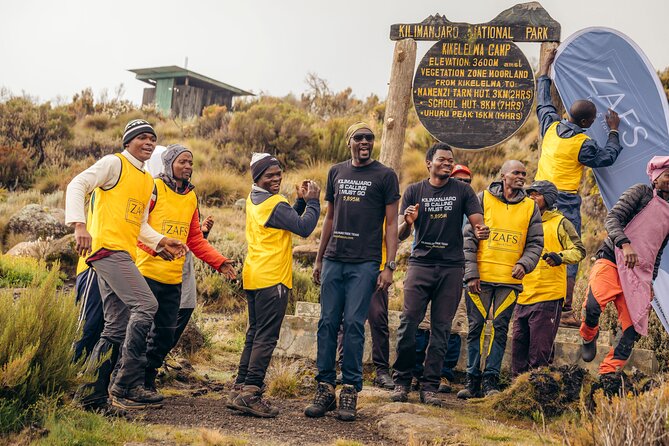
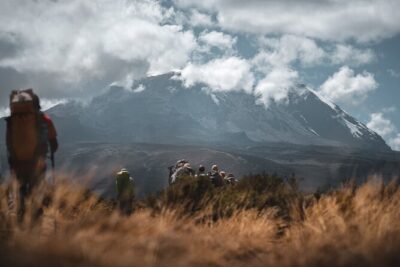
The best part of the 8-day Lemosho Route is its slow approach from Kilimanjaro’s western side. You begin with a long drive from Moshi to Londorossi Gate, then walk through quieter country toward the Shira Plateau, with changing vegetation, broad mountain views, and far fewer climbers than on busier routes. The gradual ascent gives your body more time to adjust to altitude.
I like the low-traffic route and the fact that meals, tents, transport, park fees, and a full mountain crew are included. I also like the human scale of the service: guides such as Alex, John Jechs, Prosper, and Aubray have led recent climbs, while chefs including Zachariah have handled special diets, including vegetarian menus.
The main drawback is the price, $2,760 per person, before any Moshi hotel nights. Eight days also means a serious time commitment, and this remains a demanding high-altitude climb, not a casual nature walk.
Key points before you book
- Eight days on the Lemosho Route: The longer schedule supports a steadier climb and better acclimatization than a shorter program.
- A remote western start: A roughly four-hour drive from Moshi takes you to Londorossi Gate and Kilimanjaro’s quieter western slope.
- The Shira Plateau is the scenic center: You move from alpine meadows toward harsher upper slopes and permanent ice.
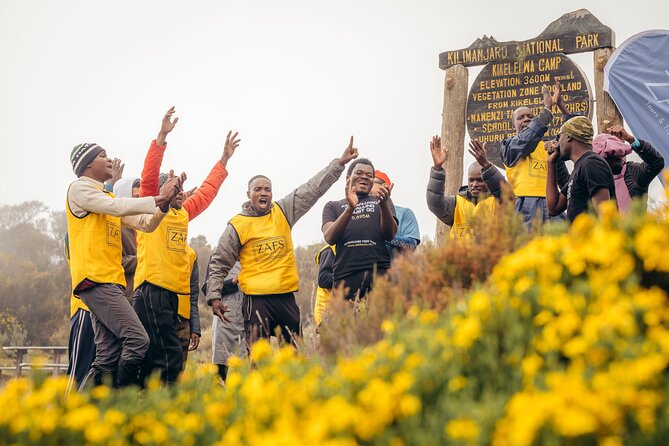
- A private mountain team: Only your group participates, supported by guides, a chef, waiter, and porters.
- Full mountain catering and camping: Breakfast, lunch, dinner, tea or coffee, private tents, and a dining tent are included.
- A strong service record: The 52 available ratings are listed as five stars, with 100 percent recommending the experience.
Why Lemosho is worth the extra days
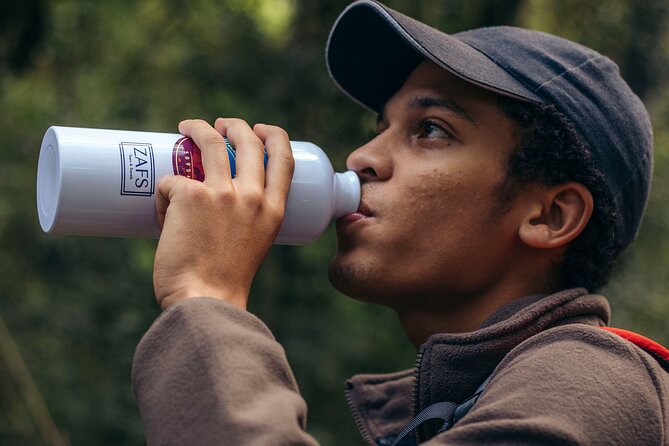
Kilimanjaro is often sold as a straightforward climb because no technical mountaineering is required on the standard routes. That description can mislead you. The real challenge is altitude, cold, long walking days, and the need to keep moving when your body is no longer operating at normal speed.
Lemosho helps by giving you more time on the mountain. The eight-day version is preferable to a compressed itinerary because the climb rises at a more measured pace. That does not remove the risk of altitude sickness, but it gives your guides more time to watch how you respond and gives you more nights for your body to adjust.
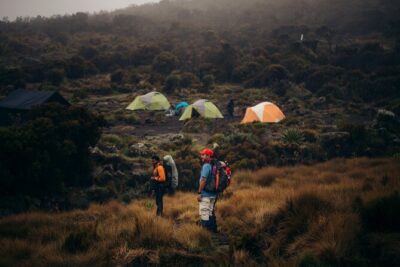
I also like the character of the route. The western approach feels more remote at the start, and the mountain changes in clear stages. You begin among greener, lower vegetation, reach open alpine meadows, cross the Shira Plateau, and continue toward the high volcanic terrain and ice near the summit.
The route is also praised for its scenery and relatively low traffic. If you want a mountain experience with quiet stretches and a stronger sense of wilderness, Lemosho is a better fit than a shorter, busier approach.
More Kilimanjaro routes:
- Kilimanjaro climb by Lemosho Route (7-day)
★ 5.0 · 651 reviews - Kilimanjaro climb, Machame Route (7-day)
★ 5.0 · 262 reviews - Kilimanjaro Climbing Lemosho Route 8 Days.
★ 5.0 · 186 reviews
From Moshi to Londorossi Gate
The listed start is 9:00 a.m. at Moshi Leopard Hotel on Market Street. From there, private transportation takes you toward Londorossi Gate, a drive of about four hours.
That transfer is not a minor detail. Your first day includes a substantial road journey before the walking begins, so you should arrive ready for an early start and a full day of logistics. Private transport is included, which removes the need to arrange a separate transfer to the mountain.
Londorossi Gate places you on the western side of Kilimanjaro. This is where the character of the route begins to change. Instead of immediately joining the busiest climbing flow, you start in a quieter area and move gradually toward the mountain’s higher zones.
The exact walking distance, camp names, and daily departure times are not supplied, so I would ask ZAFS Tours for a day-by-day route sheet before paying. That information matters if you want to compare this program with other 8-day Lemosho itineraries.
The Shira Plateau and the first major views
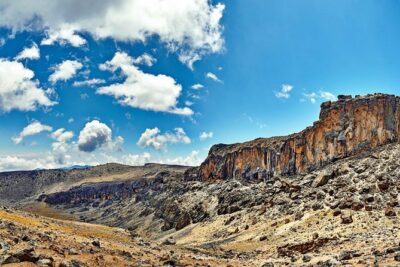
The Shira Plateau is one of the defining features of this climb. It offers a broad, open setting after the more enclosed lower approach, and it gives you a memorable sense of Kilimanjaro as a huge volcanic mountain rather than simply a trail leading uphill.
This section is valuable for two reasons. First, the scenery changes quickly, keeping the walk interesting even when the physical effort builds. Second, the route continues to gain altitude in stages, which is one reason Lemosho is often selected for acclimatization.
You should not expect every day to be easy. A gradual route can still feel tiring, and the plateau may expose you to cold, wind, or changing weather. The benefit is that you have time to walk slowly, take regular breaks, and let the guide team set a safe rhythm.
The route is described as passing through all of Kilimanjaro’s climate zones. You can expect the mountain to feel different from one day to the next, from alpine meadow scenery to stark upper slopes and the permanent ice near the summit.
What the eight-day rhythm means for you
The eight-day schedule is the central reason to choose this departure over a shorter version. Seven-day and eight-day programs are available, but the longer option is specifically recommended for acclimatization.
Your days will be shaped by walking, meals, rest, and briefings rather than sightseeing in the usual sense. The supplied information does not provide a fixed camp-by-camp schedule, so I would avoid booking based on an assumed list of stops. Ask for the precise route plan, daily walking hours, sleeping elevations, and summit-day timing.
The gradual pace can feel slow at first. That is a good thing. On Kilimanjaro, rushing early in the climb can make the later days much harder. A patient pace also lets you pay attention to the mountain’s changing plants, weather, and views instead of treating the trail as a race.
The private format helps here. Only your own group participates, so the guides can focus on your party rather than trying to manage a large mixed group. Group discounts are offered, making this worth checking if you are booking with friends or family.
A few more Moshi & Kilimanjaro days to compare
- Safari Serengeti And Ngorongoro
★ 5.0 · 288 reviews - Climbing Kilimanjaro – Machame Route
★ 5.0 · 170 reviews - Climbing Kilimanjaro through 7 days Machame Route
★ 5.0 · 151 reviews - Kilimanjaro climb, Lemosho Route (8-day)
★ 5.0 · 148 reviews
Camp life, tents, and mountain meals
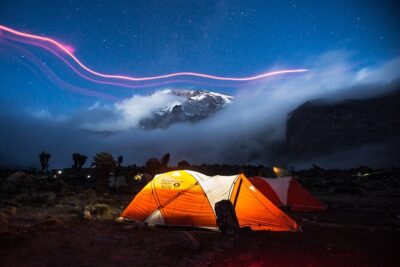
Camping equipment is included, with private tents, a dining tent, tents for the crew, and related mountain equipment. A private tent is a real comfort after a long walking day. You get your own sleeping space rather than sharing with unrelated climbers, although the listing does not specify tent size or sleeping mats.
The dining tent gives the group a place to eat together and receive evening briefings. It also creates a useful routine on a mountain where the days can otherwise blur together: walk, eat, rest, listen to the guide, and prepare for the next stage.
Breakfast, lunch, and dinner are provided each day on the mountain. Tea and coffee are included as well. The meals are freshly prepared by the mountain chef, and Zachariah is specifically praised for producing varied vegetarian food on one climb.
You should still tell ZAFS Tours about dietary needs before departure. The food service sounds like one of the stronger parts of the package, but no detailed menu is provided, and the package does not state how snacks, bottled water, or specific dietary supplements are handled.
The price also includes an experienced mountain crew: guides, a chef, waiter, and porters. This support is central to the experience. Your guides handle route decisions and safety checks, the chef prepares meals, and the porters move the camping equipment and supplies. Ask how tipping is handled and what porter welfare standards the company follows, since those details are important on any supported Kilimanjaro climb.
The guide team and personal support
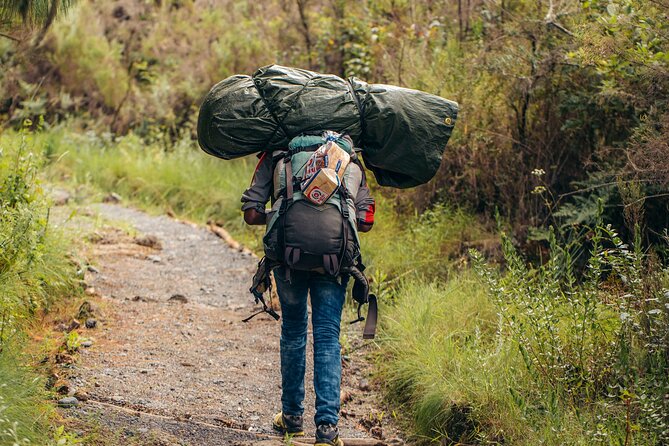
Guide quality matters more here than polished marketing. At altitude, you need people who can set a sensible pace, explain what is happening, and notice when you are struggling.
The climbing teams connected with this program have included lead guides Alex and John Jechs, along with John, Martin, Prosper, Aubray, Erik, and Mushi on different departures. Because staffing can change, treat these names as examples rather than a promise that one particular guide will lead your climb.
The service includes evening briefings and pulse-oximeter checks on some departures. Those checks are useful indicators, but they are not a substitute for telling your guide how you feel. Headache, nausea, unusual fatigue, dizziness, and breathing trouble should be reported promptly.
The strongest pattern in the available feedback is the crew’s encouragement and organization. Climbers specifically single out guides who kept them motivated and porters who helped the group reach the summit. That kind of steady support can make a major difference on summit night, when the cold, darkness, and altitude test your patience.
The private format may suit families especially well. One person used the climb to celebrate a 52nd birthday by summiting with a son, and the company adjusted the group dates to make that timing work. That suggests useful flexibility, although you should confirm any date change directly before booking.
The summit push and Uhuru Peak
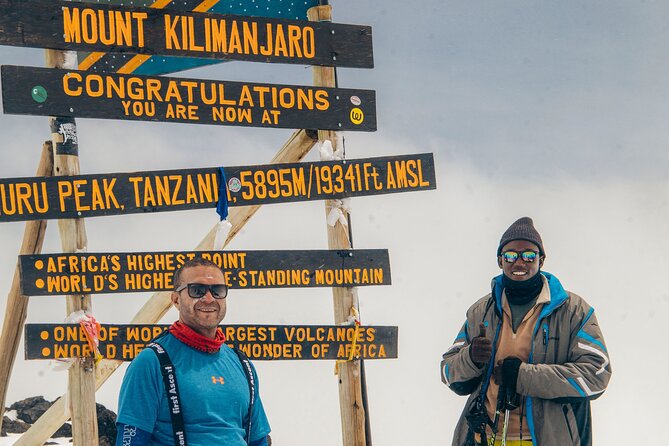
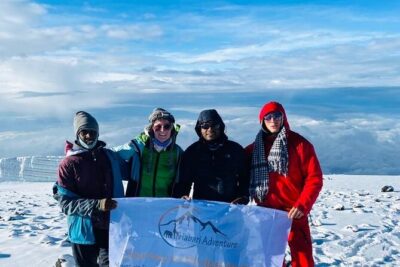
The goal is Uhuru Peak, the highest point on Mount Kilimanjaro. The supplied description does not give the exact summit-day start time, route section, or expected duration, so ask for those details during your pre-climb briefing.
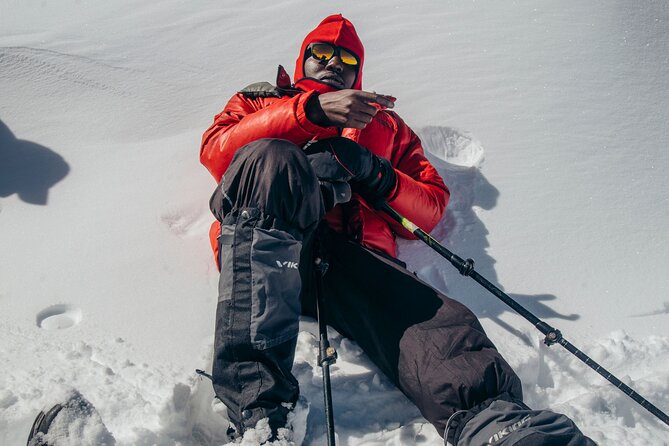
You should approach the summit as the hardest part of the trip. Even fit hikers can find the altitude severe, and reaching the top depends on health, weather, pacing, and acclimatization rather than fitness alone.
The long Lemosho program improves your setup for this final push, but it cannot guarantee success. A responsible guide may recommend stopping or descending if your condition becomes unsafe. That is not failure. On a mountain of this height, good judgment matters more than a photograph at the top.
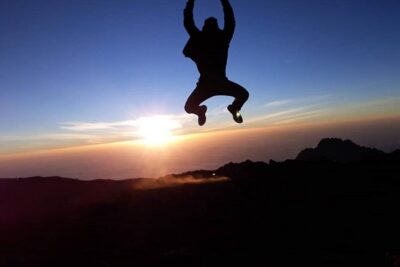
The emotional appeal is clear. You have crossed several climate zones, slept in mountain camps, and watched the surroundings change from lower vegetation to high volcanic terrain and ice. The summit is the payoff, but the route’s gradual build is what makes the achievement feel earned.
What the $2,760 price covers
At $2,760 per person, this is not a budget hike. It is also more than a simple guiding service because the package includes many of the major costs of an organized Kilimanjaro climb:
- Private transportation
- All listed fees and taxes
- Private tents and a dining tent
- Crew tents and camping equipment
- Breakfast, lunch, and dinner
- Tea and coffee
- Guides, chef, waiter, and porters
- Pickup from the Moshi meeting point
I consider the package reasonably strong in value if you want a fully supported private climb. Meals, camping gear, park-related fees, transport, and staff are already bundled, so you have fewer separate arrangements to make.
The important exclusions are pre-hike and post-hike accommodation in Moshi. Those nights are available on request, but they are not included in the stated price. You should also confirm what personal gear you need to bring, whether airport transfers are included, and how gratuities are managed.
A private climb can cost more than joining a large group, but it gives your party more control over pace and attention. Group discounts may improve the price for families or friends. I would ask for the exact discount structure rather than assuming it applies automatically.
Who should choose this climb
This experience suits you if you want a serious mountain challenge with a slower schedule and a quieter route. It is a good match for people who value scenery, support staff, private camping, and a carefully paced approach more than the lowest possible price.
It also suits families and small private groups that want to share a major goal. The birthday climb with a son shows how the trip can work as a personal milestone, provided everyone in the group understands the physical demands.
You need a moderate level of physical fitness. That phrase should be taken seriously, even though it does not mean you must be an expert mountaineer. You will spend many days walking uphill and sleeping at altitude, and the final ascent can be demanding.
This is not the best choice if you have only a few spare days, dislike camping, or want a predictable success guarantee. The eight-day duration is one of the route’s strengths, but it requires time away from home and an extra commitment to preparation.
Practical details before departure
Confirmation is provided at the time of booking. The meeting point is Moshi Leopard Hotel, Market Street, with a listed start time of 9:00 a.m. The activity ends back at the same meeting point.
The location is near public transportation, but private transportation is included for the mountain transfer. Pickup is offered, so confirm the exact pickup point and time if you are staying somewhere other than the listed hotel.
Free cancellation is available up to 24 hours before the local start time for a full refund. Cancellations made within 24 hours are not refunded, and last-minute changes are not accepted. The experience also requires a minimum number of participants, so if ZAFS Tours cancels for that reason, you should be offered another date or experience, or a full refund.
Before booking, I would ask for these details in writing:
- The exact eight-day camp schedule
- Daily walking times and distances
- Summit-day timing
- Personal equipment requirements
- Moshi hotel options and prices
- Airport transfer arrangements
- Dietary options beyond the stated vegetarian example
- Tipping guidance and porter welfare practices
Should you book the ZAFS Lemosho climb?
I would choose this climb if you want the Lemosho Route’s scenery and quieter western approach, and you can afford the time and cost of an eight-day program. The combination of gradual acclimatization, private camping, full meals, transport, and a complete mountain crew gives you a practical package rather than a bare-bones trek.
I would pause if the $2,760 price stretches your budget or if you need a tightly specified day-by-day itinerary before committing. Ask for the missing camp and distance details, then compare the inclusions with other operators.
For a family, small private group, or first high-altitude climb, this is a sensible option to investigate. The route gives you time, the support package is substantial, and the guide teams have a strong record for motivation, organization, and summit assistance. Just remember that Kilimanjaro remains a demanding climb, and preparation matters as much as the company you choose.
FAQ
How long is the Kilimanjaro Lemosho climb?
The experience lasts approximately eight days. A seven-day option is also available, but the longer program is recommended for better acclimatization.
Where does the climb begin?
The listed meeting point is Moshi Leopard Hotel on Market Street in Tanzania. From Moshi, the group travels by private vehicle for about four hours to Londorossi Gate.
What is special about the Lemosho Route?
The route begins on Kilimanjaro’s western side and passes through quieter areas before reaching the Shira Plateau. It is known for scenic views, varied plant life, low traffic, and a gradual ascent through several climate zones.
Are meals included?
Yes. Breakfast, lunch, and dinner are included for every day on the mountain. Tea and coffee are also provided, and meals are freshly prepared by the mountain chef.
Is camping equipment included?
Yes. The package includes private tents, a dining tent, tents for the crew, and other camping equipment.
Is this a private tour?
Yes. Only your group participates in the climb. Group discounts are offered, so it is worth asking about the price for a family or group booking.
Is accommodation in Moshi included?
No. Pre-hike and post-hike accommodation in Moshi are not included in the listed price, but they can be arranged on request.
Newly listed around Moshi & Kilimanjaro
- Climb Mount Kilimanjaro: 7 Days Machame Route★ 5.0 · 3 reviews
- 6 Days Mount Kilimanjaro Climbing via Rongai Route★ 5.0 · 3 reviews
- Explore 1 day Ngorongoro Crater Budget Group Safari from Arusha★ 5.0 · 3 reviews
- Mt. Kilimanjaro Day Hiking★ 5.0 · 3 reviews
- Chemka (Kikuletwa) Hot Springs, Tanzania★ 5.0 · 3 reviews
- Guided City tour of Moshi★ 4.3 · 3 reviews
- 8 Day Tanzania Family Safari★ 5.0 · 3 reviews
- Serengeti Safari with Sirikwa Travel★ 5.0 · 3 reviews
Kilimanjaro Climbs, compared.
Browse the lists this tour appears in