
Reviewed · MOSHI & KILIMANJARO TOURS
8-Day Essence of Tanzania Safari – Luxury
Four major parks, two lakes, a volcanic crater, a Maasai village visit, and a Hadzabe hunting experience make this eight-day private safari unusually full. You begin at Kilimanjaro International Airport and travel through northern Tanzania with a dedicated driver-guide, ending back in Arusha for your airport transfer.
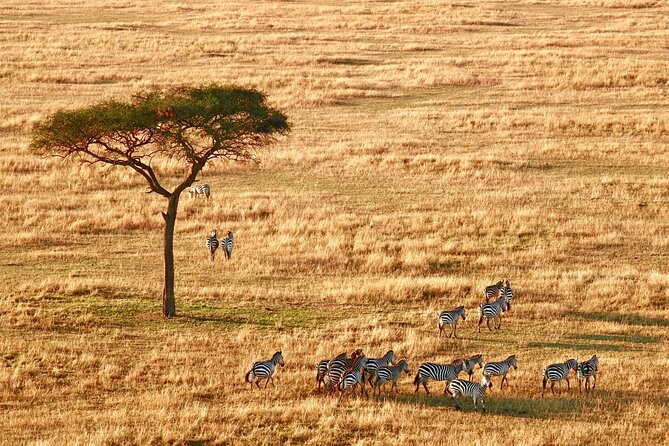
I like the variety. Tarangire gives you elephants and quiet bush, Manyara brings excellent birdwatching, and the Serengeti supplies the big predator scenes. I also like the chance to spend three nights in the Serengeti area rather than rushing through it.
The main catch is the pace. You cover a lot of ground, with long drives between parks and several early starts. The word luxury is appealing, but the exact lodges and room standards are not named, so you should ask for the accommodation list before paying the $6,785 per-person price.
Key points to know before booking
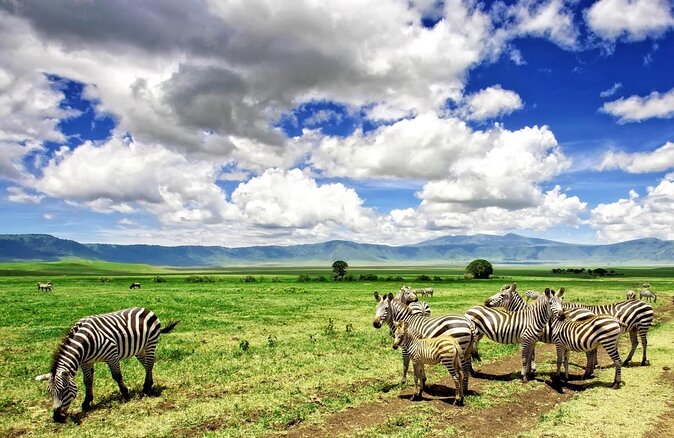
- Four northern parks in one route: Visit Tarangire, Lake Manyara, Serengeti, and Ngorongoro Crater.
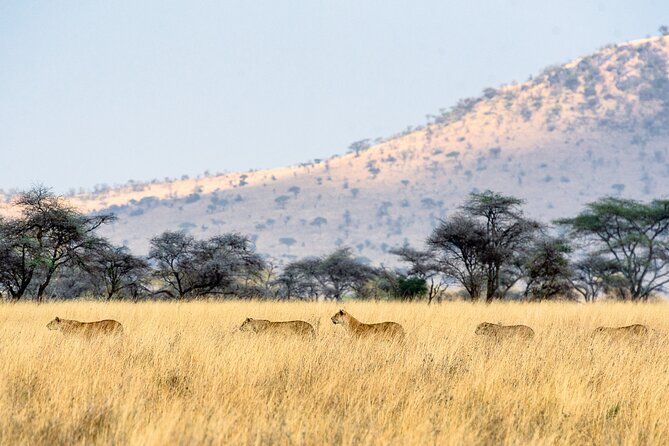
- Three Serengeti days: Extra time improves your chances of finding lions, leopards, elephants, and other wildlife.
- Private touring: Only your own group participates, with a professional driver-guide.
- Two cultural encounters: Visit Maasai villages and meet Hadzabe people near Lake Eyasi.
- Meals and park fees included: Seven breakfasts and lunches, six dinners, and non-resident park fees are covered.
- Guides matter greatly: Named guides such as William, Jovin Mbasa, Edward Masaki, Samir, Barik, Daudi, and others receive strong praise for animal spotting, safe driving, and storytelling.
Starting at Kilimanjaro Airport and settling in Arusha
Your safari starts with a pickup at Kilimanjaro International Airport. A guide meets you there and transfers you to Arusha, the busy gateway city for northern Tanzania’s parks and for Mount Kilimanjaro.
Day one is mostly a soft landing. You have time to recover from an international flight, reach your hotel, and meet the person who will guide you through the coming week. The schedule gives you about eight hours in the Arusha portion, but that does not mean eight hours of sightseeing.
I see this overnight as useful rather than exciting. Arusha is a practical base, not the main event. If you arrive early, additional accommodation before the tour is not included, so confirm where your first night falls and what your arrival transfer covers.
More Safaris in Moshi
- Safari Serengeti And Ngorongoro
★ 5.0 · 288 reviews - Big Five Safari In Tanzania
★ 5.0 · 99 reviews - Unforgettable Tanzania Safari And Zanzibar Beach
★ 5.0 · 97 reviews
Tarangire brings elephants and a quieter safari feel
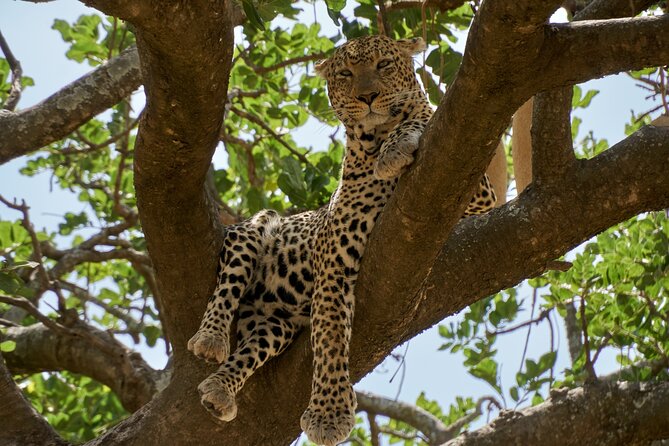
After breakfast on Day 2, you drive from Arusha to Tarangire National Park for a full-day game drive. Lunch is included, and you finish the day at a lodge with sunset dinner and an overnight stay.
Tarangire is a smart first park because it feels different from the open Serengeti. It is known for elephant migration, birdlife, and a more peaceful safari atmosphere. The park sits slightly away from the main northern circuit, which helps preserve a less hurried feel in some areas.
I especially like the promise of a full day here. Many northern Tanzania routes give Tarangire only a quick look, yet its elephants and birds deserve more than a few passing hours. The park can also be a good place to start learning how your guide reads animal behavior before the route reaches the Serengeti.
The drawback is the road time. You leave Arusha, spend the day on safari, then continue to the lodge in the evening. You should expect a full, tiring day, even with a comfortable vehicle and included lunch.
Lake Manyara is a fine introduction to birds
Day 3 takes you to Lake Manyara National Park after breakfast. You spend the day on a game drive, stop for a full lunch, and continue exploring until evening before heading to the lodge.
Manyara is compact but varied. More than 400 bird species have been recorded here, and the park can offer a remarkably productive day for anyone carrying binoculars or a long camera lens. The floodplain, woodland, and lakeshore create different settings within a short route.
Keep an eye out for large-tusked elephants and the park’s famous tree-climbing lions. The lions are never guaranteed, but the possibility adds a special twist to this stop. Even when the cats stay hidden, Manyara gives you a strong introduction to Tanzania’s birdlife and smaller details.
This day may feel less dramatic than the Serengeti. Manyara is not included for endless open plains or guaranteed big-cat sightings. It earns its place through habitat variety, birds, elephants, and a change of pace.
Olduvai Gorge marks the road into the Serengeti
On Day 4, you leave after breakfast and travel toward the Serengeti via Olduvai Gorge. You receive lunch and refreshments, then continue with a game drive in central Serengeti before reaching your lodge for dinner.
Olduvai Gorge adds a human story to a wildlife-focused trip. The stop breaks up the long transfer and gives the route more meaning than a simple drive from one park to another. The day still involves substantial time in the vehicle, so pack water, sun protection, and something small to read between sightings.
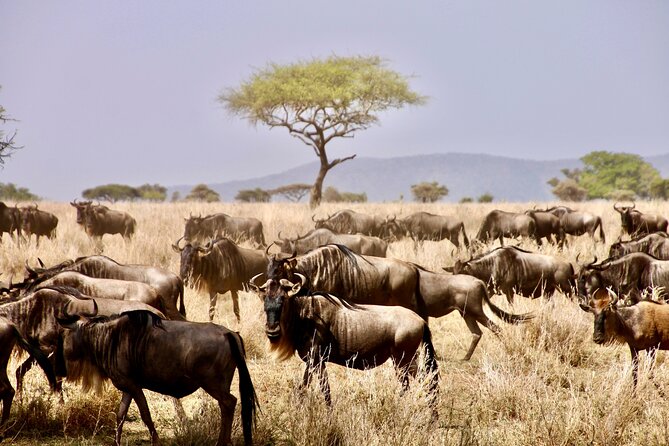
Central Serengeti is the heart of the safari for many people. The area is known for resident wildlife, lions, and the chance to find leopards, especially around the Seronera region. The ecosystem is also tied to the great migration, which moves across the Serengeti and into Kenya’s Masai Mara.
You should not treat the Big Five as a guarantee. The route offers excellent habitat and skilled guides, but wildlife remains wild. The strongest advantage here is having a guide who can search carefully, respond to fresh sightings, and position the vehicle well for photography.
More Safaris in Moshi & Kilimanjaro:
- Great Migration Safari In Tanzania
★ 5.0 · 71 reviews - Serengeti, Ngorongoro and Tarangire 4 Days Safari
★ 5.0 · 59 reviews - 6 Days 5 Night Safari
★ 5.0 · 57 reviews - 4-day Tanzania Safari
★ 5.0 · 53 reviews
Three Serengeti days give the safari breathing room
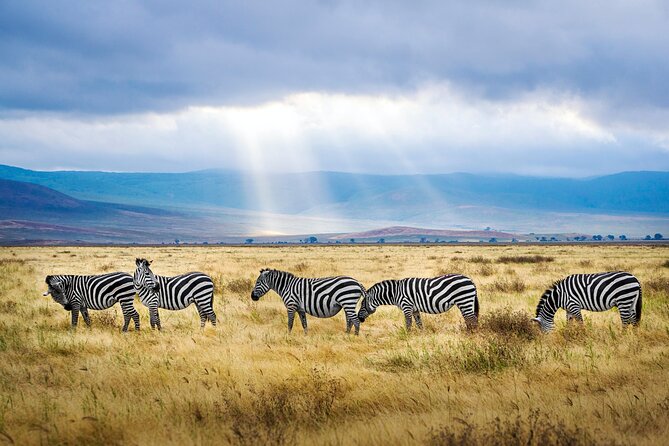
Day 5 is a full Serengeti game-drive day, beginning after breakfast. Your guide prepares lunch, and the evening includes sundowner cocktails before dinner and another lodge night.
This is one of the best features of the schedule. A single Serengeti game drive can be thrilling, but it can also be unlucky. Animals move, weather changes, and a road that was busy with sightings one hour earlier may be quiet the next. A second full day gives your guide more chances to find lions, leopards, elephants, and other species.
The guide is a major part of the value. William is praised for wildlife, plant, and Maasai culture information, along with a sharp eye for photography. Jovin Mbasa is singled out for spotting leopards and lions that other vehicles passed. Barik is praised for identifying distant animals and explaining animal behavior, plants, and the surrounding ecosystem.
Other named guides include Edward Masaki, Calvin, Daudi, Mati, Habibu, Mwinyi, and Samir. The repeated themes are clear: careful driving, strong animal spotting, useful explanations, and a willingness to spend enough time at a sighting. Ask the operator who is assigned to your group, since the individual guide can shape the whole experience.
Leaving the Serengeti by way of Maasai country
Day 6 begins with another Serengeti game drive. After lunch, you travel toward Ngorongoro and visit Maasai villages before checking into camp for dinner and the night.
This day mixes wildlife with culture, which helps keep the journey from becoming a simple sequence of vehicle rides and lodge meals. A village visit can add useful context to the region, especially when your guide explains local customs and the relationship between communities, livestock, and protected areas.
The timing also has a cost. You have one more Serengeti game drive, but the afternoon transfer toward Ngorongoro cuts into the day. This is not another full day on the plains. If your priority is wildlife above all else, you may prefer a custom plan that adds more Serengeti time.
The phrase camp can mean different things in safari planning, and the accommodation details here are not specific. Ask if your stay is a permanent lodge, tented camp, or another type of property, and ask what luxury means in that particular location.
Ngorongoro Crater packs remarkable scenery into one day
On Day 7, you drive toward the crater for a game drive and a hot lunch. The route then continues to Lake Eyasi for dinner and an overnight stay.
Ngorongoro Crater is one of Tanzania’s great natural sights. The volcanic caldera is about 20 kilometers across, around 600 meters deep, and roughly 300 square kilometers in area. Its enclosed shape creates a concentrated wildlife setting, with Lake Magadi in the southwestern part of the crater.
Hippos, flamingos, and other water birds may gather around the shallow alkaline lake. The crater can also bring close views of large mammals, but the main appeal is the combination of scale, scenery, and wildlife in one contained place.
The schedule is demanding. You visit the crater and then continue to Lake Eyasi, so this is another long day with little spare time. Still, the crater is not a stop I would cut from a first Tanzania safari. It gives you a completely different sense of place after the open Serengeti.
Lake Eyasi adds a rare cultural encounter
Lake Eyasi is the base for the final night. Early on Day 8, you head out for a hunting experience with Hadzabe bushmen, then return for breakfast before beginning the drive back to Arusha.
The Hadzabe are a small Indigenous community living around Lake Eyasi. Their language includes click sounds related to languages spoken by other San peoples farther south in the Kalahari. Their population has faced serious pressure, including during the period when Julius Nyerere promoted Ujamaa policies.
This visit is potentially one of the most memorable parts of the trip because it moves beyond watching wildlife. It gives you a chance to learn about a living community whose traditions and language differ sharply from those of urban Tanzania. Approach it with respect, listen carefully, and avoid treating the experience as a staged show.
The early start may be tough after a week of game drives. You return for breakfast, then drive to Arusha with a lunch stop before the airport transfer. Do not book a tight onward flight unless the operator confirms the timing. The tour ends with that transfer, and no extra end-of-tour accommodation is included.
What the $6,785 price really covers
At $6,785 per person, this is a major purchase. The value rests in the private format, park fees, guide, vehicle-based touring, meals, lodge stays, airport pickup, and the range of national parks covered in eight days.
Non-resident park fees are included, which matters in Tanzania. These charges can form a large part of a northern safari budget. Seven breakfasts, seven lunches, and six dinners are also included, so most daily food costs are handled.
The price does not cover international flights, extra accommodation before or after the safari, tips, souvenirs, travel insurance, or visa fees. The suggested tip is $10 per person per day. For eight days, that works out to about $80 per person if you follow the guideline.
I would not book on the word luxury alone. Ask for the exact lodge names, room types, vehicle details, and what happens if your flight arrives late. Since accommodation is central to a luxury safari, those details are needed to judge the price fairly.
Private touring and the value of a strong guide
Only your own group participates, which gives you more control than a large shared departure. You can ask questions, spend longer at an animal sighting, and discuss photography without competing with a busload of people.
The guide-driver role is especially important. Guides such as Samir are praised for finding requested animals and making sure the group has enough time at sightings. Daudi is noted for safe driving, patience, and excellent eyesight. Mati and Habibu are praised for combining stories, wildlife explanations, and careful driving.
These details matter because the route includes long drives and repeated game drives. A poor guide can make the same parks feel like a tiring transfer program. A good one can turn quiet stretches into lessons about tracks, plants, bird calls, and animal behavior.
You should request the guide’s name before departure if that is possible. It may not be guaranteed, but the operator’s named staff give you a useful sense of the guiding standard to expect.
Practical planning for eight demanding days
This safari suits you best if you want a broad first look at northern Tanzania and prefer a private vehicle to a shared group. It also works well for families, couples, photographers, and anyone who wants wildlife paired with Maasai and Hadzabe cultural visits.
The pace is not ideal if you want slow mornings, long lodge stays, or a single park explored in depth. Days 2, 4, 6, 7, and 8 all include major transfers or early starts. The route is rewarding, but it asks for energy.
The booking pattern suggests people reserve about 105 days ahead on average. That is a useful planning marker, especially if you need particular dates or want to confirm a specific guide and accommodation plan.
Confirmation is provided at booking, and most people can participate. Good weather is required. If poor weather cancels the experience, you are offered another date or a full refund. Otherwise, cancellation is free up to 24 hours before the start time, while later cancellations and late changes are not refunded or accepted.
Should you book this Tanzania safari?
I would book this tour if you want maximum northern Tanzania variety in eight days, value a private guide, and accept long driving days. Tarangire, Manyara, Serengeti, Ngorongoro, Lake Eyasi, Olduvai Gorge, Maasai villages, and the Hadzabe experience give you a wide view of the region.
I would pause before booking if your main goal is top-end accommodation or a relaxed schedule. Get the lodge list, guide assignment, vehicle details, and flight-transfer timing first. If those answers match the luxury standard promised, the $6,785 cost can make sense for a private safari with park fees and most meals included.
FAQ
Where does the safari start?
The safari starts with pickup at Kilimanjaro International Airport in Tanzania.
Where does the safari end?
The tour ends with a transfer to the airport after the drive back to Arusha on Day 8.
How long is the experience?
The safari lasts approximately eight days.
Is this a private tour?
Yes. Only your own group participates in the activity.
Which national parks are included?
The route includes Tarangire National Park, Lake Manyara National Park, Serengeti National Park, and the Ngorongoro Crater.
Does the tour include Lake Eyasi?
Yes. You stay near Lake Eyasi and take part in an early hunting experience with Hadzabe bushmen on Day 8.
Are park fees included?
Non-resident park fees are included in the tour price.
Are meals included?
Seven breakfasts, seven lunches, and six dinners are included.
Are international flights included?
No. Flights from and to your home country are not included.
How much should I budget for tips?
The stated tipping guideline is US$10 per person per day. Tips are not included in the tour price.
Newly listed around Moshi & Kilimanjaro
- Climb Mount Kilimanjaro: 7 Days Machame Route★ 5.0 · 3 reviews
- 6 Days Mount Kilimanjaro Climbing via Rongai Route★ 5.0 · 3 reviews
- Explore 1 day Ngorongoro Crater Budget Group Safari from Arusha★ 5.0 · 3 reviews
- Mt. Kilimanjaro Day Hiking★ 5.0 · 3 reviews
- Chemka (Kikuletwa) Hot Springs, Tanzania★ 5.0 · 3 reviews
- Guided City tour of Moshi★ 4.3 · 3 reviews
- 8 Day Tanzania Family Safari★ 5.0 · 3 reviews
- Serengeti Safari with Sirikwa Travel★ 5.0 · 3 reviews
Moshi & Kilimanjaro Tours, compared.

Browse the lists this tour appears in