
Reviewed · MOSHI & KILIMANJARO TOURS
4-Day Shared Safari Tour with Complete Meals
The big draw here is variety: in four days, you move from Tarangire’s elephant country to the Serengeti’s open plains, then down into Ngorongoro Crater, one of East Africa’s best places to seek black rhino. I like the full-meal setup and the chance to see three major parks without arranging separate transport between them. The shared format also keeps the $1,000 price more manageable than a private safari.
The tradeoff is time. You will spend long hours on rough park roads and on the transfer between parks, with campsite nights rather than lodge stays. Wildlife is never guaranteed, and the advertised chance of seeing four or all of the Big Five should be treated as a hopeful possibility, not a promise.
Key points to know before booking
- Three famous parks in four days: Tarangire, Serengeti, and Ngorongoro Crater each offer a different setting and style of wildlife viewing.
- Shared vehicle with up to 15 people: The price is easier to handle, but space and viewing angles depend on the group and safari vehicle.
- Meals are included: You receive dinner, breakfast, lunch, and bush breakfasts during the route, with vegetarian diets accommodated.
- Guides make a real difference: Peter handles arrangements, while guides such as Mike and Godfrey have led past departures.
- Two campsite nights: Kizumba is used after Tarangire, while Simba is used later in the trip.
- Long driving days: The plan includes roughly six to nine hours of park time or travel on several days, so comfort and patience matter.
Why this route works so well in four days
This safari gives you a compact introduction to northern Tanzania. You are not seeing one park repeatedly. Instead, you get three distinct settings, each with its own appeal.
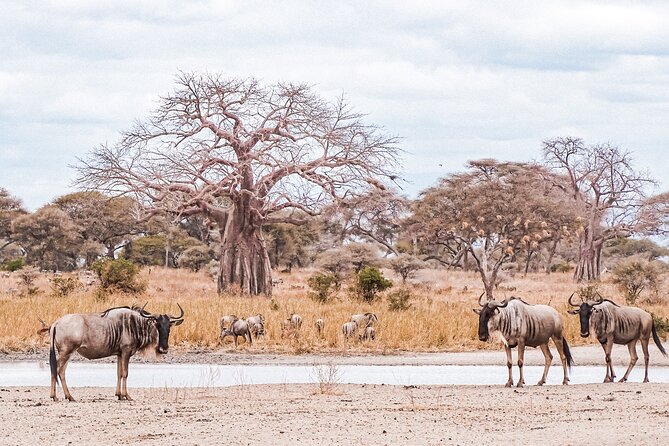
Tarangire is a strong opening act because it offers a good chance of seeing elephants early in the trip. Serengeti brings the wide, open plains associated with classic safari scenes. Ngorongoro Crater adds a concentrated wildlife area, with the possibility of spotting black rhino.
I like this order because the trip builds toward the crater. You begin with a full game drive, spend more time in the Serengeti, then finish with a morning descent into Ngorongoro. The route also gives you a look at Maasai communities around the Ngorongoro area, where people and wildlife live near one another.
The trip begins in Moshi, but one useful detail is that pickup arrangements have also been made from hotels in Arusha. If you are staying in either city, confirm the exact pickup point and return plan before departure. The tour offers pickup, but the provided information does not give one fixed meeting address.
More Safaris in Moshi
- Safari Serengeti And Ngorongoro
★ 5.0 · 288 reviews - Big Five Safari In Tanzania
★ 5.0 · 99 reviews - Unforgettable Tanzania Safari And Zanzibar Beach
★ 5.0 · 97 reviews
Day 1: elephants and baobabs in Tarangire
Pickup is scheduled for 7 a.m. from your hotel. The drive heads toward Tarangire National Park, where you get about four to six hours of game viewing before leaving for Kizumba campsite.
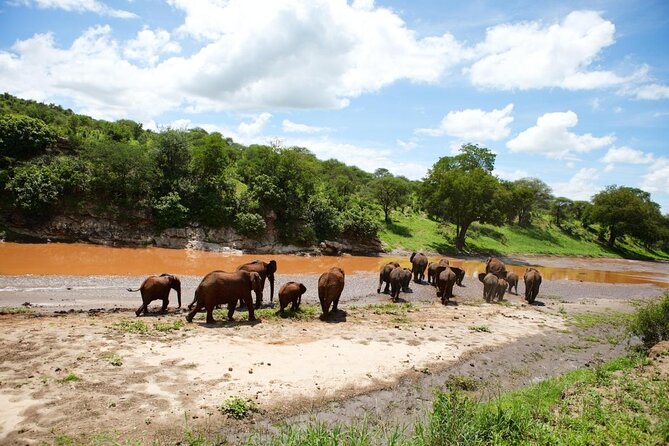
Tarangire is especially appealing for elephant sightings. It is also known for large herds and a broad range of animal life, with the park described as supporting nearly 250,000 animals. That number gives you a sense of the park’s scale, but it does not mean you will see every species during one drive.
Your first game drive is important for setting expectations. You may spend time watching one animal, then cover a fair distance before the next sighting. A good guide can turn those pauses into useful time by explaining animal behavior, tracks, habitats, and the practical work of finding wildlife.
After the park closes for the day, you head to Kizumba campsite for dinner and your first night. This is a basic safari rhythm: wildlife viewing in the day, a shared meal, then an outdoor camp setting at night. If you prefer a private room and a quiet evening, camping may feel like a compromise. If you like a closer-to-the-ground safari, it is part of the appeal.
Day 2: the long road toward the Serengeti
After breakfast, you leave for Serengeti National Park. The stated schedule allows about seven hours for the day, which includes the long journey and the route through the Ngorongoro area.
Before reaching the Serengeti, you pass through Ngorongoro Gate to sort out permits. You also see the surroundings where Maasai people live with wildlife. This part of the trip adds context that you do not get from a simple park-to-park transfer. The area is not only a wildlife zone. It is also home to people whose daily life is tied to the same land.
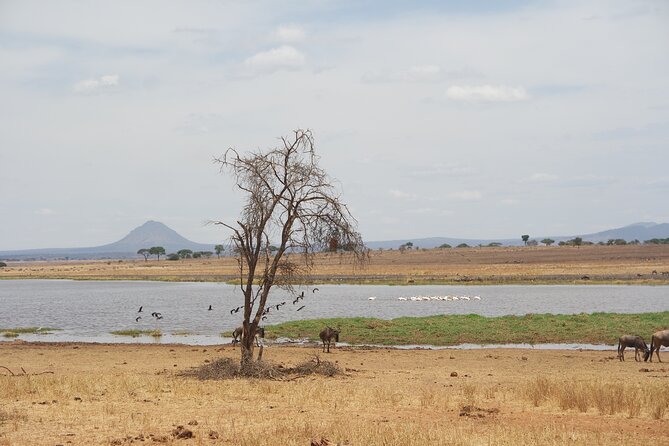
The Serengeti is often translated as the endless plains, and the name makes sense once the open country begins. The scale is the point. You may see animals spread far apart, or a cluster of safari vehicles gathered around a sighting. The wide views can be spectacular, but the distance between sightings can also make this a tiring day.
I would pack water, sun protection, and something to occupy you during the longer drive. The tour includes meals, but the information provided does not list every meal time or menu, so ask about any personal food needs when booking. One past departure accommodated vegetarian diets, which is useful if you need a meat-free plan.
Day 3: an early Serengeti game drive
Day three starts early with a morning game drive in the central Serengeti plains. You then stop for a bush breakfast before continuing with more wildlife viewing until noon.
This is likely to be one of the strongest days for wildlife because the morning gives you time in the park before the midday break. An early start also fits the natural rhythm of many animals, which are often more active earlier in the day than during the hotter middle hours. The tour description does not promise particular species, so your sightings will depend on conditions and the guide’s ability to locate animals.
The bush breakfast is one of the more memorable touches in the plan. Instead of returning directly to camp, you eat out in the park setting. It saves time and gives the day a stronger safari feel, though you should still expect a simple meal rather than a restaurant breakfast.
At noon, you return to the campsite for a hot lunch. Afterward, you continue to Simba campsite for dinner and overnight accommodation. The schedule lists about nine hours for this day, so it is a full one. You will want comfortable clothes, a forgiving attitude toward dust, and a willingness to spend much of the day seated in the vehicle.
The shared arrangement can work well here. Previous group sizes have included four other people, with enough room in the safari car for everyone. The official maximum is 15 people, however, so the exact feel may vary. Ask how many people are expected on your departure if vehicle space is a major concern.
More Safaris in Moshi & Kilimanjaro:
- 8-Day Essence of Tanzania Safari – Luxury
★ 5.0 · 72 reviews - Great Migration Safari In Tanzania
★ 5.0 · 71 reviews - Serengeti, Ngorongoro and Tarangire 4 Days Safari
★ 5.0 · 59 reviews - 6 Days 5 Night Safari
★ 5.0 · 57 reviews
Day 4: down into Ngorongoro Crater
The final morning begins with an early drive to Ngorongoro Crater. The crater is described as a natural breeding site for the endangered black rhino in East Africa, making it the trip’s clearest opportunity to look for this rare animal.
Ngorongoro is different from the Serengeti. The crater setting concentrates wildlife in a contained area, while the Serengeti spreads sightings across open country. That does not make sightings certain, but it can make the game drive feel more focused.
You have a bush breakfast followed by more game viewing. Later, you begin the return journey toward Arusha. The day is listed at roughly seven hours, so this is not a relaxed final morning followed by a quick transfer. You should plan for a long day that combines an early start, park roads, and the ride back.
The return to Arusha matters if you have a flight, another tour, or a fixed hotel booking. The supplied schedule does not give an arrival time. I would avoid arranging a same-day flight or anything that cannot be changed unless the operator confirms the timing directly.
Meals, campsites, and the shared safari setup
Complete meals are included, which adds real value to a four-day safari. Food in remote park areas can be costly or difficult to arrange independently, so having meals built into the package keeps the trip simpler and helps you judge the $1,000 price more fairly.
The plan includes dinners, breakfast, hot lunch, and bush breakfasts. A previous booking also had meals adjusted for vegetarian diets. Still, tell the operator about allergies, religious restrictions, or other dietary needs before you leave. The available information confirms vegetarian accommodation but does not promise every type of special diet.
You spend the first night at Kizumba campsite and the later night at Simba campsite. The description does not specify tent size, bedding, showers, toilets, or electricity. Those details matter. Ask before booking if you need a particular level of camping comfort.
The shared vehicle is the biggest practical question. A maximum of 15 people is listed, while smaller departures have used groups of about five. More people can mean a lower cost and a social atmosphere, but fewer people generally make it easier to change sides, find a window, or pause at a sighting without negotiation.
The guides and the human side of the trip
The operator is Tarry Adventures and Safaris, and Peter has handled arrangements for past safari groups, including transfers to Arusha. That can be useful if your trip starts in Moshi but your wider Tanzania plan involves Arusha.
Guides named in past departures include Mike and Godfrey. Mike received especially strong praise for handling the safari, while Godfrey was described as a good driver. You should not assume that either guide will lead your specific departure, but asking who is assigned can help you set expectations.
A guide’s role is more than pointing at animals. You need someone who can explain what you are seeing, judge how long to stay at a sighting, drive with care, and keep the group moving when time is tight. The supplied information describes the guides as well informed and prepared to share facts and lighter details, which suits someone who wants more than a photo stop.
The trip also gives you a view of Maasai life around Ngorongoro. This is not presented as a separate village visit or cultural program, so you should not expect a long cultural exchange. You will, however, see how human settlement and wildlife areas exist side by side along the route.
Is $1,000 a fair price?
At $1,000 per person, this is not a budget day trip. It is a four-day, three-park safari with pickup, park access, transport, campsite accommodation, and meals. For that combination, the price can offer solid value, especially if you are comparing it with arranging each park, transfer, campsite, and meal separately.
The value depends heavily on the shared vehicle and what is included in the final confirmation. Ask whether the $1,000 covers all listed park fees, camping equipment, guide and driver costs, meals, and the return transfer to Arusha. The itinerary marks some admission tickets as free and the Ngorongoro admission as included, but it does not spell out every possible fee.
You are also paying for access to three major wildlife areas in a short period. That is efficient, but it means more time on the road and less freedom to set your own pace. A private safari may suit you better if you want custom stops, a slower schedule, or a specific park focus.
Who will enjoy this safari most
I would recommend this trip to you if you want a first safari with a clear route and a reasonable amount of structure. It suits people who want major northern Tanzania highlights without planning every transfer themselves.
It is also a good match if you like shared experiences, do not need luxury lodging, and can handle early starts. The included meals and pickup reduce the number of small arrangements you must make.
You may want a different style of safari if you dislike long drives, need guaranteed privacy, or want high-end lodges. The itinerary is active, and the maximum group size of 15 is worth taking seriously.
The Big Five claim needs a practical reading. You may see lion, leopard, elephant, buffalo, and rhino, and one past departure reported seeing all five. But wildlife moves freely, and no responsible safari can guarantee every sighting. Ngorongoro gives you a particularly useful chance for rhino, while Tarangire is a strong place to look for elephants.
What to confirm before you pay
Ask these questions before booking:
- How many people are expected in the shared vehicle?
- Which guide and driver are assigned?
- What exactly is supplied at Kizumba and Simba campsites?
- Are all park fees and camping costs included in the $1,000?
- Where will pickup and drop-off take place if you stay in Moshi or Arusha?
- Can dietary needs beyond vegetarian meals be handled?
- What time should you expect to return to Arusha on day four?
Confirmation is provided at booking, and the activity is listed near public transportation. Most people can participate, but the long drives and campsite stays mean that personal comfort matters more than the general participation note suggests.
You can cancel for a full refund up to 24 hours before the start time. Changes made within 24 hours are not accepted, and a minimum group size applies. If the operator cancels because that minimum is not reached, you are offered another date or experience, or a full refund.
Should you book it?
Book this safari if your priority is seeing three major northern Tanzania parks in four days while keeping transport, meals, and park access under one arrangement. The mix of Tarangire elephants, Serengeti plains, Ngorongoro wildlife, bush breakfasts, and campsite nights gives you a broad first look at safari life.
I would book only after confirming the group size, camping details, included fees, and return time to Arusha. If you are happy with a busy schedule and shared transport, $1,000 can be a sensible price for the coverage. If comfort, privacy, or a slow pace matters most, choose a private or lodge-based safari instead.
FAQ
Where does the safari start?
The safari is based in Moshi and pickup is offered from your hotel. Past arrangements have also included pickup in Arusha, so confirm your exact pickup point when booking.
Which national parks are included?
The route includes Tarangire National Park, Serengeti National Park, and Ngorongoro Crater.
How many people can join the shared safari?
The maximum group size is 15 people. Smaller departures have included groups of about five people, but the exact number depends on your date.
Are meals included?
Yes. The tour includes complete meals, including breakfast, hot lunch, dinner, and bush breakfasts during the itinerary. Vegetarian meals have been accommodated on past departures.
Where do you stay overnight?
The first night is scheduled at Kizumba campsite after visiting Tarangire. The later campsite night is at Simba campsite after the Serengeti game drive.
Can I cancel for a full refund?
Yes. You can cancel at least 24 hours before the experience starts for a full refund. Cancellations or changes made less than 24 hours before the start time are not accepted for a refund.
More four day trips in Moshi & Kilimanjaro
- 4-day Tanzania Safari
★ 5.0 · 53 reviews - 4 Days Group Joining Camping Safari to Tarangire Serengeti Ngorongoro Crater
★ 5.0 · 50 reviews - 4 days adventure camping safari
★ 5.0 · 44 reviews - 4 Day Private Tour Throughout Tarangire, Serengeti and Ngorongoro
★ 5.0 · 42 reviews
Newly listed around Moshi & Kilimanjaro
- Climb Mount Kilimanjaro: 7 Days Machame Route★ 5.0 · 3 reviews
- 6 Days Mount Kilimanjaro Climbing via Rongai Route★ 5.0 · 3 reviews
- Explore 1 day Ngorongoro Crater Budget Group Safari from Arusha★ 5.0 · 3 reviews
- Mt. Kilimanjaro Day Hiking★ 5.0 · 3 reviews
- Chemka (Kikuletwa) Hot Springs, Tanzania★ 5.0 · 3 reviews
- Guided City tour of Moshi★ 4.3 · 3 reviews
- 8 Day Tanzania Family Safari★ 5.0 · 3 reviews
- Serengeti Safari with Sirikwa Travel★ 5.0 · 3 reviews
Moshi & Kilimanjaro Tours, compared.








Browse the lists this tour appears in