
Reviewed · MOSHI & KILIMANJARO TOURS
7 Day Safari in Tanzania National Parks
The big draw here is variety. In seven days, you move from a guided bush walk in Arusha National Park to elephant country in Tarangire, the wildlife-packed floor of Ngorongoro Crater, and the wide-open plains of the Serengeti. That gives you a far better sense of northern Tanzania than a short park-hopping trip.
I like the private format, since your guide can spend more time looking for the animals you care about. I also like the practical setup: a newer Land Cruiser with a pop-up roof, refrigerator, power sockets, water, hot drinks, binoculars, and full-board lodging. Guides named on recent trips include Daniel, Stephen, Anold, and Noel, with Sophia handling coordination on one safari.
The tradeoff is road time. You cover a lot of ground, and some days run seven hours with long transfers between parks. This is not a soft, slow lodge holiday. It is an active safari for people who want four major wildlife areas in one week.
Key points to know before booking
- Four major wildlife areas: Arusha National Park, Tarangire, Ngorongoro Crater, and Serengeti National Park all feature in the route.
- A rare walking safari: Arusha includes a 1.5-hour bush walk with an armed ranger, followed by a vehicle safari.
- Strong Serengeti coverage: Three days are set aside for central Serengeti around Seronera, giving you time to search for lions, elephants, cheetahs, leopards, and other animals.
- Private vehicle and guide: Only your group takes part, so the pace and wildlife interests can be discussed with your guide.
- Comfort without luxury pricing: The $4,802 cost includes park fees, full-board lodging, drinks in the vehicle, Wi-Fi where available, and a 4×4 Land Cruiser.
- Long days and basic remote-area limits: Safari lodges can be far from town, Wi-Fi works in only 60 to 75 percent of the route, and the trip is not suited to people using special mobility aids.
Four parks, four very different safari moods
This safari works because the parks do not simply repeat one another. Each gives you a different setting and a different chance to see wildlife.
Arusha National Park is the gentle opening act. It combines Mount Meru, Momella Lakes, forest, and savanna plains. It is also one of the few places in Tanzania where you can leave the vehicle for a guided walk. With an armed ranger beside you, you can focus on tracks, plants, small animals, and the feel of the bush at close range.
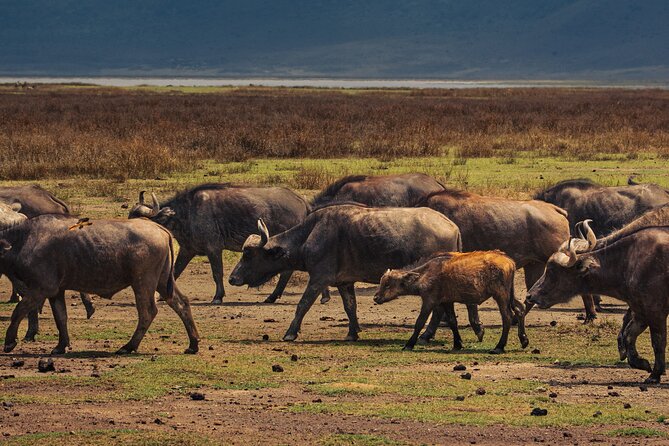
Tarangire brings bigger herds and striking baobab country. The park is especially useful for seeing elephants, giraffes, buffalo, warthogs, and less common animals such as gerenuks and oryx. Its bird count is especially impressive, with more than 550 recorded species.
Ngorongoro Crater offers concentrated viewing. Tens of thousands of animals live within the huge volcanic bowl, so you can often see several species in a relatively small area. The drive down takes about 30 minutes through forest, and the picnic stop beside Lake Magadi gives you a break during the crater day.
Serengeti is the grand finale, but three days are not enough to see it all. That is part of the appeal. Around Seronera, your guide can search different areas on successive days rather than rushing through in a single game drive.
More National Parks in Moshi
- Private 4-Days Northern Circuit National Parks in Tanzania
★ 4.5 · 26 reviews - Private Day Trip to Tarangire National Park
★ 5.0 · 12 reviews - Serengeti national Park, ngorongoro conservation area 3 days two nights
★ 4.0 · 7 reviews
Day 1: Walking close to wildlife in Arusha National Park
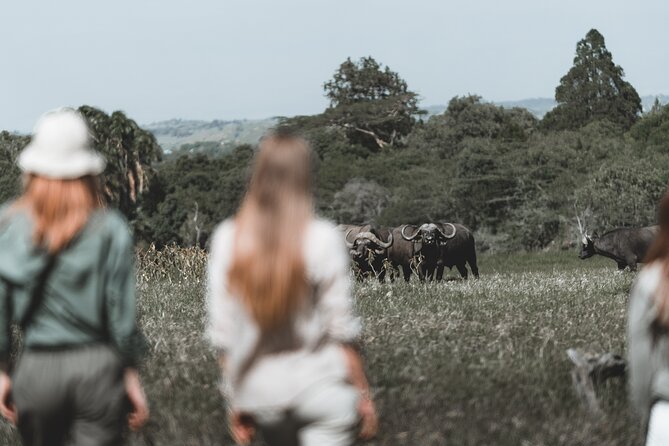
The first day is unusual for a northern Tanzania safari because it includes a 1.5-hour bush walk. You walk across savanna plains with an armed ranger, watching for giraffes, bushbuck, buffalo, and warthogs. At walking speed, you notice things that can slip past a vehicle window.
This is also a useful introduction to safari safety and the relationship between people and wildlife. The Ngurdoto Museum adds context about human-wildlife conflict, an important subject in a region where communities and wild animals share the same space.
After the walk, you continue by Land Cruiser toward Momella Lakes. The day lasts about six hours, and admission is included. Arusha is not usually the main reason people book a Tanzania safari, but it makes a strong first stop because it gives you variety before the longer drives begin.
You should not expect the same density of animals found in Ngorongoro or central Serengeti. The reward here is range: walking, lakes, Mount Meru views, forest, and open plains in one park.
Days 2 and 3: Tarangire for elephants, birds, and unusual antelope
The usual start on the first Tarangire day is 7:30 a.m., with pickup from your hotel or another agreed location. Reaching the park around 10 a.m. means the day includes a substantial transfer before the game drive begins, but you then have time to explore for roughly six hours.
Tarangire is a good place to slow down and watch animal behavior. Elephants are a major attraction, while giraffes, buffalo, warthogs, and other plains animals add variety. The park is also a better bet than Serengeti for spotting long-necked gerenuks and oryx, two species that make the stop feel distinct rather than interchangeable.
On the second Tarangire day, your guide takes you into different sections of the park. That matters. A second look is not simply a repeat drive, since animal sightings and scenery change with location and time of day.
Small creatures get attention here, too. Hyraxes are related to elephants despite their tiny size and amusing appearance. You may get close enough for clear photographs, but you should never touch them or any wild animal.
Birders will get real value from Tarangire. More than 550 bird species have been recorded, and binoculars are supplied at one per vehicle. That is helpful, though if everyone in your group wants to watch birds at the same time, one pair may require some sharing.
Day 4: Ngorongoro Crater puts wildlife in one enormous bowl
The Ngorongoro day is built around concentration. After descending for about half an hour through lush forest, you reach the crater floor, where a remarkable number of animals live within a confined area.
This is one of the best parts of the trip for someone who wants frequent sightings without spending every hour scanning empty plains. Lions, buffalo, elephants, zebras, and other animals may appear within a short drive of one another. A rhino is possible, but no safari can promise a particular species.
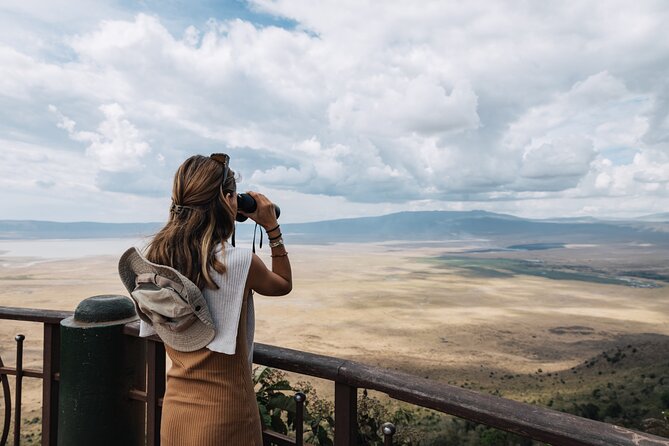
The crater’s scale can be hard to grasp. It was formed by the collapse of a huge ancient volcano, yet the floor feels like a self-contained world. The views from the descent are part of the experience, not just a backdrop to the wildlife.
You stop near Lake Magadi for a snack and rest after the morning game drive. That break is welcome because crater drives can be dusty and tiring. Admission is included, as are the wider park entry and concession fees for the trip.
The main limitation is that Ngorongoro can feel busier and more tightly managed than the Serengeti. The benefit is reliable wildlife density. If you want a good chance of seeing many species in one day, this is one of the strongest stops on the route.
More Safaris in Moshi
- Safari Serengeti And Ngorongoro
★ 5.0 · 288 reviews - Big Five Safari In Tanzania
★ 5.0 · 99 reviews - Unforgettable Tanzania Safari And Zanzibar Beach
★ 5.0 · 97 reviews - 8-Day Essence of Tanzania Safari – Luxury
★ 5.0 · 72 reviews
Days 5 through 7: Three days in central Serengeti
After breakfast on Day 5, you transfer toward central Serengeti and the Seronera area. The route takes you into the heart of one of Africa’s best-known ecosystems, with about seven hours set aside for the day.
Your guide can focus the search on the animals you most want to see. That personal approach is one of the best reasons to choose a private safari. If lions are your priority, you can spend more time checking likely areas. If birds, cheetahs, elephants, or leopards matter most, tell your guide early.
Around lunchtime, you may visit the Serengeti Visitor Center. It offers information about animal populations and the park’s history, along with a lunchbox. You may also return to camp for lunch and a short rest before going out again in the late afternoon.
That rest option is worth considering. Safari days can be physically tiring even when you are seated, thanks to heat, dust, bumps, and constant concentration. A break before the golden-hour drive can leave you fresher for the best light of the day.
Day 6 gives you another full day in central Serengeti. This is when patience can pay off. A pride of lions may be sleeping one day and hunting the next. Elephants can appear unexpectedly close to the vehicle, and a cheetah may even climb onto a safari car, as one especially memorable account described.
Kopjes are another highlight. These volcanic rock formations rise from the plains and provide shade and lookout points for animals. Simba Rock is also included as a possible stop, tied to the rock shown in the opening scene of The Lion King.
Day 7 continues the search in new areas before the return to Arusha. The Serengeti is too large to cover in one day, so this third day helps you see more than one small slice of the park. By dinner, the plan is to reach your Arusha hotel, with alternative drop-off points possible by request.
The final transfer is a practical point to clarify before you pay. The itinerary gives you three Serengeti days, but Day 7 also includes the journey back toward Arusha. Ask how much time will be spent driving and how much on the final game drive for your travel dates.
What the private Land Cruiser adds
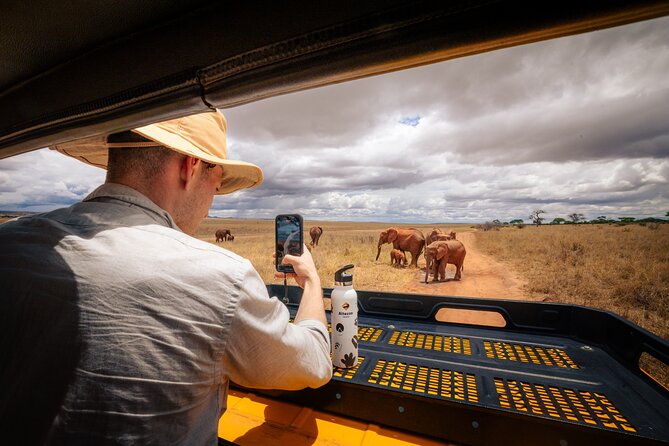
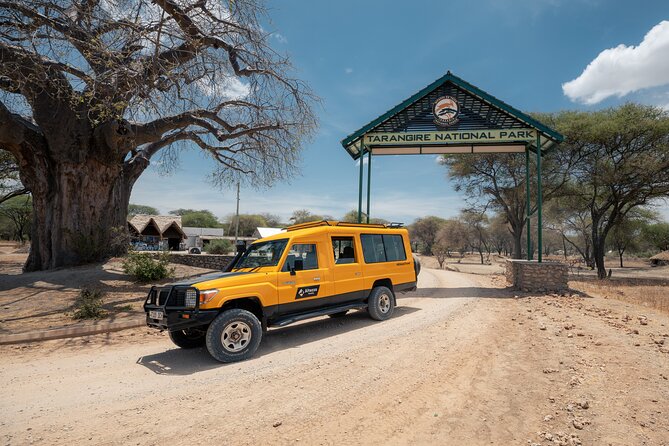
The vehicle is a new Land Cruiser 4×4 with a pop-up roof, ergonomic seats, refrigerator, and power sockets. The pop-up roof lets you stand for a better view and gives you a more open connection to the surroundings while the vehicle remains in a safe position.
A refrigerator is useful in the heat, especially with bottled water and soft drinks provided. Hot coffee and tea are also available in the jeep. Wi-Fi is included, but coverage reaches only about 60 to 75 percent of the route, so you should not plan on a constant connection.
One vehicle receives one set of binoculars. That is enough to improve distant viewing, but you may want to bring your own if birding or small-animal spotting is a priority.
The tour is private, not a shared group departure. Only your party takes part, which gives you more control over stops, photo time, and the balance between game viewing and rest. It does not remove the realities of rough roads or long drives, but it makes those hours easier to manage.
Lodging, meals, and what the $4,802 price covers
At $4,802 per person, this is a serious purchase. Its value depends on how you measure the cost. You are paying for seven days, four major park areas, a private vehicle, an experienced English-speaking guide, lodging in comfortable 3 to 4-star properties, full-board meals, park fees, and support before and during the safari.
Breakfast is included six times, while lunch and dinner are included seven times. Drinks at accommodation are extra, but water, soft drinks, coffee, and tea are supplied in the vehicle. That reduces the number of small expenses that can add up during a week.
The package also includes AMREF Flying Doctors air ambulance service and a medical kit. You hope never to need either, but remote safari areas make this kind of cover meaningful. Twenty-four-hour phone and email support is included as well.
The lodging is comfortable rather than high-end. Remote safari properties may have limited Wi-Fi and fewer facilities for people using mobility aids. If you need special seating, storage for a mobility device, or step-free access, this trip is not a good fit.
Group discounts may help reduce the per-person price. Since the tour is private, ask for the group rate if you are booking with family or friends.
Guides, food needs, and the day-to-day pace
The guide can make or break a safari, because your guide controls the route, explains animal behavior, and helps you use your time well. Named guides connected with past trips include Daniel, Stephen, Anold, and Noel. Sophia has also handled trip coordination.
The strongest praise has focused on guides who were friendly, determined, and good at finding wildlife. That is useful to keep in mind when booking: ask who your guide will be, how many people will share the vehicle, and how the guide handles your particular interests.
Food needs can be stated during booking. The operator accepts pescatarian, vegetarian, vegan, halal, gluten-free, lactose-free, and other meal preferences. Tell the team clearly before arrival rather than hoping the kitchen will guess.
The 7:30 a.m. start is typical for the first safari day. Early starts help you use the cooler hours, but they also mean you should be ready for a full week of alarms, drives, and dusty roads. This schedule suits you if wildlife matters more than sleeping late.
Who should book this safari
I would choose this trip if you want the major northern Tanzania parks in one organized package and prefer a private vehicle over a large shared group. It is especially suitable for first-time safari visitors who want a guide, meals, park fees, lodging, and transport handled together.
It also suits photographers and wildlife fans who value repeated time in one area. Three days in central Serengeti give you more chances than a quick overnight visit, even though sightings can never be guaranteed.
I would think twice if you dislike long drives, want luxury camps, need reliable internet, or require accessible transport. The itinerary is ambitious, and the route is built around seeing as much of northern Tanzania as possible in one week.
The cancellation terms are strict near departure: full refunds require cancellation at least six full days before the start time, with partial refunds possible two to six days beforehand. Poor weather may lead to a new date or full refund. Read those terms closely before booking.
Should you book the 7-day Tanzania safari?
Book it if your priority is wildlife variety and park coverage rather than a slow resort-style holiday. Arusha’s walking safari, Tarangire’s elephants and rare antelope, Ngorongoro’s concentrated animal viewing, and three Serengeti days create a strong northern Tanzania route.
The $4,802 price is easiest to justify when you value a private vehicle, park fees, full-board lodging, medical support, and a dedicated guide. Ask about the exact accommodation, the final Serengeti to Arusha drive, and your guide before confirming.
If you can handle early starts and long road days, this is a well-rounded way to see the region. If you want fewer transfers and more time at one lodge, choose a shorter or more focused safari instead.
FAQ
How long is the safari?
The safari lasts approximately seven days.
Which national parks and protected areas are included?
The route includes Arusha National Park, Tarangire National Park, Ngorongoro Crater, and Serengeti National Park.
Is this a private safari?
Yes. Only your group participates in the tour.
What time does the safari start?
The stated start time is 7:30 a.m.
Is hotel pickup offered?
Yes. Pickup is offered, and the guide can collect you from your hotel or another agreed location.
What type of vehicle is used?
The safari uses a new Land Cruiser 4×4 with a pop-up roof, ergonomic seats, a refrigerator, and power sockets.
Are meals included?
Yes. The package includes six breakfasts, seven lunches, and seven dinners. Drinks at the accommodation are extra.
Can dietary requirements be accommodated?
Yes. You can request pescatarian, vegetarian, vegan, halal, gluten-free, lactose-free, and other meal plans when booking.
Is Wi-Fi available throughout the safari?
No. Free Wi-Fi is included, but signal is available in only about 60 to 75 percent of the areas visited.
Is the safari suitable for people using mobility aids?
No. The safari is not suitable for people using special mobility aids because remote lodges and vehicles lack the necessary access, seating, and storage.
What is included in the price?
The price includes an English-speaking safari guide, park and concession fees, accommodation with full-board meals, bottled water, soft drinks, hot coffee and tea in the vehicle, binoculars, medical equipment, AMREF Flying Doctors air ambulance service, Wi-Fi where available, and drop-off in Arusha.
Are guide tips included?
No. Tips for the safari guide are not included.
How far in advance must I cancel for a full refund?
You must cancel at least six full days before the experience start time for a full refund.
More National Parks in Moshi & Kilimanjaro
- Mount Kilimanjaro National Park Day Trip
★ 5.0 · 7 reviews - 6 Days Safari : Manyara, Ngorongoro, Serengeti & Tarangire National Park
★ 5.0 · 7 reviews - Arusha National Park Day Tour with All-Inclusive
★ 3.7 · 5 reviews - Full Day Private Safari – Tarangire National Park
★ 5.0 · 5 reviews
More Safaris in Moshi & Kilimanjaro
- Great Migration Safari In Tanzania
★ 5.0 · 71 reviews - Serengeti, Ngorongoro and Tarangire 4 Days Safari
★ 5.0 · 59 reviews - 6 Days 5 Night Safari
★ 5.0 · 57 reviews - 7-Day Magical Tanzania Safari -Premium High End Package
★ 5.0 · 53 reviews
Newly listed around Moshi & Kilimanjaro
- Climb Mount Kilimanjaro: 7 Days Machame Route★ 5.0 · 3 reviews
- 6 Days Mount Kilimanjaro Climbing via Rongai Route★ 5.0 · 3 reviews
- Explore 1 day Ngorongoro Crater Budget Group Safari from Arusha★ 5.0 · 3 reviews
- Mt. Kilimanjaro Day Hiking★ 5.0 · 3 reviews
- Chemka (Kikuletwa) Hot Springs, Tanzania★ 5.0 · 3 reviews
- Guided City tour of Moshi★ 4.3 · 3 reviews
- 8 Day Tanzania Family Safari★ 5.0 · 3 reviews
- Rongai Route 7 Days★ 5.0 · 3 reviews
Moshi & Kilimanjaro Tours, compared.








Browse the lists this tour appears in