
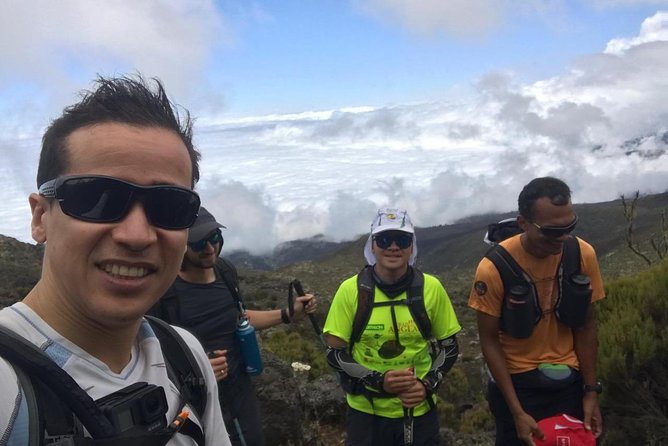
Reviewed · KILIMANJARO CLIMBS
Kilimanjaro Climbing 5 days Marangu route
Reaching Uhuru Peak at 5,895 metres is the heart of this five-day climb, but the real test is the short schedule. You move from rainforest to alpine moorland, then face a cold midnight summit walk before descending the same route.
I like the mountain huts, which spare you the work of carrying and setting up a tent, and I like the attention given to food. Chef Joseph receives special praise, and the kitchen has handled vegan diets. Guides including Victor, Thomas, and Tyson are known for steady encouragement and practical help.
The main catch is simple: five days is quick for Kilimanjaro. The park fee is also excluded from the advertised $900 price, so confirm the current amount before paying. One participant reported being asked for an additional $750 per person at short notice.
Five useful things to know before you book
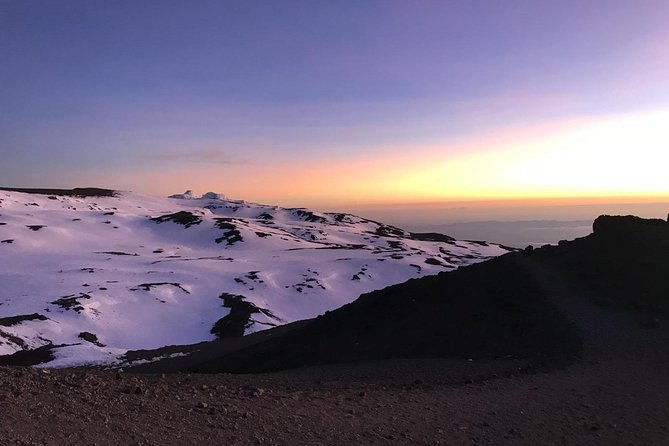
- The Marangu Route uses huts: You sleep in mountain cabins rather than tents, a welcome comfort on cold nights.
- The summit starts around midnight: Expect a hot drink, heavy layers, darkness, cold, and a long climb before sunrise.
- The pace is demanding: Day two takes about seven hours, and summit day combines ascent and descent.
- The route begins near Moshi: Pickup from your hotel is offered, while the stated meeting point is Kilimanjaro International Airport.
- The support team matters: Guides, porters, and a cook handle mountain logistics, meals, water, and equipment transport.
- Budget beyond the headline price: Park fees, visa, tips, drinks, personal items, and optional tours are extra.
Why the Marangu Route suits some climbers
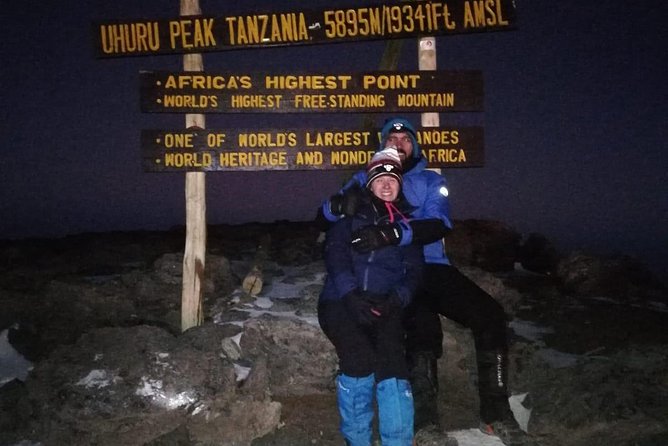
The Marangu Route is often called the easier-looking approach to Kilimanjaro because its trail is direct and its accommodation is in huts. Do not mistake that for easy. You still climb nearly 4,300 metres from the gate to Uhuru Peak, and the altitude can challenge fit people who have never had trouble hiking at home.
This five-day plan is built for a fast ascent. You gain height each day, then sleep at Kibo Hut before the summit attempt. That makes the schedule efficient, but it leaves less time for your body to adjust than a longer Kilimanjaro itinerary.
I would consider this trip only if you already have a reasonable fitness base and are prepared to walk slowly for long hours. The operator describes the required level as moderate physical fitness. You should also be comfortable with the possibility that altitude, not leg strength, may determine how far you go.
The route has one practical advantage: you use the same trail for the ascent and descent. That can make navigation and daily planning straightforward. The tradeoff is less variety in scenery than a route that climbs one side of the mountain and descends another.
More Kilimanjaro routes:
- Kilimanjaro climb by Lemosho Route (7-day)
★ 5.0 · 651 reviews - Kilimanjaro climb, Machame Route (7-day)
★ 5.0 · 262 reviews - Kilimanjaro Climbing Lemosho Route 8 Days.
★ 5.0 · 186 reviews
Day 1: Marangu Gate to Mandara Hut
Your first morning begins with transport from your hotel in Moshi, according to the tour description. The stated meeting point is Kilimanjaro International Airport, so confirm the exact pickup arrangement when booking. The listed start time is 8:00 am.
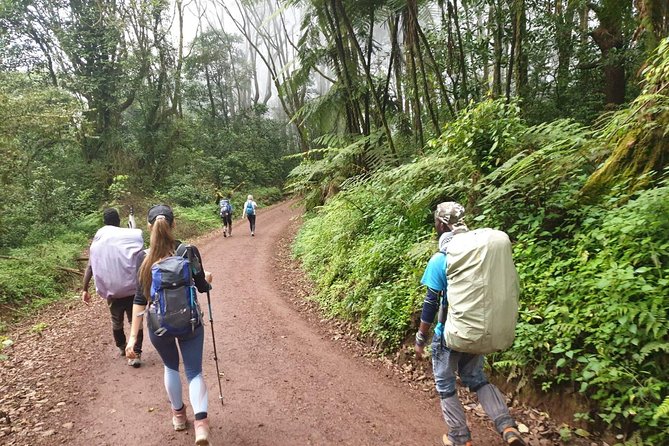
At Marangu Gate, the trail enters the rainforest at about 1,600 metres. This opening section is a pleasant introduction to the mountain. The air is greener and damper than the higher slopes, and the climb rises at a gentle pace toward Mandara Hut.
The walk takes about four hours. That is a sensible first day, allowing you to settle into the rhythm of slow steps, regular water, and guided group movement. The important word is slow. A pace that feels almost silly at the bottom is useful later.
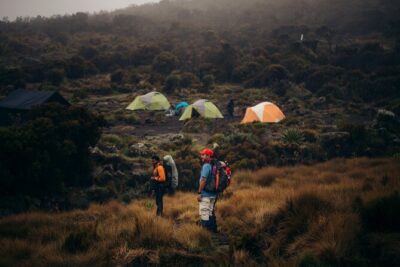
Mandara Hut sits at about 2,700 metres. You sleep in mountain accommodation, not a tent, and the support crew prepares meals. The included food is described as fresh, nutritious, and served in generous portions. That matters more than it may sound. On a climb like this, warm food and enough calories can make the next morning much easier.
Day 2: Mandara Hut to Horombo Hut
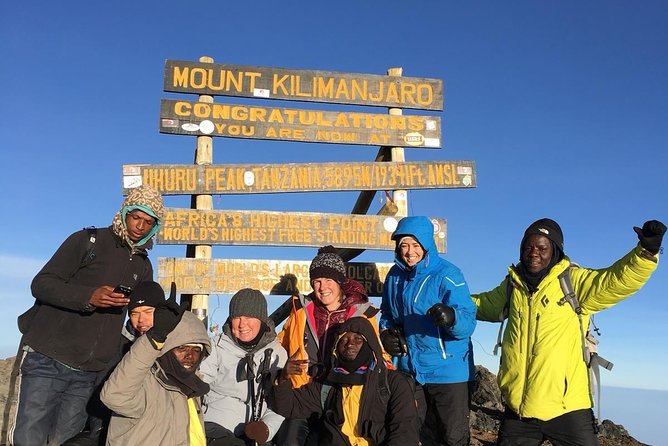
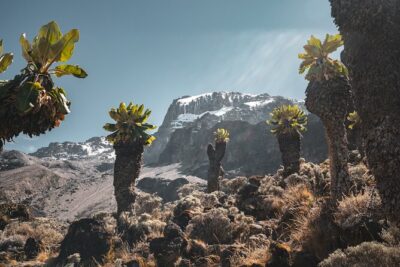
You leave Mandara at about 9:00 am. For the first 30 minutes, the trail remains in the rainforest. Then the trees thin out and you enter alpine moorland, a noticeable change in temperature, light, and scenery.
This is the longest regular walking day, at roughly seven hours. Horombo Hut stands at about 3,700 metres, so you gain around 1,000 metres from Mandara. That is a serious increase, even though the route is not technical.
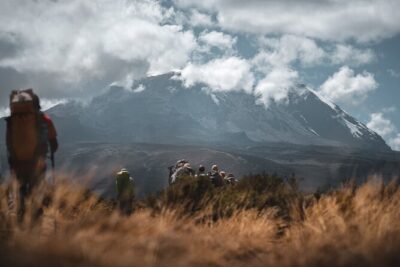
The climb gives your guide a good chance to watch how you are handling altitude. Guides such as Victor, Thomas, and Tyson have been praised for moral support as well as physical assistance. That distinction is important. A good guide does not simply point up the trail. The guide sets a manageable pace, notices when you are struggling, and helps you keep your attention on the next small section.
Horombo is also where the short itinerary begins to show its cost. You are already sleeping considerably higher than the previous night, and the following day takes you higher still. Keep drinking the supplied purified water, eat even if your appetite is reduced, and tell your guide promptly if you feel unwell.
Day 3: Horombo Hut to Kibo Hut
Day three moves from Horombo toward Kibo Hut. Two paths are available from Horombo. The upper route is the older trail and climbs more steeply toward the foot of Mawenzi, gaining about 600 metres before descending toward the saddle.
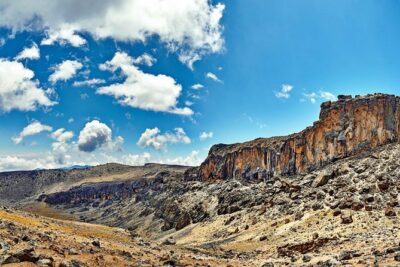
That route adds variety and a stronger climb before the final approach. It also asks more of your legs. The saddle is the broad, stark area between Mawenzi and Kibo, and the character of the walk changes again as vegetation fades and the mountain feels more exposed.
Kibo Hut is the staging point for the summit attempt. The supplied itinerary does not give a precise walking time for this day, so ask the operator for the current schedule. What is clear is that you need to arrive, eat, rest, and prepare for a midnight departure.
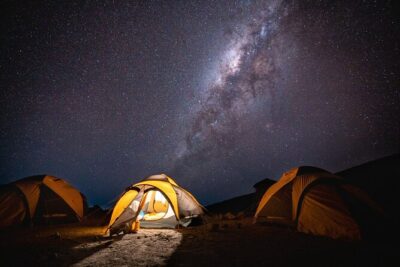
This is not a night for casual packing. Put warm clothing where you can reach it, organize your headlamp and water, and keep your summit gear simple. The tour includes porters to carry group supplies, but you still need to manage the personal items you will use during the climb.
More five day trips in Moshi & Kilimanjaro:
- 5 Days Camping Tarangire, Serengeti & Ngorongoro crater & Visiting Maasai
★ 5.0 · 58 reviews - 5-Day Majestic Tanzania Safari – High End All Inclusive
★ 5.0 · 44 reviews - 5 Day Mid range Tanzania Safari
★ 5.0 · 34 reviews - 5 days Tanzania Camping Safari
★ 5.0 · 29 reviews
Day 4: Kibo Hut to Uhuru Peak and Horombo
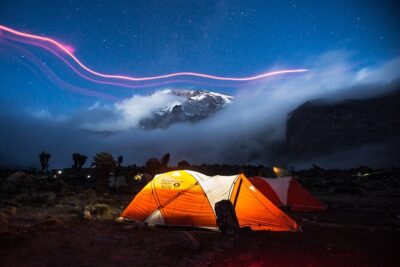
The summit day begins before most people would consider it morning. You are woken at about 11:00 pm, have a hot drink, put on your warmest clothing, and start around midnight.
The first hours are in darkness. You climb slowly toward the summit, with the cold often making the effort feel harder than the distance suggests. The pace should be deliberate, with frequent attention to how you are feeling. This is where the guide team earns its keep. The strongest groups are not necessarily the fastest ones. They are the groups that conserve energy and respond early to altitude problems.
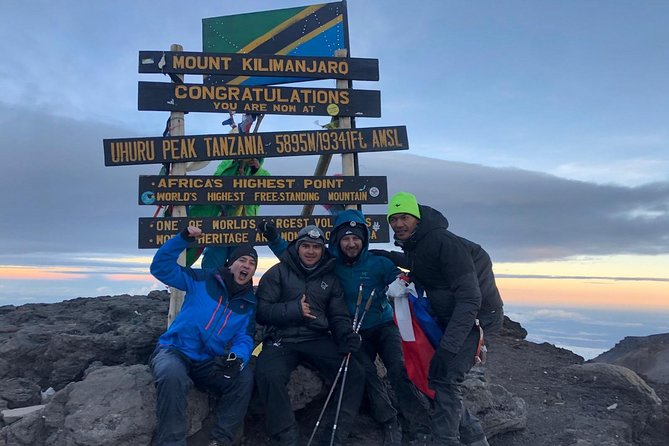
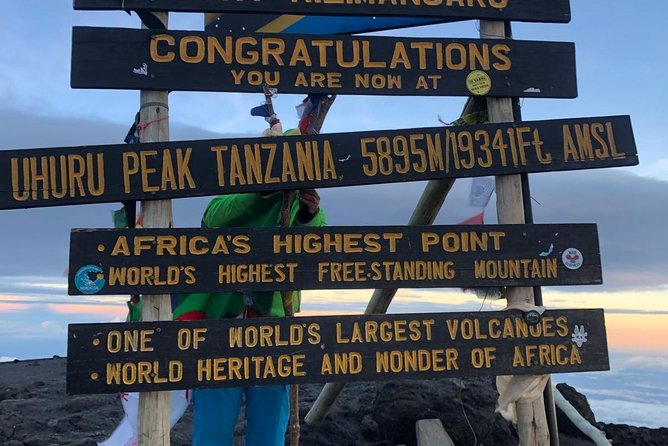
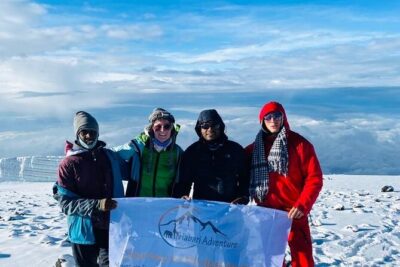
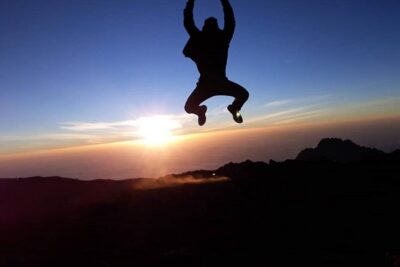
The goal is Uhuru Peak, the highest point on Kilimanjaro, at 5,895 metres. If conditions and your health allow, you reach the summit around sunrise or after it, then begin the descent. The view and the sense of height are the reward, but reaching the top is never guaranteed. A responsible guide must put your health before the summit photograph.
After descending from Kibo, you continue to Horombo Hut. This makes day four the hardest part of the trip by far. You are climbing through the night, reaching the summit, and then losing height over a long descent. You may feel proud, exhausted, or both. Plan on very little energy for anything beyond eating, drinking, and sleeping.
Day 5: Horombo Hut to Marangu Gate
The final morning takes you downhill from Horombo to Mandara Hut in about three hours. From Mandara, the forest section to Marangu Gate takes another two hours.
Descending can seem easy at first, but tired knees and feet can make it surprisingly demanding. Trekking poles, if you use them, can help with balance. More important, resist the urge to rush simply because the finish is close.
At the gate, the mountain portion ends and the activity returns to its meeting point. The tour description says the experience ends back at the meeting point. Confirm whether your own return transfer is to Moshi, the airport, or another location, especially if you have a same-day flight.
Huts, food, water, and the working team
The hut system is the clearest practical reason to choose this route. You avoid carrying a sleeping tent and avoid the daily task of camp setup. Several people also describe the huts as more comfortable than expected. Comfort is relative at altitude, of course, but a solid roof and a place to rest are valuable after a long climb.
The package includes mountain accommodation, breakfast, lunch, and dinner. A cook prepares large portions of fresh food, and Chef Joseph is singled out for especially good meals. Vegan food has also been accommodated, but you should state dietary needs before departure rather than hoping the kitchen will guess.
Purified drinking water is included. You should still carry a personal bottle or hydration system that you can use easily while walking. The provided water reduces one worry, but it does not remove the need to drink regularly.
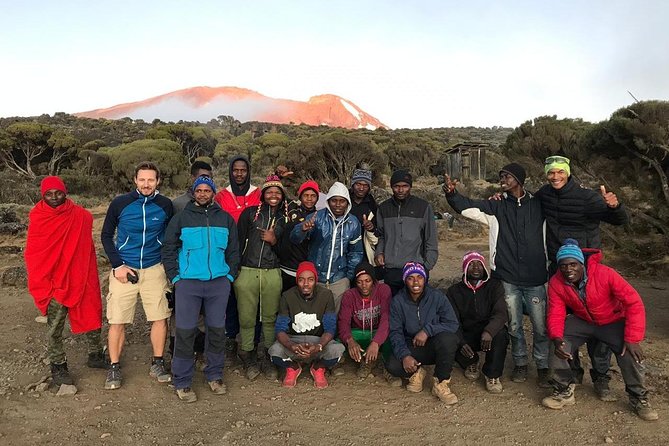
The team includes professional mountain guides, porters, and a cook. Porters carry food, water, and other group equipment, while you carry your personal day items. The operator also states that porters receive fair and ethical treatment. That is worth asking about directly, including tipping practice and how luggage loads are managed.
What the $900 price really means
At $900 per person, the trip looks inexpensive for a guided Kilimanjaro climb. The price includes meals, hut accommodation, guides, porters, cook salaries, purified water, and the mountain support needed for a five-day ascent. Those inclusions give the tour real value.
But $900 is not the complete trip budget. The Kilimanjaro National Park fee is listed as excluded. A separate note records an additional $750 per person being requested for park fees, though the exact current charge can vary and should be confirmed in writing before booking.
You also pay for a Tanzania visa, listed at $50 per person on arrival, along with tips, personal expenses, laundry, telephone use, alcoholic drinks, and other beverages. Optional extras, such as a short safari after the climb, are not included.
Ask for a full cost breakdown before you commit. The key questions are: Is the park fee current? Are airport transfers included? Is equipment rental included, or only the items carried by the crew? What tipping amount is expected? Clear answers can turn a low headline price into a fair, predictable price.
Guides, group size, and the human side
The company can accept groups of up to 50 people, which is a large maximum. Your actual group may be smaller, but you should ask about the expected size and guide-to-climber ratio. A large party can mean more social energy, but it can also slow decision-making and stretch personal attention.
The strongest part of the operation appears to be its guide and porter team. Thomas is described as handling detailed organization for groups, while Victor is praised for support during difficult stretches. Tyson is also named as a trusted guide. The recurring theme is friendliness, motivation, and calm help when climbers are tired.
That human support can shape your entire climb. Kilimanjaro is not only a physical test. You spend five days eating, walking, resting, and coping with discomfort alongside the same people. A team that keeps spirits steady is not a minor extra.
Who should book this climb?
This trip suits you if you want Kilimanjaro with hut accommodation, a direct route, organized meals, and a short schedule. It can work well for people with moderate fitness who are prepared to train, walk patiently, and follow guide instructions.
It is less suitable if you want the best possible altitude adjustment. A longer route gives your body more time to adapt and usually spreads the effort over more days. Five days is attractive for a tight holiday schedule, but it is not the gentlest option.
I would also avoid booking until the final cost is clear. The park fee issue is the one serious financial warning here. Get the full total in writing, then decide if the convenience of the Marangu huts and the company’s guide support justify the price.
Should you book Kilinge Adventures?
Book this climb if the hut-based Marangu Route appeals to you, you accept a demanding summit night, and you confirm every excluded cost before arrival. The support team, generous meals, purified water, and experienced guides make the package appealing.
Choose a longer Kilimanjaro route if your priority is a slower altitude schedule rather than a five-day finish. If you do book, arrive ready for long walking days, protect your energy, listen closely to the guide, and treat the $900 price as a starting point rather than the final bill.
FAQ
How long is the Kilimanjaro Marangu Route experience?
The climb lasts approximately five days, beginning at Marangu Gate and ending after the descent to the park gate.
Where does the activity start?
The stated meeting point is Kilimanjaro International Airport on Kilimanjaro Airport Road, Tanzania. Hotel pickup in Moshi is also offered, so confirm the exact arrangement.
What time does the tour start?
The listed start time is 8:00 am.
Where do I sleep during the climb?
Accommodation is provided in mountain huts on the route. The itinerary names Mandara Hut, Horombo Hut, and Kibo Hut.
Is food included?
Yes. Breakfast, lunch, and dinner are included, along with fresh, nutritious meals prepared by the cook.
Is drinking water included?
Yes. Clean, purified drinking water is included.
Are Kilimanjaro National Park fees included in the $900 price?
No. The park fee is specifically listed as excluded. Confirm the current fee before booking because an additional charge has been reported.
Do I need a Tanzania visa?
The listed Tanzania visa cost is $50 per person on arrival, and it is not included in the tour price.
Can I cancel for a full refund?
Yes, if you cancel at least 24 hours before the experience start time. Cancellations or changes made within 24 hours are not refunded, and poor-weather cancellations may be moved to another date or refunded.
Newly listed around Moshi & Kilimanjaro
- Climb Mount Kilimanjaro: 7 Days Machame Route★ 5.0 · 3 reviews
- 6 Days Mount Kilimanjaro Climbing via Rongai Route★ 5.0 · 3 reviews
- Explore 1 day Ngorongoro Crater Budget Group Safari from Arusha★ 5.0 · 3 reviews
- Mt. Kilimanjaro Day Hiking★ 5.0 · 3 reviews
- Chemka (Kikuletwa) Hot Springs, Tanzania★ 5.0 · 3 reviews
- Guided City tour of Moshi★ 4.3 · 3 reviews
- 8 Day Tanzania Family Safari★ 5.0 · 3 reviews
- Serengeti Safari with Sirikwa Travel★ 5.0 · 3 reviews
Kilimanjaro Climbs, compared.
Browse the lists this tour appears in