
Reviewed · KILIMANJARO CLIMBS
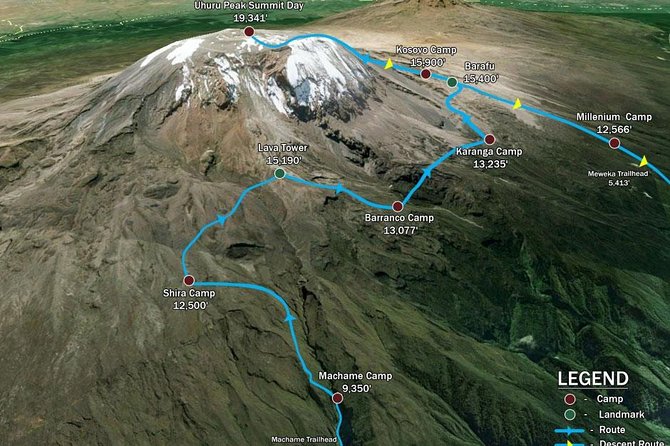
KILIMANJARO MACHAME ROUTE, (Climb 7days)
Kilimanjaro’s midnight summit push is the heart of this climb. You leave Barafu Camp before dawn, work your way to Stella Point, then continue to Uhuru Peak as the first light reaches the crater rim. It is slow, cold, and tiring, but the route gives you a real shot at Africa’s highest summit.
I like two things here. First, the schedule builds in shorter days at Karanga and Barafu, giving you time to rest before the summit attempt. Second, the team’s strengths are practical: Paul and guides including Stanley, Isaac, Cosmos, Freddie, and Coleman are praised for health checks, steady encouragement, camp work, and solid food.
The main caution is the schedule itself. The title describes a seven-day climb, while the supplied itinerary covers six days, and Day 1 refers to both Machame Gate and Umbwe Gate. Confirm the exact route, number of nights, and starting gate before paying.
Key points to know before booking
- A six-day schedule on a seven-day-titled climb: Confirm the final day count, since the supplied details do not match.
- A demanding summit night: You may hike from just before midnight through Stella Point to Uhuru Peak, then descend to Mweka Camp.
- Big changes in altitude and scenery: The trail moves through forest, heath, glacial valleys, alpine desert, and the summit zone.
- A highly involved support crew: Paul’s team includes guides and porters, with strong praise for camp setup, food, tents, and personal care.
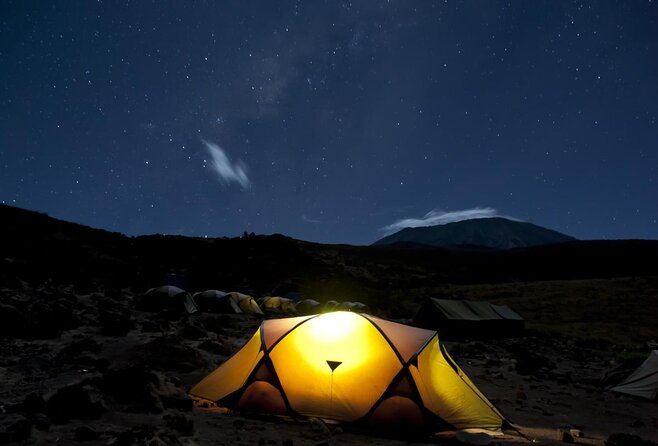
- Camping rather than lodge comfort: You sleep at Machame-area camps, Barranco, Karanga, Barafu, and Mweka.
- A high price with a useful support package: At $3,025.65 per person, the value depends on the quality of guiding, permits, meals, equipment, and crew support.
What this Kilimanjaro climb is really like
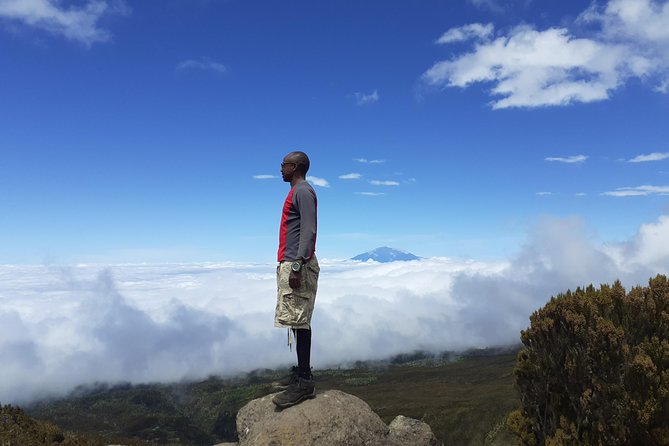
This is not a sightseeing trip with a mountain walk added on. You spend most of the experience hiking, resting, eating, and sleeping at altitude. The reward is a steady change in scenery and the chance to reach Uhuru Peak, known here as the Roof of Africa.
The route is described as the Machame Route, one of the better-known paths up Kilimanjaro. Yet the first day includes a drive to Machame Gate to collect permits, followed by another drive to Umbwe Gate before hiking begins. That detail matters because the route name and trailhead affect your expectations, timing, and total walking distance.
The listed duration is approximately six days. The product title says climb seven days, so I would ask for a written day-by-day schedule before booking. This is not a minor point. One extra day can mean a different acclimatization plan, another camp night, and a better margin for handling altitude.
More Kilimanjaro routes:
- 8-Day Small-group Lemosho Kilimanjaro Summit Trekking
★ 5.0 · 186 reviews - 7-Day Machame Kilimanjaro Summit Tour from Arusha
★ 5.0 · 125 reviews - Private Full Day Hiking Experience to Marangu Route
★ 5.0 · 61 reviews
Day 1: From Arusha to the forest zone
Pickup is scheduled for 8 a.m. from your hotel in Arusha. You drive to the park gate to collect permits, then continue toward the stated hiking start at Umbwe Gate. The listed day lasts about 12 hours, including transport, registration, and hiking.
The first walking section passes through the forest zone. It is not described as technically difficult, but the trail rises steeply, especially later in the day. You should treat this as a serious opening, not a gentle warm-up.
The practical rule is simple: go slowly from the first step. The guides are there to set the pace, and the route gives you an early lesson in the rhythm needed for the rest of the climb. You arrive at the first camp in the late afternoon for dinner and an overnight stay.
The long first day is one reason I would ask exactly how much time is spent driving and how much is spent on foot. A 12-hour total day may feel manageable in a vehicle, but it can feel very different after a steep forest hike and camp setup.
Day 2: Heath zone climbs and Barranco Camp
Day 2 moves out of the forest and into the heath zone. The trail becomes steeper in places, and the emphasis is on taking it easy. That advice is not decorative. Kilimanjaro rewards patience more than speed, especially when your body is still adjusting to height.
A picnic lunch is taken on the trail. In the afternoon, you reach Barranco Camp, where the Barranco Wall and the Western Breach give the setting a more dramatic feel. The mountain here carries evidence of a huge collapse from roughly 60,000 years ago, so the rock formations are part of the mountain’s story, not just a backdrop for photographs.
Barranco is also known for giant groundsels, a distinctive high-altitude plant. These unusual plants help mark the change from ordinary mountain forest to the colder upper slopes.
This is an eight-hour day according to the schedule. You have dinner and sleep at Barranco Camp, with time to relax after arrival. The drawback is that the terrain gets steep before your body has fully settled into the altitude. Keep your pack light, drink as directed by your guide, and avoid turning the day into a race.
Day 3: The Barranco Wall and Karanga Camp
Day 3 begins with the Barranco Wall. This is one of the memorable sections of the route because you leave camp by climbing directly toward the wall before continuing through glacial valleys.
The schedule calls this a relatively short hiking day, about six hours. You take lunch at Karanga Camp, then have the option of walking with the guides in the afternoon for views toward Kibo’s southern walls and the deep valleys below.
I like this part of the plan because it gives you a little breathing room. A short day can help after the longer approach to Barranco, and the afternoon walk can be treated as optional rather than another forced march.
Do not mistake short for easy. The Barranco Wall and the altitude still demand care. You may be tired from the previous day, and the trail can feel harder when every uphill section is taken slowly. The useful advantage is that you reach camp around midday, leaving time to eat, rest, and prepare for the next ascent.
More week long trips in Arusha:
- Tanzania Classic – 7 Days
★ 5.0 · 1,151 reviews - 7-Day Premium Luxury Tanzania Safari All-Inclusive
★ 5.0 · 426 reviews - Group Safari 7 Days in Tanzania’s Main Parks
★ 5.0 · 240 reviews - 7 Days Tanganyika Wilderness Safari
★ 5.0 · 159 reviews
Day 4: Alpine desert and Barafu Camp
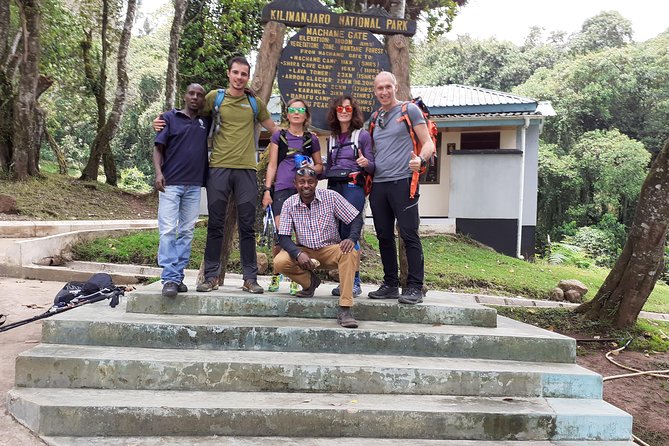
The route climbs again to Barafu Camp on another half-day schedule. Barafu sits in an exposed alpine desert zone, far removed from the lower forest. Strong winds can sweep through camp, and the surroundings are sparse and severe.
Lunch is taken at camp, followed by a long rest before the summit attempt. This is one of the most important planning choices in the whole climb. You do not want to reach Barafu late, rush through food, and have little time to sleep before leaving around midnight.
The schedule includes an early dinner and an overnight stay. Views of Mawenzi Peak are often a highlight when conditions are clear, but the weather can change quickly. Past climbs with this team have included rain, snowstorms, and other difficult conditions, so you should expect comfort to depend partly on the day’s weather.
Barafu is a functional camp, not a scenic resort. You are there to eat, rest, organize your clothing, and conserve energy. The six-hour day helps, but the altitude and exposed setting can make this night feel more demanding than the mileage suggests.
Day 5: Stella Point, Uhuru Peak, and Mweka Camp
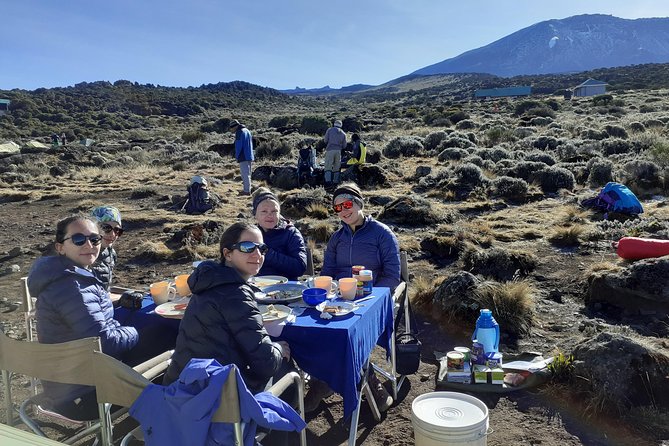
Most climbers leave just before midnight for the final ascent. This is the hardest day because you climb through the coldest and darkest hours, reach the summit in the morning, and then descend to Mweka Camp.
The route goes through Stella Point before the final section to Uhuru Peak. Reaching Stella Point places you near the crater rim, but you still have to continue to Uhuru Peak. The final section is relatively short by distance, yet the altitude makes every step count.
This is where patience and persistence matter. Your guide’s job is not only to lead the way, but to watch how you are coping and help you keep a safe, steady rhythm. Past groups describe the guides as stepping in with support before it became necessary, which is exactly the kind of attention you want on summit night.
After Uhuru Peak, you descend to Mweka Camp. The listed duration is eight hours, although summit day can feel longer because the schedule begins before midnight. The downhill section may sound easier, but tired legs and loose ground can make it hard work.
The summit is the obvious goal, but safe descent is just as important. A good operator should care about getting you back to camp in sound condition, not simply taking a photograph at the top.
Day 6: Forest descent and return to Arusha
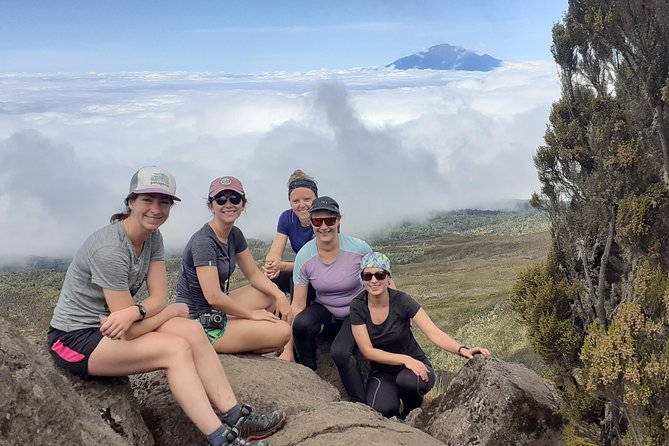
After breakfast at Mweka Camp, you descend through montane forest. The lower altitude brings a welcome change in air and vegetation after the bare upper slopes.
Around midday, you say goodbye to the crew and transfer back to your Arusha hotel. The listed duration is about six hours, which includes the descent and pickup. You should plan a relaxed evening rather than a packed schedule. The itinerary ends with a return to your hotel for a long-awaited shower.
The farewell is part of the experience. On a camping climb, the crew handles much of the work that makes each day possible. That includes carrying equipment, setting up tents, preparing meals, and helping maintain the day’s rhythm.
The people who shape the climb
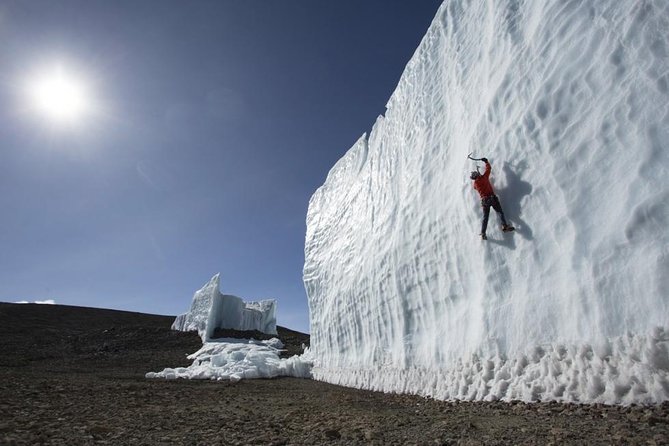
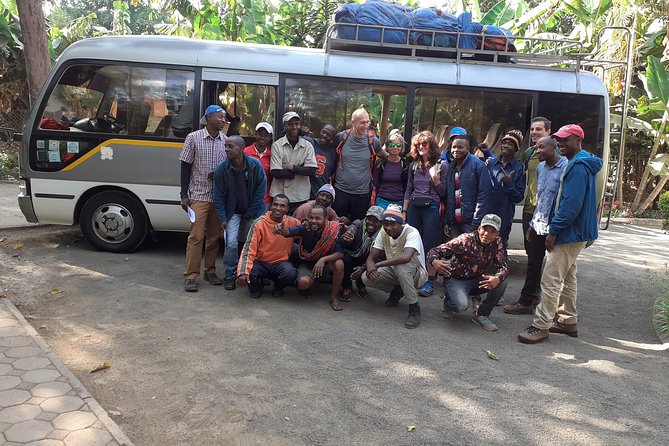
The strongest part of this operation appears to be its people. Paul is repeatedly connected with the expedition, and named guides include Stanley, Isaac, Cosmos, Freddie, and Coleman. The exact guide lineup for your group may differ, so ask who will lead your climb.
The team is praised for several specific duties:
- Personal support: Guides monitor climbers and offer help when fatigue or altitude becomes a concern.
- Camp organization: Tents can be put up and meals prepared even in rain and snow.
- Food: Meals receive unusually strong praise, including the work of the mountain chef under difficult camp conditions.
- Equipment: Past groups describe the tents and camping gear as good quality.
- Communication: Paul is described as available before and during the climb for questions and requests.
The repeated theme is care rather than showmanship. That matters on Kilimanjaro. A friendly guide is pleasant, but a guide who manages pace, checks your condition, explains the route, and keeps the team organized is far more valuable.
Food, tents, and camp comfort
This is a camping trip, but it is not presented as a bare-bones operation. The food is a clear strength, with repeated praise for tasty trekking meals. That does not mean restaurant dining at altitude. It means hot, satisfying food can make a hard day more manageable.
The tents are also described as good quality. Still, you should keep your expectations realistic. Barafu Camp is exposed, weather may include rain or snow, and camp life remains basic. A well-set tent is valuable, but it does not remove cold, wind, early starts, or the need to share mountain facilities.
The team’s response to poor weather is worth noting. Snowstorms and rain have not always prevented camp from functioning, but conditions remain outside the operator’s full control. Bring the equipment requested by the company and take the weather requirement seriously.
Is $3,025.65 good value?
The price is $3,025.65 per person. That is a major expense, but the right comparison is not just the number of hiking days. You are paying for a coordinated mountain operation that includes pickup, park access arrangements, guides, porters, cooks, camping, meals, and the support needed for a summit attempt.
The itinerary specifically notes that the permit process is handled on Day 1 and that the Mount Kilimanjaro admission ticket is included there. Other stops show admission as free, which appears to reflect the structure of the listing rather than a promise that every possible cost is covered.
Ask what the price includes before booking. In particular, confirm park fees, camping fees, meals, porter support, transfers, equipment, hotel nights, and tips. Group discounts are offered, so the price may work better for a private party than for one person booking alone.
A private tour can also be good value if you want your own group to participate rather than join strangers. The exact group size is not provided, so ask how many guides and porters will support your party.
Fitness, timing, and who should book
The experience calls for a moderate level of physical fitness, but I would not read that as an easy hike. The route includes steep sections, long days, altitude gain, a pre-midnight departure, and a descent after the summit.
You should be comfortable walking uphill for several hours and managing several consecutive days outdoors. The hardest test is not one technical obstacle. It is the combination of altitude, limited sleep, cold, weather, and the need to keep going at a slow pace.
This climb suits you if:
- You want a serious Kilimanjaro attempt with a private group.
- You value close guide support and organized camping.
- You can accept basic mountain conditions.
- You want a route with forest, heath, glacial valleys, alpine desert, and summit terrain.
- You are willing to confirm the schedule and route details before booking.
It is less suitable if you want a relaxed holiday, lodge-style comfort, or a fixed six-day plan without any uncertainty in the published details.
Booking details worth checking
Pickup is offered, and the stated operating hours run from 8 a.m. to 11:30 p.m., Monday through Sunday, for the dates shown. Confirmation is received at booking, and the activity is described as private, with only your group taking part.
The cancellation terms are strict near departure. Cancel at least six full days before the start for a full refund, cancel two to six full days before for a 50 percent refund, and cancel within two days for no refund. Poor weather or failure to meet the minimum number of participants may lead to another date, another experience, or a full refund.
Because weather is important on Kilimanjaro, I would also ask how the operator handles a delayed summit attempt and what happens if your group needs a slower schedule.
Should you book this Kilimanjaro climb?
I would consider this climb if the team’s hands-on support is your top priority. The strongest evidence points to attentive guides, well-run camps, good food, reliable tents, and a warm working relationship with Paul and his crew.
I would not book until the six-day versus seven-day difference and Machame versus Umbwe starting point are explained clearly. If the operator confirms the route, inclusions, crew structure, and acclimatization plan in writing, the experience offers a serious and well-supported path toward Uhuru Peak.
FAQ
How long is the climb?
The itinerary provided covers six days, although the experience title says seven days. Confirm the exact duration before booking.
Where does the experience begin?
Pickup is offered from your hotel in Arusha at about 8 a.m. on Day 1.
Is the tour private?
Yes. Only your group participates in the activity.
Is the Machame Gate used?
The schedule says you drive to Machame Gate to collect permits, then drive for about one more hour to Umbwe Gate to begin hiking. Confirm the exact trailhead with the provider.
What fitness level is required?
A moderate physical fitness level is required. The route includes steep sections, long hiking days, altitude, and a pre-midnight summit departure.
Where do you sleep?
You sleep at mountain camps, including Barranco Camp, Karanga Camp, Barafu Camp, and Mweka Camp. The first night is described as the first camp after entering the forest zone.
When does the summit attempt begin?
Most people leave just before midnight from Barafu Camp for the ascent to Stella Point and Uhuru Peak.
Is the Mount Kilimanjaro admission ticket included?
The Day 1 information says the admission ticket is included. Confirm the full list of included park, camping, permit, food, equipment, and transfer costs.
Are meals provided?
Yes. Dinner and breakfast are described at camp, and picnic or camp lunches are included in the daily plan. The mountain meals are a noted feature of the operation.
What is the cancellation policy?
Cancel at least six full days before the start for a full refund. Cancellation two to six full days before receives a 50 percent refund, while cancellation within two days is nonrefundable. Poor weather or an unmet minimum may result in a new date, another experience, or a full refund.
Newly listed around Arusha
- 5-Day Private Safari Tour in Tanzania’s Wildlife★ 5.0 · 3 reviews
- 3 Days private safari Tarangire ,Ngorongroro crater &Manyara★ 5.0 · 3 reviews
- 3 Day Sharing Safari – Manyara, Ngorongoro Crater and Tarangire National Parks★ 5.0 · 3 reviews
- Tarangire National Park Day Trip★ 5.0 · 3 reviews
- 2 Days Tarangire and Ngorongoro Crater Tour★ 5.0 · 3 reviews
- 6 -Day Tarangire, Manyara, Serengeti & Ngorongoro★ 5.0 · 3 reviews
- 5 Days Group Camping Safari★ 4.7 · 3 reviews
- 4 Days Tanzania Safari★ 4.5 · 3 reviews
Kilimanjaro Climbs, compared.








Browse the lists this tour appears in