
Reviewed · KILIMANJARO CLIMBS
Lemosho Route 7 Days Trekking at Mount Kilimanjaro
The most appealing part of this 7-day Lemosho Route climb is the way it builds toward the summit through several distinct zones, from rainforest to alpine desert. You start near Londorossi Gate, pass through Shira and Barranco, then make the midnight push to Uhuru Peak at 5,895 meters.
I like the quieter route and the careful acclimatization stop at Lava Tower. I also like the small advertised group size of up to eight people, plus the practical support of pickup, mountain transport, a certified guide, and meals. The main caution is simple: summit day is very hard, even for fit hikers, and seven days gives you less time to adjust than longer Kilimanjaro routes.
Key points to know before you book
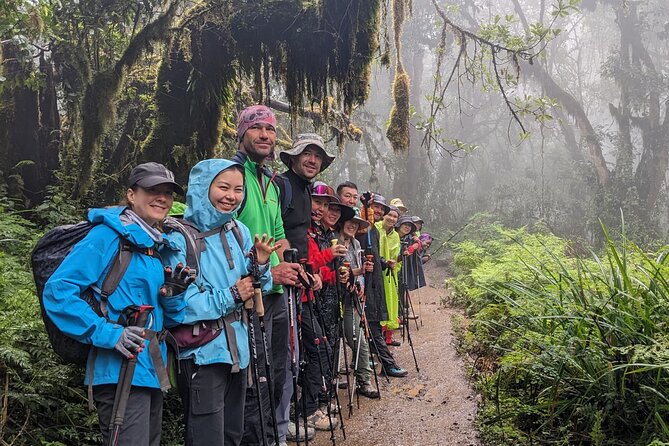
- A scenic western approach: The Lemosho Route begins at Londorossi Gate and moves through rainforest, heath, moorland, alpine desert, and high volcanic terrain.
- Lava Tower helps with acclimatization: Day 3 climbs to 4,600 meters before dropping to Barranco Camp at 3,940 meters.
- Summit day is a long test: You start around midnight, climb to Uhuru Peak, return to Barafu Camp, then continue down to Mweka Camp.
- The advertised group limit is eight: This should appeal if you prefer a more personal guide-to-hiker setup, though support crews can make the full mountain team much larger.
- The route includes six breakfasts, seven lunches, and six dinners: International flights, departure taxes, and insurance are extra.
- The price is $2,800 per person: That is a serious spend, so confirm exactly what support services and equipment are included before paying.
Why the Lemosho Route earns seven days
Kilimanjaro is not a technical climbing trip in the usual sense, but it is a serious high-altitude trek. The challenge comes less from rock climbing than from thin air, long walking days, cold, sleep loss, and the sharp change from tropical forest to summit conditions.
Lemosho is a strong choice if you want a quieter start and a gradual change in scenery. The route reaches Shira One on the second day, then joins the high circuit toward Barranco, Karanga, and Barafu. It avoids making the first days feel like a crowded race.
The seven-day schedule has one clear strength: it includes the Lava Tower climb before sleeping lower at Barranco. That up-and-down pattern gives your body a chance to experience altitude before you rest at a lower camp. The schedule is still compact, though. You should arrive with a moderate or better level of fitness and take the slow pace seriously.
More Hiking Tours in Arusha
- 8-Day Small-group Lemosho Kilimanjaro Summit Trekking
★ 5.0 · 186 reviews - Mountain Kilimanjaro Day Hike
★ 5.0 · 102 reviews - Private Full Day Hiking Experience to Marangu Route
★ 5.0 · 61 reviews
Day 1: Arusha to Big Tree Camp through the rainforest
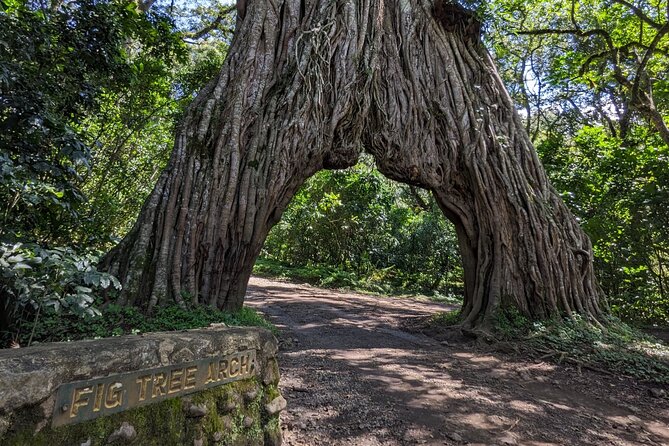
Your day begins in Arusha, where pickup is offered. A 4×4 Land Cruiser or Land Rover takes you to Londorossi Gate, at about 2,250 meters. Registration and permit arrangements take roughly an hour, so the morning is partly administrative rather than purely scenic.
From the gate, you continue to the Lemosho starting point at about 2,100 meters. The first walk covers around 6 kilometers and takes about three hours, with a 650-meter climb to Mti Mkubwa Camp, also called Big Tree Camp, at 2,750 meters.
This is a gentle introduction by Kilimanjaro standards. The rainforest gives you shade and a soft start, while the elevation gain lets you begin adjusting without being thrown into a punishing day. Dinner and camping follow at the end.
I would use this first day to settle into your boots, walking rhythm, and group pace. Registration can make the schedule feel less predictable, and the road transfer is part of the mountain operation, not wasted time. Keep your day pack easy to reach, since you will need water and basic rain protection as soon as you begin walking.
Day 2: Heath and moorland on the way to Shira One
After breakfast, the route leaves the rainforest and enters heath and moorland. You climb 13 kilometers to Shira One Camp, at approximately 3,500 meters, gaining about 1,100 meters over roughly six hours.
This is one of the more demanding days because the distance and height gain arrive early in the trip. The scenery opens up as the trees thin, but you should not let the views push you into a quick pace. On Kilimanjaro, walking slowly is not a sign of weakness. It is one of the best tools you have.
Shira One is important because it places you high enough to begin feeling the altitude while keeping the day straightforward. You will have dinner and sleep at camp, but do not expect altitude adjustment to happen in one night. Headaches, low appetite, or poor sleep can occur at this point, so tell your guide how you feel rather than trying to hide it.
The route description calls for a steep walk in places. That makes good pacing especially important. I would think of Day 2 as a controlled effort, not a day to prove your fitness.
Day 3: Lava Tower and the descent to Barranco
Day 3 is the key acclimatization day. You walk from Shira One toward Barranco Camp, climbing first to Lava Tower at 4,600 meters. The total route covers about 10.75 kilometers and takes six to seven hours, with a picnic lunch along the way.
The useful part is the altitude pattern. You climb high, then descend to Barranco Camp at 3,940 meters for the night. That means you get valuable time at a greater height without sleeping at the highest point reached that day.
The route gains about 750 meters to Lava Tower, then drops toward Barranco, with the itinerary also recording a further 660-meter change between the two sections. The numbers are less important than the sensation: this day can feel tiring even though the final sleeping height is lower.
Barranco Camp is one of the memorable places on the route because it sits below the Barranco Wall, a steep volcanic formation that becomes tomorrow’s first major obstacle. Dinner and camping follow at 3,940 meters.
Take this day seriously. It is not simply a scenic walk. If you develop strong altitude symptoms, tell the guide immediately. The presence of experienced mountain guides is one of the most valuable parts of paying for an organized climb. Guides named in recent Suricata groups include Freddy, Mike, Teacher, and Modest.
More Kilimanjaro routes:
- 7-Day Machame Kilimanjaro Summit Tour from Arusha
★ 5.0 · 125 reviews - From Arusha/Moshi: Kilimanjaro Hike Marangu Route Day Trip
★ 4.5 · 54 reviews - Mount Kilimanjaro Day Hike Through Marangu Route to Mandara Hut
★ 5.0 · 37 reviews - 6 Days: Hiking Kilimanjaro via Machame Route
★ 5.0 · 24 reviews
Day 4: The Barranco Wall and a short walk to Karanga
After breakfast, you tackle the Barranco Wall on the way to Karanga Camp. The distance is only about 4.25 kilometers, and the day takes three to four hours, with an altitude gain of roughly 250 meters.
This is the shortest walking day, which is welcome after the longer climb to Lava Tower. The wall may look intimidating from camp, but the route is treated as a hiking section rather than a technical climbing pitch. You should still expect uneven ground and a slower pace in places.
Karanga Camp sits at about 4,000 meters. A hot lunch is planned on arrival, followed by rest and an acclimatization walk. That extra time matters. You are not just covering ground. You are preparing for the summit attempt, and a calm afternoon may be more useful than squeezing in another long outing.
This is also the day when you can judge how the group is working. One recent party described a large overall support team, including guides, a cook, and porters, while the advertised maximum for the activity is eight hikers. Those are different things: a small hiking group can still have a sizable mountain crew. Ask Suricata how many hikers will share your departure and what support staff are assigned.
Day 5: Barafu Camp and an early night
The walk to Barafu Camp begins after breakfast, scheduled at about 8:30 in the morning. You pass through heath and moorland for roughly 4.25 kilometers, climbing about 600 meters to Barafu at 4,600 meters.
The trek takes three to four hours, so the distance is short but the altitude makes it feel harder. On arrival, a hot lunch is planned. Then you rest, eat an early dinner, and sleep for a few hours before the summit start.
Barafu is the launch point for Uhuru Peak. The camp is high, exposed, and not a place where you will feel fully relaxed. Your goal is to organize your summit pack, drink what you can, and lie down even if sleep does not come easily.
The midnight wake-up is the practical reason this day feels unusual. You are eating dinner early, sleeping in the late afternoon or evening, and asking your body to work at the coldest and darkest part of the night. Keep your essential clothing and water ready before resting. The provided schedule says you will pack only essential items for the summit, so avoid taking more than you need.
Day 6: Uhuru Peak, Barafu, and the long descent
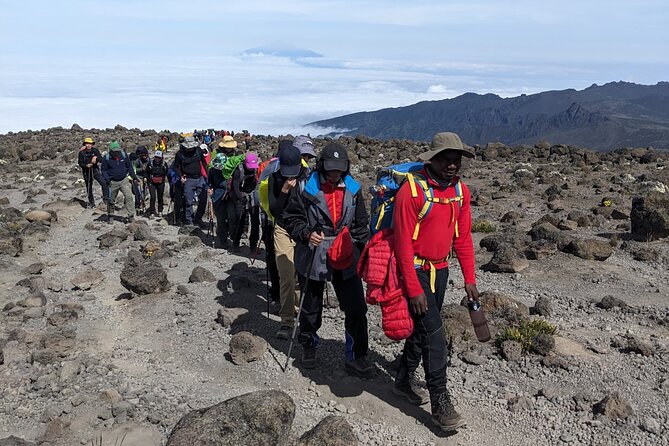
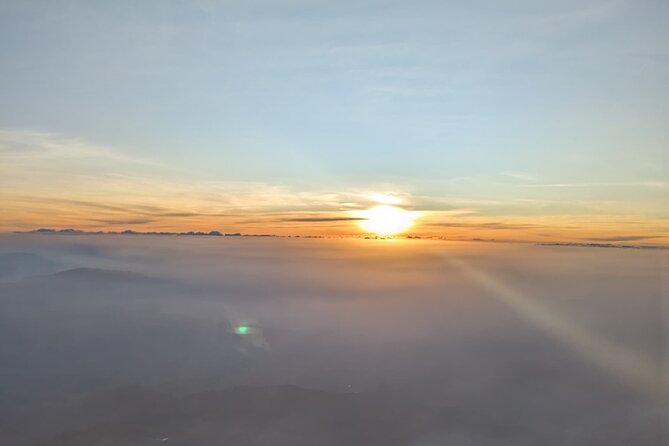
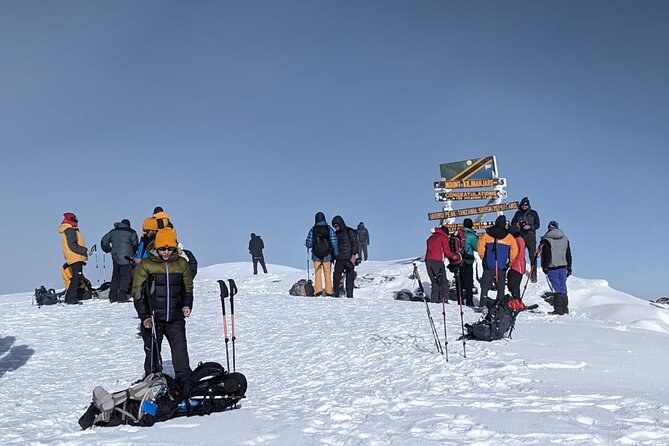
Summit day starts around midnight with hot drinks and snacks. You then climb about 4.86 kilometers to Uhuru Peak, gaining roughly 1,295 meters. The ascent is expected to take six to seven hours.
At 5,895 meters, Uhuru Peak is the highest point in Africa. The final approach is where the seven-day plan earns its reputation as a hard trip. You will be walking through darkness, dealing with cold and thin air, and managing the effects of little sleep. Even strong hikers can slow dramatically.
After reaching the summit, you descend to Barafu Camp in about three hours for breakfast. That is not the end of the day. After several hours of rest and a hot lunch, you continue downward through alpine desert, heath, and moorland to Mweka Camp at about 3,100 meters.
The total descent from Uhuru Peak through Barafu to Mweka is about 11.5 kilometers, with a height loss of approximately 2,795 meters. This is a huge amount of walking after the summit. The reward is that the air becomes easier as you lose height, but your legs may be worn out.
I would not plan anything demanding for the day after this trek. The itinerary’s final day still includes several hours of walking, so save your energy and follow the guide’s instructions closely. All three members of one recent three-person group reached the summit, but that outcome should not be treated as guaranteed. Altitude affects each person differently.
Day 7: Mweka Gate and the return to Arusha
After breakfast, you walk 9.1 kilometers through the rainforest to Mweka Gate at about 1,800 meters. The descent takes around three to four hours, though the full day is listed at about six hours when the final arrangements are included.
At the gate, successful summit hikers receive a certificate. You then meet the vehicle for transfer to Jevas Hotel in Arusha, where the trip ends.
The return through the forest gives you a softer finish than another high camp would. It also marks a dramatic change in temperature and vegetation in only a few hours. You will likely be thinking more about a shower and a meal than botany, but the descent is still a satisfying final chapter.
Allow some flexibility at the gate. Certificate arrangements, loading bags, and meeting the vehicle can take time. Pickup and drop-off are offered, which makes the Arusha end of the trip easier, especially after the exhausting summit day.
What the $2,800 price means
The stated price is $2,800 per person. That is a substantial amount, but Kilimanjaro costs are not limited to a guide walking beside you. The price is tied to park access, mountain transport, camping operations, food, guide services, and the organization needed for a seven-day climb.
This package includes a certified guide, six breakfasts, seven lunches, and six dinners. Admission tickets are included in the daily mountain activities. Pickup is offered, and the activity uses 4×4 Land Cruisers or Land Rovers for the transfers connected with the climb.
The value is strongest if you want a single operator handling the mountain schedule and Arusha transfers. The personal attention may also be worthwhile if the maximum of eight hikers is honored on your departure.
Before booking, ask for a clear written breakdown of what the price covers beyond the listed inclusions. The supplied details do not list international flights, departure taxes, medical insurance, travel insurance, or luggage insurance as included. Those costs remain yours. Equipment rental, porter arrangements, tips, hotel nights beyond the stated transfer, and other extras are not specified here, so confirm them directly with Suricata.
Food, support, and group size
You receive six breakfasts, seven lunches, and six dinners during the seven-day schedule. Some lunches are hot at camp, while Day 3 includes a picnic lunch and summit night begins with hot drinks and snacks.
The food plan matters because you are burning energy every day, but the details do not state menus or dietary arrangements. If you have dietary needs, ask before booking rather than assuming the kitchen can accommodate them.
The advertised group limit is eight hikers. That is a useful size for a high-altitude trip because you can receive direct attention without being part of a huge walking line. At the same time, one recent group described 25 people in the full team, including guides, a cook, and porters. That larger number likely refers to the complete support operation, not eight hikers, but you should clarify the distinction.
The strongest praise for Suricata centers on the mountain team. Freddy and Mike are named for their guidance, while Teacher and Modest are also singled out in connection with a successful climb. Several accounts describe the team as experienced, kind, and helpful during rain and difficult conditions. That is exactly the sort of support you want when the weather turns poor or the summit night becomes overwhelming.
Who should choose this climb
I would recommend this trek to a fit hiker who wants a quieter route, a clear seven-day structure, and professional mountain support. It suits you if you are comfortable camping, walking several hours a day, and accepting that summit success depends on altitude as much as fitness.
It is less suitable if you want a relaxed holiday or dislike early starts, basic camps, changing weather, and long descents. The word moderate in the fitness guidance should not fool you. The summit day is demanding, and the schedule gives you limited spare time if you need a slower adjustment.
The free cancellation policy allows a full refund when you cancel at least 24 hours before the local start time. Cancellations or changes within 24 hours are not accepted for a refund. The booking confirmation is issued at the time of booking, and the activity operates daily during the stated period.
Should you book the Lemosho Route with Suricata?
I would book this experience if you want Lemosho’s varied scenery and prefer a guided climb with meals, mountain transport, and Arusha pickup arranged together. The route has a sensible Lava Tower acclimatization day, a short Karanga day for rest, and a clear summit plan.
I would not book it without first confirming the exact group size, porter and cook arrangements, equipment costs, dietary options, and insurance expectations. At $2,800, those details matter.
Choose this trek for the route and the people supporting it, not because seven days makes Kilimanjaro easy. With Freddy, Mike, Teacher, or Modest assigned to your group, you may have experienced leadership on a tough mountain. But you still need to pace yourself, prepare for altitude, and accept that Uhuru Peak is earned one slow step at a time.
FAQ
How long is the Kilimanjaro Lemosho Route trek?
The experience lasts approximately seven days, beginning and ending in Arusha.
What is the price per person?
The listed price is $2,800 per person.
Is pickup available?
Yes. Pickup is offered, and the trip includes transport in a 4×4 Land Cruiser or Land Rover to the mountain starting point.
What meals are included?
The package includes six breakfasts, seven lunches, and six dinners.
Is a guide included?
Yes. A certified guide is included. Guides named in connection with recent Suricata trips include Freddy, Mike, Teacher, and Modest.
How many people can join the activity?
The stated maximum is eight hikers.
What fitness level is required?
The activity is intended for people with a moderate physical fitness level. The summit day is especially challenging because it involves a midnight start and climbing to 5,895 meters.
What is the cancellation policy?
You can receive a full refund if you cancel at least 24 hours before the experience start time. Cancellations or changes made within 24 hours are not accepted for a refund.
More week long trips in Arusha
- Tanzania Classic – 7 Days
★ 5.0 · 1,151 reviews - 7-Day Premium Luxury Tanzania Safari All-Inclusive
★ 5.0 · 426 reviews - Group Safari 7 Days in Tanzania’s Main Parks
★ 5.0 · 240 reviews - 7 Days Tanganyika Wilderness Safari
★ 5.0 · 159 reviews
Newly listed around Arusha
- 5-Day Private Safari Tour in Tanzania’s Wildlife★ 5.0 · 3 reviews
- 3 Days private safari Tarangire ,Ngorongroro crater &Manyara★ 5.0 · 3 reviews
- 3 Day Sharing Safari – Manyara, Ngorongoro Crater and Tarangire National Parks★ 5.0 · 3 reviews
- Tarangire National Park Day Trip★ 5.0 · 3 reviews
- 2 Days Tarangire and Ngorongoro Crater Tour★ 5.0 · 3 reviews
- 6 -Day Tarangire, Manyara, Serengeti & Ngorongoro★ 5.0 · 3 reviews
- 5 Days Group Camping Safari★ 4.7 · 3 reviews
- Private 4×4 Vitara Safari in Arusha National Park★ 5.0 · 3 reviews
Kilimanjaro Climbs, compared.








Browse the lists this tour appears in