
Reviewed · KILIMANJARO CLIMBS
7-Day Machame Kilimanjaro Summit Tour from Arusha
Mount Kilimanjaro’s Machame Route gives you a full week to cross several climate zones on foot, from damp rainforest to the cold, rocky summit rim. The reward is Uhuru Peak at 19,340 feet, the highest point in Africa, reached after a demanding midnight climb.
I like the small maximum group of six, since your guide can keep a closer eye on your pace and condition. I also like that the price includes camping equipment, park fees, meals, and round-trip hotel transfers, so fewer major costs appear after you book.
The catch is simple: this is not an easy high-altitude walk. The Machame trail is tougher than the Marangu route, and summit night is long, cold, steep, and mentally tiring. You need strong fitness and a willingness to walk slowly for many hours.
Key points to know before you book
- A seven-day route with useful acclimatization: The schedule gains height gradually, then drops to lower camp before the summit push.
- A midnight summit start: Expect a long ascent to Stella Point, then another hour or so toward Uhuru Peak.
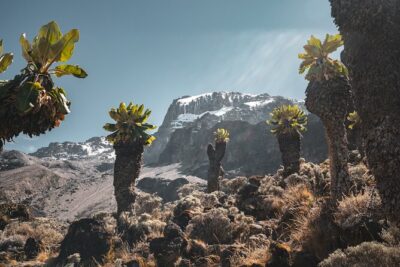
- Six climatic zones in one trek: Rainforest, heather, moorland, alpine desert, and Arctic conditions appear as you climb.
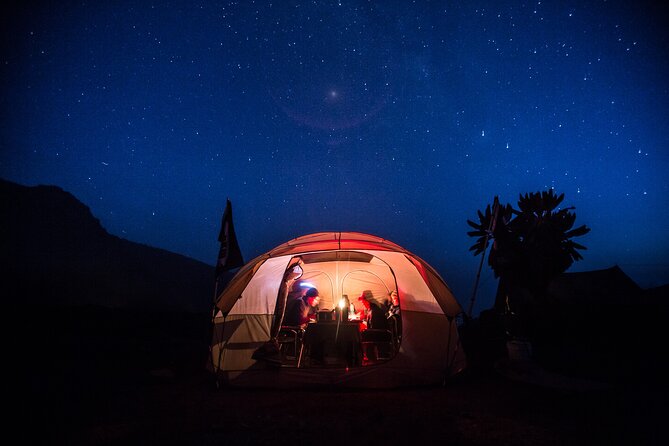
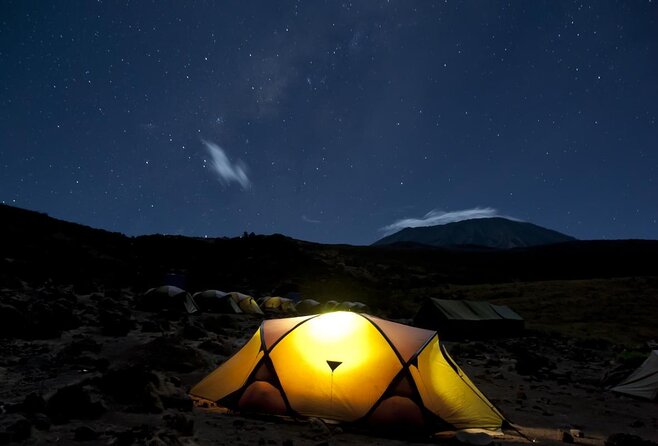
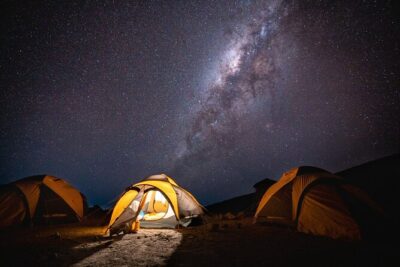
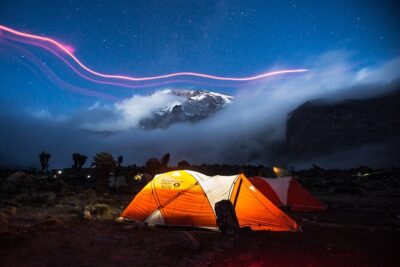
- Camping is part of the deal: Tents, meals, mountain fees, and camping equipment are included.
- Guides receive strong praise: Herment, Godlove, Florian, Steve, James, Daniel, Manny, Singer, and others have led Climb Kili groups.
- A demanding but non-technical climb: The route includes the Barranco Wall and steep scree, but no technical climbing equipment is described.
Why the Machame Route is worth seven days
I think Machame works best for people who want the classic Kilimanjaro experience and are willing to trade comfort for scenery and a better-paced climb. You spend the week moving through changing vegetation and terrain rather than simply walking toward a single summit from a high starting point.
The route is often called the Whiskey Route, a nickname that hints at its tougher character. You should not read that as a promise of hardship for its own sake. The longer schedule gives your body more time to adjust to altitude, and the itinerary includes an acclimatization walk near Lava Tower before descending to Barranco Camp.
At $2,695 per person, the trip is a serious purchase. Still, the cost covers the main mountain expenses: park admission, camping equipment, meals, guides, porters, and transfers from your Arusha hotel. You are paying for a supported expedition rather than just a guided walk.
That support matters on Kilimanjaro. You are not carrying every item of camp equipment, arranging meals at altitude, or finding your own way across the mountain. The guide team also monitors your progress and can help with pacing and practical decisions.
The tradeoff is that the experience is still basic. You camp every night, and one detailed account raised concerns about the quality of the hotels used before and after the climb for the price paid. If you expect polished lodging as part of a nearly $2,700 package, ask exactly which hotels are included.
More Kilimanjaro routes:
- 8-Day Small-group Lemosho Kilimanjaro Summit Trekking
★ 5.0 · 186 reviews - Private Full Day Hiking Experience to Marangu Route
★ 5.0 · 61 reviews - From Arusha/Moshi: Kilimanjaro Hike Marangu Route Day Trip
★ 4.5 · 54 reviews
Day 1: Machame Gate to Machame Camp
Your morning begins with breakfast at the hotel, followed by pickup at about 8:00 a.m. The stated meeting point is Summit Lodge in the Sakina Raskazone area of Arusha, though the tour also describes pickup from your Arusha hotel.
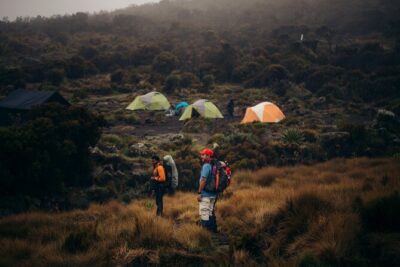
The drive takes you to Machame Gate, where the mountain portion begins. The first walk enters the rainforest and follows a winding trail up a ridge. This is a beautiful opening, but it can also be wet, muddy, and slippery, particularly on the lower section.
You cover about 6.8 miles and spend roughly five to seven hours walking, with camp at about 9,400 feet. A note in the schedule lists four hours for the stop, so treat the times as estimates rather than a fixed timetable.
This is the day to settle into the group rhythm. Use trekking poles if you have them, and pack gaiters if you dislike wet socks. At Machame Camp, your tent is set up and dinner is provided.
The first night may feel surprisingly high compared with Arusha. That is normal. Eat what you can, drink as directed by your guide, and keep the evening quiet.
Day 2: Heather country and Shira Camp
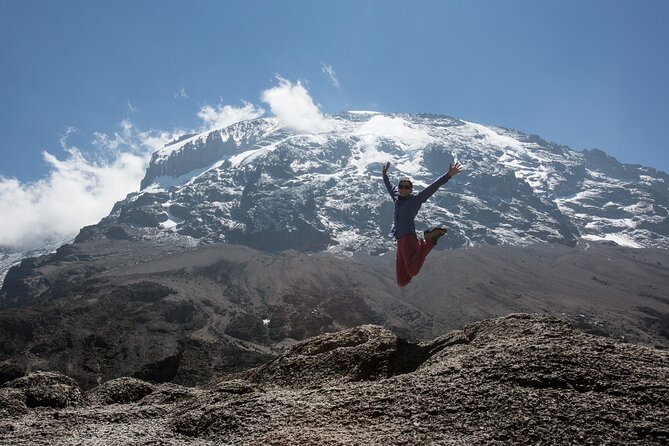
After breakfast, the rainforest gives way to heather and moorland. The trail climbs across a small valley and follows a steep, rocky ridge before turning west toward a dry river gorge.
The day covers only about 2.8 miles, but the ascent makes it far more than a casual morning walk. You reach Shira Camp at roughly 12,500 feet after about four to six hours.
This is one reason I prefer a seven-day plan to a rushed itinerary. You gain height without covering a huge distance, giving your body a chance to adjust. You also begin to see the mountain open up around you as the dense forest falls behind.
Shira Camp is exposed and high. You may feel the altitude here even if the walking itself has been manageable. The practical lesson is to go slowly, eat dinner, and avoid trying to prove anything to the group.
Day 3: Lava Tower, Senecio forest, and Barranco
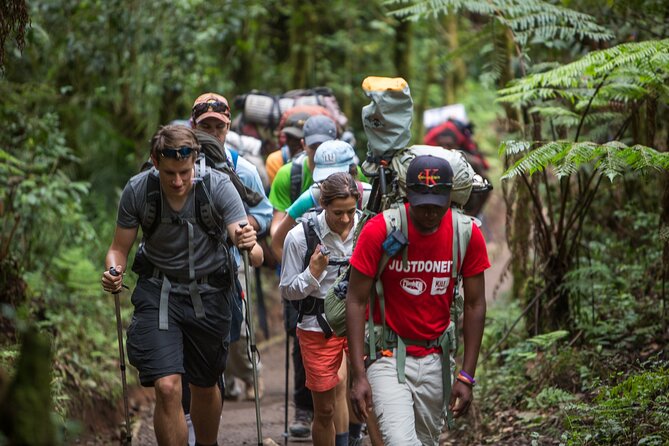
Day 3 is the key acclimatization day. You climb toward Lava Tower, described at about 15,000 feet, before descending to Barranco Camp at about 13,000 feet.
The walking distance is listed in two ways, about 4.3 miles and about 5.6 miles, with an estimated six to eight hours. The figures appear to reflect different portions of the route, so confirm the final schedule with Climb Kili before departure.
The value of the day is the climb high, sleep lower pattern. You reach a much higher point during the day, then lose some elevation before sleeping. That gives your body useful exposure to altitude without making you spend the night at the highest point reached.
Lava Tower is a stark volcanic landmark and a natural rest point. From there, the trail descends through the huge Senecio forest toward Barranco. The contrast is striking: hard rock and open sky give way to strange, giant plants and a valley often filled with cloud.
Barranco Camp sits beneath the Barranco Wall. You will have time to rest, eat, and prepare for the next morning’s more adventurous section.
More week long trips in Arusha:
- Tanzania Classic – 7 Days
★ 5.0 · 1,151 reviews - 7-Day Premium Luxury Tanzania Safari All-Inclusive
★ 5.0 · 426 reviews - Group Safari 7 Days in Tanzania’s Main Parks
★ 5.0 · 240 reviews - 7 Days Tanganyika Wilderness Safari
★ 5.0 · 159 reviews
Day 4: The Barranco Wall and Karanga Valley
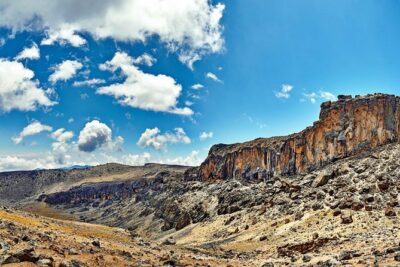
Day 4 is short in distance but not without drama. You climb the Barranco Wall, an adventurous stretch that leads into the colder upper zones of Kilimanjaro.
The schedule gives about 2.2 miles and four to five hours, with Karanga Camp at approximately 13,100 feet. The route then follows the South Circuit through the Karanga Valley.
The Barranco Wall is not described as a technical climb, but it is steeper and more hands-on than the earlier trail. Follow your guide’s pace and instructions. This is where a small group can be useful, since you have less waiting and more direct attention.
Karanga is a relatively short day by distance, but altitude makes every climb feel longer. I would use the afternoon to eat, refill water, inspect your feet, and organize the layers you will need for summit night.
Day 5: Barafu, Kosovo Camp, and summit preparation
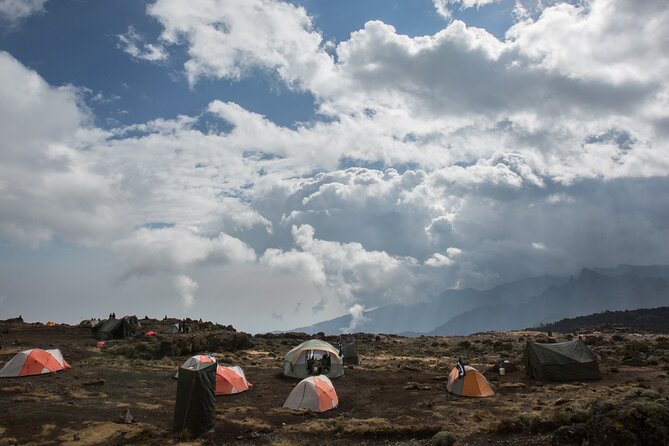
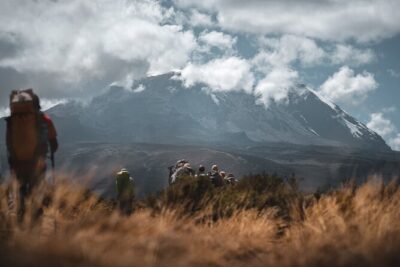
You move slowly toward Kosovo Camp, reaching about 16,000 feet after roughly 2.6 miles and five to six hours. Along the way, you pass Barafu Camp and get views of Kibo and Mawenzi, the two major volcanic peaks of Kilimanjaro.
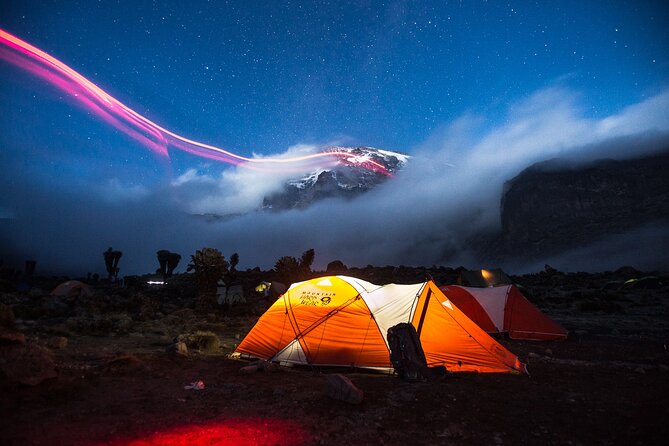
Kosovo Camp sits on an exposed ridge. The schedule specifically advises getting familiar with the terrain before dark. That is sound advice. Once the light fades, you want to know where your tent, dining area, and trail departure point are.
This day is less about distance than preparation. You rest, relax, acclimatize, and organize your summit clothing and day pack. Since the climb begins around midnight, use the available time wisely. Eat a proper meal, protect your water from freezing conditions as much as possible, and keep your equipment close.
The altitude can make rest difficult. You may not sleep much before the summit start, so do not judge your chances by how well you sleep. Save your energy and let the guides set the pace.
Day 6: Stella Point and Uhuru Peak
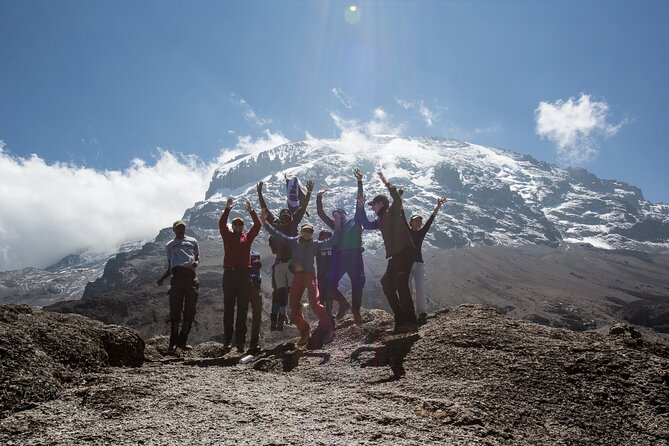
Summit night begins around midnight. The route to Stella Point is about five kilometers uphill, with six to seven hours listed for the ascent. The trail is described as one of the steepest non-technical sections on Kilimanjaro.
You climb through heavy scree toward the crater rim, heading between the Rebmann and Ratzel glaciers. The cold, darkness, altitude, and loose rock can make this the hardest part of the entire trip.
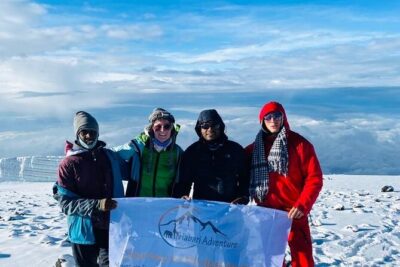
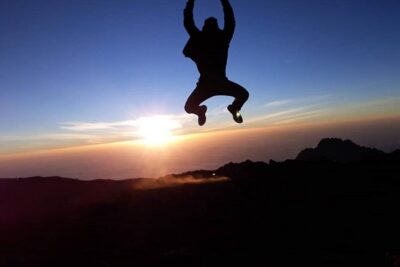
The aim is to reach Stella Point in time for sunrise. From there, Uhuru Peak is about another hour, depending on conditions and your pace. At 19,340 feet, the summit is the emotional high point of the trek, but you still have a long descent ahead.
The full day is listed at about 13 miles, with roughly 11 hours of walking. The schedule also gives four to six hours for the descent. You descend to Mweka Camp for dinner and a celebration.
That final detail matters. Reaching the summit is only half of summit day. Your knees and feet may be tired on the way down, and the change from frozen scree to lower, softer trail can feel surprisingly hard.
You do not need to rush toward Uhuru Peak if your body is struggling. Stella Point is already a major achievement, and your guide’s job is to assess your condition and help you make safe decisions.
Day 7: Mweka Gate and the return to Arusha
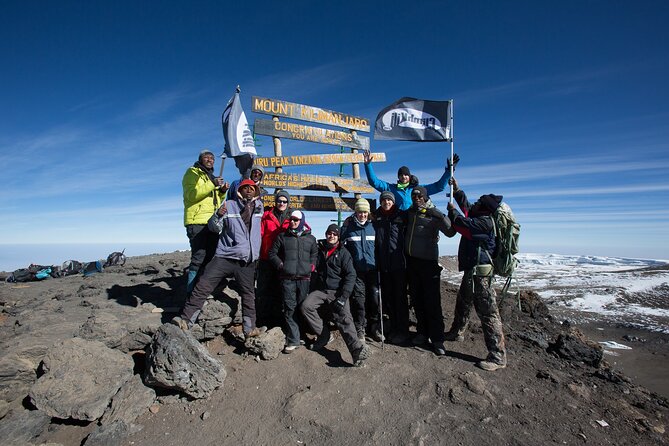
The last morning is a descent to Mweka Gate at about 5,400 feet. The walk covers roughly 6.4 miles and takes three to four hours.
After almost a week on the mountain, this section gives you time to think about what you have just done. The forest returns, the air feels warmer, and the trail eventually gives way to the gate and the waiting Climb Kili vehicle.
You are then transferred back to your hotel for the shower you will have been thinking about since Day 1. The activity ends back at the meeting point.
The final day is not glamorous, but it is efficient. You finish the mountain route, return equipment as needed, and get back to Arusha without arranging a separate transfer.
The guide team and small-group setup
Climb Kili’s strongest feature appears to be its guide support. Names connected with recent departures include Herment Mosha, Godlove, Florian, Steve, James, Daniel, Manny, Singer, and Dismiss.
You should not assume a particular guide will lead your departure unless the company confirms it. Still, these names are useful when you ask about the guiding team, experience, medical checks, and group procedures.
The advertised maximum is six people. That is small enough for your guide to notice changes in pace, mood, and energy. Some past groups had larger supporting crews of assistant guides, porters, and cooks, so the number of people on the mountain may be higher than the number of paying climbers.
The important point is not the size of the support crew. It is how the company treats that crew and how clearly it explains porter welfare, tipping, emergency procedures, and daily health checks. Ask for those details before you go.
What the $2,695 price really covers
The fee includes several expensive and useful pieces:
- Round-trip transfers from your Arusha hotel
- Kilimanjaro park fees
- Camping equipment
- Meals during the trek
- Guides, porters, and mountain support
- A small group capped at six people
That makes the price easier to understand. Kilimanjaro park charges alone are substantial, and a self-arranged climb would still require permits, food, equipment, transport, and qualified mountain staff.
I would still ask for a written list of inclusions. The supplied details do not spell out every item of personal gear, airport transport, hotel nights, drinks, or tips. One account praised the arrangements but felt the pre- and post-climb hotels were modest for the price.
This is a good package if your priority is a supported summit attempt. It is less compelling if you are mainly shopping for stylish lodging or a luxury safari-style service.
Who should choose this climb
You should consider this trek if you:
- Have previous hiking experience
- Maintain strong physical fitness
- Can handle seven days of camping
- Want a classic route with changing terrain
- Prefer a small group and close guide attention
- Accept that summit success is never guaranteed
I would not choose it for a first-ever serious hike, a short holiday with no recovery time, or a trip built around hotel comfort. The Machame Route is physically demanding, especially at the Barranco Wall and during the midnight summit climb.
Bring realistic expectations. A guide can manage pace, food, camp, and safety, but no operator can remove altitude, cold, steep ground, or fatigue.
Booking details and practical checks
Confirmation is sent within 48 hours, subject to availability. Cancellation is free if you cancel at least 24 hours before the local start time. Changes or cancellations inside that window are not accepted for a refund.
The listed start time is 8:00 a.m. from Summit Lodge in Arusha. Since the description also says pickup is offered from your hotel, confirm the exact pickup point and time after booking.
The schedule contains a few inconsistent distance and duration figures, especially on Day 3 and the summit day. These differences do not change the character of the route, but I would ask Climb Kili for the final day-by-day plan before paying.
Should you book the 7-day Machame trek?
I would book this tour if you want a demanding, well-supported Kilimanjaro climb with camping, a small group, and a route that gives you time to adjust to altitude. The repeated praise for guides such as Herment, Godlove, Florian, and Steve points to a strong focus on encouragement, safety, and personal care.
I would pause if you need high-end hotels, dislike steep or slippery trails, or have not trained for long uphill days. Before booking, confirm the hotels, personal equipment supplied, porter arrangements, exact guide team, and the small differences in the published schedule.
For a fit hiker who wants the full mountain story, from rainforest to Uhuru Peak, this is a serious but appealing way to take on Africa’s highest summit.
FAQ
Where does the Kilimanjaro tour start?
The listed meeting point is Summit Lodge in the Sakina Raskazone area of Arusha, Tanzania. The tour also states that pickup is offered from your Arusha hotel.
What time does the tour start?
The stated start time is 8:00 a.m.
How many people can join the group?
The activity has a maximum of six travelers.
Is the Machame Route suitable for beginners?
The tour is described as suitable for people with previous hiking experience and as tougher than the Marangu hike. You should also have a strong level of physical fitness.
How high is Uhuru Peak?
The summit is listed at 19,340 feet, or approximately 5,895 meters.
Does the price include camping equipment?
Yes. Camping equipment, park fees, and meals are included.
Are hotel transfers included?
Yes. Round-trip transfers from your Arusha hotel are included in the tour description.
How long is summit day?
The summit day begins around midnight and includes the ascent to Stella Point, the walk to Uhuru Peak, and the descent to Mweka Camp. The full day is listed at about 11 hours, with six to seven hours for the ascent and four to six hours for the descent.
Can I cancel for a full refund?
Yes, if you cancel at least 24 hours before the experience start time. Cancellations or changes made less than 24 hours before the local start time are not refunded.
Newly listed around Arusha
- 5-Day Private Safari Tour in Tanzania’s Wildlife★ 5.0 · 3 reviews
- 3 Days private safari Tarangire ,Ngorongroro crater &Manyara★ 5.0 · 3 reviews
- 3 Day Sharing Safari – Manyara, Ngorongoro Crater and Tarangire National Parks★ 5.0 · 3 reviews
- Tarangire National Park Day Trip★ 5.0 · 3 reviews
- 2 Days Tarangire and Ngorongoro Crater Tour★ 5.0 · 3 reviews
- 6 -Day Tarangire, Manyara, Serengeti & Ngorongoro★ 5.0 · 3 reviews
- 5 Days Group Camping Safari★ 4.7 · 3 reviews
- 4 Days Tanzania Safari★ 4.5 · 3 reviews
Kilimanjaro Climbs, compared.
Browse the lists this tour appears in