
Reviewed · HISTORICAL TOURS
Arusha; Walking City Tour History, Culture & Lifestyle
Arusha reveals itself best on foot, where a museum visit can lead to a food market, a gemstone lesson, and a friendly exchange on an ordinary street. This $28 walking tour gives you a useful first look at the city before or after a safari.
I like the mix of the Central Food Market and local streets, where you see daily life rather than just polished sights. I also like the guides’ flexibility. Israel, Daudi, and Innocent are repeatedly praised for answering questions, adjusting the pace, helping with practical matters such as SIM cards, and adding local food or shopping stops when requested. The main consideration is walking comfort: the route covers several sites, and museum entrance, food, drinks, and some transport costs extra.
Key points at a glance
- Start with Arusha’s German-era fortress: The Natural History Museum sets the city and region in context, with exhibits on human evolution, wildlife, and the past.
- See the city’s working center: Government buildings, the East African Community Headquarters, Mount Meru Hospital, AICC, and the Clock Tower fill out the story between museum stops.
- Learn about Tanzanite before shopping: The Tanzanite Experience explains the stone’s importance, then gives you time to browse if you want to buy.
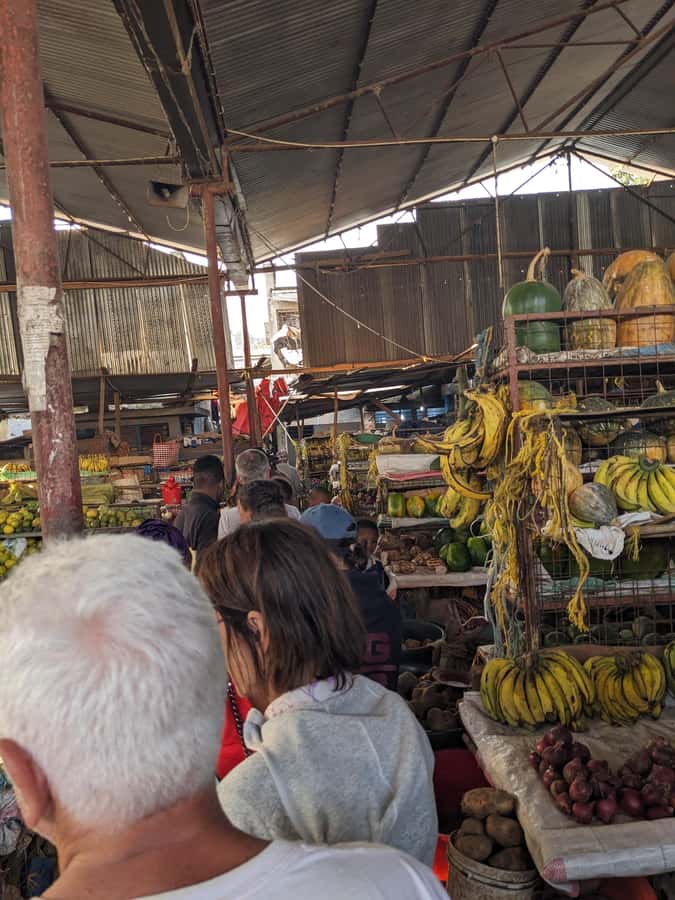
- Eat with your eyes first: The Central Food Market brings you close to local produce, spices, smells, and street food.
- Compare two very different markets: The Maasai Market is for crafts, jewelry, and textiles, while the food market shows Arusha’s everyday trade.
- Expect a personal guide rather than a fixed lecture: Guides including Israel, Daudi, John, Jackson, and Innocent have adjusted walks around questions, interests, family needs, and available time.
Why a walking tour makes sense in Arusha
Arusha is often treated as a staging point for safari trips. That is a shame. The city has its own story, and walking lets you notice the links between its institutions, shops, markets, people, and old buildings.
A vehicle can take you from one sight to another, but it can also keep the city at arm’s length. On foot, you pass through ordinary streets, pause for local explanations, and get a feel for how Arusha works. You may practice a little Swahili, meet people through your guide, or stop to examine an unfamiliar fruit at the market.
The tour is priced at $28 per person. For a half-day outing that includes a local guide, several major stops, hotel pickup and drop-off near the center, and entry to the Tanzanite Experience, that is a fair price. The Natural History Museum fee is separate at $6 per adult, and you should budget for food, drinks, souvenirs, and any extra transport.
The advertised length is 4 to 8 hours, while the planned city portion is about 4.5 hours. That wide range matters. A brisk version can work well before an evening departure, while a slower day with food, questions, and shopping may take longer. Ask for a clear start and finish time when booking.
More History Tours in Tanzania:
- Zanzibar: Stone Town Historical Cultural Walking Guided Tour
★ 4.5 · 179 reviews - Arusha Guided Walking City Tour, Culture, Lifestyle & History
★ 5.0 · 150 reviews - Stone Town Historical Walking Tour
★ 5.0 · 143 reviews
The Natural History Museum and Arusha’s first chapter
The walk begins, depending on your selected option, at your hotel or another agreed location. Pickup is included for hotels near central Arusha, but the distance rules need careful checking. The information gives several limits, including 3 kilometers, 4 kilometers, and 5 kilometers from the center. If your hotel sits farther out, expect an added pickup fee and confirm the amount before the day.
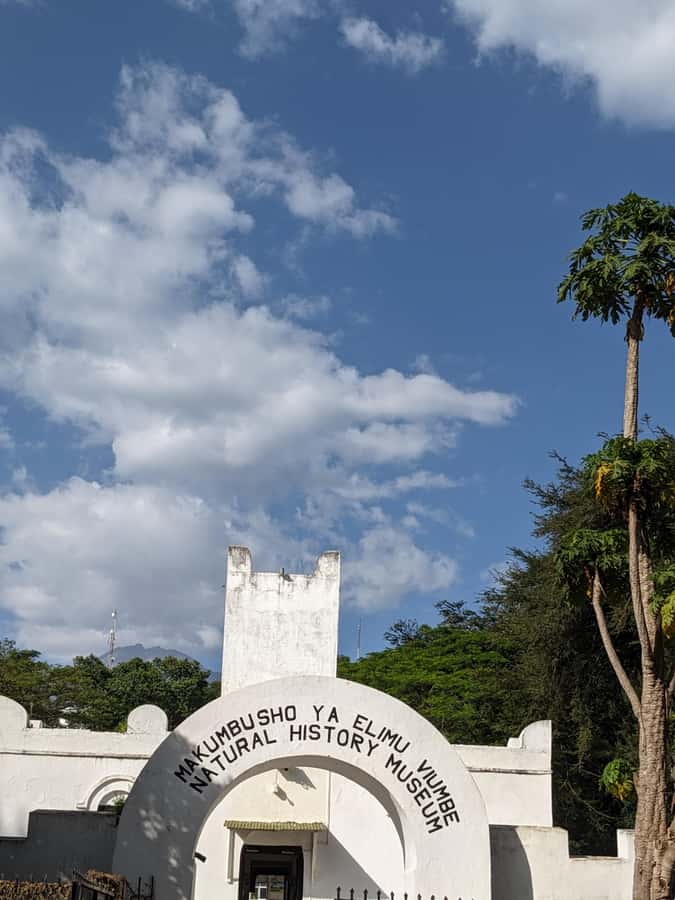
The Natural History Museum occupies a colonial-era German fortress. Its setting gives the first stop some weight before you even enter. Inside, you can learn about human evolution, local wildlife, and the area’s earlier periods.
The entrance fee is $6 per adult and is not included. That is a modest extra cost, but it is worth knowing in advance because the tour price can otherwise appear to cover every admission. If you are especially interested in archaeology, wildlife, or Tanzania’s past, allow enough time here rather than treating it as a quick photo stop.
The museum also gives your guide useful material to build on. You can ask how the exhibits connect with Tanzania, the region around Arusha, and the wider story of East Africa. The quality of the visit will depend partly on your guide’s style, so ask questions instead of waiting for a long speech.
Government buildings, hospitals, and the AICC
After the museum, the walk moves through the governmental part of town. This section may feel less dramatic than a market, but it helps explain Arusha’s role beyond tourism.
You pass the East African Community Headquarters, Mount Meru Hospital, and the Arusha International Conference Centre, usually called AICC. These places connect the city to regional cooperation, public services, diplomacy, and daily administration.
AICC is one of the city’s best-known landmarks and gives the walk a wider political frame. Your guide can explain why Arusha matters in East African affairs and how the city functions as more than a gateway to national parks.
This is also where a guide’s local knowledge has real value. Street scenes can look ordinary if you do not know what you are seeing. A short explanation about a building, institution, or local custom can turn a passing view into part of the city’s story.
The Clock Tower and the walk between sights
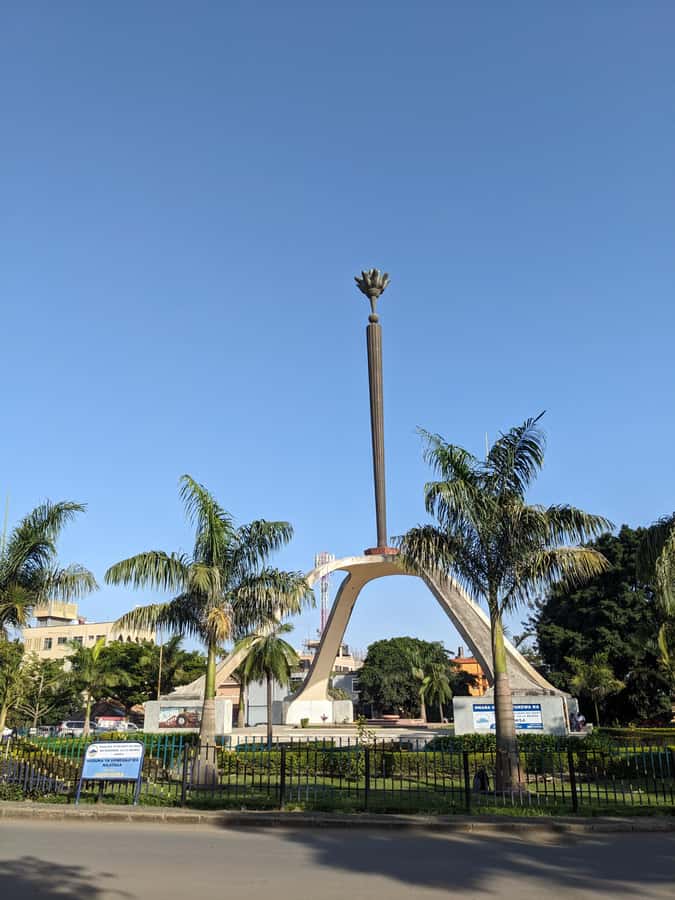
The Arusha Clock Tower is a natural pause in the route. It is commonly described as the midpoint between Cairo and Cape Town, a detail that makes the monument more than a simple meeting place.
You will likely spend part of the route simply walking through central streets. That is a strength of the tour, but it is also the part that requires realistic expectations. This is not a quiet architectural stroll. Arusha is a working city, and the route brings you close to traffic, shops, pedestrians, and the steady movement of local business.
Wear comfortable shoes and clothing suited to the weather. Bring water, sunscreen, and a hat. A camera is useful, though you should always follow your guide’s advice about photographing people and market activity.
The pace can be adjusted to some degree. Families have found the guides flexible with small children, and solo walkers have described feeling safe with their guide. Still, the route is not designed for wheelchair users or people with mobility impairments, and it is not considered suitable for pregnant women.
More Walking Tours in Tanzania:
- Stone Town Private Walking Tour
★ 5.0 · 371 reviews - Zanzibar: 3 Hours Private Stone Town walking Tour with Guide
★ 4.6 · 301 reviews - Stonetown: Food Markets and Street Food Walking Tour
★ 4.7 · 151 reviews - Zanzibar Stone Town Walking Tour
★ 5.0 · 145 reviews
Tanzanite, shopping, and the value of a guide
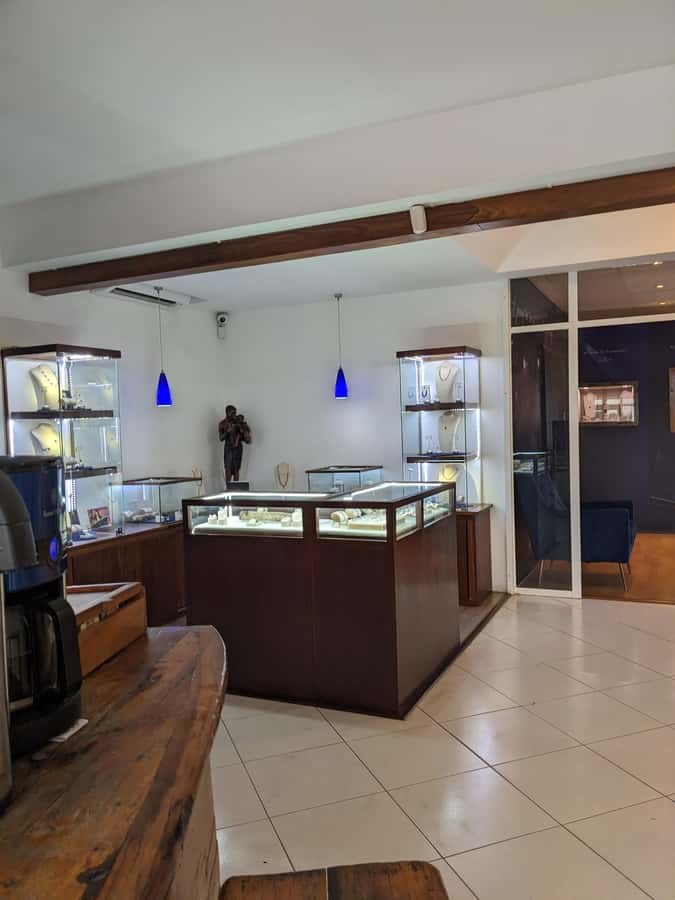
The Tanzanite Experience Museum explains the story of Tanzania’s famous blue gemstone. This stop is more useful than simply entering a jewelry shop because it gives you background before you consider a purchase.
You learn about the stone’s history and significance, then have the option to browse or buy. The tour can pause while you look at souvenirs, and the guide can help you understand what you are seeing. Do not feel obliged to purchase anything. The shopping element is optional, and you should treat it as part of the day rather than the reason to book the tour.
A brief shopping stop can be helpful if you want Tanzanite or local gifts. It can also take time away from the streets and markets if shopping is not your interest. One particularly useful point is that the guide can adjust the balance. Tell your guide early if you prefer more history, food, art, or market time.
Some tours include gift-shop visits, so it is sensible to state your preferences clearly. A good guide should let you look without turning the walk into a sales trip.
The Maasai Market and handmade goods
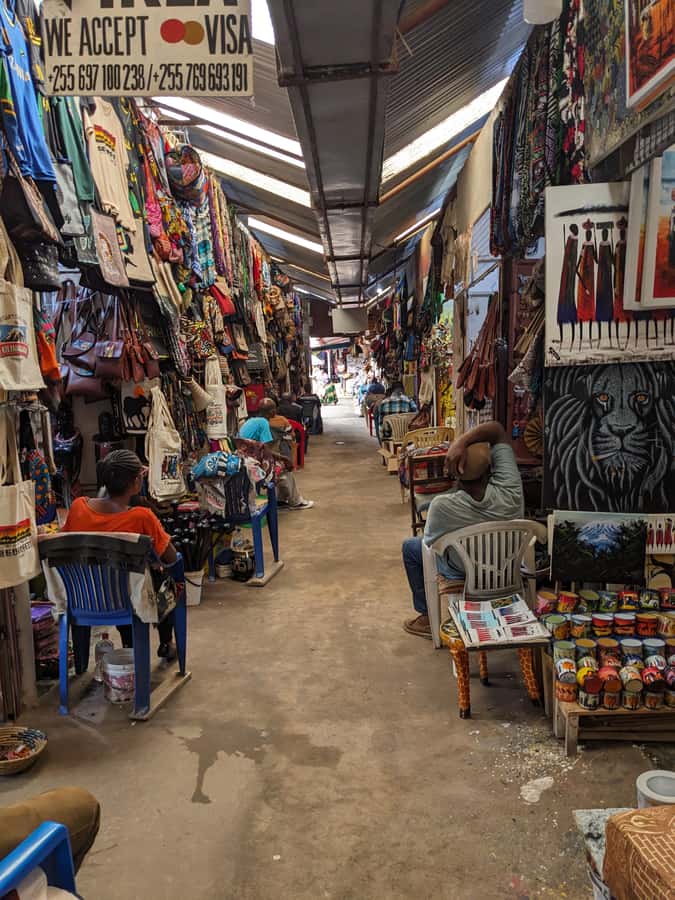
The Maasai Market shifts the tone again. Here, you browse traditional crafts, jewelry, and textiles. It is a good place to compare designs, look at materials, and find a small reminder of Tanzania without carrying home a large object.
Shopping in a market takes patience. Prices may not be fixed, and you should ask your guide about reasonable bargaining and respectful conduct. Keep your cash secure, and decide what you actually want before you start negotiating.
The guide’s presence is especially useful here because you can ask about styles, cultural references, and practical buying points. If you are not shopping, the market still gives you a look at the city’s craft trade. If you are shopping, leave room in your bag and keep your expectations sensible. This is not a museum display, so stalls and stock may change.
The Central Food Market shows Arusha at work
For me, the Central Food Market is likely to be the most revealing stop. The Maasai Market is aimed more at crafts and visitors, while the food market shows the ordinary business of feeding a city.
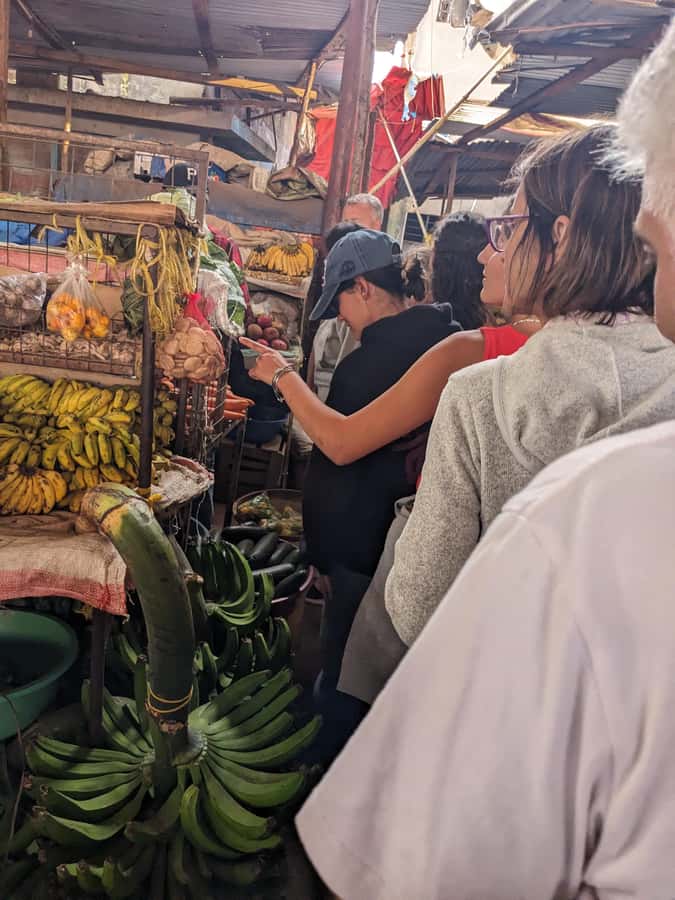
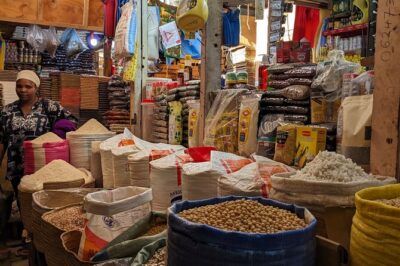
Expect color, aromas, produce, spices, and street-food activity. Your guide can identify fruits, explain ingredients, and help you understand what you are seeing. Several guides have also taken people to local places for authentic meals when that was requested, though food and drinks are not included in the tour price.
You do not have to eat anything. If you want to try local food, tell your guide what you are comfortable with, especially if you have allergies or dietary limits. Carry cash, since personal purchases are your responsibility.
The market can be noisy and crowded. That is part of its appeal, but it may feel intense if you prefer quiet sightseeing. Keep your belongings close and follow your guide through the busiest areas.
This stop also makes the walking format worthwhile. You are not just looking at a market from a vehicle window. You are moving through it slowly enough to ask questions and notice the details.
African art at the Cultural Heritage Centre
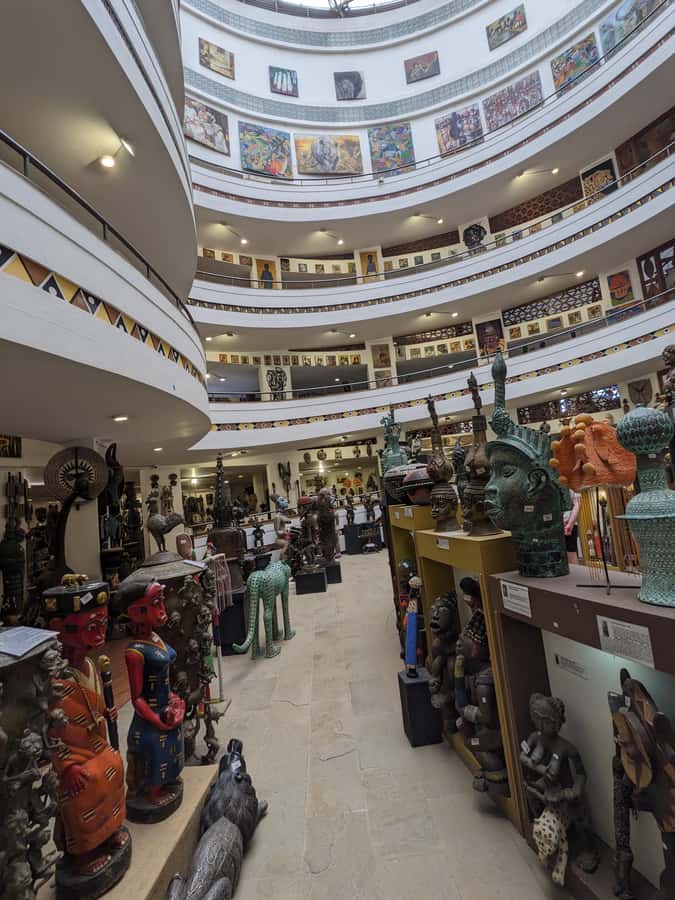
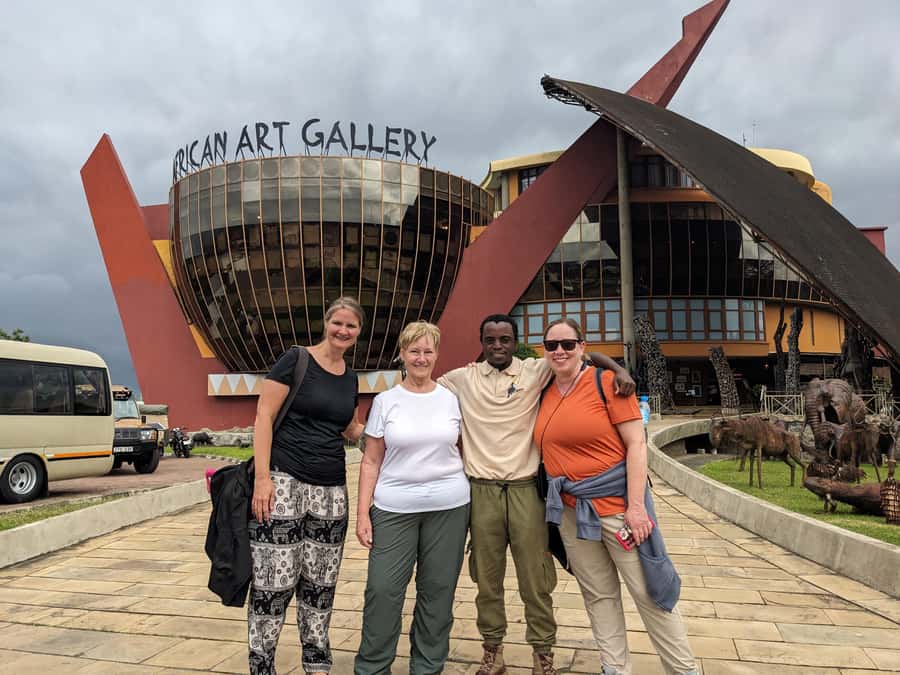
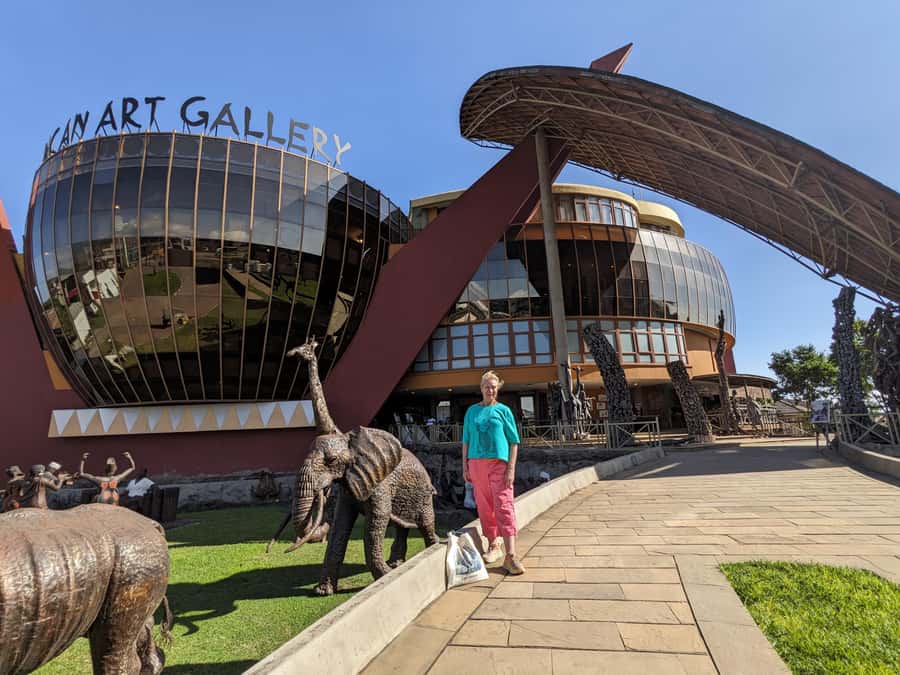
The route ends with the African Art Gallery and Cultural Heritage Centre. This is a major collection of African art and gives the day a calmer, more reflective final section.
The range of art can feel overwhelming, especially after the sound and movement of the markets. Allow time to look rather than rushing through every room. You may see sculpture, paintings, carvings, and other works connected to African artistic traditions, though the exact display can change.
This stop is a good counterpoint to the food market. Earlier, you see objects in use or for sale in everyday commerce. Here, art receives more space and attention. If you are buying art, ask questions about the work, materials, packing, and transport before committing.
The final drop-off options include Arusha and Chicago studio. Confirm your preferred end point in advance, particularly if you have a safari transfer, airport connection, or evening reservation.
What the guides add to the day
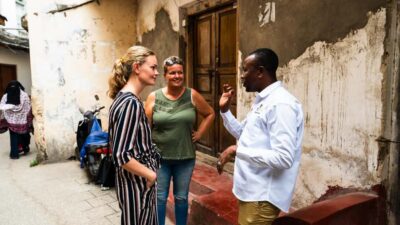
The guide is the heart of this experience. The named guides include Israel, Daudi, Innocent, John, Jackson, and others. Their strongest quality is not simply knowing facts. It is the ability to connect history, culture, food, politics, language, and daily life in a natural conversation.
Israel is especially good for visitors who want broad context. His tours have covered Tanzania’s history, wildlife, culture, economics, and social life, with plenty of time for questions. Daudi has been praised for warmth, humor, clear explanations, and helping people feel at ease on city streets.
Innocent is a useful choice if you want a flexible route shaped around your interests. John has been noted for interaction with local people and a strong command of Arusha’s story. Jackson has focused on everyday life and contact with residents.
The guide can also help with practical problems. One person received help with a SIM card, while others appreciated assistance beyond the formal route. That kind of support can be valuable on your first day in town, when small tasks take more time than expected.
The experience is in English. If you have a particular interest, such as food, Tanzanite, Swahili, art, or regional politics, mention it before the walk so the guide can give it more attention.
Who should book this Arusha walk?
I would recommend it most strongly for a first visit, a safari arrival day, or a final day after returning from the Serengeti. It gives you a useful city orientation without requiring a full day in a vehicle.
It also suits solo visitors who want local company, couples who enjoy markets and museums, and families whose children can manage several hours of walking. The flexible guides are a real advantage for families, though small children may need breaks.
You should think twice if you dislike markets, shopping pauses, or city noise. This is not a polished sightseeing loop with every minute fixed. It is a street-level outing, and conditions can be busy and unpredictable.
Bring cash, water, a hat, sunscreen, comfortable shoes, and a camera. Personal expenses, meals, drinks, accommodation, the Natural History Museum fee, and private transport are separate. Free cancellation is available up to 24 hours before the tour, and you can reserve now and pay later.
Is $28 good value?
Yes, provided you want an active introduction to Arusha rather than a private car tour. The fee covers a local guide, walking city tour, the Tanzanite Experience Museum, the Central Food Market, the Maasai Market, the Cultural Heritage Centre, and pickup and drop-off when your hotel is close to the center.
The extra costs are reasonable but should be counted. Add $6 for each adult entering the Natural History Museum, then set aside money for food, drinks, crafts, Tanzanite, and other personal purchases. A hotel outside the included pickup zone may also bring a transport charge.
The real value is the guide’s interpretation. Without one, you can visit a market or walk past AICC, but you may miss how the places fit together. At $28, that local explanation makes the tour a sensible use of half a day.
Should you book it?
Book this tour if you want to meet Arusha on foot, learn how its institutions and markets fit together, and have a guide who can shift the day toward your interests. The best reasons are the Central Food Market, the local street walking, and the chance to ask practical questions in real time.
Skip it if you need step-free access, dislike moderate walking, or want a tightly timed sightseeing trip with no shopping or market exposure. For most able walkers, though, this is a friendly and good-value way to turn Arusha from a safari stop into a place you understand.
FAQ
How long does the Arusha walking tour last?
The activity is listed as lasting 4 to 8 hours, with the main city program described as about 4.5 hours. Check the available start times and confirm the expected finish when booking.
What places are included?
The route includes the Natural History Museum area, Tanzanite Experience Museum, Arusha’s central landmarks, Maasai Market, Central Food Market, African Art Gallery, and Cultural Heritage Centre.
Is the Natural History Museum entrance included?
No. The entrance fee is listed as $6 per adult. The Tanzanite Experience Museum is included.
Is hotel pickup available?
Pickup and drop-off are included for hotels near central Arusha. Hotels farther from the center may require an additional fee. The stated distance limits vary, so confirm your hotel location and cost after booking.
What should I bring?
Bring comfortable shoes, a sun hat, sunscreen, water, a camera, and cash. You should also wear clothing suitable for the weather.
Is the tour suitable for wheelchair users?
No. The activity is not suitable for wheelchair users, people with mobility impairments, or pregnant women.
Newly listed around Tanzania
- Prison Island, Sea Turtles, Rock Restaurant & Relax in Beach★ 4.6 · 3 reviews
- 5-Day Private Safari Tour in Tanzania’s Wildlife★ 5.0 · 3 reviews
- Zanzibar: Nungwi/Kendwa Beach Sunset Dhow Cruise with Fruits★ 3.4 · 3 reviews
- Climb Mount Kilimanjaro: 7 Days Machame Route★ 5.0 · 3 reviews
- Starfish Beach; The Rock; Kuza Cave; Paje Beach; Salaam Cave Tour★ 4.5 · 3 reviews
- 3 Days private safari Tarangire ,Ngorongroro crater &Manyara★ 5.0 · 3 reviews
- 3 Day Sharing Safari – Manyara, Ngorongoro Crater and Tarangire National Parks★ 5.0 · 3 reviews
- Mikumi Np Mid Range Tour 3 Days★ 5.0 · 3 reviews
Historical Tours, compared.
Arusha Guided Walking City Tour, Culture, Lifestyle & History
Read our review →

Zanzibar Stone Town Tour: Explore Rich History and Hidden Wonders
Read our review →Browse the lists this tour appears in