
Reviewed · KILIMANJARO CLIMBS
8 Days Kilimanjaro Climbing Lemosho Route
Kilimanjaro’s Lemosho Route gives you the mountain at its most scenic and gradual. You begin in the western forest, cross the broad Shira Plateau, pass Lava Tower and Barranco, then reach Uhuru Peak by way of Stella Point. The route feels wild at first, then grows busier after it joins the Machame trail.
I like the extra acclimatization day and the quiet opening stages. I also like that the price includes park fees, guides, porters, a cook, tents, meals, airport transfers, purified water, oxygen, and rescue fees. The main drawback is the summit day: expect 12 to 17 hours of hiking, much of it in darkness and cold.
Key points about this Kilimanjaro climb
- Eight days gives your body more time to adjust: The longer schedule is a real advantage at altitude, with several high camps followed by lower or similar sleeping points.
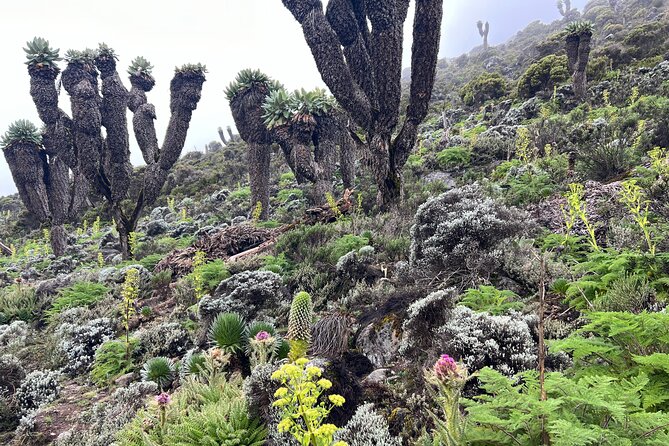
- The route begins quietly at Londorossi Gate: Forest, bird calls, moss, flowers, monkeys, and possible elephant tracks make the first day feel far removed from town.
- The Shira Plateau is the scenic heart of the trek: You cross open high country with first views of Kibo, the summit cone.
- The summit push is long and demanding: You leave Barafu Camp around 11:00 PM or midnight, reach Stella Point after six to seven hours, then continue to Uhuru Peak.
- The package covers the costly essentials: Park fees, staff wages, tents, food, water, transfers, rescue fees, and safety equipment are all included.
- This is a private trip for your group: Furaha Adventures provides airport pickup, a Moshi hotel orientation, gear checks, and a mountain crew.
Why the Lemosho Route earns its reputation
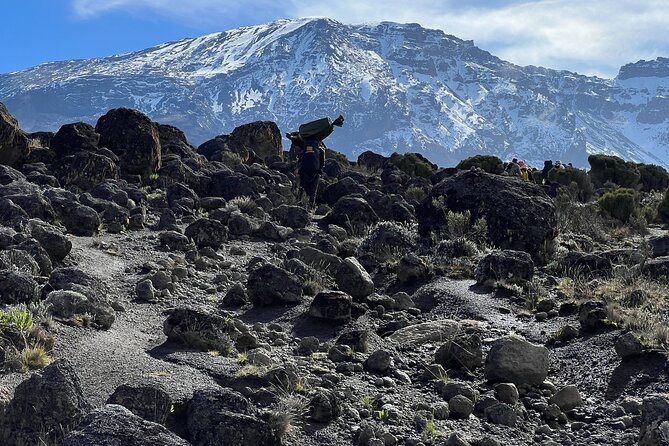
I would choose Lemosho for scenery and pacing rather than speed. The western approach starts in thick montane forest, then moves through heath and alpine terrain before joining the busier Machame Route near Lava Tower.
That quieter start matters. You get a sense of entering a huge natural area rather than joining a line of climbers at the first trailhead. The route also crosses the Shira Plateau from west to east, giving you changing views of Kibo and the volcanic terrain around it.
The eight-day plan is especially useful because altitude is the main challenge on Kilimanjaro, not technical climbing. You are not using ropes or climbing vertical rock faces for most of the trek, but you are sleeping at heights that can make a normal walking day feel hard. A longer itinerary gives you more time to walk high and sleep lower or at a similar altitude.
There is still no guarantee of reaching Uhuru Peak. Fitness helps, but the response to altitude varies from person to person. Take the slow pace seriously, listen to your guides, and do not treat the extra day as a promise of success.
More Kilimanjaro routes:
- Kilimanjaro climb by Lemosho Route (7-day)
★ 5.0 · 651 reviews - Kilimanjaro climb, Machame Route (7-day)
★ 5.0 · 262 reviews - Kilimanjaro Climbing Lemosho Route 8 Days.
★ 5.0 · 186 reviews
Before the trail: airport pickup, Moshi, and the gear check
The experience starts with pickup from Kilimanjaro Airport and transport to a hotel in Moshi. Before you head into the park, the guides hold an orientation and inspect your trekking gear.
That meeting is more useful than it sounds. It is your chance to confirm what you are carrying, identify anything missing, and understand the plan for the coming days. The trip information specifically highlights safety equipment, an oximeter, oxygen, and a Gamow bag, which is used for emergency altitude treatment.
Godfrey is praised for careful trek planning, while Guiwa is identified as one of the guides who helped lead a successful climb. The supplied information does not specify which guide you will receive, so treat those names as examples of the Furaha team rather than a guarantee.
The listed price is $2,300 per person. For an eight-day private mountain trip, that is a substantial but useful bundle of services. You are not paying only for trail access. Park charges, staff wages, food preparation, tents, drinking water, transfers, and rescue fees are part of the cost.
You should still budget for tips, personal purchases, and alcoholic or soft drinks. Tips are not included, and the mountain crew is a major part of the experience, so ask Furaha Adventures before departure how tipping is handled and what amount is customary.
Day 1: Londorossi Gate to Forest Camp
The first drive takes you to Londorossi Gate on Kilimanjaro’s western side. The transfer from Arusha takes a few hours, and the actual trek begins at the Lemosho trailhead.
In wet or muddy conditions, vehicles may not reach the true trailhead. That can add extra walking before the planned section even begins, so keep your day bag ready and do not assume you will step straight from the vehicle onto the main path.
After a picnic lunch, you hike for roughly three to four hours to Forest Camp. This is a gentle opening by Kilimanjaro standards, but you are already gaining altitude, with camp around 9,498 feet.
The forest is a fine introduction to the mountain. Look for unusual moss, flowers, bird calls, and black-and-white colobus monkeys. You may also see signs of elephants that move through this part of the mountain.
You sleep in a private, waterproof, four-season mountain tent. That is a practical feature, not a luxury detail. Nights on the mountain can be cold and wet, and a dry sleeping space makes the next day much easier.
Day 2: Forest Camp to Shira 1 Camp
The trail leaves the montane forest and enters the Hagenia zone. The trees thin, the views open, and Kibo gives you your first proper look at the summit area.
This is a long acclimatization day, lasting about six to nine hours. You climb and descend several ridges before reaching the day’s high point at about 11,500 feet, then continue to Shira 1 Camp.
The up-and-down pattern is valuable because it lets you spend time at altitude without sleeping at the highest point reached that day. It can also feel more tiring than a steady climb, especially because the scenery may tempt you to push ahead too quickly.
Keep your pace calm. On Kilimanjaro, the best day is not the one where you arrive first. It is the one where you reach camp with enough energy to eat, drink, and sleep.
A few more Moshi & Kilimanjaro days to compare
- Safari Serengeti And Ngorongoro
★ 5.0 · 288 reviews - Climbing Kilimanjaro – Machame Route
★ 5.0 · 170 reviews - Climbing Kilimanjaro through 7 days Machame Route
★ 5.0 · 151 reviews - Kilimanjaro climb, Lemosho Route (8-day)
★ 5.0 · 148 reviews
Day 3: Across the Shira Plateau to Moir Camp
Day three crosses the heath zone of the Shira Plateau and begins the approach to the western slope of the Kibo Massif. The hike lasts about five to six hours, with camp at roughly 13,650 feet.
The plateau is one of the route’s great rewards. The walking is often more open and spacious than in the forest, and you can appreciate the scale of the mountain. You also continue gaining altitude in measured steps rather than rushing toward the summit.
Lunch is planned at Scott Fisher Memorial Camp. The stop adds a personal note to a day that otherwise focuses on acclimatization and steady progress.
Depending on weather conditions, an afternoon acclimatization hike may be arranged from Moir Camp. This is the sort of extra effort that helps the eight-day route make sense. You climb higher, then return to camp, giving your body more time to respond before the summit attempt.
At this altitude, ordinary tasks can take longer. Drink the supplied purified water, eat even when your appetite is low, and keep warm after sunset.
Day 4: Lava Camp and the Barranco Valley
You leave the heath zone and enter the alpine zone. The route climbs past Lava Camp to about 14,300 feet, then drops into the Barranco Valley, where you spend the night at about 13,044 feet.
The hiking time is roughly four to six hours. The volcanic terrain becomes harsher and more exposed, with fewer plants and a stronger sense that you are entering the mountain’s upper reaches.
This is another good acclimatization design: you reach a higher point during the day but sleep lower. The descent into Barranco also sets up one of the trek’s most memorable mornings.
The drawback is that the altitude is now impossible to ignore. Even a short walk can leave you breathing harder, and the camp environment is basic. You have a sturdy tent, meals, and water, but this is still a high-altitude expedition, not a lodge-to-lodge holiday.
Day 5: The Barranco Wall to Karanga Camp
The morning begins with the Great Barranco Wall. It looks more intimidating than it is for many walkers, but you should expect hands-on sections, uneven footing, and a slower pace.
You climb with views toward Kilimanjaro’s ice fields, then continue across small valleys toward Karanga Camp. The day takes about three to five hours, with camp at roughly 13,106 feet.
The short mileage does not make this a throwaway day. The Barranco Wall is a physical change from the broad plateau trails, and the repeated ups and downs can wear on your legs.
I like this stage because it gives you a clear sense of progress. You are no longer simply approaching the summit from a distance. You are moving through the high volcanic terrain that leads to the final camps.
Day 6: Karanga Camp to Barafu Camp
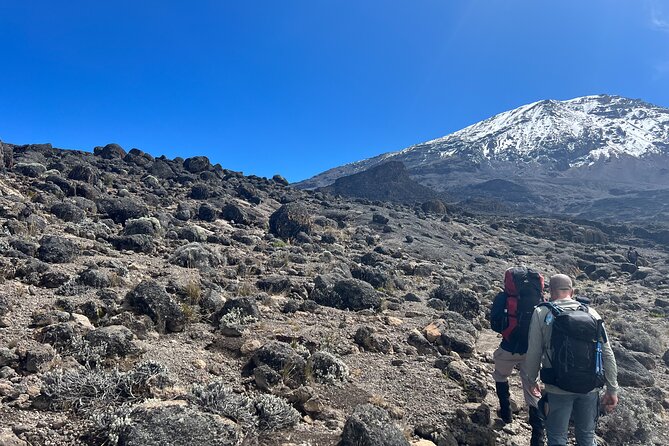
The trail to Barafu Camp takes about three to five hours and continues across small valleys. Barafu sits around 15,100 feet, making it the highest overnight camp before the summit attempt.
Once you arrive, the schedule changes. You settle into camp, receive a demonstration on safety equipment such as the Gamow bag and oxygen, eat an early supper, and try to rest.
That rest is not easy. You may arrive in the afternoon, but your wake-up call comes around 11:00 PM or midnight. Keep your summit clothing, headlamp, water, and spare batteries organized before you lie down.
Bring extra lithium batteries for your headlamp. The supplied advice is sound: lithium batteries perform better in cold, dark conditions. A weak light on summit night is a needless problem.
Day 7: Stella Point, Uhuru Peak, and Mweka Camp
Summit day is the test. You begin around 11:00 PM or midnight, usually aiming to reach the summit around sunrise.
The climb to Stella Point takes about six to seven hours. From there, you need another one to two hours to Uhuru Peak at 19,341 feet, or 5,896 meters. The pace and timing vary greatly, so do not judge yourself against people who start near you.
The final climb is cold, dark, and slow. Your guides and crew will set the rhythm, but you still need patience and honest attention to how you feel. The summit celebration and photos are brief compared with the effort required to get there.
After Uhuru Peak, you descend to Barafu Camp for lunch, then continue down to Mweka Camp for the night. The full day usually takes 12 to 17 hours, and the downhill section can feel as demanding as the ascent.
This is the biggest consideration when choosing the trip. You need enough physical ability to handle a very long day, plus the uncertainty of altitude. The extra route day improves your odds, but it does not remove the hard part.
Day 8: Mweka Camp and the return to town
The final descent to the trailhead takes about three to five hours. You have lunch at the trailhead, say goodbye to the mountain crew, and return to town.
Arrival at your lodge is usually between 3:00 and 5:00 PM. That timing matters if you are arranging another transfer or flight, so do not schedule anything tight on this day.
The end can feel surprisingly emotional. You have spent a week moving through forest, heath, alpine terrain, and the summit zone with the same guides, porters, and cook. The goodbye is part of the experience, not just a practical handoff.
Food, tents, staff, and what the $2,300 covers
The package includes breakfast on all eight days, lunch on all eight days, and dinner on seven days. All meals while on the mountain are included, along with clean, purified drinking water.
A cook prepares the mountain meals, while guides and porters handle the route support. The company specifically includes guide and porter salaries, which makes it easier to understand where your money goes. You still need to plan for tips because they are separate from the listed price.
Your sleeping arrangement is a private waterproof four-season tent. You are not staying in huts along this route, so bring the personal sleeping gear and clothing required for cold nights, even though the tent itself is supplied.
The safety package includes rescue fees, an oximeter, oxygen, and a Gamow bag demonstration. These items do not make altitude risk disappear, but they show that the operator has planned for problems rather than treating them as an afterthought.
Who should book this route?
I would recommend this climb to a fit hiker who wants scenery, a private group, and a slower route to the summit. The eight-day format is a better choice than a rushed itinerary if you can afford the extra day and time away.
It also suits people who care about the full mountain experience, not just a summit photograph. The forest, plateau, Barranco Valley, staff, camp routine, and long descent are all part of the trip.
I would hesitate to recommend it to anyone expecting comfort, predictable sleep, or a normal sightseeing schedule. The camps are basic, the summit day is severe, and the altitude can affect you regardless of your fitness.
Most travelers can participate according to the supplied activity details, but no separate accessibility plan is described. Ask Furaha Adventures directly about current health requirements, gear standards, group arrangements, and the exact guide team before booking.
Booking confirmation is provided at the time of purchase, and pickup is offered from Kilimanjaro Airport. The activity runs as a private trip for your group, which gives you more control over pace and camp routine than a large shared departure.
Should you book the 8-day Lemosho climb?
Book it if you want Kilimanjaro’s most scenic approach and value an extra acclimatization day. The quiet western start, Shira Plateau crossing, professional mountain support, and broad list of included costs make the $2,300 price reasonable for a properly supported private climb.
Think twice if the 12 to 17-hour summit day sounds beyond your limits, or if you want a soft adventure with comfortable rooms each night. For the right person, this is a demanding but carefully structured route, with the best chance to enjoy the mountain before the final push to Uhuru Peak.
FAQ
How long is the Kilimanjaro Lemosho climb?
The experience lasts approximately eight days, including the airport pickup, mountain trek, summit attempt, descent, and return to town.
Where does the trek begin?
The trek begins at the Lemosho trailhead near Londorossi Gate on the western side of Mount Kilimanjaro.
Where does the descent take place?
The descent uses the Mweka Route. After reaching Uhuru Peak, you return to Barafu Camp and then continue to Mweka Camp before the final descent.
Is airport pickup included?
Yes. Airport transfers are included, and pickup is offered from Kilimanjaro Airport.
Is this a private tour?
Yes. This is a private activity, and only your group participates.
What is included in the price?
The price includes park fees, professional mountain guides, porters, cook salaries, airport transfers, private waterproof four-season tents, purified drinking water, mountain meals, rescue fees, an oximeter, oxygen, and safety equipment support.
Are drinks included?
Alcoholic drinks and soft drinks are not included. Purified drinking water is included.
Are tips included?
No. Tips and personal spending money, including money for souvenirs, are not included.
What is the cancellation policy?
You can cancel at least 24 hours before the experience starts for a full refund. Cancellations or changes made within 24 hours are not accepted for a refund, and cut-off times use local time.
Newly listed around Moshi & Kilimanjaro
- Climb Mount Kilimanjaro: 7 Days Machame Route★ 5.0 · 3 reviews
- 6 Days Mount Kilimanjaro Climbing via Rongai Route★ 5.0 · 3 reviews
- Explore 1 day Ngorongoro Crater Budget Group Safari from Arusha★ 5.0 · 3 reviews
- Mt. Kilimanjaro Day Hiking★ 5.0 · 3 reviews
- Chemka (Kikuletwa) Hot Springs, Tanzania★ 5.0 · 3 reviews
- Guided City tour of Moshi★ 4.3 · 3 reviews
- 8 Day Tanzania Family Safari★ 5.0 · 3 reviews
- Serengeti Safari with Sirikwa Travel★ 5.0 · 3 reviews
Kilimanjaro Climbs, compared.








Browse the lists this tour appears in